I’ve been collecting coins for a while now, and let me tell you, it’s a fascinating world. It’s not just about shiny metal; it’s about history, art, and sometimes, a bit of luck. Figuring out what makes one coin worth a lot more than another can seem like a puzzle. You see coins in your change, and then you hear about some old coin selling for a fortune. So, what’s the deal? This article is going to break down the main things that collectors and experts look at when they’re trying to figure out what makes coins valuable, especially as we look towards what makes coins valuable in 2026.
Key Takeaways
- A coin’s mintage, or how many were made, is a big deal for rarity. Fewer coins usually mean more value.
- The condition of a coin matters a ton. Even small scratches or wear can really drop its worth.
- Professional grading services use scales like the Sheldon scale (1-70) to give coins a condition grade, which helps set their market price.
- Errors during minting, like a double strike or wrong metal, can make a coin super rare and sought after.
- Knowing a coin’s history, like who owned it before or if it has a unique story, can add to its appeal and price.
Understanding What Makes Coins Valuable
So, you’ve got a coin, maybe found it in a grandparent’s old box or picked it up on a whim. What makes one coin worth a few bucks and another worth a small fortune? It really boils down to a few key things, and understanding them is the first step to appreciating any coin.
The Role of Rarity and Mintage
Think about it: if the mint made millions of a certain coin, it’s probably not going to be super rare, right? The number of coins produced, known as the mintage, is a big deal. Coins with a low mintage are inherently harder to find. For example, a coin struck only a few thousand times will almost always be more sought after than one made in the tens of millions. This scarcity drives up interest and, consequently, price. It’s simple supply and demand, really.
Condition and Grading's Impact
This is where things get a bit more technical, but it’s super important. How well has the coin survived over the years? A coin that looks like it just came off the minting press will be worth way more than one that’s been tossed around in pockets for decades. This is where grading comes in. Professional graders use a scale to assess a coin’s condition, looking at things like wear, scratches, and overall appearance. A higher grade means a better-preserved coin, and that usually translates to a higher value. It’s not just about whether it’s shiny; it’s about the details.
Market Demand and Historical Significance
Sometimes, a coin’s value isn’t just about how many were made or how nice it looks. What era is it from? Does it have a cool story? Coins tied to significant historical events or figures often capture collectors’ imaginations. Think about coins from wartime or those commemorating important anniversaries. Plus, what are people collecting right now? If a particular type of coin is suddenly popular, demand goes up, and so does the price. It’s a mix of history and what’s currently trending in the collecting world.
The value of a coin is a complex puzzle, pieced together from its production numbers, its physical state, and the interest it generates among collectors. No single factor tells the whole story; it’s the interplay of all these elements that truly determines worth.
Key Factors in Coin Valuation
So, you’ve got a coin, and you’re wondering what makes it worth something, right? It’s not just about how old it is. Several things really come into play when collectors and dealers figure out a coin’s price. Understanding these elements is your first step to knowing if you’ve got a hidden gem or just a piece of metal.
Assessing Rarity and Low Mintage
Think about it: if everyone has one, it’s probably not going to be worth much. That’s where rarity comes in. Coins made in smaller numbers, often called low-mintage coins, are usually more sought after. Sometimes, a specific year or a coin from a particular mint just didn’t get produced in large quantities. For example, a 1916-D Mercury dime is a classic example of a coin where its scarcity alone makes it a big deal among collectors. Even a coin in just okay condition can fetch a good price if it’s rare enough. It’s like finding a specific book that only had a few copies printed – people will want it more.
The Importance of Coin Condition
This is a big one. How well has the coin held up over time? A coin that looks like it just came from the mint, with sharp details and no wear, is going to be worth way more than one that’s been tossed around in pockets for decades. We call coins that look brand new ‘mint state.’ Even tiny scratches or signs of cleaning can really knock down the value. It’s why people get so picky about the condition of their coins. A coin that’s in top shape, with bright, original shine and crisp designs, is always going to be more desirable.
Understanding Collector Demand
What are people actually looking for right now? Coin collecting isn’t static; trends change. Sometimes, coins from a certain historical period become really popular, maybe because of an anniversary or a movie. Or perhaps there’s a surge in interest for coins made of gold or silver. If a lot of people want a particular coin, its price tends to go up. It’s basic supply and demand, really. You might see certain types of coins, like those from World War II, suddenly become very popular because of their history. Keeping an eye on what collectors are talking about and buying is key to spotting coins that might be undervalued or about to become more popular.
The Art of Coin Grading
So, you’ve got a coin, and you’re wondering what it’s actually worth. A big part of that comes down to its condition, and that’s where grading comes in. It’s not just about whether the coin looks shiny; it’s a whole system for figuring out how worn or perfect it is. Think of it like a report card for your coin.
Decoding the Sheldon Scale
This is the standard way coin folks talk about condition. It’s a number scale, from 1 all the way up to 70. A coin with a ‘1’ is pretty beat up, seen better days. A ’70’ is basically flawless, straight from the mint with zero wear. Most coins you’ll find fall somewhere in the middle. For example, a coin that’s seen some circulation but still has most of its details might be in the ‘Very Fine’ (VF) range, maybe a 20. Something that looks almost new but has a few tiny marks might be a ‘Mint State’ (MS) 65, which is considered pretty great.
Here’s a quick look at some common points on the scale:
- 1-10 (Poor to Good): Very worn, major details are missing or unclear.
- 15-35 (Very Good to Very Fine): Moderate wear, but most major features are still visible.
- 40-55 (Extremely Fine to About Uncirculated): Light wear, only visible under magnification, with strong details.
- 60-70 (Mint State): No wear at all. The difference between grades in this range is usually about the number and visibility of minor marks or imperfections.
The grade can make a huge difference in a coin’s value, sometimes by thousands of dollars.
Professional Grading Services
While you can learn to grade coins yourself, most serious collectors send their valuable pieces to professional services. Companies like PCGS (Professional Coin Grading Service) and NGC (Numismatic Guaranty Corporation) are the big names. They have experts who examine coins and assign them a grade. They then seal the coin in a protective plastic holder, often called a ‘slab,’ with the grade and other details printed on it. This slab gives you a pretty good idea of what you’re buying and adds a layer of trust. It’s like getting a certificate of authenticity and condition all in one.
Mint State vs. Circulated Coins
This is a pretty important distinction. ‘Circulated’ coins are those that have been used in everyday commerce – they’ve gone through cash registers, pockets, and vending machines. They will show signs of wear. ‘Mint State’ (often abbreviated as MS) coins, on the other hand, have never been used for spending. They left the mint and went straight into a collection or storage. Even within Mint State, there are different levels. A coin might be MS-60 (basic uncirculated) or MS-67 (superb gem uncirculated). The difference is in the tiny imperfections – bag marks, hairlines, or other minor issues that can affect its appearance and, of course, its value.
Learning to spot the difference between a coin that’s just worn and one that has been damaged or cleaned is a skill that takes time. Sometimes, a coin that looks okay at first glance might have been dipped in a cleaning solution, which can actually lower its grade and make it less desirable to collectors. It’s all about preserving that original look and feel.
So, when you’re looking at a coin, pay attention to its grade. It’s a big clue to its story and its worth in 2026.
Identifying Rare and Unique Coins
There’s a special kind of excitement that comes with finding a coin that’s not like all the others. It’s not just about how many were made, but also about what makes them stand out. These are the coins that collectors really chase after.
The Allure of Error Coins
Sometimes, things go a little sideways at the mint, and that’s where error coins come in. These aren’t just regular coins; they’re like little accidents of history. Think about a date that’s doubled, or a coin that got struck twice, or even a design that the mint changed mid-production. These mistakes can make a coin incredibly interesting and, yes, often more valuable. I remember seeing a penny where the "in God we trust" motto was completely missing – a die error that made it quite a find.
- Double Dies: When a die is accidentally struck twice during the hubbing process, details can appear doubled. This is common on certain dates and mint marks.
- Off-Center Strikes: If the planchet (the blank coin) isn’t perfectly centered when struck, you get a coin with a significant portion of the design missing.
- Struck Through: This happens when something foreign, like a piece of metal or cloth, is between the die and the planchet during striking, leaving an impression or a hole.
- Wrong Planchet: Occasionally, a coin is struck on a planchet meant for a different denomination, leading to size and metal composition discrepancies.
Mistakes in minting, while unintended, can transform a common coin into a sought-after rarity. These anomalies offer a tangible link to the manufacturing process and the human element involved.
Legendary Rarities and Their Stories
Beyond errors, some coins are just plain rare. These are often coins with very low mintages, or ones that were produced under unusual circumstances. They have stories attached to them that collectors love. Take the 1913 Liberty Head nickel, for instance. Only five are known to exist, and each one has a history that’s been documented over decades. Or the 1804 Draped Bust dollar – it’s called the "King of American Coins" partly because of its rarity and the mystery surrounding its actual production date.
| Coin Name | Year | Known Mintage | Notable Feature |
|---|---|---|---|
| 1913 Liberty Head Nickel | 1913 | 5 | Extremely low mintage, unique design |
| 1804 Draped Bust Dollar | 1804 | 15 | Mysterious production, highly sought after |
| 1933 Saint-Gaudens Double Eagle | 1933 | 0 (officially) | Most were melted; only a few are legal to own |
Unusual Designs and Features
Sometimes, it’s the design itself that makes a coin unique. Maybe it’s a special commemorative issue, a coin from a country you don’t often see, or a coin with a specific detail that collectors find appealing. For example, some collectors focus on coins with specific designer initials, like those from Hermon MacNeil on the Standing Liberty quarter. Or perhaps it’s a coin with a unique edge, like a smooth edge on a coin that’s supposed to have reeding. These distinctive characteristics can set a coin apart and increase its desirability.
- Designer Initials: Small letters indicating the artist can add a layer of historical interest.
- Edge Variations: A plain or lettered edge on a coin that typically has reeding can signify a rare error.
- Commemorative Designs: Special issues celebrating events or people often have unique artistic elements.
- Pattern Coins: These are experimental or proposed coin designs that were never officially adopted for general circulation, making them exceptionally rare.
Advanced Coin Evaluation Techniques
Beyond the basics of rarity and condition, there are more detailed ways to look at a coin that can really tell you its story and potential worth. It’s about getting into the nitty-gritty of how the coin was made and how it has held up over time. Paying attention to these finer points can make a big difference in understanding a coin’s true value.
Examining Strike Quality and Luster
When you look at a coin, how clear are the details? That’s the strike quality. A coin with a strong strike will have sharp, well-defined features, like every feather on an eagle or every strand of hair on a portrait. Sometimes, the dies used to make the coins get worn down, or the metal doesn’t fill them perfectly, leading to a weaker strike. This means some parts of the design might look a bit soft or mushy. It’s not a flaw like a scratch, but it does affect how appealing the coin looks.
Then there’s luster. This is that original shine or glow a coin has when it leaves the mint. Think of it like a frosty or satiny finish. Coins that have been cleaned, even with mild chemicals, can lose this natural luster. This is a big deal because original mint luster is highly sought after by collectors. A coin that still has its original, vibrant luster will almost always be worth more than one that looks dull or has been "dipped."
Surface Condition and Eye Appeal
This is where you really need to look closely. Surface condition covers all the little imperfections that might be on the coin. We’re talking about things like:
- Hairline scratches: These are super fine scratches, often from improper handling or cleaning. They can be hard to see without magnification.
- Contact marks: These are small nicks or dings that happen when coins bump into each other, either during the minting process or later on.
- Corrosion or spotting: This is damage from environmental factors, like moisture or chemicals, which can cause dark spots or a dulling of the surface.
Eye appeal is basically how attractive the coin is to a collector. A coin with great eye appeal might have a pleasing color, excellent luster, and minimal distracting marks, even if it has a few minor imperfections. Conversely, a coin with significant flaws, even if it’s rare, might have poor eye appeal and a lower value.
Sometimes, people try to "improve" a coin’s appearance by polishing it or applying coatings. These artificial enhancements almost always decrease a coin’s value because they damage the original surface and hide any true flaws. It’s always best to leave a coin as it is, preserving its natural state.
Understanding Metal Content and Fineness
For many coins, especially those made of gold, silver, or platinum, the actual metal content plays a significant role in their value. This is often referred to as their "bullion value." The fineness tells you the purity of the metal. For example, .999 fine silver means the coin is 99.9% pure silver.
Here’s a quick look at common precious metal weights:
| Metal Type | Standard Weight (Troy Ounce) | Common Fineness | Example Coin Type |
|---|---|---|---|
| Gold | 1 | .9999 | American Gold Eagle |
| Silver | 1 | .999 | American Silver Eagle |
| Platinum | 1 | .9995 | Platinum Maple Leaf |
Knowing the metal content is important because even if a coin isn’t particularly rare or in perfect condition, its value can be supported by the price of the precious metal it contains. This is especially true for modern bullion coins, where the metal content is the primary driver of value.
Authenticating Your Coin Collection
So, you’ve got some coins, maybe inherited them, maybe found them, or maybe you’ve been collecting for a while. The big question is, are they the real deal? It’s a bit like being a detective, really. You can’t just take a coin’s word for it; you’ve got to check it out. With fakes and altered coins out there, knowing how to verify authenticity is super important, especially if you’re thinking about value.
Comparing Details to Trusted References
This is where you start. Grab your coin and a good reference book. For U.S. coins, the "Red Book" (A Guide Book of United States Coins) is pretty much a standard. You’re looking at the date, the mint mark (that little letter showing where it was made, like ‘D’ for Denver or ‘S’ for San Francisco), and the design itself. Does the font look right? Is the mint mark in the correct spot? Even tiny details matter. I remember comparing a supposed rare date to a picture in my book, and the serif on the ‘3’ was just a little off. That was my first clue it wasn’t genuine.
Using Specialized Tools for Verification
Beyond books, there are tools. A good magnifying glass is a must-have. Sometimes, you need to go even further with a microscope to spot things like tooling marks or signs of plating. Weight and diameter are also key. Every coin has official specifications. If your coin is significantly off on weight or size, that’s a red flag. A simple magnet can also tell you a lot; most precious metals aren’t magnetic, so if your coin sticks to a magnet, it’s probably not what it’s claimed to be. Some people even use a "ping test" – genuine coins often have a distinct ring when tapped lightly, while fakes sound dull.
Seeking Expert Opinions and Services
If you’ve got a coin that looks promising, especially if it’s valuable, don’t be afraid to get a second opinion. Reputable coin dealers can often spot fakes quickly. For really high-value pieces, or if you’re still unsure, professional grading services are the way to go. Companies like PCGS or NGC will authenticate, grade, and encapsulate your coin in a tamper-evident holder. It costs money, sure, but it gives you peace of mind and can actually increase the coin’s marketability.
Authenticating a coin isn’t just about avoiding fakes; it’s about appreciating the genuine article. It’s a skill that grows with practice, making you a more confident collector and buyer. Always trust your gut, but back it up with solid research and the right tools.
The Significance of Coin Anatomy
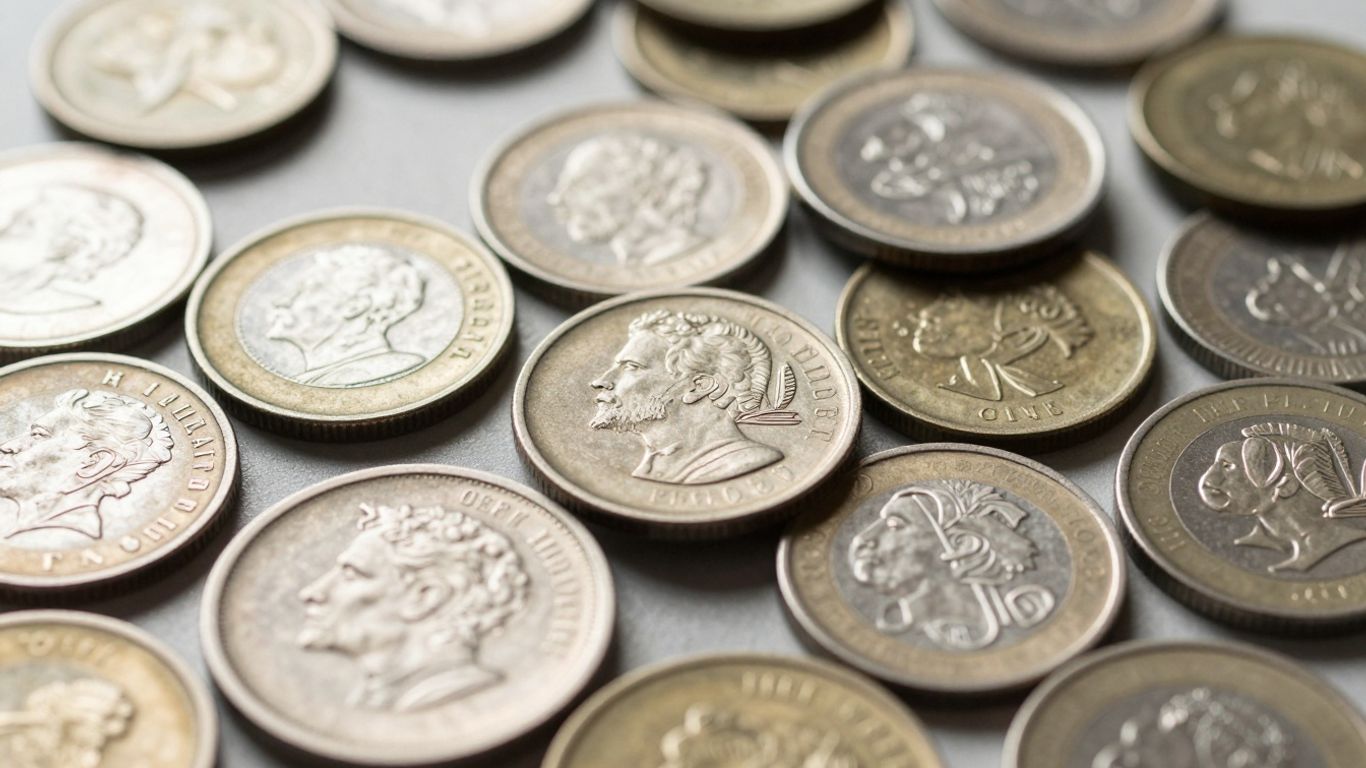
When you’re looking at coins, whether it’s for collecting or just trying to figure out if that old quarter in your pocket is worth anything, knowing the different parts of a coin is pretty important. It’s like learning the alphabet before you can read a book. Each bit of a coin, from the front to the back and even the edge, tells a story and can affect its value.
Decoding the Obverse and Reverse
The obverse is what most people call the "heads" side of the coin. This is usually where you’ll find the main portrait or symbol, like the profile of a president or a national emblem. You’ll also find key inscriptions here, such as the country’s name, the coin’s denomination, and, importantly, the year it was made. The date is a big deal for collectors; certain years might have been made in smaller numbers, making them harder to find. For instance, my 1909-S VDB Lincoln cent is a real prize because so few were produced. The mint mark, often a small letter indicating where the coin was struck (like ‘S’ for San Francisco), is also usually found on the obverse or reverse and can significantly boost a coin’s desirability.
The reverse, or "tails," is the flip side. This is where you often see more detailed designs, maybe a national animal, a historical scene, or a commemorative image. Think of the detailed eagle on an American Silver Eagle or the wildlife on an Australian Kookaburra. These designs aren’t just pretty; they can represent cultural values or mark significant events. Inscriptions on the reverse might detail the coin’s weight and purity, especially for bullion coins, confirming it’s made of a specific amount of gold or silver.
The Importance of the Edge Detail
Don’t overlook the edge! It’s easy to just look at the front and back, but the edge can hold clues. Some coins have reeding, those little lines you see on quarters, which used to help prevent people from shaving off metal. Others have a plain edge, and some even have lettering or designs right on the edge, like some modern dollar coins. An unusual edge, like a smooth one on a coin that should have reeding, could even be a minting error, which can make a coin surprisingly rare and valuable. Checking the edge is a quick way to spot potential oddities.
Identifying Mint Marks and Designer Initials
Mint marks are small but mighty. A tiny letter like ‘D’ for Denver or ‘S’ for San Francisco tells you where the coin was made. Coins from certain mints, especially those with lower production numbers for a specific year, can be much more sought after. I remember finding a 1922-D Lincoln cent; that little ‘D’ made it a key date that collectors really wanted. Beyond the mint mark, you might also find tiny initials on the coin. These belong to the designer or engraver who created the coin’s artwork. Finding these initials can add another layer of interest, connecting you directly to the artist behind the coin’s beauty. It’s like finding an artist’s signature on a painting.
Understanding these basic parts of a coin—the obverse, reverse, edge, and mint mark—is your first step in really appreciating numismatics. It’s not just about the metal; it’s about the history, the art, and the tiny details that make each coin unique. Paying attention to these elements can help you spot something special that others might miss.
Preserving Your Coin's Value
So, you’ve got some coins, maybe they’re worth a bit, maybe they’re just sentimental. Either way, you want to keep them looking good, right? It’s not rocket science, but there are definitely some things you should know. Messing up the storage can really tank what a coin is worth, and nobody wants that. I learned that the hard way when a silver dollar I had started getting these nasty black spots because I kept it in a damp box. Not ideal.
Proper Storage Materials
First off, what do you put them in? You can’t just toss them in a shoebox. Think archival-quality albums, those little cardboard 2×2 holders, or even those hard plastic slabs you see graded coins in. These keep them from getting scratched up or corroded. I’m a big fan of the old-school albums myself; they hold up pretty well.
Safe Handling Practices
When you actually have to touch your coins – and try to do that as little as possible – wear gloves. Cotton ones are best. This stops the oils and dirt from your fingers from getting on the coin. And always, always hold them by the edge. Never touch the main part, the front or the back. It sounds simple, but it makes a big difference.
Protecting Against Environmental Damage
Where you keep your coins matters too. Find a spot that’s cool and dry. Too much humidity can cause toning, which isn’t always bad, but excessive toning or corrosion? Yeah, that’s bad news. Some people use safe deposit boxes, others a home safe with those little silica gel packets to soak up moisture. It’s worth checking on your collection now and then to make sure nothing weird is happening, like tarnish on silver. A little effort now can save you a lot of headaches later.
Market Trends and Coin Value
Understanding what makes a coin valuable in 2026 means keeping an eye on the bigger picture. It’s not just about the metal or how old it is; it’s about what people want right now and what they might want in the future. Think of it like fashion – some styles come back, and some just fade away. The coin world is a bit like that, but with more history and a lot less glitter.
Historical Periods Driving Demand
Certain eras just seem to capture collectors’ imaginations more than others. Coins from times of significant historical events, like wartime or periods of major economic change, often see increased interest. For instance, coins from the early days of the United States, or those associated with specific presidential eras, tend to be popular. People like owning a tangible piece of a story they’ve read about or learned in school. It connects them to the past in a way that a textbook just can’t.
- Colonial Era: Early American coins, often crude but historically significant, are sought after by specialists.
- Civil War Period: Coins from this tumultuous time carry a unique historical weight.
- World War II Era: Items like the 1943 steel cent, made because copper was needed for the war effort, are popular for their story.
- Mid-20th Century: Coins from the 1950s and 60s, often collected by those who remember them from circulation, have a nostalgic appeal.
Bullion Coin Fluctuations
When we talk about bullion coins, like American Gold Eagles or Canadian Maple Leafs, their value is pretty directly tied to the price of the precious metal they contain – gold, silver, or platinum. This means their price can swing quite a bit based on global economic news, inflation worries, or even political instability. If you’re holding bullion coins, their worth today is largely dictated by the spot price of the metal. It’s a different kind of collecting than historical coins; it’s more about investing in a tangible asset that has an intrinsic value.
Here’s a look at how metal prices can affect coin value (prices are approximate and can change rapidly):
| Coin Type | Metal Content | Approximate Value (Jan 2026) | Notes |
|---|---|---|---|
| 1 oz Gold Eagle | 1 oz Gold | $2,100 – $2,300 | Value fluctuates with gold spot price. |
| 1 oz Silver Eagle | 1 oz Silver | $25 – $35 | Value fluctuates with silver spot price. |
| 1 oz Platinum Eagle | 1 oz Platinum | $1,000 – $1,200 | Value fluctuates with platinum spot price. |
Spotting Undervalued Opportunities
This is where the real fun begins for many collectors. It’s about finding those coins that aren’t getting the attention they deserve, but probably should be. This often involves doing your homework. You need to know what’s popular, what’s rare, and what people are actually paying for things. Sometimes, a coin might be overlooked because it’s not in a flashy series, or maybe it’s just a common date in a really nice condition that hasn’t been fully appreciated yet. Online forums, auction results, and talking to other collectors are great ways to get a feel for where the market might be heading or where there might be hidden gems.
The key to finding undervalued coins is a blend of research and intuition. You need to understand the fundamentals of rarity, condition, and historical significance, but also develop a sense for what might become desirable in the future. Don’t just chase what everyone else is chasing; look for the quiet opportunities that could pay off later.
It takes time and patience, but finding a coin that you believe is worth more than its current market price can be incredibly rewarding. It’s like finding a bargain at a flea market, but with the potential for a much bigger return.
The Role of Provenance in Value
When you’re looking at a coin, especially one that might be worth a pretty penny, there’s more to its story than just how rare it is or how good its condition is. We’re talking about its history, its journey – what collectors call provenance. This documented history can sometimes add a surprising amount of value to a coin. Think of it like a piece of art; knowing it hung in a famous gallery or belonged to a well-known collector makes it more interesting, right? Coins are no different.
Documented Coin Histories
So, what counts as a documented history? It’s basically any record that shows where a coin has been. This could be anything from old auction catalogs where it was sold, to receipts from dealers, or even entries in a collector’s personal inventory book from decades ago. For example, if a coin was part of a well-known collection, like the Eliasberg collection, that information is a big deal. It tells you the coin has been vetted by serious collectors over time. It’s like having a stamp of approval from history itself. This kind of paper trail helps prove the coin is genuine and hasn’t been tampered with, which is always a plus. You can often find these details mentioned in specialized numismatic literature or auction archives, which are great resources for serious collectors.
Famous Previous Owners
Having a coin that once belonged to someone famous can really make it stand out. We’re not just talking about any celebrity, but people who were known for their coin collections or had a significant impact on history. Imagine owning a coin that Abraham Lincoln himself might have handled, or one that was part of a royal treasury. These connections add a layer of intrigue and desirability that rarity alone can’t always achieve. It turns a simple piece of metal into a tangible link to a person or an era. This is why coins with a clear link to historical figures or prominent collectors often fetch higher prices at auction. It’s the story, the human connection, that collectors are often buying into. The market research future projects significant growth in the coin collecting market, so these unique stories will likely become even more sought after coin collecting market.
Appraisal for Insurance and Sale
When it’s time to get your coins insured or sell them, knowing the provenance is super important. An appraiser needs all the information they can get to accurately assess a coin’s worth. If a coin has a solid history, it makes their job easier and the appraisal more reliable. For insurance purposes, having proof of ownership and history helps establish the coin’s value in case of theft or damage. When selling, a well-documented provenance can attract more buyers and potentially lead to a better price because they have confidence in what they’re buying. It’s all about building trust and demonstrating the coin’s legitimacy and desirability. Here’s a quick look at what goes into an appraisal:
- Condition: How well-preserved is the coin?
- Rarity: How many of these coins were made?
- Demand: Are collectors actively looking for this type of coin?
- Provenance: What is the coin’s documented history and previous ownership?
Understanding a coin’s background, from its minting to its journey through various collections, is key. This historical context isn’t just interesting trivia; it directly influences how much a coin is worth in today’s market. It adds a layer of authenticity and desirability that goes beyond the physical attributes of the coin itself.
So, What's the Takeaway for 2026?
Looking ahead to 2026, it’s clear that coin collecting isn’t just about finding old metal. It’s about understanding the whole story behind each piece. We’ve talked about how things like how many coins were made, their condition, and if people actually want them all play a big part in their worth. Plus, knowing how to spot a fake and how to keep your coins looking good are super important. It seems like the coins that will really stand out in the coming years will be the ones with a good story, in great shape, and that collectors are excited about. So, keep learning, keep looking, and happy hunting out there!
Frequently Asked Questions
What makes a coin rare and valuable?
A coin’s value often comes from how many were made (mintage) and how many still exist. Coins with very few made are usually rarer. Also, coins in excellent condition, without scratches or wear, are worth more. Sometimes, coins with mistakes from the mint can be very valuable because they are unique.
How do I know if my coin is in good condition?
Coin condition is judged by how worn it is. A coin that looks like it just came from the mint, with all its details sharp and shiny, is in the best condition (called ‘mint state’). Coins that have been used a lot in everyday spending will show wear and be worth less. Experts use a special scale, like the Sheldon scale (1-70), to grade condition.
What is 'grading' when it comes to coins?
Grading is like giving a coin a score for its condition and appearance. Professional services look at things like how well the design was stamped, if there’s any damage, and how much shine or ‘luster’ the coin still has. A higher grade usually means a more valuable coin.
Are coins with mistakes always worth more?
Often, yes! Coins made with errors, like a doubled date or a design that’s off-center, are usually rare and sought after by collectors. These mistakes show a unique moment in the coin-making process and can make a common coin very special.
How important is the history of a coin?
A coin’s history, or ‘provenance,’ can add a lot to its value. If a coin belonged to a famous person, was part of a significant event, or has a well-documented past, collectors might pay more for it. It’s like owning a piece of history with a story.
What are mint marks and why do they matter?
Mint marks are tiny letters on a coin that show where it was made (like ‘S’ for San Francisco or ‘D’ for Denver). Some mints produced fewer coins, making coins from those locations rarer and potentially more valuable, especially for certain years.
How should I store my coins to keep them valuable?
You need to protect your coins from damage. Use special holders made of safe materials (not PVC plastic) that won’t harm the metal. Keep them in a dry place, away from extreme temperatures, and always handle them carefully by the edges, ideally with gloves, to avoid fingerprints.
Where can I find out what my coin is worth?
You can check price guides like the ‘Red Book’ (A Guide Book of United States Coins) or look at recent sales results for similar coins online. For valuable coins, it’s best to get an appraisal from a trusted coin dealer or a professional grading service.