Thinking about buying precious metals like gold or silver? You’ve probably heard the term ‘spot price.’ It sounds important, and it is, but what exactly does it mean when we talk about what is spot price precious metals? It’s basically the current going rate for these shiny assets, the price you see flashing on financial news channels. But here’s the thing: it’s not quite the price you’ll pay when you walk into a dealer or click ‘buy’ online. We’re going to break down what the spot price is, why it changes, and what else goes into the final cost of owning physical precious metals.
Key Takeaways
- The spot price is the current market value for precious metals, ready for immediate delivery.
- Factors like supply, demand, global economics, and world events constantly shift the spot price.
- The price you actually pay for physical metals includes extra costs beyond the spot price, like premiums and fees.
- Understanding these additional costs, such as refining, storage, and dealer markups, is key to knowing your true investment cost.
- While the spot price is a reference, savvy buyers look at the total cost and market conditions to find the best buying opportunities.
Understanding What Is Spot Price Precious Metals
Defining The Spot Price
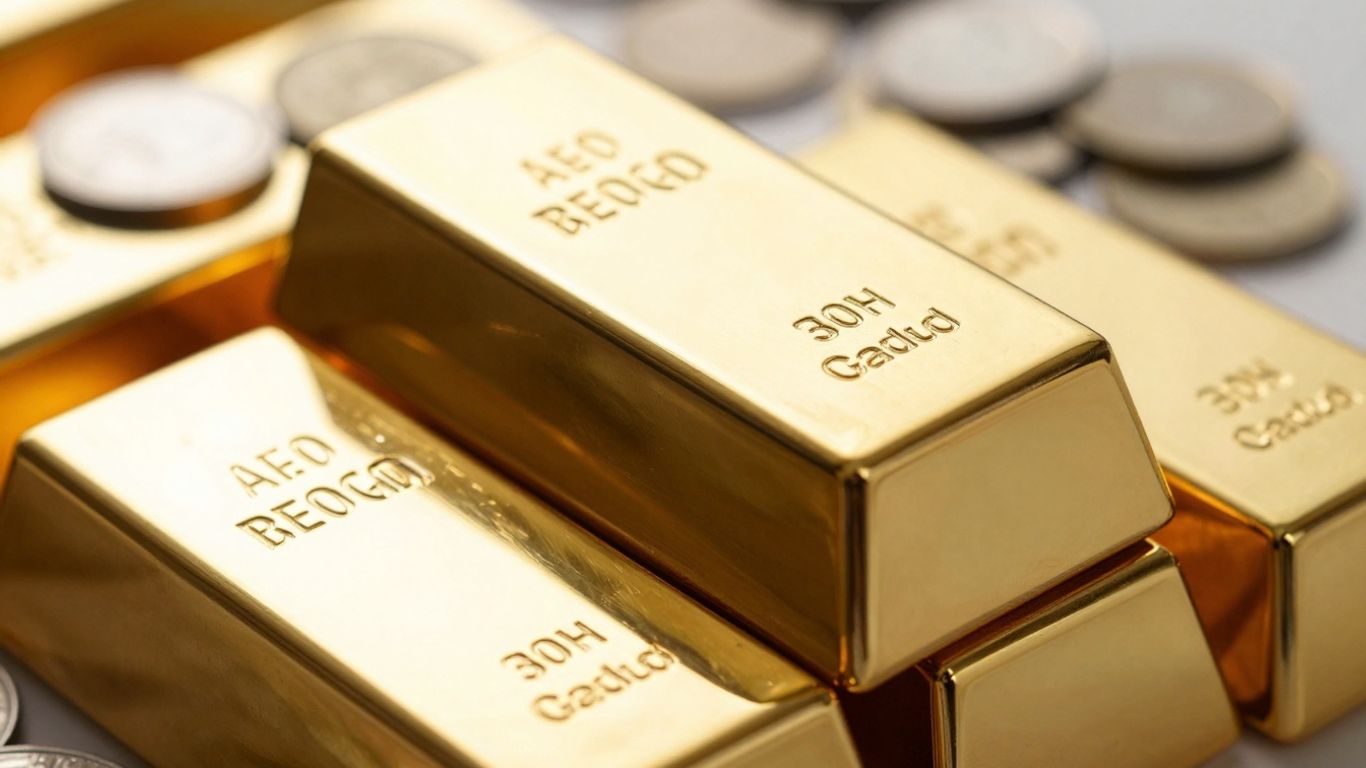
So, what exactly is the spot price when we talk about precious metals like gold or silver? Think of it as the price you see right now, for immediate delivery. It’s the going rate for a commodity at this very moment on the open market. If you wanted to buy or sell a large quantity of gold right this second, the spot price is what you’d be looking at. It’s the baseline, the starting point for all transactions, but it’s important to remember it doesn’t include any extra fees.
Real-Time Market Value
This spot price is a live number, constantly changing. It’s determined by what buyers and sellers are willing to trade at on global exchanges. Imagine it like a stock ticker, but for gold, silver, platinum, or palladium. The price can shift by the minute, influenced by a whole host of things happening around the world. It’s the most up-to-the-minute valuation of the metal itself.
The Foundation For All Transactions
Every single transaction involving precious metals, whether you’re buying a small coin or a large bar, is ultimately based on this spot price. While the price you actually pay might be higher due to various costs, the spot price is the foundation. It’s the raw value of the metal before anything else gets added on.
- Immediate Delivery: The price is for gold that can be bought or sold right away.
- Market Driven: It’s set by the constant back-and-forth of buyers and sellers.
- Pure Value: It represents the metal’s worth without extra charges.
Understanding the spot price is your first step to making sense of the precious metals market. It’s the raw number that everything else is built upon, and knowing it helps you see the bigger picture when you’re thinking about investing.
Factors Influencing Spot Price Fluctuations
Defining The Spot Price
The spot price for precious metals like gold, silver, and platinum isn’t just a random number; it’s a dynamic figure reflecting the immediate market value. Think of it as the price you’d pay if you wanted to buy or sell that metal right now, on the spot. This real-time valuation is the baseline for most transactions, but it’s constantly shifting. It’s influenced by a whole bunch of things happening in the world, making it a bit of a rollercoaster sometimes.
Real-Time Market Value
This immediate market value is what you see quoted on financial news sites and trading platforms. It’s the price for physical delivery of the metal within a very short timeframe, usually two business days. It’s the most basic price point, but it’s not the final price you’ll pay for physical metal. That’s because it doesn’t include any of the extra costs involved in getting that metal from the mine to your hands. It’s like looking at the price of flour before it’s baked into bread – you know the base ingredient cost, but not the final product cost.
The Foundation For All Transactions
Every single transaction involving precious metals, whether it’s a large-scale trade between banks or you buying a small gold coin, starts with the spot price. It’s the reference point. However, the price you actually pay will almost always be higher. This difference comes from various additional costs and premiums that dealers add. Understanding the spot price is key to knowing the metal’s intrinsic worth, but it’s just the first step in figuring out the total cost of ownership. For those looking to invest, keeping an eye on these fluctuations can help identify potential buying opportunities.
Supply and Demand Dynamics
This is pretty straightforward, really. If a lot of people want to buy gold, and there isn’t much available, the price naturally goes up. Conversely, if there’s a ton of gold out there and not many buyers, the price will likely drop. This balance is constantly shifting based on global production levels, new discoveries, and changing consumer or industrial demand. It’s a core economic principle at play.
Global Economic Indicators
Things like inflation, interest rates, and currency strength play a big role. When inflation is high, people often see gold as a safe place to put their money, so demand increases, pushing the price up. If interest rates go up, other investments like bonds might look more attractive, potentially drawing money away from gold and lowering its price. The strength of major currencies, especially the US dollar, also impacts gold prices, as gold is often priced in dollars.
Geopolitical Events And Market Sentiment
Major world events, like political instability, wars, or even widespread economic uncertainty, can cause a lot of anxiety. During these times, investors tend to flock to gold as a ‘safe haven’ asset, seeking to protect their wealth. This surge in demand, driven by fear and uncertainty, can significantly boost the spot price. Market sentiment, which is basically the overall mood or attitude of investors, can also cause short-term price swings.
The spot price of precious metals is a sensitive indicator, reacting to a wide array of global events and economic shifts. It acts like a barometer, reflecting the collective mood and financial health of the world. Monitoring these factors is key to understanding why the price of gold, silver, or platinum might be moving on any given day.
The Spot Price Versus Your Purchase Price
So, you’ve been looking at the spot price for gold or silver, and it looks pretty good, right? It’s like seeing the sticker price on something and thinking, ‘Okay, I can do that.’ But here’s the thing: the price you actually pay when you walk into a dealer or click ‘buy’ online is almost always going to be higher than that number you saw. This difference is a really important part of understanding how the precious metals market works for everyday buyers.
Think of the spot price as the raw, unadulterated value of the metal itself, right now, on the global market. It’s what big players might trade at for immediate delivery. But when you buy, say, a gold coin or a silver bar, there are other costs involved that the spot price doesn’t cover. These are often bundled into what’s called a ‘premium’ or ‘markup.’
Here’s a quick breakdown of why your purchase price isn’t just the spot price:
- Premiums and Markups: Dealers need to make a profit, obviously. They add a percentage or a fixed amount on top of the spot price to cover their business costs and make money.
- Additional Costs: This isn’t just about the dealer’s profit. There are real expenses involved in getting that metal into your hands.
- Why It Matters: Knowing this helps you compare prices better and understand if you’re getting a fair deal. It stops you from thinking you’re buying at spot when you’re actually paying quite a bit more.
The price you see quoted for gold or silver is a reference point, a baseline. It’s the foundation, but it’s not the whole building. When you’re buying physical metal, you’re paying for more than just the metal’s weight and purity; you’re paying for the entire process that brings it to you, safely and legally.
So, while the spot price is a great indicator of the metal’s general value, always be aware that your final cost will include these extra layers. It’s like buying a car – the sticker price is one thing, but taxes, fees, and dealer add-ons can change the final amount you hand over. Understanding these components helps you make smarter choices when investing in precious metals. You can keep an eye on the real-time market value to get a sense of the base cost, but always factor in the additional charges.
Key Components Of Additional Costs
So, you’ve looked at the spot price for gold, silver, or platinum, and you’re thinking, ‘Great, I know what I’m paying!’ Well, not so fast. That spot price is just the starting point, like the sticker price on a car before all the extras. When you go to buy physical precious metals, there are several other costs that get tacked on, and understanding them is pretty important if you don’t want any surprises.
Extraction and Refining Expenses
Getting precious metals out of the ground and making them pure enough to sell isn’t cheap. Mining operations require massive investments in machinery, skilled labor, and energy. Then, that raw metal has to be refined to a high purity, often 99.9% or more for investment-grade bars and coins. This refining process itself involves specialized equipment and chemicals, adding to the overall cost. These are the foundational costs that need to be covered before the metal even hits the market.
Processing, Storage, And Insurance Fees
Once the metal is refined, it needs to get to you, or to a secure vault. Transportation costs money, and so does keeping your valuable metals safe. Secure storage, especially for larger amounts, is a big deal. Think about high-security vaults, climate control, and, of course, insurance to protect against theft or damage. These operational costs are passed on to the buyer, often bundled into the final price you see. The specifics can change based on where you store it – a bank vault is different from a home safe, and both have different associated costs.
Trader Margins And Dealer Premiums
This is where the dealer or broker makes their profit. They add a margin, often called a premium, on top of the spot price. This premium covers their business expenses – rent, staff, marketing – and their profit. The size of this premium can vary a lot. It might be higher for smaller items like individual coins compared to larger bars, or it could fluctuate based on how much metal the dealer has in stock and how much demand there is. It’s why comparing prices from different trusted coin buyers is a smart move. Sometimes, this premium can be a significant chunk of what you end up paying, especially if you’re buying smaller quantities.
It’s easy to get fixated on the spot price, but remember that’s just the wholesale, raw material cost. The price you actually pay is a sum of that raw cost plus all the steps and services needed to get that metal from the mine to your hands or secure storage.
How The Global Gold Market Operates
Major Financial Trading Centers
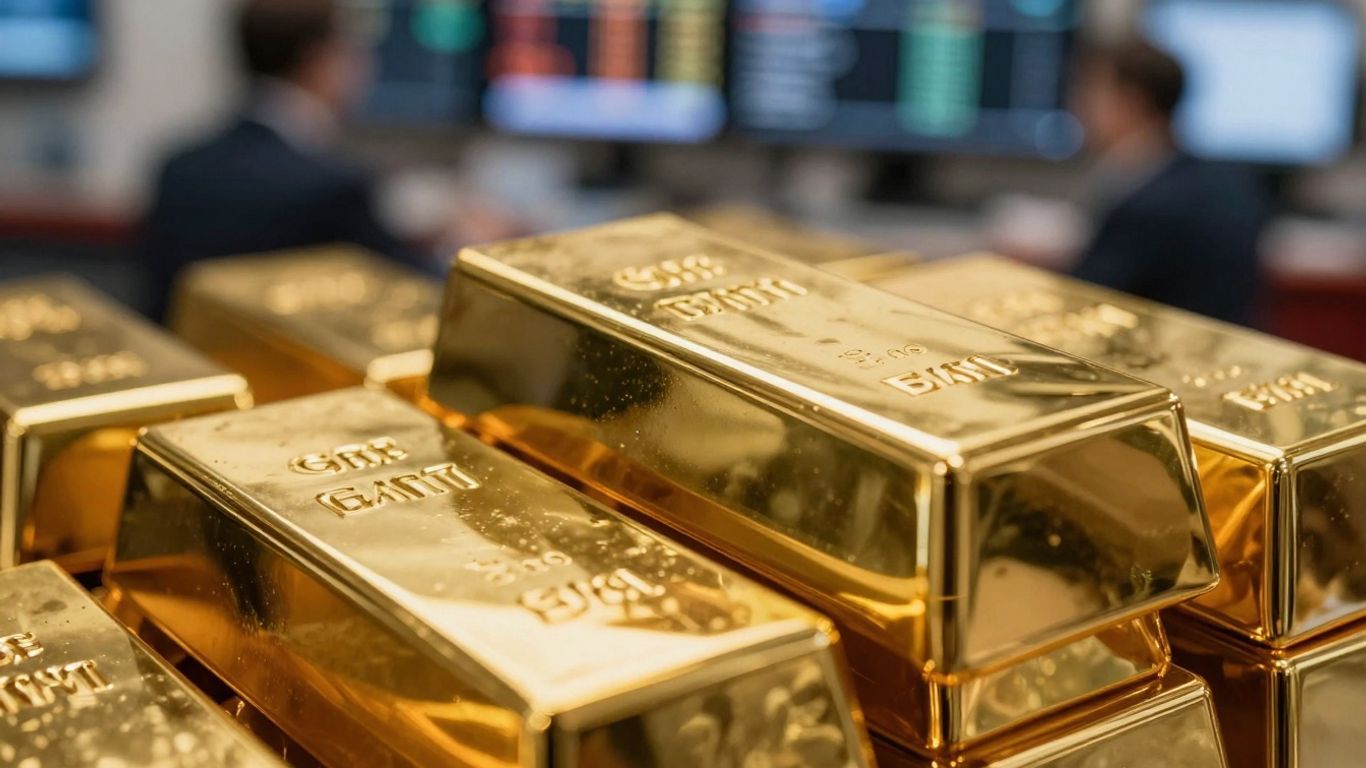
The global gold market isn’t confined to one place; it’s a worldwide network. Major financial hubs like London, New York, Zurich, and Hong Kong are key players. These cities have different trading hours, which is pretty neat because it means gold can be bought and sold almost around the clock. Think of it like a global relay race for gold trading, with each city passing the baton as the day progresses. This constant activity means prices can shift quickly based on events happening anywhere in the world.
Continuous Quotation Cycles
Because of these different time zones, the gold market is pretty much always open. When trading winds down in London, it’s just getting started in New York. This near-continuous trading cycle, running from Sunday evening to Friday evening, allows investors to react instantly to news. Whether it’s an economic report or a political development, the market can adjust prices without much delay. This constant flow of information and trading is what keeps the spot price dynamic.
The Role Of Futures Contracts
Futures contracts are a big deal in how gold prices are set. These are agreements to buy or sell gold at a set price on a future date. They’re used by investors to bet on where the price is headed and by producers to lock in prices for their future output. The prices of these contracts are closely watched because they reflect what the market thinks will happen to gold prices. Algorithms often use this futures market data, along with currency fluctuations and supply/demand in those markets, to help calculate the real-time spot price. It’s a complex system, but understanding futures gives you a better picture of market expectations. If you’re looking to get into gold, knowing about these contracts is a good start, and you can find more info on gold investment.
The spot price is the base rate for gold, but when you buy physical gold like coins or bars, you’ll always pay a bit more. This extra cost covers things like refining the metal, getting it to you, storing it safely, and the dealer’s profit margin. So, the price you see quoted live is just the starting point for any transaction.
Spot Price As An Economic Barometer
Gold's Role In Times Of Crisis
When things get shaky in the economy, like when the stock market takes a nosedive or currencies start acting weird, people tend to look for a safe place to put their money. That’s where gold often comes in. It’s seen as a reliable asset that can hold its value when other investments are losing ground. This rush to buy gold during uncertain times can actually push its price up, making the spot price a kind of thermometer for how worried people are about the economy. You can see this happen in real-time by watching the spot price.
Central Bank Reserves And Influence
Central banks, the big players in managing a country’s money, hold a lot of gold. These reserves aren’t just for show; they act as a backup for their own currency and help keep things stable. When a central bank decides to buy more gold, it can send a signal to the market. It might mean they’re feeling a bit cautious about the future of the economy. Conversely, selling gold could suggest confidence. Here’s a quick look at why they keep gold around:
- Diversifying their assets: Not putting all their eggs in one basket.
- Hedging against inflation: Protecting the value of money over time.
- Signaling economic stability: Showing confidence in their country’s financial health.
Historical Evolution Of Gold Pricing
Gold has been valued for thousands of years, long before modern financial markets existed. Early on, it was used for jewelry and as a form of currency. Over centuries, as trade grew and economies developed, gold’s role shifted. It became a key part of monetary systems, with many countries backing their currency with gold reserves. This historical significance is why gold continues to be viewed as a store of value, even as financial instruments have become much more complex. The spot price today is a modern reflection of this age-old trust in gold’s worth.
The way gold is priced today is a blend of its ancient appeal and modern market forces. While the spot price gives us an immediate snapshot, its long history as a reliable asset underpins its enduring status in global finance.
Strategies For Buying At Spot Price
So, you want to buy precious metals without paying a ton extra? That’s where understanding how to get close to the spot price comes in. It’s not always easy, and you have to be a bit savvy, but it’s definitely doable. Think of it like finding a good deal at the farmer’s market – you know the base price of the produce, but you’re looking for the vendor who’s not adding too much for their time and effort.
Identifying Reputable Dealers
This is probably the most important step. You can’t get a good deal if the person selling to you isn’t on the up and up. Look for dealers who are:
- Well-established: They’ve been around for a while and have a solid track record.
- Transparent: They clearly show their prices, including any fees, and are happy to answer questions.
- Recommended: Check reviews from other buyers or ask for recommendations from trusted sources.
The goal is to find someone who makes you feel comfortable and confident in your purchase. It’s better to pay a tiny bit more to a dealer you trust than to get a slightly lower price from someone shady.
Assessing All Associated Costs
Just because you find a dealer selling close to the spot price doesn’t mean that’s your final cost. You’ve got to look at the whole picture. Here’s what can add up:
- Shipping: How much will it cost to get the metal to your door?
- Insurance: Especially for larger amounts, you’ll want to insure the shipment.
- Payment Fees: Some payment methods might have small transaction fees.
- Storage: If you’re not keeping it at home, vault storage costs money.
It’s like buying a car – the sticker price is just the start. You’ve got taxes, registration, and maybe even financing to think about.
Don’t get so focused on the spot price that you forget about the other expenses. Sometimes, a dealer with a slightly higher price but lower shipping and handling fees can actually be cheaper overall. Always do the math.
Navigating Online Purchases Effectively
Buying online can be convenient, but it also means you can’t physically inspect the item before buying. Here’s how to do it right:
- Double-check the dealer’s website: Make sure it looks professional and secure. Look for contact information and physical addresses.
- Read the fine print: Understand their return policy, shipping times, and any disclaimers.
- Use secure payment methods: Credit cards often offer more protection than other methods.
- Confirm your order details: Before hitting ‘buy,’ make sure the item, quantity, and price are exactly what you expect.
- Keep records: Save all your order confirmations, receipts, and shipping information.
Spot Price Impact On Other Precious Metals
Correlation With Silver And Platinum
The price of gold often sets the tone for other precious metals like silver and platinum. Think of gold as the big brother; when its spot price is climbing, silver and platinum usually follow suit, though not always to the same degree. This connection isn’t just a coincidence. Many of the same forces that move gold – like economic uncertainty or shifts in investor sentiment – also affect silver and platinum. However, these other metals have their own unique supply and demand factors that can cause their prices to move differently than gold’s. For instance, silver has a significant industrial use, so its price can be heavily influenced by manufacturing demand, sometimes more so than by its safe-haven appeal. Platinum, too, has industrial applications, particularly in catalytic converters, making its price sensitive to the automotive sector. Understanding these individual drivers is key to seeing how they relate to the broader precious metals market. You can check live prices for all these metals on sites like Kitco.com.
Investment Strategy Considerations
When you’re looking at buying precious metals, it’s not just about gold. Silver and platinum can offer different opportunities. Sometimes, silver might be a more affordable entry point into precious metals, or its price might rise faster than gold’s during certain market conditions. Platinum, while often more expensive than gold, can present a buying opportunity when its price dips relative to gold. Here are a few things to keep in mind:
- Diversification: Holding a mix of precious metals can spread your risk.
- Value Play: Look for metals that might be undervalued compared to gold.
- Industrial Demand: Consider how industrial uses might impact silver and platinum prices independently.
- Liquidity: Gold is generally the most liquid, meaning it’s easiest to buy and sell quickly.
Market Dynamics And Investor Behavior
Investor behavior plays a big role here. When there’s a lot of buzz around precious metals, people might jump into silver or platinum simply because they’re seen as related to gold’s success. This can create short-term price spikes that aren’t always supported by long-term fundamentals. It’s a bit like a ripple effect. A major event that boosts gold might cause a surge in silver demand, but if that event passes and industrial demand for silver remains weak, its price might fall back faster than gold’s. Keeping an eye on the spot prices of all three metals, alongside news about their specific uses and production, gives you a more complete picture of where the market might be heading.
The price you actually pay for physical precious metals will always be higher than the listed spot price. This difference, known as a premium, covers various costs like refining, manufacturing, secure storage, insurance, and the dealer’s profit margin. It’s important to compare these total costs across different dealers before making a purchase.
Ensuring A Fair Deal When Buying
So, you’re looking to buy precious metals and want to get the best possible price, right? It sounds simple enough – just pay the spot price. But as with most things in finance, it’s a bit more complicated than that. Getting a truly fair deal means looking beyond just that number you see flashing on your screen. It’s about understanding all the pieces that make up the final cost and making sure you’re not overpaying for anything.
Verifying Dealer Credentials
First things first, you need to know who you’re dealing with. Not all dealers are created equal, and some might be less than straightforward. You want to find someone reputable, someone who has a solid track record. Look for dealers who are members of industry associations or have good reviews from other buyers. It’s also smart to check if they have any specific licenses or certifications. This isn’t just about feeling good; it’s about protecting your investment.
- Check online reviews and testimonials.
- Look for membership in industry groups like the Professional Numismatists Guild (PNG) or the Industry Council for Tangible Assets (ICTA).
- Verify if the dealer has a physical address and contact information readily available.
Comparing Market Rates Diligently
Once you’ve found a few dealers you trust, it’s time to shop around. Don’t just go with the first one you find. Prices can vary quite a bit, even for the same product. You need to compare not just the price of the metal itself, but also any premiums or markups the dealer is adding. Sometimes, a slightly higher premium from one dealer might be offset by lower shipping costs or better customer service. It’s a balancing act.
Here’s a quick way to compare:
| Metal Type | Spot Price (Approx.) | Dealer A Price | Dealer B Price | Dealer C Price |
|---|---|---|---|---|
| Gold (1 oz) | $2,000 | $2,050 | $2,045 | $2,055 |
| Silver (10 oz) | $24 | $25.50 | $25.25 | $25.75 |
Remember, the spot price is just a reference point. The actual price you pay will include other costs.
Awareness Of Hidden Charges
This is where things can get tricky. Dealers might not always be upfront about every single fee. You’ve got the spot price, the dealer’s premium, but then there are other things like shipping, insurance for that shipment, and sometimes even assay fees if you’re buying bars. Make sure you ask about all these potential costs before you agree to buy anything. A dealer who is transparent about all charges is usually a good sign.
It’s easy to get caught up in the excitement of buying precious metals, especially when you think you’re getting close to the spot price. But always take a step back and look at the total cost. A few extra dollars here and there can add up quickly, turning a seemingly good deal into a less-than-ideal one. Ask questions, read the fine print, and don’t be afraid to walk away if something doesn’t feel right.
Optimal Times For Spot Price Purchases
Figuring out the best moment to buy precious metals at or near the spot price can feel like a puzzle. It’s not just about watching the ticker; it’s about understanding the market’s rhythm. While you can’t perfectly time the market, there are definitely periods when your money might go a bit further.
Buying Opportunities During Market Downturns
When the broader financial markets get shaky, gold often shines. This is because investors tend to move their money into safer assets, and gold is a classic safe haven. During these times of uncertainty, demand for gold can increase, but sometimes the price can dip temporarily before it catches up. It’s a bit of a balancing act. Keep an eye on major economic news; sometimes a dip in the stock market can present a chance to buy gold at a more favorable rate. This is when vigilance pays off.
Leveraging Dealer Promotions
Dealers, especially larger ones, sometimes run promotions. These might be tied to holidays, special events, or just a way to move inventory. They might offer slightly lower premiums or even waive certain fees. It’s not exactly buying at spot, but it gets you closer. Always compare these offers against the current spot price and factor in any other costs. Sometimes a seemingly good deal isn’t so great once you add everything up.
Considering Fractional Gold Coins
Buying whole gold bars or large coins can be expensive upfront, even if the premium is low. Fractional coins, like 1/10th or 1/4th ounce pieces, can make it easier to enter the market. You can buy them more frequently when you see a good opportunity, rather than waiting to save up for a larger purchase. This approach allows you to spread out your buying and potentially average down your cost over time. It’s a practical way to build your holdings without a massive initial outlay. You can find these at many reputable dealers, and they offer a way to get physical gold without breaking the bank.
Buying precious metals at the spot price is the goal for many, but it’s important to remember that the price you actually pay will almost always be higher. This difference comes from various costs associated with getting the metal from the mine to your hands. Understanding these layers helps set realistic expectations and allows you to focus on minimizing those extra costs as much as possible.
Wrapping It Up
So, we’ve gone over what the spot price for precious metals really means. It’s basically the going rate for gold or silver right now, the price for immediate delivery. It’s not the final price you’ll pay, though, because things like manufacturing, shipping, and the seller’s cut get added on. Think of the spot price as the starting point, the base number. Knowing this helps you understand the market better and figure out if you’re getting a decent deal when you actually buy. It’s not super complicated once you break it down, and understanding this basic price is your first step into the world of buying precious metals.
Frequently Asked Questions
What exactly is the 'spot price' for precious metals?
Think of the spot price as the current, real-time price for precious metals like gold or silver. It’s the price you’d get if you wanted to buy or sell the metal right now, for immediate delivery. It’s like the price you see for a stock on a trading screen – it changes constantly based on what buyers and sellers are willing to pay at that very moment.
Why is the price I pay for gold coins or bars different from the spot price?
The price you pay at a store or online is usually higher than the spot price. This extra amount is called a ‘premium.’ It covers things like the cost of making the metal into bars or coins, shipping it, insuring it, and the seller’s profit. The spot price is just the raw value of the metal itself.
What makes the spot price of gold go up or down?
Several things can cause the spot price to change. The main one is supply and demand – if more people want to buy gold than there is available, the price usually goes up. Also, big world events like economic problems or political worries can make people rush to buy gold, pushing the price higher. The value of money, like the US dollar, also plays a role.
How does the spot price of gold affect other precious metals like silver and platinum?
Often, the prices of silver and platinum tend to move in the same direction as gold. When gold’s spot price is rising, silver and platinum often rise too, though not always by the same amount. This is because investors sometimes see them as similar safe investments.
Is there a best time to buy gold at or near the spot price?
It can be smart to buy when the market is a bit down or when dealers have special sales. Sometimes, buying smaller amounts, like fractional gold coins, can make it easier to get closer to the spot price without a huge upfront cost. Watching the market trends can help you spot good opportunities.
How can I make sure I'm getting a fair price when buying gold?
To get a fair deal, first, do your homework. Compare prices from different sellers, not just the spot price but the final price including all costs. Make sure the dealer is well-known and trustworthy. Also, be aware of any extra fees they might add.
What are some of the extra costs involved besides the spot price?
Besides the raw metal price, you’ll often pay for things like mining and purifying the gold, making it into specific shapes (bars or coins), safely storing it, insuring it, and the seller’s profit margin. These all add up to the final price you pay.
Why is gold sometimes called a 'safe haven' investment?
Gold is called a ‘safe haven’ because during uncertain economic times or when there’s a lot of fear in the markets, people often turn to gold as a place to keep their money safe. It tends to hold its value better than other things when the economy is shaky, acting like a protective shelter for investments.