So, you’ve got some old coins lying around and you’re wondering if they’re worth more than just their face value. It’s a common question for anyone who stumbles upon a collection or just finds an interesting coin in their pocket change. Figuring out what makes a coin valuable, especially in the world of numismatics, can seem like a puzzle. It’s not just about the metal they’re made of; history, rarity, and even how well they’ve been preserved all play a part. Let’s break down what is numismatic coin value and how people actually figure it out.
Key Takeaways
- Numismatic coin value goes way beyond the coin’s face value, looking at factors like rarity, condition, and historical significance.
- Understanding a coin’s anatomy, including its obverse, reverse, edge, and mint mark, is key to identifying it and assessing its worth.
- Coin grading, often using the Sheldon Scale from 1 to 70, is a major factor in determining value, with higher grades meaning higher prices.
- Rarity, driven by low mintage numbers, and market demand significantly influence how much a coin is worth.
- Authenticating coins and knowing how to spot fakes or alterations is vital for collectors to protect their investments and ensure accurate valuations.
Understanding What Is Numismatic Coin Value
So, you’ve got a coin, maybe found it in an old jar or inherited it. It’s got a date, a picture, maybe some words. But what’s it really worth? That’s where numismatic value comes in. It’s not just about the one cent or fifty cents stamped on the coin. It’s about a whole lot more.
The Allure of Numismatics
Coin collecting, or numismatics as the fancy folks call it, is a hobby that pulls you in. It’s like collecting stamps or old baseball cards, but with coins, you’re holding a piece of history. Think about it – a coin might have been passed around during the Civil War, or maybe it was minted when a famous president was in office. That connection to the past is a big part of the appeal. Plus, coins can be beautiful. Some have intricate designs, while others are made of shiny precious metals. It’s a mix of history, art, and even a bit of economics.
Beyond Face Value: Factors Influencing Worth
Most coins you find in your pocket are worth exactly what they say they are. A quarter is worth 25 cents, plain and simple. But numismatic coins? They can be worth way, way more. Why? A bunch of things.
- Rarity: If only a few of a certain coin were ever made, it’s going to be worth more than one that was churned out by the millions.
- Condition: A coin that looks like it just came off the minting press is worth a lot more than one that’s been scratched, bent, or worn smooth.
- Demand: Sometimes, a coin just becomes popular. Maybe it’s tied to a historical event, or collectors just decide they really want it. That can drive up the price.
- Metal Content: If a coin is made of gold or silver, its melt value alone can be significant, even if the coin itself isn’t particularly rare.
The value of a coin isn’t just a number; it’s a story told by its physical state, its scarcity, and the interest people have in it. It’s a puzzle where each piece adds to the overall picture of its worth.
The Role of History and Artistry
Coins aren’t just metal discs; they’re miniature historical documents and works of art. The designs on coins often reflect the time they were made. You might see portraits of leaders, symbols of national pride, or artistic motifs that were popular back then. A coin minted during a time of war might have a different feel than one made during a period of peace and prosperity. The artistry involved in creating these designs, often by skilled engravers, adds another layer to their appeal. The combination of historical significance and artistic merit is what truly elevates a coin beyond its simple monetary denomination.
Decoding Coin Anatomy and Key Identifiers
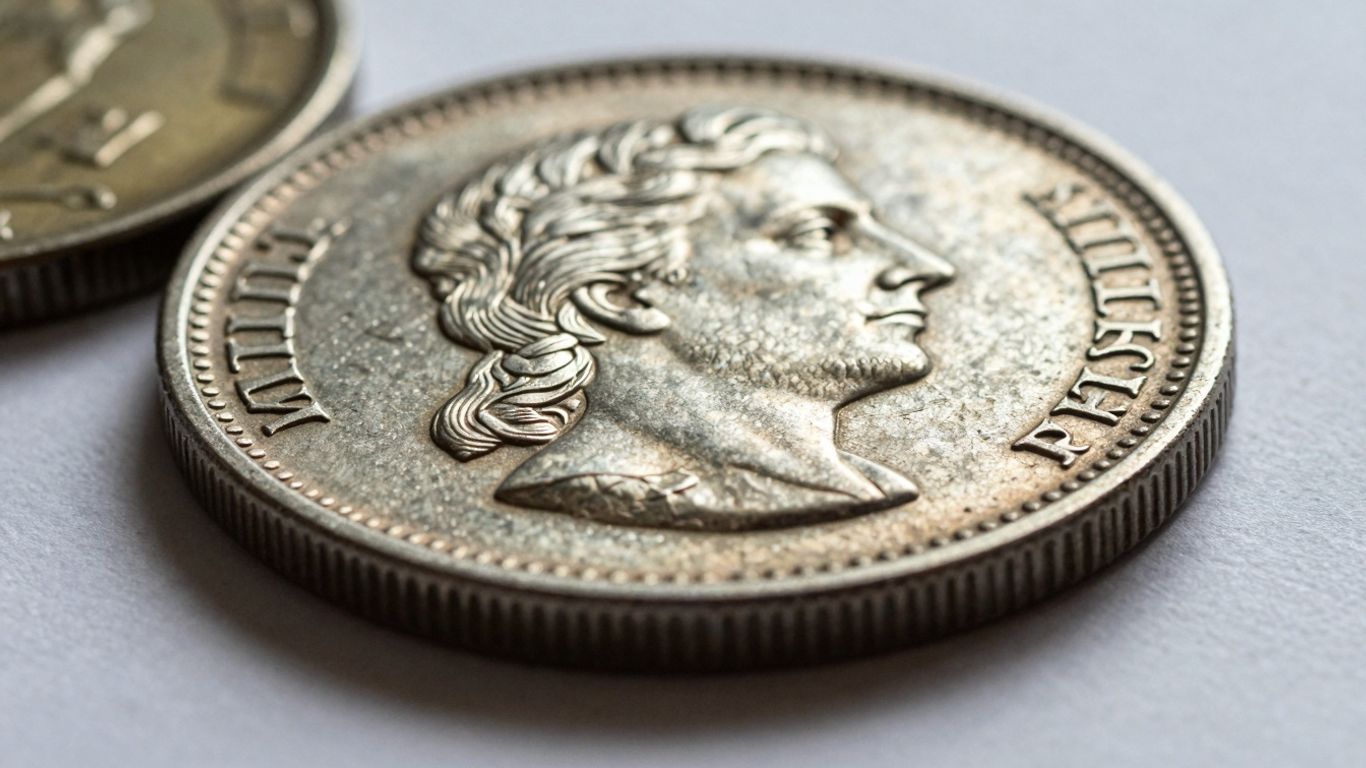
When you first pick up a coin, it might just look like a piece of metal with some pictures and numbers. But to really get what makes it tick, and more importantly, what makes it valuable, you’ve got to learn its parts. Think of it like understanding a car; you wouldn’t just say ‘it’s the thing with wheels,’ right? You’d talk about the engine, the chassis, the tires. Coins are similar. Knowing the basic anatomy is your first step in figuring out its story and its worth.
The Obverse and Reverse
The obverse is what most people call the
The Crucial Role of Coin Grading
So, you’ve got a coin, maybe it’s old, maybe it’s shiny. But how do you know what it’s actually worth? A big part of that comes down to something called grading. Think of it like a report card for your coin. It’s not just about whether it’s been used or not; it’s about the nitty-gritty details of its condition.
Introducing the Sheldon Scale
This is pretty much the standard way coin folks talk about condition. It’s a number scale, from 1 all the way up to 70. A coin at the low end, like a 1, is basically falling apart, super worn down. On the other end, a 70 is perfect, like it just rolled off the minting press yesterday. Most coins you’ll find fall somewhere in the middle. Here’s a quick look at some common points:
- 1-10 (Poor to Good): Very worn, most details are gone. You can usually tell what the coin is, but not much else.
- 15-35 (Very Good to Fine): Some wear is visible, especially on the high points, but major details are still there.
- 40-55 (Very Fine to Extremely Fine): Light wear, but most of the coin’s original design is still sharp and clear.
- 60-70 (Mint State/Uncirculated): No wear at all. These coins look like they’ve never been in anyone’s pocket. The difference between a 65 and a 70 can be thousands of dollars!
Mint State vs. Circulated Coins
This is a pretty big split in the grading world. A circulated coin is one that has actually been used for money, passed from person to person. You’ll see wear on it, maybe some scratches. A mint state (MS) coin, on the other hand, is one that never went into circulation. It came straight from the mint and into a collector’s hands (or at least, it should have!). These coins should have their original mint luster, that shiny, frosty look. Even within mint state, there are levels. A coin can be "uncirculated" but still have little nicks and dings from being handled or stored poorly, which brings us to the next point.
The Impact of Grade on Value
This is where it all comes together. The grade of a coin can change its worth dramatically. A coin that looks pretty good to you might be considered average by a grader, while a coin with just a few more sharp details or less wear could be worth a fortune. It’s not just about the number, though. Things like how well the coin was originally made (the "strike"), how much shine it still has (the "luster"), and even how clean its surface is play a big role. Sometimes, a coin might be technically uncirculated but have so many little marks on it that it gets a lower grade than another coin that looks similar but is cleaner. It’s a whole system, and getting it right is key to knowing what your coins are really worth.
Grading isn’t just about counting wear. It’s about looking at the whole picture: how sharp the design is, if the shine is still there, and what kind of imperfections are present. Even tiny things can make a big difference in what a coin collector is willing to pay.
Factors That Drive Coin Value
So, you’ve got a coin, and you’re wondering what makes it worth more than just its metal content. It’s not just about the date or the picture on it. Several things really push a coin’s value up, or sometimes, down. Think of it like a recipe; you need the right ingredients in the right amounts.
Rarity and Mintage Numbers
This is a big one. If only a small number of a particular coin were ever made, it’s naturally going to be more sought after. The mint produces coins in batches, called mintages. A low mintage number means fewer coins exist, making them harder to find. For example, a coin with a mintage of only a few thousand will almost always be worth more than a similar coin with a mintage in the millions. It’s simple supply and demand, really. You see this with coins like the 1916-D Mercury dime; hardly any were made, so collectors really hunt for them.
Condition and Eye Appeal
Even if a coin is rare, if it’s in rough shape, its value takes a hit. "Condition" is basically how worn or damaged the coin is. A coin that looks like it just came from the mint, with sharp details and no scratches, is going to be worth a lot more than one that’s been tossed around in pockets for years. This is where "eye appeal" comes in too. Does the coin look good? Does it have a nice shine, or is it dull and lifeless? Sometimes, a coin might be in a high grade technically, but if it has some odd discoloration or a strange surface, collectors might not like how it looks, and that affects the price.
Here’s a general idea of how condition impacts value:
- Mint State (MS): These coins show no wear from circulation. The higher the MS grade (like MS-65 or MS-67), the more valuable.
- Extremely Fine (XF): Shows slight wear, but most details are still clear.
- Fine (F): Noticeable wear, with many details softened.
- Good (G): Heavy wear, with only the main design elements visible.
Market Demand and Trends
This is where things get a bit more fluid. What are people collecting right now? Sometimes, a particular series of coins becomes very popular, and demand skyrockets. This can happen for all sorts of reasons – maybe a coin has a cool historical connection, or perhaps a famous collector is known for specializing in them. For instance, coins from specific historical periods, like those related to World War II, can see increased interest. If a lot of people want a coin, and there aren’t many available, the price goes up. It’s like fashion; what’s popular today might not be tomorrow, but for coins, these trends can last a long time.
The interplay between rarity, condition, and what collectors want at any given moment creates the dynamic pricing we see in numismatics. A coin’s story, its physical state, and the number of others like it all contribute to its final worth.
Authenticating Your Coin Collection
So, you’ve got some coins, maybe inherited them, maybe found them, or maybe you’ve been collecting for a while. That’s great! But before you start dreaming about how much they’re worth, we need to talk about making sure they’re the real deal. It’s a bit like checking if that designer handbag you bought online is actually authentic or just a really good fake. The coin world has its share of fakes and coins that have been messed with, and knowing how to spot them is pretty important.
Detecting Counterfeits and Alterations
This is where you become a bit of a coin detective. Counterfeiters aren’t always super sophisticated, but sometimes they can be pretty convincing. What am I looking for? Well, first off, I compare the coin in question to known genuine examples. You can find these in books or online. I’m checking things like the date, the mint mark, the lettering, and the overall design. Are the numbers sharp? Does the lettering look right, or is it a bit mushy or oddly spaced? Sometimes, the metal itself can be a giveaway. Real silver and gold coins aren’t magnetic, so if your coin sticks to a magnet, that’s a big red flag. Also, genuine coins often have a specific sound when you gently tap them – a sort of clear ring. Fakes can sound dull or thuddy.
Then there are altered coins. These are genuine coins that have been changed to make them look rarer or more valuable. Think about someone adding a mint mark to a common coin, or maybe trying to ‘fix’ a scratch to make it look like a mint error. You’ll often see signs of tooling, like file marks, or a different texture on the surface where something was added or removed. It takes a keen eye, and sometimes magnification, to catch these.
Utilizing Reference Materials
Okay, so you can’t just guess. You need tools, and for coin authentication, those tools are reference materials. The most famous one, especially for US coins, is often called the "Red Book" (officially, A Guide Book of United States Coins). It’s packed with information on every coin ever made by the US Mint, including pictures, mintage numbers, and historical details. I use it constantly to check dates, mint marks, and design features. It’s like having a cheat sheet for coin authenticity.
Beyond the Red Book, there are specialized catalogs for different series or types of coins. If you’re into ancient coins, you’ll need different resources. Online databases are also super helpful these days. Many coin dealer websites and numismatic organizations have sections where you can compare images and specs. It’s all about having reliable information to compare your coin against.
When to Seek Expert Opinions
Sometimes, even with all the books and online resources, you’re still not 100% sure. Or maybe you have a coin that looks really, really special, and you want to be absolutely certain before you do anything else. That’s when it’s time to call in the pros. Reputable coin dealers are a great first step. They see coins all day, every day, and they have a lot of experience spotting fakes and alterations. They can often give you a quick opinion, sometimes for free, just to put your mind at ease.
For really high-value coins, or if you’re planning to sell or insure them, you might want to consider professional grading services. Companies like PCGS (Professional Coin Grading Service) and NGC (Numismatic Guaranty Company) are the big names. You send your coin to them, and their experts authenticate it, grade it, and then encapsulate it in a protective holder with a label detailing its grade and authenticity. It costs money, sure, but it adds a huge layer of confidence and can significantly boost a coin’s marketability and value if it’s a top-tier coin. It’s like getting a certified appraisal for a valuable piece of art.
Exploring Rare and Unique Coin Finds
There’s a special kind of thrill that comes with finding a coin that’s not just old, but genuinely rare or unique. These aren’t your everyday pocket change; they’re pieces that tell extraordinary stories, often due to production quirks or historical events. Many collectors are drawn to coins with errors, like a date that’s doubled, a strike that’s off-center, or a design that was quickly pulled. These mistakes offer a fascinating peek into the sometimes unpredictable world of minting.
The Fascination of Error Coins
Error coins are a big draw for many. They happen when something goes wrong during the minting process. Think about a coin where the metal planchet wasn’t properly centered, leading to a partial design, or a coin that accidentally got struck twice. These aren’t just flaws; they’re unique identifiers that make a coin stand out.
Some common types of errors include:
- Off-center strikes: The design is not fully impressed onto the coin’s surface.
- Double dies: A single die strikes the coin twice, causing a doubling effect on parts of the design.
- Struck-through errors: An object, like a piece of metal or cloth, gets between the die and the planchet during striking.
- Missing elements: Parts of the design or lettering are absent due to die issues.
These kinds of errors can significantly increase a coin’s desirability and, consequently, its value, especially if the error is dramatic and well-defined.
Iconic Rare Coin Examples
History is dotted with coins that have become legendary due to their extreme rarity and intriguing backstories. These coins are often the stuff of collector dreams. For instance, the 1933 Double Eagle is a prime example. While millions were minted, they were ordered melted down, making surviving examples incredibly scarce and highly sought after. Then there’s the 1913 Liberty Head nickel. Only five are known to exist, each with its own history and provenance, making them some of the most famous and valuable coins in the world.
The allure of these rare coins isn’t just about their monetary worth; it’s about owning a tangible piece of history, a story that has survived against the odds. They represent a connection to a specific moment in time, a testament to the artistry and challenges of coin production across different eras.
Discovering Unique Design Variations
Beyond outright errors, unique design variations can also make a coin special. Sometimes, a mint might experiment with a design, or a particular die might wear down in an unusual way, leading to subtle but distinct differences. For example, the 1936-D Buffalo nickel with "3 1/2 legs" is a famous variety where the buffalo’s hind leg appears incomplete due to die wear. While not a mint error in the strictest sense, it’s a distinct variation that collectors actively seek. Identifying these variations often requires a keen eye and a good reference guide, like the Red Book. These subtle differences, while sometimes overlooked by the casual observer, are what make numismatics so engaging for dedicated collectors.
Advanced Techniques in Coin Evaluation
Beyond the basics of grading and rarity, there are more detailed ways to look at a coin that can really tell you its story and, by extension, its worth. It’s like going from just knowing a car is red to understanding the specific shade, the paint quality, and how it was applied. For serious collectors, this means getting up close and personal with the coin’s physical characteristics.
Assessing Strike Quality and Luster
Strike quality is all about how well the coin’s design was impressed onto the metal blank. A strong strike means all the little details are sharp and clear, like the individual feathers on an eagle or the fine lines in a portrait. You can often see this by looking at the highest points of the design. If these areas are soft or mushy, it suggests a weak strike, which usually happens when the dies used to make the coin were worn out or not enough pressure was applied. This can definitely affect how appealing a coin looks and, consequently, its value.
Luster, on the other hand, is that original shine or glow a coin has when it leaves the mint. Think of it as the coin’s natural beauty. Mint State coins, especially uncirculated ones, should have this vibrant, frosty, or sometimes satiny sheen. If a coin looks dull or has lost its original sparkle, it might have been cleaned or dipped in a chemical solution. This process, while sometimes done to remove tarnish, unfortunately strips away the original luster and can significantly lower a coin’s desirability and price.
Identifying Surface Condition Issues
When you’re looking at a coin’s surface, you’re essentially looking for anything that detracts from its original state. This includes things like tiny scratches, often called hairlines, which can happen from improper handling or cleaning. You might also find what are called contact marks – little dings or nicks that occur when coins bump into each other during production or transit. Sometimes, people try to hide flaws by polishing a coin or applying waxes, but these artificial enhancements are usually pretty obvious to an experienced eye and are a big red flag.
Paying close attention to the surface is key. Even seemingly minor imperfections can make a difference. It’s about appreciating the coin as it was meant to be, without added or removed elements that alter its original appearance.
The Importance of Detailed Inspection
To really get a handle on these advanced evaluation techniques, you need the right tools and a bit of practice. A 10x magnifying loupe is pretty standard for getting a close-up view of those fine details and potential flaws. Good lighting, like from a halogen lamp, is also super important to see the luster and any surface issues clearly. You’ll want to examine the coin from different angles. It’s also helpful to compare your coin to known examples, perhaps using reference books or online databases, to understand what a strong strike or full luster should look like for that specific type of coin. Over time, your eye gets better at spotting these nuances, and you start to develop a feel for what makes a coin truly stand out.
Leveraging Resources for Value Assessment
So, you’ve got a coin, maybe it’s old, maybe it looks interesting, and you’re wondering what it’s actually worth. It’s not always as simple as looking at the date and the metal it’s made of. Luckily, there are a bunch of places you can turn to get a better idea of your coin’s value. Think of it like doing your homework before a big test – the more you know, the better you’ll do.
Online Price Guides and Databases
This is probably the easiest place to start. The internet is packed with websites dedicated to coin collecting. Many of these sites have huge databases where you can look up specific coins. You can often search by the coin’s date, mint mark, and even its condition. These online guides are updated pretty regularly, so you’re usually getting a good snapshot of what coins are selling for right now. It’s a good way to get a ballpark figure, especially for more common coins.
Auction Result Archives
Want to see what coins are actually selling for, not just what someone is asking? Auction archives are your best friend. Websites that host coin auctions, or even dedicated archive sites, let you see past sales. This is super helpful because it shows real transaction prices. You can filter by coin type, date, and grade to see what similar coins have fetched. It gives you a much clearer picture of the market.
Engaging with Coin Collecting Forums
This is where you can tap into the collective knowledge of other collectors. Online forums are great places to ask questions, share pictures of your coins, and get opinions from people who have been collecting for years. You might find someone who specializes in the exact type of coin you have. Plus, you can often learn about new trends or rare finds that you might not see in a standard price guide. It’s like having a whole community of experts at your fingertips.
Sometimes, a coin’s value isn’t just about its rarity or condition. The story behind it, or even just how visually appealing it is to collectors at a given moment, can play a big part. It’s a mix of objective facts and subjective collector interest.
Here’s a quick look at what you might find:
- Online Price Guides: Good for general values and quick checks.
- Auction Archives: Shows real-time sales data.
- Collector Forums: Offers community insights and expert opinions.
- Specialized Blogs/Websites: Can provide in-depth analysis on specific coin series.
The Influence of Precious Metals
Understanding Bullion Coin Value
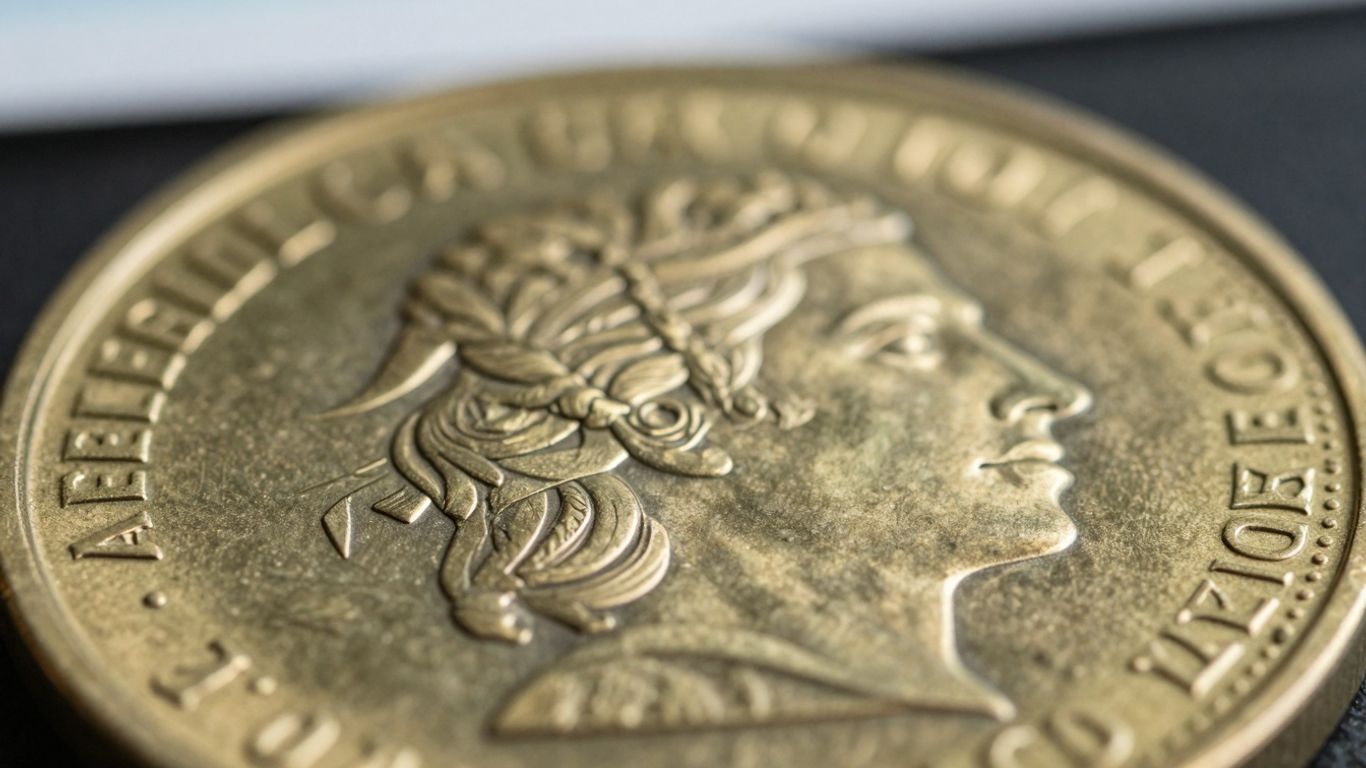
When we talk about coins, it’s easy to get caught up in the history, the rarity, and the artistic details. But sometimes, the most straightforward factor in a coin’s worth is simply what it’s made of. For coins that are primarily valued for their metal content, like gold or silver bullion coins, their price is directly tied to the fluctuating global markets for these precious metals. Think of a one-ounce American Gold Eagle coin. Its value isn’t just about the eagle design; it’s largely determined by the current price of gold, plus a small premium for its numismatic appeal and the cost of minting. As of late 2025, such a coin could easily be worth over $2,000, and that price can change daily, even hourly.
Tracking Historical Metal Prices
To really get a handle on why a bullion coin is worth what it is, you need to look at the history of metal prices. It’s not just about today’s price; it’s about understanding the trends. Was gold on a steady climb, or did it take a sudden dip? These movements are influenced by all sorts of things – economic stability, global events, and even how much jewelry people are buying. Keeping an eye on these historical charts can give you a much better picture of the metal market’s behavior.
Here’s a simplified look at how metal prices can affect coin value:
| Metal | Approx. Price (USD) | Example Coin Value (Bullion) |
|---|---|---|
| Gold | $2,000/oz | $2,050 (1 oz coin) |
| Silver | $25/oz | $30 (1 oz coin) |
| Platinum | $1,000/oz | $1,030 (1 oz coin) |
Note: These are illustrative prices and do not include premiums or specific coin conditions.
Composition and Fineness
Not all coins made of gold or silver are created equal. The purity, or fineness, of the metal matters a lot. You’ll often see coins described by their karat (for gold) or fineness (like .999 fine silver). A coin that’s 99.9% pure silver will be worth more than a coin that’s only 90% silver, assuming the same weight. This is because you’re getting more of the actual precious metal. So, when you’re looking at a coin, check what it’s made of and how pure that metal is. It’s a big part of the equation for its intrinsic value.
The metal content of a coin is a foundational aspect of its worth, especially for modern bullion pieces. While numismatic factors like rarity and condition add premiums, the underlying value of the gold, silver, or platinum is the baseline. Understanding this intrinsic value helps collectors and investors set realistic expectations and make informed decisions in a dynamic market.
Special Finishes and Their Value
Distinguishing Proof Coins
When you look at coins, you might notice some have a really shiny, almost mirror-like surface, while others look more like they came straight from a regular minting machine. Those super-shiny ones are often what we call "proof" coins. They aren’t made for everyday spending; instead, they’re specially struck multiple times using polished dies and planchets (the blank metal discs) to get that incredibly detailed and reflective look. Think of them as the collector’s edition of coins. Because they’re made with such care and in smaller numbers, proof coins usually fetch a higher price than their regular, circulated counterparts. The minting process itself is different, aiming for perfection rather than mass production.
The Appeal of Matte Proofs
Now, within the world of proof coins, there’s a specific type that has a unique charm: the matte proof. Unlike the dazzling, mirror-like finish of standard proofs, matte proofs have a duller, more frosted appearance. This look comes from using specially prepared dies that don’t produce a reflective surface. It’s a more subdued aesthetic, but it has a dedicated following. Collectors often appreciate the intricate detail that can be seen on a matte proof without the glare that might obscure it on a regular proof. They were more common in the late 19th and early 20th centuries, and finding one in good condition can be quite a find.
Satin Finish Characteristics
Satin finish coins are another category that collectors pay attention to. These coins often have a soft, frosty sheen rather than the high-gloss mirror finish of a standard proof or the dullness of a matte proof. They might look a bit like a regular uncirculated coin, but there’s a subtle difference in the way light plays off the surface. Sometimes, satin finishes are achieved through a special minting process, or they can be a result of how the coin was handled or treated after minting, though intentional treatments can sometimes be viewed negatively by serious collectors. The key is that the surface has a soft, non-reflective glow.
Here’s a quick look at how these finishes generally compare:
| Finish Type | Surface Appearance | Production Method | Typical Value Factor |
|---|---|---|---|
| Regular Strike | Varies (circulated/uncirc.) | Standard minting for circulation | Base value |
| Proof | Mirror-like, reflective | Specially polished dies, multiple strikes | Higher |
| Matte Proof | Dull, frosted | Specially prepared dies, less reflective | Often higher than regular, depends on rarity |
| Satin Finish | Soft, frosty sheen | Special minting process or post-minting treatment | Varies, can be higher than regular strike |
So, What's the Takeaway?
Figuring out what a coin is really worth can feel like a puzzle, but it’s not impossible. It’s a mix of history, how well the coin’s held up, and just how many of them are out there. Think of it like this: a coin that’s super rare and in amazing shape is going to be worth way more than one that’s common and beat up. We’ve talked about grading, rarity, and even market demand, and all these things play a part. So, whether you’re just starting out or have been collecting for years, remember that every coin has a story, and understanding its value is part of appreciating that story. Keep learning, keep looking, and happy collecting!
Frequently Asked Questions
What makes a coin valuable?
A coin’s value isn’t just about its date or how old it is. Several things make a coin worth more. Think about how many of that coin were made – fewer made means it’s rarer and often more valuable. Also, its condition is super important. A coin that looks like it just came from the mint will be worth way more than one that’s been tossed around in pockets for years. Finally, what other collectors want plays a big role; if everyone’s trying to get a certain coin, its price goes up!
What is 'numismatic value'?
Numismatic value is basically the value of a coin beyond its normal worth as money or metal. It’s what collectors are willing to pay for it because of its rarity, condition, historical importance, or artistic design. So, a penny might be worth only a cent as money, but if it’s a rare error coin, its numismatic value could be hundreds or even thousands of dollars!
How do I know if my coin is rare?
To figure out if your coin is rare, you’ll want to look at a few things. First, check the mintage numbers – this is how many were made. You can find this information in coin collecting books or online. Also, look for any special marks, like a tiny letter indicating where it was made (a mint mark), as some mint marks are rarer than others. Lastly, check for any mistakes or oddities in the coin’s design, as these ‘error coins’ are often very rare.
What does 'coin grading' mean?
Coin grading is like giving a coin a report card for its condition. Experts look at how worn the coin is, if it has any scratches or marks, and how well its details are preserved. They use a scale, often from 1 to 70, where 70 is a perfect coin. A higher grade means the coin is in better shape and usually worth much more money. It’s a really important part of figuring out a coin’s true value.
Are coins made of gold or silver always valuable?
Coins made of precious metals like gold and silver often have a base value tied to the metal’s price. However, their numismatic value can be much higher if they are rare, in great condition, or have historical significance. So, while the gold or silver content gives them a starting worth, factors like rarity and condition can make them worth far more than just the metal itself.
What are 'error coins'?
Error coins are coins that have mistakes made during the minting process. Think of things like a doubled date, a missing part of the design, or being struck off-center. These aren’t supposed to happen, and because they’re unusual and often hard to find, error coins can be very valuable to collectors who like unique pieces.
Where can I find information about my coin's value?
There are many places to learn about coin values! You can check out online price guides and databases specifically for coins. Looking up past sales results from coin auctions is also very helpful. Talking to experienced coin dealers or joining online coin collecting communities and forums can give you great insights and advice from people who know a lot about coins.
What's the difference between a 'circulated' and 'mint state' coin?
A ‘circulated’ coin is one that has been used as money and has gone through regular wear and tear from being handled and passed around. A ‘mint state’ coin, on the other hand, is one that looks like it just came from the mint – it hasn’t been used as money and shows little to no signs of wear. Mint state coins are generally much more valuable because they are in pristine condition.