Collecting coins can be a really cool hobby, letting you hold bits of history in your hand. But, like anything old, coins can get damaged. Sometimes it’s from how we keep them, other times it’s just the environment they’re in. This guide is all about figuring out what causes that damage, what is environmental damage coins, and how to stop it from happening to your own collection. We’ll go over storage, cleaning, and even how to show off your coins without ruining them.
Key Takeaways
- Environmental damage to coins happens from things like humidity, temperature changes, and even the air quality around them.
- Proper storage is super important; think acid-free holders, albums, and boxes to keep coins safe from the elements.
- Controlling the environment where you keep your coins, especially humidity and temperature, makes a big difference.
- If you must clean a coin, use only distilled water and a soft cloth, and never use harsh chemicals or rub it.
- Protecting coins means handling them carefully by the edges, storing them separately, and using protective capsules for valuable pieces.
Understanding Environmental Damage on Coins
Coins, especially those that are old or rare, can suffer damage from their surroundings. It’s not just about dropping them or scratching them; the air, the way they’re stored, and even the stuff they touch can cause problems over time. Think of it like leaving a nice piece of furniture out in the rain – eventually, it’s going to get messed up. Coins are no different, and understanding what causes this damage is the first step to stopping it.
What Constitutes Environmental Damage?
Environmental damage refers to any deterioration a coin experiences due to its interaction with its surrounding atmosphere, storage materials, or other external factors that aren’t direct physical handling. This can include chemical reactions, corrosion, or surface changes that happen slowly over time. The goal is to keep your coins in a stable environment where these damaging interactions are minimized.
Common Environmental Factors Affecting Coins
Several things in the environment can negatively impact your coins:
- Humidity: Too much moisture in the air is a big one. It can lead to various forms of corrosion, like the green powdery stuff you sometimes see on old copper coins, or dark spots on silver. Even low humidity can sometimes cause issues with certain metals over long periods.
- Pollutants: The air isn’t always clean. Things like sulfur compounds (often found in polluted areas or from certain storage materials), dust, and other airborne particles can settle on coins and react with the metal, causing discoloration or pitting.
- Temperature Fluctuations: Big swings in temperature can cause materials to expand and contract. If a coin is stored in a material that reacts differently to temperature changes, it can lead to stress or damage over time. Extreme heat can also accelerate chemical reactions.
- Storage Materials: Not all storage materials are created equal. Plastics that aren’t "acid-free" or "inert" can break down over time and release chemicals that damage the coin’s surface. Even cardboard can contain acids or impurities that cause problems.
Identifying Signs of Environmental Degradation
Spotting environmental damage early is key. Here are some things to look out for:
- Discoloration: This is the most common sign. Coins might develop dark spots, a hazy film, or uneven patches of color that weren’t there before. For example, silver coins might turn black or develop a milky appearance.
- Corrosion: You might see powdery or flaky substances on the coin’s surface, especially in the fields (the flat areas) or around details. This is often a sign of chemical reactions, usually due to moisture and air.
- Surface Texture Changes: Sometimes, the surface of the coin might feel rougher or look pitted. This can happen when the metal itself is slowly eaten away by environmental factors.
- Toning: While some toning can be attractive and even add value, "unnatural" or "problematic" toning can be a sign of environmental issues. This is different from the even, attractive patina that develops naturally over decades or centuries.
It’s important to remember that not all changes to a coin’s surface are bad. A natural patina, for instance, can be a sign of age and authenticity, and often adds to a coin’s appeal. The trick is to distinguish between this desirable aging and actual damage that degrades the coin’s condition and value. If you’re unsure, it’s always best to consult with a numismatist or a coin conservation expert before attempting any cleaning or making assumptions about the coin’s state.
Here’s a quick look at how different environments can affect common coin metals:
| Metal | Common Environmental Issues |
|---|---|
| Copper/Bronze | Green patina (verdigris), dark spots, pitting |
| Silver | Blackening (sulfidation), milky film, spotting |
| Nickel | Pitting, dark spots, sometimes a powdery surface |
| Gold | Generally very stable, but can show surface dulling or spotting if exposed to harsh chemicals or extreme conditions |
| Zinc (modern) | White powder (zinc pest), pitting, surface degradation |
The Impact of Storage on Coin Condition
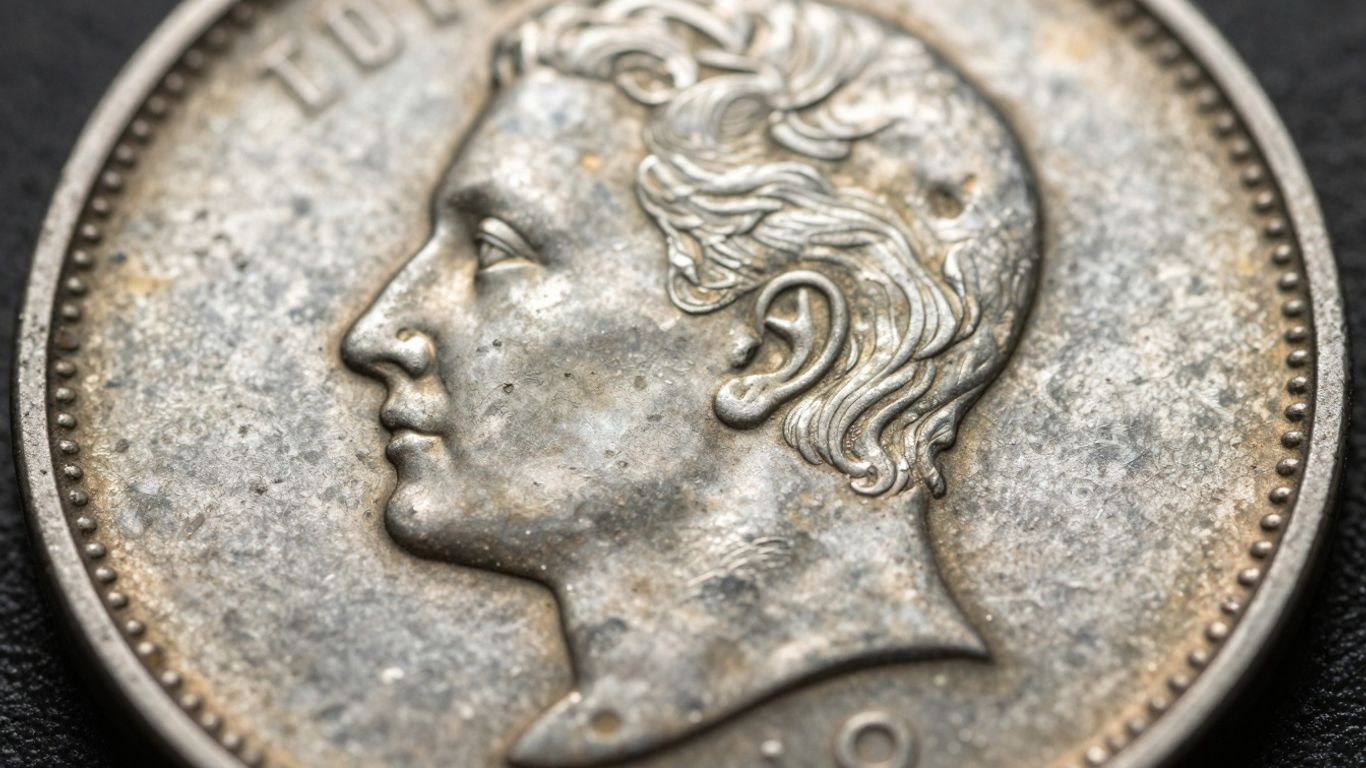
So, you’ve got some coins. Cool. But how you keep them matters, a lot. Think of it like storing food – leave it out, and it spoils. Coins are similar, but instead of mold, you get tarnish, corrosion, or worse. The right storage isn’t just about keeping things tidy; it’s about actively protecting your coins from the environment. Get it wrong, and even a rare coin can lose its appeal and value faster than you can say "patina." Choosing the correct storage solutions is your first line of defense against damage.
Choosing Appropriate Coin Holders
When it comes to individual coins, you need something that keeps them separate and protected. Forget just tossing them in a jar – that’s a recipe for scratches and dings. Coin flips are a popular choice. The old cardboard ones with mylar windows? Not so great anymore. Modern flips are usually made of polyester or polypropylene, which are much safer. They often have two pockets: one for the coin and one for a little card where you can jot down details. For more valuable coins, individual capsules made of acrylic are a good bet. They offer a snug fit and good protection. Just make sure whatever you choose is acid-free. That’s a big one.
Utilizing Albums and Storage Boxes
Got more than a handful of coins? Albums and storage boxes come into play. Albums are great for organizing and viewing your collection. Look for ones with acid-free pages and pockets. This way, each coin has its own space, reducing the risk of them rubbing against each other. For larger collections, or if you have a lot of coins that are similar (like rolls of uncirculated ones), storage boxes with dividers or tubes can be super efficient. They keep things compact and prevent coins from shifting around too much during transport or just sitting on the shelf.
The Role of Acid-Free Materials
This might sound a bit technical, but it’s really important. "Acid-free" basically means the material won’t break down and release harmful chemicals that can damage your coins. Think about old paper documents that turn yellow and brittle – that’s often due to acid. For coins, acids can cause discoloration, corrosion, and other unsightly marks. Vinyl, for example, can be a problem because it can degrade and release acids. So, when you’re looking at holders, pages, or boxes, always check that they’re made from materials like polyester, polypropylene, or archival-quality acrylic. It’s a small detail that makes a huge difference in the long run.
Storing coins isn’t complicated, but it does require attention to detail. The goal is to create a barrier between the coin and anything that could harm it, whether that’s air, moisture, or even just another coin. Using the right materials means you’re not introducing a new problem while trying to solve an old one.
Controlling Your Coin's Environment
So, you’ve got these coins, right? And you want them to stick around looking good for a long time. Well, it’s not just about shoving them in a box. The air around them, the dampness, even how steady the temperature is – it all plays a part. Think of it like keeping a plant happy; you wouldn’t just leave it in a dark, dry corner, would you? Your coins need a bit of attention too.
Managing Humidity Levels
Humidity is a coin’s sneaky enemy. Too much moisture, and you’re practically inviting corrosion and that ugly green stuff to show up. Too little, and some materials might get brittle. The sweet spot most folks aim for is somewhere between 30% and 50% relative humidity. It sounds specific, but it makes a difference. You can get little gadgets called hygrometers to measure it. If your place is a bit damp, especially in the basement or a closet, consider using silica gel packs. They’re like little sponges that soak up extra moisture. Just remember to "recharge" them every so often by baking them, or swap them out. For bigger collections or really humid areas, a small dehumidifier might be worth looking into.
Ensuring Temperature Stability
Coins don’t like wild temperature swings any more than we do. When it gets hot, things expand; when it gets cold, they contract. Doing this over and over can stress the metal. Plus, temperature changes often go hand-in-hand with humidity changes, which is a double whammy. Avoid storing your coins in places like attics, garages, or near heating vents and windows. These spots are notorious for temperature fluctuations. A stable, cool room is best. Think of a closet in the main part of your house, away from exterior walls if possible. It’s not about keeping them freezing, just keeping them from going through a daily heat-and-cool cycle.
Maintaining Air Quality in Storage Areas
This one’s a bit less obvious, but still important. The air we breathe isn’t always clean, and neither is the air in our homes. Dust, fumes from cleaning products, even certain types of wood or paint can release gases that aren’t great for coins. Over time, these pollutants can cause discoloration or surface damage. It’s a good idea to keep your coin storage area clean and well-ventilated, but without creating drafts that might stir up dust. If you use a lot of aerosols or strong cleaners, maybe do that in a different part of the house. Basically, give your coins a clean, calm environment to hang out in.
Keeping your coins in a stable environment is like giving them a protective bubble. It’s not about being obsessive, but about being smart. Small steps to control humidity, temperature, and air purity can save you a lot of heartache and preserve the look and worth of your collection down the road.
Safe Cleaning Practices for Coins
Cleaning coins is a bit of a touchy subject for collectors because doing it wrong can leave you with a coin that’s worth less than what you started with. Most experts agree you should almost never clean coins unless there’s a really good reason. But for those times when cleaning is unavoidable, there are a few careful steps you can take to do it as safely as possible.
When Cleaning is Necessary
It’s rare that a coin truly needs cleaning. Here are some situations where you might consider it:
- Dirt or debris is thick enough to obscure details
- Surface contaminants could cause corrosion if left alone
- You’re dealing with recent circulation coins and not those with major historical or monetary value
Coin cleaning should always be approached with caution. If you have even a slight doubt, talk to a professional before cleaning any coin you care about.
Safe Methods Using Distilled Water
When you’ve decided a coin really needs a wash, distilled water is just about the safest bet. Here’s a basic method to follow:
- Gently rinse the coin with distilled water to loosen surface dirt.
- If dirt remains, soak the coin for 12–24 hours.
- Remove the coin and pat it dry with a lint-free, soft cloth—never rub.
Table: Distilled Water Cleaning Steps
| Step | Action |
|---|---|
| Initial Rinse | Swish coin gently in distilled water to remove loose dirt |
| Soak (if needed) | Let coin sit in fresh distilled water 12-24 hours |
| Pat Dry | Use lint-free cloth to blot dry, do not rub or scratch surface |
Avoiding Harmful Chemicals and Abrasives
A single mistake here can mean permanent damage. Always steer clear of:
- Household cleaners (bleach, alcohol, vinegar, acetone)
- Abrasive pads, brushes, or polish
- Any commercial "coin cleaning" polishes (these often scratch or strip surfaces)
Stick to the mantra: if in doubt, do less rather than more. Sometimes the best cleaning for a coin is simply not cleaning it at all.
Preventing Physical Damage to Your Collection
Physical damage is one of the quickest ways to reduce the value and appeal of your coin collection. Even the smallest scratch or ding can make a rare coin less attractive and more difficult to sell or trade. Keeping coins safe from accidental harm takes some planning and careful habits. Let’s cover a few practical strategies that anyone can apply, whether you’re just starting out or already have a few prized coins in your collection.
Handling Coins Over Soft Surfaces
Coins are surprisingly easy to drop—and even a short fall onto a hard surface can leave a nasty scratch or dent. Here’s how to lower your risk:
- Handle coins above a towel, foam pad, or clean cloth.
- Set up a dedicated work area so you aren’t tempted to multitask or rush.
- Avoid holding multiple coins at once while working on your collection.
Setting up a padded work area only takes a minute, but it can save you from a lot of regret if a coin slips through your fingers.
The Importance of Separate Storage
It may be tempting to keep coins together for convenience, but contact between coins almost always leads to wear over time. Coins in direct contact with each other can develop:
- Surface scratches
- Edge nicks
- General loss of detail or luster
| Storage Method | Protection Level |
|---|---|
| Loose in box/jar | Poor |
| Individual flips/envelopes | Good |
| Capsules or slabs | Excellent |
- Store each coin in an individual sleeve, capsule, or flip, especially if the coin is rare or expensive.
- Resist stacking coins—even similar coins can scratch each other with repeated movement.
Avoiding Friction Through Proper Handling
Even the best storage setup can’t protect coins if they’re constantly handled or moved. Friction between fingers and metal, or between coins, slowly erases fine details.
- Always pick up coins by the edges, not by the faces.
- If you need to show others, use tweezers with soft tips or the protective holder itself.
- Minimize routine handling to reduce the chances of fingerprints or friction wear.
The less you physically touch your coins, the better they’ll look ten years from now. Just being mindful in the moment can preserve the things you care about for a long time.
Protective Measures for Valuable Coins
When you’ve got some really special coins in your collection, the ones that make your heart skip a beat, you’ve got to think about giving them a bit of extra TLC. It’s not just about keeping them safe from dust bunnies; it’s about shielding them from all sorts of things that can mess them up over time. Think of it like putting a good coat of armor on your most prized possessions.
Using Coin Capsules and Holders
So, what’s the deal with these capsules and holders? Basically, they’re like little personal bubbles for your coins. You want to make sure whatever you choose is made from materials that won’t react with the metal of your coin. We’re talking about stuff that’s "acid-free." If a holder has acids in it, it can actually start to eat away at the coin’s surface over years, which is the opposite of what we want. It’s a bit like using the wrong kind of cleaner on a delicate surface – bad news.
- Always opt for holders made from inert materials. This usually means acrylic or polyester. Avoid anything that feels soft and rubbery, as that often means vinyl, and vinyl can break down and release harmful chemicals.
- Look for holders that are specifically designed for coins. They come in all sorts of sizes to fit different denominations and mintages.
- If you’re unsure about a material, it’s always best to ask the seller or do a quick search online. Better safe than sorry, right?
Ensuring a Secure Fit for Protection
Once you’ve got your holder, the next step is making sure the coin fits snugly inside. A coin that rattles around in its holder is still at risk. It can get scratched or worn down just from moving inside the capsule. You want it to be held in place, not sliding around every time you move the holder. This is where getting the right size holder really matters. It’s a small detail, but it makes a big difference in the long run for keeping your coins in top shape. For some of the really valuable pieces, you might even look into professional coin preservation services to make sure everything is just right.
Labeling for Identification and Organization
This part is super helpful, especially if your collection starts to grow. Imagine having a bunch of these capsules, all looking similar. How do you remember which is which? Labeling is key. You can write directly on the holder if it’s designed for that, or use small labels that stick to the outside. What should you put on the label? The basics are good: the coin’s date, the mint mark (where it was made), and maybe its grade if you know it. This makes it way easier to find what you’re looking for and keeps everything organized. It also helps if you ever need to document your collection for insurance purposes or just want to keep track of your own inventory.
Keeping your valuable coins protected isn’t just about preventing obvious damage. It’s about creating a stable, inert environment that shields them from unseen threats like chemical reactions and microscopic wear. The right holders and a snug fit are your first line of defense against the slow degradation that can happen over decades.
The Significance of Coin Grading
So, you’ve got some coins, maybe inherited them, maybe picked them up at a flea market. They look pretty neat, right? But how do you know what they’re actually worth, or even how good their condition is? That’s where coin grading comes in. It’s basically a way to assess how well a coin has held up over time.
Understanding Grading Standards
Think of grading standards as the rulebook for judging a coin’s condition. Without them, everyone would have a different idea of what a ‘good’ coin looks like. These standards help make sure that a coin described as ‘Very Fine’ means the same thing to collectors in New York as it does to collectors in London. It’s all about consistency.
- Sheldon Scale: This is the big one, especially for U.S. coins. It’s a numerical scale from 1 (basically falling apart) all the way up to 70 (practically perfect, like it just left the mint). Most collectors are familiar with this scale.
- Descriptive Terms: You’ll also hear terms like ‘Good,’ ‘Very Fine,’ ‘Extremely Fine,’ and ‘Mint State.’ These give you a general idea of the coin’s wear and appearance.
- ‘Details’ Grade: Sometimes, a coin might have issues like cleaning, scratches, or environmental damage. Instead of a numerical grade, it gets a "details" grade. This designation significantly lowers their market value. It’s important to know this because it tells you the coin isn’t perfect, even if it looks okay at first glance.
It’s easy to get caught up in the numbers and terms, but the main point is that grading provides a common language for collectors. This helps when you’re buying, selling, or just talking about coins with others. It takes practice to get good at it, so don’t get discouraged if you don’t nail it right away.
Essential Grading Tools for Collectors
You don’t need a whole lab to start grading. A few basic items can make a big difference in how well you can examine your coins. Having the right tools helps you see details you might otherwise miss.
- Magnifying Glass or Loupe: This is your best friend. A good loupe (usually 5x to 10x magnification) lets you see wear patterns, nicks, and other imperfections up close.
- Good Lighting: Natural light is best, but a good desk lamp with a bright, neutral bulb works too. You need to see the coin clearly without shadows.
- Clean Workspace: A soft cloth or a non-abrasive mat on your desk prevents scratches if you accidentally drop a coin. It’s a simple step that saves a lot of heartache.
The Value of Professional Grading Services
While you can learn to grade coins yourself, there’s a whole other level when you send your coins to professional grading services. These companies have experts who examine your coins under strict conditions. They then seal the coin in a protective holder, called a slab, with the grade clearly marked. This process can add a lot of confidence for buyers and sellers, especially for more expensive coins. It’s a way to get an objective opinion on your coin’s condition, and it can really help when you’re looking to sell or insure your collection. You can find more information on how these services work on sites like PCGS. It’s a big step for serious collectors.
Grading Systems and Their Application
Familiarizing with the Sheldon Scale
The Sheldon Scale is pretty much the standard when we talk about grading coins, especially U.S. coins. It’s a numerical system that goes from 1 all the way up to 70. A coin graded ‘1’ is in really rough shape, like barely recognizable, while a ’70’ is considered perfect, or ‘Mint State.’ Most coins you’ll encounter fall somewhere in between. It’s not just about how shiny a coin is; it’s about the wear, the marks, and how much of the original detail is still there. Getting a handle on this scale is your first step to really understanding what makes one coin worth more than another. It helps you compare coins fairly, even if they’re from different years or mints. For instance, a coin that’s been handled a lot will naturally have lower marks than one that’s been kept safe in a holder since it was minted. You can find detailed breakdowns of the Sheldon Scale online, which is super helpful.
Understanding Descriptive Grade Terms
Beyond the numbers, there are also descriptive terms that give you a general idea of a coin’s condition. Think of these as broader categories. You’ve got terms like ‘Poor’ (P-1), ‘Fair’ (F-12), ‘Good’ (G-4), ‘Very Good’ (VG-8), ‘Fine’ (F-12), ‘Very Fine’ (VF-20), ‘Extremely Fine’ (XF-40 or AU-50), and then the ‘Mint State’ (MS-60 to MS-70) grades. Each of these has specific criteria. For example, a ‘Fine’ coin will show noticeable wear on all the high points, but most of the design details are still visible. A ‘Very Fine’ coin has only slight wear on the high points. It’s like a quick snapshot before you get into the nitty-gritty numbers. These terms are often used in older books or by collectors who aren’t using the full numerical scale. It’s good to know them because you’ll see them pop up.
Practicing Accurate Coin Assessment
Honestly, the best way to get good at grading is just to practice. Look at a lot of coins, compare them, and try to assign a grade. You can use online resources, coin books, or even visit coin shops and ask to look at coins. Pay attention to the details: are there any scratches? Is the luster still there? How sharp are the design elements? Even coins with the same numerical grade can have different values if one has issues like environmental damage or rim nicks. This can significantly affect its worth. It takes time and a keen eye, but the more you do it, the better you’ll become at spotting the subtle differences that matter. Don’t be afraid to start with less valuable coins; it’s a low-risk way to build your skills. You might even want to get a good magnifying glass or a loupe to help you see those tiny details.
Insurance and Documentation for Collections
Securing Adequate Insurance Coverage
Look, nobody likes thinking about bad stuff happening, but with a coin collection, it’s just smart to be prepared. You’ve put time and maybe a good chunk of change into these coins, right? So, what happens if there’s a fire, a flood, or, heaven forbid, a break-in? That’s where insurance comes in. You can’t just assume your regular homeowner’s policy will cover everything. Often, they have limits on collectibles, and you might need a separate rider or a specialized policy just for your coins. It’s worth looking into policies that specifically cover numismatic items. They understand the unique risks involved.
Creating a Detailed Collection Inventory
This is probably the most tedious part, but trust me, it’s a lifesaver. You need to know exactly what you have. Think of it like a detailed list for your own reference, but also for the insurance company if something goes wrong. For each coin, jot down:
- Year and Mint Mark: The basics, like 1909-S VDB Lincoln Cent.
- Denomination and Series: What kind of coin is it? (e.g., Quarter, Morgan Dollar).
- Condition/Grade: Be as honest as possible. If you’re not sure, get a second opinion or use a standard grading guide.
- Purchase Date and Price: When did you get it and what did you pay?
- Current Estimated Value: This will change over time, so update it periodically.
- Photographs: Take clear pictures of both the front (obverse) and back (reverse) of each coin. Good lighting is key here.
Keeping this inventory updated is just as important as creating it in the first place. A dusty spreadsheet is better than nothing, but a well-maintained digital record, maybe even with cloud backup, is even better. It makes life so much easier when you need to track your collection’s growth or, unfortunately, file a claim.
Safeguarding Valuables in Secure Locations
Where you keep your coins matters. For everyday coins or less valuable ones, a good quality coin album or storage box in a stable environment (think cool, dry, and away from direct sunlight) is usually fine. But for your really valuable pieces? You need to think about extra security. This could mean a fireproof safe at home, or perhaps renting a safe deposit box at a bank. Just remember that even safe deposit boxes aren’t always insured by the bank itself, so your separate insurance policy and inventory are still your primary protection. The goal is to make it difficult for thieves and to protect your coins from environmental hazards, whether that’s a leaky pipe or extreme temperature swings.
Engaging with the Numismatic Community
You know, collecting coins can sometimes feel like a solo mission, just you and your little metal discs. But honestly, the real fun often comes from connecting with other people who get it. It’s like finding your tribe, people who can talk for hours about mint marks or the subtle differences between a VF and an XF grade without you having to explain yourself.
Joining Numismatic Societies
Getting involved with a local coin club or a bigger organization like the American Numismatic Association (ANA) is a solid move. These groups are usually packed with folks who have been collecting for ages and are happy to share what they’ve learned. They often have meetings, educational talks, and sometimes even coin shows where you can see a ton of different coins and maybe snag a new one for your collection. It’s a great way to learn about coin care, grading, and even spot trends you might have missed otherwise. Plus, you get access to resources and publications that can really help you out.
Participating in Online Forums
If meeting up in person isn’t your thing, or you just want to connect with people beyond your local area, the internet is your friend. There are tons of online forums and social media groups dedicated to coin collecting. You can post pictures of your coins, ask for opinions on grading, or just chat about whatever new finds you’ve made. It’s a pretty active space, and you can find discussions on everything from ancient coins to modern U.S. issues. I’ve found some really helpful advice on modern US coins over on one of the forums I follow.
Learning from Fellow Collectors
No matter how you connect, the main point is to talk to other collectors. Everyone has a different perspective, and you can pick up so many tips just by listening. Someone might have a great idea for storing your coins, or they might know a secret about a particular series you’re collecting. It’s also a good way to get a second opinion on a coin you’re thinking of buying or to get a sense of what’s happening in the market.
Don’t be afraid to ask questions, even if they seem basic. Most collectors are passionate about their hobby and enjoy sharing their knowledge. You’ll find that the numismatic community is generally welcoming and eager to help newcomers.
Here’s a quick rundown of how you can connect:
- Local Coin Clubs: Search for clubs in your area. They often have websites or social media pages.
- Numismatic Organizations: Consider joining national or international groups for broader access to resources and events.
- Online Communities: Explore forums, Facebook groups, and other social media platforms dedicated to numismatics.
- Coin Shows: Attend local or national coin shows to meet dealers and collectors face-to-face.
Building these connections can really make your coin collecting journey more enjoyable and informative. It’s not just about the coins themselves, but the shared passion and the people you meet along the way.
Regular Maintenance and Inspections
Think of your coin collection like a garden; it needs regular tending to stay healthy and vibrant. Just letting things go can lead to problems you might not even see at first. Setting up a routine for checking on your coins is super important for keeping them in good shape and holding their value. It’s not a huge time commitment, but it makes a big difference.
Establishing an Inspection Schedule
It’s a good idea to look over your coins periodically. How often depends on how much you have and how concerned you are about potential issues. For most collectors, a quarterly check-in is plenty. This means setting aside a specific time, maybe the first Saturday of every third month, to go through your collection.
- Quarterly Inspections: A good starting point for most. You can examine each coin for any new spots, discoloration, or signs of wear that weren’t there before.
- Annual Deep Dive: Once a year, maybe do a more thorough review. This is a good time to update your inventory list and check the condition of your storage materials.
- As-Needed Checks: If you notice a sudden change in your storage environment, like a leak or a power outage, give your coins a quick look-over.
Keeping a logbook or a digital spreadsheet of these inspections can be really helpful. Note down the date, what you observed, and any actions you took. This creates a history for your collection.
Maintaining a Clean Storage Environment
Your coins are only as safe as their surroundings. Dust, pests, and general grime can all cause issues over time. So, keeping the space where you store your coins clean is a big part of maintenance.
- Dusting: Regularly dust the shelves, cabinets, and any storage boxes. A soft brush or a microfiber cloth works well.
- Pest Control: Make sure your storage area is free from insects or rodents. They can cause damage or leave behind waste that affects your coins.
- Air Quality: Avoid storing coins near strong chemicals, perfumes, or smoke. These airborne pollutants can settle on coins and cause damage.
Keeping Accurate Collection Records
This ties into inspections, but it’s worth its own point. Having good records is like having a backup for your collection. It helps you track what you have, what it’s worth, and its condition.
- Inventory List: This should include details like the coin’s name, year, mint mark, grade, purchase date, and price paid.
- Photographs: Take clear pictures of each coin, especially any key features or any existing flaws. This is invaluable if you ever need to file an insurance claim.
- Condition Updates: When you inspect your coins, update their condition notes. If a coin develops a new spot or scratch, record it. This helps you monitor changes over time.
Displaying Your Collection Safely
So, you’ve got this awesome coin collection, and you want to show it off, right? It’s totally understandable. Seeing your coins can be way more fun than just having them tucked away. But here’s the thing: displaying them needs to be done carefully. You don’t want your prized pieces getting damaged just because they’re out in the open. It’s all about finding that sweet spot between showing them off and keeping them safe from harm.
Using Protective Display Cases
When you’re thinking about display cases, you’ve got options. For smaller, themed sets, like maybe all the Lincoln cents from a certain decade, a shadow box can look pretty neat. If you’ve got some really valuable gold coins or bullion, a glass-top cabinet might be more your style. And for those super rare or historically important coins, a wall-mounted frame can really make them stand out. The key is to pick something that not only looks good but also keeps the coins protected. Some cases come with UV-protective glass, which is a big plus because it helps block out damaging light rays that can cause fading or other issues over time. It’s a good idea to look into various display options that suit your collection.
Choosing Climate-Controlled Display Cabinets
For serious collectors, especially those with a significant investment in their coins, a climate-controlled display cabinet is a smart move. These aren’t your average display units. They often have features like secure locks to keep your collection safe from theft, and more importantly, they help manage the environment inside. Think stable temperatures and controlled humidity levels. This kind of protection is super important for preventing things like corrosion or tarnish, which can really mess with a coin’s condition and value. It’s like giving your coins their own little perfect habitat.
Avoiding Direct Sunlight Exposure
This one might seem obvious, but it’s worth repeating: keep your displayed coins out of direct sunlight. Sunlight isn’t just about making a room warm; it contains UV rays that can be really harsh on coins over time. Prolonged exposure can lead to discoloration and can even degrade the materials of the coin or its holder. So, when you’re setting up your display cases or cabinets, take a moment to think about where the sun hits throughout the day. It’s better to place them in a spot that gets indirect light or is shielded from the sun’s direct rays. Your coins will thank you for it in the long run.
Displaying coins is a great way to enjoy your hobby, but always prioritize their preservation. The right display method should shield them from physical contact, environmental fluctuations, and harmful light.
Wrapping It Up
So, we’ve gone over a lot of ground here, from how to hold onto your coins without messing them up to keeping them safe from all sorts of environmental nasties. It might seem like a lot at first, but really, it boils down to being mindful. Think of it like taking care of any old thing you love – a little attention goes a long way. Whether it’s using the right holders, keeping things dry, or just not touching them too much, these steps help keep your coins looking good and holding their value. It’s all about giving these little pieces of history the respect they deserve so they can stick around for a long time.
Frequently Asked Questions
What kind of damage can happen to coins if I don't store them right?
If coins aren’t stored properly, they can get damaged by things like moisture, which causes rust or tarnish. They can also be scratched by touching each other, or damaged by chemicals in the air or from storage materials. This can make them look bad and lose value.
Is it okay to clean my coins?
Cleaning coins can be tricky. Sometimes, cleaning can actually hurt the coin’s surface and make it worth less. It’s usually best to leave coins alone unless they are really dirty and you know how to clean them safely. For valuable coins, it’s better to ask an expert.
What are the best ways to store my coins?
Store your coins in special holders made from materials that won’t harm them, like plastic flips or sealed capsules. You can also use coin albums or boxes that keep each coin separate. Make sure these storage items are ‘acid-free’ so they don’t cause damage.
How important is the place where I keep my coins?
The place where you store coins is very important. Try to keep the area cool and dry, without big changes in temperature or humidity. Avoid places with lots of dust, smoke, or other things in the air that could harm the coins.
What should I do if I find a damaged coin?
If you find a coin that’s already damaged, don’t try to fix it yourself unless you’re sure you won’t make it worse. Sometimes, the damage is part of the coin’s history. For valuable damaged coins, it’s best to get advice from a coin expert.
How can I protect my coins from getting scratched?
To avoid scratches, always handle coins by their edges, not the flat parts. Wear gloves when you hold them so your skin’s oils don’t get on the coin. When you’re working with coins, do it over a soft surface like a clean cloth, just in case you drop one.
What is coin grading and why does it matter?
Coin grading is like giving a score to a coin based on how good its condition is. A special scale is used, and a higher grade usually means the coin is worth more. Knowing about grading helps you understand a coin’s value and how to take care of it.
Should I get my coins professionally graded?
For very rare or valuable coins, it’s a good idea to have them professionally graded. Experts can give them an official grade and put them in a protective case. This helps confirm their value and makes them easier to sell or insure.