You know, sometimes you look at an old coin, maybe a silver dollar, and it just seems to have this special shine to it. It’s not just a flat kind of shiny, though. It’s got this way of moving the light around when you tilt it, almost like a wagon wheel’s spokes. This effect has a name, and it’s a pretty big deal for coin collectors. We’re talking about cartwheel luster, and understanding what is cartwheel luster coins can really change how you look at old money.
Key Takeaways
- Cartwheel luster is that unique, shimmering effect seen on some coins, especially silver ones, where the light seems to revolve across the surface like spokes on a wheel when you move the coin.
- This effect happens because of how the metal flowed when the coin was originally struck at the mint, creating a very specific kind of shine.
- Original mint luster, including cartwheel luster, is highly prized by collectors and can significantly impact a coin’s grade and value.
- It’s important to be able to tell the difference between natural cartwheel luster and artificial shine created by cleaning or polishing the coin.
- Over time, wear, cleaning, or even just storage can affect a coin’s luster, making its original state at the time of minting very important for its desirability.
Understanding Cartwheel Luster
What is Cartwheel Luster?
So, you’ve probably heard the term "cartwheel luster" thrown around when people talk about coins, especially older silver ones. But what exactly is it? Basically, it’s that really vibrant, almost alive-looking shine you see on a coin’s surface. It’s the result of how the metal flowed when the coin was struck at the mint. Think of it like the grain in wood, but on metal. When you tilt the coin under a light, this luster seems to move across the surface, creating a visual effect that reminds people of a spinning cartwheel. It’s a sign that the coin is likely in great condition, with its original mint surfaces intact.
The Visual Phenomenon of Cartwheel
This "cartwheel" effect isn’t just a random shine; it’s a specific kind of reflectivity. When light hits the coin, it bounces off in a way that creates these sweeping bands of brightness and shadow. It’s most noticeable on coins with smooth, polished fields, like many silver dollars. The way the metal was pressed and flowed during minting leaves microscopic lines on the surface. These lines catch the light, and as you move the coin, the light seems to roll across it. It’s pretty cool to watch, honestly. It gives the coin a depth that you just don’t see on worn or cleaned pieces.
Cartwheel Luster and Silver Dollars
This type of luster is particularly famous on certain coins, and Morgan silver dollars are a prime example. These coins were struck with a lot of force, and the silver they used often had a great ability to show off this cartwheel effect. When a Morgan dollar has strong cartwheel luster, it means it probably hasn’t been handled much since it left the mint. It’s a big deal for collectors because it shows the coin is in top shape. A coin with amazing cartwheel is way more desirable than one that looks dull or has been messed with. It’s like the difference between a brand-new car and one that’s been driven for years – you can just see the original quality.
The presence of strong cartwheel luster is a key indicator of a coin’s originality and preservation. It suggests the coin has avoided significant wear and artificial treatments, making it more appealing to collectors who value coins in their "as-minted" state.
The Nature of Coin Luster
Defining Mint Luster
Mint luster is that special, almost liquid-like shine you see on a brand-new coin, fresh from the minting press. It’s created by the way the metal flows when the coin is struck. Think of it as the coin’s original, untouched glow. This original sheen is a key indicator of a coin’s condition and history. It’s at its peak right when the coin is made, but sadly, time and handling can wear it down or change it.
The Glossy Sheen on Coins
This glossy sheen isn’t just a random shine; it’s a direct result of the minting process. When the dies hit the metal planchet, the metal moves and flows, creating microscopic lines and patterns on the surface. These patterns catch the light, giving the coin its characteristic luster. It’s this flow of metal that gives coins their unique, almost silky appearance. Different metals and striking pressures can result in subtly different types of luster, making each coin’s surface a bit unique.
Assessing Natural Luster
Figuring out if a coin’s luster is natural or if it’s been messed with is a big part of coin collecting. It’s not always straightforward. You have to look closely at how the light plays across the surface. Is it a vibrant, flowing sheen, or does it look a bit dull or artificial? Sometimes, even natural luster can fade or get damaged over time. It’s a bit like looking at an old photograph – you can still see the original image, but it’s not quite as sharp as it once was.
- Observe the light’s reflection: Does it move smoothly across the surface?
- Check for uniformity: Is the luster consistent, or are there dull spots?
- Consider the coin’s age and history: Has it likely been handled or cleaned?
Sometimes, a coin might look shiny after being cleaned, but it’s a different kind of shine than original mint luster. It can look almost polished, which collectors usually don’t prefer. The goal is to find coins that still have that original, vibrant glow from when they were first made. This is especially true for silver coins where toning can interact with the original luster.
Assessing luster is a skill that takes practice. You learn to spot the subtle differences between a coin that’s been preserved and one that’s been altered. It’s all part of the fun of uncovering a coin’s story.
Identifying Cartwheel Luster
So, you’ve got a coin and you’re wondering if it’s got that special cartwheel luster we’ve been talking about. It’s not always super obvious, especially if you’re new to this. Think of it like trying to spot a specific type of sparkle in a pile of glitter – you need to know what you’re looking for.
Observing Luster Under Light
This is where the magic happens, or doesn’t. You need a good light source, like a lamp or even just a bright window. Hold the coin and tilt it slowly. What you’re looking for is a bright, almost liquid-like shine that seems to move across the surface. It’s not just a flat shine; it has depth. Genuine cartwheel luster will appear to flow and swirl across the coin’s surface as you change your viewing angle. If the shine looks dull, patchy, or just like a general reflection without that flowing quality, it might not be true cartwheel luster, or it could be diminished.
The Revolving Effect
This is the key part that gives it the name "cartwheel." As you rotate the coin under a light, the luster should appear to move in a circular or wheel-like pattern. Imagine a spinning wheel of light. On the flat, undisturbed areas of the coin, especially the fields (the smooth background areas), this effect is most noticeable. It’s a dynamic visual that really makes the coin pop. If the coin has been handled a lot, cleaned, or has other surface issues, this effect can be broken up or completely absent.
Rotation and Visual Appeal
How the luster behaves during rotation directly impacts how appealing the coin looks. A coin with strong cartwheel luster will have a vibrant, almost alive appearance. It catches the light in a way that makes the design stand out. When you’re assessing a coin, take your time with this step. Rotate it slowly, observe how the light plays on it. Does it look flat and lifeless, or does it have that dynamic, flowing quality? This observation is a big part of determining if a coin has original, desirable luster.
Sometimes, what looks like luster might just be a polished surface from cleaning. The key difference is that true luster has a natural, flowing quality that seems to emanate from within the metal itself. A polished surface often looks more like a mirror, and the light reflects off it in a more uniform, less dynamic way. It’s a subtle but important distinction for collectors.
Factors Affecting Luster
Luster isn’t a static thing; it changes over time and with how a coin is handled. Understanding these changes is key to appreciating a coin’s original beauty.
Luster at the Time of Minting
When a coin is first struck, its luster is at its peak. This is the "mint luster" – that vibrant, almost liquid-like shine that seems to dance across the surface. It’s a direct result of the metal flow under the immense pressure of the coining presses. Think of it as the coin’s "new car smell," but for your eyes. This original shine is what collectors often seek out. It’s a sign of an untouched coin, fresh from the minting process. The way the metal flowed during striking creates these unique patterns, and each coin’s luster can be a little different. It’s a beautiful thing, really.
Diminished Luster Over Time
Over the years, a coin’s luster can fade. This isn’t necessarily a bad thing, but it does change the coin’s appearance. Exposure to air, humidity, or even just sitting in a collection for a long time can cause the luster to become duller or develop a patina. Sometimes, this aging process can even add character, giving the coin a unique look. However, significant fading means less of that original "wow" factor. It’s like a photograph losing its color saturation over decades.
Impact of Wear and Cleaning
This is where things get really interesting, and sometimes, a bit sad for collectors. Wear from circulation is a major culprit in reducing luster. Every time a coin is handled, passed around, or rubbed against other coins, that delicate mint luster gets worn away. Cleaning is an even bigger issue. Even a gentle wipe with a cloth can damage the surface and dull the luster. More aggressive cleaning methods, like dipping a coin in a chemical solution, can strip away the original surface entirely, leaving behind a "polished" or "artificial" look that numismatists generally dislike. It’s why professional numismatic services are so careful when assessing coin ratings. They look for signs of wear and cleaning, as these directly impact a coin’s grade and desirability. It’s a tough lesson for many new collectors to learn.
Here’s a quick rundown of how different factors affect luster:
- Minting Process: High pressure creates the initial shine.
- Circulation: Friction and handling gradually wear down luster.
- Storage: Long-term exposure can dull or alter the surface.
- Cleaning: Aggressive cleaning removes original luster and can create artificial shine.
The original surface of a coin is its most fragile and valuable attribute. Once that mint luster is gone, it’s usually gone for good, making original, uncirculated coins with strong luster highly sought after.
Distinguishing Cartwheel From Other Surface Features
So, you’ve got this coin, and it’s got this really cool shine, right? But is it the real deal, the genuine cartwheel luster, or is it something else trying to fool you? It’s super important to know the difference, especially if you’re thinking about the coin’s value or how it’ll do in a grading situation. Sometimes, what looks like amazing luster is actually just a surface treatment that doesn’t hold up.
Cartwheel vs. Artificial Luster
Artificial luster is basically a coin that’s been messed with to look shinier than it naturally is. Think of it like putting a coat of polish on old furniture – it might look good for a bit, but it’s not the original finish. This can happen in a few ways. One common method is called ‘whizzing,’ where a coin is spun against a wire brush. This can create a fake sheen that looks a bit like cartwheel luster under certain lights, but if you look closely, you’ll often see tiny parallel lines or a general lack of depth to the shine. Genuine cartwheel luster comes from the minting process itself, where the metal is polished and then struck, leaving behind that dynamic, flowing shine.
The Role of Dipping and Cleaning
Cleaning coins is a big no-no for collectors, and for good reason. When a coin is ‘dipped’ in a chemical solution to remove tarnish or toning, it can strip away the original surface and, with it, that beautiful mint luster. Sometimes, a coin might have some light cleaning, which can leave faint hairlines or a slightly altered surface appearance. While some collectors might tolerate very light cleaning, it definitely impacts the coin’s original appeal and can make it harder to identify true cartwheel luster. A coin that’s been dipped might have a very bright, almost sterile look, lacking the subtle variations you see in natural luster. It’s like the difference between a brand-new car and one that’s been detailed with harsh chemicals – one looks naturally vibrant, the other looks artificially bright.
Identifying Over-Cleaned Surfaces
Spotting an over-cleaned coin is key to avoiding confusion with cartwheel luster. Here’s what to look out for:
- Abrasions: Look for fine, parallel lines, often called ‘hairlines.’ These are signs that the coin has been rubbed with something abrasive.
- Lack of Originality: The surface might look too ‘flat’ or ‘dead’ under magnification, even if it appears somewhat reflective.
- Uneven Toning: Sometimes, cleaning can leave behind splotchy or uneven patches of color, especially if the coin was dipped unevenly.
- Loss of Detail: In severe cases, aggressive cleaning can actually wear down some of the coin’s finer details.
It’s easy to get excited by a coin that gleams, but it’s crucial to remember that not all shininess is created equal. The subtle, flowing nature of cartwheel luster is a direct result of the mint’s original polishing and striking process. When you see a coin with speckled gray toning and significant underlying luster, like some of the examples you might find, it’s worth taking a closer look to see if that shine is natural or artificial. A coin’s surface tells a story, and understanding these details helps you appreciate its true history and condition. For instance, a coin with speckled gray toning and significant underlying luster might still retain some of its original cartwheel effect, but it’s important to assess how much of that original surface remains.
Distinguishing between true cartwheel luster and artificial enhancements requires a keen eye and a bit of practice. By understanding how coins are made and how they can be altered, you can better appreciate the natural beauty of a coin’s original surfaces.
The Significance of Cartwheel Luster
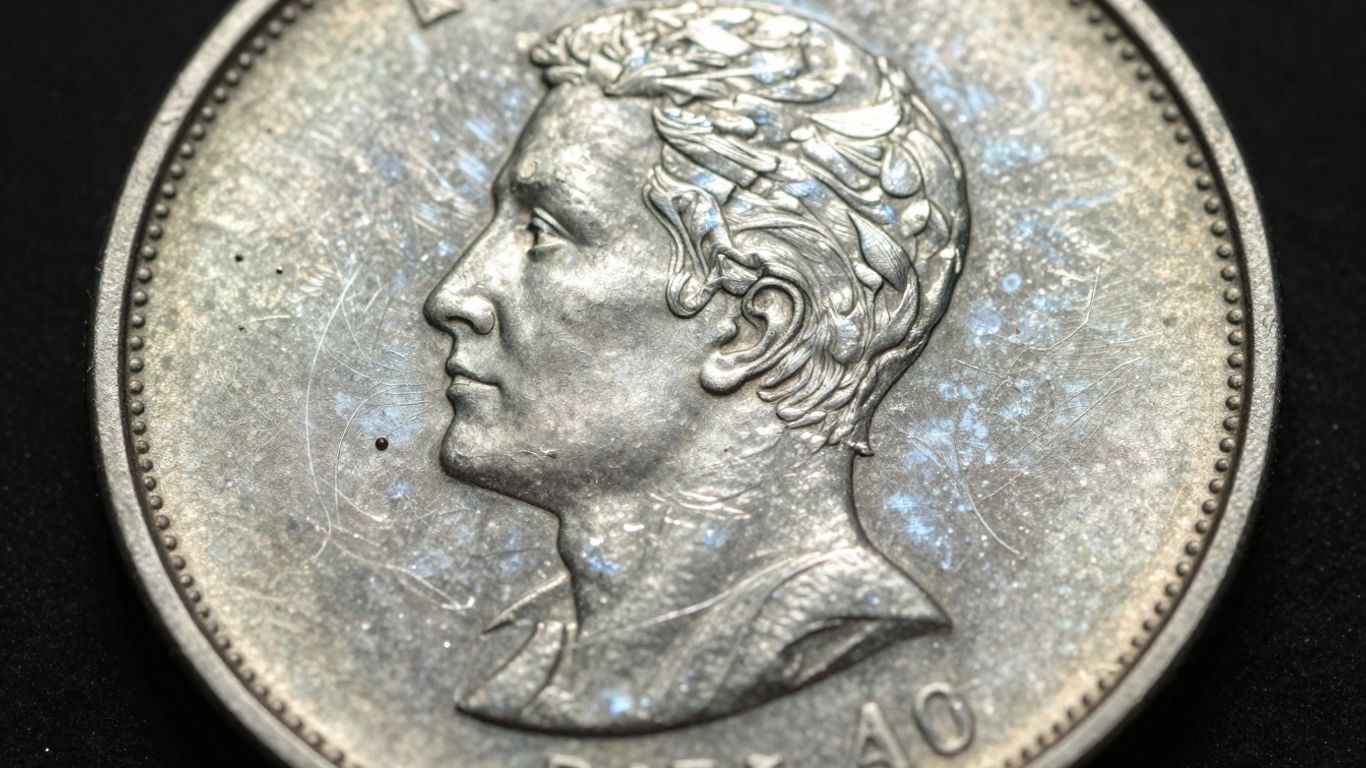
So, why all the fuss about cartwheel luster? It’s not just a fancy term; it’s a big deal for coin collectors and graders. This vibrant, moving sheen is often the first thing that catches a collector’s eye and can dramatically influence a coin’s perceived value. Think of it as the coin’s original sparkle, a direct link to its time fresh off the minting press.
Desirability of Lustrous Coins
Coins that still boast strong cartwheel luster are generally much more sought after. This original mint luster tells a story of careful handling and preservation. It suggests the coin hasn’t been subjected to rough treatment or harsh cleaning, which can dull or even destroy that beautiful surface. For many collectors, a coin with impressive luster is simply more attractive and satisfying to own. It’s like comparing a brand-new car to one that’s been driven hard for years – the original shine makes a difference.
Impact on Coin Grading
Graders pay close attention to luster. It’s a key factor when determining a coin’s grade. A coin with full, vibrant cartwheel luster, especially if it has a sharp strike, will score higher than a similar coin with dull or absent luster. This is because luster is a primary indicator of a coin’s condition and originality. A coin that looks like it just left the mint, complete with that dynamic cartwheel effect, is a top-tier specimen. The absence of luster, or the presence of artificial shine from cleaning, can significantly lower a coin’s grade and, consequently, its market value.
Enhancing Eye Appeal
Ultimately, cartwheel luster is all about eye appeal. It’s what makes a coin jump out from a pile and grab your attention. The way the light plays across the surface, creating that mesmerizing revolving effect, adds a layer of beauty and intrigue. This visual dynamism is particularly prized on larger silver coins like Morgan dollars, where the broad surfaces can really showcase the luster. A coin with great cartwheel luster doesn’t just sit there; it seems to come alive under the light, making it a more engaging and desirable piece for any collection.
The presence of strong, original cartwheel luster is a powerful testament to a coin’s journey through time. It speaks to its preservation and offers a direct connection to the moment of its creation. This visual quality is not merely aesthetic; it’s a fundamental component in assessing a coin’s condition, originality, and overall desirability in the numismatic market.
Related Numismatic Terms
Cameo Contrast
Cameo contrast refers to the visual difference between the frosted design elements and the mirror-like fields on certain coins, especially proofs. It’s that sharp, almost three-dimensional look where the raised parts seem to glow against a dark, reflective background. Think of it like a spotlight hitting a sculpture in a dark room. The stronger this contrast, the more impressive the cameo effect. It’s a big deal for collectors who appreciate the artistry and the way light plays on the coin’s surface.
Carbon Spots on Coins
These little dark spots you sometimes see on coins, especially older silver ones, are called carbon spots. They’re basically tiny bits of organic material that got trapped in the metal during the minting process or later on. They can look like small black dots or even larger splotches. While they’re a natural occurrence for many older coins, they can affect a coin’s grade and desirability. Collectors often prefer coins without them, as they can detract from the overall eye appeal.
Carson City Mint Coins
Coins minted at the Carson City Mint in Nevada often carry a special allure for collectors. This mint operated for a relatively short period, from 1870 to 1893, and produced a limited number of coins compared to other mints. Because of their historical significance and lower mintage figures, coins bearing the "CC" mintmark, especially Morgan dollars, are highly sought after. They represent a unique chapter in American history and are a tangible link to the silver boom days of the Wild West.
Here’s a quick look at some common Carson City Mint coins:
- Morgan Dollars: Particularly the 1879-CC, 1889-CC, and 1893-CC are very popular.
- Seated Liberty Dollars: Early issues from the Carson City Mint are also quite scarce.
- Trade Dollars: A small number were also produced here.
The allure of Carson City coins isn’t just about rarity; it’s about the story they tell of a frontier mint operating under challenging conditions, producing coins that have survived over a century to reach collectors today.
Coin Surface Characteristics
Lamination Errors
Sometimes, when coins are being made, the metal strip they cut the blanks from isn’t perfectly uniform. If there are tiny air bubbles or impurities within the metal, they can cause layers to separate after the coin is struck. These are called lamination errors. They often look like flakes peeling off the surface, or sometimes just a raised line where the metal split. It’s not a sign of wear, but an actual manufacturing defect. You might see them on older silver dollars or even some modern coins. They can make the surface look a bit rough or uneven, and collectors usually aren’t too fond of them because they detract from the coin’s overall appearance.
Roller Marks on Coins
Ever looked at a coin and seen faint, parallel lines, especially on the flat parts (the fields)? Those are often roller marks. Before the metal gets cut into coin blanks, it’s rolled out into thin strips. If tiny bits of debris get caught in those rolling machines, they can leave these little incuse lines on the metal strip. When the coin is struck, these lines become part of the coin’s surface. They’re most commonly seen on silver dollars that weren’t struck with a lot of force, so the details aren’t super sharp. They’re not usually a big deal for grading, but they are a characteristic of how the coin was made.
Wheel Marks from Machines
These are a bit different from roller marks. Wheel marks are usually more random and can appear as gouges or scratches. They can happen at various stages of the minting process, sometimes from machinery used to handle the coin blanks or even from the striking process itself if something goes wrong. Think of it like a scuff mark from a machine. They can sometimes be confused with cleaning marks, but they’re actually part of the coin’s history from the mint.
It’s important to remember that coins go through a lot of mechanical processes before they end up in your pocket or a collector’s album. These processes, while designed to create a perfect coin, can sometimes leave their own unique marks on the surface. Understanding these characteristics helps us appreciate the coin’s journey and distinguish between natural mint-made features and later damage.
Preserving Cartwheel Luster
So, you’ve got a coin with that awesome cartwheel luster, and you’re wondering how to keep it looking sharp. It’s not rocket science, but you do need to be a bit careful. Think of it like keeping a shiny new car looking new – you wouldn’t just blast it with a pressure washer, right?
Proper Coin Storage
Keeping your coins safe starts with where you put them. For coins with that beautiful cartwheel, you want to avoid anything that can scratch or react with the metal. This means:
- Coin Flips: Use inert plastic flips, like Mylar. Avoid PVC flips, as the plasticizers can leach out and damage the coin’s surface over time, creating a green or rainbow film.
- Coin Holders: Hard plastic holders (like those from PCGS or NGC) or 2×2 cardboard holders with Mylar windows are good options. Just make sure the cardboard isn’t acidic.
- Coin Albums: If you use albums, ensure the pages and slots are made of archival-quality materials that won’t harm the coin.
- Enclosures: For really special coins, consider inert capsules or custom-made display cases.
Avoiding Surface Damage
This is where most people mess up, often without realizing it. The biggest culprits are cleaning and improper handling. The original surface, with its mint luster intact, is almost always more desirable than any attempt to ‘improve’ it.
- No Cleaning: Seriously, don’t do it. Wiping a coin with your thumb, even gently, can create microscopic scratches that dull the luster. Using household cleaners, toothpaste, or even baking soda will absolutely destroy cartwheel luster and leave the surface looking dull and scratched.
- Careful Handling: Always hold coins by their edges. Use soft cotton gloves if you’re handling them frequently or for extended periods. Avoid dropping them or letting them rub against hard surfaces.
- Environmental Factors: Keep coins away from extreme humidity, temperature fluctuations, and airborne pollutants. These can lead to toning or corrosion that can obscure or damage the luster.
The Importance of Original Surfaces
When it comes to coin grading and value, original surfaces are king. A coin that has been cleaned, even lightly, will almost always receive a lower grade and be worth less than an uncleaned coin with the same wear. Collectors and grading services can spot cleaned coins pretty easily. They look for that tell-tale dullness, lack of cartwheel, or sometimes even a slightly ‘polished’ appearance where the luster has been removed.
Trying to ‘fix’ a coin’s surface, especially to bring back luster, is usually a losing game. What might seem like an improvement to the untrained eye is often a sign of damage to a seasoned collector or grader. The goal is to preserve what the mint created, not to alter it.
Think of it this way: if you found an old, beautiful piece of furniture, would you sand it down and slap on a coat of bright, modern varnish? Probably not. You’d try to preserve its original character. Coins are no different. Respecting their original surfaces is the best way to maintain their cartwheel luster and their numismatic appeal.
Advanced Luster Concepts
Deep Cameo and Ultra Cameo
When we talk about coin luster, especially on proof coins, you’ll sometimes hear terms like ‘Deep Cameo’ or ‘Ultra Cameo.’ These aren’t just fancy words; they describe a really striking visual effect. Deep Cameo refers to a strong contrast between the frosted, raised design elements and the mirror-like, polished fields. Think of it like a spotlight hitting a sculpture – the details pop. Ultra Cameo is basically the next level, where that contrast is even more pronounced, almost dramatic. It’s what collectors look for when they want a coin that really stands out.
Roman Finish vs. Matte Surfaces
It’s easy to lump all non-shiny coin surfaces together, but there are differences. A ‘Roman Finish’ is a specific type of surface treatment, often seen on older coins or special issues, that gives a dull, uniform appearance. It’s not quite the same as a ‘Matte Surface,’ which is generally a more modern term for a non-reflective finish achieved through specific minting processes. The goal with matte surfaces is often to reduce glare and highlight the design without the mirror-like fields you see on regular proofs. It’s a subtle distinction, but important for appreciating the variety in coin finishes.
Satin Proofs and Their Luster
Then there are ‘Satin Proofs.’ These are a bit of a middle ground. Unlike the brilliant, reflective surfaces of regular proofs or the stark contrast of Deep Cameos, Satin Proofs have a soft, satiny sheen. The fields are not mirror-like, and the design elements have a gentle, frosted look. This finish was popular for a period, especially on certain series like the Lincoln cents from the early 2000s. It gives the coin a subdued elegance, a different kind of beauty compared to the flashy cartwheel effect on a mint state silver dollar. It’s a finish that requires a different way of looking at coin grading categories.
Here’s a quick rundown of how these finishes differ:
- Brilliant Proof: Mirror fields, frosted devices, strong reflectivity.
- Deep Cameo/Ultra Cameo: Extreme contrast between mirror fields and frosted devices.
- Satin Proof: Soft, satiny sheen on fields and devices, minimal reflectivity.
- Matte Surface: Non-reflective finish, often uniform, designed to highlight design.
Understanding these advanced luster concepts helps you appreciate the nuances of coin surfaces. It’s not just about whether a coin is shiny or not; it’s about how it’s shiny, or how it’s not. Each finish tells a story about the minting process and the intended aesthetic.
Wrapping It Up
So, that’s the lowdown on cartwheel luster. It’s basically that cool, shimmery effect you see on some coins when the light hits them just right, making the luster seem to spin around. It’s a sign of a coin that’s in pretty good shape, usually meaning it hasn’t been messed with too much since it was made. While it’s not the only thing that makes a coin valuable, seeing that cartwheel can definitely tell you a lot about a coin’s history and how it’s been treated over the years. It’s a neat little detail that adds to the whole experience of collecting.
Frequently Asked Questions
What exactly is cartwheel luster?
Cartwheel luster is a special shine you see on some coins, especially silver ones. When you tilt the coin under a bright light, the shine seems to move across the surface in a wavy pattern, like the spokes of a spinning wagon wheel. It’s a sign that the coin is in great condition and hasn’t been handled much.
How can I tell if a coin has cartwheel luster?
Look at the coin under a good light source. Slowly turn the coin. If you see a bright, shimmering effect that moves across the surface in a circular or spoke-like pattern, that’s cartwheel luster. It’s most noticeable on coins with smooth, untouched surfaces.
Is cartwheel luster the same as mint luster?
Yes, cartwheel luster is a type of mint luster. Mint luster is the original shine a coin has when it’s first made at the mint. Cartwheel luster is a specific way this shine appears when it’s particularly strong and moves in that ‘wagon wheel’ pattern.
Does cartwheel luster mean a coin is more valuable?
Generally, yes. Coins with strong cartwheel luster are highly desired by collectors because it shows the coin is in excellent, original condition. This often means a higher value compared to coins that have lost their luster due to wear or cleaning.
Can cleaning a coin damage its cartwheel luster?
Absolutely. Cleaning a coin, even gently, can often remove or dull the original mint luster, including the cartwheel effect. Once the luster is gone, it’s usually impossible to bring it back, which can significantly lower a coin’s value.
Are all silver coins supposed to have cartwheel luster?
Not necessarily. While many silver coins, especially older ones like Morgan dollars, can display beautiful cartwheel luster if well-preserved, it depends on how they were handled after minting. Coins that have been circulated, cleaned, or stored poorly might not show this effect.
What's the difference between cartwheel luster and just a shiny coin?
A coin can be shiny from being polished or cleaned, but cartwheel luster is different. It’s a natural, vibrant shine that seems to flow and move across the surface when you tilt the coin. It looks deep and alive, not flat or artificial like you might see on a cleaned coin.
How should I store coins to preserve their cartwheel luster?
To keep that beautiful cartwheel luster, store coins carefully. Use soft holders like Mylar flips or specialized coin albums. Avoid touching the coin’s surface directly; always hold it by the edges. Keep them in a stable environment, away from moisture and extreme temperature changes.