So, you’ve got some coins and you’re wondering about those little marks on them? You might have heard the term ‘bag marks’ thrown around, and it’s a pretty common thing in the coin collecting world. Basically, these are small imperfections that happen when coins bump into each other, usually during the minting process or when they’re being shipped around. They’re not usually a big deal for everyday coins, but for collectors, they can actually affect how much a coin is worth. Let’s break down what they are and why they matter.
Key Takeaways
- Bag marks are small nicks, scratches, or dents on coins caused by them bumping into each other, often during minting or transit.
- These marks are common, especially on uncirculated coins, and are a normal part of their history.
- Identifying bag marks involves looking for irregular, scattered marks, often on raised design areas, and using magnification.
- Bag marks can influence a coin’s grade and, consequently, its value, with fewer and less severe marks leading to higher grades.
- Experienced collectors generally accept bag marks on business strike coins, understanding they are different from wear or minting errors.
Understanding What Bag Marks Are
Defining Bag Marks in Numismatics
So, you’ve probably heard the term "bag marks" thrown around if you’ve spent any time looking at coins for your collection. It’s one of those insider terms that coin folks use. Basically, a bag mark is a small imperfection on a coin that hasn’t been used for spending. Think of it as a tiny nick, scratch, or abrasion. These marks happen after a coin is made but before it gets into a collector’s hands, usually while it’s being handled in bulk. They’re not considered damage in the same way a deep scratch from a screwdriver would be, but they definitely play a role in how a coin is graded and, consequently, its value.
The Origin of Bag Marks During Minting
Coins, especially those made for everyday spending (we call these "business strikes"), have a rough start. After they’re stamped with their design, they don’t just get neatly placed into individual little velvet boxes. Nope. They get unceremoniously dumped into large canvas bags or bins. Imagine thousands of metal discs clanking against each other as they fall and get jostled around. It’s pretty much inevitable that some of them are going to bump into each other. These collisions are what create bag marks. They’re a common, almost expected, feature of coins fresh from the mint, particularly on the larger, heavier denominations where the impact can be more significant.
How Coins Acquire Bag Marks in Transit
Even after leaving the minting facility, coins continue their journey, and the potential for bag marks doesn’t stop. These coins are often shipped in bulk, usually in bags or other large containers, from the mint to Federal Reserve banks, and then out to local banks. During this transportation phase, the constant movement and vibration can cause the coins within the bags to rub and knock against one another. It’s like a long, bumpy car ride for thousands of coins. So, a coin might look perfect when it leaves the minting press, but by the time it reaches a bank, it could have accumulated several new, tiny abrasions from its travels.
Bag marks are a natural consequence of how coins are produced and moved in large quantities. They are not the result of intentional damage but rather the unavoidable friction and impact that occurs when coins are handled in bulk, from the moment they are struck to their initial distribution.
Identifying Bag Marks on Coins
Defining Bag Marks in Numismatics
So, you’ve got a coin, maybe it looks pretty good, but you’re seeing some tiny little nicks or scratches. What are they? In the coin collecting world, we call these "bag marks." Basically, they’re minor abrasions that happen when coins bump into each other. This usually occurs either when they’re being made at the mint or later on, when they’re being bagged up and shipped around. They’re not usually a big deal for coins that have seen actual use in your pocket, but for uncirculated coins, they can definitely affect how a coin is graded and, therefore, its value. It’s like a little battle scar from its journey from the mint to your collection.
The Origin of Bag Marks During Minting
When coins are first made, they don’t just magically appear in neat rolls. Nope. After they’re struck, they often fall into bins or large canvas bags. Imagine thousands of metal discs tumbling around together. Even though they’re made of metal, they can still nick and scratch each other as they jostle around. This is especially true for softer metals or coins with raised designs. So, right from the get-go, a coin can pick up these little imperfections. It’s a byproduct of the mass-production process. Think of it as the coins getting their first taste of the outside world, and it’s not always a gentle one.
How Coins Acquire Bag Marks in Transit
After the coins leave the minting facility, they don’t just teleport to your local bank or collector’s showcase. They get packed into big bags or containers for shipping. During this journey, whether it’s a short truck ride or a longer haul, those bags can shift and move. The coins inside are constantly bumping and rubbing against one another. This movement is a prime culprit for adding more bag marks. It’s like shaking a jar full of marbles – they’re bound to clink and scrape. The longer the journey or the rougher the handling, the more likely those coins are to accumulate more of these surface marks before they ever even see the light of day in a collector’s hands.
Distinguishing Bag Marks from Other Imperfections
So, you’ve got a coin, and you’re seeing some little marks on it. Are they bag marks, or something else entirely? It’s a common question, and honestly, it can be a bit confusing at first. Bag marks are pretty much a given on most coins that aren’t handled with extreme care from the moment they’re made. But other things can happen to a coin, too, and knowing the difference is key.
Bag Marks Versus Circulation Wear
This is probably the most frequent mix-up. Circulation wear is what happens when a coin gets used as money. It gets passed around, rubbed against other coins in pockets or cash registers, and generally just gets smoothed out over time. The whole surface of the coin tends to look a bit softer, and the fine details start to fade. Bag marks, on the other hand, are usually more localized. They’re like little dings or shallow scratches that happen when coins bump into each other while they’re being bagged at the mint or during transit. They don’t typically smooth out the entire coin’s surface.
Here’s a quick rundown:
- Circulation Wear: Affects the entire coin surface, softening details and luster. It’s a gradual smoothing.
- Bag Marks: Tend to be isolated incidents, appearing as small nicks, dents, or shallow scratches. They don’t usually impact the overall luster in the same way.
Differentiating Bag Marks from Minting Errors
Minting errors are a whole different ballgame. These are mistakes that happen during the coin-making process itself. Think of things like off-center strikes, double dies, or planchets that weren’t properly prepared. These errors often have a very distinct look. For example, a double die will show a clear doubling of the design elements, something you won’t see with a bag mark. Bag marks are external abrasions, while minting errors are intrinsic flaws in the coin’s creation.
Recognizing Marks from Improper Handling
This is where things can get tricky again. Sometimes, marks that aren’t bag marks can happen after a coin leaves the mint but before it gets into a collector’s hands, or even while a collector is handling it. These can include deeper scratches from tools, nicks from dropping the coin, or even cleaning marks that have altered the surface. The key here is often the depth and nature of the mark. A deep gouge is unlikely to be a bag mark. Similarly, if a coin looks like it’s been scrubbed or polished, those aren’t bag marks either. It’s about looking at the context and the specific appearance of the imperfection. If you’re unsure, getting a professional coin appraisal can help clarify the situation.
Bag marks are a common occurrence, a sort of badge of honor for coins that have seen the inside of a mint bag. They are distinct from the wear and tear of circulation, the unique flaws of minting errors, or the more aggressive damage that can come from careless handling. Learning to spot the subtle differences is part of the fun of collecting.
The Impact of Bag Marks on Coin Value
How Bag Marks Influence Coin Grading
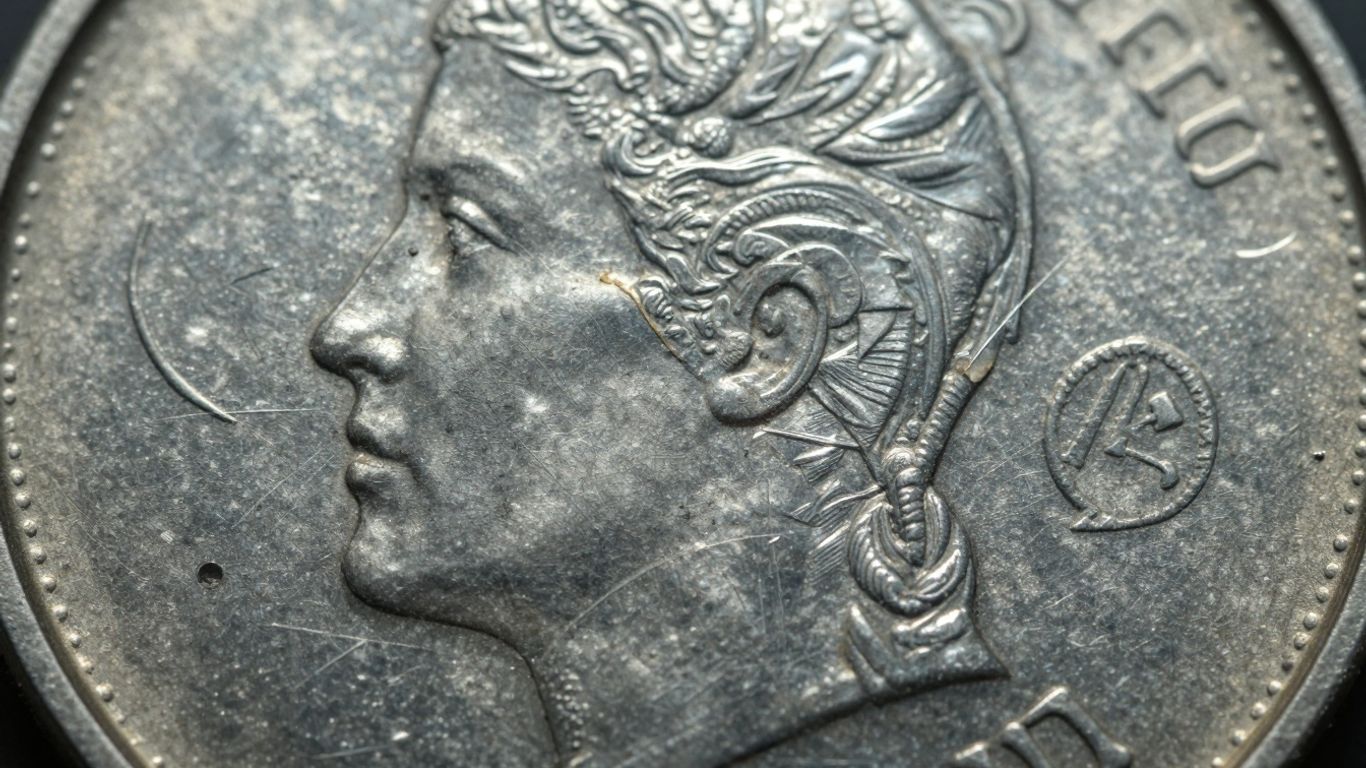
So, you’ve got a coin that looks pretty good, maybe even uncirculated. But then you notice those little nicks and scratches – the dreaded bag marks. These aren’t just cosmetic flaws; they play a pretty big role in how a coin is graded. Think of grading as a way to rate a coin’s condition, and bag marks are a key factor in that rating. The official grading scale for uncirculated coins runs from MS-60 to MS-70. Where your coin lands on that scale often depends on the number, the size, and where these marks are located. A coin with just a few faint marks might still get a high grade, but one that’s covered in them will likely be bumped down. It’s all about how pristine that surface is.
The Severity and Quantity of Marks Matter
It’s not just about if a coin has bag marks, but how bad they are. A single, tiny, almost invisible mark won’t hurt a coin’s value much, especially if it’s otherwise a really nice specimen. But if you’ve got a bunch of them, or if they’re deep and obvious, that’s a different story. Collectors and graders look at the whole picture. Are the marks scattered randomly, or are they concentrated in one area? Are they light abrasions, or do they look like someone took a tiny pick to the coin? The more noticeable and numerous the marks, the lower the grade and, consequently, the lower the price it’s likely to fetch. It’s a bit like judging a car – a few minor dings are one thing, but a car covered in dents is worth a lot less.
Bag Marks on Larger Denominations
Here’s something interesting: bigger coins often show bag marks more easily. Think about a big silver dollar compared to a small dime. There’s just more surface area for those coins to bump into each other in the mint bag, and more space for the marks to be seen. This is why you’ll often see older, larger coins, like Morgan silver dollars, that are technically uncirculated (meaning they were never used as money) but still have plenty of bag marks. Many of these coins were simply stored in bags for years and never saw circulation. So, while they might be in great condition otherwise, those bag marks are a common feature and something collectors expect. It doesn’t automatically mean they’re worthless, but it’s a factor that’s always considered when assessing their value.
Bag marks are a normal part of a coin’s journey from the mint to your collection. While they can affect a coin’s grade, their impact varies greatly depending on their appearance and how many there are. Understanding this helps collectors make informed decisions about what to look for and what to expect.
Bag Marks and Coin Collectability
Acceptance of Bag Marks by Experienced Collectors
Most folks who have been collecting coins for a while understand that bag marks are just part of the deal, especially with coins that were meant for everyday use. These aren’t usually the result of someone dropping the coin or using it to buy bubble gum. Instead, they happen when coins bump into each other while being bagged at the mint or jostled around during shipping. Experienced collectors know that a few minor marks don’t automatically ruin a coin’s appeal, as long as they’re not excessive. They’re more concerned with how these marks affect the coin’s overall grade and appearance, rather than seeing them as a deal-breaker.
The Role of Bag Marks in Mint-State Coins
When we talk about coins in "mint-state" (meaning they haven’t been used as money and show no signs of circulation wear), bag marks are almost expected. Think of it this way: the mint produces millions of coins, and they get tossed into big bags. It’s pretty much impossible for them to avoid bumping into each other. So, a coin that looks like it just came from the mint might still have these little nicks and scratches. The key is how many there are, how deep they are, and where they’re located. A coin with just a couple of faint marks might still get a very high grade, while one that looks like it went through a coin-washing machine will be graded much lower.
Here’s a quick look at how bag marks can influence the grading of mint-state coins:
| Grade Range | Description |
|---|---|
| MS-65 to MS-70 | Very few, faint, and well-placed bag marks. |
| MS-60 to MS-64 | More numerous or slightly more noticeable marks. |
| Below MS-60 | Significant, deep, or widespread bag marks. |
Proof Coins Versus Business Strikes
It’s important to know that bag marks are primarily an issue for "business strike" coins – the ones made for general circulation. Proof coins, on the other hand, are made using a special process for collectors. They are handled much more carefully at the mint, often individually, and are typically packaged in special holders. Because of this extra care, proof coins should ideally be free of bag marks. If you see marks on a proof coin, it’s more likely due to mishandling after it left the mint, which is a different kind of imperfection altogether.
When you’re looking at coins, especially those advertised as uncirculated or mint-state, remember that bag marks are a normal part of their journey from the mint to your collection. Don’t let the presence of a few minor marks discourage you, but do learn to assess their impact. It’s all part of understanding what makes a coin truly special to collectors.
Assessing the Severity of Bag Marks
Evaluating the Depth and Size of Marks
So, you’ve spotted some marks on your coin. Now what? The next step is figuring out just how bad they are. It’s not just about if there are marks, but how they look. The depth and size of these imperfections are key to understanding their impact. Think of it like a tiny ding versus a deep gouge on a car – they’re both damage, but one is way more noticeable and problematic.
When you’re looking closely, try to gauge if the mark is just a surface scuff or if it actually digs into the metal. A shallow mark might just affect the coin’s luster, while a deeper one can actually alter the coin’s surface topography. This is where a good magnifying glass or even a jeweler’s loupe really comes in handy. You’re looking for those little nicks and scratches that might have happened when coins were jostled around in a mint bag or during transit. It’s pretty common, especially with larger coins like the Morgan silver dollar, which often show these marks even when they haven’t seen any circulation wear.
The Location of Bag Marks on a Coin
Where a bag mark shows up on a coin can make a big difference in how severe it appears. Marks on flat, open fields are usually more obvious than those tucked away in the design details. Imagine a tiny scratch right on George Washington’s nose versus one on the edge of his portrait – the one on his nose is going to catch your eye much faster.
Here’s a quick breakdown of where marks tend to be more problematic:
- High-Relief Areas: Marks on raised parts of the design, like hair or lettering, can sometimes blend in a bit more. They might feel like a slight bump but aren’t always as visually jarring.
- Flat Fields: These are the smooth, open spaces on the coin’s surface. A mark here is like a smudge on a clean window – it stands out immediately.
- Around Key Features: Marks near important design elements, like the date, mint mark, or the main subject’s face, can be more detrimental to the coin’s overall appearance and grade.
Remember, even if a mark seems small, its placement can significantly affect how a coin is perceived by collectors and graders. A seemingly minor imperfection in a prominent location can be more distracting than a slightly larger mark hidden away.
Comparing Marks to Pristine Surfaces
To really get a handle on how bad a bag mark is, it helps to compare it to what a truly perfect, untouched surface looks like. This is where understanding coin luster comes into play. A coin that’s supposed to have a brilliant, frosty finish will show off every little imperfection, while a coin with a more subdued or worn surface might hide them better.
Think about it this way:
- Observe the Luster: Notice how light reflects off the coin. A pristine surface will have a smooth, unbroken flow of luster. Bag marks can disrupt this flow, creating dull spots or tiny lines where the light doesn’t reflect evenly.
- Look for Consistency: Are the marks scattered randomly, or do they seem to follow a pattern? Random marks are typical of bag marks. Consistent, patterned abrasions might suggest something else, like improper storage or handling.
- Use a Reference: If possible, look at images of coins graded at the highest Mint State levels (MS-70, for example). These coins have virtually no visible imperfections. Comparing your coin to these high-grade examples will highlight any deviations.
Factors Affecting Bag Mark Visibility
So, you’ve got a coin, and you’re trying to figure out if those little marks are bag marks or something else. It’s not always as simple as just looking. A lot of things can make those marks pop out more, or sometimes, they can hide pretty well. Let’s break down what makes bag marks more or less obvious.
How Light Affects Bag Mark Detection
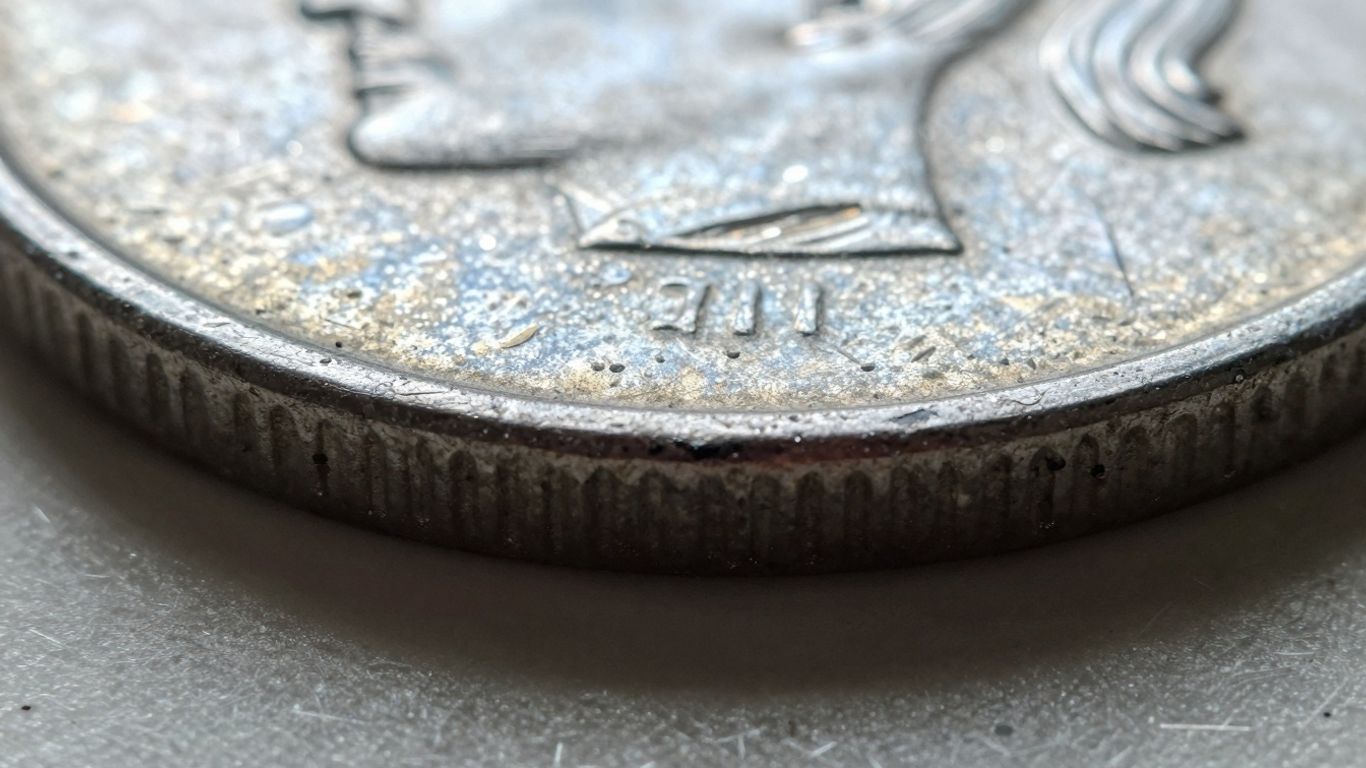
Light is probably the biggest player here. Think about how a flashlight can reveal every swirl on your car’s paint job that you never noticed before. It’s kind of the same with coins. The angle and intensity of the light source can really change how you see those tiny imperfections. A direct, bright light might make every little nick stand out, while softer, diffused light might make them blend in more. It’s all about how the light reflects off the coin’s surface and catches those little disruptions.
The Role of Coin Luster in Visibility
Coin luster, that frosty or cartwheel effect you see on uncirculated coins, plays a big part too. A coin with strong, vibrant luster can actually help hide bag marks. The way the light dances across the surface can sometimes camouflage those minor abrasions. On the flip side, a coin with duller luster, or one that’s been handled a lot, might show bag marks more readily because there’s less of that flashy surface effect to distract the eye. It’s like trying to spot a tiny scratch on a matte finish versus a polished one.
Surface Contrast and Mark Appearance
Finally, the contrast between the mark itself and the surrounding coin surface is key. A bag mark that’s a tiny bit darker than the coin’s metal, or one that has a slightly different texture, will naturally be easier to see. Sometimes, a mark might just be a shallow disruption in the surface that doesn’t really change the color or texture much, making it blend in. The location also matters; marks on the flat, open fields of a coin often stand out more than those tucked away near the rim or within intricate design elements. It’s a bit like looking for a dark speck on a white tablecloth versus a dark one.
- Direct lighting: Best for spotting shallow marks, but can be harsh.
- Angled lighting: Often reveals the depth and texture of marks.
- Diffused lighting: Can make marks less obvious, good for overall appearance.
The interplay of light, the coin’s natural surface sheen, and the specific characteristics of the mark itself all contribute to how visible these imperfections are. What might be glaring under one set of conditions could be nearly invisible under another, making consistent observation techniques important for accurate assessment. This is why understanding the Sheldon Coin Grading Scale is so helpful, as it provides a framework for evaluating these details objectively.
Preventing New Bag Marks
Proper Handling Techniques for Coins
So, you’ve got some nice coins, maybe even some that look pretty clean. The last thing you want is to accidentally add more marks to them, right? It happens more easily than you might think. When you’re moving coins around, even just sorting them, they can bump into each other. Think of it like a tiny, accidental bumper car derby happening in your hands.
Here are a few things to keep in mind:
- Gloves are your friend: Cotton or nitrile gloves might seem a bit much, but they really do help. They give you a better grip and, more importantly, they prevent oils and tiny particles from your skin from getting onto the coin’s surface, which can cause its own set of problems down the line.
- Gentle does it: When you’re picking up a coin, try to grab it by the edges. Avoid touching the main surfaces, especially the design elements. It takes a little practice, but it’s worth it.
- Work on a soft surface: If you’re sorting coins or examining them, do it over a felt mat or a soft cloth. This way, if a coin slips, it lands on something that can cushion the fall instead of a hard table.
It’s easy to get excited about a new coin and want to hold it, turn it over, and really admire it. But remember, even the most careful handling can introduce new marks if you’re not paying attention. The goal is to minimize any contact that could cause a new abrasion.
The Importance of Individual Coin Storage
Once you’ve got your coins, keeping them safe is the next big step. Just tossing them into a box or a larger container is a recipe for disaster. They’ll just keep knocking around, creating more of those dreaded bag marks.
- Coin holders: These are probably the most common solution. You can get simple cardboard 2×2 holders, plastic flips, or even more robust hard plastic cases. Each coin gets its own little protected space.
- Coin albums: If you’re collecting a specific series, like Lincoln cents or state quarters, albums are great. They have slots for each coin, keeping them separated and organized.
- Capsules: These are clear plastic cases that often fit snugly around a coin. They offer excellent protection against both bag marks and environmental damage.
Choosing the right storage method really depends on your collection and how you want to display or store your coins. The key is that each coin has its own dedicated space where it can’t easily bump into others.
Minimizing Contact During Sorting and Packaging
Sorting coins, whether you’re doing it for your own collection or for a larger project, is a prime time for new bag marks to appear. It’s all about how you move them around.
- One at a time: When you’re pulling coins out of a bag or a roll to examine them, try to handle them individually. Don’t just dump a handful out.
- Gentle placement: When you’re putting a coin into a holder, album, or temporary sorting tray, do it slowly and deliberately. Let it slide or drop gently into place rather than tossing it.
- Avoid overcrowding: If you’re using trays or containers for sorting, don’t stuff them too full. Leave some breathing room so coins aren’t constantly pressing against each other.
It might seem like a lot of extra effort, but taking these small precautions can make a big difference in keeping your coins looking their best over time. It’s all part of being a good steward of your collection.
Learning Resources for Bag Mark Identification
Joining Numismatic Clubs and Communities
Sometimes, the best way to figure out what’s what with coins is to just talk to people who know. Joining a local coin club or an online numismatic forum can be super helpful. You get to see what other collectors are looking at, ask questions, and learn from their experiences. It’s like having a whole group of people who are just as interested in these little metal discs as you are. They can show you examples, point out details you might miss, and generally speed up your learning curve. Plus, it’s a good way to meet folks who share your hobby.
Utilizing Online Visual Guides
There are tons of websites out there with pictures and explanations about coin grading and different types of marks. Looking at high-quality images of coins graded at different levels can really train your eye. You can often find side-by-side comparisons of coins with and without bag marks, or showing how different numbers and types of marks affect the grade. These visual aids are great because you can study them anytime, anywhere. It’s a bit like using flashcards, but for coins. Some sites even have videos that walk you through the process.
Seeking Advice from Fellow Collectors
Don’t be afraid to ask for help. Experienced collectors are often happy to share their knowledge. If you’re at a coin show, ask a dealer or another collector to look at a coin with you and point out any bag marks they see. Online forums are also great for this; you can post pictures of your coins and ask for opinions. Just remember that everyone’s eye is a little different, so getting a few opinions is usually a good idea. It’s all part of the learning process, and most collectors remember being new to the hobby themselves.
Here’s a quick rundown of what to look for when examining coins:
- Location: Bag marks often appear on the raised parts of a coin’s design, like a president’s hair or cheek, and also in the flat background areas (fields).
- Appearance: They usually look like tiny scratches, nicks, or shallow dents. They can sometimes appear as small, light-colored lines or spots.
- Texture: Gently feeling the surface (if the coin isn’t too valuable!) might reveal a slight roughness or bumpiness where a bag mark is present.
- Comparison: Look at different areas of the coin. Bag marks are typically scattered randomly, not in a specific pattern like a minting error might be.
When you’re first starting out, it’s easy to get overwhelmed. Just take it slow. Focus on learning to identify one type of imperfection at a time. Bag marks are common, and understanding them is a big step in appreciating coins, especially those that have never been used for spending.
The Relative Impact of Bag Marks on Value
So, you’ve got a coin, and you’re wondering how those little nicks and scratches, the infamous bag marks, are going to mess with its price tag. It’s a fair question, and honestly, it’s not always a simple "yes" or "no" answer. Bag marks are a part of life for most uncirculated coins, and collectors know this. The real kicker is how much they affect things.
Bag Marks Compared to Deeper Scratches
Think of it like this: a tiny little ding on your car door is annoying, but it’s not the same as a giant gash. Bag marks are usually superficial. They’re those little abrasions that happen when coins bump into each other in a mint bag or during transport. They’re often shallow and don’t really dig into the metal. Deeper scratches, on the other hand, are a whole different story. These are usually caused by careless handling, dropping the coin, or even trying to pry it open. These deeper marks really take away from the coin’s overall appeal and, you guessed it, its value. Bag marks are generally considered less detrimental to a coin’s value compared to other types of damage.
Understanding the Grading Scale
Coin grading is a whole system, usually from 60 to 70 for mint-state coins. The higher the number, the better the coin looks. Bag marks play a role in where a coin lands on this scale. A coin with tons of deep bag marks might get a 63, while a similar coin with just a few faint ones could snag a 66. It’s all about how many marks there are, how big they are, and where they’re located. The fields, those flat background areas, tend to show bag marks more than the raised design elements. It’s a bit of a balancing act for the graders.
When Bag Marks Significantly Affect Value
While most bag marks are just part of the coin’s story, there are times when they really drag the price down. If a coin is supposed to be a top-tier specimen, like a gem uncirculated coin, and it’s covered in noticeable bag marks, collectors will pass it by or offer a lot less. This is especially true for larger coins, like some of the older silver dollars, where those marks are just plain obvious. For coins that are already rare or in extremely high demand, even a few well-placed bag marks can make a big difference. It’s all about what the market expects for that particular coin and grade. If you’re looking at something like a Morgan dollar that’s supposed to have amazing luster, heavy bag marks can really kill that visual appeal.
Wrapping Up: Bag Marks and Your Collection
So, we’ve talked about what bag marks are – those little nicks and scratches that happen when coins bump around. They’re pretty common, especially on coins that haven’t been handled much since they left the mint. While they’re not usually a big deal for most collectors, knowing how to spot them and understanding how they fit into a coin’s overall grade is super helpful. It’s just another piece of the puzzle in appreciating these little pieces of history. Keep looking, keep learning, and you’ll get the hang of it in no time!
Frequently Asked Questions
What exactly are bag marks on coins?
Bag marks are tiny scratches, dents, or little marks you might see on coins that haven’t been used for spending. They happen when coins bump into each other while they’re being made at the mint or when they’re stored and moved around in big bags or rolls.
How do bag marks get on coins?
These marks usually appear during the coin-making process when coins are dropped into bins or bags. They can also happen during shipping or when people sort and pack coins. Think of it like marbles bumping into each other in a bag – they’re bound to get little nicks.
Do bag marks affect how much a coin is worth?
Yes, they can. Coin experts, called numismatists, grade coins based on their condition. Bag marks are a sign of wear, even on coins that haven’t been spent. The more bag marks a coin has, and the deeper they are, the lower its grade and potentially its value might be.
How can I tell if a mark on a coin is a bag mark or something else?
Bag marks are usually small and scattered randomly. They often look like tiny scratches or dents. It helps to use a magnifying glass and compare the marks to the coin’s design. Marks from actual use in spending, called circulation wear, usually look more uniform and smoother.
Are bag marks a big deal for coin collectors?
For experienced collectors, bag marks are pretty normal, especially on coins made for everyday use (called business strikes). They expect them. However, if you’re looking for a perfect coin (mint-state), the number and appearance of bag marks are very important for getting the highest grade.
Are larger coins more likely to have bag marks?
Yes, bigger coins tend to show bag marks more easily because they have more surface area. For example, older, larger silver dollars often have bag marks even if they were never spent, simply because of how they were stored.
Can I prevent bag marks on my own coins?
It’s hard to completely avoid them, especially if coins are handled a lot. But you can minimize them by handling coins carefully, perhaps with gloves, and by storing them individually in protective holders instead of just tossing them together in a bag or box.
Where can I learn more about identifying coin marks?
You can learn a lot by joining coin collecting clubs or online forums where experienced collectors share tips. Looking at detailed guides and pictures online that show different coin grades and the types of marks they have is also very helpful.