Ever wonder why some coins look super smooth and others still have all their sharp details? It all comes down to wear patterns. These marks and smoothed-over spots tell a story about a coin’s life. Understanding what causes coin wear patterns is pretty important if you’re into collecting or just curious about those old coins you find. It’s not just about how much a coin is worth, but also about its history. Let’s break down the different things that can happen to a coin and how they change its look and value.
Key Takeaways
- Coins get worn down from being passed around a lot, rubbing against other coins and surfaces. This is a big part of what causes coin wear patterns.
- How a coin is stored and what it’s exposed to, like damp air or even smoke, can cause damage and change its surface over time.
- Mistakes made when the coin was first made, like flaws in the metal blank or problems during the striking process, can create early imperfections.
- Handling coins improperly, like touching them with bare fingers or storing them in old plastic holders, can leave marks and damage their surfaces.
- Looking closely at where a coin is worn the most, like on raised design parts and lettering, helps tell us how it was used and what caused the wear.
Understanding Coin Wear Patterns
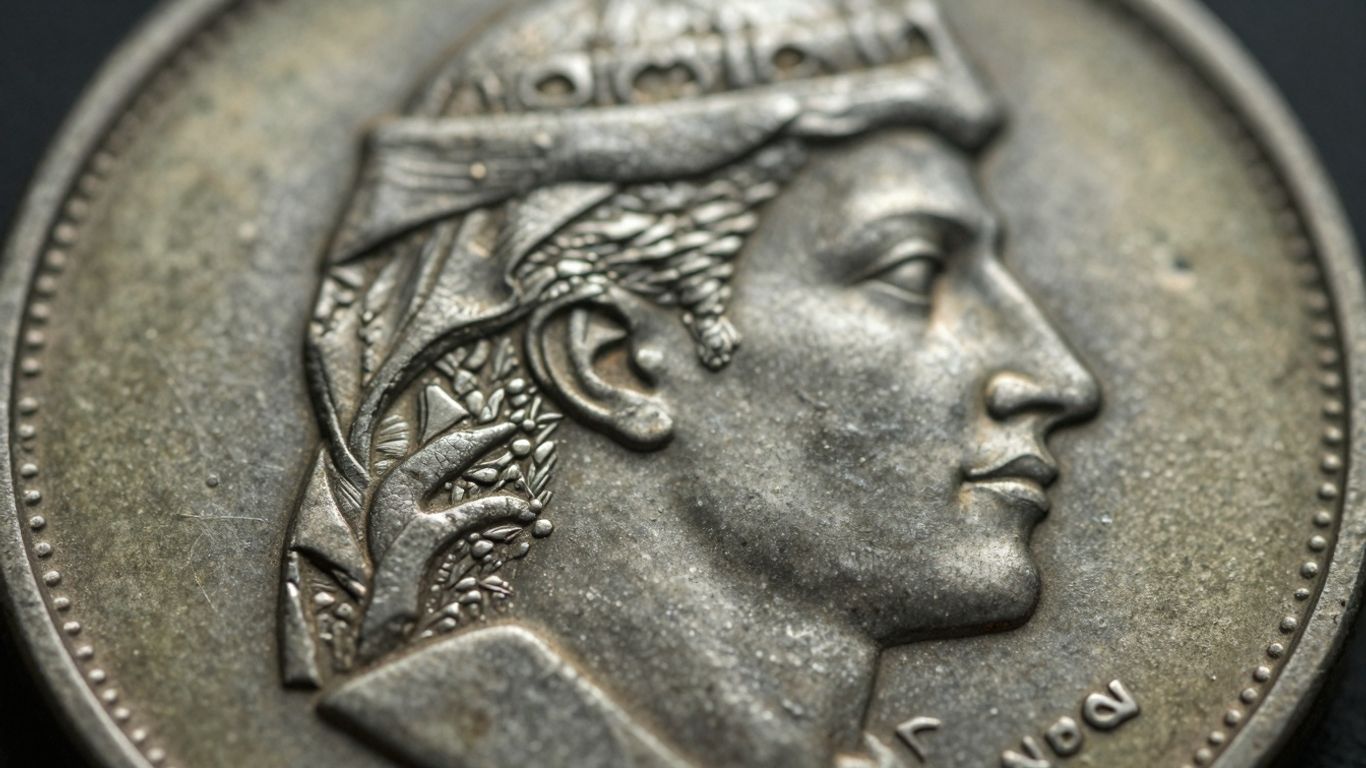
So, you’ve got a coin, and you’re wondering what all those little nicks, smooth spots, and faded details mean? That’s where understanding coin wear patterns comes in. It’s basically the story your coin tells about its life. The condition of a coin, especially how worn it is, is a huge factor in how much it’s worth.
The Definition of Wear
When we talk about wear on a coin, we’re talking about the gradual loss of metal or detail from its surface. This happens over time due to a few things. Think about it like a favorite t-shirt – the more you wear and wash it, the softer and maybe a bit faded it gets. Coins are similar, but instead of washing machines, they face friction, environmental exposure, and just plain handling.
Wear is the natural process where a coin’s surface details diminish due to use, friction, or exposure to the elements. It’s not just about looking old; it’s about the physical changes that occur to the metal itself.
Circulated Versus Uncirculated Coins
This is a pretty big deal in the coin collecting world. An uncirculated coin (often called Mint State or MS) has never been used in regular commerce. It left the mint and went straight into a collection or holder, so it still has most, if not all, of its original mint luster and sharp details. A circulated coin, on the other hand, has been through the wringer. It’s been passed from hand to hand, used in vending machines, or just generally handled a lot. You can usually tell because the high points of the design will be smoothed down, and the overall sharpness will be reduced.
Here’s a quick look at how wear affects the appearance:
| Grade Category | Description of Wear |
|---|---|
| Uncirculated (MS) | No wear visible, full mint luster, sharp details. |
| About Uncirculated (AU) | Very light wear on the highest points, most luster remains. |
| Extremely Fine (XF/EF) | Light wear on high points, details are still quite sharp, some luster may show. |
| Very Fine (VF) | Moderate wear on high points, design details are visible but softened. |
| Fine (F) | Significant wear, design is visible but flat in areas, lettering may be worn. |
| Good (G) | Heavy wear, design is visible but very flat, rims may be worn, lettering faint. |
| Fair (FR) | Extreme wear, only basic outlines of design visible, date and legends may be gone. |
How Wear Affects Coin Value
This is where it gets interesting for collectors. Generally speaking, the less wear a coin has, the more valuable it is. An uncirculated coin will almost always be worth more than a circulated one of the same type and date. Why? Because they are rarer, and they represent the coin as it was originally intended to look when it left the mint. Wear erodes those original details and that beautiful mint luster, which are highly prized. Even small differences in wear can mean big jumps in price. A coin that’s just barely worn (like an About Uncirculated) can be worth significantly more than one that’s a bit more worn (like an Extremely Fine), even if the difference isn’t obvious to a beginner. It’s all about preserving that original mint state.
Identifying Causes of Coin Wear
Coins, like anything else, don’t just magically get worn down. There are actual reasons behind those smooth surfaces and softened details we see on older coins. Understanding these causes is pretty important if you’re into collecting or just curious about how coins age.
Circulation and Friction
This is probably the most obvious one. When a coin is actually used as money, it goes through a lot. Think about it: coins get tossed into cash registers, dropped on floors, and passed from hand to hand. All that movement creates friction. Each bump, rub, and slide against other coins or surfaces slowly erodes the metal. The more a coin circulates, the more its fine details will soften and wear away.
Here’s a quick look at how circulation impacts a coin:
- High Points: Areas that stick out the most, like the tops of letters, the hair on a portrait, or the points of stars, get hit first. They’re the most exposed to friction.
- Surface Smoothing: Over time, the entire surface can become smoother as microscopic bits of metal are abraded away.
- Loss of Luster: The original shine, or mint luster, is one of the first things to go. It gets rubbed off by all that contact.
Even coins that look pretty good might have subtle signs of wear if you look closely. It’s a gradual process, and sometimes it’s hard to tell where circulation ends and other types of damage begin.
Environmental Exposure
Coins don’t just wear down from being handled. The environment they’re kept in plays a huge role too. Think about coins stored in damp places or exposed to different chemicals in the air. This can lead to all sorts of surface issues.
- Corrosion: Moisture and certain chemicals can cause the metal itself to break down. Copper coins might turn green, while silver can develop dark spots.
- Toning: Sometimes, environmental exposure causes attractive color changes, known as toning. Other times, it leads to unsightly spots or streaks.
- Chemical Reactions: Exposure to things like sulfur (found in some plastics or even polluted air) can create dark spots on the coin’s surface.
Handling and Storage
How a coin is handled and stored after it leaves the mint is just as important as its time in circulation. Even if a coin never sees active use as money, improper care can damage it.
- Fingerprints: The oils on our skin can react with the metal over time, leaving marks that are hard to remove.
- Storage Materials: Some older coin holders or albums can actually release chemicals that damage the coin’s surface, causing streaks or spots.
- Cleaning: Trying to clean a coin, even with good intentions, can often do more harm than good. It can remove the original surface and luster, which collectors highly value. For anyone looking to assess coin condition, understanding these different factors is key to accurately grading coins.
These three main categories—circulation, environment, and handling—cover most of the ways a coin’s surface can change over time. Each factor leaves its own unique signature, and learning to spot them is part of the fun of coin collecting.
Planchet Defects and Their Impact
Before a coin even gets struck by the dies, the blank piece of metal it’s made from, called a planchet, can have its own issues. Think of it like the raw canvas for a painting; if the canvas itself has holes or tears, the final artwork is going to show it. These problems with the planchet are called planchet defects, and they happen before the coin is even made.
Flaws in the Metal Blank
Sometimes, the metal used to create the planchets isn’t perfectly uniform. This can lead to a few different kinds of problems. For instance, you might see areas where the metal is thinner or thicker than it should be, or there could be tiny bubbles or impurities trapped within the metal itself. These aren’t usually the result of damage after the coin is made, but rather issues present from the very beginning.
Early Copper Coin Defects
Back in the day, especially with early copper coins, getting the metal just right was a real challenge. Sometimes, there was just too much metal, and to meet weight requirements, they’d actually cut off the excess. This process could leave behind "adjustment marks," which are basically scratches or gouges from where the metal was trimmed. While these are definitely defects, grading services sometimes view them a bit more leniently on very old copper coins, recognizing the manufacturing methods of the time.
How Planchet Defects Affect Grading
Planchet defects can definitely impact how a coin is graded. If a coin has a significant flaw from the planchet stage, like a deep lamination (where layers of metal separate) or a large adjustment mark, it’s going to lower its grade. It’s not about wear from circulation; it’s about the coin’s original condition being compromised from the start. For example, a coin with a noticeable planchet defect might be graded lower than a coin of the same apparent wear but without such flaws. It’s a bit like judging a book by its cover if the cover itself was damaged before it was even bound.
Striking Defects and Surface Imperfections
Sometimes, even before a coin gets tossed into circulation, it can come off the mint with some issues. These aren’t wear and tear from being handled or used; they’re problems that happen during the actual minting process. Think of them as birthmarks, but for coins.
Off-Center Strikes
This is pretty straightforward. An off-center strike happens when the coin blank (that’s the metal disc before it gets hit by the dies) isn’t perfectly lined up between the two dies that strike the image onto it. So, you end up with a coin where the design is mostly on one side, or maybe just a sliver of the design is visible on the other. The severity really matters here. A slight off-center strike might just be a minor flaw, but a really bad one can make the coin look pretty strange and definitely impact its grade.
Porosity and Color Impurity
Porosity refers to tiny little pits or holes on the coin’s surface. These usually come from issues with the metal itself before it’s even struck. If the metal wasn’t pure or had trapped gases, you can get these little imperfections. Color impurity is similar; it means the metal isn’t a uniform color, maybe showing splotches or streaks that shouldn’t be there. Both of these point to problems in the raw material or how it was prepared.
Weak Strikes and Their Causes
A weak strike means the coin didn’t get hit hard enough by the dies. This can happen for a few reasons. Maybe the dies themselves were worn down, or there wasn’t enough pressure applied during the striking process. Sometimes, the planchet might have been a bit too thick or too thin. When a coin is weakly struck, details can be mushy or missing altogether, especially in high-relief areas. It’s like trying to press a detailed stamp into soft clay – if you don’t press hard enough, you won’t get a clear impression.
These types of defects, occurring before a coin even enters circulation, are important to note because they are inherent to the coin’s creation, not a result of its journey afterward. They can significantly affect how a coin is graded and, consequently, its value to collectors.
Environmental Damage and Coin Surfaces
Coins can really take a beating from just sitting around, believe it or not. It’s not always about being tossed in a pocket or a cash register. The environment itself can mess with a coin’s surface in some pretty interesting ways. Think about it: coins are often stored for long periods, sometimes in less-than-ideal conditions. This exposure can lead to all sorts of surface issues that collectors need to watch out for.
Carbon Streaks and Storage Conditions
Ever seen those dark, streaky marks on a coin? Those are often carbon streaks. They usually pop up when a coin is stored in a damp place or, weirdly enough, exposed to smoke, like from cigars or cigarettes. It’s like the coin is absorbing the environment around it. These streaks aren’t usually a sign of circulation, but they definitely affect how a coin looks and, consequently, its grade. They can be tough to get rid of without potentially damaging the coin further, so it’s a real headache for collectors trying to keep their coins looking pristine.
Sulfur Spots and Oxidation
Then there are sulfur spots, which are a bit different. These show up as dark brown to black spots. They happen because of sulfur in the air or storage materials, and it causes a type of oxidation. Sometimes people mix these up with carbon spots, but they’re actually caused by different things. Sulfur spots are more common on coins made of metals like silver, where they can really stand out.
Corrosion Spots on Copper and Silver Coins
Copper and silver coins are particularly susceptible to corrosion. Copper coins can develop a green patina over time, which some people actually find attractive, but it can also turn into more aggressive corrosion spots. Silver coins, on the other hand, tend to turn black due to oxidation. These corrosion spots aren’t just surface-level; they can eat into the metal if left unchecked. It really highlights how important proper storage is, even for coins that aren’t actively being handled or circulated.
The air we breathe, the materials coins are stored in, and even the humidity levels can all play a role in how a coin’s surface changes over time. It’s a slow process, but it can significantly alter a coin’s appearance and condition, sometimes in ways that are hard to reverse.
Damage from Improper Handling
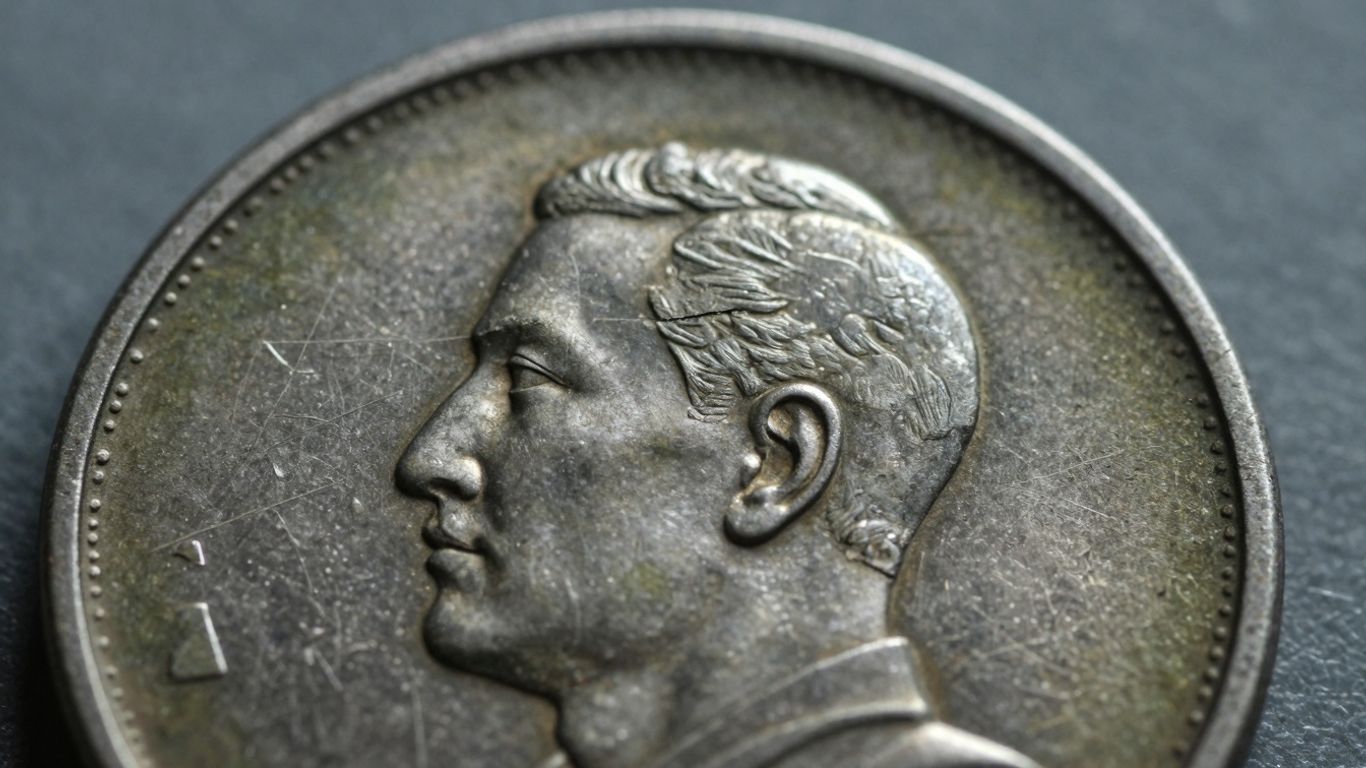
Even if a coin leaves the mint in perfect condition, it can still suffer damage from how it’s treated afterward. Think about it – coins are handled by lots of people, stored in various ways, and sometimes cleaned when they really shouldn’t be. These actions can leave their own kind of wear, often quite different from what you see on coins that have just been through regular circulation.
Fingerprints and Surface Oils
Human hands are surprisingly damaging to coins. Our skin naturally produces oils and leaves behind residues. When you touch a coin’s surface, these oils can transfer and, over time, cause subtle changes. These aren’t always visible to the naked eye, but under magnification, you might see a faint film or discoloration where fingerprints once were. This is why numismatists always handle coins by their edges. It might seem like a small thing, but these oils can actually react with the metal, especially on older or more sensitive coins, leading to what collectors call "fingerprint toning" or even more serious surface issues. It’s a common problem that can significantly affect a coin’s grade and appearance.
Slide Marks from Album Storage
Many collectors store their coins in albums, which is generally a good practice. However, some older album designs use plastic strips or slides to hold the coins in place. When a coin is slid into or out of these slots, the plastic can rub against the coin’s surface. This creates what are known as "slide marks" or "rub." These aren’t deep scratches, but rather fine, parallel lines or a general dulling of the surface where the plastic made contact. They can be quite noticeable, especially on coins with a lot of original mint luster, as they disrupt that beautiful reflective quality. It’s a form of wear that’s entirely preventable with modern storage solutions.
Damage from Cleaning and Dipping
This is probably one of the biggest culprits when it comes to damaging a coin’s surface. Many people, thinking they’re improving a coin, decide to clean it. This can involve anything from a gentle wipe with a cloth to more aggressive methods like "dipping" a coin in a chemical solution. While some cleaning might remove dirt, it almost always removes or alters the original mint luster. Dipping, in particular, can strip away the coin’s natural surface, leaving it looking unnaturally bright and shiny, but without that characteristic "cartwheel" effect. This artificial shine is a dead giveaway to experienced collectors and graders, and it drastically reduces a coin’s value. It’s best to avoid cleaning coins altogether; if you’re unsure about a coin’s condition, it’s always better to consult with a professional or research coin preservation methods before attempting any cleaning.
Here’s a quick rundown of what to avoid:
- Abrasive Cleaners: Things like toothpaste, baking soda, or metal polishes will scratch the surface.
- Harsh Chemicals: Strong acids or solvents can cause pitting and discoloration.
- Excessive Rubbing: Even a soft cloth can cause hairlines if used too vigorously.
- Improper Storage: Using PVC-containing flips can lead to green or gray residue over time.
When assessing a coin, the presence of original mint luster is highly prized. Any form of cleaning or artificial enhancement, even if it makes the coin look superficially brighter, will typically result in a lower grade and significantly diminished market value. Collectors often prefer a coin with honest, light wear and original surfaces over a cleaned coin, no matter how shiny it appears.
Artificial Enhancements and Their Consequences
Sometimes, people try to make coins look better than they actually are, and this can really mess with their value. It’s like putting a fresh coat of paint on a rusty car – it might look okay from a distance, but up close, the problems are still there. These artificial changes, often called "enhancements," can fool inexperienced collectors, but seasoned ones can usually spot them.
The Effects of Whizzing
"Whizzing" is a technique where a coin’s surface is rapidly spun against an abrasive material. The goal is to create a shiny, almost polished look, mimicking the original mint luster. However, this process actually damages the coin’s surface on a microscopic level. It removes the natural, soft glow and replaces it with a harsh, artificial shine. This kind of treatment almost always lowers a coin’s grade and value. It’s a bit like trying to buff out a scratch on your phone screen with steel wool – you end up making it worse.
Overdipping and Surface Luster Loss
Another common issue is "overdipping." This happens when a coin is cleaned by dipping it into a mild acid solution. While a quick dip can sometimes remove tarnish, doing it too much, or "overdipping," strips away the coin’s original mint luster. This luster is that beautiful, satiny sheen you see on uncirculated coins. Once it’s gone, it can’t be brought back. The coin might look cleaner, but it loses that special quality that collectors prize. It’s a bit like washing a delicate silk scarf with harsh detergent – it might get clean, but it’s ruined.
Artificial Shine Versus Mint Luster
Distinguishing between natural mint luster and artificial shine is key for any collector. Natural luster has a soft, flowing quality, often showing a "cartwheel effect" when you tilt the coin under light. Artificial shine, on the other hand, tends to be more uniform, sometimes even greasy-looking, and lacks that natural depth. It’s the difference between sunlight and a fluorescent bulb. While artificial methods might make a coin appear brighter, they can’t replicate the original beauty and history that true mint luster represents. Learning to spot these differences is a big step in understanding coin grading.
Here’s a quick rundown of what to look for:
- Natural Luster: Soft, flowing, often shows a cartwheel effect, feels natural.
- Artificial Shine: Harsh, uniform, can look greasy or overly bright, lacks depth.
- Overdipped Surface: Dull, lifeless, luster is completely removed.
It’s important to remember that these artificial treatments are often done to try and make a coin appear more valuable than it is. Being aware of these practices helps protect you from making costly mistakes.
Assessing Wear on High Points
When you’re looking at a coin, especially if you’re trying to figure out its condition or value, paying attention to the "high points" is super important. These are the parts of the coin’s design that stick out the most. Think of them like the nose on a face or the top of a letter. Because they’re exposed, they’re the first places to get worn down when a coin gets passed around or handled a lot.
Cheek and Hair Details
On portraits, the cheekbone, the bridge of the nose, and the edges of the hair are usually the highest points. If a coin has seen a lot of action, you’ll notice these areas start to look a bit smoothed over. It’s not like they disappear completely right away, but the sharp lines get softer. For example, on a coin with a profile, you might see the cheek lose its distinct curve, or the strands of hair might blend together instead of looking like individual strands. The more worn these details are, the less "Mint State" the coin is likely to be.
Lettering and Design Elements
It’s not just portraits, though. The letters around the rim of the coin, the numbers in the date, and any raised parts of the main design are also high points. When a coin is heavily circulated, you might see the tops of the letters get flattened, or the serifs (the little decorative bits at the ends of letters) might be gone. The date can become hard to read, with the "9" or "8" looking more like a rounded bump than a distinct numeral. Even small design elements, like the tips of leaves on a wreath or the points of stars, will show wear before the flatter, recessed areas do.
Wear Progression in Circulation
Coins go through stages of wear, and the high points tell that story. A coin that’s just starting to show wear might only have a slight softening on the very highest parts, while still looking pretty sharp overall. This is often called "About Uncirculated." As wear increases, more of these high points get affected. A "Very Fine" coin will have noticeable smoothing on most high points, and a "Good" or "Fair" coin might have these details so worn down that they’re barely recognizable, or completely gone.
Here’s a quick look at how wear typically shows up on high points across different grading levels:
| Grade Category | High Point Wear Description |
|---|---|
| Mint State (MS-60+) | No wear on high points; full original detail. |
| About Uncirculated (AU) | Traces of wear, slight friction on the very highest points. |
| Extremely Fine (XF) | Very light wear, slight flattening on most high points. |
| Very Fine (VF) | Moderate wear, high points noticeably smoothed. |
| Fine (F) | Significant wear, details on high points are worn. |
| Very Good (VG) | Heavy wear, high points are very flat and indistinct. |
| Good (G) | Extreme wear, design elements on high points are worn away. |
Looking closely at these high points is like reading a coin’s personal history. It tells you how much it’s been handled and what kind of journey it’s been on since it left the mint. This is a key part of figuring out its true condition and, by extension, its worth to collectors.
The Role of Mint Luster in Coin Assessment
Mint luster is that special shine a coin has when it’s brand new, fresh from the mint. It’s not just about looking pretty; it tells you a lot about how the coin has been treated since it was made. Think of it as the coin’s original "birth certificate" for its surface condition.
Original Mint Surface Reflection
When a coin is first struck, its surface is incredibly reflective. This original mint surface reflection is what collectors look for. It shows that the coin hasn’t been handled much, if at all. You can often see this as a bright, almost liquid-like shine that seems to move across the coin when you tilt it under a light. This effect is sometimes called the "cartwheel effect" because of how the light seems to radiate outwards like spokes on a wheel. It’s a sign of a coin that’s been well-preserved and hasn’t spent much time getting banged around in circulation. Seeing this original shine is a big deal for grading and value. It’s a key indicator that the coin is in "mint state" or uncirculated condition. You can find resources that show examples of different mint luster grading categories to help you compare.
Cartwheel Effect and Light Play
The cartwheel effect is a visual phenomenon directly related to mint luster. When you rotate an uncirculated coin under a light source, the luster creates a dynamic, shimmering effect that appears to move across the coin’s surface. This isn’t just random shininess; it’s the result of the microscopic, parallel lines left by the minting process. These lines reflect light in a specific way, creating that characteristic "cartwheel" appearance. The intensity and uniformity of this effect are important. A strong, consistent cartwheel suggests a coin with excellent original luster, while a weak or patchy effect might indicate some wear or surface issues. Observing how light plays across the coin is a skill that develops with practice, helping you distinguish between true mint luster and artificial shine.
Luster Grading Categories
Grading services often use specific terms to describe the amount of original mint luster a coin retains. These categories help standardize how coins are assessed:
- Brilliant Uncirculated (BU): These coins have full, vibrant original mint luster. The cartwheel effect is strong and covers most of the coin’s surface.
- Choice Uncirculated (CU): While still uncirculated, these coins might have a slight reduction in surface brilliance or a few minor distractions that slightly dim the overall luster.
- About Uncirculated (AU): These coins show very minor wear, typically only on the highest points of the design. Most of the original luster is present, but it might be slightly softened or have a few scattered marks.
- Extremely Fine (XF) / Very Fine (VF): Coins in these grades have lost a significant portion of their original luster due to circulation. While they might retain some residual shine in protected areas, the overall surface will appear more subdued.
Understanding these categories is key because even among uncirculated coins, the quality of luster can significantly impact a coin’s desirability and market price. A coin that looks "dead" or dull, even if technically uncirculated, won’t command the same premium as one that still gleams with original mint brilliance.
Assessing luster requires good lighting and magnification. You want to see that original reflectivity, not something that looks like it was polished or artificially enhanced. Comparing your coin to known examples is also a good strategy. It helps calibrate your eye for what true mint luster looks like versus what might be damage or artificial treatment.
Tools for Examining Coin Wear Patterns
So, you’ve got a coin and you want to figure out what’s going on with its surface, right? It’s not always as simple as just looking at it. You need the right gear to really see what’s happening. Think of it like trying to read a tiny book without your glasses – you’re missing all the important details.
Selecting the Right Magnification
First off, your eyes are good, but they aren’t that good. You’ll want a magnifying tool, often called a loupe. Most folks in the coin world suggest a 10x magnification. This is usually enough to see the nitty-gritty without making everything look weird and distorted. Some fancy ones, called achromatic or triplet loupes, give you an even clearer picture. They’re great for spotting tiny wear marks, how well the coin was stamped, or if someone tried to mess with its surface. Getting a good loupe is probably the single most important step in really seeing your coins. It helps you see things like the subtle wear on a cheek or the fine lines in the lettering that tell a story about the coin’s life. You can find these tools at most coin shops or online, and they aren’t usually crazy expensive. It’s a small investment for a big jump in what you can see. For more advanced analysis, you might even look into tools that use feature-based analysis to break down coin surfaces.
The Importance of Proper Lighting
Okay, you’ve got your magnifier. Now, what about light? You can’t see anything in the dark, and harsh light can actually hide details or make things look worse than they are. What you want is consistent, bright light. Many collectors use a desk lamp, often with a halogen bulb, set at an angle. This angled light is key because it casts little shadows in the grooves and on the raised parts of the coin. This contrast makes wear patterns, scratches, and even original mint luster pop out. Try rotating the coin slowly under this light. You’ll see how the light plays across the surface, revealing different textures and details. Avoid using the flash on your phone or camera; it’s usually too direct and washes everything out.
Using Reference Materials for Comparison
Looking at your coin is one thing, but how do you know if what you’re seeing is normal wear, damage, or something else? That’s where reference materials come in. Think of them as your cheat sheets. These can be books, online guides, or even just pictures of other coins. You’ll want to find examples of coins that are similar to yours, especially ones that have been graded by professionals. Seeing how a coin graded, say, AU-58 (About Uncirculated) looks compared to an MS-63 (Mint State) can teach you a lot about what to look for. It helps you calibrate your eye. You can compare the wear on high points, the amount of original shine, and any marks or imperfections. This comparison is super helpful when you’re trying to figure out if a coin has seen too much action or if it’s still looking pretty sharp. It’s like having a teacher right there with you, showing you exactly what to look for.
Examining coins isn’t just about looking; it’s about seeing. The right tools, like a good loupe and angled lighting, help you observe the subtle details that tell the coin’s story. Comparing your findings to known examples solidifies your understanding and builds your confidence as a collector.
Wrapping It Up
So, we’ve gone over a lot of ground, from how coins get worn down over time to the little nicks and scratches that can happen. It’s pretty wild how much a coin can tell you if you just know what to look for. Whether it’s a coin that’s seen a lot of pockets or one that had a rough start at the mint, understanding these wear patterns really helps you appreciate each piece a bit more. It’s not just about the shiny bits; it’s about the story each coin carries on its surface. Keep an eye out, and you’ll start seeing these details everywhere.
Frequently Asked Questions
What does 'wear' mean on a coin?
When we talk about ‘wear’ on a coin, we mean the way its surface gets smoothed down or its details get less sharp over time. This happens from being used a lot, rubbed against other things, or just exposed to the environment. Think of it like a favorite toy that gets used so much its edges become rounded and some of the paint rubs off. Coins that have been handled a lot or spent time in circulation will show more wear than coins that have been kept safe since they were made.
What's the difference between a 'circulated' and an 'uncirculated' coin?
A ‘circulated’ coin is one that has been used for everyday buying and selling. It’s been passed around, so it likely has some scratches, nicks, or smoothed-out details. An ‘uncirculated’ coin, on the other hand, has never been used as money. It’s usually kept in its original condition from when it was made at the mint, so it still has all its sharp details and original shine, often called ‘mint luster’.
How does wear affect how much a coin is worth?
Generally, the less wear a coin has, the more valuable it is. Coins that look like they just came from the mint, with no signs of use, are usually worth much more than coins that are heavily worn. This is because they are rarer and more desirable to collectors. Even small amounts of wear can significantly lower a coin’s value, especially for older or more collectible coins.
What are some common things that cause coins to get damaged?
Coins can get damaged in many ways! Being passed around in pockets and cash registers causes ‘circulation wear.’ Leaving them in damp places or exposed to smoke can cause ‘environmental damage,’ like spots or discoloration. Just touching coins with your fingers can leave oils that damage the surface. Storing them improperly, like in old plastic holders that break down, or even trying to clean them yourself, can also cause harm.
What is 'mint luster' and why is it important?
‘Mint luster’ is the original shine and reflective quality a coin has when it’s first made. It’s like the sparkle a brand-new car has. This shine is created by the way metal is polished and how the coin is struck. Collectors really value mint luster because it shows that a coin hasn’t been handled much or damaged. It’s a key sign of a coin’s original, untouched beauty.
What are 'plachet' and 'striking' defects?
A ‘plachet’ is the blank metal disc before it gets stamped with a design. A ‘plachet defect’ happens if there’s a flaw in that metal disc itself, like a bubble or an impurity. A ‘striking defect’ happens when the coin is being stamped; for example, if the design isn’t perfectly centered on the coin or if the strike is too weak to bring out all the details. These flaws can happen before or during the coin-making process.
What is 'whizzing' and why is it bad for coins?
‘Whizzing’ is when someone tries to make a coin look better by rubbing its surface with a wire brush or similar tool. They think it makes the details look sharper, but it actually damages the coin’s surface and removes its natural mint luster. This artificial shine is easily spotted by experts and significantly lowers the coin’s grade and value because it’s considered damage, not natural preservation.
What tools do I need to look closely at my coins?
To really see the details and wear on a coin, you’ll want a few simple tools. A magnifying glass, often called a ‘loupe,’ with at least 10x magnification is very helpful. Good lighting is also essential – a bright desk lamp that you can angle is perfect. Sometimes, having a good book or online guide that shows pictures of coins in different conditions can help you compare and understand what you’re seeing.