Ever wondered about those shiny, special coin sets that seem to be a step above the rest? You know, the ones with the mirror-like finish and incredible detail. Well, they’re called proof coin sets, and they’re a big deal in the coin collecting world. This article is going to break down exactly what are proof coin sets and why they hold such a special place for collectors and history buffs alike. We’ll look at how they’re made, what makes them different, and why people go crazy for them.
Key Takeaways
- Proof coin sets are made using a special minting process with polished dies and planchets, resulting in coins with a brilliant, mirror-like finish and frosted design elements.
- They are distinct from regular ‘business strike’ coins, which are made for everyday circulation and have a less refined appearance.
- Proof coins showcase exceptional quality and detail, often considered miniature works of art, and are produced in limited quantities, adding to their appeal.
- The U.S. Mint and other world mints produce annual proof sets featuring standard denominations, as well as special themed and commemorative issues.
- Collecting proof coin sets can be a rewarding hobby, offering potential investment value, a connection to numismatic history, and the simple joy of owning beautifully crafted items.
Understanding Proof Coin Sets
What Defines A Proof Coin Set?
So, what exactly makes a coin set a "proof" set? It all comes down to how the coins are made. Proof coins are special because they are struck using specially polished dies and planchets (the blank metal discs) and are struck multiple times to bring out the finest details. This isn’t your everyday coin that gets tossed into circulation. Think of it like a photographer’s first print from a negative – it’s meant to show the absolute best quality possible. These coins are made for collectors, not for buying your morning coffee.
The Meticulous Minting Process
The creation of a proof coin is a whole different ballgame compared to regular coins. It’s a slow, careful process. Here’s a peek at what goes into it:
- Die Preparation: The dies (the metal pieces that stamp the image onto the coin) are polished to a mirror-like finish. Any tiny imperfection would show up on the final coin.
- Planchet Preparation: The blank metal discs, called planchets, are also polished and cleaned until they gleam.
- Striking: Each coin is struck at least twice, sometimes more, with lower striking speeds than regular coins. This ensures that every detail, from the sharpest line to the finest texture, is perfectly imprinted.
- Inspection: After striking, each coin is carefully inspected for any flaws. Only the perfect ones make it into a proof set.
Distinguishing Proof Coins from Business Strikes
It can be tricky to tell a proof coin from a regular coin, often called a "business strike," just by looking. But there are a few key differences if you know what to look for:
- Finish: Proof coins have a distinct mirror-like background with frosted or matte-finished design elements. Business strikes usually have a more uniform, less reflective surface.
- Sharpness: The details on proof coins are incredibly sharp and well-defined, almost like they’re jumping off the surface.
- Edge: While not always a definitive sign, the reeding (the grooves on the edge) of proof coins is often sharper and more precise.
The main difference really boils down to the intent of production. Proof coins are made with the collector in mind, showcasing the highest level of minting artistry and precision. Business strike coins are made for everyday transactions, and while they can be beautiful, they don’t undergo the same rigorous, specialized minting process.
Here’s a quick comparison:
| Feature | Proof Coin | Business Strike Coin |
|---|---|---|
| Minting | Specially polished dies, struck multiple times | Standard dies, struck once or twice |
| Finish | Mirror-like fields, frosted devices | Uniform, less reflective surface |
| Detail | Extremely sharp and well-defined | Generally sharp, but less intricate |
| Purpose | Collector item, display | Circulation, everyday transactions |
| Production | Lower mintage, carefully inspected | Higher mintage, less stringent inspection |
The Allure of Proof Coinage
Proof coins have a certain pull. Maybe it’s the look, the craftsmanship, or just how every piece feels a bit like it has its own secret. Whatever it may be, collectors and even new folks to coin collecting can’t help but get drawn in.
Exceptional Quality and Finish
Proof coins are famous for their flawless surfaces and bold mirror-like backgrounds. The minting process is basically all about detail — special dies are used, and each coin is struck multiple times, bringing out every feature. You end up with coins that have:
- Razor sharp edges and details
- Smooth, glassy fields (the flat background surface)
- Frosted designs that really stand out
It’s no exaggeration: you can often spot a proof coin from across the room because it just gleams differently.
Holding a proof coin under a light, each part reflects and catches your eye in a way regular coins just can’t match.
A Glimpse into Numismatic Artistry
Proof coins aren’t just about being shinier. They’re the canvas for mint artists. You can see intricate details in everything — faces, animals, buildings — often too subtle to show up in day-to-day coins. This is a chance to see the engraver’s design exactly as intended.
Some artistic features unique to proof coins:
- Multi-layered contrast between raised images and smooth backgrounds
- Small marks and lines intended by the artist are crisp, not lost in mass production
- Changes to classic designs or special commemorative elements appear first on proofs
The result? Each coin is like a tiny sculpture, where the story jumps out at you.
The Appeal of Limited Editions
A big part of what makes proof coinage special is scarcity — mints just don’t make as many of these. Many proof sets are sold in limited quantities, sometimes for just a single year or a certain event.
Proof Coin Set Production (U.S. Examples)
| Year | Regular Proof Sets | Special/Commemorative Proof Sets |
|---|---|---|
| 2018 | 543,739 | 316,127 |
| 2020 | 465,878 | 190,000 |
| 2022 | 405,527 | 162,700 |
- Each run is usually announced in advance, and some sets can sell out within hours.
- Because of their low numbers, limited proof coins can become the stars of any collection.
- When a design changes, older proof runs suddenly become even more wanted by collectors.
There’s something thrilling about owning a piece you know only a handful of other people in the world could ever have.
Historical Significance of Proof Sets
Early Minting Practices
Way back when, mints didn’t really make coins with the idea that collectors would hoard them. Coins were mostly for spending, plain and simple. But even then, sometimes a few extra-special coins would get made. These weren’t necessarily for sale; they were more like samples or presentation pieces for important folks. Think of them as the very first, almost accidental, proof coins. They were struck with extra care, often on polished dies, just to show off what the mint could do. It wasn’t a formal process like today, but it was the start of something. These early pieces are super rare now because, well, most people just used them like regular money or they got lost over time.
Evolution of Proof Coinage
Over time, mints started to realize there was a market for these high-quality coins. The U.S. Mint, for example, began officially producing proof sets in the mid-1800s. Initially, these were still pretty exclusive, often sold individually or in small groups to collectors who knew what they were asking for. The process itself got more refined. Dies were specially prepared, polished to a mirror finish, and then struck multiple times with specially prepared planchets (the blank metal discs). This gave the coins that distinct, frosty look on the raised parts and a super-shiny background. It was a slow build, but by the 20th century, proof sets became a regular, anticipated release from mints around the world.
Commemorative Proof Sets Through History
Commemorative coins have always been a big deal, and proof versions of these special issues are even more sought after. Think about major historical events or anniversaries – mints often release special coins to mark them. These aren’t just regular coins; they tell a story. For instance, the U.S. Mint has issued proof sets celebrating everything from national parks to significant historical figures. These sets often feature unique designs not found on circulating coins, making them extra appealing. They serve as tangible pieces of history, allowing collectors to hold a bit of the past in their hands. It’s like a history lesson you can put in a display case.
Here’s a look at how proof coin production has changed:
| Era | Minting Focus | Availability |
|---|---|---|
| Pre-1850s | Accidental high-quality strikes, presentation | Extremely Limited |
| Mid-1800s – Early 1900s | Official, but exclusive, collector pieces | Limited |
| Mid-1900s – Present | Regular annual releases, wider collector base | Widely Available |
The journey of proof coins from accidental curiosities to deliberate, high-quality collector items mirrors the growth of numismatics itself. What started as a way to showcase minting capabilities evolved into a dedicated product line, preserving historical moments and artistic designs for future generations.
Components of a Proof Coin Set
What Defines A Proof Coin Set?
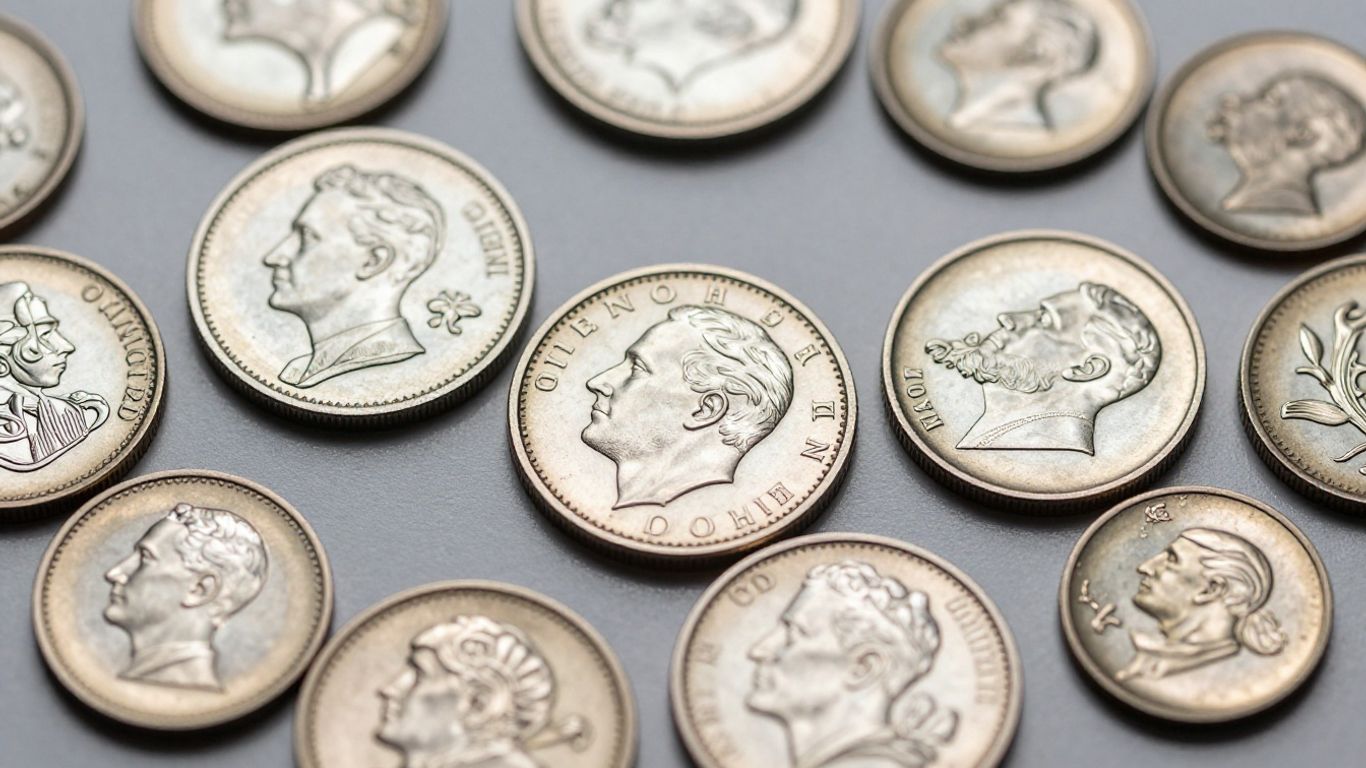
So, what exactly goes into a proof coin set? It’s not just a random collection of shiny coins. These sets are carefully curated, usually featuring a complete run of circulating denominations for a specific year, all struck to proof quality. Think of it as the mint’s "best of the best" collection for that year. For example, a standard U.S. proof set might include the Lincoln cent, Jefferson nickel, Roosevelt dime, Kennedy half dollar, and the Native American dollar. Sometimes, special editions might swap out or add coins, like the state quarters that were a big deal for a while. The key is that all coins within a single set are meant to represent the mint’s highest standard for that particular release.
The Meticulous Minting Process
Creating proof coins is a whole different ballgame compared to regular pocket change. It starts with specially prepared planchets – that’s the blank metal discs before they’re struck. These planchets are polished to a mirror-like finish. Then, the dies, the metal tools that actually impress the design onto the coin, are also polished to an extreme degree. The striking process itself is done at least twice, sometimes more, using lower minting speeds and immense pressure. This ensures every detail is captured with incredible sharpness and clarity. After striking, the coins are handled with extreme care, often with soft tongs, to avoid any scratches or marks. It’s this painstaking attention to detail that gives proof coins their distinctive, almost glowing appearance.
Distinguishing Proof Coins from Business Strikes
Spotting the difference between a proof coin and a regular ‘business strike’ coin can be tricky at first, but there are tell-tale signs. Business strike coins are made for everyday transactions, so they’re produced quickly and in large numbers. They often have a more matte or satin finish and might show bag marks or minor imperfections from the minting process and circulation. Proof coins, on the other hand, have that dazzling, mirror-like background and frosted, raised design elements. The contrast is usually quite stark. You’ll also notice that proof coins are typically struck multiple times, giving them a sharper, more defined look. If you’re looking at a coin and it looks like it’s glowing, chances are it’s a proof. For instance, the 1999-S Silver United States Proof Set, which included the statehood quarters, clearly shows this difference in finish compared to coins meant for circulation.
Exceptional Quality and Finish
What really sets proof coins apart is their sheer visual appeal. The finish is unlike anything you’ll find on regular currency. Imagine a perfectly polished mirror as the background, with the design elements appearing crisp and almost three-dimensional, often with a frosted texture. This dramatic contrast is achieved through the special minting process I mentioned earlier. It’s this exceptional quality that makes them so attractive to collectors. They aren’t just coins; they’re miniature works of art. The way light plays off the surfaces is mesmerizing, and it’s something you really have to see in person to fully appreciate.
A Glimpse into Numismatic Artistry
Proof coin sets offer a fantastic window into the artistry of coin design and minting. Each coin in a set is a testament to the skill of the engravers and the precision of the minting machinery. Whether it’s a classic design or a modern commemorative, the proof finish brings out the intricate details in a way that standard coins just can’t match. It allows collectors to appreciate the full artistic vision behind each piece. Think about the detailed imagery on some of the commemorative sets; the proof treatment makes those designs pop, showcasing the historical or cultural themes they represent with incredible clarity. It’s like looking at a finely crafted sculpture, but in miniature.
The Appeal of Limited Editions
Many proof coin sets are produced in limited quantities, which naturally adds to their desirability. When a mint announces a specific mintage limit for a proof set, it creates a sense of urgency and exclusivity. This scarcity can significantly impact the long-term appeal and potential value of the set. Collectors know that once these sets are sold out, they won’t be produced again, making them harder to find over time. This is especially true for special themed sets or those released for significant anniversaries. The idea of owning something rare and sought-after is a big draw for many people who collect these beautiful coins.
Early Minting Practices
Going way back, the concept of producing coins with a superior finish wasn’t quite as formalized as it is today. Early mints would sometimes strike coins multiple times to ensure a good impression, especially for important official specimens. These weren’t necessarily called "proofs" in the modern sense, but they were certainly made with extra care. These early examples were often intended for archival purposes or as presentation pieces for dignitaries. They represent the very beginnings of what would eventually evolve into the highly standardized proof coin sets we see now. It’s fascinating to see how the desire for high-quality coinage has been around for centuries.
Evolution of Proof Coinage
Over time, the process for creating proof coins became more refined. What started as simply striking coins more than once evolved into a dedicated process with specially prepared dies and planchets. The U.S. Mint, for example, began officially producing proof sets for sale to the public in the mid-19th century. Initially, these were often sold individually or in very small groupings. It wasn’t until the 20th century that the concept of an annual, packaged proof set containing all the year’s circulating denominations became the norm. This evolution reflects changing collector interests and advancements in minting technology.
Commemorative Proof Sets Through History
Commemorative coins have a long and storied history, and proof versions of these special issues are highly prized. These sets often celebrate significant historical events, famous figures, or important national symbols. The proof finish really brings these commemorative designs to life, highlighting the details that honor the subject matter. From early medals struck to commemorate battles to modern proof sets celebrating national parks or anniversaries, these coins serve as tangible pieces of history. They allow us to connect with the past in a very direct and beautiful way. The U.S. Mint, for instance, has a rich history of issuing commemorative proof coins that are eagerly collected.
The Standard Denominations
Most annual proof coin sets stick to the standard circulating denominations of a country. In the United States, this typically means including the cent, nickel, dime, quarter, and the dollar coin. The composition and design of these coins are usually consistent with their business strike counterparts, but the finish is what makes them special. For example, a 2023 U.S. Proof Set would contain the standard coins issued for circulation that year, but struck to proof quality. It’s this consistency in including the everyday coins that makes proof sets a familiar yet elevated collection.
Special Issue and Themed Sets
Beyond the standard annual sets, mints worldwide release a variety of special issue and themed proof sets. These can celebrate specific anniversaries, cultural events, wildlife, or even popular franchises. They might include unique coin compositions, like silver or gold, or feature designs not found on circulating coinage. For example, the Royal Canadian Mint often releases themed proof sets celebrating Canadian heritage or achievements. These sets cater to a broader range of collector interests and often have lower mintages, making them quite collectible. The variety keeps the hobby exciting.
Accompanying Medals and Memorabilia
Sometimes, proof coin sets come bundled with more than just coins. It’s not uncommon to find accompanying medals, often struck in the same proof quality, that tie into the set’s theme. These medals can feature complementary designs or historical imagery. Additionally, sets might include certificates of authenticity, descriptive booklets, or special packaging that adds to the overall presentation and historical context. These extras can enhance the perceived value and the collector’s experience, turning a simple set of coins into a more complete numismatic package. The U.S. Mint’s "Best of the Mint" series, for example, includes companion silver medals with new designs alongside the reissued gold coins.
Investment Potential and Value
Let’s be honest, for many collectors, the potential for a proof coin set to increase in value is a significant part of the appeal. While not every set is a guaranteed money-maker, certain factors like limited mintages, historical significance, precious metal content (especially in gold and silver proof sets), and overall demand can contribute to appreciation over time. Some rare or historically important proof sets have seen substantial growth in value. It’s wise to do your homework and understand the market, but the possibility of owning something that might be worth more down the line is definitely a motivator for many.
Preserving Numismatic Heritage
Proof coin sets are more than just collectibles; they are important pieces of our numismatic heritage. They document the coinage of a specific era, the artistic trends, and the technological capabilities of the mints that produced them. By collecting and preserving these sets, we are essentially safeguarding a part of history for future generations. Each set tells a story about the time it was created, reflecting the culture, economy, and even the political climate. It’s a way to connect with the past and ensure that these beautiful and historically significant items endure.
The Joy of Collecting
Ultimately, the biggest reason proof coin sets are special is the pure joy they bring to collectors. There’s a satisfaction in completing a set, in holding a piece of history in your hands, and in appreciating the intricate beauty of a perfectly struck coin. It’s a hobby that can be both relaxing and intellectually stimulating. Whether you’re drawn to the historical aspect, the artistic merit, or the thrill of the hunt for a rare piece, the world of proof coin collecting offers a rewarding experience. It’s a personal journey, and the pleasure derived from it is often the most compelling reason to collect.
Key Visual Characteristics
Identifying a genuine proof coin involves looking for specific visual cues. The most obvious is the finish: a deeply reflective, mirror-like field (the background) contrasted with frosted, raised design elements. This contrast is usually very sharp. Proof coins are also typically struck multiple times, resulting in a very sharp, well-defined appearance with full detail. You won’t see the wear and tear you might expect on a coin that’s been through circulation. Also, check the edges; they are usually reeded or plain, depending on the denomination, but should be clean and well-formed. The overall impression should be one of pristine perfection.
The Role of Mint Marks
Mint marks are tiny letters or symbols found on a coin that indicate which mint facility produced it. For proof coins, the mint mark is a critical identifier. For example, U.S. proof sets are often designated with an ‘S’ for San Francisco or a ‘P’ for Philadelphia. Knowing the mint mark helps confirm the coin’s origin and authenticity, especially when comparing it to business strike versions. Some mints might use different mint marks for their proof issues versus their regular issues, so it’s always important to check the specific details for the coins you’re examining. This little mark is a big clue in identifying a coin’s pedigree.
Certifications and Grading
For serious collectors, especially those investing significant amounts, third-party grading services play a vital role. Companies like PCGS and NGC professionally authenticate and grade coins, assigning a numerical score based on condition and eye appeal. They encapsulate the coin in a protective holder (slab) with a label detailing its grade and authenticity. A high grade on a proof coin, particularly one with a perfect score (like PR70 for proof), can significantly increase its market value. This certification provides confidence and a standardized measure of a coin’s quality, helping to demystify the sometimes-complex world of coin valuation.
Annual Proof Set Releases
The U.S. Mint has a long tradition of releasing annual proof sets, typically containing the circulating denominations for that year. These sets are a staple for many collectors, offering a consistent way to acquire proof-quality versions of everyday coins. Each year brings new designs for some denominations (like the America the Beautiful quarters or Native American dollars), making the annual sets a way to track changes in coinage. They are usually packaged in protective plastic holders, making them easy to store and display. These sets are a great entry point for new collectors.
Special 'Best of the Mint' Series
Sometimes, the U.S. Mint goes beyond the standard annual sets to issue special series that highlight historical coinage. The "Best of the Mint" series is a prime example. These sets often feature re-strikes of classic coin designs, sometimes in higher gold purity, and bear special privy marks to commemorate significant anniversaries, like the nation’s 250th. The idea is to celebrate iconic coins from American numismatic history. These special releases are usually produced in limited quantities and are highly sought after by collectors who appreciate the nod to the past. The mint announces new designs monthly for these series.
The 'Best of the Mint' Gold and Silver Companions
Expanding on the "Best of the Mint" concept, these special releases often include companion pieces, such as silver medals, alongside the gold coins. While the gold coins might be faithful reproductions of historic designs, the accompanying silver medals often feature new, contemporary artwork that complements the theme. This pairing offers collectors a blend of historical and modern numismatic art. These sets are typically packaged beautifully and come with detailed information about the coins and medals, making them a comprehensive collectible. They represent a significant effort by the mint to create unique and meaningful numismatic products.
Canadian Mint Innovations
The Royal Canadian Mint is known for its innovative approach to coin production, and this extends to their proof coin offerings. They’ve experimented with unique finishes, special security features, and even unusual shapes and materials. For instance, they’ve produced some of the world’s largest and purest gold coins, as well as coins with intricate multi-metal compositions. Their themed proof sets often showcase Canadian wildlife, history, or cultural icons with stunning designs. The Canadian mint consistently pushes the boundaries of what’s possible in coin minting, making their proof sets particularly exciting for collectors worldwide.
International Proof Coin Collections
Proof coin collecting isn’t limited to just one country. Mints all over the globe produce their own stunning proof sets, offering a diverse range of designs, themes, and artistic styles. From the intricate patterns of European mints to the unique motifs found in Asian or Australian coinage, there’s a whole world of international proof coins to explore. Many collectors enjoy building sets that represent different countries or focus on specific themes that span multiple nations. It’s a great way to learn about different cultures and histories through the medium of coinage.
The World's Purest and Largest Coins
Some national mints have made headlines by producing some of the purest and largest coins ever minted, often in proof quality. These aren’t typically meant for circulation but are created as showpieces or for special commemorative purposes. Think of massive gold coins with incredibly high purity levels, often featuring intricate designs that showcase national pride or significant achievements. While these might be out of reach for the average collector due to their size and cost, they represent the pinnacle of minting capability and artistry. They are truly remarkable examples of numismatic engineering.
Proper Handling Techniques
Handling proof coins requires a delicate touch. The most important rule is to avoid touching the coin’s surface directly with your bare fingers. Fingerprints contain oils and acids that can permanently damage the mirror-like finish, causing unsightly spots or haziness. Always hold proof coins by their edges using soft-tipped tongs or by the rim between your thumb and forefinger, ensuring your fingers don’t come into contact with the coin’s face. It’s best to handle them over a soft surface, like a felt-lined tray or a clean cloth, just in case you drop one. This care is vital for maintaining their pristine condition.
Storage Solutions for Preservation
Storing your proof coin sets properly is key to preserving their condition and value. Most proof sets come in protective packaging from the mint, which is a good starting point. However, for long-term storage, consider using inert materials that won’t react with the metal. Options include archival-quality plastic flips (made from Mylar, not PVC), specialized coin albums with acid-free pages, or individual coin capsules made of acrylic or polycarbonate. Avoid storing coins in direct sunlight or in environments with high humidity or drastic temperature fluctuations, as these conditions can lead to toning or damage.
Maintaining the Luster
Proof coins are prized for their brilliant luster, and maintaining it requires avoiding anything that could dull or tarnish the surface. Never attempt to clean or polish a proof coin. Even the gentlest cleaning methods can remove the delicate frosted design elements or scratch the mirror-like fields, significantly reducing the coin’s numismatic value. The best way to maintain luster is through proper handling and storage, as discussed above. If a proof coin appears to have lost some of its brilliance due to environmental factors, it’s often best left to professional conservators rather than attempting a DIY fix.
Emerging Minting Technologies
The world of coin minting is constantly evolving, and new technologies are emerging that could impact proof coin production. Advancements in laser engraving, high-precision striking techniques, and even digital minting processes are being explored. These innovations could lead to even sharper details, more complex designs, and perhaps entirely new types of finishes. It’s exciting to think about what the future holds for proof coinage as mints continue to push the boundaries of what’s technically possible. We might see proof coins with features we can’t even imagine today.
Anticipated Thematic Releases
Looking ahead, collectors can anticipate continued releases of themed proof coin sets. Mints are always looking for popular and relevant themes that will capture the public’s imagination. This could include celebrating major historical anniversaries, honoring cultural icons, focusing on environmental conservation efforts, or even collaborating with popular entertainment franchises. The demand for unique and meaningful coin designs remains strong, so expect mints to keep exploring new and engaging themes for their proof offerings in the years to come.
The Enduring Appeal to Collectors
Despite technological advancements and changing trends, the fundamental appeal of proof coin sets remains strong. Their combination of artistic beauty, historical significance, and the tangible connection they offer to a specific time and place continues to draw collectors. The meticulous craftsmanship involved in their creation sets them apart, offering a level of quality and detail that is simply captivating. Whether someone is a seasoned numismatist or just starting out, the allure of owning these miniature masterpieces is undeniable, suggesting that proof coin sets will continue to be cherished for generations.
Why Are Proof Coin Sets Special?
So, what makes a proof coin set stand out from the everyday change you find in your pocket? It really comes down to a few key things that collectors and enthusiasts get excited about. It’s not just about the shiny metal; it’s about the story, the craftsmanship, and the rarity.
Investment Potential and Value
Let’s be honest, a lot of people get into collecting coins because they hope the value will go up over time. Proof sets, especially those with limited mintages or special designs, can definitely be good investments. The U.S. Mint, for example, releases annual proof sets, and sometimes they do special series that become quite sought after. Think about the "Best of the Mint" series they’ve been doing, reissuing historic designs with special marks. These aren’t just pretty coins; they’re pieces of history with a potential to grow in worth. The 1804 dollar reissue, for instance, is a modern tribute to a coin steeped in mystery and prestige, making its modern counterpart quite desirable.
Preserving Numismatic Heritage
Beyond just the money aspect, proof sets are like little time capsules. They capture a moment in history, a specific design, and a particular minting technique. When you hold a proof coin, you’re holding something that required extra care and attention to create. It’s a way to connect with the past and appreciate the artistry that went into coin making. These sets allow us to preserve these numismatic treasures for future generations, keeping the stories and designs alive. It’s about more than just owning something; it’s about safeguarding a piece of cultural heritage.
The Joy of Collecting
And then there’s the simple, pure fun of it all. Building a collection, hunting for that specific set, or completing a series – it’s a hobby that brings a lot of satisfaction. Whether you’re drawn to the historical significance, the artistic beauty, or the thrill of the chase, collecting proof sets offers a rewarding experience. It’s a chance to learn, to connect with other collectors, and to own something truly special. The meticulous detail and mirror-like finish of proof coins are just inherently pleasing to look at, making the act of collecting them a genuine pleasure.
The meticulous process involved in creating proof coins, from the specially prepared dies to the multiple strikes and careful handling, sets them apart. This dedication to perfection results in coins with a distinct visual appeal and a tactile quality that business strike coins simply cannot match. It’s this commitment to excellence that forms the bedrock of their special status among collectors.
Identifying Genuine Proof Coins
So, you’ve got a coin set that looks pretty fancy, maybe even a bit too shiny for everyday money. How do you know if it’s the real deal – a genuine proof coin – and not just a regular coin that got a good polish? It’s not always obvious, but there are a few things to look for.
Key Visual Characteristics
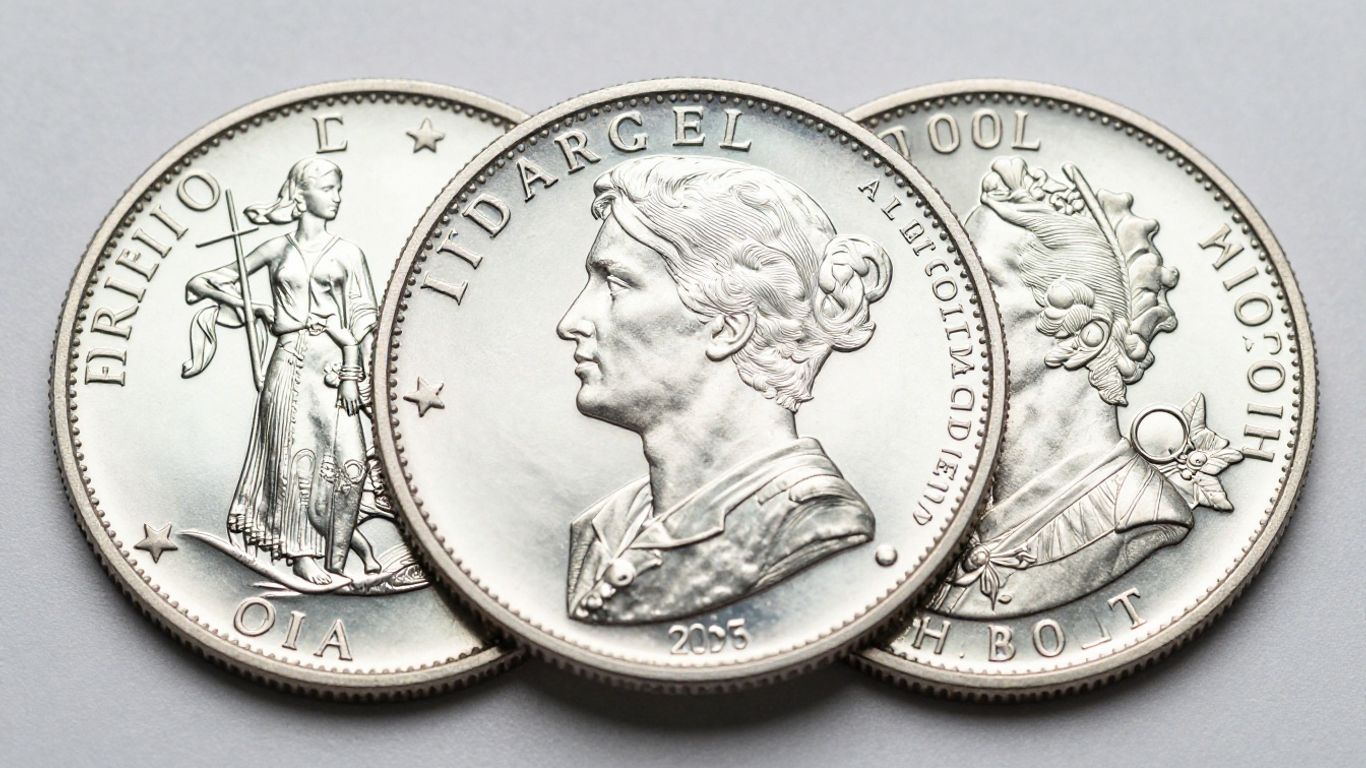
Proof coins have a look that’s hard to miss once you know what to expect. The surfaces are usually super smooth and mirror-like, especially on the fields (that’s the flat, open space around the design). The raised parts of the design, like the portrait or the lettering, are typically sharp and frosted, giving them a really nice contrast. This contrast is a big deal.
- Mirror-like Fields: The background of the coin should be incredibly reflective, almost like a mirror.
- Frosted Design Elements: The raised parts of the coin’s design should have a matte or frosted appearance.
- Sharp Details: Every line and curve in the design should be crisply defined.
- Reeded Edges: Most proof coins have perfectly uniform reeding on their edges, unlike business strike coins which might show slight imperfections.
The Meticulous Minting Process
Proof coins aren’t just stamped once and sent on their way. They go through a special process. The dies (the metal pieces that strike the coin) are polished to a mirror finish before they’re even used. Then, the planchets (the blank metal discs) are also polished. After that, each planchet is struck multiple times with the polished dies, often at lower speeds and with more pressure than regular coins. This careful, repeated striking is what gives proof coins their distinctive look.
This whole process is designed to create a coin with the highest possible visual appeal, making each one a small work of art. It’s a lot more involved than just making money to spend.
Distinguishing Proof Coins from Business Strikes
It’s easy to get confused between proof coins and business strike coins, especially if you’re new to collecting. Business strike coins are the ones made for everyday use. They’re produced quickly and in large numbers, so they often have minor nicks, scratches, or less defined details. Proof coins, on the other hand, are made specifically for collectors and are handled with extreme care.
Here’s a quick rundown:
| Feature | Proof Coin | Business Strike Coin |
|---|---|---|
| Surface Finish | Mirror-like fields, frosted design elements | Dull or semi-bright, may show bag marks |
| Strike Quality | Sharp, well-defined details, multiple strikes | Less defined details, single strike |
| Production | Low mintage, special process, for collectors | High mintage, for circulation |
| Eye Appeal | High contrast, brilliant, artistic | Functional, may show wear and tear |
The Role of Mint Marks
Sometimes, the mint mark can give you a clue. Mint marks are small letters that indicate where a coin was made (like ‘S’ for San Francisco or ‘P’ for Philadelphia). While not all proof coins have mint marks, and not all coins with mint marks are proofs, knowing where a coin was struck can sometimes help you research its specific production details. For example, the U.S. Mint often produces proof sets at its San Francisco facility, so an ‘S’ mint mark on a coin intended to be part of a proof set is common.
Certifications and Grading
If you’re really unsure, or if you’re dealing with a potentially valuable coin, getting it certified by a professional grading service is the best way to go. Companies like PCGS (Professional Coin Grading Service) and NGC (Numismatic Guaranty Company) will examine your coin, determine if it’s a genuine proof, and assign it a grade based on its condition. They’ll then encapsulate it in a protective holder with a label detailing its authenticity and grade. It’s like getting a passport for your coin, confirming its identity and quality.
The U.S. Mint's Proof Coin Offerings
Annual Proof Set Releases
The United States Mint has a long tradition of releasing annual proof sets, giving collectors a yearly snapshot of the nation’s coinage in its most pristine form. These sets typically include a complete run of circulating denominations – from the Lincoln cent all the way up to the dollar coin – each struck multiple times with specially polished dies and planchets. The result is a coin with a mirror-like background and a frosted, sculpted design that really pops. It’s like getting a miniature work of art in every coin. These sets are a fantastic way to track the evolution of coin designs and minting techniques year after year.
Special 'Best of the Mint' Series
More recently, the U.S. Mint has introduced special series that really capture the imagination. One such initiative is the "Best of the Mint" series. This program takes a look back at some of America’s most iconic and historically significant coins. The Mint surveys the public to see which coins resonate the most, and then they create modern interpretations. These aren’t just simple reproductions; they often involve high-purity gold and silver, and sometimes include special privy marks that add another layer of historical context. It’s a really neat way to connect with numismatic history.
For example, a recent "Best of the Mint" release paid tribute to the legendary 1804 dollar. This coin is shrouded in mystery and has a fascinating backstory involving diplomatic gifts to foreign rulers. The modern tribute included a 24-karat gold coin, faithfully recreating the original design, and a one-ounce silver companion medal. The medal itself was a work of art, drawing inspiration from the original coin’s design and its global journey.
The 'Best of the Mint' Gold and Silver Companions
The "Best of the Mint" series often features a dynamic duo: a gold coin and a silver companion medal. The gold coin is usually a direct homage to a historic piece, often struck in 24-karat gold with the original date. It’s meant to be a faithful representation, a tangible link to the past. The silver companion medal, on the other hand, usually offers a fresh, modern take on the theme. It might feature new artistic interpretations of the original coin’s imagery or tell a different part of its story. These pairings offer collectors different ways to appreciate the same historical theme, combining the allure of precious metals with compelling numismatic narratives.
Here’s a look at what you might find in these special sets:
- Gold Coin: Typically a high-purity gold piece, often a re-strike of a famous historical coin. It will bear the original date and may include special mint marks.
- Silver Companion Medal: A beautifully designed medal in .999 fine silver, featuring new artwork inspired by the historical coin or its story.
- Presentation Case: Both the gold coin and silver medal are usually housed together in an elegant display case, often with accompanying literature explaining the historical significance.
These special releases are more than just collectibles; they are a way for the U.S. Mint to engage with history and share it with the public in a very direct, tangible way. They often sell out quickly, so keeping an eye on the Mint’s release schedule is key if you’re interested.
Beyond the United States: Global Proof Coinage
Canadian Mint Innovations
The Royal Canadian Mint is known for some pretty neat stuff when it comes to coins. They’ve been making coins for a long time, going all the way back to the mid-1800s when different British North American colonies started issuing their own money. Back then, they even based some of their coins on the American dollar because of all the U.S. silver floating around. It’s kind of wild to think about how coins have changed over the years.
What’s really interesting is how they handle bilingualism. All the special words on commemorative coins show up in both English and French. Even the regular stuff on the back of non-commemorative coins is the same in both languages. On the front, you’ll see the monarch’s name and title, usually in a shortened Latin phrase. For example, coins made after November 2023 say "Charles III D. G. Rex," which basically means ‘Charles III, by the grace of God, King.’ Before that, you’d see "Elizabeth II D. G. Regina" (‘Elizabeth II, by the grace of God, Queen’).
The Canadian Mint has a history of pushing boundaries, from early colonial coinage to modern, high-value creations. Their commitment to bilingualism and intricate designs makes their proof sets stand out on the world stage.
They’ve also done some really unique things, like creating a 100-kilogram gold coin with a face value of $1 million back in 2007. That’s a massive coin, about the size of a large pizza, and it used a ton of pure gold. Only five of those were made and sold to collectors. It just goes to show how creative mints can get with their special issues.
International Proof Coin Collections
Proof coin sets aren’t just a U.S. or Canadian thing, of course. Lots of countries around the world put out their own proof sets, and they often have their own special twists. Think about the designs – they usually reflect national history, culture, or important events. It’s like a little piece of that country’s story captured in metal.
Some countries focus on very pure metals, while others might go for sheer size. You’ll find sets that celebrate everything from ancient myths to modern scientific achievements. It’s a global conversation happening through coinage.
Here’s a quick look at what some international proof sets might feature:
- Themes: National heroes, wildlife, historical landmarks, cultural festivals.
- Materials: Often high-purity gold, silver, platinum, or even palladium.
- Finishes: Beyond the standard proof finish, some might incorporate colorization, intricate engraving, or unique edge designs.
The World's Purest and Largest Coins
When we talk about the
Caring for Your Proof Coin Sets
So, you’ve got these beautiful proof coin sets, and you want to keep them looking their best, right? It’s not rocket science, but there are definitely a few things to keep in mind. Think of it like taking care of a fancy car – you wouldn’t just leave it out in the rain, would you?
Proper Handling Techniques
First off, the biggest no-no is touching the coin’s surface directly. Your fingers have oils, and even if you think your hands are clean, those oils can leave marks that are tough to get rid of and can actually damage the finish over time. It’s a bit like leaving fingerprints on a mirror; they just don’t look good and can be a pain to clean.
- Always hold coins by their edges. Use your thumb and forefinger to grip the rim.
- If you need to handle them more securely, especially if you’re moving them around a lot, consider using cotton gloves. They’re pretty inexpensive and make a big difference.
- When placing a coin down, do so gently on a soft surface, like a felt mat or a clean cloth. Never slide it across a hard table.
Storage Solutions for Preservation
Where you keep your proof sets matters. You want a place that’s stable and protected. Humidity and extreme temperature changes are the enemies here. Think about it: nobody wants their treasures to get all damp and moldy, or warped from heat.
- Use archival-quality holders. These are specifically designed for coins and won’t react with the metal. Things like Mylar flips or inert plastic cases are good choices. Avoid PVC (polyvinyl chloride) plastics, as they can break down and damage your coins.
- Store your sets in a cool, dry place. A closet inside your house is usually better than a garage or attic where temperatures can swing wildly.
- Consider a safe or a sturdy box for added security, especially if you have a valuable collection. Just make sure the environment inside the safe is also controlled for moisture.
Maintaining the Luster
Proof coins have that special, mirror-like finish. Keeping that shine is part of the appeal. You don’t want them looking dull or tarnished, do you?
The goal with proof coins is preservation, not cleaning. Unlike circulated coins that some people might try to clean up, proof coins are already at their peak. Any attempt to ‘clean’ them usually ends up doing more harm than good, removing that original mint luster and potentially creating fine scratches.
- Resist the urge to polish. Seriously, don’t do it. Polishing compounds are abrasive and will destroy the delicate surfaces of a proof coin.
- If a coin appears to have some dust or a loose particle on it, a gentle puff of air from a coin blower (not your mouth – that moisture is bad!) is usually sufficient.
- For more stubborn, non-damaging surface issues, consult a professional numismatist. They have the knowledge and tools to assess the situation without causing damage.
The Future of Proof Coin Sets
Emerging Minting Technologies
It’s pretty exciting to think about what’s next for proof coin sets. Mints around the world are always tinkering with new ways to make these coins even more stunning. We’re seeing advancements in laser frosting and advanced polishing techniques that give the raised designs a sharper contrast against the mirror-like fields. Some places are even experimenting with multi-metal compositions within a single coin, creating unique color effects and textures that were impossible just a few years ago. These innovations are pushing the boundaries of what numismatic art can be.
Anticipated Thematic Releases
Looking ahead, expect to see even more creative themes gracing proof sets. While historical events and iconic figures remain popular, there’s a growing trend towards sets celebrating nature, scientific achievements, and even pop culture. The U.S. Mint’s "Best of the Mint" series, for example, is already digging into history by reissuing classic designs with special privy marks. It makes you wonder what anniversaries or cultural touchstones will inspire future collections. Maybe we’ll see sets dedicated to space exploration milestones or even popular literary works.
The Enduring Appeal to Collectors
Despite all the new tech and themes, the core appeal of proof coins isn’t going anywhere. People love the sheer quality and the feeling of holding something meticulously crafted. It’s that tangible connection to history and artistry that keeps collectors hooked. Plus, with the current economic climate, some are looking at precious metals as a way to diversify their assets, and proof coins, especially those made of gold and silver, are definitely part of that conversation. It’s a blend of beauty, history, and potential investment potential and value.
Proof coin sets offer a unique window into both artistic expression and historical moments. Their appeal lies not just in their visual perfection but in the story they tell and the craftsmanship they represent. As minting technology evolves, these sets will likely become even more intricate and desirable, continuing to capture the imagination of collectors worldwide.
Wrapping It Up
So, there you have it. Proof coin sets are more than just shiny metal; they’re little pieces of history, made with extra care. Whether you’re a seasoned collector or just starting to look at coins, these sets offer a special way to connect with the past. They’re a reminder of craftsmanship and the stories coins can tell. Maybe you’ll even find yourself drawn to collecting them after learning a bit more. It’s a hobby that can really grow on you, one beautifully struck coin at a time.
Frequently Asked Questions
What exactly is a proof coin set?
Think of a proof coin set as a special collection of coins made with extra care. These coins aren’t meant for everyday spending. Instead, they’re created using a special process to make them look super shiny and detailed, almost like tiny works of art. They usually come in a nice package, showing off their beauty.
How are proof coins different from regular coins?
Regular coins, called ‘business strikes,’ are made quickly for people to use. Proof coins go through a much slower, more careful minting process. They often get polished multiple times, and the metal blanks are struck more than once with special dies. This gives them a mirror-like finish and sharp, clear designs that stand out.
Why do proof coin sets cost more than regular coins?
The higher price comes from the extra effort and time it takes to make them. The special minting process, the extra polishing, and the careful handling all add to the cost. Plus, they are made in smaller numbers, making them rarer and more desirable for collectors.
Are proof coin sets a good investment?
Many people see proof coin sets as a good investment because they tend to hold their value and can increase over time, especially if they are rare or have special designs. However, like any investment, their value can go up and down, so it’s good to do your homework before buying.
What makes a proof coin set 'special'?
What makes them special is their amazing quality and beauty. They represent the highest level of coin-making skill. They also often feature unique designs or commemorate important events, making them like little pieces of history you can hold in your hand.
Can I spend proof coins like regular money?
While proof coins have a face value, they are generally not meant for spending. They are too valuable and delicate for everyday use. Collectors keep them safe in their special packaging to preserve their condition and beauty.
How should I take care of my proof coin set?
It’s important to handle proof coins very carefully. Always hold them by their edges, never touch the shiny surfaces, as fingerprints can damage the finish. Store them in their original protective packaging or in special coin holders to keep them safe from scratches and dust.
Where do proof coin sets come from?
Major government mints around the world produce proof coin sets. For example, the U.S. Mint releases annual proof sets featuring the year’s circulating coins, and other mints, like the Royal Canadian Mint, also create their own unique proof collections.