Most people don’t think much about the metal in their coins, but during times of war, especially big ones like World War II, countries had to get creative. Precious metals like silver and copper were needed for weapons and equipment, so governments had to figure out how to keep making coins without them. This led to some pretty interesting changes in what coins were made from, and those choices still affect collectors and historians today. If you’re curious about why your grandpa’s old pennies look different from the ones in your pocket, the story of wartime composition coins history is a good place to start.
Key Takeaways
- Wartime composition coins history shows how global conflict forced countries to swap out precious metals for cheaper alternatives.
- World War II marked a huge shift in coin materials, with the U.S. and other nations experimenting with steel, zinc, and other substitutes.
- Changes in coin composition were driven by government orders and the need to save key resources for the war effort.
- Collectors often find wartime coins interesting because of their unique materials and the stories behind them.
- The legacy of these coins is still felt, as some of the material changes made during wartime stuck around even after the wars ended.
The Impact of Wartime Necessities on Coin Composition
During times of war, governments face some tough choices, not just about strategy or supplies, but about what goes into the coins people use every day. The need to stretch resources leads to big changes in coin composition.
The Shift Away From Precious Metals During Conflict
It’s amazing how quickly priorities can change in wartime. Precious metals like silver and nickel, once standard in many coins, suddenly became too useful for making weapons and military equipment. With these metals urgently needed elsewhere, coin makers had to adapt.
- Silver and nickel were reallocated for use in ammunition and machinery.
- Governments sought cheaper alternatives that weren’t critical for war manufacturing.
- The change often happened swiftly, catching the public off guard.
| Metal | Pre-War Coin Use | Wartime Use |
|---|---|---|
| Silver | Coins, jewelry | Ammunition, electronics |
| Nickel | Coins | Armor plating, weapons |
| Copper | Coins, wiring | Bullet casings |
Replacing metals in coins wasn’t just about saving money—it was a question of national survival.
Substitution Materials and Their Durability
Once the usual metals were out of reach, mints started experimenting. Sometimes this meant using alloys like steel covered with a thin layer of zinc, or even plastics in extreme situations.
Here’s what typically changed:
- Steel or iron replaced nickel or copper in coins.
- Some countries turned to brass or bronze alloys for lower value coins.
- Unusual materials, like plastics or ceramics, made brief appearances, mainly in occupied or isolated regions.
However, these emergency materials brought new problems:
- Steel coins rusted or corroded easily if the plating wore off.
- Soft alloys wore down faster in regular use.
- Some materials made coins heavier or more awkward in the pocket.
The Role of Government Mandates in Coinage Changes
Nobody changed coinage on a whim. Wartime governments set strict rules about what could be used in coins. These mandates could even override economic worries, since the bigger focus was on winning the war.
Key points about these government mandates:
- They specified which metals got priority for military use.
- Central banks and mints had to comply quickly—sometimes overnight.
- Regulations often led to a patchwork of makeshift coins in circulation, especially during material shortages.
Even after the shooting stopped, some of the new coins stuck around, showing how wars can shape everyday money long after peace returns.
World War II: A Turning Point in Coinage History
The United States' Wartime Coinage Adjustments
World War II really shook things up for American coins. With the nation pouring resources into the war effort, there was a big push to conserve critical materials. This meant that metals usually found in coins, like copper and nickel, were needed for things like ammunition and machinery. So, the U.S. Mint had to get creative.
One of the most noticeable changes happened to the nickel. Starting in 1942, the familiar 75% copper, 25% nickel alloy was swapped out for a new composition. This wartime nickel was made from 56% copper, 35% silver, and 9% manganese. It was a clever way to keep the coins in circulation while freeing up nickel for war production. These "tally-mark nickels," as some call them, are a neat piece of history.
Here’s a look at some of the shifts:
- Nickels: Switched to a silver-manganese-copper alloy from 1942-1945.
- Pennies: In 1943, copper was too valuable, so pennies were made from zinc-coated steel. They looked silver and were often mistaken for dimes, and they had a tendency to rust.
- Dimes, Quarters, and Halves: These silver coins continued to be made with their standard silver content, as silver wasn’t as critical for immediate war needs as copper or nickel.
The need to conserve vital war materials forced the U.S. Mint to experiment with new coin compositions, leading to some unusual and collectible issues that are still sought after by numismatists today.
Philippine Coins Under U.S. Wartime Influence
During World War II, the Philippines was a major theater of operations. As American forces fought to liberate the islands from Japanese occupation, the U.S. Mint played a unique role in the coinage. Many American soldiers who served in the Pacific brought back interesting coins as souvenirs. These weren’t just standard U.S. currency; they were often Philippine coins minted with a twist.
After the war, the U.S. government authorized the minting of special Philippine coins. These coins, while intended for circulation in the Philippines, bore inscriptions like "UNITED STATES OF AMERICA." This was part of the complex relationship between the two nations during and after the war. These coins represent a fascinating intersection of American military presence and Philippine sovereignty.
The Story Behind Wartime Souvenir Coins
Wartime often sparks a desire for tangible mementos, and coins are no exception. Beyond the official changes in currency composition, soldiers and civilians alike created or collected unique items that served as reminders of challenging times. These could range from official coins with special wartime mint marks to unofficial tokens or even currency produced in unique circumstances.
For instance, some internment camps during WWII, both in the U.S. and elsewhere, issued their own scrip or tokens for use within the camp. These were often made from simple materials like cardboard or thin metal. They served a practical purpose for internal trade but also became powerful symbols of the experiences of those interned.
- Camp Scrip: Issued by internment camps for internal use.
- Commemorative Issues: Sometimes, official mints would produce special issues related to wartime events, though these were often more for collectors than circulation.
- Battlefield Finds: Coins captured or found on battlefields also became sought-after souvenirs, carrying stories of conflict.
These items, while not always part of the official monetary system, offer a personal glimpse into the human side of wartime, capturing stories of resilience, memory, and the simple desire to hold onto a piece of history.
The Economic and Social Ramifications of Wartime Coinage
When countries go to war, it’s not just soldiers and supplies that are affected. The money in our pockets changes too, and that has a ripple effect on everyone. Think about it: suddenly, the coins you use every day might be made of different stuff, and that can really get people talking.
Public Perception of Altered Coin Compositions
People noticed when their coins started feeling lighter or looking different. During wartime, there was often a bit of grumbling. If a penny, which used to be copper, suddenly turned a silvery color and felt cheaper, folks weren’t always happy. It felt like a step down, a sign of scarcity. This shift away from familiar materials sometimes led to a feeling of unease, as if the very foundation of everyday transactions was being compromised. It wasn’t just about the metal; it was about what the coin represented – stability and value.
- Confusion: People weren’t always sure what the new coins were made of or if they were still worth the same.
- Distrust: Some worried that the government was trying to pull a fast one, devaluing their money without them realizing it.
- Adaptation: Over time, most people got used to the changes, especially when the reasons were explained.
The constant need for metals for the war effort meant that the mints had to get creative. This often meant using materials that were less desirable for coinage, leading to a public that had to adjust its expectations about what a coin should be.
The Collector's Perspective on Wartime Issues
For coin collectors, wartime coinage is a whole different ballgame. These aren’t just everyday coins; they’re pieces of history. They tell a story about what was happening in the world when they were made. Collectors often look for specific things:
- Rarity: Coins made from unusual materials or in limited quantities during the war are highly sought after.
- Mint Marks: Where and when a coin was made can add to its historical significance.
- Condition: Just like any collectible, the better the condition, the more desirable the coin.
The Long-Term Value and Collectibility of Wartime Coins
So, do these wartime coins hold their value? Absolutely. In fact, some of them have become quite valuable. The story behind them – the scarcity, the necessity, the historical context – makes them fascinating. Collectors are drawn to the narrative of coins being made from things like steel, zinc, or even cardboard in extreme cases (like some internment camp currency). These aren’t just metal discs; they’re tangible links to a past shaped by global conflict. The demand from collectors means that well-preserved examples of these historically significant coins can fetch impressive prices, making them more than just currency; they’re investments in history.
Beyond Precious Metals: Innovations in Coin Materials
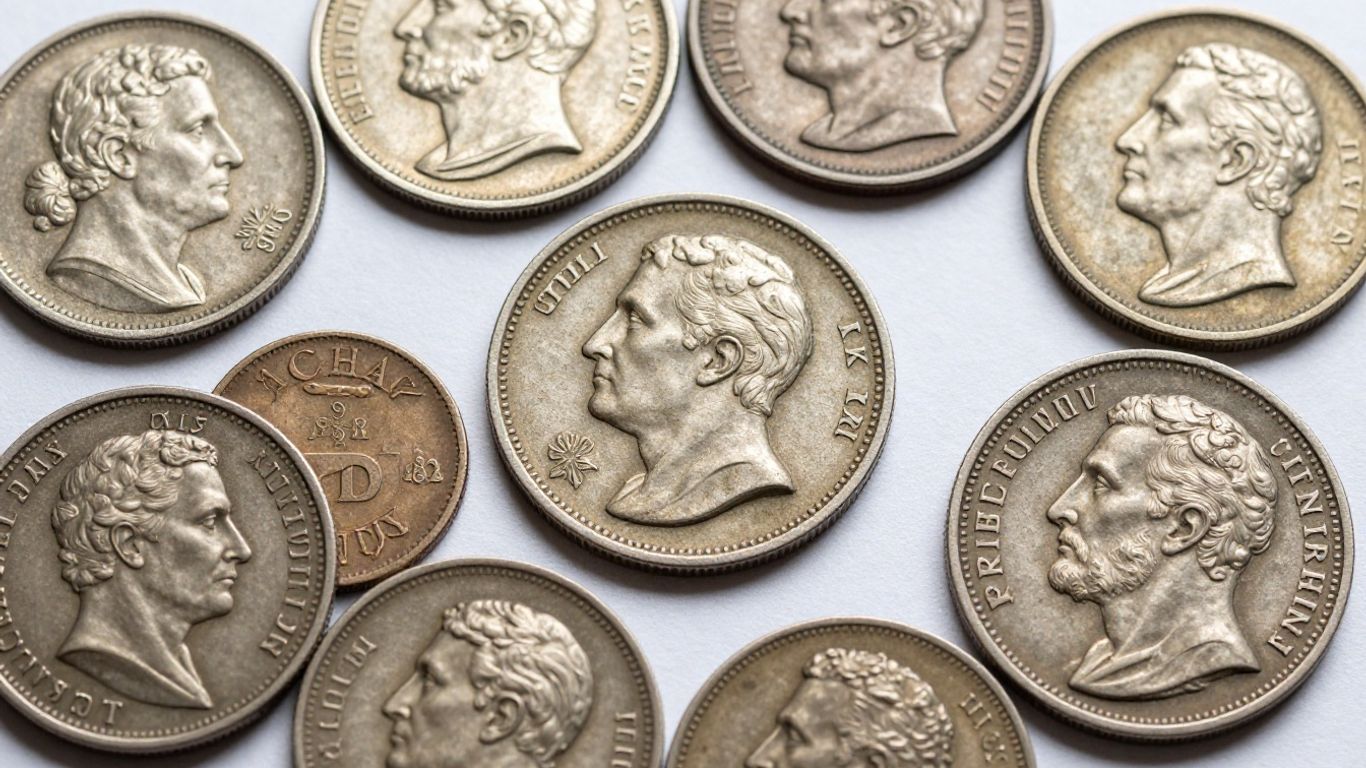
During wartime, especially in the 20th century, finding enough metal for both coins and weapons became a real issue. Governments had to get creative, setting aside tradition and trying out all sorts of new metals and methods. Some of these experiments worked out surprisingly well, while others left collectors scratching their heads years later.
The Rise of Base Metals in Coinage
Gold and silver had been standard for centuries, but when war hits, priorities switch fast. Countries swapped out precious metals for more common ones—sometimes even resorting to things like zinc, steel, or brass. Here are a few of the metals used in different places:
| War Era | Common Substitute Metals | Countries or Regions |
|---|---|---|
| WWI | Iron, Aluminum | Germany, Austria, France |
| WWII | Steel, Zinc, Tin, Brass | US, UK, Soviet Union, Japan |
| Post-WWII | Copper-Nickel, Bronze, Aluminum | Europe, Americas |
- Iron coins often rusted quickly, but they got the job done during emergencies.
- Zinc was easy enough to mint but could become brittle over time.
- Aluminum was light, but coins made from it sometimes felt cheap in the hand.
Examining the Properties of Substitute Alloys
Trying out new coins meant dealing with new problems. Some materials wore down way too fast, and the coins could end up misshapen or even corroded after a few years. Collectors today sometimes have a tough time finding examples in great shape. Here’s a quick comparison:
| Material | Wear Resistance | Corrosion Resistance | Lifespan in Circulation (~years) |
|---|---|---|---|
| Steel | Low | Very Low (unless coated) | 2-5 |
| Zinc | Moderate | Low | 5-10 |
| Brass | High | High | 15-30 |
| Aluminum | Moderate | High | 10-20 |
- Base metals could tarnish or corrode fast, especially in damp places.
- Coatings or plating were common, but wore off, leaving coins exposed.
- Even though many of these coins were only meant for a short time, some versions stuck around for decades.
The Historical Context of Material Scarcity
Behind every material switch was a bigger story—whole countries living with rationing and shortages. Copper and nickel might end up in bullets or airplane engines instead of the mint. Coins became a sort of public reminder that times were hard, and thrift was necessary.
Here’s what governments thought about when picking new materials:
- Did they have enough stockpiled in-country?
- Was it quick and cheap to strike and distribute?
- Would people actually accept the "new" coins in their day-to-day lives?
Even after wars ended, the changes stuck. People got used to coins that looked and felt different; sometimes they didn’t want to go back to the old money, even when things got better.
So, when we talk about wartime coins, we’re not just talking about metal. We’re talking about the way a crisis can change everyday life—and sometimes, those changes end up being more permanent than anyone expected.
The Evolution of Coin Design Amidst Global Conflict
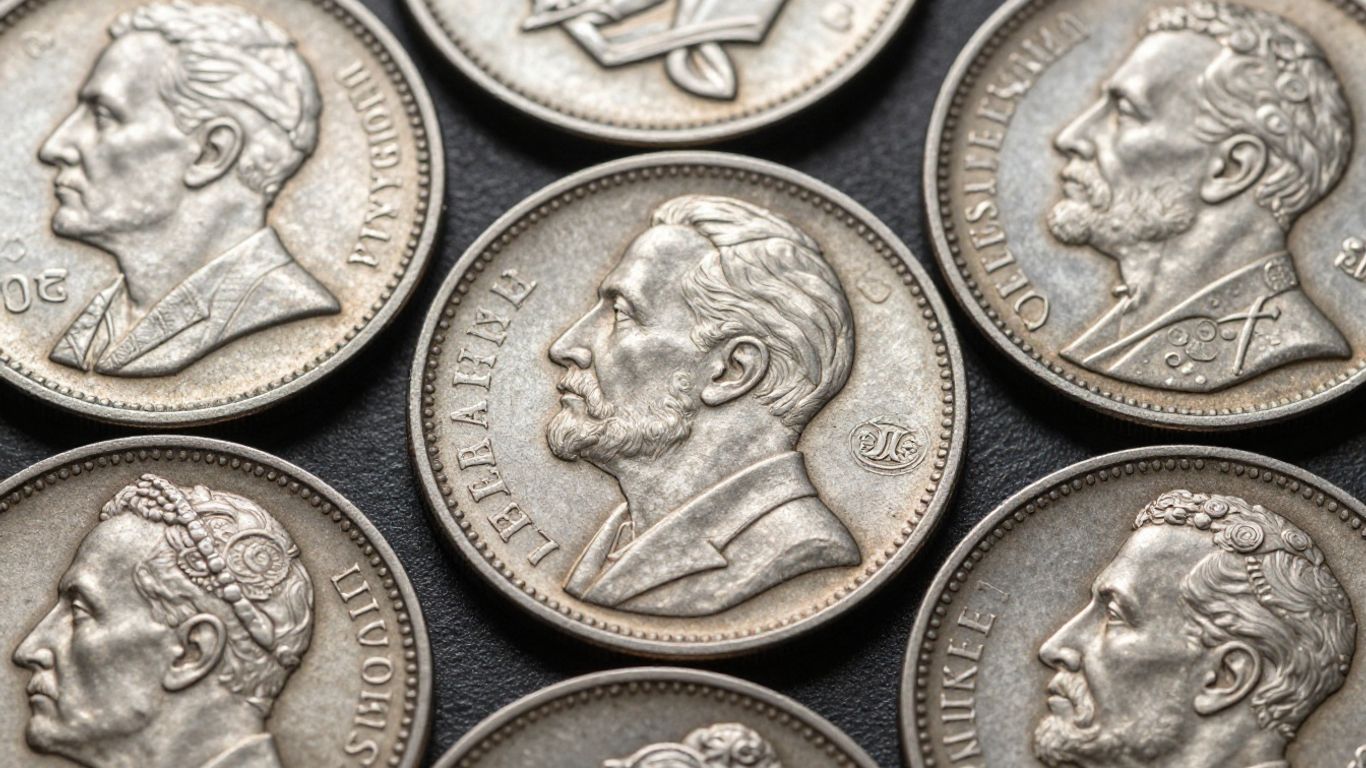
When nations go to war, it’s not just the battlefield that changes; the very money in people’s pockets can reflect the turmoil. Coin designs, usually pretty stable, started to get a makeover during wartime. Think about it – you’ve got limited resources, and you need to get a message out. That’s where coin design comes in.
Symbolism and Messaging on Wartime Currency
Governments often used coins as a way to boost morale and rally support. They’d put images on them that reminded people what they were fighting for. Sometimes it was a strong leader, other times it was a symbol of national pride or victory. It was a subtle way to keep the war effort in people’s minds, even when they were just buying groceries.
- Patriotic symbols: Flags, eagles, and national animals often made appearances.
- Heroic figures: Images of soldiers, leaders, or allegorical figures representing strength.
- Victory motifs: Symbols suggesting triumph and the eventual end of the conflict.
The need to communicate national resolve and unity often led to the adoption of potent, easily recognizable symbols on coinage. These designs aimed to foster a shared sense of purpose and resilience among the populace during challenging times.
The Influence of Propaganda on Coin Imagery
War is also about winning hearts and minds, and coins could be part of that. Enemy nations might be depicted in a negative light, or the coin might highlight the supposed righteousness of one’s own cause. It wasn’t always overt, but the message was there, woven into the metal.
Artistic Adaptations to Material Constraints
When precious metals became scarce, designers had to get creative. They couldn’t just stamp a complex image onto a softer, less refined metal. This meant simplifying designs, sometimes leading to a more stark or utilitarian look. But even with these limitations, artists found ways to make coins that were still meaningful and recognizable. It’s amazing what people can do when they have to.
| Metal Scarcity Level | Common Design Adjustments | Resulting Aesthetic |
|---|---|---|
| High | Simplified motifs, bold lines | Stark, utilitarian |
| Medium | Reduced detail, fewer elements | Functional, clear |
| Low | Intricate designs possible | Detailed, ornate |
Case Studies in Wartime Coinage Composition
When times get tough, like during a war, countries often have to get creative with what they use to make money. It’s not just about having enough coins to go around; it’s also about what materials are available and how much they cost. Let’s look at a few examples.
The Lincoln Cent's Compositional Journey
The humble Lincoln cent, that familiar copper-colored coin in your pocket, has actually gone through some significant changes in what it’s made of, especially when war hit. Back in the day, it was mostly copper. But during World War II, copper was needed for the war effort – think bullets and wiring. So, the U.S. Mint had to find alternatives.
- 1943: This was the big one. To save copper, cents were made from zinc-coated steel. They looked silver and were lighter. People sometimes confused them with dimes!
- 1944-1946: After the war, they went back to a composition that was mostly copper, but with a bit of tin added. This was a temporary fix while they figured out the long-term plan.
- Post-1946: Eventually, they settled on the familiar copper-plated zinc composition we see today, though the exact percentages have varied slightly over the years. This whole story shows how material availability really matters.
The shift in the Lincoln cent’s metal during wartime wasn’t just a minor tweak; it was a significant departure driven by necessity. It highlights how even everyday objects are impacted by global events.
Silver Certificates and Their Wartime Significance
Silver certificates, those paper notes backed by actual silver, also have a wartime story. While not a change in metal composition for coins, their production and circulation were affected by the need for silver in other areas during conflicts. During World War II, for instance, the U.S. government needed vast amounts of silver for industrial purposes, including munitions. This put pressure on silver supplies and influenced monetary policy. While silver certificates continued to be printed, the focus on silver’s strategic importance during wartime is a key part of their history.
The Unique Case of Internment Camp Currency
This is a really interesting one. During World War II, some countries interned civilians, including those who had fled persecution. On the Isle of Man, for example, several internment camps were set up. The people held there, often women and children, created their own forms of currency to use within the camps. These weren’t official coins or notes; they were often made from whatever materials were available, like cardboard from cereal boxes. These tokens, though simple, represent a fascinating aspect of human resilience and the need for a medium of exchange even in the most constrained environments. They are now highly sought-after by collectors interested in the human side of wartime history.
The Legacy of Wartime Composition Coins
So, what’s the big deal with these coins made during wartime? They’re more than just metal that got swapped out because the good stuff was needed elsewhere. These coins tell a story, a real snapshot of what life was like when the world was turned upside down. They show us how governments had to get creative, how people adapted, and what they held onto when times got tough.
Preserving Numismatic History Through Wartime Issues
Think about it: these coins are like little time capsules. When the U.S. switched from copper-heavy pennies to steel ones during World War II, it wasn’t just about saving copper for bullets. It was a move that affected every single person who used money. These changes, big or small, are now part of the history of money itself. Collectors look at these coins and see not just a piece of metal, but a marker of a specific time and place. It’s a way to hold onto a piece of the past, a tangible link to events that shaped the world.
Understanding the Wartime Composition Coins History
Digging into the history of these coins means looking at why certain metals were used and others weren’t. It’s about understanding the pressures of war and how they directly impacted something as everyday as a coin. For example, the shift to zinc-coated steel for cents in the U.S. during WWII was a direct response to the need for copper. This wasn’t a minor tweak; it changed the look, feel, and even the sound of the penny. Understanding this history helps us appreciate the ingenuity and the sacrifices that went into maintaining a functioning economy during conflict.
The Enduring Appeal of Coins Born from Necessity
There’s a certain fascination with objects that were made out of necessity. Wartime coins fall squarely into that category. They weren’t created for profit or for artistic expression in the usual sense, but to keep commerce moving when resources were scarce. This origin story gives them a unique appeal. People are drawn to the idea of resilience and resourcefulness. Collecting these coins is like collecting stories of survival and adaptation. They remind us that even in the most challenging circumstances, human ingenuity finds a way.
Here’s a look at some common material shifts:
| Coin Type | Pre-War Composition | Wartime Composition | Notes |
|---|---|---|---|
| U.S. Penny (Cent) | 95% Copper | 1943: Steel (Zinc-coated) | Copper needed for war effort. |
| U.S. Nickel | 75% Copper, 25% Nickel | "Shell Nickel" (56% Copper, 35% Silver, 9% Manganese) | Silver added to make it magnetic-free. |
| U.S. Dime/Quarter | 90% Silver, 10% Copper | 90% Silver, 10% Copper | Silver content maintained, but production shifted. |
The story behind these coins is often one of compromise and innovation. Governments had to balance the need for essential war materials with the public’s need for currency. This led to some unusual compositions and a lot of quick thinking by mints around the world.
Navigating the Wartime Coin Market
So, you’ve got a few of these coins from wartime, huh? Maybe they were your grandpa’s, or you picked them up at a flea market. Figuring out what they’re worth and how to collect them can feel a bit like a treasure hunt, but it’s totally doable. It’s not just about the metal they’re made of; there’s a whole story behind each one.
Identifying Key Wartime Coin Varieties
First off, you gotta know what you’re looking at. Wartime coins often have specific mint marks or slight differences in their composition that collectors go wild for. For instance, the 1943 steel cent is a big one. It was made because copper was needed for the war effort. Spotting these unique features is the first step to understanding a coin’s place in history and its potential value. Other times, it’s about the specific year or a particular mint. You might find coins with different alloys used for just a short period. It’s these little details that make a coin stand out.
Factors Influencing the Value of Wartime Issues
What makes one wartime coin worth more than another? It’s a mix of things. Rarity is a big one, of course. If only a small number were made, they’re usually more sought after. The condition of the coin, often called ‘grade’ in collector circles, plays a massive role. A coin that looks like it just came off the mint press will fetch a lot more than one that’s been heavily worn. Then there’s the historical significance. Coins tied to major events or specific wartime needs can have a special appeal. Think about the coins made for internment camps; they tell a really specific story about a difficult time. The Philippine coins minted under U.S. wartime influence are another example of this connection.
Strategies for Collecting Wartime Composition Coins
If you’re thinking about collecting these coins, here are a few pointers:
- Do your homework: Read up on the specific coins you’re interested in. Knowing their history and composition is key.
- Start small: You don’t need to break the bank. Begin with more common wartime issues and build from there.
- Focus on condition: Try to get the best-condition coins you can afford. They tend to hold their value better.
- Join a community: Connect with other collectors. Online forums or local coin clubs can be great resources for information and finding coins.
Collecting coins from periods of conflict isn’t just about acquiring metal objects; it’s about holding tangible pieces of history. Each coin represents a time of scarcity, innovation, and national effort. Understanding the context behind their creation adds a layer of appreciation that goes beyond monetary worth.
Sometimes, you’ll find coins that were made with unusual materials. For example, the 1943 nickel was made of 35% silver and 5% copper, with the remaining 60% being manganese. This was a departure from the standard cupronickel composition used for US nickels before and after the war. These material substitutions are a big part of what makes wartime coinage so interesting to collectors.
The Global Impact of Wartime Coinage Shifts
Comparing International Approaches to Wartime Coinage
When countries go to war, their money often changes. It’s not just about printing more cash; the actual metal in coins gets a makeover. Think about it, all that copper, nickel, and silver used for coins? Suddenly, that metal is needed for bullets, planes, and ships. So, governments around the world had to get creative. Some nations, like the United States, started using cheaper metals like zinc and steel for their pennies and nickels. Others, like Canada, experimented with different alloys for their dimes and quarters. It was a global scramble to keep the economy running without using up vital war materials.
Here’s a quick look at how some countries handled it:
- United States: Switched the 5-cent nickel to a copper-nickel-zinc alloy (no silver) and made pennies from steel (coated with zinc) for a short period to save copper.
- United Kingdom: Introduced a "silver" 3-pence coin made of nickel-brass, which was a completely new color and composition for British coinage.
- Germany: During WWII, they heavily relied on zinc and iron for their coins, moving away from copper and nickel.
- Japan: Used a variety of materials, including aluminum and even hardened paper, for some denominations.
The need to conserve precious metals during wartime wasn’t just an economic decision; it was a strategic one. Every ounce of copper or nickel saved could potentially mean more ammunition or stronger aircraft. This led to a widespread adoption of substitute materials across different nations, each facing similar resource constraints.
The Influence of Major Powers on Global Coin Standards
When big players like the U.S. or the UK made changes to their coins, it often had a ripple effect. Other countries, especially those allied with them or heavily influenced by their economies, tended to follow suit. If the U.S. stopped using silver in its dimes and quarters, smaller nations might look at doing the same to conserve their own silver reserves or to align with international trade practices. It created a sort of informal standard, where wartime necessity in one part of the world could dictate the metal content of coins thousands of miles away. This wasn’t always a direct order, but more of a practical response to global material shortages and economic shifts.
Post-War Reversions and Lasting Material Changes
After the fighting stopped, most countries went back to their old coin recipes. That steel penny? It didn’t last long. The familiar copper and nickel returned. However, not all changes were temporary. Some countries found that certain substitute metals or alloys worked well enough, or were more cost-effective, and kept them. This meant that even after the immediate crisis passed, the way coins were made had permanently shifted in some places. It showed that necessity really is the mother of invention, even when it comes to the humble coin in your pocket.
Conclusion
Looking back at wartime composition coins, it’s clear they’re more than just old bits of metal. These coins tell stories about the times they were made—stories of shortages, tough choices, and how people adapted when things got rough. Governments had to get creative, swapping out precious metals for whatever was available, and that left us with some pretty interesting coins to collect today. For collectors, these coins are a way to hold a piece of history in your hand. They remind us that even in the middle of war, everyday life kept going, and people still needed change for a loaf of bread or a bus ride. Whether you’re a seasoned collector or just curious, wartime coins show how money can reflect the world around it, especially when times are hard.
Frequently Asked Questions
Why did countries change the metals in coins during wartime?
During wars, especially World War II, important metals like copper, nickel, and silver were needed for weapons and military equipment. To save these metals, governments used cheaper materials for coins.
What materials were used to replace precious metals in coins?
Instead of gold, silver, or copper, countries used metals like zinc, steel, and even cardboard in some cases. These materials were easier and cheaper to get during shortages.
Are wartime coins less durable than regular coins?
Most substitute materials were not as strong as the original metals. For example, steel coins could rust, and zinc coins wore out faster, so wartime coins often didn’t last as long.
Did people like the new wartime coins?
Many people noticed the coins felt different and sometimes looked odd. Some didn’t like them because they wore out quickly or looked cheap, but others understood why the changes were needed.
Why are wartime coins popular with collectors today?
Collectors like wartime coins because they tell a story about history and the challenges people faced. Some wartime coins are rare or have unique designs, making them interesting and valuable to collect.
How can I tell if a coin is from the wartime period?
Look for coins dated during major wars, like 1943 steel pennies from the US. Wartime coins often have different colors, weights, or even materials compared to coins from before or after the war.
Did other countries besides the US change their coins during wars?
Yes, many countries around the world changed the metals in their coins during wars. For example, the Philippines, under US control, also switched to different metals during World War II.
Are wartime coins worth more than regular coins?
Some wartime coins are valuable, especially if they are rare or in great condition. However, not all are worth a lot—value depends on how many were made, their condition, and how much collectors want them.