Ever wondered about those little lines on the edges of some coins? They’re called reeded edges, and they’ve got a history. It’s not just about looks; these grooves actually served a purpose back in the day. We’re going to take a closer look at understanding reeded edges on coins, why they were made, and what they mean for collectors today. It’s one of those details you might overlook, but it tells a pretty interesting story about how money used to be made and protected.
Key Takeaways
- Reeded edges on coins, characterized by their grooved surface, were initially a security feature to prevent ‘coin clipping,’ where valuable metal was shaved off the edges.
- The edge of a coin, often called the ‘third side,’ can be reeded, plain, or lettered, with each type having historical or modern significance.
- Historically, the reeding allowed people to quickly detect if precious metal had been removed from a coin’s edge, safeguarding its value.
- While primarily a security measure in the past, reeded edges on modern coins often serve an aesthetic purpose or continue as a security feature on bullion coins.
- Examining a coin’s edge, including its condition and any potential errors, is an important aspect of coin grading and can significantly impact its value for collectors.
The Historical Significance of Reeded Edges
Back in the day, coins were often made of precious metals like gold and silver. This created a bit of a problem. People figured out they could shave off tiny bits of the metal from the edge of a coin, a practice called ‘clipping,’ and melt those shavings down to make more money. It was a sneaky way to cheat the system, and it really devalued the currency. So, mints had to come up with a solution.
Preventing Coin Clipping and Tampering
The introduction of reeded edges was a clever way to combat this widespread coin clipping. Imagine a coin with a perfectly smooth edge – it’s easy to file down without anyone noticing. But add those little grooves, or reeds, and any attempt to shave off metal becomes immediately obvious. You’d see the damage right away, making it much harder for someone to tamper with the coin’s weight and, therefore, its value. It was a simple, yet effective, security feature that helped maintain trust in the coinage.
The Evolution of Edge Security Features
Over time, as minting technology got better, the need for simple reeding evolved. Other methods started to appear:
- Lettered Edges: Some coins began to have words or phrases stamped directly onto their edges. This made clipping even more difficult and added another layer of security.
- Decorative Edges: Mints also experimented with intricate patterns and designs on the edges, which served a similar purpose to reeding – making tampering noticeable.
- Plain Edges (with caveats): While reeding was common, some coins, especially older ones or those made with less precious metals, might have had plain edges. However, on coins where reeding was expected, a plain edge often signaled an error or a counterfeit.
Understanding Reeded Edges on Coins in Early Numismatics
In the early days of coin collecting, understanding these edge features was pretty important. Collectors and dealers would examine the edges closely to spot signs of wear, damage, or, most importantly, clipping. A coin that showed signs of tampering would be worth significantly less than a pristine one. It was a basic but vital part of assessing a coin’s authenticity and condition, showing that even the smallest details on a coin had a story to tell and a purpose to fulfill.
Anatomy of a Coin: Beyond the Obverse and Reverse
When you first look at a coin, you probably just see the picture on the front and back, right? Most people do. But coins are actually made up of several distinct parts, and knowing them can really change how you look at your change. It’s like learning the different parts of a car – suddenly you understand how it all works together.
Defining the Coin's Edge
The edge is basically the coin’s outer border, the part you’d touch if you were running your finger around the side. It’s sometimes called the “third side” of the coin because it’s so often overlooked, but it can tell you a lot. Think of it as the coin’s profile. It’s not just a blank strip; it’s a deliberate part of the coin’s construction.
Distinguishing Edge Types: Reeded, Lettered, and Plain
Edges aren’t all the same. They come in a few main varieties, and each has its own story. It’s pretty neat how these small differences can point to different eras or purposes of a coin.
- Reeded: These are the ones with the little vertical grooves, like you see on most quarters. They’re probably the most common type people recognize.
- Lettered: Some coins have words or phrases stamped right onto the edge. This is more common on modern collector coins or special issues, and it’s a neat way to add more information without cluttering the main sides.
- Plain: As the name suggests, these edges are smooth. You might find them on older coins or sometimes as a result of a minting error.
The type of edge a coin has isn’t just random. It often relates to the time period it was made in and what the mint was trying to achieve. For a long time, the edge was a key security feature, but today, it’s often more about aesthetics or adding specific details for collectors.
The Role of the Rim in Coin Protection
Now, don’t confuse the edge with the rim. The rim is that slightly raised border you see around the very outside of both the front (obverse) and back (reverse) of the coin. It’s like a little protective wall. This raised rim is super important because it helps keep the main design elements from getting worn down too quickly when coins are handled, stacked, or even dropped. It’s the first line of defense for the artwork on the coin’s faces.
The Purpose Behind the Grooves: Why Coins Have Reeded Edges
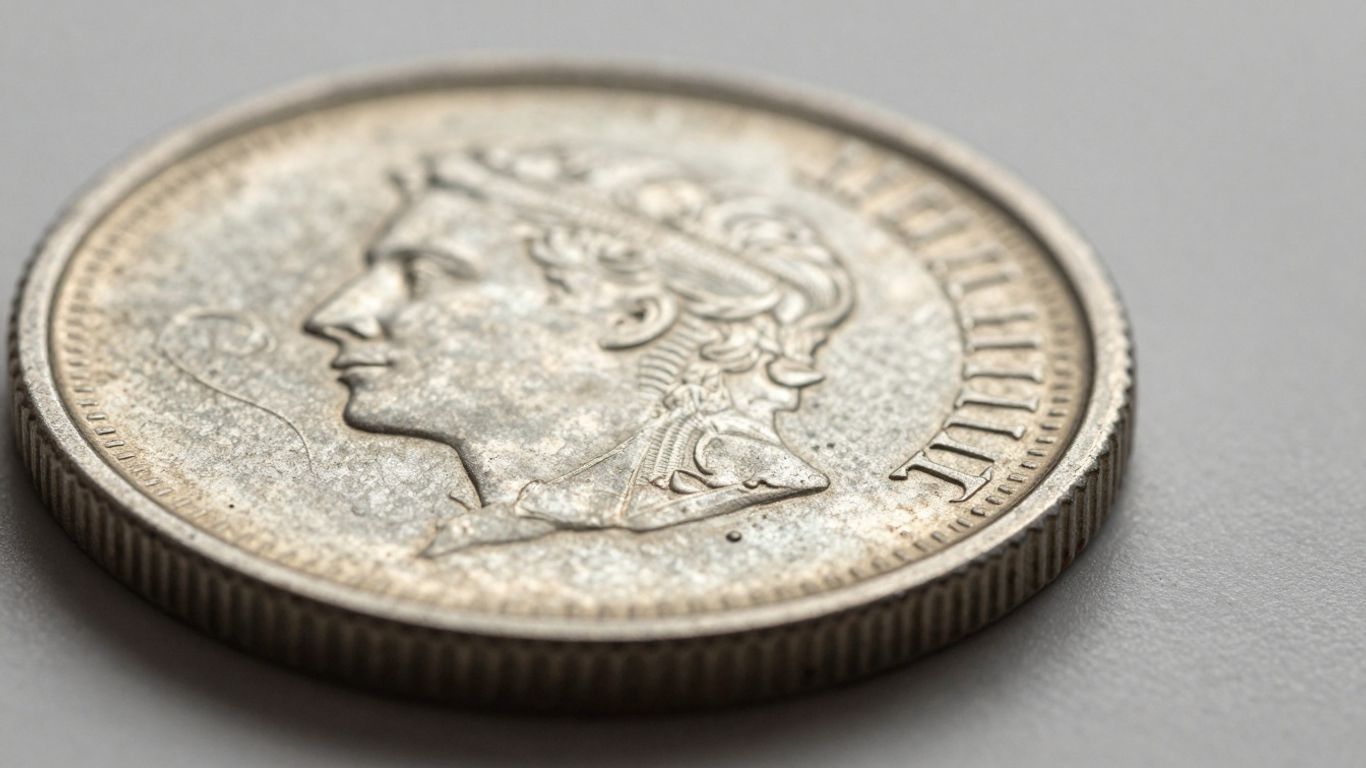
So, why do some coins have those little lines, or reeds, running around their edges? It’s not just for looks, though they can add a certain something to a coin’s appearance. Back in the day, when coins were made of precious metals like gold and silver, people weren’t always honest. Some sneaky individuals would shave off tiny bits of the metal from the edges of coins – a practice called "clipping." This meant that a coin that was supposed to be worth a certain amount, based on its weight in gold or silver, was actually worth less. It was a real problem for the economy.
Historical Methods to Detect Precious Metal Loss
Reeded edges were a clever solution to this problem. When a coin had a plain edge, it was hard to tell if any metal had been removed. But with those distinct grooves, any sign of filing or shaving would be immediately obvious. It was like a built-in security feature. If the reeds were gone or looked tampered with, you knew the coin had been messed with. This simple design element helped maintain trust in the currency. It was a way to make sure everyone was getting the full value they expected.
- Visual Inspection: The most straightforward method was simply looking at the edge. Any unevenness or missing reeds pointed to tampering.
- Tactile Check: Running a finger along the edge could also reveal if metal had been filed away.
- Weight Comparison: While not directly related to the reeds, the ability to quickly spot a clipped coin allowed for easier weight checks against a standard.
The Economic Rationale for Reeded Edges
From an economic standpoint, reeding was all about preserving the intrinsic value of the coin. Governments wanted to ensure that their currency held its stated worth. If people couldn’t trust that a coin contained the correct amount of precious metal, the whole system could fall apart. Think about it: if everyone starts clipping coins, the value of the money in circulation drops, and that causes all sorts of economic headaches. So, those little grooves were a big deal for keeping the economy stable. It was a low-tech but effective way to combat fraud and maintain confidence in the money supply.
The introduction of reeded edges was a significant step in coin security, directly addressing the economic vulnerability of precious metal coinage and fostering greater public trust in the currency’s integrity.
Modern Interpretations of Reeded Coin Edges
Today, most coins aren’t made of valuable precious metals. They’re typically base metals, and their value comes from their face value as currency, not their metal content. So, why do we still see reeded edges on many modern coins, like the U.S. quarter or the Euro? Well, partly it’s tradition. We’re used to seeing them, and they’ve become a familiar part of what a coin looks like. But there’s also an aesthetic element. Many people find the reeded edge visually appealing. For collectors, the edge can even be a point of interest, especially if there are variations or errors. It’s a nod to history, a bit of design flair, and a reminder of a time when coin edges played a much more critical role in protecting value.
Variations in Coin Edges: A Collector's Perspective
So, you’ve been looking at coins, right? You see the front, you see the back, but what about the side? That little edge, it’s actually a pretty big deal for collectors. It’s not just a plain old border; it can tell you a lot about the coin’s history, how it was made, and even if it’s a rare find. The edge is often the overlooked detail that can significantly impact a coin’s story and its worth.
Identifying Plain Edges and Minting Errors
Sometimes, you’ll find a coin with a completely smooth edge. This is what we call a plain edge. While some older coins naturally have plain edges, finding one on a coin that’s supposed to have reeds can be a sign of a minting error. I remember finding a 1937 Buffalo nickel with a plain edge; I thought it was just worn down, but it turned out to be a mistake from the mint, making it way more interesting (and valuable!) than a regular one. These errors aren’t super common, but when you spot them, they’re usually pretty exciting.
Exploring Lettered Edges and Their Inscriptions
Then there are the coins with words or symbols stamped right onto their edges. These are called lettered edges. Think about the U.S. Presidential dollars – they have things like "IN GOD WE TRUST" or the year written around the side. It’s like a secret message on the coin’s border! You usually have to tilt the coin just right under a good light to read them clearly. It’s a neat way for mints to add extra information or security without cluttering up the main design on the front or back. Some coins might have the country’s name, weight, or purity details here, especially modern bullion coins.
Appreciating Decorated Edges on Commemorative Coins
Commemorative coins, the ones made to celebrate special events or people, often get some extra flair on their edges. This can range from intricate patterns to specific designs that tie into the coin’s theme. For instance, a coin celebrating a national park might have a subtle leaf pattern on the edge. It’s a way for the designers to add another layer of artistry and meaning to the coin. It shows a lot of attention to detail, and honestly, it just makes the coin look that much cooler. It’s these little touches that collectors really appreciate.
Here’s a quick rundown of what you might find on a coin’s edge:
- Reeded: The classic grooved edge, historically for preventing clipping.
- Plain: A smooth edge, either intentional or an error.
- Lettered: Inscriptions like dates, mottos, or specifications.
- Decorated: Patterns or designs, often on special issue coins.
When you’re looking at coins, don’t just flip them over. Take a moment to examine the edge. It’s a part of the coin that often gets overlooked, but it can hold clues to its authenticity, its minting process, and even its rarity. A keen eye for edge details can really set a collector apart.
Modern Coinage and Edge Innovations
Security Features in Contemporary Bullion Coins
These days, coins aren’t just about looking pretty or holding value; some are designed with some pretty clever security features, especially the ones made of gold or silver meant for investors. Think about it, if you’re dealing with something valuable, you want to make sure it’s the real deal, right? Minting facilities are always trying to stay one step ahead of counterfeiters. They’ve come up with some neat ways to make their coins harder to fake. For instance, some coins have really intricate edge designs that are tough to replicate. Others might have micro-engraving or special patterns that you can only see under magnification. It’s like a secret handshake for coins. The Austrian Philharmonic is a good example; it has a distinct edge that’s hard to copy. It’s not just about the reeding anymore; it’s a whole new level of detail to protect the metal inside.
The Aesthetic Appeal of Modern Reeded Edges
While the original purpose of reeding was to stop people from shaving off bits of precious metal, today it’s often more about looks. You see it on pretty much all circulating coins, like quarters and dimes. It adds a bit of texture and visual interest, breaking up the smooth surface. It’s a subtle detail, but it contributes to the overall feel of the coin. Some commemorative coins even get fancy with their edges, going beyond simple reeding to add decorative patterns or inscriptions. It’s a way for designers to add another layer to the coin’s story or appearance without cluttering the main design on the front or back. It’s a small touch, but it makes a difference in how the coin feels and looks in your hand.
Understanding Reeded Edges on Coins Today
So, what does a reeded edge mean on a coin you might find in your pocket or buy as a collector today? For most everyday coins, the reeding is mostly a tradition, a holdover from when it served a practical purpose. It’s a standard feature that helps identify a coin as legitimate and, frankly, just looks like a coin should. For bullion coins, however, the edge can be a lot more significant. It might carry inscriptions detailing the weight and purity, like "1 OZ FINE SILVER," which is super important for investors. Some modern bullion coins even have unique edge designs or patterns specifically to make counterfeiting more difficult. It’s a blend of history, security, and sometimes, just good old-fashioned design. The edge of a coin, while often overlooked, continues to be a canvas for both practical security and artistic expression.
Here’s a quick rundown of what you might find on modern coin edges:
- Reeded: The classic vertical grooves, still common on circulating coins and many bullion pieces.
- Lettered: Inscriptions like "E PLURIBUS UNUM" or "IN GOD WE TRUST" are sometimes found on the edges of specific series, like U.S. Presidential dollars.
- Decorated: Special patterns or designs, often seen on commemorative or unique bullion coins for added security or aesthetic appeal.
- Plain: While less common now for circulating coins, plain edges can sometimes indicate a minting error or be a feature of specific older or foreign coins.
Examining the Edge: A Key to Coin Value
You know, it’s easy to get caught up looking at the shiny pictures on the front and back of a coin, but the edge? That’s often where the real story is, especially when it comes to value. Seriously, don’t overlook the edge; it can tell you a lot about a coin’s history and its condition.
How Edge Condition Affects Coin Grading
When coin experts grade a coin, they’re not just looking at the main designs. They’re checking out the whole package, and the edge is a big part of that. A coin that’s been handled a lot might have nicks or wear on its edge, and that can knock down its grade. Think of it like a scratch on a car’s paint job – it’s not the engine, but it definitely affects how much someone’s willing to pay.
Here’s a quick rundown of what graders look for on the edge:
- Reeding: Are the little grooves sharp and clear, or are they worn down and fuzzy? Worn reeding suggests the coin has seen some circulation.
- Plain Edges: If the coin is supposed to have reeding but doesn’t, that’s usually an error, which can sometimes increase value, but often it just means it’s not a high-grade example of the intended coin.
- Lettered Edges: For coins with words on the edge, are they complete and readable? Missing letters or worn inscriptions point to wear.
- Contact Marks: Any dings, scratches, or gouges on the edge? These are definitely not good for the grade.
The edge is like the coin’s handshake. A firm, clean edge suggests a coin that’s been treated with care, while a battered edge tells a tale of rougher times. This condition directly impacts how a coin is classified on the grading scale, moving it from a high-value mint state down to a lower circulated grade.
Rare Edge Errors and Their Impact on Value
Sometimes, the mint messes up, and that’s where things get interesting for collectors. Edge errors are pretty uncommon, and when they happen, they can make a coin much more desirable – and valuable.
- Missing Reeds: A coin that should have reeding but comes out smooth is a classic error. I remember seeing a smooth-edged quarter once; it was a total surprise and worth way more than a regular one.
- Double Struck Edges: If a coin is struck twice, sometimes the edge can show weird patterns or even doubled lettering if it has a lettered edge.
- Off-Center Strikes: While this affects the whole coin, an off-center strike can sometimes create unusual edge features or expose parts of the planchet that aren’t normally seen.
These kinds of mistakes are rare because the minting process is pretty controlled. But when an error slips through, it creates a unique piece that collectors love to hunt for.
The Overlooked Detail: Why Edges Matter
Honestly, most people just flip a coin over and call it a day. But if you’re serious about coins, whether you’re buying, selling, or just admiring them, you’ve got to pay attention to the edge. It’s not just about preventing clipping anymore; it’s about the overall condition and authenticity of the piece. A coin with a clean, well-defined edge, especially if it’s supposed to have reeding or lettering, just looks better and is generally worth more. It shows the coin has been preserved properly and hasn’t been abused. So next time you pick up a coin, give that edge a good look – you might be surprised what you discover.
The Art and Craftsmanship of Coin Edges
Designer's Intentions for Coin Edges
When a coin is designed, the edge isn’t just an afterthought. Designers think about what the edge will communicate, even if it’s subtle. For older coins, the reeding was all about practicality – stopping people from shaving off bits of precious metal. But even then, the uniformity of those reeds showed a certain level of skill in the minting process. Think about it: getting thousands of tiny, identical grooves perfectly spaced around a metal disc takes some serious know-how. It’s a detail that speaks to the care taken in production.
The Skill Involved in Creating Reeded Edges
Making those reeded edges isn’t as simple as it sounds. It involves specialized machinery and a deep understanding of metallurgy and die-making. The process usually starts with a blank metal disc, called a planchet. Before the design is struck onto the obverse and reverse, the edge is often treated. This can involve a process called ‘upsetting,’ where the planchet is heated and then struck by a collar die. This collar has the reeding pattern on its inside surface, which impresses the grooves onto the edge of the planchet. It’s a precise operation; if the pressure is off, or the collar is worn, the reeds can be uneven, too shallow, or even missing.
Here’s a simplified look at how it’s done:
- Planchet Preparation: Metal discs are cut and annealed (heated and cooled) to make them workable.
- Edge Treatment (Collar Impression): The planchet is placed in a collar die that contains the desired edge pattern (like reeds). Pressure is applied, impressing the pattern onto the edge.
- Striking: The prepared planchet is then struck by the obverse and reverse dies to impart the main design.
Edge Details as a Mark of Quality
For collectors, the edge can be a real indicator of a coin’s overall quality and how it was made. A coin with sharp, well-defined reeds suggests a strong strike and good minting practices. Conversely, worn or mushy reeds might point to a weaker strike or a coin that has seen a lot of handling. Sometimes, you’ll find coins with decorative edges or even inscriptions on the edge, like some modern commemorative pieces or older dollar coins. These aren’t just random additions; they are deliberate design choices that add to the coin’s aesthetic appeal and sometimes its security. It’s like the difference between a hastily scribbled note and a beautifully calligraphed letter – the edge tells a story about the effort and artistry involved.
The edge of a coin, often overlooked, is a testament to the mint’s precision. It’s where the raw metal meets the machinery, and the quality of that interaction is visible to anyone who takes a moment to look closely. A well-executed edge speaks volumes about the coin’s journey from molten metal to finished product.
Understanding Reeded Edges on Coins: A Numismatic Journey
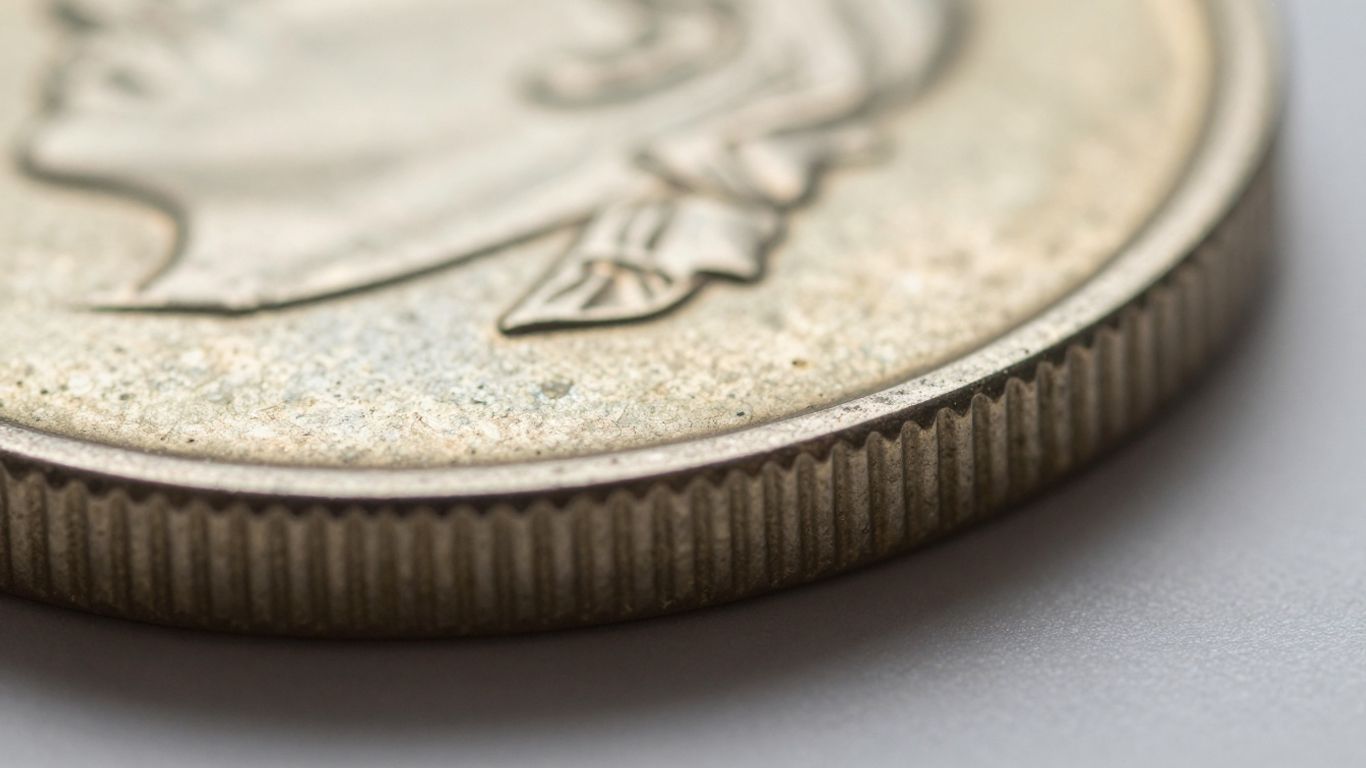
So, we’ve talked a lot about what’s on the front and back of coins, but what about the sides? That edge, the part you often don’t even notice, actually has a pretty interesting story. It’s like the unsung hero of coin anatomy, really. Thinking about the edge is key to appreciating a coin’s full story and its place in history.
Connecting Edge Features to Coin History
Back in the day, coins were often made of precious metals like gold and silver. People being people, some tried to cheat the system. They’d shave off tiny bits of the metal from the edge – a practice called "clipping." It wasn’t a lot each time, but if you did it to enough coins, you could end up with a nice chunk of pure metal. To stop this, mints started adding those little grooves, or "reeds," to the edges. It made it super obvious if someone had tried to tamper with the coin. The 1851-50 Humbert 880 coin is a good example of this shift, moving towards a more secure, reeded edge. It was a simple but effective way to protect the coin’s integrity and the value of the metal it contained.
The Practicality and Symbolism of Reeded Edges
Beyond just stopping thieves, reeded edges served a practical purpose. They helped people quickly identify the denomination of a coin by feel, which was handy when you couldn’t see it clearly. Think about it: fumbling in your pocket for change in the dark? You could tell a quarter from a dime just by the feel of its edge. It’s a bit like how different textures can tell you things. Today, while we don’t really need them for metal protection, they’ve become a sort of standard. They’re part of what makes a coin look like a coin to most of us. It’s a design element that’s stuck around, partly out of tradition and partly because it just works visually.
Appreciating the Nuances of Coin Edges
When you start looking closer, you realize edges aren’t all the same. You’ve got your standard reeded ones, like on most U.S. quarters. Then there are plain edges, which can be interesting if they’re supposed to be reeded – that might be a minting error, which collectors love. Some coins, like certain dollar coins, have lettering on the edge, which is pretty neat. It’s like a hidden message or extra info. And then there are special commemorative coins that might have really fancy, decorated edges. It really shows you that even the smallest details on a coin can have a big story behind them. It’s all about paying attention to the little things.
The edge of a coin, often overlooked, is a fascinating part of its design. From its historical role in preventing precious metal theft to its modern aesthetic and security functions, the edge tells a story of innovation and tradition in coinage. Examining this often-ignored surface can reveal much about a coin’s origin, purpose, and even its potential value.
Wrapping It Up
So, we’ve looked at the reeded edge, and honestly, it’s more than just some lines on the side of a coin. It started as a smart way to stop people from shaving off bits of precious metal, which makes total sense when you think about it. Now, while that original reason isn’t as big a deal with modern coins, those grooves are still there. They’ve become a familiar part of coin design, a little detail that connects us to the past. Next time you pick up a coin, give that edge a look. It’s a small thing, but it’s got a story, just like the rest of the coin.
Frequently Asked Questions
What exactly is a reeded edge on a coin?
A reeded edge is the one with the little grooves or lines running around the outside of a coin. Think of the edge on a U.S. quarter; those lines are called reeds. They’re a common feature on many coins.
Why did coins used to have reeded edges?
Long ago, coins were often made of valuable metals like gold or silver. People would sometimes shave off tiny bits of the metal from the edges, which was called ‘clipping.’ Reeded edges made it much easier to spot if someone had tampered with the coin’s edge because any missing metal would be obvious.
Are reeded edges still important for preventing theft today?
Not really. In modern times, coins are usually made of less valuable metals, and minting processes are very precise. While reeded edges still exist, their main purpose now is often more about tradition or looks than preventing metal theft.
What's the difference between a reeded edge, a plain edge, and a lettered edge?
A reeded edge has grooves. A plain edge is smooth, with no lines or words. A lettered edge has words or phrases stamped around its outside, like ‘In God We Trust’ on some dollar coins.
Can the edge of a coin tell me if it's valuable?
Sometimes! If a coin that should have a reeded edge is found with a plain or messed-up edge, it could be a rare minting error that makes it more valuable. Also, the condition of the edge, like any damage, can affect how a coin is graded and its overall worth.
Do all coins have the same number of reeds?
No, the number of reeds can vary depending on the coin’s size, the country that made it, and the specific design. It’s not usually a key factor in identifying a coin, but collectors sometimes notice these small differences.
Are there special designs on coin edges other than reeds?
Yes! Some special coins, like commemorative ones or modern bullion coins made of gold or silver, might have unique patterns or even small designs on their edges. These can be for security to stop fakes or just to add extra beauty.
How can I best look at a coin's edge?
It’s best to hold the coin by its sides, not touching the main surfaces. Use a good light source and maybe a magnifying glass. This helps you see the details of the reeds, check for any damage, or read any lettering without smudging the coin with fingerprints.