
So, you’ve got some coins, maybe inherited them or just started collecting, and you notice something’s a bit off. A weird film, maybe some discoloration? Chances are, you’re dealing with PVC damage. It’s a common headache for coin collectors, and it happens when certain plastics, like the ones in old coin holders, start to break down. This article is all about understanding pvc damage on coins, how to spot it, what causes it, and most importantly, how to stop it from happening to your collection.
Key Takeaways
- PVC damage on coins happens when plasticizers from PVC holders leach out and react with the coin’s metal.
- Look for greenish or bluish splotches, a sticky residue, or pitting on the coin’s surface as signs of PVC damage.
- Using archival-quality, inert holders and avoiding long-term contact with PVC is the best way to prevent this type of damage.
- Gentle cleaning methods can sometimes remove PVC residue, but severe damage may require professional conservation.
- Understanding how different coin metals react to PVC and controlling your storage environment are key to long-term coin preservation.
Understanding PVC Damage on Coins
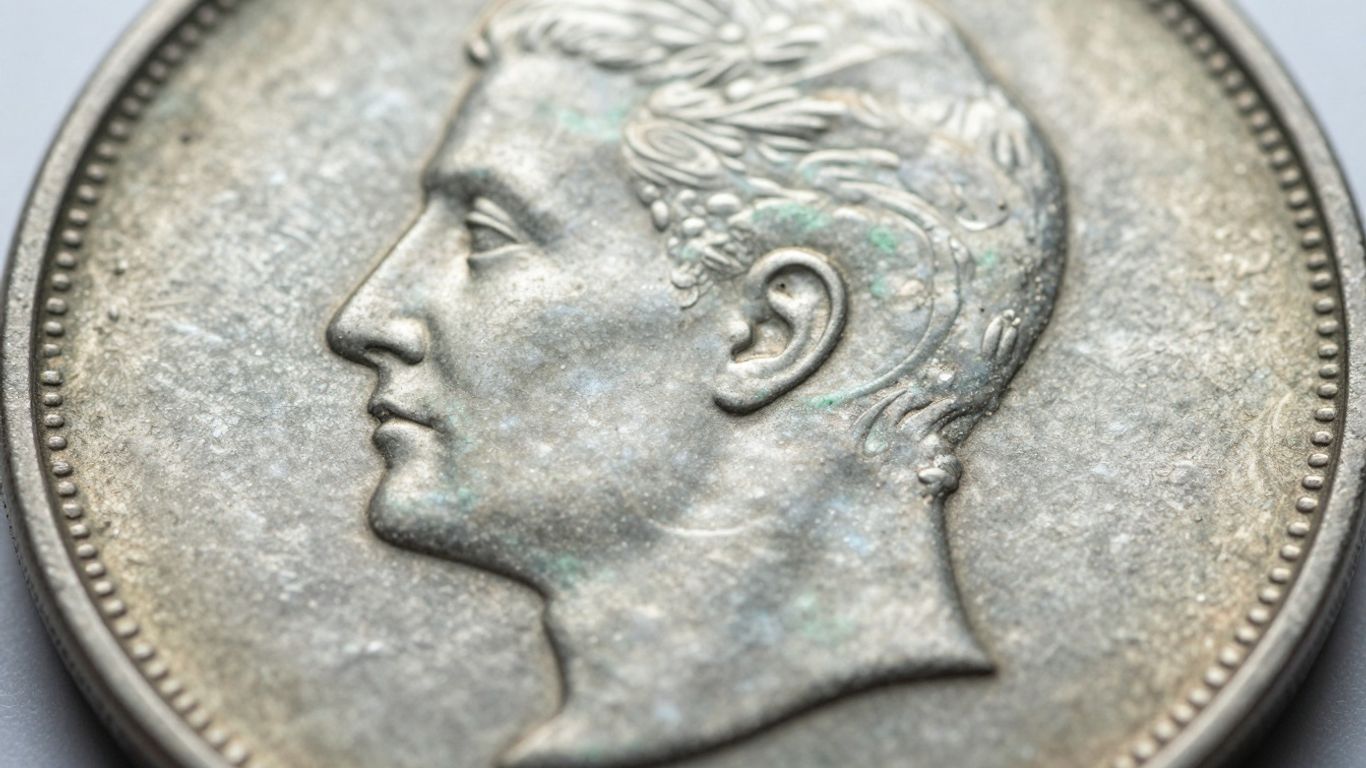
So, you’ve got some coins, maybe inherited them or picked them up at a show, and you’re wondering about those plastic holders they’re in. Sometimes, those clear plastic flips can actually be bad news for your coins. We’re talking about PVC damage, and it’s something every collector needs to know about.
Identifying PVC Residue on Coin Surfaces
Spotting PVC damage isn’t always super obvious at first. You might see a faint, waxy film on the coin’s surface. It can feel a little sticky to the touch, almost like old tape residue. Sometimes, it looks like a light greenish or bluish tint, especially on copper or silver coins. The key is to look for anything that seems out of place on the coin’s natural surface. If you’re storing coins in older, soft plastic flips, this is often where the problem starts. It’s not just about the look, though; this residue is a sign that the plastic is breaking down and interacting with your coin.
The Chemical Reaction Behind PVC Degradation
PVC, or polyvinyl chloride, is a common plastic. When it ages, especially when exposed to light and heat, it can break down. This breakdown releases plasticizers and stabilizers, which are chemicals added during manufacturing. These chemicals can then react with the metal of your coin. Think of it like a slow chemical burn. The plasticizers are the main culprits, migrating out of the plastic and onto the coin surface. Over time, this reaction can cause permanent changes to the coin’s metal.
Recognizing Early Signs of PVC Damage
Don’t wait until your coin looks like it’s been through a war. Early detection is your best bet. Look for:
- A slight dulling of the coin’s luster.
- A faint, oily sheen that wasn’t there before.
- Any discoloration, particularly greenish or brownish spots.
- A soft, almost greasy feel if you were to (carefully!) touch the surface.
If you notice any of these, it’s time to get that coin out of its current holder and into something safer. It’s better to be safe than sorry when it comes to protecting your collection. You can find archival-quality holders that won’t harm your coins, which is a good investment for any serious collector.
The plasticizers used in PVC can leach out over time, especially in warmer conditions or when exposed to light. These chemicals then react with the coin’s metal, leading to a form of corrosion that can be difficult to reverse. It’s a gradual process, but the damage can become quite significant if left unchecked.
Common Causes of PVC Damage
So, you’ve got some coins, and you’re wondering how they end up looking a bit… off. A lot of the time, it comes down to what you’re storing them in. We’re talking about Polyvinyl Chloride, or PVC, and it’s a sneaky culprit.
Improper Coin Storage Materials
This is probably the biggest reason coins get damaged by PVC. Think about those old, cheap plastic flips or albums you might have seen or even used. Many of them are made with PVC. Over time, this plastic breaks down. It’s not like a fine wine; it gets worse. When it degrades, it releases chemicals, specifically hydrogen chloride gas. This gas is bad news for your coins, especially if they’re made of copper or silver. It can eat away at the metal, leaving behind those ugly green or bluish splotches. It’s a slow process, but it’s definitely happening inside those old holders. You really want to avoid anything that feels a bit too soft or has a distinct plastic smell, as that’s often a sign of PVC.
Long-Term Exposure to PVC Holders
Leaving a coin in a PVC holder for years is like leaving a piece of fruit out in the sun – it’s just not going to end well. The longer a coin sits in contact with degrading PVC, the more damage it’s likely to sustain. We’re not just talking about a little discoloration here. In severe cases, the metal can actually corrode, leading to pitting on the coin’s surface. It’s a permanent scar. This is why it’s so important to check your collection regularly and swap out any coins stored in suspect materials. Think of it as a preventative health check for your coins. If you’re unsure about a holder, it’s best to err on the side of caution and move the coin to a safer environment. You can find archival-quality coin holders that are specifically designed to be inert and safe for long-term coin storage.
Environmental Factors Affecting PVC
It’s not just the PVC itself; the environment plays a big role too. Things like heat, light, and humidity can speed up the breakdown process of PVC. If you store your PVC-containing holders in a hot attic or a damp basement, you’re basically giving the degradation process a turbo boost. High humidity, in particular, can exacerbate the chemical reactions happening between the degrading PVC and the coin’s metal. This can lead to faster corrosion and more severe damage. So, keeping your collection in a stable, climate-controlled environment is key, even if the holders themselves aren’t ideal. It helps slow down any potential damage, whether it’s from PVC or other environmental factors.
Visual Indicators of PVC Damage
Spotting PVC damage on your coins isn’t always obvious at first glance, but there are definitely some tell-tale signs to look out for. It’s like noticing a weird spot on your favorite shirt – you might ignore it for a bit, but eventually, it becomes too noticeable to miss.
The Greenish or Bluish Patina
One of the most common visual cues is the appearance of a greenish or sometimes bluish film on the coin’s surface. This isn’t a natural toning that collectors often seek; instead, it’s a direct result of the plasticizer in the PVC breaking down. Think of it as the plastic ‘sweating’ out its chemicals onto the metal. This patina can range from a light, powdery coating to a more solid, waxy layer. It often appears in areas where the coin has been in direct contact with the PVC holder.
Sticky or Oily Residue
Beyond just a color change, you might notice a sticky or oily residue. This is another byproduct of the PVC degradation process. The plasticizers, which were added to make the PVC flexible, can leach out over time and create this unpleasant, sometimes greasy, film. It can make the coin feel tacky to the touch, which is a definite red flag. This residue can also attract dust and other debris, making the coin look dirty and further obscuring its original details.
Corrosion and Pitting on the Coin Surface
This is where things get more serious. The chemicals leaching from the PVC aren’t just sitting on the surface; they can actively corrode the metal of the coin itself. You might start to see small pits or indentations forming, especially on softer metals like copper. Over extended periods, this corrosion can become quite severe, permanently damaging the coin’s surface and details. The longer the coin remains in contact with degrading PVC, the more likely you are to see this kind of irreversible damage.
It’s important to remember that not all greenish or bluish discoloration on a coin is PVC damage. Natural patinas can form on coins, especially those made of copper or silver, due to environmental exposure. However, PVC damage often has a distinct look and feel, and it’s usually localized to the areas of contact with the plastic holder. If you’re unsure, it’s always best to err on the side of caution.
Here’s a quick rundown of what to look for:
- Color: Unnatural green or blue hues, often patchy or concentrated in specific areas.
- Texture: A sticky, oily, or waxy film on the surface.
- Surface Integrity: Visible pitting, corrosion, or erosion of the coin’s metal.
Preventing PVC Damage to Your Collection
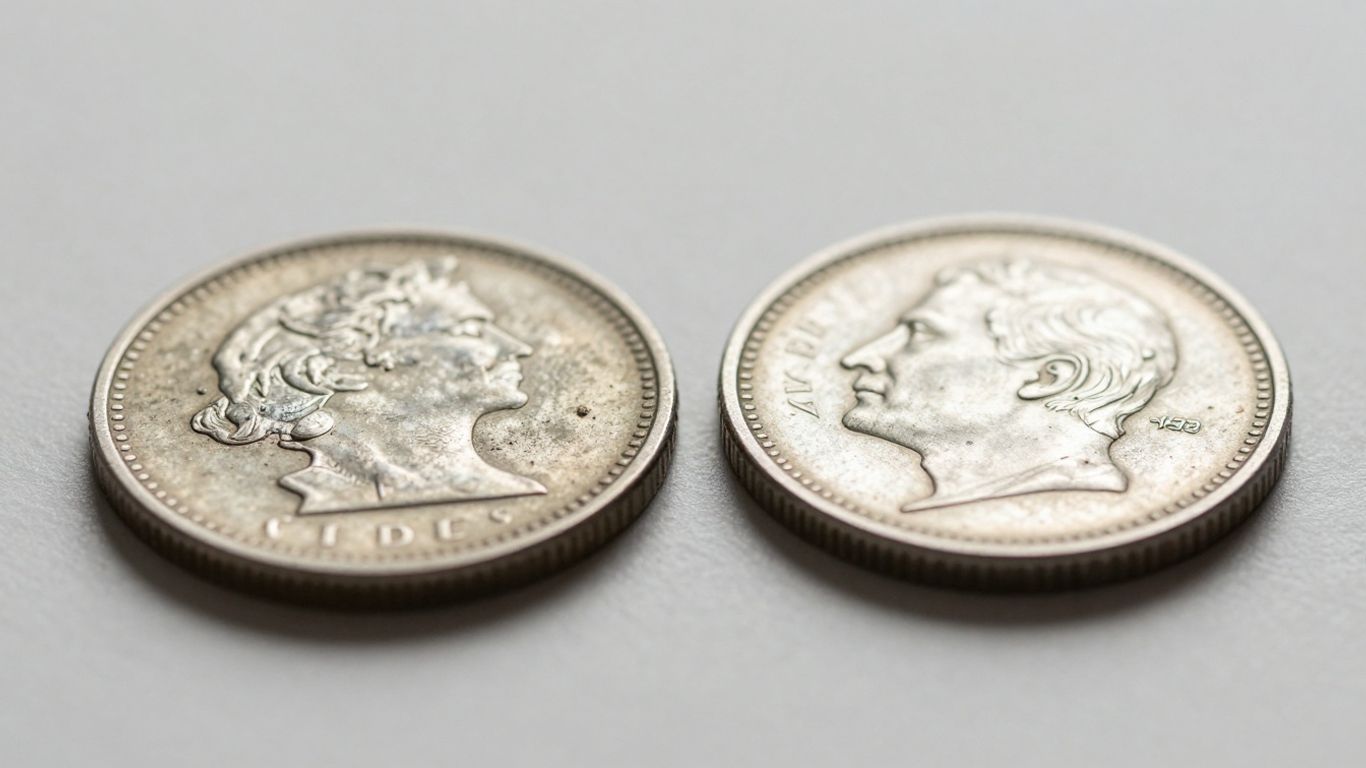
Alright, so you’ve got some cool coins, and the last thing you want is for them to get messed up by those nasty PVC holders. It’s actually pretty straightforward to keep them safe if you know what to do. The key is to use the right materials from the start.
Choosing Archival-Quality Coin Holders
When you’re picking out holders for your coins, you really need to pay attention to what they’re made of. Forget those cheap, flimsy plastic flips you might see at a general store. Those are often loaded with PVC, which, as we’ve talked about, breaks down and can wreck your coins. Instead, look for holders specifically labeled as "archival-quality" or "inert." This usually means they’re made from materials like Mylar (which is polyester), polyethylene, or polypropylene. These plastics don’t contain the plasticizers that cause PVC to degrade.
Here’s a quick rundown of what to look for:
- Mylar (Polyester): This is a really popular choice. It’s clear, strong, and doesn’t have PVC. You’ll find it in many individual coin flips and larger sheets.
- Polyethylene: Another safe bet. It’s a bit softer than Mylar but still provides good protection and is chemically stable.
- Polypropylene: Similar to polyethylene, it’s a good, inert plastic for coin storage.
Avoid anything that feels overly soft, sticky, or has a strong chemical smell. Those are usually red flags for PVC content.
Proper Coin Handling Techniques
It’s not just about the holders; how you handle your coins matters too. Always try to touch your coins by their edges. Your fingers have oils and acids on them, and even a little bit can cause damage over time, especially to more sensitive metals like copper. If you need to handle the coin more directly, wear cotton or nitrile gloves. It might seem a bit much, but for valuable coins, it’s a good habit to get into.
Think about it like this:
- Wash and Dry Your Hands: Even if you’re not wearing gloves, make sure your hands are clean and completely dry. No lotions or hand sanitizers right before you touch a coin.
- Handle by the Edge: This is the golden rule. Use your thumb and forefinger to hold the coin’s rim.
- Use Gloves When Necessary: For really important coins or if you need to manipulate them more, gloves are your best friend.
Maintaining a Stable Storage Environment
Where you keep your coins is just as important as what you put them in. You want a place that’s cool, dry, and has a stable temperature. Big swings in temperature and humidity can cause problems. High humidity can encourage corrosion, and condensation can form on the coin’s surface, leading to all sorts of issues. Try to avoid places like attics, basements, or garages where the environment can be unpredictable. A closet in a climate-controlled part of your house is usually a much better spot.
Keeping your coins in a stable environment means avoiding drastic changes. Think consistent temperature and humidity levels. This helps prevent condensation and slows down any potential chemical reactions that could harm your collection.
By following these steps, you’re setting yourself up for a collection that stays in great shape for years to come. It’s really about being mindful of the materials you use and the conditions your coins are kept in.
Safely Removing PVC Contamination
So, you’ve found some of that nasty PVC damage on your coins. Don’t panic! While it looks bad, and can be, there are ways to deal with it. The key is to be gentle and know when to stop.
Gentle Cleaning Methods for PVC Residue
First things first, avoid harsh scrubbing. You’re trying to remove a chemical residue, not polish a gem. Often, a simple rinse is the best starting point. For more stubborn spots, a mild, non-ionic surfactant can help break down the oily film left by degrading PVC.
Here’s a basic approach:
- Initial Rinse: Gently rinse the coin under lukewarm distilled water. Avoid tap water, as its minerals can cause their own problems.
- Mild Soap Solution: If rinsing alone doesn’t work, prepare a solution of distilled water and a tiny drop of a pH-neutral, non-ionic soap (like pure castile soap). Swish the coin gently in this solution.
- Gentle Agitation: Use a soft cotton swab very lightly to dab at any remaining residue. Do not rub or scrub. The goal is to lift the residue, not to abrade the coin’s surface.
- Final Rinse and Dry: Rinse thoroughly with distilled water again to remove all soap traces. Pat the coin dry with a soft, lint-free cloth or allow it to air dry completely in a clean, dust-free area.
The most important thing is to be patient and use the least aggressive method possible.
When to Seek Professional Conservation
Sometimes, the damage goes beyond a simple surface film. If you see pitting, significant green/blue patina that seems to be eating into the metal, or if your gentle cleaning attempts aren’t making a difference, it might be time to call in the pros. Professional coin conservators have specialized tools and knowledge to assess and treat more severe damage without further harming the coin. They can often stabilize a coin and halt further degradation, which is sometimes the best outcome you can hope for.
Avoiding Harsh Chemicals and Abrasives
This is where many collectors make a mistake. It’s tempting to grab whatever cleaning supplies you have on hand, but that’s a recipe for disaster. Things like:
- Vinegar
- Lemon juice
- Baking soda
- Household cleaners (even diluted)
- Metal polishes
- Toothbrushes or abrasive cloths
can all cause irreversible damage. They can strip away original surfaces, alter the coin’s patina, and even create new corrosion. Remember, a coin’s value is heavily tied to its original state. Once you remove that, you’ve often removed a significant portion of its worth.
The goal of cleaning PVC-contaminated coins is to remove the harmful plasticizer residue without damaging the underlying metal or its original surface characteristics. Aggressive cleaning methods can easily turn a potentially salvageable coin into a permanently damaged one, significantly impacting its numismatic value.
The Impact of PVC on Coin Value
Assessing Damage Severity
When PVC damage shows up on your coins, it’s not just an aesthetic issue; it can really hit their worth. The extent of the damage is the first thing collectors and dealers look at. A coin with just a faint greenish tint might be salvageable, but one with deep pitting or a thick, crusty residue is a different story. The more severe the damage, the lower the coin’s market value will likely be. It’s like a car with a dent versus one that’s been in a major wreck – the former is much easier and cheaper to fix.
Here’s a quick breakdown of how damage severity is often viewed:
- Minor Damage: Light discoloration, slight stickiness, or a very thin film. These might be correctable with careful cleaning.
- Moderate Damage: More noticeable green/blue patina, a sticky or oily feel, and perhaps some surface dullness. Cleaning is riskier, and some original luster may be lost.
- Severe Damage: Deep pitting, significant corrosion, a thick crusty buildup, and obvious metal loss. These coins are often considered permanently damaged and may have very little collector appeal.
Market Perception of Damaged Coins
Let’s be honest, nobody wants to buy a coin that’s actively deteriorating. The market generally shuns coins showing clear signs of PVC damage. Even if a coin is rare or historically significant, if it’s been marred by PVC, its desirability plummets. Buyers worry about the damage spreading or being impossible to fully remove. This means you’ll often see significantly reduced prices for coins that have suffered from PVC exposure, sometimes by 50% or more compared to an undamaged counterpart. It’s a tough pill to swallow when you realize a coin you thought was a good find has been compromised.
The presence of PVC residue is a red flag for collectors. It signals improper storage and potential long-term harm to the coin’s metal. This damage is often irreversible and detracts significantly from both the coin’s appearance and its monetary worth. Buyers will factor in the cost and uncertainty of potential restoration, or simply avoid the coin altogether.
Restoration Possibilities and Limitations
So, can you fix PVC damage? Sometimes, yes, but it’s not always a simple fix, and there are definite limits. For minor issues, gentle cleaning methods might remove the residue and restore some of the coin’s original look. However, the underlying metal might already be affected. If the PVC has caused corrosion or pitting, that damage is permanent. You can’t un-pit a coin. Trying to aggressively clean severely damaged coins can often cause more harm than good, potentially removing original surfaces or creating scratches. For truly valuable or rare coins with significant PVC damage, seeking professional conservation is often the best, albeit expensive, route. They have specialized knowledge and tools, but even they can’t perform miracles. Sometimes, the best you can do is stabilize the coin and accept the damage as part of its history. It’s always better to prevent damage in the first place by using archival-quality coin holders from the start.
Advanced Detection Techniques
Sometimes, spotting PVC damage isn’t as straightforward as seeing a green splotch. For those times, we need to get a bit more technical. It’s like being a detective for your coins, looking for clues that aren’t always visible to the naked eye.
Microscopic Examination of Coin Surfaces
This is where things get really detailed. Using a microscope, we can zoom in on the coin’s surface to see tiny changes. You might spot irregular textures, small pits, or even the beginnings of corrosion that are too small to notice otherwise. It’s a good way to catch damage early, before it becomes a big problem. Think of it as a super-close inspection to find any hidden issues.
Chemical Spot Tests for PVC
There are ways to test for the presence of PVC itself, or its breakdown products. These tests can be a bit more involved and sometimes require specific kits. They work by reacting with the chemicals left behind by the PVC, giving a visible indication. This can be a definitive way to confirm if PVC is the culprit. It’s not something most collectors do regularly, but it’s an option if you’re really unsure.
Spectroscopic Analysis for Material Identification
This is the most advanced method, often used by professionals or in labs. Techniques like X-ray fluorescence (XRF) can tell you exactly what elements are on the coin’s surface. If you see chlorine, for example, it’s a strong indicator of PVC contamination. It’s a very precise way to identify materials and confirm the source of damage. It’s like having a chemical fingerprint for the coin’s surface.
Here’s a quick look at what these methods can reveal:
- Microscopy: Reveals surface texture changes, micro-pitting, and early corrosion.
- Spot Tests: Can indicate the presence of chlorine or plasticizers.
- Spectroscopy: Identifies specific elements and compounds on the coin surface.
While these advanced techniques are powerful, they often require specialized equipment and knowledge. For the average collector, focusing on good storage practices and visual inspection is usually sufficient. However, knowing these methods exist can be helpful if you encounter a particularly puzzling or valuable coin.
It’s important to remember that these methods are for confirmation and detailed analysis. The best approach is always prevention, but if you suspect PVC damage, these techniques can help you get to the bottom of it.
Long-Term Preservation Strategies
Keeping your coin collection safe for years to come involves more than just putting them in a holder. It’s about creating a stable environment and keeping a close eye on things. Think of it like tending a garden; you need the right soil, water, and sunlight, plus regular weeding.
Creating an Inert Storage Environment
To really protect your coins, you want to minimize anything that could cause them harm. This means using materials that don’t react with the metal. Archival-quality plastics, like Mylar (polyester) or polyethylene, are good choices because they don’t break down and release harmful chemicals. Avoid PVC holders at all costs – we’ve talked about why those are bad news. Also, consider the containers holding your coin holders. Acid-free boxes or albums are best. The goal is to create a bubble where the coins are shielded from air, moisture, and reactive substances. This might sound like a lot, but it’s the best way to stop damage before it starts.
Regular Inspection of Coin Collections
Checking on your coins regularly is super important. It’s your chance to catch any problems early. Look for any changes in the coin’s surface, like odd spots, discoloration, or any stickiness. Even a small change can be a sign that something’s not right, maybe a holder is starting to degrade or there’s an issue with the storage environment. Catching these things early means you can often fix the problem before it causes permanent damage. It’s like a quick health check for your collection.
Documenting Coin Condition Over Time
Keeping records of your coins is a smart move. Take clear photos of each coin when you first acquire it and then periodically. Note down any observations about its condition, including the holder it’s in and the storage location. This documentation is helpful for a few reasons. Firstly, it helps you track any changes over time, making those regular inspections more effective. Secondly, if you ever need to make an insurance claim or sell a coin, having a detailed record of its condition is incredibly useful. It provides proof of its state before any potential issues arose.
The environment where your coins are stored plays a huge role in their longevity. Fluctuations in temperature and humidity can stress the metal and accelerate the degradation of storage materials. Aim for a cool, dry place with stable conditions, away from attics, basements, or direct sunlight, which can cause rapid and damaging environmental shifts.
Understanding Coin Metal Reactivity
How Different Metals Interact with PVC
Not all coins are created equal when it comes to how they react with PVC. The metals that make up a coin play a big role in whether PVC damage is likely to occur and how severe it might get. Think of it like different types of food reacting differently to heat; some char quickly, others just get warm. PVC, when it starts to break down, releases chemicals. These chemicals can then interact with the metal on the coin’s surface. Some metals are more prone to this interaction than others, leading to those unsightly green or blue spots we often see.
Copper and Silver Coin Vulnerabilities
Copper and silver are particularly susceptible. Copper, especially, can react quite readily. When PVC degrades, it can release plasticizers and hydrochloric acid. This acid can attack the copper surface, leading to the formation of copper chlorides or oxides, which often appear as a greenish or bluish film. Silver, while generally more stable, isn’t entirely immune. Over long periods, especially if the PVC is actively degrading and releasing acidic compounds, silver can also show signs of reaction, though it’s less common and often less dramatic than with copper.
Alloys and Their Susceptibility to Damage
Many coins aren’t made of pure metals but are alloys – mixtures of different metals. The specific combination of metals in an alloy can change how it reacts. For instance, cupronickel (an alloy of copper and nickel) is common in many world coins. While nickel itself might not react directly with PVC in the same way copper does, the copper component in the alloy remains vulnerable. Sometimes, the surface of an alloy can become enriched with one particular metal over time due to wear or environmental exposure. This surface composition can then influence how the coin interacts with PVC. It’s a bit like how a painted surface might wear away to reveal a different metal underneath, which then reacts differently to the environment.
Here’s a quick look at how common coin metals might fare:
| Metal/Alloy | Susceptibility to PVC Damage | Typical Reaction Signs |
|---|---|---|
| Copper | High | Green/blue patina, verdigris, pitting |
| Silver | Moderate | Darkening, potential surface etching (less common) |
| Nickel | Low | Generally resistant, but can be part of vulnerable alloys |
| Cupronickel | Moderate to High | Green/blue spots (from copper), surface dulling |
| Brass (Copper/Zinc) | Moderate to High | Green/blue patina, dezincification (loss of zinc) |
| Bronze (Copper/Tin) | Moderate to High | Green patina, pitting |
The key takeaway is that the metal composition dictates the coin’s vulnerability. While PVC itself is the source of the problem, the coin’s material determines the nature and severity of the damage. Understanding these differences helps collectors choose the right storage for their specific coins.
The Role of Humidity and Temperature
Accelerating PVC Degradation
Humidity and temperature aren’t just background conditions; they’re active players in how quickly PVC holders break down and damage your coins. Think of it like baking a cake – you need the right temperature for it to cook properly. With PVC, higher temperatures and moisture can speed up the chemical reactions that lead to those nasty green residues. It’s not just about the PVC itself, but how these environmental factors interact with it.
Controlling Environmental Factors
Keeping your coin collection safe means managing the environment where it’s stored. This isn’t rocket science, but it does take some attention. You want to aim for a stable place, away from attics, basements, or garages where temperatures swing wildly and humidity can get out of hand. A climate-controlled room in your house is usually the best bet.
Here are some practical steps:
- Monitor Regularly: Use a simple thermometer and hygrometer (humidity gauge) to keep tabs on conditions. Aim for a consistent temperature, ideally between 65-75°F (18-24°C), and relative humidity below 50%.
- Avoid Extremes: Never store coins near heat sources like radiators or vents, or in damp areas like bathrooms or laundry rooms.
- Ventilation Matters: While you want to control the environment, some air circulation can help prevent stagnant conditions that might trap moisture.
Preventing Condensation on Coins
Condensation is a coin’s worst enemy, especially when PVC is involved. When warm, moist air hits a cooler coin surface, water droplets form. This moisture can then react with degraded PVC, creating a corrosive environment right on your coin. This is particularly problematic if you move coins between significantly different temperature zones quickly.
Rapid temperature shifts are a major concern. Moving a coin from a cool, dry place to a warm, humid one can cause condensation to form on the coin’s surface. This moisture can then interact with any residual plasticizers from the holder, accelerating corrosion and potentially leaving permanent marks.
The key takeaway is that stable, moderate environmental conditions are your best defense against accelerated PVC damage.
Wrapping It Up
So, we’ve talked about how PVC can mess with your coins, making them look all weird and potentially hurting their value. It’s not a fun situation, but thankfully, there are ways to spot the damage early and keep it from happening in the first place. Cleaning up affected coins can be tricky, and sometimes it’s best to just leave it to the pros. The main thing is to be aware of what you’re storing your coins in and to check on them now and then. A little bit of care goes a long way in keeping your collection looking good for years to come.
Frequently Asked Questions
What exactly is PVC damage on coins?
PVC damage happens when certain plastic holders, often made with something called PVC, start to break down over time. This breakdown releases chemicals that can stick to your coins and cause them to change color or even get damaged. Think of it like an old plastic toy slowly getting sticky and gooey – it’s doing something similar to your coins.
How can I tell if my coins have PVC damage?
Look closely at your coins. You might see a greenish or sometimes bluish tint on the surface. Another sign is if the coin feels a bit sticky or oily to the touch. In worse cases, you might even see tiny pits or rough spots on the coin’s surface, which means the metal itself is being eaten away.
What causes PVC damage in the first place?
The main culprit is storing coins in holders or flips made with PVC. If these holders are old or kept in warm, humid places, they break down faster. Sometimes, even touching coins with unwashed hands can transfer oils that, over a long time, might react with the coin or its holder.
Are all plastic coin holders bad?
No, not at all! The problem is specifically with plastics that contain PVC. Many modern coin holders are made from safer materials like Mylar, polyethylene, or polypropylene. These are often called ‘archival quality’ or ‘inert’ and won’t harm your coins.
Can I fix a coin that has PVC damage?
Sometimes, light damage can be carefully cleaned off using gentle methods. However, if the damage is deep, it might be permanent. Trying to clean it too aggressively can actually make the coin look worse or lose value. For valuable coins, it’s often best to ask an expert.
How can I prevent PVC damage from happening?
The best way is to use safe storage materials. Always choose holders and albums that are clearly labeled as PVC-free or archival quality. Also, keep your collection in a cool, dry place with stable temperatures to slow down any potential breakdown of materials.
Does PVC damage affect how much a coin is worth?
Yes, it usually does. Coins with PVC damage are generally worth less than coins that are in perfect condition. The more severe the damage, the lower the value. Collectors prefer coins that look as close to their original state as possible.
What if I have a very old coin in a plastic holder?
If you have an old coin in a clear plastic holder, it’s a good idea to carefully examine it for any signs of damage. If it looks okay, you might want to gently move it to a known safe, PVC-free holder. If you’re unsure, it’s always wise to get advice from a coin dealer or a professional conservator before doing anything.