Have you ever picked up a coin and noticed it just looked… different? Maybe it had this incredible shine, or the details seemed super sharp, almost like a tiny work of art. That’s likely a proof coin. These aren’t your everyday pocket change. They go through a special process that gives them a unique finish, making them stand out. Understanding proof coins finish is key to appreciating why they’re so sought after by collectors and what sets them apart from the coins we usually see.
Key Takeaways
- Proof coins are made using a special production method, often involving multiple strikes, which gives them a more detailed and shiny look compared to regular coins.
- Their superior visual appeal, with a mirror-like surface and sharp designs, makes them highly collectible and great for display.
- The manufacturing journey of proof coins includes precise metal preparation, careful die engraving, and rigorous quality checks to achieve their distinctive finish.
- While regular coins are struck once for a clean finish, proof coins are struck multiple times to bring out intricate details and a brilliant luster, a key aspect of understanding proof coins finish.
- Proof coins typically cost more than uncirculated coins due to their lower mintages, higher production costs, and the premium collectors place on their exceptional appearance and collectability.
Understanding Proof Coins Finish
So, what makes a proof coin look so different from the ones you find in your pocket? It all comes down to how they’re made. Forget just a quick stamp; these coins get a special treatment from start to finish. The distinctive production process is what truly sets proof coins apart.
The Distinctive Production Process
Unlike regular coins that get a single strike, proof coins are treated to multiple strikes. This isn’t just for show; it’s about achieving a level of detail and sharpness that’s hard to match. The metal blanks themselves go through a rigorous preparation. They’re often polished by hand and cleaned meticulously before they even get near the striking press. This attention to detail means any imperfections on the blank are removed, giving the final coin a flawless canvas.
Enhanced Detail and Luster
That extra effort in production really pays off visually. You’ll notice that the designs on proof coins are incredibly sharp, with every tiny line and curve standing out. The fields, which are the flat, open areas of the coin, often have a mirror-like shine. This contrast between the frosted design elements and the brilliant, reflective fields is a hallmark of a proof coin. It’s this combination of crisp detail and dazzling luster that makes them so appealing.
The Role of Multiple Strikes
Let’s talk about those multiple strikes. Each time a coin is struck, the die presses into the metal with immense force. For proof coins, this process is repeated, sometimes two, three, or even more times. This repeated striking ensures that the design is fully impressed into the metal, bringing out even the finest details. It also contributes significantly to that incredible shine. The process is quite involved, and you can read more about the general coin manufacturing steps on the minting process.
The journey from raw metal to a finished proof coin involves a level of care and precision that goes far beyond standard minting. It’s a deliberate, multi-stage process designed to create a numismatic work of art, not just a piece of currency.
Visual Appeal and Presentation
Superior Aesthetic Qualities
Proof coins just look different, don’t they? It’s not just about being shiny; there’s a real depth to their appearance that you don’t see on regular coins. This comes down to how they’re made, with special attention paid to every little detail. The result is a coin that feels more like a miniature work of art than just a piece of currency. They’re often handled with more care from the start, too, usually coming in protective cases that keep them looking pristine.
The Impact of a Mirror-Like Surface
One of the most striking things about proof coins is that super-smooth, reflective background. It’s like looking into a tiny mirror. This effect is achieved through a meticulous polishing process for the dies before they’re even used to strike the coin. Then, the coin itself is struck multiple times, which really brings out that incredible shine and makes the design elements pop. It’s this contrast between the frosted, detailed design and the brilliant, mirror-like fields that gives proof coins their distinctive, high-end look.
Exceptional Display and Collectability
Because they look so good, proof coins are naturally suited for display. They aren’t usually tossed into a jar or pocket. Instead, they’re often presented in special holders, sometimes with certificates of authenticity, making them perfect for collectors. This presentation really adds to their appeal, making them feel more special and collectible. It’s easy to see why people often choose them for gifts or to start a collection that they can proudly show off.
The way a proof coin is presented makes a big difference in how it’s perceived. It’s not just about the metal or the design; it’s the whole package. From the moment you see it in its case, you know it’s something different, something made with extra care and attention to detail. This makes them stand out and feel more significant than coins meant for everyday spending.
The Manufacturing Journey
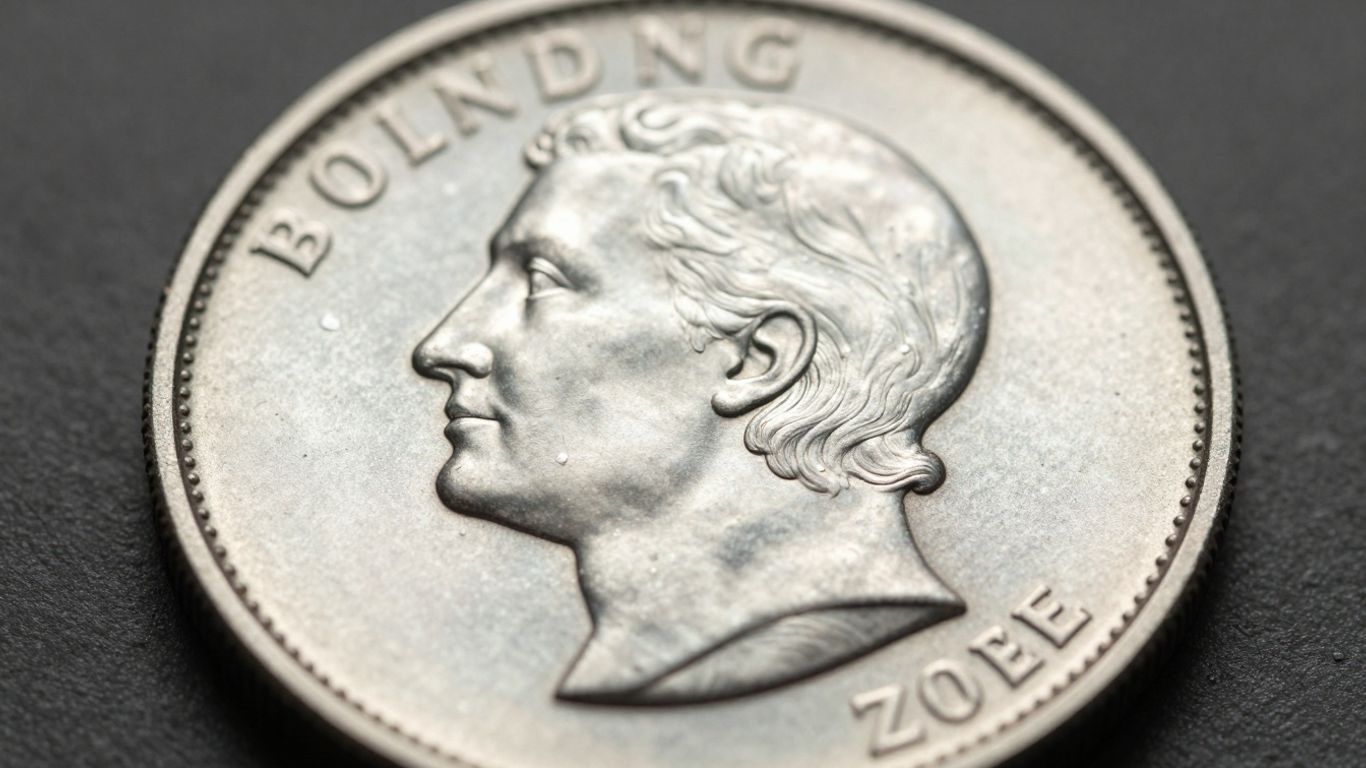
Ever wondered how those shiny coins get made? It’s a lot more involved than just hitting a button. The process starts way before the coin even looks like a coin, with careful planning and some serious machinery.
From Metal Blends to Striking Dies
First off, they don’t just grab any old metal. Coin production begins with creating specific metal alloys. Think of it like baking a cake – you need the right ingredients in the right amounts. For instance, many coins use a mix of copper and nickel, or zinc with a copper coating, balancing durability and cost. These metals are melted down at super high temperatures, over 2,000 degrees Fahrenheit, and then poured into molds to form long strips. These strips are then rolled over and over until they’re just the right thickness, usually measured in tiny fractions of an inch. After that, huge presses punch out circular discs, called blanks or planchets, from these metal sheets. The leftover metal? It gets melted down and reused, so nothing goes to waste. These blanks then go through a heating and cooling process called annealing, which softens the metal, making it ready for the detailed designs.
The journey from raw metal to a finished coin is a complex dance of metallurgy, engineering, and precision. It’s a process that requires exactness down to the smallest detail, ensuring each coin meets strict standards before it ever reaches your pocket.
The Precision of the Striking Press
This is where the magic really happens. The blanks, now softened and cleaned, are fed into a striking press. This machine holds two incredibly hard steel dies, each with the coin’s design carved into it in reverse. When the press slams down with immense force – we’re talking 40 tons or more – it squeezes the blank between the dies. This happens in a split second, but it’s enough to imprint every tiny detail, from the smallest letter to the most intricate portrait, onto the metal. For regular coins, this happens once. But for those special proof coins, they might get struck multiple times to really bring out that sharp, detailed look. Before the striking, the blanks go through an upsetting mill, which creates that raised rim you feel on the edge of a coin. This rim isn’t just for looks; it helps protect the coin’s design from wear and makes them easier to stack.
Quality Control and Inspection
Once the coins are struck, the job isn’t over. They go through a rigorous inspection process. Automated systems with cameras and sensors check things like weight, diameter, and thickness. Human inspectors also look closely at samples, often under magnification, searching for any flaws like incomplete designs or metal imperfections. If a coin doesn’t meet the super strict standards – and we’re talking tolerances of fractions of a gram – it’s rejected. These rejected coins are then destroyed and recycled. This intense quality control is why US mints can produce coins that work reliably in vending machines and coin counters. Security is also a huge part of this stage, with raw materials tracked and production areas kept highly secure to prevent any issues.
Comparing Proof and Uncirculated Coins
So, you’ve been looking at coins, maybe thinking about picking some up, and you keep seeing the terms ‘proof’ and ‘uncirculated.’ What’s the big deal, right? They both look like coins, they’re made of metal, but there are some pretty significant differences, mostly in how they’re made and what that means for you.
Key Differences in Production
This is where the real story begins. Uncirculated coins, often called ‘bullion’ or ‘raw’ coins, are basically fresh from the mint. They’ve been struck once, and that’s it. They go through the normal production line, and while they’re meant to be in good shape, they aren’t treated with any extra special care beyond standard minting procedures. Think of them as brand new cars rolling off the assembly line – nice, but not exactly a showpiece.
Proof coins, on the other hand, are a whole different ballgame. These coins are treated like royalty during production. They’re struck multiple times, sometimes up to four or more, with specially polished dies. The planchets (the blank metal discs) are also polished to a mirror finish before they even get struck. This whole process is done at a much slower pace, with a lot more attention to detail, to make sure every little detail comes out perfectly. It’s this meticulous process that gives proof coins their unique look.
Here’s a quick rundown:
- Uncirculated Coins: Struck once, standard dies, no special polishing of planchets or dies. They represent the typical output of a mint.
- Proof Coins: Struck multiple times, polished dies, polished planchets, slower striking speed, and often handled with extreme care.
Variations in Appearance
Because of those production differences, the way they look is night and day. Uncirculated coins have a more matte or satin finish. You’ll see the design, sure, but it won’t have that intense shine. They might have bag marks or minor scuffs from being handled in bulk, which is totally normal for them.
Proof coins? They’re something else. They have that incredible mirror-like background that just seems to glow. The raised design elements stand out in sharp contrast, almost like they’re floating. It’s this high-contrast, brilliant finish that collectors go wild for. It makes them look like tiny works of art, not just pieces of metal. If you’re looking for something that really catches the light and looks impressive, a proof coin is definitely the way to go. You can find some amazing examples of these at major coin dealers.
The visual difference between a proof and an uncirculated coin is stark. It’s not just a slight variation; it’s a deliberate artistic choice made through specialized manufacturing techniques. The goal is to create a coin that is not only a medium of exchange or store of value but also a miniature sculpture.
Investment and Collectible Value
When it comes to value, proof coins usually command a higher price than their uncirculated counterparts. This is due to the extra labor, time, and materials involved in their production. For investors primarily focused on the metal content, uncirculated coins are often the more cost-effective choice. You’re paying closer to the spot price of the metal itself.
However, proof coins offer a different kind of value. Their superior aesthetic qualities and lower mintages often make them more desirable to collectors. This can lead to a greater potential for appreciation over time, especially for rare or limited-edition proof coins. While they cost more upfront, many collectors find the added beauty and collectibility worth the premium. It’s a trade-off between pure metal investment and a blend of metal value plus artistic and collectible appeal.
The Art of Die Engraving
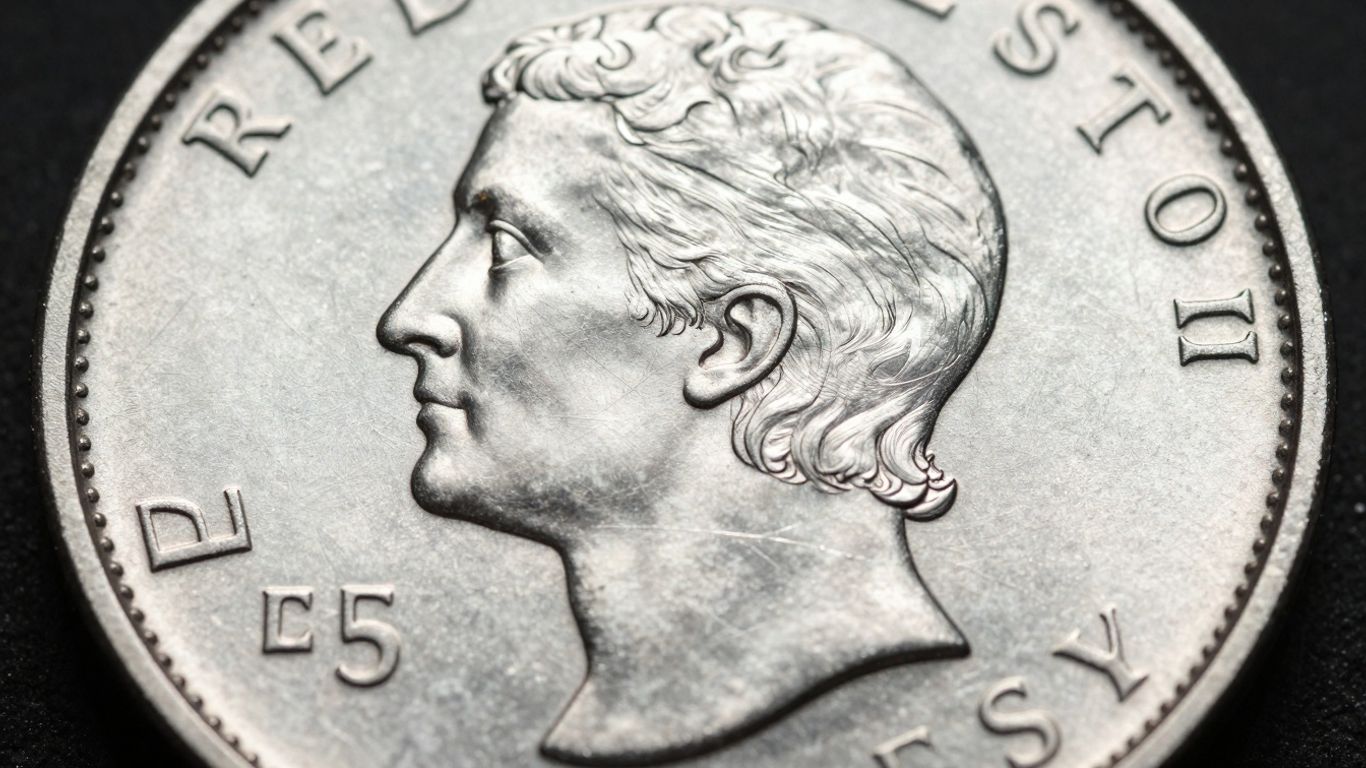
Craftsmanship in Die Creation
Making a coin die is a serious business, way more involved than just scratching a design onto metal. It’s where the coin’s whole look really starts. Back in the day, engravers would do this by hand, using tiny tools to carve the design into a steel master hub. Think of it like super-detailed sculpting, but in reverse and on a much harder material. They had to be incredibly precise because this master hub would then be used to create the actual working dies that strike the coins. This process demands a deep understanding of both art and metallurgy. Even with today’s fancy computers, a lot of that old-school skill is still super important for getting the fine details just right.
Balancing Technology and Tradition
Today, mints use a mix of old and new techniques. Computer-aided design (CAD) software helps create the initial digital model of the coin’s artwork. This digital file can be incredibly detailed. Then, a CNC (Computer Numerical Control) machine might mill a rough version of the design onto a die blank. But here’s where tradition kicks in: skilled engravers often step in to refine the design by hand. They use specialized tools to add subtle textures, polish surfaces, and make sure the design has that certain ‘pop’ that machines alone might miss. This blend means you get the accuracy of digital tools with the artistic touch that makes coins special.
The Cost of Precision Dies
Creating these dies isn’t cheap, not by a long shot. A single die, especially one for a complex proof coin, can take weeks to make and cost tens of thousands of dollars. This is because the steel has to be super hard to withstand millions of impacts from the striking presses. Plus, the engraving process itself, whether by hand or machine, requires specialized equipment and highly skilled workers. The mints have to get it right the first time, too, because mistakes are costly. This high cost is one of the reasons why proof coins, which often use specially prepared dies for that mirror finish, end up costing more than regular uncirculated coins.
The Significance of the Raised Edge
You know those coins you handle every day? They all have a little rim around the outside, right? It might seem like a small detail, but that raised edge, often called the "reeding" or "upset rim," is actually pretty important. It’s not just there to look fancy; it serves a couple of practical purposes that have been part of coin making for ages.
Purpose of the Upsetting Mill
So, how does that edge get there? Well, before a coin blank gets its design stamped onto it, it usually goes through a machine called an "upsetting mill." This thing spins the metal blank really fast while pushing it through a shaped groove. This process forces the metal outwards, creating that distinct raised border. It’s a key step that prepares the coin for the main event – getting its design.
Protecting the Coin's Design
One of the main reasons for this raised edge is to protect the actual artwork on the coin. Think about it: if the edges were flat, the intricate details of the design, especially near the rim, would get worn down much faster from everyday handling and stacking. The raised edge acts like a buffer, keeping the main design elements from rubbing directly against surfaces. This helps the coin retain its details for longer, which is a big deal for both circulation coins and especially for collectible proof coins where sharp details are prized.
Facilitating Coin Stacking
Another handy function of the raised edge is making coins easier to stack. Imagine trying to stack perfectly flat discs – they’d slide all over the place! That rim gives the coins something to grip onto, allowing them to sit more stably on top of each other. This is useful for mints when they’re packaging coins and also for anyone who might be handling large quantities of them. It might seem minor, but it makes a difference in how coins are managed.
The creation of the raised edge is a deliberate engineering choice. It’s a simple yet effective way to add durability and practicality to a piece of metal that will be handled by millions. It’s a testament to how even small design features can have a significant impact on a coin’s longevity and usability.
Proof Coins as Gifts and Keepsakes
Proof coins, with their special finish and detailed designs, make for really thoughtful presents. They’re not just currency; they’re like tiny pieces of art that hold a bit of history and prestige. Because they’re made with such care, they feel more significant than your average pocket change.
Commemorating Special Occasions
Got a big event coming up? A wedding, a milestone birthday, an anniversary, or even a graduation? A proof coin can be a really unique way to mark the moment. Imagine giving someone a beautiful silver dollar proof coin from the year they were born, or a special commemorative issue tied to an event they care about. It’s a gift that lasts, something they can keep and look at for years to come, reminding them of that special time.
Building Annual Collections
Some people really get into collecting coins year after year. Proof sets, which often come with a whole year’s worth of coins in their special finish, are perfect for this. You can start a tradition of giving a new proof set every year for a child’s birthday, or for a spouse. It builds a collection over time, and each year’s set becomes a marker of that specific year. It’s a gift that grows with the recipient.
The Value of a High-Quality Present
Let’s be honest, sometimes you want to give something that feels a bit more substantial than a typical gift. Proof coins fit that bill. They have a weight and a shine that just feels premium. Plus, knowing how they’re made – struck multiple times with polished dies – adds to their appeal. It shows you put extra thought into choosing something that’s both beautiful and has a lasting quality. It’s a tangible piece of craftsmanship that carries a story.
The careful production process for proof coins, involving polished dies and multiple strikes, results in a coin with exceptional detail and a brilliant, reflective surface. This makes them stand out visually and feel more substantial than standard issue coins, lending them an air of importance when given as a gift.
Scarcity and Mintages
Lower Production Volumes
Proof coins, by their very nature, aren’t made in the same massive quantities as regular circulating coins. Think about it: they’re special editions, right? They require a more involved process, and the mints know collectors are the main audience. This means they produce fewer of them. For instance, when you look at something like the American Silver Eagle, the number of proof versions made is often just a small fraction – maybe 5% to 20% – of the regular, uncirculated ones. It’s not like they’re churning these out by the millions for everyday change.
Limited Availability Compared to Uncirculated
Because fewer proof coins are made, they naturally become harder to find over time. Unlike regular coins that flood the market and are easily accessible, proof coins are often bought by collectors and kept. This means the supply available for purchase shrinks, especially for older or more sought-after issues. It’s a simple supply and demand thing, really. If everyone wants one and there aren’t many to go around, they become more scarce.
Impact on Collectible Demand
This limited availability directly affects how collectible proof coins are. When something is rare and people want it, its desirability goes up. This scarcity is a big part of why proof coins often carry a higher price tag than their uncirculated counterparts. Collectors are willing to pay more for that assurance of quality and the knowledge that they own something not everyone else has. It adds to the allure, making them more than just coins; they become sought-after pieces.
The deliberate production of fewer proof coins isn’t just a manufacturing choice; it’s a strategy that builds their appeal. This controlled scarcity makes them more attractive to collectors and investors who value rarity alongside the coin’s inherent quality and design.
The Premium Value of Proof Coins
So, why do proof coins usually cost more than their uncirculated cousins? It really comes down to a few things: how they’re made, how many are produced, and well, just how good they look.
Higher Market Price
Proof coins almost always carry a higher price tag than similar uncirculated coins. This isn’t just some random markup; it’s tied directly to the extra effort and specialized processes involved in their creation. Think of it like buying a handcrafted piece of furniture versus something mass-produced. The attention to detail and the unique finish on proof coins naturally command a higher price in the market.
Factors Influencing Mark-Up
Several elements contribute to the increased cost of proof coins:
- Production Process: As we’ve talked about, proof coins are struck multiple times with specially prepared dies. This takes more time and resources than the single strike for uncirculated coins.
- Scarcity: Mints produce significantly fewer proof coins compared to their uncirculated counterparts. Lower mintage numbers mean less availability, which naturally drives up demand and price.
- Aesthetic Qualities: The mirror-like fields and frosted devices on proof coins are a result of meticulous preparation and striking. This superior visual appeal is a major selling point and adds to their perceived value.
- Packaging: Proof coins often come in special protective cases or holders, which also adds to the overall cost.
Silver vs. Gold Proof Coin Premiums
When you look at the difference in price between silver and gold proof coins, you’ll notice some variations. Generally, silver proof coins tend to have a more noticeable mark-up compared to their gold counterparts.
For silver proofs, a good chunk of the overall cost can be attributed to the premium for the proof finish itself. It’s a significant part of what you’re paying for. With gold proofs, while they are still more expensive than uncirculated gold coins, the added cost for the proof treatment is usually a smaller percentage of the total price. This is mainly because gold is inherently much more valuable, so the metal’s intrinsic worth tends to overshadow the premium for the proof finish.
The premium on proof coins isn’t just about the metal; it’s about the artistry and labor that go into making them special. This makes them attractive to collectors who appreciate the finer details and the exclusivity that comes with a limited production run.
Modern Innovations in Coin Production
Advanced Die Engraving Techniques
Coin mints today are using some pretty wild tech to make their dies. Think lasers, not just hammers and chisels anymore. These lasers can carve designs into the steel dies with incredible accuracy, way more detail than you could get by hand. This means sharper images, finer lines, and even tiny text that’s almost impossible to see without magnification. It’s a big step up from older methods, allowing for more complex and beautiful coin designs.
Incorporating Security Features
Counterfeiting is always a worry, so mints are adding special features to make their coins harder to fake. Some coins now have micro-engraving, which is like super-tiny writing or patterns hidden in the design. Others might use special holographic elements or even color applications that are tricky to replicate. These security measures help ensure the integrity of the currency. It’s a constant arms race between the mints and the counterfeiters.
Sustainable Manufacturing Practices
Making coins uses a lot of energy and resources, so mints are trying to be greener. They’re recycling water used in cleaning processes and capturing metal dust to reuse. Many are also looking for more sustainable sources for their metals. Some facilities have even managed to become carbon-neutral, meaning they don’t add to greenhouse gas emissions. It’s a good sign that even big industrial operations are thinking about their environmental footprint.
Wrapping It Up
So, we’ve looked at what makes proof coins special, mostly that shiny, detailed finish from being struck more than once. They often cost a bit more than regular coins, and you don’t see as many of them made. This makes them pretty neat for collectors or as a gift. While they can be an investment, many people just like how they look and feel. Next time you see a proof coin, you’ll know it’s gone through a bit of extra effort to get that impressive appearance.
Frequently Asked Questions
What makes a proof coin different from a regular coin?
Proof coins are special because they are made with extra care. Imagine a regular coin being stamped once, while a proof coin is stamped two or even more times. This extra attention makes the design much clearer, sharper, and gives the coin a beautiful, shiny look that stands out.
Why do proof coins look so shiny and detailed?
The special way proof coins are made, with multiple strikes and highly polished dies (the metal stamps), creates that amazing shine and makes every tiny detail pop. It’s like the difference between a quick sketch and a highly detailed painting.
Are proof coins harder to make?
Yes, they are! The process involves more steps and a lot more precision. The metal used is often polished to a mirror finish before striking, and the dies themselves are carefully prepared and sometimes struck multiple times to get that perfect, detailed look.
Why are proof coins usually more expensive than regular coins?
Proof coins cost more because they take more time and effort to produce. The extra striking, the polishing of the dies, and the careful handling all add to the cost. Plus, they are made in smaller numbers, which also makes them more valuable.
Are proof coins a good investment?
Many people collect proof coins because they are beautiful and often rarer than regular coins. While they can increase in value, it’s important to remember that their price is also affected by the value of the metal they’re made from, like silver or gold.
How are the raised edges on coins made?
That raised border you see on coins is made by a machine called an upsetting mill. It spins the blank coin while pressing it through a groove, creating the rim. This rim helps protect the coin’s design and makes it easier to stack them neatly.
Why are proof coins made in smaller amounts?
Mints produce fewer proof coins compared to regular ones. This lower number, or mintage, makes them rarer. Rarity is a big reason why collectors seek them out, as fewer are available for everyone who wants one.
Can proof coins be used for everyday spending?
While technically possible, it’s not recommended. Proof coins are made for collectors and are much more valuable than their face value. Using them for everyday purchases would be like spending a valuable piece of art at a garage sale – you’d lose out on their true worth.