So, you want to get into coins, huh? It’s a pretty interesting hobby, but there’s a lot to learn. One thing that really makes a difference in how a coin looks and how much it’s worth is something called ‘strike quality.’ It sounds fancy, but really, it just means how well the coin was made. Was the design pressed into the metal clearly, or is it kind of fuzzy? We’re going to break down understanding coin strike quality, looking at what makes a coin look sharp versus mushy, and why it matters whether you’re just starting out or you’ve been collecting for years.
Key Takeaways
- A strong strike means all the coin’s details, like inscriptions and design elements, are clear and sharp. Weak strikes often look soft or mushy, sometimes due to worn-out dies.
- When looking at coins, pay attention to the high points of the design and the sharpness of tiny letters. Even a coin’s edge can tell you something about how it was made.
- Things like how worn the dies are, any errors during minting, or if the dies were lined up just right can all affect how good the strike looks on the finished coin.
- Strike quality is a big deal when grading coins. A coin with a great strike often looks better and can be worth more, even if other factors are similar.
- Some coins have specific things collectors look for, like ‘full bands’ on Mercury dimes or ‘full heads’ on quarters, which are signs of a really well-struck coin.
Understanding Coin Strike Quality: The Foundation
When you first start looking at coins, it’s easy to get caught up in the design or the date. But if you want to really get into numismatics, you’ve got to pay attention to how the coin was made. That’s where strike quality comes in. It’s basically how well the coin’s design was impressed onto the metal blank by the dies.
Defining A Strong Strike
A coin with a strong strike shows all the little details the mint intended. Think of the fine lines in a portrait, the individual feathers on an eagle, or the sharp edges of lettering. The metal has flowed perfectly into every nook and cranny of the die. This results in a coin that looks sharp, clear, and full of life. It’s what you want to see, especially on older coins where the minting process wasn’t always as precise as it is today.
Identifying Weak Strike Characteristics
On the flip side, a weak strike means some details are missing or look fuzzy. This often happens when the dies are worn down from hitting thousands of coins, or if the minting pressure wasn’t quite right. You might see areas that look mushy, like the hair on a portrait is just a blob, or lettering that’s hard to read. Sometimes, important design elements might not show up at all. It’s like a photocopy of a photocopy – the image just gets less clear over time.
The Role Of Metal Movement In Strike Quality
How the metal moves when it’s being struck is a big deal. When the dies hit the blank, the molten metal has to spread out evenly to fill the die cavities. If the pressure is just right and the metal flows well, you get that strong strike we talked about. But if the metal doesn’t move correctly, or if there are air pockets, you can end up with weak spots or incomplete designs. It’s a delicate balance that the minting process tries to achieve every single time a coin is made.
The quality of a coin’s strike is a direct reflection of the minting process. It’s not just about the design; it’s about how that design was physically transferred to the metal. A well-struck coin shows the full intent of the designer and the mint, while a poorly struck one leaves you guessing at the details.
Elements Of A Well-Struck Coin
So, you’ve got a coin in your hand, and you’re wondering if it’s a real looker. Beyond just being old or rare, how do you tell if it was made with care? That’s where the strike quality comes in. A coin that’s well-struck just feels right. It’s like the difference between a blurry photo and a sharp one – you can just see the effort that went into it.
Crisp Details And Full Design Elements
This is probably the most obvious sign of a good strike. Think about the main pictures on the coin – the portrait, the animal, the building. On a well-struck coin, all those parts should be clear and sharp. You shouldn’t have to squint to figure out if that’s supposed to be a feather or just a smudge. The goal is for every part of the design to show up fully, with no mushy or worn-down areas. It means the metal in the coin blank got pushed into every nook and cranny of the die when it was made. For example, on a coin with an eagle, you’d expect to see every single feather clearly defined, not just a general outline.
Sharpness Of Inscriptions And Legends
It’s not just the pictures; the words matter too. You know, the stuff like the coin’s date, its value, or mottos like "In God We Trust." On a coin with a good strike, these letters and numbers will be sharp and easy to read. They won’t look like they’re melting into the coin’s surface. You should be able to make out the serifs on the letters and the edges of the numbers without any trouble. It shows that the dies used to make the coin were in good shape and that the minting process was done with enough force to impress these details fully.
The Importance Of Designer's Initials
Sometimes, the person who designed the coin put their tiny initials somewhere on the design. These can be super small, like an ‘F’ or ‘R’ tucked away near a portrait or a building. Finding these initials is a big clue that the coin was struck well. Why? Because these initials are often some of the smallest, most delicate parts of the entire design. If they’re clear and readable, it tells you that the die was sharp and the strike was strong enough to capture even these tiny details. It’s like a little signature from the mint that says, "We got this right."
A coin’s strike quality is a direct reflection of the minting process. It tells a story about the condition of the dies and the force applied during striking. A strong strike means the metal flowed perfectly into the die cavities, rendering all details with clarity. Conversely, a weak strike often indicates worn dies or insufficient pressure, leading to a loss of definition in key design elements and inscriptions.
Factors Affecting Strike Perfection
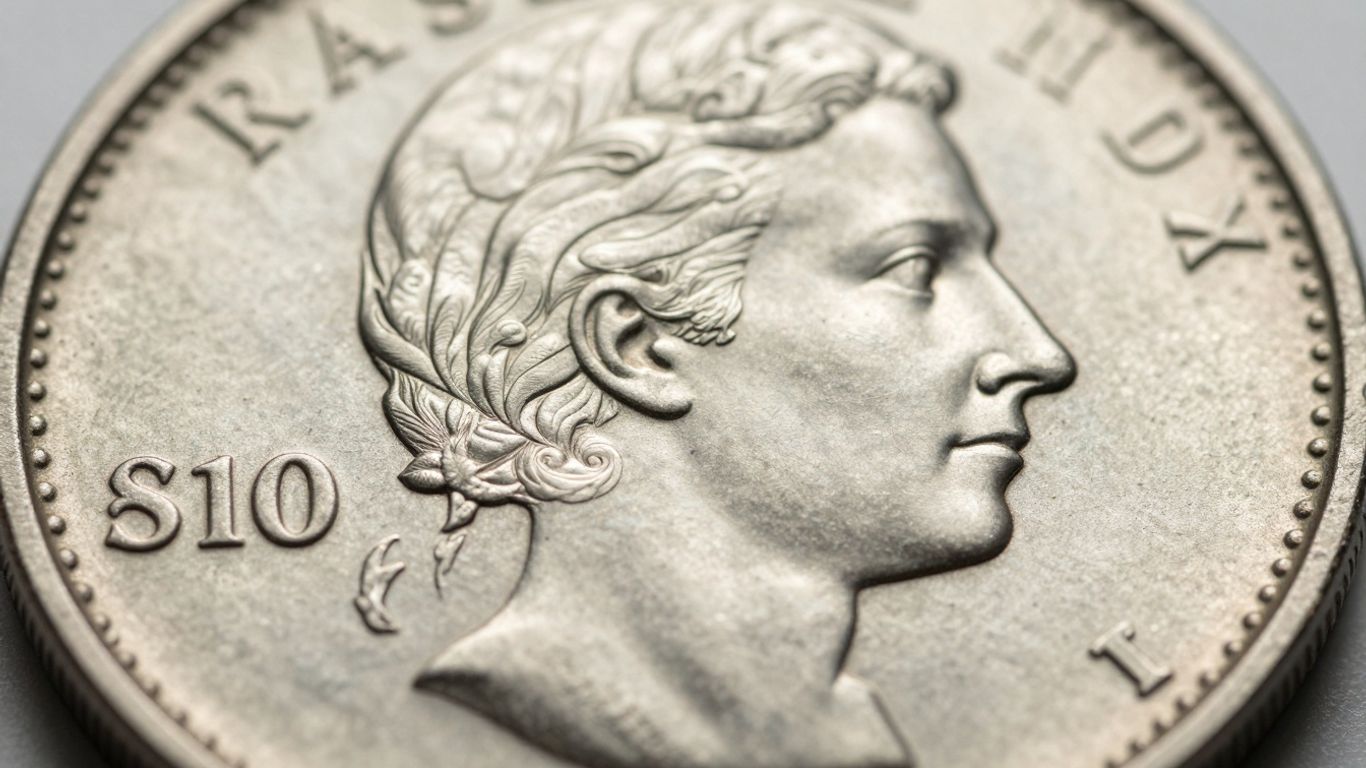
Sometimes, even with the best intentions and top-notch equipment, a coin just doesn’t come out looking quite right. A lot of things can mess with how well a coin is struck, turning what should be a sharp, clear image into something a bit… fuzzy. It’s not always the mint’s fault, though. Several elements play a role, and understanding them helps you appreciate why some coins look so much better than others.
Die Wear and Its Impact on Detail
Think of the dies as the stamps that create the coin’s image. When a mint starts using a new die, it’s sharp and ready to go. Every coin struck with that die takes a little bit of its detail away. Over time, this wear builds up. The raised areas of the design, like the hair on a portrait or the feathers on an eagle, start to get softer and less defined. It’s like using a rubber stamp over and over – eventually, the edges get rounded and the fine lines disappear. This gradual loss of detail is the most common reason for a weak strike. You’ll see it most on coins made in large numbers or those that were in use for a long time.
Here’s a quick look at what happens:
- New Die: Crisp, sharp details, full definition in all design elements.
- Moderately Used Die: Some softening of fine details, especially on high points. Legends might start to lose some sharpness.
- Heavily Worn Die: Significant loss of detail, mushy appearance, missing elements, and weak or illegible legends.
Minting Errors and Their Effect on Strike
Beyond normal wear and tear, sometimes things go wrong during the minting process itself. These are errors, and they can really mess with the strike quality. One common issue is a die chip, which is a small piece of the die that breaks off. When a coin is struck with this damaged die, you’ll see a small blob or raised lump of metal in that spot on the coin. It’s not part of the intended design at all.
Another problem can be die cracks. These are thin lines that form on the die surface. Coins struck with a cracked die will show a raised line running across their surface. While some collectors actually seek out coins with certain die cracks or chips because they are unique identifiers, they definitely affect the overall appearance and perceived quality of the strike.
Die Alignment and Its Visual Consequences
Die alignment refers to how the two dies (the one for the front, or obverse, and the one for the back, or reverse) line up with each other when the coin is struck. Ideally, they should be perfectly centered and parallel. When they aren’t, you get alignment issues.
- Misaligned Dies: If the dies are slightly off-center, one side of the coin might look stronger than the other. You might see full detail on one side and weaker, mushy detail on the opposite side because the full force of the strike wasn’t applied evenly.
- Out-of-Parallel Dies: If the dies aren’t hitting flat against each other, the coin can be struck harder on one edge than the other. This can result in one side of the coin being well-struck while the other side is weak, or you might see a "tilting" effect where the design appears to be sinking into the coin on one side.
Understanding these factors—die wear, manufacturing errors, and alignment issues—is key to appreciating why a coin might have a weak strike. It’s not just about how much metal moved, but also about the condition of the tools and the precision of the process itself. A coin that looks ‘off’ often has a story behind its imperfect strike.
These issues can make a coin look less impressive, even if it’s otherwise in great condition. It’s a reminder that perfection in minting is a tough goal to hit every single time.
Evaluating Strike Quality In Practice
So, you’ve got a coin in your hand and you want to figure out how well it was struck. It’s not just about looking at the date or the mint mark, you know? You really need to get in there and see how the design came out. It’s like looking at a photograph – is it sharp and clear, or a bit fuzzy?
Examining High Points Of The Design
When you’re looking at a coin, especially the parts that stick out the most, that’s where you can really tell if the strike was good. Think about the hair on a portrait, or the feathers on an eagle, or maybe the points on a star. If these details are sharp and you can see every little line, that’s a sign of a strong strike. If they look rounded off, or like they’re just sort of blended together, the strike was probably weak. It’s like the metal didn’t quite get pushed into every nook and cranny of the die.
- Check the hair details: Are individual strands visible, or is it a smooth blob?
- Look at the eagle’s feathers: Can you count them, or do they look like a general mass?
- Inspect the highest points of relief: These areas often show wear first, but a good strike means they should be well-defined, not mushy.
Assessing Detail On The Coin's Surface
Beyond just the highest points, you want to look at the overall surface. A well-struck coin will have clear lines and textures everywhere the design intended. This includes things like the fine lines in a pattern, the lettering around the edge (the legend), and even tiny elements like designer’s initials if they’re present. Sometimes, you’ll see coins where the center looks okay, but the edges are a bit soft. That tells you something about how the metal flowed during minting.
A coin’s surface tells a story about its journey from the mint. A strong strike means the metal was forced with enough pressure to capture all the intricate details the die maker intended. Weak strikes often result from dies that have been used too much, losing their sharpness over time, or from insufficient pressure during the minting process itself.
The Importance Of Designer's Initials
Speaking of designer’s initials, these are often tiny and placed in a specific spot on the coin. They are a perfect test for strike quality. If you can see these little letters clearly, it usually means the rest of the coin’s details are also well-struck. If they’re missing or look like smudges, it’s a pretty good indicator of a weak strike, especially if they’re supposed to be prominent.
Magnification Tools For Strike Assessment
Sometimes, you just can’t see all the fine points with the naked eye. That’s where a magnifying glass or a jeweler’s loupe comes in handy. Using magnification lets you get a much closer look at those tiny details, like the designer’s initials or the fine lines in a pattern. It helps you distinguish between a coin that’s just a bit worn and one that never had a strong strike to begin with. It’s amazing what you can see when you zoom in a bit!
Strike Quality And Coin Grading
When you’re looking at coins, especially if you’re thinking about their value or how rare they might be, the quality of the strike is a really big deal. It’s not just about how worn a coin is; it’s about how well the mint actually made it in the first place. Think of it like this: a coin can be technically "uncirculated" but still look kind of dull or mushy if the strike was weak. That’s where grading comes in, and strike is a major part of that.
Strike As A Key Grading Factor
The whole point of grading is to give a coin a number, usually on a scale from 1 to 70, that tells everyone its condition. This number helps set the price. A coin with a great strike, meaning all the details are sharp and clear, will almost always get a better grade than a coin that looks soft or incomplete, even if they have the same amount of wear. For example, a coin that’s supposed to have tiny feathers on an eagle might look like just a blob if the strike was bad. That coin is going to get a lower grade, plain and simple.
- Sharpness of Details: Are the lines in the hair, the feathers on a bird, or the letters in the date all clear and well-defined?
- Completeness of Design: Does the entire design appear to be present, or are some parts missing or faded?
- Metal Flow: Did the metal in the die move properly to fill every nook and cranny of the design?
How Strike Influences Eye Appeal
Eye appeal is what makes a coin attractive to collectors. A coin with a strong strike just looks better. The details pop, the surfaces can have a nice luster, and it generally looks more pleasing to the eye. A weak strike can make a coin look flat and uninteresting, no matter how much original mint shine it might still have. It’s that visual impact that often makes collectors willing to pay more for a coin with a superior strike.
A coin’s strike quality is a direct reflection of the minting process. When dies are new and properly aligned, they impart the full detail of the design onto the coin. As dies wear down or if there are issues during striking, the resulting coin will show a loss of detail, impacting its overall appearance and grade.
Strike Designations And Condition Rarity
Sometimes, grading services will add special notes to a coin’s grade to highlight exceptional strike quality. You might see terms like "Full Bands" on Mercury dimes or "Full Head" on certain quarters. These aren’t just random additions; they point to coins that were struck exceptionally well, making them rarer than other coins of the same numerical grade. This is what we call "condition rarity" – the rarity isn’t just about how many were made, but how many were made perfectly. A coin with a perfect strike, even if it’s not a super rare date, can be much more valuable because of that technical perfection. It’s the difference between a good coin and a great one.
Special Strike Characteristics
Some coins, due to their design, have specific areas that are really tough to get struck well. When these areas are fully struck, it can make a big difference in a coin’s value and how collectors see it. It’s like finding a hidden gem within the grading system.
Full Bands on Mercury Dimes
Mercury dimes, minted from 1916 to 1945, have a fasces on the reverse. This is a bundle of rods with an axe, and it has horizontal bands holding it together. For a dime to get a "Full Bands" (FB) designation, those two middle bands on the fasces need to be clearly separated, and you should also see separation on the bands at the top and bottom. It sounds simple, but it’s surprisingly hard to get right. A really well-struck Mercury dime with Full Bands can be worth a lot more than one without, especially for certain dates.
Full Head Designations on Quarters
Standing Liberty quarters, made between 1916 and 1930, feature Lady Liberty on the obverse. Her head is a really detailed part of the design, and it’s often one of the first things to get weak on a poorly struck coin. To earn a "Full Head" (FH) designation, Liberty’s head needs to be fully detailed. This means you should be able to see three distinct leaves in her hair, a clear hairline along her forehead, and even a little indentation for her ear. Getting this level of detail is tough, and for some key dates, a Full Head is incredibly rare, leading to big price jumps.
Proof Coin Strike Perfection
Proof coins are made differently than regular circulation coins. They’re struck multiple times with specially polished dies to get super sharp details and a mirror-like finish. Because of this, collectors expect proof coins to be virtually perfect in terms of strike. Any weakness in detail, especially on high points of the design, is a major flaw for a proof coin. The expectation is that every single element, from the tiniest hair to the largest surface, should be as crisp as possible. A proof coin that meets this high standard is really something special.
The Edge: An Often-Overlooked Detail
You know, when we talk about coins, we usually focus on the shiny bits, the pictures, and the words. But there’s this whole other part of the coin that most people just ignore: the edge. It’s like the coin’s side hustle, and honestly, it can tell you a lot. Sometimes, the edge is where the real story is.
Examining Reeded Edges
Most coins you see have these little grooves running around the edge. They’re called reeding, and they weren’t just for looks. Back in the day, when coins were made of precious metals, people would shave off tiny bits of the metal from the edges to hoard it. This was called ‘clipping.’ The reeding made it super obvious if someone had tampered with the coin. Think of it as an early security feature. Today, most reeding is more for tradition, but it’s still a sign of a well-made coin. If the reeding is weak or uneven, it might point to a weaker strike or even a minting error.
Identifying Plain Or Lettered Edges
Not all coins have reeding, though. Some have plain, smooth edges. This can be normal for certain coin series or older issues. For example, some early American coins have plain edges. Then there are coins with lettered edges. This is where you’ll find inscriptions, like "IN GOD WE TRUST" or the coin’s weight and purity information on some modern bullion coins. You really have to tilt these under a good light to read them properly. It’s a neat way to pack more info onto a coin, and it can also be a sign of a strong strike if the letters are clear and well-defined.
Edge Security Features On Modern Coins
These days, especially with collectible and bullion coins, mints are getting creative with edges. They’re adding special patterns, micro-lettering, or even unique textures. It’s all about making counterfeits harder to produce. For instance, some gold or silver coins might have a repeating pattern of dots or lines that are difficult to replicate exactly. It’s a subtle detail, but for collectors focused on authenticity and quality, the edge can be a big clue. It shows the mint paid attention to every single aspect of the coin’s production.
The edge of a coin, often overlooked, serves multiple purposes from historical anti-tampering measures to modern security enhancements. Its appearance, whether reeded, plain, or lettered, can indicate the minting quality and authenticity of a coin. Paying attention to this detail can reveal a lot about the coin’s manufacturing process and its overall condition.
Beyond Strike: Other Quality Indicators
While a coin’s strike quality is super important, it’s not the only thing that makes a coin special. You’ve got to look at a few other things to really get a feel for its overall condition and potential value. Think of it like this: a car can have a perfect engine (that’s your strike), but if the paint is all scratched up or it’s missing the hubcaps, it’s not going to be worth as much, right?
Assessing Original Mint Luster
This is all about how the coin glows when it leaves the mint. It’s that frosty or satiny sheen you see on uncirculated coins. Original mint luster is a sign that the coin hasn’t been messed with or worn down by circulation. If a coin looks dull or has a strange shine, it might have been cleaned, dipped in chemicals, or polished. That kind of treatment really hurts a coin’s appeal and, let’s be honest, its value. You want to see that natural, vibrant glow that shows the coin is as close to mint condition as possible.
Detecting Surface Imperfections
Okay, so this is where you get down to the nitty-gritty. Even coins with a great strike and nice luster can have problems on their surface. We’re talking about things like tiny scratches, sometimes called hairlines, or even bigger gashes. You also need to watch out for things that look like they were added later, like wax, lacquer, or even glue. These aren’t natural and can hide other issues or just look plain bad. Sometimes, you’ll see what are called ‘contact marks’ – these are little nicks and dings from coins bumping into each other during the minting process or in bags.
Here’s a quick rundown of what to look for:
- Scratches: From fine hairlines to deep gouges.
- Pits or Porosity: Small indentations in the metal.
- Spots: Discolorations that can be environmental or chemical.
- Cleaning Marks: Swirling patterns or a lack of luster from improper cleaning.
- Added Substances: Wax, lacquer, or other coatings.
Understanding Contact Marks
Contact marks are pretty common, especially on coins that aren’t individually protected right away. They happen when coins rub against each other. Think about how coins are handled at the mint – they’re often in large bags or chutes. These bumps and scrapes can leave little nicks or abrasions on the coin’s surface. While some contact marks are expected, especially on lower-grade coins, excessive or deep ones can really detract from a coin’s appearance and grade. It’s all about how noticeable they are and where they’re located. A few light marks on a less-important part of the design might be okay, but a big scratch right across a portrait? That’s a problem.
When you’re looking at a coin, remember that grading isn’t just about one thing. It’s a combination of factors. A coin might have a fantastic strike, but if its surface is covered in scratches or it looks like it’s been polished, its overall quality and value will suffer. Always consider the whole picture.
Preserving Strike Quality
So, you’ve got a coin with a fantastic strike, all those sharp details and that crispness you love. That’s great! But what happens next? How do you keep it that way? It’s not just about finding a good coin; it’s about making sure it stays good. Think of it like keeping a classic car in showroom condition – it takes a bit of effort and knowing what not to do.
Proper Coin Storage Materials
First off, where you keep your coins matters. You don’t want to just toss them in a drawer or a cheap plastic bag. Those materials can actually harm your coins over time. We’re talking about things like PVC, which is found in some older plastic holders. Over years, it can break down and leave a nasty green residue on your coins, which is a real bummer and can seriously hurt their value. Always look for "archival quality" or "inert" materials. This means they won’t react with the metal of your coin.
Here are some good options:
- 2×2 Cardboard Holders: These are classic for a reason. They have a Mylar window (make sure it’s PVC-free!) and a cardboard frame. You can staple them shut, but be careful not to staple too close to the coin itself.
- Coin Albums: Many collectors love these. They have slots for specific coins, often organized by date and mint mark. Brands like Dansco or Whitman offer good archival-quality albums.
- Plastic Flips: If you go this route, double-check that they are made from Mylar or polyethylene, not PVC. They’re great for individual coin storage and easy to look through.
- Sealed Slabs: These are the hard plastic cases used by professional grading services like PCGS and NGC. They offer maximum protection but are more expensive.
Handling Coins To Prevent Damage
Okay, so you’ve got the right storage. Now, how do you actually handle these things? It’s surprisingly easy to damage a coin without even realizing it. Your fingers might seem clean, but they have oils and salts that can transfer to the coin’s surface. Over time, this can cause toning or even corrosion, especially on higher-grade coins where that original mint luster is so important.
- Wear Gloves: Cotton or nitrile gloves are your best friend. They create a barrier between your skin and the coin.
- Hold by the Edge: If you absolutely must handle a coin without gloves (try not to!), always grip it by its edge. Never touch the flat surfaces – the obverse (front) or reverse (back).
- Use Proper Tools: For moving coins around, especially in albums or holders, a pair of soft-tipped tweezers can be helpful. Just be gentle!
The Rule Of No Cleaning
This is probably the most important rule in coin collecting, and it’s one I learned the hard way early on. Never, ever clean your coins. I know, I know, sometimes a coin looks a little dull, and you think a quick wipe with a soft cloth or a gentle rinse might bring back some shine. Don’t do it. Cleaning almost always damages the coin’s surface in a way that collectors can spot from a mile away. It removes original mint luster, can create microscopic scratches, and essentially destroys the coin’s originality. A coin that has been cleaned, even if it looks a bit shinier, is worth significantly less than an uncleaned coin of the same grade.
Cleaning a coin, no matter how gently you think you’re doing it, is like taking a sander to a priceless painting. It might remove some dirt, but it also removes the original surface, the patina, and the history that makes the piece desirable. For numismatics, originality is king, and cleaning is the ultimate destroyer of that originality.
Think of it this way: that original surface, that mint luster, and even the way the metal moved during striking – these are all part of the coin’s story. Cleaning wipes away that story. So, resist the urge. If a coin is dirty, it’s usually better to leave it as is or consult with a professional conservator if it’s a truly rare and valuable piece with a serious preservation issue. For most collectors, though, the best policy is simply to avoid cleaning altogether.
Specialization And Strike Knowledge
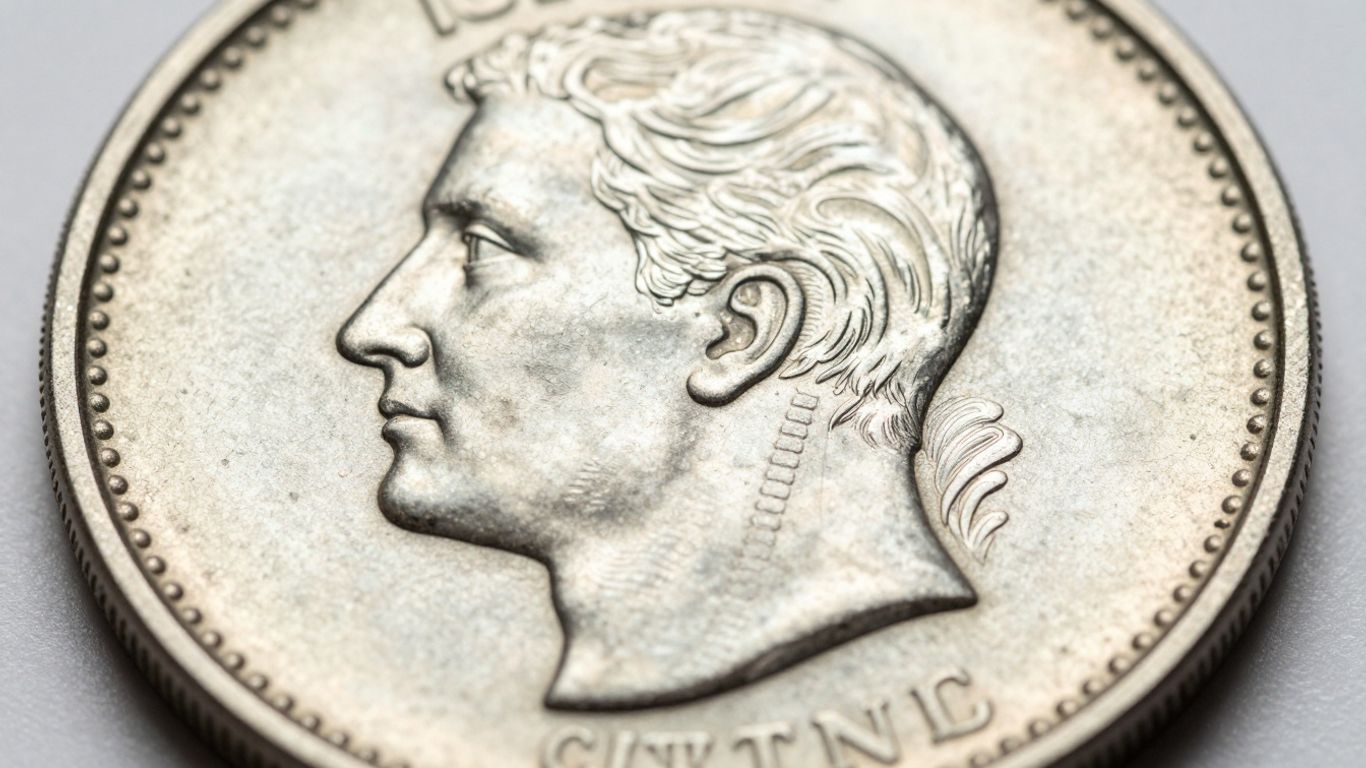
When you start collecting coins, it’s easy to get overwhelmed. There are so many dates, mint marks, and varieties to keep track of. That’s where specializing comes in. Focusing on a specific area, like a single coin series or a particular time period, is the fastest way to really learn the ropes. It lets you get super familiar with the nuances of grading, what prices have been doing, and any weird minting quirks. For instance, if you’re all about Standing Liberty Quarters, you’ll quickly learn which ones are usually weakly struck and what a genuine ‘Full Head’ designation actually looks like. This kind of focused knowledge is your best defense against paying too much or getting fooled by a bad coin. It’s like becoming an expert in your own little coin world, which really helps when you’re looking at what the grading services say.
Focusing On Specific Coin Series
Picking a coin series to specialize in means you’re going to spend a lot of time with those particular coins. You’ll start noticing patterns. Maybe a certain date is always a bit soft on the details, or perhaps a specific mint mark tends to have more die cracks. This deep dive helps you understand what’s normal for that series and what’s not. You’ll get a feel for what a ‘typical’ strike looks like for a 1916 Standing Liberty Quarter versus, say, a 1925. This isn’t just about knowing the rare stuff; it’s about understanding the whole production run.
Learning Weak Strike Dates
Every coin series has its problem children when it comes to striking. Some dates or mint marks were just harder to get right at the mint. Knowing these weak strike dates is super important. For example, certain Lincoln cents from the 1950s are known for having mushy details, especially on Lincoln’s hair or the wheat stalks on the reverse. If you’re looking at one of these and it’s surprisingly sharp, you might want to investigate further – is it a rare, well-struck example, or something else? Understanding these common weak spots helps you spot the truly exceptional coins.
Validating Third-Party Grading
Even the big grading companies can miss things, or sometimes their opinion might not perfectly match your own eye. This is where your specialized knowledge really shines. If you’ve spent years studying Mercury dimes and know exactly what a ‘Full Bands’ designation should look like, you can look at a graded coin and think, ‘Yep, that looks right,’ or ‘Hmm, I’m not so sure about that one.’ Your own informed opinion acts as a second check. It helps you decide if a coin is truly a good value for its grade or if maybe you can find a better one, even if it has the same numerical grade. It’s about building confidence in your own assessment skills.
Wrapping It Up
So, we’ve gone over a lot about coin strike quality, from what a good strike looks like to how it affects a coin’s overall appeal and worth. It’s not just about the big picture; the little details really matter here. Paying attention to how well the design came out, whether the metal filled the die properly, and if the details are sharp or a bit mushy, all adds up. It’s like learning to spot the difference between a quick sketch and a finished painting. The more you look at coins, the better your eye gets for these things. Keep practicing, keep looking, and you’ll start seeing these quality differences on your own, making your collecting journey even more rewarding.
Frequently Asked Questions
What exactly is a coin's 'strike quality'?
Strike quality refers to how well the coin’s design was stamped onto the metal. A great strike means all the tiny details are super clear and sharp, like every feather on an eagle or every letter in the words. A weak strike means some parts might look blurry or not fully formed, often because the metal tools (dies) used to make the coin were getting old and worn out.
How can I tell if a coin has a strong strike?
Look really closely at the coin, especially at the highest points of the design and the lettering. If everything is sharp, clear, and easy to see, that’s a strong strike. You should be able to see fine lines and details without any fuzziness. Think of it like a crisp, clear picture versus one that’s a bit out of focus.
What makes a coin's strike quality weak?
Usually, it’s because the ‘dies’ – the metal stamps used to create the coins – have been used too many times. As they get used, they lose their sharp edges and details. Also, sometimes the metal doesn’t flow perfectly into every nook and cranny of the die, leaving some parts looking less detailed. Errors during the minting process can also affect how well the design transfers.
Does strike quality really affect a coin's value?
Absolutely! A coin with a fantastic, sharp strike is usually worth more than an identical coin with a weak strike. Collectors and experts really value those clear, detailed designs because they show the coin was made with care and skill. It’s a big part of what makes a coin look good and desirable.
Are there special terms for strong strikes on certain coins?
Yes, for some popular coins, there are specific terms. For example, ‘Full Bands’ is used for Mercury dimes to show the horizontal bands on the reverse are very clear. For certain quarters, ‘Full Head’ means the details on the lady’s hair are sharp. These special terms point to a really well-struck coin.
What's the difference between a 'mint luster' and a 'strike'?
Strike is about how clear the design details are. Luster is about the shine or glow on the coin’s surface, like it just came from the mint. A coin can have a great strike but be dull if it’s been handled a lot, or it can have amazing luster but a weak strike. Both are important for a coin’s overall quality.
How do I check the edge of a coin?
The edge is the side of the coin. Some coins have ‘reeding,’ which are little grooves, like on a quarter. Others have smooth edges or even words or designs stamped on them. You just tilt the coin under good light to see what’s there. Sometimes, errors like a missing reeding can make a coin very special.
Should I use a magnifying glass to check strike quality?
Using a magnifying glass, especially a 10x one, is a great idea! It helps you see those super fine details that you might miss with just your eyes. It’s really useful for spotting crisp lettering, tiny design elements, and any small imperfections that affect the strike quality.