So, you’re thinking about getting into coin collecting, huh? It can seem a little overwhelming at first, with all the fancy terms and different types of coins out there. But honestly, it’s a pretty cool hobby. You get to learn a bit about history, find some neat-looking pieces, and maybe even end up with something valuable. This guide is here to break down understanding coin mint sets, making it less confusing so you can start building your own collection without feeling lost.
Key Takeaways
- Coin mint sets are collections of uncirculated or proof coins straight from the mint, perfect for starting out.
- Figure out what kind of coins you like – maybe old ones, ones from specific places, or ones that celebrate events.
- Learn some basic coin terms like ‘obverse’ (heads) and ‘reverse’ (tails) to talk about coins properly.
- You don’t need a ton of fancy stuff to start; a magnifying glass and some holders will do the trick.
- Buying from shops you trust and knowing how to spot fakes is super important for keeping your collection legit.
Understanding Coin Mint Sets: A Beginner's Overview
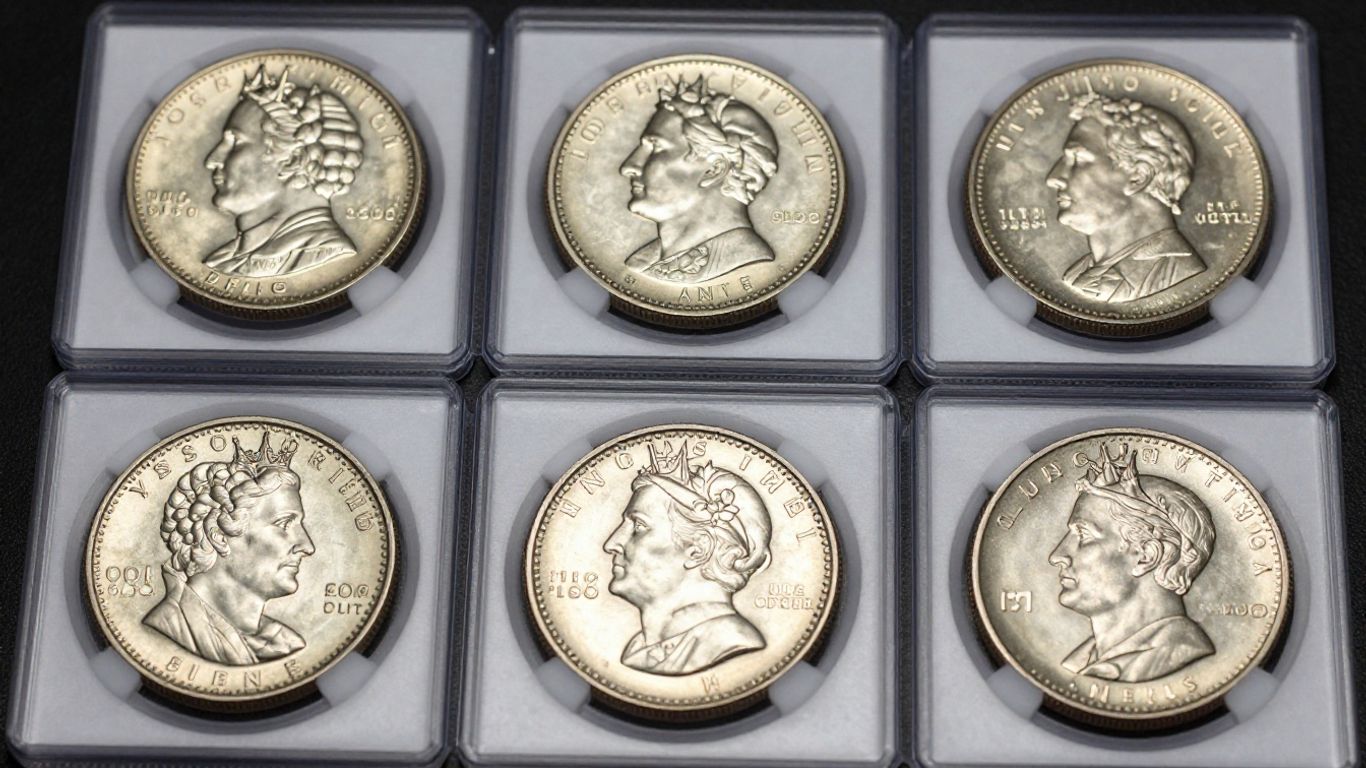
So, you’re thinking about getting into coin collecting, huh? It can seem a little overwhelming at first, with all the fancy terms and different types of coins out there. But don’t worry, we’re going to break it down. A coin mint set is basically a collection of uncirculated coins, all from the same year and minted at a specific facility, like the U.S. Mint. These sets are put together by the mint itself, usually in a special package, and they’re a fantastic way for new collectors to start building something special. They offer a clean, direct look at what coins were like right when they were made, before they ever saw the inside of a pocket or a vending machine.
What Constitutes A Coin Mint Set?
A coin mint set is more than just a handful of coins. It’s a curated package, typically released annually by a country’s mint. Inside, you’ll find a selection of that year’s circulating coins, all in their original, untouched condition. Think of it as a snapshot of the year’s coinage, straight from the source. These sets usually include both the
Exploring Different Types Of Coin Sets
When you first start looking into coin collecting, you’ll quickly see there are a bunch of different ways people put sets together. It’s not just about grabbing any old coins; there are specific categories that collectors often focus on. Understanding these types can really help you figure out what might be interesting for you to collect. Mints globally have a long-standing tradition of issuing annual coin sets, originally intended for ceremonial purposes or as gifts. These curated collections of coins struck in a specific year have a rich history.
Classic Uncirculated Coin Sets
These are probably the most straightforward type of set for a beginner. A classic uncirculated set usually contains a complete year’s run of circulating coins, all in their original condition straight from the mint. They haven’t been handled or spent, so they look just as they did when they were first made. Think of it as getting a snapshot of the year’s coinage. They’re a great way to start because they’re generally affordable and give you a solid base for your collection. You get all the denominations for that year, from the smallest cent to the largest dollar coin, all in one package.
Proof Coin Sets
Proof coins are a bit different. They’re made using special techniques to give them a really high-quality finish, often with mirror-like surfaces and frosted designs. They’re not meant for everyday spending; these are made specifically for collectors. Proof sets usually include a selection of coins from a particular year, just like uncirculated sets, but with that extra special finish. They can be more expensive than uncirculated sets because of the extra effort and care that goes into making them. If you like coins that really shine and have a detailed look, proof sets might be your thing.
Commemorative Coin Collections
Commemorative coins are issued to honor specific events, people, or places. They can be really interesting because they often tell a story or mark a significant moment in history. You might find coins celebrating national holidays, famous figures, or important anniversaries. These collections can be super diverse, ranging from simple designs to elaborate artwork. They offer a way to connect with history through the coins themselves. If you have a particular interest in history or a specific event, building a commemorative collection can be a really rewarding path. You can find these coins in both uncirculated and proof finishes, so there’s a lot of variety to explore.
Collecting coins is a journey, and the type of set you choose is just the first step. It’s about finding what sparks your interest and building something that you enjoy looking at and learning about. Don’t feel pressured to go for the most expensive or rarest items right away. Start with what feels right for you.
Defining Your Collecting Focus
So, you’ve got a mint set, or maybe you’re thinking about getting one. That’s cool. But where do you go from here? It’s easy to get overwhelmed with all the coins out there. The trick is to figure out what you actually like. Don’t just collect what everyone else is collecting; find your own path.
Identifying Personal Interests
Think about what sparks your curiosity. Are you into history? Maybe a specific time period or event? Or perhaps you’re drawn to the art and design of coins? It could be as simple as liking the look of a particular coin or series. For instance, I once met a collector who only focused on coins featuring animals. Totally unique, right? It made his collection stand out and gave him a clear direction.
Thematic Collection Ideas
Once you have a general idea, you can narrow it down. Themes can make collecting more engaging and give your collection a story. Here are a few ideas to get you thinking:
- U.S. State Quarters: A popular choice for beginners, each quarter has a unique design representing a state. It’s a great way to learn about geography and state history.
- Presidential Dollars: These coins feature different U.S. presidents on them. You can collect them in order of presidency or by the mint they came from.
- World Coins: If you’re interested in global history and cultures, collecting coins from different countries can be fascinating. You could focus on a specific continent, a group of nations, or even coins from countries that no longer exist.
- Error Coins: Some collectors love finding coins with minting mistakes. These can be quite rare and interesting to study.
Focusing On Specific Coin Types
Another way to define your focus is by the type of coin itself. This could mean sticking to a particular denomination, like only collecting dimes or half dollars. Or, you might decide to collect coins from a specific mint (like the Philadelphia or Denver mint) or focus on coins made from a particular metal, such as silver coins.
Deciding on a collecting focus isn’t about limiting yourself; it’s about giving your collection purpose and making the hunt more enjoyable. It helps you learn more deeply about the specific area you choose and makes your collection more cohesive and interesting to you and others.
Essential Terminology For Understanding Mint Sets
Alright, so you’re diving into the world of coin mint sets, and that’s pretty cool. But before you start grabbing every shiny disc you see, let’s get you up to speed on some of the lingo. It’s like learning the rules of a game before you play – makes everything a lot less confusing.
Understanding 'Obverse' And 'Reverse'
Think of a coin like a tiny, round book. It has two sides, right? In coin talk, we call the front side the ‘obverse’. This is usually where you’ll find the main portrait, like a president’s head or a national symbol. The back side? That’s the ‘reverse’. It typically features the coin’s design, like an eagle or a historical scene. It’s pretty standard to identify a coin by what’s on its obverse.
Defining 'Face Value' And 'Mint Condition'
‘Face value’ is just what the coin is supposed to be worth as money. A quarter has a face value of 25 cents, simple as that. But that’s not what makes it interesting to collectors. ‘Mint condition’ is where things get exciting. This means the coin looks like it just came off the minting press – no scratches, no wear, just perfect. It’s like a brand-new car versus one that’s been driven for years.
Circulation Versus Non-Circulation Coins
This is a big one. ‘Circulation coins’ are the ones you find in your pocket change. They’ve been used for buying stuff, so they usually show some wear and tear. ‘Non-circulation coins’, on the other hand, are made specifically for collectors. They’re never meant to be spent. Mint sets usually contain these non-circulation coins, which is why they look so good.
Here’s a quick rundown:
- Circulation Coins: Used in everyday transactions. You might find these in your change.
- Non-Circulation Coins: Made for collectors, not for spending. These are typically found in mint sets or proof sets.
Knowing these terms helps you understand what you’re looking at. It’s not just about pretty metal; it’s about the story and the state of the coin. When you see ‘mint condition’ or ‘uncirculated’, it tells you this coin hasn’t been through the wringer like the quarters you get from the bank.
Getting Started With Your Collection
So, you’ve decided to dip your toes into the world of coin collecting. That’s awesome! It can feel a little overwhelming at first, but honestly, getting started is simpler than you might think. The key is to just begin and let your interests guide you. Don’t worry about having the rarest or most expensive coins right away; everyone starts somewhere.
Simple Steps To Begin Collecting
Starting a coin collection doesn’t require a huge budget or a specialized degree. You probably already have the makings of a collection in your pocket or purse! Here’s a straightforward way to get going:
- Look at your change: Seriously, just start paying attention to the coins you get back from everyday purchases. You might find interesting mint marks, older dates, or even minor errors that catch your eye. It’s a free way to begin building a base.
- Pick a starting point: What sparks your curiosity? Is it a specific country, a historical era, or maybe a particular design? Focusing on something manageable, like U.S. state quarters or coins from your birth year, makes the process less daunting.
- Get some basic supplies: You don’t need fancy equipment. A simple folder or album designed for coins is a great first step to keep things organized and protected.
Acquiring Your First Coins
Once you’ve got a feel for what you’re looking for, it’s time to actively find some coins. This is where the fun really begins!
- Pocket Change: As mentioned, this is the most accessible source. Keep an eye out for anything that looks different or noteworthy.
- Friends and Family: Let people know you’re collecting. They might be happy to pass along any interesting coins they come across.
- Local Coin Shops: These are fantastic places to browse. You can see a variety of coins up close and often find affordable options for beginners. The owners are usually very knowledgeable and happy to help.
- Online Marketplaces: Be cautious here, but reputable online dealers can offer a wide selection. Always check seller reviews and descriptions carefully.
The most important thing when acquiring coins is to buy what you like and what you can afford. Don’t get caught up in chasing trends or what others are collecting. Your collection should be a reflection of your personal interests and bring you joy.
The Importance Of Starting Small
It’s tempting to want to acquire a massive collection overnight, but that’s usually not the best approach. Starting small has several benefits:
- Learn as you go: Focusing on a few coins at a time allows you to research them thoroughly. You’ll learn about their history, minting process, and condition without feeling overwhelmed.
- Manage your budget: Collecting can become expensive quickly if you’re not careful. Starting with a few affordable pieces helps you establish a budget and stick to it.
- Avoid mistakes: When you’re new, you’re more likely to make purchasing errors. By starting small, the impact of any mistakes is minimized, giving you a chance to learn from them.
Think of your first few coins as the foundation of your collection. Build it slowly, thoughtfully, and with enjoyment.
Building Your Coin Collecting Toolkit
Alright, so you’re ready to start building your coin collection. That’s awesome! You don’t need a ton of fancy gear to get going, honestly. Think of it like starting any new hobby – you begin with the basics and add more specialized stuff as you get more into it. Having the right tools, even simple ones, makes a big difference in how you enjoy and care for your coins.
Basic Supplies For New Collectors
When you’re just starting out, you can get by with just a few things. These aren’t going to break the bank, and they’ll help you handle and look at your coins without damaging them. It’s all about protecting your new treasures from the get-go.
- Soft cloth or gloves: To handle coins without leaving fingerprints. Oils from your skin can actually damage the surface over time, especially on uncirculated coins.
- Small, soft brush: Useful for gently dusting off loose debris. Think of it like a tiny, delicate duster for your coins.
- A notebook and pen: To keep track of what you have, where you got it, and any notes you want to make. This is super helpful for remembering details.
Magnifying Glasses For Detail
This is where things get a bit more interesting. You’ll want to be able to see the details on your coins, right? A magnifying glass is your best friend here. It lets you check out the minting details, look for wear, and spot any interesting features you might have missed with the naked eye.
There are a few types you might consider:
- Handheld Magnifier: The most common type. Look for one with a decent magnification power, maybe 5x to 10x. A built-in light can be a real bonus, especially if you’re looking at coins in less-than-ideal lighting.
- Loupe: These are smaller, often used by jewelers, but work great for coins too. They usually offer higher magnification and are good for close-up inspection.
Protective Holders And Albums
Once you’ve got a coin you like, you don’t want to just toss it in a drawer. That’s a recipe for scratches and damage. You need to protect them. This is where holders and albums come in. They keep your coins safe and also make your collection look neat and organized.
- Coin Flips (2x2s): These are small plastic sleeves, often made of Mylar, that you can fold in half. You put the coin in one side and can write information on the other. They’re cheap and good for individual coins.
- Coin Tubes: If you have a bunch of similar coins, like a roll of quarters, these plastic tubes are perfect for keeping them together and protected.
- Coin Albums: These are books with pre-cut slots for specific coins or series. They’re great for organizing a set, like all the state quarters, and they look really nice on a shelf.
Remember, the goal with your toolkit is to help you see, handle, and store your coins safely. Don’t feel pressured to buy the most expensive items right away. Start with what you need and upgrade as your collection grows and your interests become clearer. It’s about enjoying the process and keeping your coins in good shape for years to come.
Assessing Coin Condition And Value
So, you’ve got some coin sets, and now you’re wondering, "How good are they?" That’s where assessing condition and value comes in. It sounds complicated, but it’s really about looking closely and knowing a few key things. The better the condition, generally the higher the value. It’s not just about how old a coin is; its state of preservation plays a massive role.
Introduction To Coin Grading
Think of grading as giving a coin a report card. It’s a way to describe exactly how worn or perfect a coin is. This is super important because two coins that look almost identical can have very different prices based on their grade. It helps everyone speak the same language when talking about a coin’s quality.
Understanding The Sheldon Scale
This is the standard way coin folks talk about grades. It’s a number from 1 to 70. A ‘1’ is basically a mess, barely recognizable, while a ’70’ is absolutely perfect, like it just came off the minting press yesterday. Most coins you’ll encounter will fall somewhere in the middle. Here’s a quick peek at what some of those numbers mean:
- 70 (Mint State/Proof): Flawless. No wear, full original luster, perfect strike. Basically, as good as it gets.
- 60-65 (Mint State): These are uncirculated coins, meaning they haven’t been used as money. They look great, with maybe a few minor bag marks or hairlines visible under magnification.
- 50-58 (About Uncirculated/Extremely Fine): You might see a little bit of wear on the highest points of the design, but it’s still pretty sharp. It’s seen a little bit of life but not much.
- 40-45 (Very Fine): Moderate wear is visible, but the main details of the coin are still clear.
- 20-35 (Fine): Significant wear, but the coin’s design is still quite visible. You can make out the main features.
- 10-15 (Good): Heavy wear, and some details might be worn flat. It’s recognizable but definitely seen better days.
- 1-7 (Poor/Fair): Very heavily worn, often damaged, and barely identifiable.
Factors Influencing Coin Value
So, what makes one coin worth more than another, even if they’re the same grade? A few things come into play:
- Rarity: How many of these coins were made, and how many still exist in that specific condition? Fewer coins usually mean higher value.
- Demand: Are a lot of people looking for this particular coin? Popular coins with lots of collectors chasing them will cost more.
- Condition (Grade): We just talked about this, but it’s worth repeating. A higher grade means more value.
- Mint Mark: Sometimes, where a coin was made (like Philadelphia ‘P’, Denver ‘D’, or San Francisco ‘S’) can make a big difference in how rare and valuable it is.
- Errors: Coins with mistakes during the minting process, like double strikes or off-center designs, can sometimes be worth a lot more to collectors who like unique pieces.
- Metal Content: For coins made of gold, silver, or platinum, the actual metal value is a baseline for their worth, especially for bullion coins.
When you’re starting out, don’t get too caught up in the super-rare, high-grade stuff. Focus on learning how to spot condition and understand the basic value drivers. It’s a skill that develops over time with practice and looking at lots of coins. You’ll get a feel for it.
To get a general idea of what coins are worth, you can check out resources like the
Navigating The World Of Coin Dealers
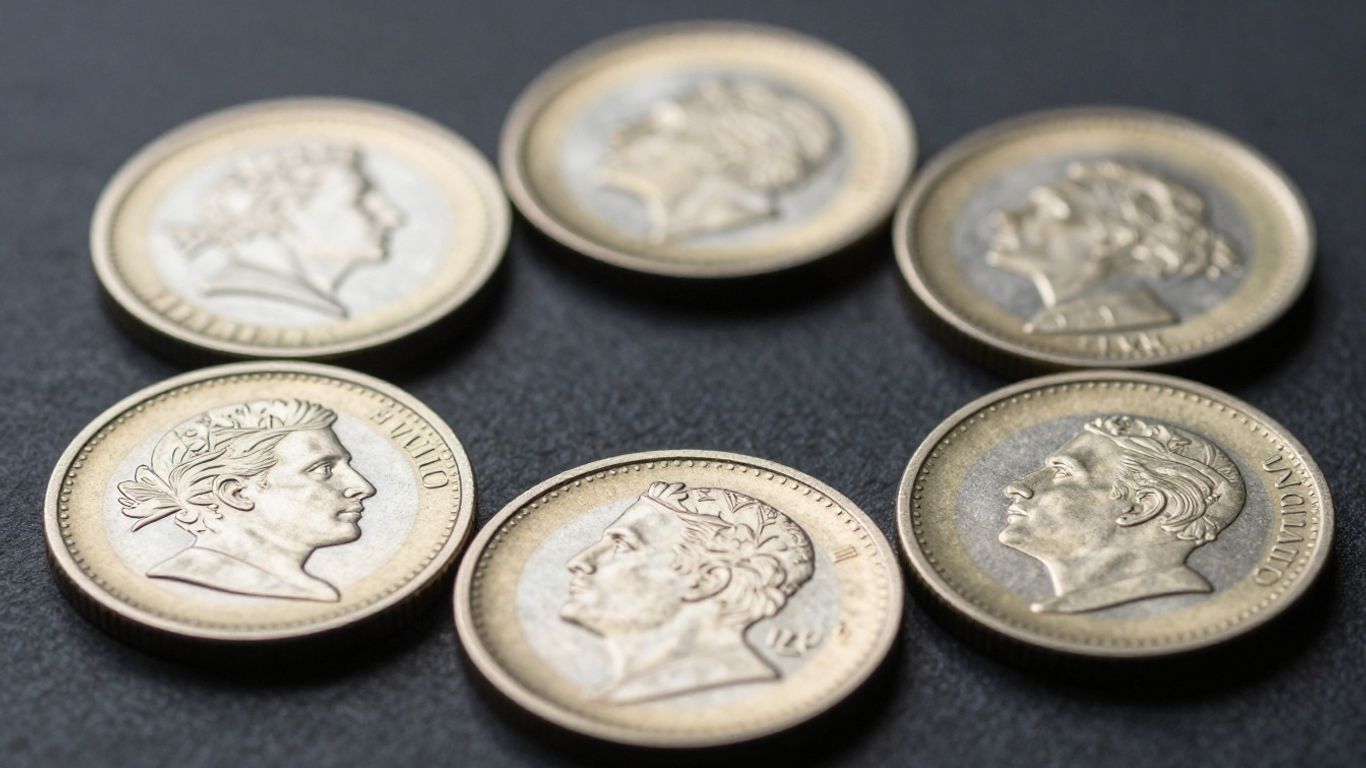
Alright, so you’ve got a growing pile of coins and you’re thinking about adding some more, or maybe even selling a few. Where do you even start? Dealing with coin dealers can seem a bit intimidating at first, but it doesn’t have to be. Think of them as guides who can help you find what you’re looking for, or get a fair price for your treasures.
Choosing Reputable Dealers
This is probably the most important step. You want to work with people who are honest and know their stuff. A good dealer will be upfront about prices, coin conditions, and any fees involved. They should also be willing to answer your questions, no matter how basic they might seem. It’s like finding a mechanic you trust – once you find one, you stick with them.
- Look for dealers with a long history in the business. Someone who’s been around for decades likely knows what they’re doing and has built a good reputation. For example, J&M Coins has been a trusted Canadian dealer for over 50 years, specializing in rare coins, banknotes, bullion, and jewelry. They offer a reliable platform for transactions in precious metals and numismatic items.
- Check for affiliations with numismatic organizations. Groups like the American Numismatic Association (ANA) often have standards for their members.
- Ask other collectors for recommendations. Word-of-mouth is a powerful tool in the collecting community.
- Visit their shop or website. Does it look professional? Is there clear contact information?
Deals that sound too good to be true usually are. Always be a little skeptical and do your own research before making a big purchase or sale.
Avoiding Counterfeit Coins
Sadly, fake coins exist. They can range from simple alterations to outright forgeries. A reputable dealer will be just as keen to avoid selling fakes as you are to avoid buying them. They’ll have the knowledge and tools to spot them.
Here’s how you can protect yourself:
- Buy from established dealers. They have a reputation to uphold and are less likely to deal in counterfeits.
- Learn the basics of spotting fakes. Pay attention to weight, the sharpness of details, and the overall color and luster of the coin. Does it look ‘off’ in any way?
- Compare suspect coins to known genuine examples. Sometimes a side-by-side comparison can reveal differences.
- Be wary of coins with unusually low prices. If a rare coin is being offered for a fraction of its market value, it’s a major red flag.
The Role Of Authentication Services
For valuable coins, especially those you’re considering for investment, professional authentication is a smart move. Services like PCGS (Professional Coin Grading Service) and NGC (Numismatic Guaranty Company) examine coins and encapsulate them in a tamper-evident holder if they are genuine and meet certain grading standards. This process adds a layer of security and can significantly increase a coin’s marketability and value. It’s like getting a seal of approval from an expert panel. While it costs money, for significant pieces, it’s often well worth the peace of mind and the boost in value it provides.
The Investment Aspect Of Coin Collecting
So, you’ve got a pile of shiny coins, and you’re wondering if they’re worth more than just their face value. For many people, coin collecting isn’t just about history or pretty pictures; it’s also about the potential for their collection to grow in value over time. It’s like having a little piece of history that might just pay off down the road.
Potential For Appreciation
Some coins, especially those that are rare or made from precious metals, can increase in worth. Think about it – if only a limited number of a certain coin were ever made, and lots of people want it, the price naturally goes up. It’s basic supply and demand, really. The key is finding those coins that have a good chance of becoming more sought after in the future. This often means looking at coins with low mintages, special historical significance, or those made from gold or silver.
Precious Metal Coin Investments
Coins made from gold, silver, platinum, or palladium are a bit different. Their value is directly tied to the price of the metal itself, which can change daily. But beyond the metal content, these coins can also gain value if they’re rare or have a special design. For example, a gold coin from a country that no longer exists might be worth more than just the gold it contains because it’s a piece of history. It’s a way to invest in precious metals while also owning something tangible and potentially collectible.
Here’s a quick look at how precious metal coins might be viewed:
| Metal | Common Coin Types | Investment Angle |
|---|---|---|
| Gold | American Gold Eagles, Canadian Maple Leafs | Tied to gold prices, potential numismatic premium |
| Silver | American Silver Eagles, Morgan Dollars (older) | Tied to silver prices, often collected for history |
| Platinum | Platinum Maple Leafs, American Platinum Eagles | Less common, value tied to platinum prices |
| Palladium | Russian Palladium, Canadian Palladium Maple Leafs | Rarest of the precious metals, volatile pricing |
Long-Term Collection Value
Building a collection that holds or increases in value takes time and a bit of smart planning. It’s not usually a get-rich-quick scheme. You need to do your homework, understand what makes a coin desirable, and be patient. Sometimes, a coin that seems ordinary today might become a hot item years from now due to changing trends or new historical discoveries. It’s about building a legacy, a collection that you can enjoy now and potentially pass on to someone else later, who can continue to appreciate its worth.
When considering coins as an investment, it’s wise to remember that the market can be unpredictable. While some coins have seen significant growth, others may not perform as expected. Diversifying your collection and focusing on coins you genuinely find interesting can help balance the potential for financial gain with the personal satisfaction of collecting.
Here are a few things to keep in mind for long-term value:
- Condition is King: Coins in mint condition, or close to it, almost always fetch higher prices.
- Rarity Matters: The fewer coins there are, the more potential value they hold.
- Demand Drives Price: Even a rare coin needs people who want to buy it.
- Historical Context: Coins tied to important events or figures often have added appeal.
Preserving Your Coin Mint Set
So, you’ve got your hands on a shiny new coin mint set, and you’re wondering how to keep it looking its best. It’s not rocket science, but there are definitely some things you’ll want to do – and some you’ll absolutely want to avoid. Think of it like taking care of a delicate old photograph; you wouldn’t just toss it in a drawer, right?
Proper Storage Techniques
First off, storage is key. You need to keep your coins safe from the elements and from accidental damage. The goal is to create a stable environment. This means finding a spot that’s cool, dry, and away from direct sunlight. Humidity is a big enemy here, as it can lead to toning or even corrosion over time. Also, avoid places with big temperature swings. Think of a closet in a climate-controlled part of your house, not the attic or a damp basement.
When it comes to holders, you’ve got options. Archival-quality, acid-free materials are your best bet. This includes things like Mylar flips or specialized coin albums. Whatever you choose, make sure it’s designed for coins and doesn’t contain PVC (polyvinyl chloride). PVC can break down over time and release chemicals that damage the coin’s surface. It’s a slow process, but it can ruin a coin’s finish.
The Dangers Of Cleaning Coins
Now, let’s talk about cleaning. This is where a lot of new collectors make a mistake. It’s really tempting to want to polish up a coin that looks a bit dull or has some smudge on it. But here’s the golden rule: don’t clean your coins. Seriously. Cleaning almost always reduces a coin’s value. Why? Because it can remove the natural patina, which is like the coin’s history and character. It can also create microscopic scratches that are visible under magnification. Even if you think you’re being gentle, you’re likely doing more harm than good. If a coin has loose dirt, the safest bet is to rinse it with distilled water and let it air dry on a soft cloth. For anything more serious, it’s better to leave it alone or consult a professional conservator. You can find more tips on handling and storage on the American Numismatic Association website.
Maintaining Mint Condition
Keeping your coins in mint condition is all about consistent, careful handling and storage. Here’s a quick rundown:
- Handle with Gloves: Always use cotton gloves when you’re handling your coins. Skin oils contain acids that can damage the metal over time. Even if you think your hands are clean, oils are invisible.
- Hold by the Edges: When you do need to pick up a coin, always grasp it by its edge between your thumb and forefinger. Avoid touching the main surfaces (obverse and reverse) at all costs.
- Use Proper Holders: Invest in coin holders, flips, or albums made from inert, archival materials. Avoid anything that feels flimsy or smells chemically.
- Controlled Environment: Store your collection in a stable environment – cool, dry, and out of direct light. This helps prevent toning and degradation.
The biggest takeaway is that preservation is about preventing damage, not trying to ‘improve’ a coin’s appearance. The original surfaces and toning are part of what gives a coin its appeal and historical context. Messing with that is usually a bad idea for value and authenticity.
By following these simple steps, you’ll be well on your way to keeping your mint sets looking great for years to come. It’s a small effort that makes a big difference in protecting your collection’s integrity and potential value.
Joining The Numismatic Community
So, you’ve started building your coin collection, maybe you’ve got a few mint sets under your belt, and you’re starting to feel that numismatic bug. That’s awesome! But honestly, collecting coins can feel a little lonely sometimes if you’re just doing it all on your own. The good news is, you don’t have to be a lone wolf. There’s a whole world of people out there who are just as into coins as you are, and they’re usually pretty happy to share their passion.
Connecting With Other Collectors
Think about it: you’ve got these cool pieces of history and art sitting in your hands, and you want to talk about them. Finding other collectors is where the real fun can begin. It’s not just about showing off your latest find, though that’s part of it. It’s about learning from people who have been collecting for decades, hearing their stories, and maybe even finding someone who has that one coin you’ve been searching for. Local coin clubs are a fantastic starting point. You can usually find them by searching online or asking at a local coin shop. They often have regular meetings where members chat, trade, and sometimes even have guest speakers.
- Local Coin Clubs: Great for face-to-face interaction and local market insights.
- Online Forums & Social Media: Websites like Reddit have active coin collecting communities, and Facebook groups are plentiful. These are good for quick questions and seeing a wide variety of collections.
- Numismatic Organizations: Groups like the American Numismatic Association (ANA) offer memberships that come with access to resources, publications, and a large network of fellow collectors.
The shared enthusiasm for coins creates an instant bond. You’ll find that most collectors are eager to help newcomers, sharing tips on everything from spotting fakes to finding rare mint marks. It’s a community built on shared interest and a love for history.
Resources For Learning More
Beyond just talking to people, there are tons of resources out there to deepen your knowledge. You’ve already started with this guide, which is great! But there’s always more to learn. Books are still a big deal in numismatics. You can find everything from general coin encyclopedias to specific guides on U.S. coinage or ancient coins. Don’t forget about the internet, either. Reputable coin dealer websites often have educational sections, and organizations like the ANA have extensive libraries and educational materials available to members. Keeping up with coin publications is also a smart move.
- Books: Look for comprehensive catalogs and historical texts on coins.
- Websites: Utilize resources from established numismatic organizations and reputable dealers.
- Magazines & Journals: Publications like Coin World or Numismatic News offer current market information and feature articles.
Attending Coin Shows And Events
Coin shows are like a treasure trove for collectors. Imagine walking into a hall filled with tables of coins, dealers from all over, and fellow collectors buzzing with excitement. It’s an incredible place to see a huge variety of coins in person, compare prices, and talk directly with dealers. You can often find some real bargains or that elusive coin you’ve been hunting for. Plus, many shows have educational seminars or exhibits. It’s a chance to really immerse yourself in the hobby and meet people face-to-face. Don’t be shy; strike up conversations! Most dealers and collectors are happy to share their knowledge.
| Event Type | Description |
|---|---|
| Local Coin Show | Usually smaller, regional events, good for finding local deals and contacts. |
| Regional Show | Larger shows drawing dealers and collectors from multiple states. |
| National Show | Major events hosted by numismatic organizations, featuring top dealers and rare items. |
Attending these events is a fantastic way to get a feel for the market, learn about different coin types, and build your network. It’s where you can really feel the pulse of the collecting world.
Wrapping It Up
So, that’s the lowdown on getting started with coin mint sets. It might seem like a lot at first, but really, it’s just about picking coins that catch your eye and putting them somewhere safe. Whether you’re looking to save a little cash for the future or just want a cool hobby that connects you to history, coin collecting can be a really fun way to go. Don’t stress too much about having the fanciest gear right away. Just grab a few coins that speak to you, maybe a simple folder to keep them in, and start exploring. You might be surprised where this journey takes you.
Frequently Asked Questions
What exactly is a coin mint set?
A coin mint set is a special collection of uncirculated coins made by a government’s mint. These coins are usually sold in a neat package and are in perfect condition, meaning they haven’t been used for buying things. It’s like getting a brand-new coin straight from the factory!
Why would a new collector want a mint set?
Mint sets are awesome for beginners because they give you a great starting point. The coins are already in top shape, and they often come with cool designs. Plus, they’re usually not too expensive, so you can start building a collection without spending a lot of money right away.
What are the main parts of a coin mint set?
Typically, a mint set includes a selection of coins from a specific year, like pennies, nickels, dimes, and quarters. They might also include special coins like dollar coins or half-dollars. The key is that they are all in ‘mint condition’ and come from the same year’s production.
Are there different kinds of coin sets?
Yes, there are! Besides regular uncirculated sets, you can find ‘proof’ sets, which have an extra shiny, mirror-like finish and are made specifically for collectors. There are also commemorative sets, which celebrate special events or people and often have unique designs.
How do I figure out what kind of coins I want to collect?
Think about what interests you! Maybe you like history, so you could collect coins from a certain time period. Or perhaps you enjoy art, and you’d prefer coins with beautiful designs. You could also focus on coins from a specific country or coins that show certain animals or symbols.
What does 'obverse' and 'reverse' mean on a coin?
‘Obverse’ is just a fancy word for the front side of the coin, often called ‘heads,’ which usually has a portrait. ‘Reverse’ is the back side, or ‘tails,’ which typically shows the main design or image.
How can I tell if a coin is valuable?
A coin’s value depends on a few things. Its condition is super important – coins that look brand new are worth more than worn-out ones. Also, how rare the coin is matters a lot. Some coins were made in huge numbers, while others are very hard to find.
What are the best tools for a beginner coin collector?
You don’t need much to start! A magnifying glass is helpful to see tiny details. Soft gloves are good so you don’t get fingerprints on your coins. And getting some protective holders or albums will keep your collection safe and organized.