Ever wonder about those coins in your pocket, or the old ones you find in antique shops? They’re more than just metal discs; they’re tiny pieces of history. This article, “Transition Metal Coins Explained: From Ancient Currency to Modern Marvels,” takes a look at how coins started, how they’re made, and why they still matter today. We’ll go from the very first coins to the high-tech ones we use now, exploring the art, the money side of things, and even the fakes along the way. It’s a journey through time, all thanks to these little metal circles.
Key Takeaways
- Coinage began around the 6th century BCE, with the Lydians often credited for creating the first metallic currency, initially using electrum.
- Coin minting evolved from simple hammer-and-anvil methods to more sophisticated techniques, including innovations attributed to figures like Leonardo da Vinci.
- Early coins primarily used precious metals like gold and silver, while modern coins often utilize alloys and base metals, with careful attention to sourcing and purity.
- Coins have served various societal roles, acting as a standardized medium of exchange, a store of wealth, a tool for trade and taxation, and even as a form of propaganda.
- Despite technological advancements and the rise of digital currencies, collectible coins remain appealing as tangible historical artifacts with artistic and numismatic value.
The Genesis Of Transition Metal Coins Explained
Ancient Origins Of Coinage
Before coins, people mostly traded goods directly, which was a hassle. Imagine trying to trade a cow for a loaf of bread – not exactly convenient. This system, called barter, worked for a while, but it had its limits. You needed to find someone who had what you wanted and wanted what you had, at the same time. It was a real challenge to keep track of value, too.
Lydian Electrum: The First Metallic Currency
Things started to change around the 7th century BCE in a place called Lydia, which is now part of Turkey. The Lydians were traders, and they needed a better way to do business. They began using a naturally occurring alloy of gold and silver called electrum. This was the first time metals were standardized and stamped to represent a specific value. They’d take lumps of electrum, flatten them, and stamp them with a symbol, often a lion’s head, to show they were official. This made transactions much simpler because everyone knew what the stamped metal was worth. It wasn’t just about the metal; it was about the guarantee of weight and purity that the stamp provided.
Cultural Significance Of Early Coinage
Early coins were more than just money. They were like tiny billboards for the people who made them. The symbols stamped on them told stories about rulers, gods, and important animals. For example, coins from different Greek city-states often featured unique emblems. Athens used an owl, a symbol of wisdom, while Corinth used Pegasus, the winged horse. These coins helped build a sense of identity and pride for the people of those cities. They showed who was in charge and what they valued. It was a way to project power and culture across distances, making them important tools for both trade and social cohesion.
Evolution Of Coin Minting Techniques
Ancient Origins Of Coinage
Making coins wasn’t always the precise, automated process we see today. Back in the day, it was a lot more hands-on, and honestly, pretty rough. The earliest methods relied on sheer force and a bit of luck. Think of it as ancient DIY currency.
The Hammer And Anvil Method
This was the OG way to make coins. You’d have a metal blank, basically a round piece of metal, and you’d place it on a lower die, which was fixed. Then, you’d take an upper die, which had the design carved into it, and give it a good whack with a hammer. It was a test of strength and accuracy, and the results could be a bit… varied. Sometimes the impression was off-center, or not deep enough. It took a lot of skill to get a decent coin this way. The process generally involved these steps:
- Preparing the metal blanks.
- Placing the blank on the anvil die.
- Positioning the upper die.
- Striking the upper die forcefully with a hammer.
Medieval Advancements In Production
Things started to get a little more refined during the medieval period. People figured out that using pre-made discs, called flans, made things more consistent. They also started using screw presses. This was a big deal because it used a mechanical advantage to press the dies onto the metal, giving a much more even and sharper image. It also made it easier to add details like reeded edges, which helped stop people from shaving off bits of precious metal. This was a step towards the more standardized coins we know today, making them harder to tamper with and easier to produce in larger numbers. The screw press really changed the game for coin production.
Leonardo Da Vinci's Innovations
Even geniuses like Leonardo da Vinci got involved in improving coin minting. While he didn’t invent the screw press, he did design some pretty advanced versions of it. His ideas focused on making the presses more efficient and capable of producing coins with greater precision and uniformity. He also thought about ways to automate parts of the process, which was way ahead of its time. His contributions, though perhaps not all implemented immediately, showed a clear path toward the more mechanized and accurate minting techniques that would develop over the next few centuries. It’s amazing to think about how these early innovations laid the groundwork for the high-speed minting we have now, a process that transforms raw metals into the currency that facilitates global trade.
The journey from a simple hammer strike to the sophisticated machinery of modern mints is a testament to human ingenuity. Each advancement, from the basic anvil die to the precision of a screw press, aimed to make coins more uniform, harder to fake, and easier to produce in the quantities societies needed. It’s a story of constant improvement driven by the need for reliable currency.
Materials And Metallurgy In Coinage
Coins have always been a bit more than just metal bits—what each one is made from says a lot about the time and place it came from. How we pick, mix, and clean up these metals has changed a ton since ancient times, but it all comes down to making something people trust enough to use every day.
Early Use Of Gold And Silver
Back in the early days, gold and silver were the big favorites for minting coins. These metals popped up everywhere from Lydia to Egypt and Greece. Gold was usually pulled out for special cases—think wars or emergencies—since it was rare and valuable. Silver, on the other hand, became pretty standard.
People valued these metals because you could weigh, melt down, or reuse them anywhere, and everyone agreed they were worth something. But mining and refining them was tough—especially separating the two, since they’re often found together in nature. Most coins would show slight differences, depending on the local supply and refining skills.
Here’s a simple look at how precious metals figured in ancient coinage:
| Civilization | Common Coin Metal | Usage Era |
|---|---|---|
| Lydia | Electrum (Au/Ag) | ~7th c. BCE |
| Greece | Silver | 6th c. BCE+ |
| Persia | Gold, Silver | 5th c. BCE+ |
The Role Of Alloys Like Electrum
Pure gold and pure silver are soft, so people got creative. Alloys—basically, metal mixes—came into play early. Electrum (a gold and silver blend) was used right from the start in Lydia. Bronze, made by mixing copper and tin, eventually became common for small change because it was tougher and cheaper.
Benefits of using alloys in coins:
- Harder and more durable than pure metals
- Could be made from metals that were easier to find
- Helped stretch precious metals further
Blending metals let ancient mints save on costs while still putting something believable into people’s hands. But, of course, when rulers got greedy and started cutting their gold or silver with too much cheaper metal, folks caught on pretty quick.
Modern Metal Sourcing And Purity
Today, precious metals are rare in your pocket change. Modern coins go for practicality: they’re mostly made from copper, nickel, zinc, or special alloys like cupronickel.
Steps in modern coin metal prep:
- Source metals—mostly from mining or recycling
- Purify and mix into specific alloys
- Shape and roll metal into blanks for minting
Governments and mints set tight rules about what goes into each coin, down to exact grams and percentages. That makes coins super consistent and hard to fake, which is why vending machines and banks can trust them.
The metals we choose for coins have always balanced value, practicality, and the ability to handle everyday use. It’s funny—no matter the era, the mix of metals in your pocket tells a story about how people solved the big problems of trade, trust, and technology.
Artistic Expression On Ancient Coins
Symbols Of Power And Prosperity
Ancient coins weren’t just for buying stuff; they were tiny billboards for whoever was in charge. Think of them as miniature works of art that carried a message. Rulers wanted everyone to know who was boss, and what better way than to stamp their face or a symbol of their strength right onto the money everyone used? It was a way to show off their power and, hopefully, convince people that good times were here to stay.
Greek City-State Emblems
When you look at coins from ancient Greece, you see a whole bunch of different symbols. Each city-state, like Athens or Corinth, had its own special emblem. Athens famously used an owl, linked to their goddess Athena, while Corinth might feature Pegasus, the winged horse. These weren’t random choices; they were badges of honor, representing the city’s identity, its patron gods, and maybe even what it was known for, like trade or wisdom. It was a way for citizens to feel connected to their home city.
Propaganda And Political Statements
Coins were also a big deal for politics. Imagine a king winning a big battle – he’d mint coins showing himself as a hero, maybe with a weapon or trampling an enemy. It was a way to spread the word about his victories and keep people on his side. Sometimes, they’d even show religious symbols to connect the ruler with the divine, making them seem more legitimate. These little metal discs were powerful tools for shaping public opinion.
The artistry on these coins, though small, was often quite detailed. Skilled engravers worked on the dies, creating images that were both beautiful and meaningful. The limited space meant every symbol and line had to count, making them miniature masterpieces that circulated widely, unlike larger artworks that were often confined to temples or palaces.
The Role Of Coins In Society
Coins aren’t just small pieces of metal. Over time, they’ve changed how people live, trade, and do business in ways that are still felt today. Their influence goes far beyond buying a loaf of bread at the market.
From Barter To Standardized Exchange
Before coins existed, bartering was the main way to trade one thing for another. This might sound simple, but it quickly became a headache. Imagine trying to swap a cow for enough wheat or eggs, with no easy way to split things up. Livestock wasn’t easy to carry around, and not everyone wanted the same goods at the same time. Coins solved this by offering a universal, recognized form of value that everyone could carry and use, reshaping how people interacted:
- Standardized value: Coins gave everybody a clear idea of what things were worth.
- Easy to carry: Metal coins were much lighter than bags of grain or bundles of cloth.
- Universal acceptance: Anyone could use them, making trade far simpler than direct exchanges.
If you’ve ever wondered why ancient cities thrived around coin mints, it’s because coins made trade flow easily—no more haggling over how many chickens a bronze sword was worth.
Coins As A Store Of Wealth
Stashing away coins has long been a reliable way to save for the future. They’re sturdy, don’t spoil, and are easily hidden or transported. This was especially true in times of uncertainty. Stacks of coins could act as a safety net, a dowry, or an inheritance for future generations. Here’s a look at how people have used coins to store and safeguard wealth:
- Saving for tough times, like poor harvests or wars
- Passing wealth down to family members
- Hidden treasures, sometimes buried for safety (and still being found today!)
A simple table shows why coins outlasted earlier types of wealth:
| Wealth Storage | Hard to Transport | Risk of Decay | Easily Divisible |
|---|---|---|---|
| Livestock | Yes | Yes | No |
| Grain | Yes | Yes | Sort of |
| Coins | No | No | Yes |
Facilitating Trade And Taxation
Coins did more than just speed up buying and selling; they made governments stronger. Collecting taxes stopped being a slow, awkward process. Instead, rulers could demand coins, leading to smoother administration and bigger, more powerful states. You can still see how coins reflected areas of political and economic influence and how wealth shifted hands:
- Markets flourished because people trusted coins from known sources
- Tax systems improved, helping build roads, armies, and cities
- Long-distance trade and cultural exchange became possible
The move from risky barter to coins as everyday currency meant that even average folks could participate in markets, store savings, and pay taxes in ways that weren’t possible before.
While it’s easy to overlook them today, these small disks changed everything—they helped societies organize, grow, and connect in ways that shaped the world.
Challenges And Deception In Coinage
Coinage history isn’t all shiny treasures and fair trades. It’s full of attempts to trick, stretch the rules, or outright scam—the oldest problem of money.
Debasement And Plating Practices
Back in the day, it was common for authorities or individuals to mess with the purity of coins to make a quick profit. Here’s how:
- Debasement: Authorities would mix cheaper metals into gold or silver coins, reducing metal content but keeping the same face value.
- Plating: Counterfeiters would coat a base metal core with a thin layer of precious metal, passing off a low-value coin as a real one.
- Clipping and Sweating: People literally cut or shaved small pieces off coin edges or soaked coins in chemicals to remove precious metal—tiny thefts that added up fast.
These practices made coins lighter than their stated value—shaking trust in the entire currency system.
| Fraudulent Practice | Method | Result |
|---|---|---|
| Debasement | Mixing base metals with noble metals | Less valuable coins |
| Plating | Coating a base metal core with gold/silver | Fake precious coins |
| Clipping | Cutting slivers off coin edges | Underweight coins |
| Sweating | Agitating coins in acid | Thin, lighter coins |
When everyone starts questioning the real value of their money, trade slows down, and hoarding becomes the new norm. People end up trusting only what they can weigh and test for themselves, which makes daily business a hassle.
International Currency Fluctuations
Worldwide, rulers played games with their coin standards. Here’s what happened:
- Coins from different states varied in weight and purity even if they had the same face value.
- Bimetallic systems led to wild exchange rates, depending on the supply and price of precious metals.
- Some authorities refused to accept foreign coins at face value, discounting them or outright banning their use, which harmed trade.
| Scenario | Impact on Society |
|---|---|
| Debased foreign coins circulated | Reduced trust, complicated exchange |
| Overvalued/undervalued domestic coin | Hoarding or melting coins for metal |
| Shifting exchange rates | Unstable international markets |
Coin Wear And Loss Of Credibility
Coins take a beating in circulation. As more coins got shaved, clipped, or just wore out, their trustworthiness plummeted. Here’s why this was a big deal:
- Loss of weight meant the actual value didn’t match the official stamp.
- Heavy wear suggested the coin had seen many hands – but maybe also picked up cuts, nicks, or metal loss along the way.
- Seriously worn or altered coins had to be withdrawn, melted, and remade, costing time and money.
Authorities got creative to fight back:
- Adding edge designs and detailed artwork to reveal tampering.
- Using harder alloys to resist wear.
- Introducing inscriptions or marks only the mint could add.
People wanted coins they could trust—so these little design tricks and stricter controls made a big difference. Otherwise, the currency economy would grind down just like the coins themselves.
Transition Metal Coins Explained: A Modern Perspective
Modern coins are different from their ancient counterparts, especially when it comes to the metals used and the reasons behind those choices. Let’s break down how the focus moved from gold and silver to transition metals and why it matters today.
The Shift From Precious Metals
For centuries, coins were made mostly of gold and silver, both for their value and for how easy they were to shape. Over time, though, relying on precious metals became expensive and didn’t make as much sense for daily transactions. Now, most everyday coins are made from transition metals—like nickel, copper, and zinc—or their alloys. This switch happened for a few good reasons:
- Affordability: Precious metals are pricey, so using cheaper metals helps keep costs down.
- Durability: Transition metal coins can last a long time in circulation before they wear out.
- Security: It’s easier to spot fakes when coins use special metal mixes.
The move to transition metals made coins more practical for governments and for people using them every day, balancing tradition with new needs.
Modern Alloys And Their Properties
Modern mints rarely use pure metals. Alloys—mixtures of metals—are common because they offer the best features of each component. Here’s a quick comparison of some standard coin metals and their standout qualities:
| Alloy/Base Metal | Main Components | Key Properties |
|---|---|---|
| Cupro-nickel | Copper, Nickel | Resistant to corrosion, looks like silver |
| Brass | Copper, Zinc | Cheap, durable, yellow-gold color |
| Steel (plated) | Iron (with coating) | Strong, magnetic, low cost |
A lot of countries use plated steel now—basically, steel covered by a thin layer of another metal—because it’s even cheaper, light, and easy to work with for anti-counterfeiting features.
The Value Of Circulation Coins Today
So what’s the actual value of these coins, since they’re not precious metal anymore? For regular coins:
- The value is almost entirely set by law, not metal content.
- Coins are made to be dependable, easy to recognize, and tough enough for change to pass through countless hands.
- Some coins, especially commemorative or collectible issues, still use precious metals, but most pocket change is all about function.
If you check your wallet or your loose change jar, you’ll notice coins haven’t gotten any less important just because the shiny stuff inside changed. Instead, the way coins are made shows how we keep updating old ideas for new times—always aiming for something that lasts, but also works right now.
Technological Advancements In Modern Minting
Precision Engineering In Coin Production
Forget the days of just hammering metal. Modern minting is a whole different ballgame, relying on some seriously precise engineering. We’re talking about machines that can churn out coins with incredible accuracy, making sure each one is just right. It’s all about consistency and quality, which is pretty important when you’re dealing with money.
- Automated Feeding Systems: Blanks are fed into the coining presses automatically, speeding up the process.
- Computer-Controlled Presses: These machines apply exact pressure, ensuring a clear and uniform strike every time.
- Advanced Metal Alloys: Mints use carefully controlled metal mixes to create durable and distinct coins.
High-Tech Security Features
Counterfeiting is a constant worry, so modern mints pack their coins with security features that are tough to copy. It’s not just about the design anymore; there are hidden elements that make fakes stand out. These sophisticated security measures help maintain public trust in the currency.
- Micro-engraving: Tiny details, often invisible to the naked eye, are etched onto the coin’s surface.
- Edge Lettering/Reeding: Intricate patterns or text on the coin’s edge are difficult to replicate accurately.
- Security Threads (less common on coins, more on banknotes but concept applies): Embedded elements that are hard to fake.
The Future Of Coin Manufacturing
So, what’s next for coin making? Well, with digital payments becoming more common, the need for everyday coins might shift. But that doesn’t mean minting is going away. Instead, expect more focus on collectible coins, special editions, and even more advanced security. Think 3D printing and computer-aided design playing bigger roles. It’s a fascinating area to watch, showing how even something as old as coinage keeps evolving. The efficiency gains seen in recent years, like cutting production cycles dramatically, are a good sign of what’s to come for coin production.
The drive for better technology in minting isn’t just about making more coins faster. It’s about making them more secure, more detailed, and more resistant to wear and tear. This constant innovation ensures that the coins we use are reliable and trustworthy, reflecting the advanced capabilities of modern manufacturing.
The Enduring Appeal Of Collectible Coins
Coins As Tangible Historical Artifacts
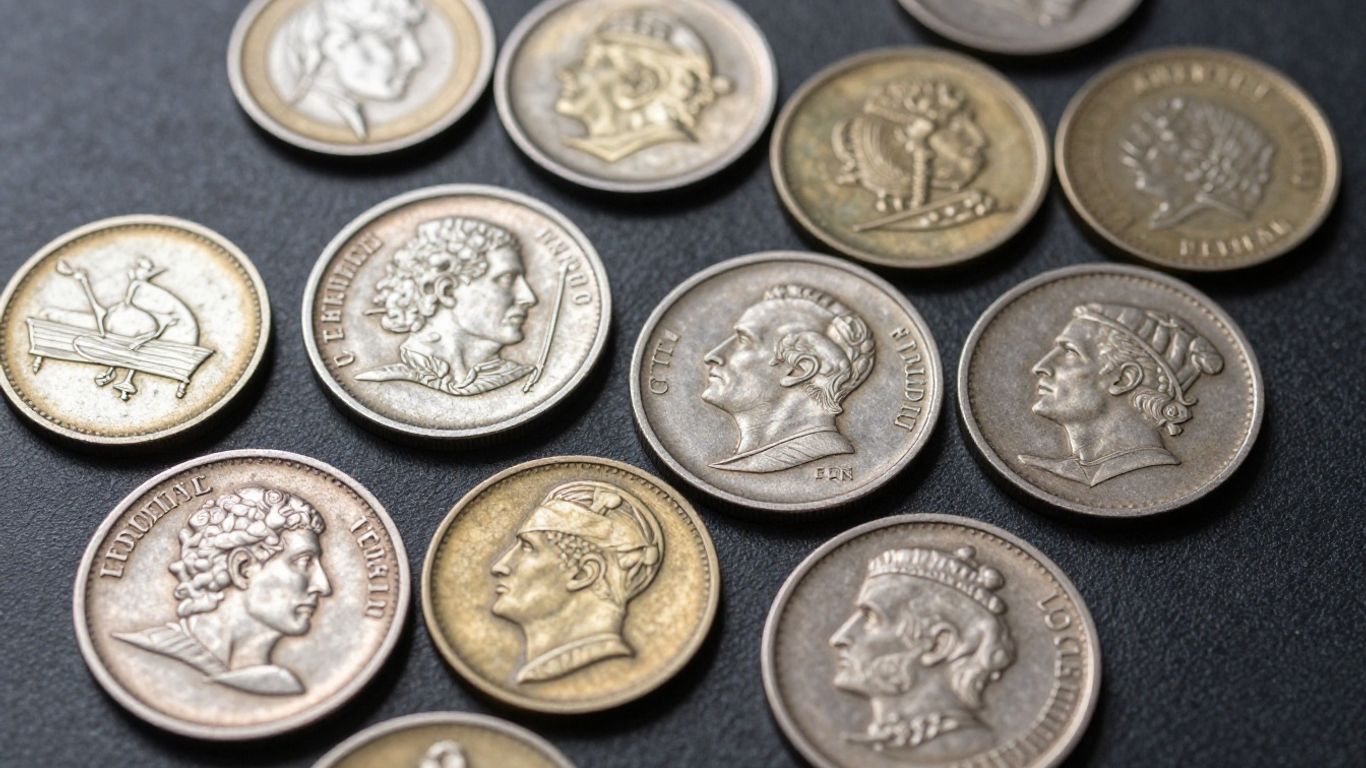
Even with all the digital money flying around these days, there’s something special about holding a coin in your hand. It’s not just about the metal or the face value; it’s about the history packed into that small disc. Think about it – a coin that’s been passed around for decades, maybe even centuries, has seen so much. It’s a direct link to the past, a physical piece of someone else’s story. These aren’t just pieces of metal; they’re tiny time capsules. You can learn about different eras, rulers, and even artistic styles just by looking at them. It’s like having a miniature museum right in your pocket.
Artistic And Numismatic Value
Beyond their historical weight, coins are often just plain beautiful. Minting is an art form, and over the years, we’ve seen some incredible designs. From intricate portraits to symbolic imagery, coins can be miniature masterpieces. This artistic side is a big draw for collectors. Then there’s the numismatic value, which is basically the collector’s value. This isn’t just about how much silver or gold is in the coin; it’s about rarity, condition, and historical significance. A coin that’s hard to find or in super good shape can be worth way more than its metal content. It’s a whole world of appreciation that goes way beyond just looking pretty.
The Future Of Physical Currency
So, what’s next for physical coins? It’s a bit of a question mark, honestly. With digital payments and cryptocurrencies becoming more common, you might wonder if coins will just fade away. But I don’t think so. For collectors, the scarcity of new physical coins might actually make them more desirable. It’s like vinyl records making a comeback – people appreciate the tangible. Plus, national mints are still producing special editions and commemorative coins that are designed with collectors in mind. These often feature unique designs and themes, celebrating events or anniversaries. It’s possible that in the future, coins will be less about everyday transactions and more about being historical keepsakes and collectible art pieces. Maybe they’ll even get some tech upgrades, like built-in authenticity markers. Who knows?
More Than Just Metal: A Lasting Legacy
So, we’ve seen how coins went from simple metal discs used for trade to intricate pieces of art and history. They’ve been hammered out by hand, stamped with powerful symbols, and even incorporated new colors and tech. Today, while we’re all about digital money, these physical coins still hold a special place. They’re not just for buying stuff anymore; they’re little time capsules, telling stories of where we’ve been and who we were. Whether you’re a collector or just someone who finds an old coin in their pocket, remember it’s carrying a whole lot of history with it.
Frequently Asked Questions
What exactly are transition metals, and why are they important for coins?
Transition metals are a group of elements on the periodic table, like copper, nickel, and zinc. They’re used in coins because they are strong, don’t easily corrode (rust), and can be melted and shaped. Many modern coins use alloys, which are mixtures of these metals, to make them durable and affordable.
When did people start using metal coins instead of trading goods?
The idea of using metal coins for trading began a very long time ago, around the 6th century BCE. The Lydians, who lived in an area that is now part of Turkey, are often credited with making the very first coins. These early coins were made from a natural mix of gold and silver called electrum.
How were coins made in ancient times?
Making coins back then was a lot different from today! People used a method called ‘hammer and anvil.’ They’d place a metal disc, called a blank, between two carved metal pieces (dies) and then hit the top die hard with a hammer. This transferred the design onto the metal. It was a bit rough and often made coins that weren’t perfectly round or evenly weighted.
Why did the designs on coins change over time?
Coin designs changed for many reasons. Ancient rulers put their images or symbols of power on coins to show who was in charge. Cities used symbols that represented them, like an owl for Athens. Later, coins became a way to spread messages about victories or important events, almost like tiny billboards.
Were ancient coins always made of real gold or silver?
Not always. While gold and silver were used a lot, especially for valuable coins, sometimes rulers would mix in other metals to make the coins last longer or to save money. This practice, called debasement, could make the coins less valuable over time. Sometimes, people would even try to cheat by putting a thin layer of gold or silver over cheaper metal.
What's the difference between ancient coins and the coins we use today?
Ancient coins were often valued for the precious metal they contained, like gold or silver. Today, most coins are made from less expensive metal mixtures (alloys) and their value comes from the government that issues them, not just the metal. We also have much more advanced machines to make modern coins very precisely and with security features.
Are old coins valuable to collectors?
Yes, many old coins are very valuable to collectors! Their worth depends on how rare they are, their condition, the historical story they tell, and how interesting their design is. Coins are like little pieces of history you can hold in your hand.
What does the future hold for physical coins?
Even though we use digital money more, physical coins are likely to stick around. They might become even more special for collectors, or new technologies could be used to make them more secure or even interactive. It’s possible coins could be linked to digital information to prove they are real.