Thinking about selling your old silver certificates? It can feel a bit overwhelming trying to figure out where to even start, especially if you’re in the Tampa area. You want to make sure you’re dealing with honest folks who know what these old bills are worth. This guide is here to help you find those reliable silver certificate currency buyers in Tampa and get a fair price for your collection.
Key Takeaways
- Finding the right buyer for your silver certificates in Tampa means looking for those who specialize in paper money and understand its value.
- Research potential buyers thoroughly, checking reviews and their reputation in the collecting community before you agree to sell.
- Get your silver certificates appraised by a couple of different sources if possible to have a better idea of their worth.
- Organize your certificates, noting any special features or history, as this can sometimes add to their appeal to buyers.
- Be prepared to discuss payment terms and shipping arrangements clearly to ensure a smooth and secure transaction.
Understanding Silver Certificate Currency Buyers in Tampa
What Are Silver Certificates?
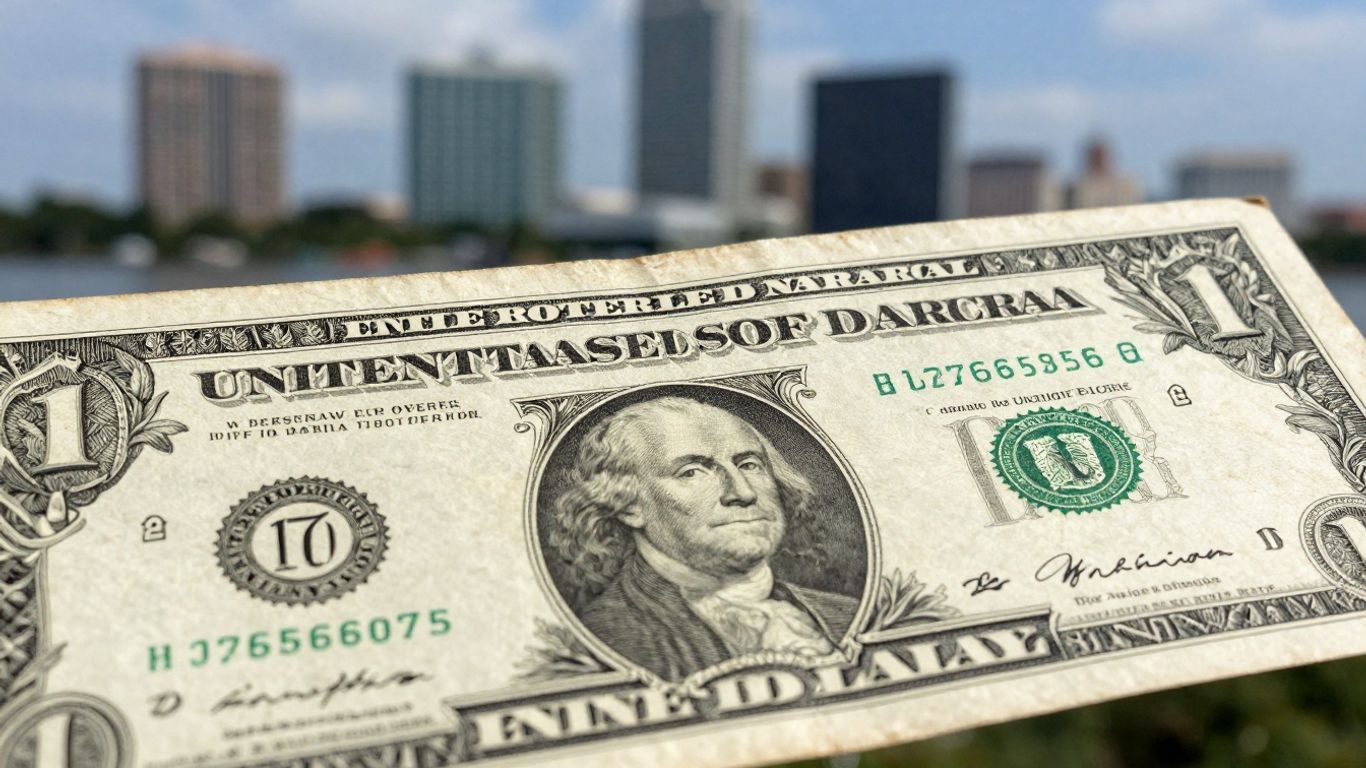
Silver certificates were a type of paper currency issued by the United States Treasury. Unlike Federal Reserve Notes, which are the paper money we use today, silver certificates were backed by actual silver. This meant that the holder of a silver certificate could, in theory, redeem it for a dollar’s worth of silver. They were printed from 1878 until 1964, with the last ones being issued in 1957. These notes are distinct from other U.S. currency because of their direct link to a precious metal. They represent a tangible claim on silver that is no longer redeemable.
Why Tampa Residents Seek Specific Buyers
Many folks in Tampa, and really all over, are finding they have these old silver certificates tucked away. Maybe they were inherited, found in an old desk, or just kept as a curiosity. The thing is, not every place that buys old money knows about silver certificates specifically. Because these notes have a direct connection to silver, collectors and investors often look for buyers who understand their unique history and potential value, beyond just their face value. It’s about finding someone who appreciates the numismatic aspect – the study and collection of coins and paper money – and the historical significance of these certificates.
The Value of Silver Certificates
The value of a silver certificate isn’t always straightforward. Of course, the face value is $1, $5, $10, or even $100, but that’s rarely what collectors are interested in. Several things affect what a silver certificate is worth on the collector’s market:
- Condition: Is the note crisp and new-looking, or is it worn, torn, or stained? Better condition usually means higher value.
- Rarity: Some series or specific notes were printed in smaller quantities, making them harder to find and thus more desirable.
- Series Year: Different series (like Series 1928 or Series 1935) can have varying levels of demand.
- Signatures and Seals: Notes with unusual or rare signatures, or specific types of seals (like a red seal for smaller denominations or blue for larger ones), can be more sought after.
While the intrinsic value tied to silver is no longer a factor for redemption, the historical and collectible nature of these certificates makes them interesting to many. Their worth is primarily determined by the collector’s market, driven by rarity, condition, and demand among enthusiasts.
Locating Reputable Silver Certificate Buyers
Finding the right people to buy your silver certificates is pretty important. You don’t want to end up with someone who lowballs you or, worse, tries to pull a fast one. Luckily, there are a few main avenues you can explore right here in Tampa or even from your own home.
Online Marketplaces for Collectors
These are huge these days. Think of places like eBay, but also more specialized sites where collectors hang out. You can list your certificates and let people bid, or sometimes you can set a "buy it now" price. It’s a good way to reach a lot of potential buyers who are specifically looking for what you have. The key here is to do your homework on the platform and the buyers.
- Research the platform: See how many people use it, what kind of feedback sellers get, and what the fees are.
- Check buyer feedback: Look at who’s bidding or buying. Do they have a good history?
- Use clear photos and descriptions: The better you present your certificates, the more interest you’ll get.
Local Coin Shops and Dealers
Tampa has its share of coin shops. These places often deal with all sorts of collectibles, including old paper money. They might offer you a price on the spot, which can be convenient. It’s worth visiting a few to get a feel for their knowledge and how they treat customers. Some might specialize more in coins, so make sure they’re interested in paper currency too.
- Visit multiple shops: Don’t just go to the first one you find. Compare their offers and their vibe.
- Ask questions: See how knowledgeable they are about silver certificates specifically.
- Look for reviews: See what other people say about them online.
Estate Sale Specialists
Sometimes, estate sale companies end up with collections of currency. If they’re handling an estate that might have valuable items, they often bring in experts or have a good idea of what things are worth. They might be looking to buy collections outright or sell them on behalf of the estate. It’s another option, especially if you know of an estate sale happening locally that might involve old money.
When dealing with any buyer, whether online or in person, always be prepared. Know what you have and what you think it’s worth. This doesn’t mean you have to be an expert, but a little research goes a long way in making sure you get a fair deal.
Factors to Consider When Selling
So, you’ve got some old silver certificates sitting around and you’re thinking about selling them. That’s great! But before you rush off to the first buyer you find, let’s talk about a few things you should really think about. It’s not just about finding a buyer, but finding the right buyer and getting a fair shake for your collection.
Authenticity and Condition Assessment
First off, you need to know what you actually have. Are these genuine silver certificates? Most likely, yes, but it’s good to be sure. More importantly, what condition are they in? This is a big deal for collectors. A crisp, uncirculated bill is worth way more than one that’s been folded a million times, has tears, or has ink smudges.
Think about it like this:
- Uncirculated (Mint Condition): These look like they just came off the press. No folds, no wear, bright colors. Top dollar.
- About Uncirculated: Maybe one faint center fold, but still looks pretty sharp.
- Extremely Fine: A few light folds, maybe some minor edge wear, but still looks good.
- Very Fine: More noticeable folds, some softening, but no major damage.
- Fine: Clearly circulated, multiple folds, some wear, maybe small tears.
- Poor/Fair: Significant damage, heavy wear, missing pieces, major tears.
Knowing the general condition of your certificates will give you a much better idea of their potential value. You can often find grading guides online that show pictures of each grade, which can help you compare.
Market Value and Pricing
Once you have an idea of condition, you need to figure out what they’re actually worth. This isn’t always straightforward. Prices can change based on demand, rarity, and the overall market for collectibles. What might be a good price today could be different next month.
- Rarity: How many of these specific certificates were printed? Are there certain serial numbers or series that are harder to find?
- Demand: Are collectors actively looking for these right now? Sometimes a particular type of note becomes popular.
- Comparables: Look at what similar certificates have sold for recently. Online auction sites can be a good place to check, but remember that auction prices can sometimes be higher or lower than what a dealer might offer.
It’s easy to get excited about a high price you see online, but remember that dealers are businesses. They need to buy low enough to make a profit when they resell your certificates. So, expect their offer to be less than what you might see on a public auction site.
Buyer Reputation and Trustworthiness
This is super important. You want to sell to someone who is honest and fair. A bad buyer can cheat you out of money or even try to pass off fake currency as real. How do you find a good one?
- Check Reviews: Look for online reviews from other people who have sold to them. Are they generally positive?
- Ask Around: If you know any local coin or currency collectors, ask for recommendations.
- Professional Affiliations: Are they part of any reputable numismatic organizations? This can be a good sign they take their business seriously.
- Transparency: Do they explain their pricing clearly? Are they upfront about any fees or commissions?
Choosing the right buyer isn’t just about the money; it’s about having a smooth and honest transaction. Don’t be afraid to ask questions and do your homework before you commit to selling.
Preparing Your Silver Certificates for Sale
Before you even think about contacting potential buyers for your silver certificates, taking some time to get them ready is a really good idea. It shows you’re serious and can make the whole process smoother. Plus, it might even help you get a better price.
Organizing Your Collection
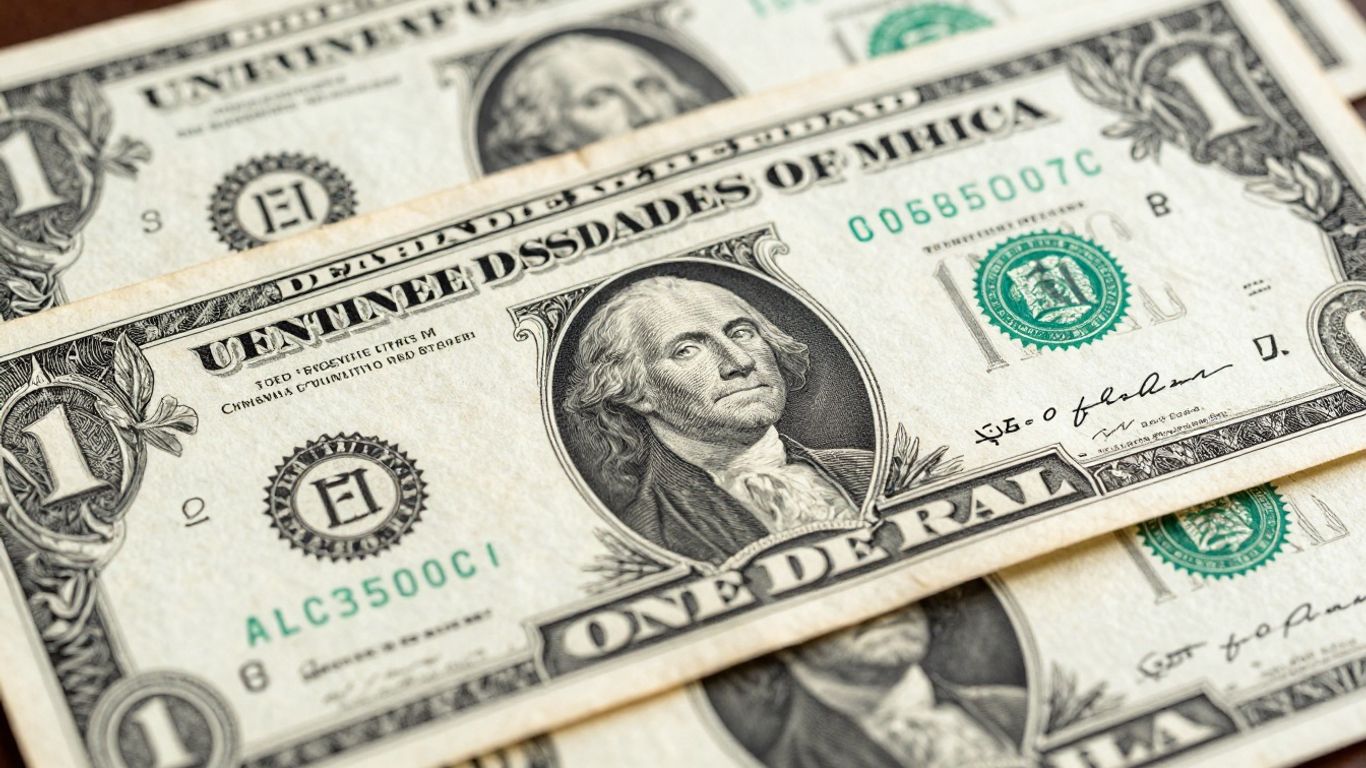
If you have more than a few silver certificates, getting them organized is step one. Think about how you want to present them. Are they all from the same series? Do you have notes about where you got them? Laying them out, maybe by denomination or by year, can help you see what you have at a glance. It also makes it easier to create a list for potential buyers.
- Group by Denomination: Separate $1, $5, $10, and $20 certificates.
- Sort by Series: If you have multiple series (like Series 1935, 1957, etc.), group them together.
- Note Condition: Make a quick mental note or jot down if any look particularly worn or are in pristine condition.
Documentation and Provenance
Do you have any history behind these certificates? Maybe they were passed down from a grandparent, or you bought them at a specific event. Any little bit of information, known as provenance, can add interest and potentially value. If you have old envelopes they were stored in, or any notes you made about them years ago, gather that up too. This kind of background information can be surprisingly important to collectors.
While it’s tempting to just grab your certificates and go, a little preparation goes a long way. Think of it like getting ready for a job interview – you want to make the best possible impression. This includes having your items neatly presented and knowing what you have.
Safe Handling Practices
Silver certificates are old paper money, and paper can be fragile. You don’t want to accidentally damage them while you’re getting ready to sell. Always handle them by the edges. Avoid touching the main surface of the bill, especially if it’s a valuable one. If you have protective sleeves or holders, use them. If not, be extra careful. Storing them flat in a clean, dry place away from direct sunlight is best until you hand them over to a buyer.
Navigating Transactions with Buyers
So, you’ve found some potential buyers for your silver certificates. That’s great! But before you hand over your treasures, there are a few things to think about to make sure the deal goes smoothly and you get a fair shake. It’s not just about the money; it’s about the whole process.
Understanding Offers and Appraisals
When a buyer looks at your certificates, they’ll usually give you an offer. This is based on their appraisal of what they’re worth. Sometimes, they might offer a verbal appraisal for free, especially if they’re a coin shop. It’s good to know what they’re basing their offer on. Are they looking at the rarity, the condition, or just the silver content? Don’t be afraid to ask questions about how they arrived at their price.
Here’s a quick look at what goes into an appraisal:
- Condition: Is the certificate crisp and clean, or is it worn, torn, or stained? Even small folds can affect the value.
- Rarity: How many of these certificates were printed? Are there specific serial numbers that are more sought after?
- Market Demand: What are collectors currently paying for similar items?
Remember, an appraisal is an estimate. Different buyers might give you different numbers. It’s always a good idea to get a few opinions before you decide.
Secure Payment Methods
Once you agree on a price, you need to talk about how you’ll get paid. You don’t want to be left waiting or dealing with bounced checks. Common methods include:
- Cash: This is often the simplest and quickest, especially for local deals.
- Check: A personal or cashier’s check is common, but make sure it clears before you consider the transaction complete.
- Wire Transfer: For larger amounts, this can be a secure way to move money directly into your bank account.
- Payment Apps: Some buyers might use services like PayPal or Venmo, but be aware of any fees involved.
Discreet and Insured Shipping Options
If you’re selling to someone who isn’t local, you’ll need to ship your certificates. This can be nerve-wracking, especially if they’re valuable. Always use a shipping method that includes tracking and insurance. This way, if something happens to the package during transit, you’re covered. Talk to the buyer about their preferred shipping method and who will cover the costs. For valuable items, it’s often best to use a service that specializes in shipping collectibles, like those offered by some reputable online silver dealers.
- Packaging: Use sturdy envelopes or boxes to protect the certificates.
- Insurance: Declare the full value of the shipment.
- Tracking: Keep the tracking number handy until the buyer confirms receipt.
Maximizing Your Return on Silver Certificates
So, you’ve got these silver certificates and you’re ready to sell. Great! But how do you make sure you’re getting the most bang for your buck? It’s not just about finding a buyer, it’s about finding the right buyer and making sure the deal works for you. Think of it like selling a classic car; you wouldn’t just take the first offer from someone who shows up with a tow truck, right? You want to find someone who appreciates its value.
Comparing Multiple Buyer Offers
This is probably the most straightforward way to boost your payout. Don’t just go with the first person who says they’re interested. Get quotes from a few different places. This could be online dealers, local coin shops, or even auction houses. Each might have a different perspective on what your certificates are worth, especially if they’re rare or in top condition. It’s like shopping around for the best price on anything else – you want to see what the market is really offering.
Here’s a quick look at what you might compare:
- Offer Amount: The actual dollar figure presented.
- Fees/Commissions: Any percentage the buyer takes off the top.
- Payment Speed: How quickly you’ll actually get your money.
- Appraisal Method: How they arrived at their offer (e.g., based on spot price, numismatic value).
Negotiating Fair Prices
Once you have a few offers, you might have some room to negotiate. If one buyer is close to another’s offer but slightly lower, you can mention the higher offer and see if they can match it. Sometimes, buyers have a little wiggle room, especially if they really want what you have. Be polite but firm. Remember, they want your certificates, and you want a fair price. It’s a two-way street.
Don’t be afraid to ask questions about their offer. Understanding how they arrived at their valuation can give you more confidence and potentially a stronger position for negotiation. A reputable buyer should be transparent about their pricing.
Considering Auction Houses
For particularly rare or high-value silver certificates, an auction house might be your best bet. While they take a commission, the competitive bidding environment can sometimes drive prices much higher than a private sale. This is especially true if your certificate attracts a lot of attention from serious collectors. It’s a bit of a gamble, as you don’t know exactly what it will sell for, but the potential payoff can be significant. You’ll want to research auction houses that specialize in numismatic items to ensure they have the right audience for your collection.
Common Pitfalls to Avoid
Selling something as specific as silver certificates can feel a bit like walking a tightrope. You want to get a fair price, but you also don’t want to get taken advantage of. It’s easy to stumble into a few traps if you’re not careful. Let’s talk about some of the common mistakes people make so you can steer clear of them.
Beware of Unrealistic Offers
It sounds great, right? Someone offers you way more than you expected for your silver certificates. Hold on a second before you celebrate. Often, offers that seem too good to be true really are. Scammers or less-than-honest dealers might make these inflated offers to get you hooked, only to change the terms later or claim there’s a problem with your certificates. Always be skeptical of prices that are wildly out of line with what you’ve researched.
Verify Buyer Credentials
Who are you actually dealing with? It’s super important to know. A buyer might have a slick website or sound knowledgeable, but that doesn’t automatically make them trustworthy. Look for established businesses with physical addresses, clear contact information, and a history in the coin or currency collecting world. Check if they’re members of any professional numismatic organizations. A lack of verifiable credentials is a big red flag.
Understand Buyer Fees
This is a big one that often gets overlooked. Buyers don’t usually work for free, and that’s fine. What’s not fine is when they aren’t upfront about their fees. Some might charge for appraisals, processing, or even just for making an offer. These costs can eat into the amount you actually receive. Always ask for a breakdown of all potential charges before you agree to anything. Transparency here is key.
Here’s a quick look at what to watch out for:
- Hidden Fees: Charges that aren’t disclosed upfront.
- Lowball Offers: Prices significantly below market value.
- Lack of Verification: Buyers who can’t prove their identity or business legitimacy.
- Pressure Tactics: Buyers who rush you into a decision.
When selling valuable collectibles like silver certificates, it’s easy to get excited by a high offer or feel pressured by a buyer. Remember that your goal is a fair transaction. Take your time, do your homework on the buyer, and don’t be afraid to walk away if something feels off. Your diligence is your best protection.
Specialized Buyers for Rare Certificates
Numismatic Experts
When you’ve got a silver certificate that looks like it might be more than just pocket change, you’ll want to find someone who really knows their stuff. That’s where numismatic experts come in. These are the folks who live and breathe coins and paper money. They can spot a rare variety or a high-grade note from a mile away. They understand the subtle differences that can make one certificate worth a lot more than another. Think of them as the historians and appraisers rolled into one, specifically for currency.
Dealers Specializing in Obsolete Currency
Beyond the common silver certificates, there’s a whole world of older, less common paper money out there. This is often called obsolete currency. It includes things like fractional notes from the Civil War era or high-denomination bills that aren’t seen anymore, like $500 or $1000 notes. These aren’t your everyday bills, and they require dealers who focus on this specific niche. They know the history, the print runs, and what collectors are actively searching for in these unusual pieces.
Identifying High-Value Items
So, how do you even know if your certificate is one of these high-value items? It’s not always obvious. Here are a few things to look for:
- Star Notes: If your bill has a star at the end of the serial number, it might be a replacement note, which can be rarer.
- Condition: Even for rare notes, the condition matters a lot. Bills that are crisp, clean, and free from major folds or tears are worth more.
- Specific Series and Signatures: Certain series or notes signed by particular Treasury officials can be more desirable to collectors.
- Low Serial Numbers: Sometimes, very low serial numbers (like 00000001) can add significant value.
It’s easy to get excited about a old bill, but remember that rarity and condition are key. A common note in poor shape won’t fetch much, no matter how old it is. Focus on what makes your specific certificate stand out from the crowd.
The Role of Online Platforms
Online Auction Sites
Online auction sites have really changed how people buy and sell all sorts of things, and that includes collectible currency like silver certificates. Think eBay, for example. You can list your certificates, set a starting bid, or even a "buy it now" price. It’s a place where collectors from all over the world might see what you have. The big thing here is that the price can go up based on how many people want it. It’s a bit of a gamble, but if you have something rare, you might get a really good price. Just remember, these sites take a cut, and you’ve got to be clear about the condition of your certificates so buyers know exactly what they’re getting.
Dedicated Collectible Marketplaces
Beyond the general auction sites, there are specific online spots just for collectors. These places are often better because everyone there is already interested in things like coins, stamps, and yes, old paper money. You’re more likely to find buyers who really know what silver certificates are worth and appreciate their history. These platforms might have more detailed listing options, allowing you to really show off your certificates with good photos and descriptions. They can also be a good place to learn more about what you have by seeing what other people are selling and what prices they’re getting.
Virtual Appraisals
One of the neatest things about selling online is the possibility of virtual appraisals. Instead of packing up your certificates and sending them off to a dealer you’ve never met, you can often arrange a video call. You’d show the certificates to an expert through your webcam, and they can give you a preliminary idea of their value. This is super convenient, especially if you’re not sure if your collection is worth a lot or just a little. It saves time and hassle, and it’s a good first step before you commit to selling. It helps you get a feel for the market without leaving your house.
Selling silver certificates online opens up a huge market, far beyond what you’d find locally in Tampa. It means more potential buyers, which can lead to better prices. However, it also means you need to be extra careful about how you present your items and how you handle the transaction. Making sure everything is clear, honest, and secure is key to a good experience.
Building Relationships with Buyers
Finding the right buyer for your silver certificates is one thing, but building a good relationship with them can make the selling process smoother and potentially more profitable in the long run. It’s not just about a single transaction; it’s about creating a connection that could benefit you down the line.
Long-Term Collector Networks
Think of it like finding a good mechanic or a reliable plumber. Once you find someone you trust, you stick with them. The same applies to selling your silver certificates. Building a rapport with a collector or a dealer who appreciates the history and rarity of your notes means they might be more inclined to offer you fair prices consistently. These collectors often belong to larger networks, which can open doors to even more specialized buyers or collectors who are actively seeking specific types of certificates you might have. It’s about becoming a known entity in the collecting world, not just a one-off seller.
Repeat Business Advantages
Dealers and serious collectors often value consistency. If you have a collection you’re selling over time, or if you anticipate having more items in the future, establishing yourself as a reliable seller can have its perks. Buyers who know you and trust the quality and authenticity of what you offer might be willing to pay a bit more or give you priority when they have a specific need. They might also be more willing to share information about market trends or upcoming opportunities. This kind of established trust can lead to better deals and a less stressful selling experience.
Finding Trusted Advisors
Sometimes, the best relationships are with buyers who also act as advisors. They can help you understand the nuances of the market, identify which certificates are gaining value, and even advise on how best to present your collection. This is particularly helpful if you’re new to selling or have a diverse range of notes. A good advisor-buyer can guide you through the complexities, helping you avoid common mistakes and make more informed decisions. They might point you towards resources like Peer Metals for understanding market values or suggest how to properly store and preserve your collection until you’re ready to sell. They become more than just a buyer; they become a partner in managing your collection.
Wrapping Up Your Silver Certificate Sale in Tampa
So, you’ve got these old Silver Certificates lying around, and you’re wondering what to do with them. It’s not always easy to figure out who actually wants them and who’s going to give you a fair shake. We’ve talked about looking into local coin shops, checking out online marketplaces, and even some specialized dealers who know their stuff when it comes to paper money. Remember to do your homework on whoever you’re thinking of selling to. A quick search for reviews or asking around can tell you a lot. Don’t rush into the first offer you get; take your time to find a buyer who makes the process smooth and pays you what your certificates are worth. Good luck out there in Tampa!
Frequently Asked Questions
What exactly are Silver Certificates?
Silver Certificates are a type of paper money that used to be printed in the United States. What made them special is that you could actually trade them in for real silver dollars at the U.S. Treasury. They were backed by silver, unlike today’s money which is backed by trust in the government.
Why would someone in Tampa want to sell their Silver Certificates?
People in Tampa might want to sell their Silver Certificates because they’ve become collector’s items. Some of these old bills are rare and can be worth a good amount of money, especially if they’re in great shape or have special markings. Selling them can be a way to make some extra cash.
How can I find people who buy Silver Certificates in Tampa?
You can find buyers in a few ways. Look for local coin shops or dealers who specialize in old money. Online marketplaces and auction sites are also great places to connect with collectors. Sometimes, estate sale companies also deal with valuable paper money.
How do I know if my Silver Certificate is valuable?
The value depends on a few things. The bill’s condition is super important – is it crisp and new, or worn out? Also, how rare is it? Some Silver Certificates were printed in smaller numbers or have unique serial numbers that make them more valuable to collectors.
What's the best way to get my Silver Certificates ready to sell?
First, try to keep them in good condition. Avoid folding them further or touching the printed parts too much. It’s also helpful to gather any information you have about them, like where you got them or if they have any special history. This is called provenance and can add value.
Should I get my Silver Certificate appraised?
Yes, getting an appraisal is a smart idea. A professional appraiser or a reputable dealer can tell you what your certificate is likely worth based on its condition and rarity. This helps you know if an offer you receive is fair.
What should I watch out for when dealing with buyers?
Be careful of offers that seem too good to be true – they often are. Always check if the buyer is well-known and has good reviews. Make sure you understand all the fees or commissions they might take before you agree to sell.
How do I make sure I get paid safely?
When you sell, ask about payment methods. Reputable buyers will offer secure options like checks, bank transfers, or even cash for in-person sales. If shipping is involved, make sure it’s insured so your money is protected if something goes wrong.