Thinking about selling your territorial gold coins in Tampa? It can be a bit confusing knowing where to get a fair price and a good appraisal. You want to make sure you’re dealing with someone who knows what they’re talking about, especially with those older, unique coins. This guide will help you figure out the best places to sell your gold and silver coins in the Tampa area, focusing on getting you the best deal.
Key Takeaways
- Selling territorial gold coins in Tampa requires finding dealers with specific knowledge.
- Gold Half Eagles and other early US gold coins have historical significance and potential value.
- Silver dollars and other silver coins can also be profitable, depending on rarity and condition.
- Rare coins, regardless of metal, often command higher prices due to their scarcity.
- Getting expert appraisals is key to understanding the true worth of your coins before you sell.
1. Gold Half Eagle
When you’re looking to sell coins in Tampa, don’t overlook the Gold Half Eagle. These coins, officially valued at five dollars, were a significant part of U.S. coinage from 1795 until 1933. They come in various designs and dates, each with its own story and potential value.
The Half Eagle represents a substantial piece of American monetary history, especially from the pre-1933 era. Think about it: back in the 1830s, a single $5 gold coin could buy you a whole barrel of flour. That’s a lot of bread! This gives you a sense of the real purchasing power these coins once held.
Here’s a quick look at some key aspects:
- Denomination: $5 face value.
- Gold Content: Typically contains a significant amount of gold, making its melt value a baseline for its worth.
- Historical Significance: Minted for over a century, they reflect different periods of American economic and artistic development.
- Condition Matters: Like all coins, the condition (or grade) greatly impacts its value. A well-preserved Half Eagle is worth much more than one that’s heavily worn.
When you’re ready to get an appraisal, dealers who specialize in pre-1933 US Gold coins will be your best bet. They understand the nuances of these older gold pieces, from common dates to rare varieties.
Selling a Gold Half Eagle isn’t just about getting cash for gold. It’s about understanding the coin’s place in history and its specific numismatic appeal. A good dealer will look beyond just the metal content to assess its rarity, condition, and demand among collectors.
Factors influencing the price you’ll get include:
- Date and Mint Mark: Some years and mints produced far fewer coins.
- Rarity: How many of that specific type were made, and how many still exist?
- Condition: Is it sharp and clear, or worn smooth?
- Market Demand: What are collectors looking for right now?
If you have a Gold Half Eagle, getting it appraised by a reputable dealer in Tampa is the first step to finding out its true worth.
2. Silver Dollars
When you think about selling coins in Tampa, silver dollars often come to mind. These aren’t just any old coins; many have a significant history and can be worth quite a bit. Back in the day, a silver dollar was a serious amount of money. For instance, in the 1830s, a single silver dollar could buy you a whole barrel of flour. Think about that for a second – that’s a lot of bread! This shows how much purchasing power these coins used to have.
The value of silver dollars today depends on several factors, making each one unique.
Here’s what usually bumps up the price:
- Rarity: How many were made? Fewer coins usually mean higher value.
- Condition: Is it worn out or does it look almost new? Better condition equals more money.
- Mint Mark: Where was it made? Some mints produced fewer coins or had special runs.
- Historical Significance: Was it part of a famous collection or tied to a specific event?
Let’s look at some common types you might find:
| Coin Type | Typical Era | Key Features |
|---|---|---|
| Morgan Dollar | 1878-1904, 1921 | Lady Liberty portrait, eagle on reverse |
| Peace Dollar | 1921-1935 | Modern Liberty, eagle with olive branch |
| Eisenhower Dollar | 1971-1978 | President Eisenhower, moon landing reverse |
| Susan B. Anthony $ | 1979-1981, 1999 | First US coin with a woman’s portrait |
When you bring your silver dollars to a dealer, they’ll check these things. They’ll look at the date, the mint mark (like ‘CC’ for Carson City, which is often more valuable), and how worn the coin is. Sometimes, a coin that looks ordinary can be surprisingly rare.
It’s easy to think of coins as just metal, but they’re really like little history books. Holding a silver dollar from over a hundred years ago gives you a direct link to the past. It’s a tangible piece of someone’s life, showing what money meant back then and how people lived their daily lives.
3. Gold Coins
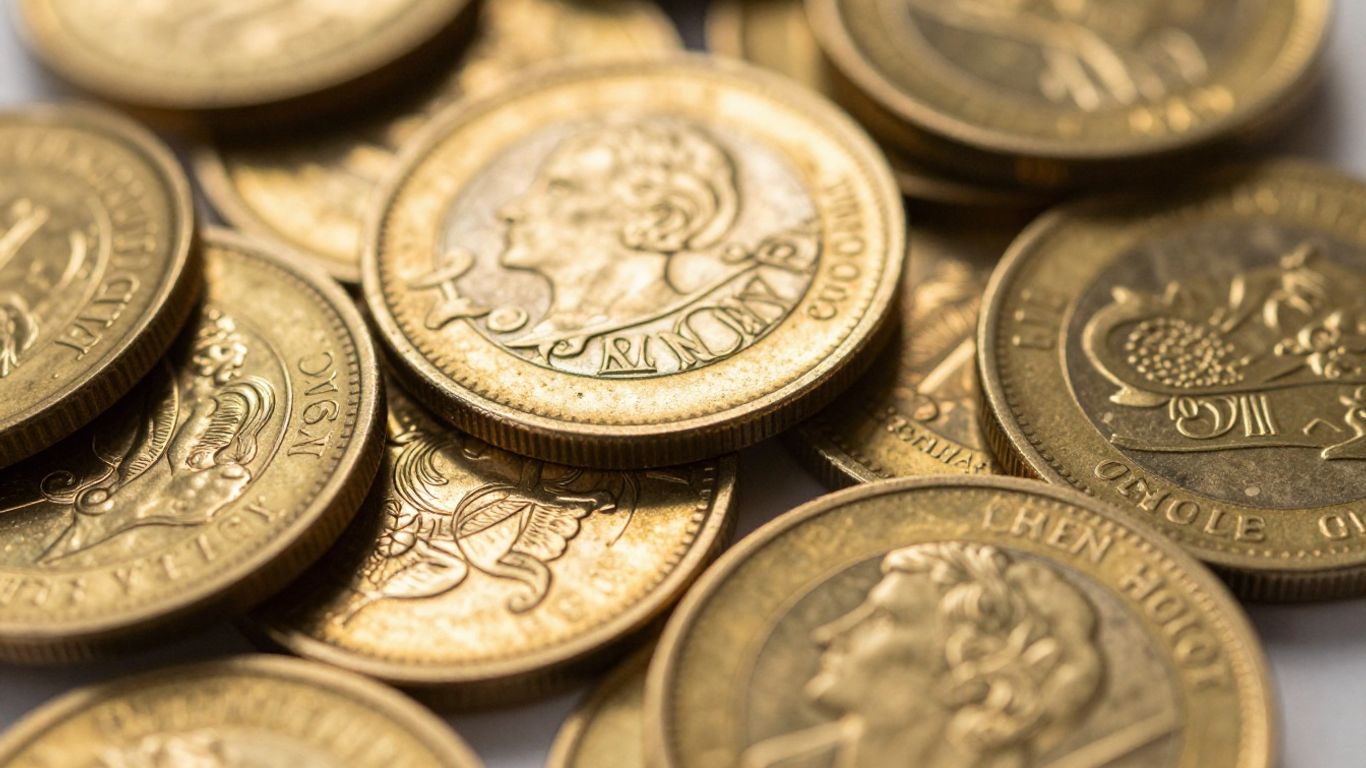
When we talk about gold coins, we’re often looking at pieces that hold significant value, not just for their metal content, but for their history too. Think about the old U.S. gold coins, like the Half Eagle ($5 face value) or the Quarter Eagle ($2.50 face value). Back in the 1830s, these coins had serious buying power. A single $5 gold coin could get you a whole barrel of flour, which is pretty wild when you compare it to today’s prices.
These aren’t just shiny objects; they’re tangible links to our past.
Here’s a quick look at some common gold coins you might encounter:
- Liberty Head Half Eagles (1839-1907): These are quite popular with collectors. They come in various designs throughout their run.
- Indian Head Half Eagles (1908-1929): A distinct design change from the Liberty Head series.
- Saint-Gaudens Double Eagles ($20 face value): Known for their beautiful artwork, these are highly sought after.
- Liberty Head Double Eagles (1849-1907): The first $20 gold coins issued by the U.S.
When you bring gold coins in for appraisal, a dealer will look at several things:
- Gold Content: The weight and purity of the gold are primary factors.
- Rarity and Condition: How many were made, and how well has the coin survived over the years?
- Historical Significance: Some coins are more collectible due to their place in history.
The value of gold coins can fluctuate based on the market price of gold, but also on collector demand. A coin that’s rare and in good shape can be worth much more than just its gold weight. It’s like finding a rare book – the story inside is important, but so is how many copies are left and how well-preserved they are.
If you have gold coins lying around, whether they’re old U.S. currency or something else, getting them appraised by someone who knows their stuff is the best way to find out what they’re really worth.
4. Silver Coins
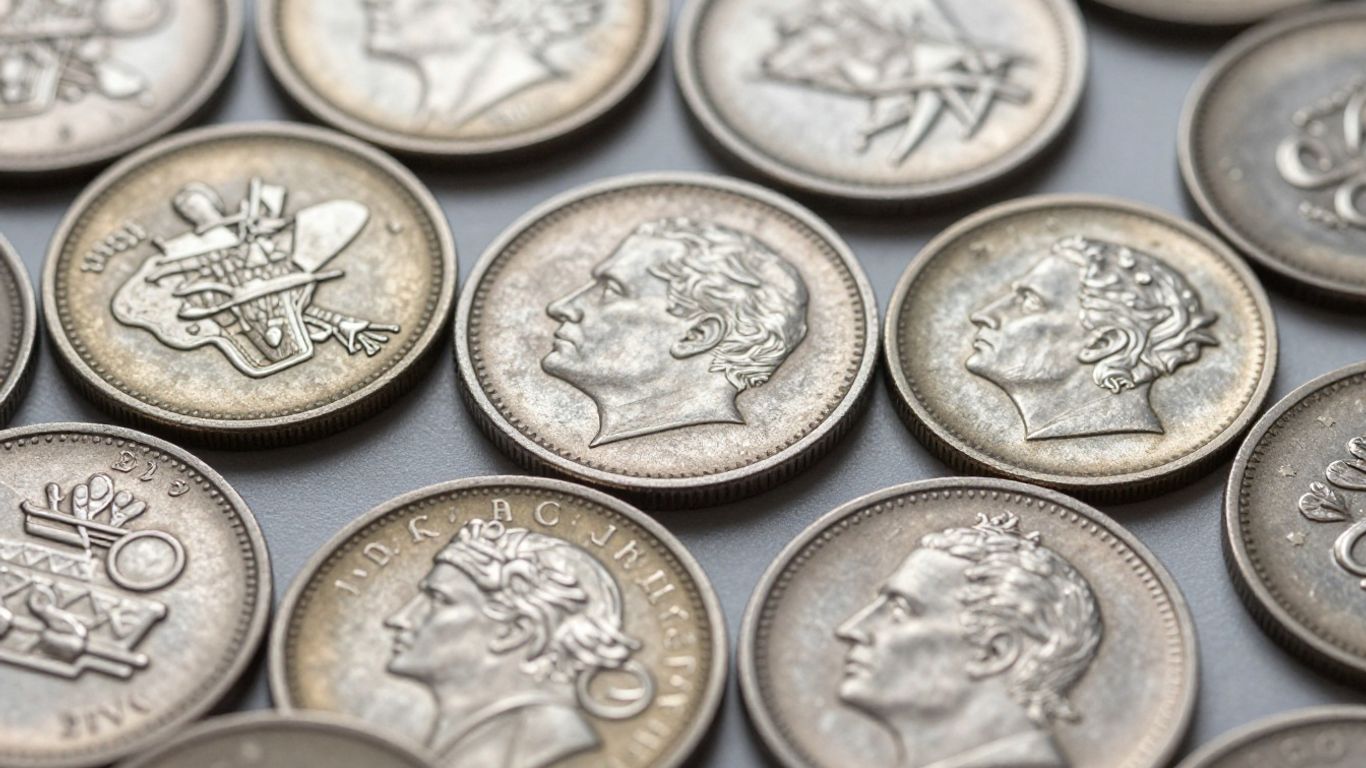
When people think about selling old coins, they often jump straight to gold. But don’t forget about silver coins! These can be just as interesting and valuable, depending on what you have. We’re talking about everything from old U.S. dimes and quarters to larger silver dollars that were once a common way to pay for things.
The value of silver coins isn’t just about the silver content; it’s also about the coin’s age, its condition, and how many were made. A common silver quarter from the 1950s might not be worth a fortune, but a rare silver dollar from the 1800s in good shape? That’s a different story.
Here are some common types of silver coins you might find:
- Dimes, Quarters, and Half Dollars (Pre-1965): Most U.S. dimes, quarters, and half dollars made before 1965 are mostly silver. They have a silver weight value, but some dates and mint marks can be worth more to collectors.
- Silver Dollars: These are the big ones. Think Morgan dollars (made from 1878-1904 and again in 1921) and Peace dollars (1921-1935). Many of these are quite collectible, especially in better condition or from specific years.
- Commemorative Silver Coins: Sometimes the government releases special silver coins to mark events or people. These can have collector appeal beyond their silver value.
Back in the day, silver coins had a lot of buying power. Imagine using a few silver dollars to buy a whole barrel of flour. It really puts into perspective how much things have changed and why these old coins are more than just metal – they’re a piece of our economic past.
When you bring your silver coins in, we’ll look at a few things:
- Date and Mint Mark: Where and when was it made?
- Condition: Is it worn down, or can you still see the details clearly?
- Rarity: How many of these were originally produced, and how many are still around?
- Silver Purity and Weight: We’ll confirm the silver content, which is a baseline for value.
So, if you’ve got a jar of old dimes or a box of silver dollars tucked away, bring them down. You might be surprised at what they’re worth.
5. Rare Coins
When we talk about rare coins, we’re stepping into a whole different ballgame than just your average gold or silver pieces. These aren’t just old coins; they’re the ones that stand out because of their history, their condition, or simply how few of them were made.
The rarity of a coin is what often drives its desirability and, consequently, its price. Think about it – if there are only a handful of something left in the world, people tend to want it more, right? This applies big time to coins.
What makes a coin rare? It can be a few things:
- Low Mintage Numbers: The mint only produced a small number of these coins to begin with.
- Survival Rate: Many were melted down over the years, lost, or damaged, leaving very few intact.
- Key Dates and Varieties: Specific years or mint marks might be exceptionally hard to find, or a small error during production created a unique version.
Here’s a quick look at how rarity can affect value, though this is just a general idea:
| Coin Type | Common Example Value | Rare Example Value |
|---|---|---|
| Gold Dollar | $200 – $500 | $1,000 – $5,000+ |
| Morgan Silver Dollar | $30 – $100 | $200 – $1,000+ |
| Indian Head Cent | $5 – $20 | $50 – $500+ |
Finding truly rare coins requires a good eye and knowledge. It’s not just about the metal content anymore; it’s about the story, the condition, and the sheer difficulty in acquiring one. These coins are often sought after by serious collectors who understand their historical significance and investment potential.
Wrapping It Up
So, if you’ve got some old gold coins from the territorial days sitting around, maybe in a safe or a dusty box, and you’re wondering what they’re really worth, it’s good to know there are places in Tampa that can help. Getting a real appraisal is key, you don’t want to just guess. These coins are more than just metal; they’re a piece of history, and knowing their story helps figure out their value. Finding a reputable dealer who knows their stuff means you’ll get a fair price and can move on with your day, knowing you made a good choice. It’s not every day you get to turn a bit of the past into something useful for today.
Frequently Asked Questions
What makes a gold Half Eagle coin special?
Gold Half Eagle coins are special because they were a significant part of early American money. Back in the 1830s, a $5 gold Half Eagle could buy a whole barrel of flour, showing how much buying power these coins had compared to today. They’re like little pieces of history you can hold.
Are silver dollars valuable today?
Yes, silver dollars can be valuable. Just like the gold coins from the past, silver dollars had a lot of buying power. Their value today depends on how old they are, how rare they are, and their condition.
Why are gold coins generally worth more than silver coins?
Gold is naturally more valuable than silver, so gold coins usually fetch a higher price. Plus, older gold coins often represent a larger amount of money from their time, making them even more sought after by collectors and investors.
What kinds of coins are considered 'rare'?
Rare coins are typically those that were made in very small numbers, have a unique error, or are in extremely good condition. Sometimes, coins that were once common become rare because most of them were melted down or lost over time.
How do I know if my old coins are worth a lot of money?
Figuring out a coin’s worth involves looking at its age, rarity, metal content, and how well-preserved it is. It’s best to get an expert appraisal to get an accurate idea of its value.
Where can I get my coins appraised in Tampa?
In Tampa, you can find reputable coin dealers and appraisal services that specialize in coins. Look for places that have experienced appraisers who know about different types of coins, especially gold and silver ones.
What's the best way to sell my coins for a good price?
To get the best price, it’s wise to compare offers from a few different dealers. Selling to a place that understands the historical and collector value, not just the metal weight, often gets you a better deal.
Are coins like historical artifacts?
Absolutely! Coins are like tiny historical artifacts. They show us what money was like in the past, what people could buy with it, and reflect important moments in history, like economic struggles or political changes.