Thinking about selling your so-called dollars in Tampa? It might seem a bit confusing at first, but there are definitely places that can help you out. Whether you have old coins, foreign currency, or even gold and silver, knowing where to go is half the battle. This guide is here to help you figure out the best spots and strategies to sell so-called dollars in Tampa, making sure you get a fair deal.
Key Takeaways
- Tampa Coin Buyers is a go-to for selling coins, gold, and silver, offering appraisals and cash offers.
- Physical currency exchange locations like Spot Currency Exchange and DolEx Dollar Express are options for immediate needs.
- Digital services and travel cards, such as Wise, can offer competitive rates and convenience for currency exchange.
- Understanding market rates and getting professional appraisals are important for getting the best value for your items.
- Tampa Coin Buyers serves the wider Tampa Bay area and offers home appointments for convenience.
Where to Sell So-Called Dollars in Tampa
So, you’ve got some "so-called dollars" lying around and you’re wondering what to do with them. Maybe they were a gift, or perhaps you found them tucked away in an old box. These aren’t your everyday coins, and figuring out where to sell them in Tampa can feel a bit confusing. The good news is, there are places in Tampa that know exactly what these are worth.
Understanding So-Called Dollars
First off, what exactly are so-called dollars? They’re basically commemorative medals or tokens that were issued privately, often to celebrate an event, a person, or a place. Think of them as historical souvenirs. They aren’t official U.S. currency, hence the "so-called" part. Their value can really vary, depending on how rare they are, their condition, and who made them. Some might be worth just a little bit, while others can be quite valuable to collectors.
Why Sell Your So-Called Dollars in Tampa
Tampa has a growing community of coin collectors and dealers. This means there’s a local market for these unique items. Selling locally can often be easier than shipping them off somewhere. You can get a feel for the buyer, see the offer in person, and get paid right away. Plus, Tampa’s economy is pretty solid, which usually means people have a bit more disposable income for collecting.
Key Considerations Before Selling
Before you rush out the door, take a moment to think about a few things. It helps to have a general idea of what you have. Are they made of silver? Do they look particularly old or unusual? Knowing a little bit about the history or origin of your so-called dollars can also be helpful. It’s also smart to compare a couple of places before you commit to selling. You want to make sure you’re getting a fair price for your piece of history.
Tampa Coin Buyers: Your Premier Destination
When you’re looking to sell those "so-called dollars" or any other coins and precious metals in Tampa, you’ve got options. But if you want a place that really knows its stuff and pays fairly, Tampa Coin Buyers should be at the top of your list. They’re not just another shop; they’re specialists who understand the difference between melt value and collector value. This means you’re less likely to get shortchanged.
Why Choose Tampa Coin Buyers
There are a few solid reasons why folks in the Tampa Bay area turn to Tampa Coin Buyers. For starters, they focus on paying prices that reflect the actual market. This isn’t like walking into a pawn shop where you might get a lowball offer. They deal directly with a network of collectors and dealers, cutting out the middlemen. This direct connection often means better prices for you.
- Transparent Pricing: They show you how they arrive at their offer, explaining the spot price, coin condition, and any collector demand. No hidden fees or confusing calculations.
- Fair Market Value: They pay based on live market rates for precious metals and current collector interest for rare coins.
- Fast Payment: Once you agree on a price, they can often pay you on the same day.
- Expert Evaluation: Their team includes numismatists (coin experts) who can spot the difference between a common coin and a rare gem.
What They Buy: Beyond Traditional Currency
Tampa Coin Buyers aren’t just interested in your old dollar bills. They have a broad scope when it comes to what they purchase. This is good news if you’ve got a mixed bag of items you’re looking to sell.
- Gold Coins: This includes everything from American Eagles and Canadian Maple Leafs to older U.S. gold coins and foreign gold pieces. They look at both the gold content and any numismatic value.
- Silver Coins: Think U.S. silver dollars like Morgans and Peace dollars, half dollars, dimes, and quarters minted before 1965. They also buy foreign silver.
- Rare and Collectible Coins: This is where those "so-called dollars" might really shine. They buy key date coins, proof sets, coins with minting errors, and anything graded by services like PCGS or NGC.
- Gold and Silver Bullion: Whether it’s bars or rounds from reputable refiners, they’ll test it and offer a price based on the current market.
When you bring in items, especially coins, they’re evaluated for two main things: the raw value of the metal inside and any extra value they have because they’re rare or sought after by collectors. This dual assessment is key to getting the best possible price.
The Selling Process Explained
Selling your items at Tampa Coin Buyers is pretty straightforward. They aim to make it easy for you, whether you have one coin or a whole collection.
- Bring Your Items In: You can visit their location for an appraisal. If you have a large collection or prefer not to travel, they also offer home appointment services.
- Free Appraisal: They’ll examine your coins, gold, or silver. This appraisal is free and comes with no obligation to sell.
- Receive an Offer: Based on their evaluation and current market prices, they’ll give you a cash offer.
- Get Paid: If you accept the offer, they can usually pay you on the spot.
It’s a simple, no-pressure approach designed to help you get a fair price for your valuables without a lot of hassle.
Navigating Physical Exchange Locations
When you’ve got foreign currency, like those "so-called dollars" that aren’t standard US tender, and you need to convert them to cash you can actually use in Tampa, heading to a physical exchange location is one way to go. It feels pretty straightforward, right? You walk in, hand over your currency, and walk out with dollars. But, like most things, there’s a bit more to it than that. You’ll want to know where to go and what to expect.
Spot Currency Exchange
Spot Currency Exchange is a place you might consider. They’re set up to handle currency conversions right there on the spot. It’s convenient if you need cash quickly and don’t want to wait for online orders or bank processing times. They deal with a variety of currencies, so it’s worth checking if they handle what you’ve got.
- Location: 1111 Oakfield Dr Suite 115c, Brandon
- Phone: +1 813-278-8734
- Google Rating: 4.6/5 stars
Florida Currency Exchange
Another option is Florida Currency Exchange. This business operates in a few locations, including a spot in Westshore Plaza. They aim to provide currency exchange services for travelers and locals alike. Keep in mind that ratings can change, so it’s always a good idea to check recent reviews.
- Location: 250 Westshore Plaza, Tampa
- Phone: +1 813-280-9999
- Google Rating: 3.3/5 stars
DolEx Dollar Express
DolEx Dollar Express is a well-known name in the currency exchange world, and they have a presence in Tampa. They often handle remittances and currency exchange, making them a potential stop for your needs. It’s always a good idea to call ahead to confirm they accept the specific type of currency you have and to ask about their current rates.
- Location: 3115 W Columbus Dr #105, Tampa
- Phone: +1 800-892-0210
- Google Rating: 3.8/5 stars
When you visit these physical locations, remember a few things:
- Bring Identification: Most places will require a valid photo ID, like a driver’s license or passport, especially for larger transactions. This is standard procedure for security and legal reasons.
- Check Rates Before Exchanging: Don’t just hand over your currency without knowing the rate you’ll get. Compare the rate offered to the current mid-market rate if possible. You can often find this online.
- Ask About Fees: Some places advertise "no commission," but the fee might be built into a less favorable exchange rate. Always ask if there are any hidden charges.
Exchanging currency at a physical location can be quick, but it’s not always the cheapest. The convenience of walking in and getting cash immediately comes at a price. Rates can vary significantly between businesses, and sometimes even between different times of the day at the same location. Doing a little homework beforehand can save you money.
Evaluating Other Currency Exchange Services
So, you’ve got these "so-called dollars" and you’re looking to swap them out. We’ve already talked about some specific places, but there are other types of services out there that might work for you. It’s not just about the big names; sometimes, the smaller or more specialized places can surprise you. Let’s look at a couple of options that aren’t necessarily coin dealers or the big travel money spots.
ACE Cash Express
ACE Cash Express is a pretty common sight, and while they’re known for things like check cashing and payday loans, they also handle currency exchange. It’s convenient if you’re already there for another service, but it’s worth checking their rates. They might not always have the best deal compared to places that specialize solely in currency exchange. You’ll want to compare their exchange rate and any fees they charge against the mid-market rate to see if it makes sense for your "so-called dollars".
Moneydart Global Services Inc
Moneydart is another service that pops up when you’re looking for ways to move money around, including currency exchange. They often cater to a variety of financial needs, and currency conversion is part of that. Like ACE, it’s a good idea to go in with some knowledge of what your "so-called dollars" are worth on the open market. This way, you can have a solid basis for comparison when they offer you a rate.
Considering Banks for Exchange
Your local bank might seem like a safe bet, and for some currencies, it is. Many larger banks do offer currency exchange services, but there are a few things to keep in mind. First, you might need to be a customer of the bank to use their exchange services, or at least have an account. Second, they might not always stock every single currency, and you may need to order it in advance, sometimes a week or more before you need it. This could be a problem if you’re trying to sell your "so-called dollars" quickly. Also, bank exchange rates can sometimes be less competitive than dedicated exchange services, especially for less common currencies or smaller amounts.
When you’re looking at any service for exchanging currency, always ask about the total cost. This means looking at both the advertised exchange rate and any hidden fees or commissions. Sometimes a service will say "no commission" but then give you a really poor exchange rate, which ends up costing you more in the long run. It’s all about the final amount you receive.
Here’s a quick rundown of what to think about:
- Check the Rate: Always compare the offered rate to the mid-market rate. You can usually find this with a quick search online.
- Look at Fees: Are there any transaction fees, service charges, or other costs added on top?
- Convenience vs. Cost: How much is your time worth? Is the slightly worse rate worth the convenience of a place you’re already visiting?
- Reputation: Do a quick search for reviews of the service. What are other people saying about their exchange experiences?
The Advantages of Digital and Travel Cards
When you’re looking to exchange your so-called dollars, especially if you’re dealing with foreign currencies or planning a trip, digital and travel cards offer some pretty neat benefits. They’ve really changed how people handle money on the go, making things simpler and often cheaper than the old ways.
Wise Travel Card Benefits
Cards like the Wise travel card are a big deal for a few reasons. For starters, they often use the mid-market exchange rate. This is basically the rate banks use when they trade currencies with each other, and it’s usually the fairest rate you can get. Many physical exchange places add a bit onto this rate, which is how they make their money. With Wise, you can order a card online, load it up with your money, and then convert it to over 40 different currencies. It’s a convenient way to manage your funds before you even leave home.
Using Travel Cards for Transactions
Using these cards abroad is pretty straightforward. You can use them for purchases just like a regular debit card, and they’re also great for withdrawing local cash from ATMs. The cool part is that you can often convert your money into the currency you need ahead of time, or let the card do it automatically when you make a purchase. This flexibility means you can keep an eye on exchange rates and convert when it looks favorable. It’s a smart way to handle your travel money, avoiding some of the headaches associated with traditional currency exchange.
Comparing Digital vs. Physical Exchange
So, how do these digital options stack up against the physical places you might have seen, like Spot Currency Exchange or Florida Currency Exchange? Well, physical locations can be handy if you need cash right away, but they often come with less favorable exchange rates and sometimes hidden fees. Ordering online for home delivery or airport pickup is another option, but even then, the rates might not be as good as what you can get with a dedicated travel card. Plus, with a travel card, you can keep your money in different currencies, which is handy if you travel a lot or want to avoid getting stung by buy-back rates when you return. It’s worth checking out services like Wise for your travel needs.
When you’re comparing your options, always look beyond just the advertised exchange rate. Check for any extra fees, commissions, or markups. Sometimes, a place might say ‘no commission’ but build the cost into a worse exchange rate. It’s about the total cost of the exchange that matters most for your wallet.
Here’s a quick rundown of what to think about:
- Exchange Rates: Compare the rate offered to the mid-market rate. Digital cards often get closer to this.
- Fees: Look for hidden charges, transaction fees, or ATM withdrawal fees.
- Convenience: How easy is it to get the card, load it, and use it?
- Security: Reputable providers offer secure platforms and card protection.
- Currency Options: How many different currencies can you hold and exchange?
Maximizing Your So-Called Dollar Value
So, you’ve got some of these "so-called dollars" lying around, and you’re wondering how to get the most bang for your buck when you decide to sell them. It’s not just about finding a buyer; it’s about making sure you’re getting a fair price that reflects what your items are actually worth. Understanding the factors that influence value is key to a successful sale.
Understanding Market Rates
When it comes to currency, especially anything beyond standard bills, the value can fluctuate. For items that have a precious metal component, like gold or silver, the market rate for that metal plays a big role. These rates change daily, sometimes even hourly, based on global markets. It’s a good idea to check a reliable source for the current spot price of gold and silver before you head out to sell. This gives you a baseline to compare offers against. For items that are more about their history or rarity, the market rate is less about metal and more about collector demand.
The Importance of Appraisals
An appraisal is basically getting an expert opinion on what your items are worth. It’s not just about a quick glance; a good appraisal looks at several things. For coins, this might include their condition (are they worn down or crisp?), their rarity (how many were made, and how many still exist?), and any special features like errors or unique mint marks. For items with precious metals, they’ll test the purity. Getting a free, no-obligation appraisal from a reputable dealer is a smart first step. It helps you know what you have before you start talking prices.
Factors Affecting Value
Several things can make one "so-called dollar" worth more than another. Condition is a big one – a coin that’s been heavily circulated and scratched will fetch less than one that looks like it just came from the mint. Rarity is another major player; if only a few of a certain coin were ever made, it’s going to be more desirable to collectors. Sometimes, a coin’s history or the story behind it can add to its appeal. Even the specific type of metal content matters, especially for items that are primarily valued for their gold or silver. For example, a rare gold coin might be worth significantly more than its gold content alone due to its numismatic (collector) value.
Here’s a quick look at what influences value:
- Condition: Wear and tear, scratches, or damage can significantly reduce value.
- Rarity: Low mintage numbers or few surviving examples increase desirability.
- Metal Content: The purity and weight of gold, silver, or other precious metals.
- Collector Demand: How popular a particular coin or currency type is among buyers.
- Historical Significance: Unique stories or connections to historical events.
When you’re looking to sell, remember that different buyers might focus on different aspects. Some might be primarily interested in the melt value of the metal, while others will pay a premium for the coin’s rarity and condition. Knowing this helps you find the right buyer for your specific items.
Selling Rare and Collectible Coins
So, you’ve got some old coins lying around, maybe from a grandparent or a lucky find. Some of these might be more than just pocket change; they could be actual collectibles. Identifying these rare and collectible coins is the first step to getting their true worth. It’s not always obvious, as value can come from many places.
Identifying Key Date and Proof Coins
Key date coins are those that were produced in particularly low numbers for a specific year and mint. Think of the 1909-S VDB Lincoln cent – super famous for being hard to find. Proof coins, on the other hand, are made using special polished dies and planchets, giving them a mirror-like finish. They’re made for collectors from the start, not for everyday spending. Spotting these often means looking closely at the mint mark (like ‘S’ for San Francisco or ‘O’ for New Orleans) and the coin’s overall condition.
The Role of Grading Services
When you have a coin that might be valuable, getting it graded by a professional service is a good idea. Companies like PCGS (Professional Coin Grading Service) and NGC (Numismatic Guaranty Company) are the big names. They examine your coin and assign it a numerical grade from 1 to 70, based on its condition, wear, and eye appeal. A higher grade means a higher value, usually. They also encapsulate the coin in a protective holder, which helps preserve it and makes it easier for buyers to trust its condition.
Selling Error and Certified Coins
Sometimes, coins have mistakes made during the minting process – these are called error coins. Things like double strikes, off-center minting, or even foreign objects getting caught in the press can create valuable errors. These are often quite distinct and can fetch a good price. Certified coins are those that have already been graded by PCGS or NGC. When you sell these, you’re selling a coin that already has a professional opinion on its quality and authenticity, which makes the selling process smoother and often leads to better offers.
Selling rare coins isn’t just about knowing what you have; it’s about understanding how the market values them. Factors like rarity, condition, historical significance, and collector demand all play a part. A coin that looks ordinary to you might be a prize for a serious collector.
Selling Gold and Silver Bullion
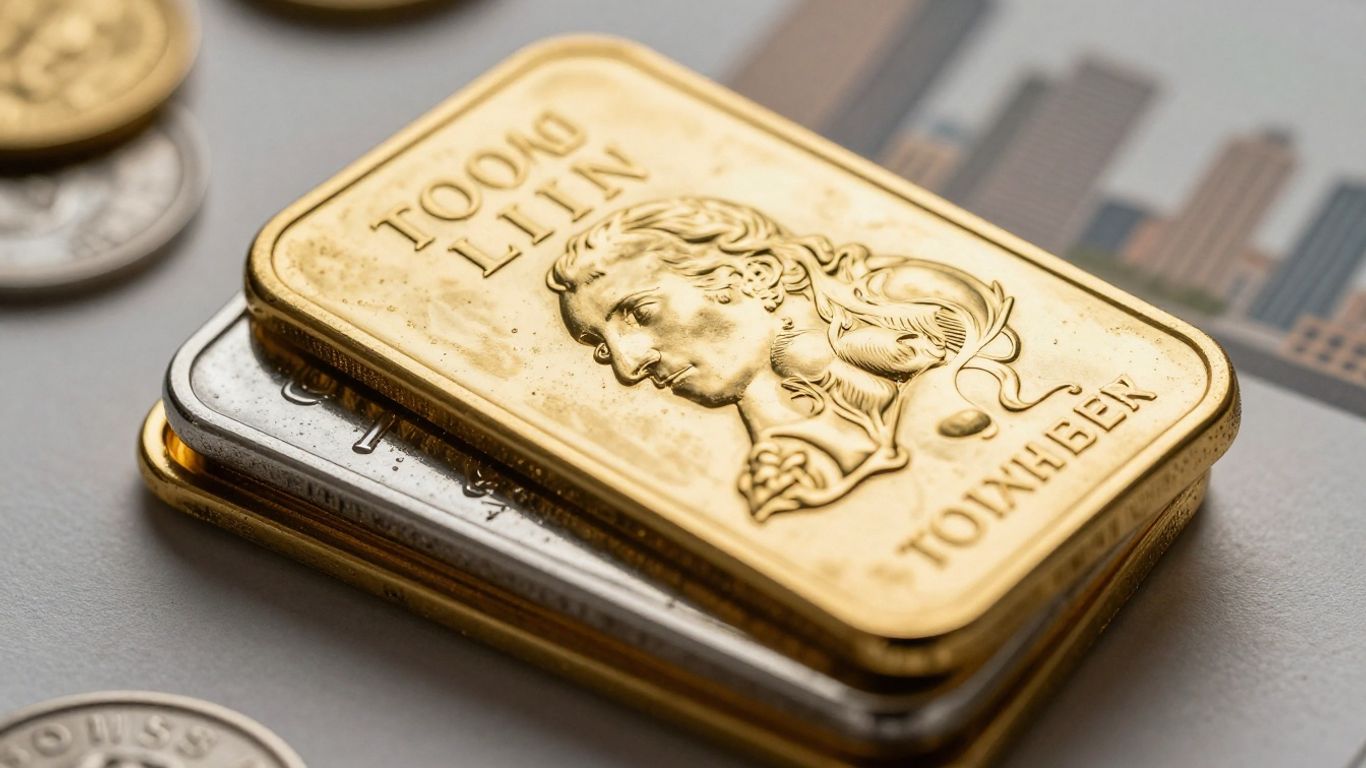
So, you’ve got some gold or silver lying around, maybe in the form of coins, bars, or even old jewelry. It’s not quite the same as those "so-called dollars" we’ve been talking about, but it’s definitely worth knowing how to get a fair price for it here in Tampa. The value of precious metals can fluctuate, so understanding the market is key.
When you’re looking to sell gold and silver bullion, it’s a bit different from selling currency. You’re dealing with intrinsic value based on the metal’s weight and purity, plus any collector appeal a specific coin might have. It’s not just about the face value, which is often non-existent for bullion.
Valuing Gold Coins and Bars
Selling gold coins and bars is pretty straightforward, but there are a few things to keep in mind. Most buyers will look at two main things: the current market price of gold (often called the "spot price") and the purity of the gold. For bars, like those from PAMP Suisse or Credit Suisse, it’s usually just about the weight and the current gold price. They’re typically stamped with their weight and purity, making it easy to figure out.
Gold coins are a bit more interesting. You’ve got your standard bullion coins like American Gold Eagles, Canadian Maple Leafs, or South African Krugerrands. These are valued primarily based on their gold content. But then you have older gold coins, like pre-1933 U.S. gold pieces (think Double Eagles or Liberty Heads). These can be worth more than just their gold weight because they’re also collectible. A coin’s condition, its rarity, and whether it’s a special minting can add a significant premium. It’s important to have someone check for these collector premiums, not just the melt value.
Understanding Silver Bullion Pricing
Silver bullion works similarly to gold, but the price per ounce is generally much lower. You’ll find silver in coins, like U.S. silver dollars (Morgan and Peace dollars are popular), half dollars, quarters, and dimes minted before 1965. These are often bought based on their silver content, especially if they’re in rough condition. However, just like with gold coins, certain silver coins can have collector value. Low-mintage coins, error coins, or those in exceptionally good condition can fetch prices well above the silver melt value. It’s always worth asking if a coin has numismatic value.
Silver bars are also common, and their price is usually tied directly to the current silver spot price and their weight. Refiners like the Royal Canadian Mint or Johnson Matthey produce popular silver bars. When selling, expect the offer to be based on the spot price, with a small deduction for the buyer’s margin.
Selling Platinum and Palladium
Don’t forget about platinum and palladium! These precious metals are also traded in coin and bar form and have their own market prices. Platinum coins, like the American Platinum Eagle or the Canadian Platinum Maple Leaf, are valued based on their platinum content. Palladium, another precious metal, is also traded in coins and bars, and its price can sometimes move independently of gold and silver. If you have items made from these metals, get them appraised separately, as their value is determined by their specific market rates, not gold or silver prices.
Here’s a quick look at what influences the price you might get:
- Spot Price: The current market price for one troy ounce of the metal.
- Purity: How much of the metal is actually in the item (e.g., .999 fine silver, 24K gold).
- Weight: The total amount of the metal.
- Coin Type & Condition: For collectible coins, rarity, grade, and historical significance play a big role.
- Buyer’s Margin: Most buyers need to make a profit, so they’ll offer slightly below the spot price.
When selling precious metals, especially coins, it’s wise to get a few quotes. Different buyers might place different values on the numismatic (collector) aspect of a coin, and you want to make sure you’re getting the best possible offer. Don’t be afraid to ask questions about how they arrived at their price.
Selling these items in Tampa is often best done through reputable coin and precious metals dealers who understand both the bullion market and the collector coin market. They have the tools to test purity and the knowledge to spot those valuable rare coins.
Tips for a Smooth Selling Experience
Selling your so-called dollars or any other collectibles can feel a bit overwhelming, but it doesn’t have to be. A little preparation goes a long way in making the whole process easier and more profitable for you. Think of it like getting ready for a big trip – you wouldn’t just throw things in a bag, right? Same idea here.
Preparing Your Items for Sale
First off, take a good look at what you have. If you’re selling coins, try to keep them in the best condition possible. Avoid cleaning them yourself, even if they look dusty. Cleaning can actually lower their value because it might damage the surface. For paper currency, handle it carefully, keeping it flat and away from moisture. If you have any original packaging, certificates, or documentation that came with your items, gather that up too. It can add to the perceived authenticity and value.
Here’s a quick checklist:
- Coins: Do not clean. Keep in original holders if possible.
- Paper Money: Handle with clean hands, store flat.
- Documentation: Collect any certificates of authenticity, original boxes, or receipts.
- Grouping: If you have multiple similar items, consider grouping them together.
Understanding Payment Options
When you’re ready to sell, think about how you want to get paid. Most reputable buyers offer several options. Cash is often preferred for immediate transactions, especially for smaller amounts. However, for larger sales, you might consider a cashier’s check or even a direct bank transfer. It’s good to know what the buyer offers upfront so you can decide what works best for your situation. Always confirm the payment method before you finalize the sale.
Here are some common payment methods:
- Cash: Immediate payment, good for smaller transactions.
- Cashier’s Check: A secure option for larger amounts, issued by a bank.
- Bank Transfer (ACH): Direct deposit into your bank account, can take a few business days.
Ensuring a Secure Transaction
Your safety and security are important. When meeting a buyer, especially if it’s an in-person exchange, choose a public and well-lit place. Many coin dealers have secure offices where you can conduct your business comfortably. If you’re dealing with a large collection, ask about their security measures. Reputable dealers will be transparent about how they handle transactions and protect your information. Don’t feel pressured to complete a sale if something feels off. It’s always better to walk away and find another buyer if you have any doubts.
Trust your instincts when meeting new people for transactions. A professional buyer will understand and respect your need for a secure and comfortable exchange.
Serving the Greater Tampa Bay Area
Locations We Serve
If you’re looking to sell your so-called dollars or any other numismatic items in the Tampa Bay region, you’re in luck. We work with folks all over the area, not just in the heart of Tampa. This includes neighborhoods like South Tampa, North Tampa, Westchase, and Carrollwood. We also reach out to Brandon, Riverview, Temple Terrace, and Town ’N Country. If you’re up in Lutz or Wesley Chapel, or even over in Clearwater and St. Petersburg, we’ve got you covered. Basically, if you’re in Hillsborough County or the surrounding areas, we can help.
Home Appointment Services
Sometimes, bringing your collection to us just isn’t practical. Maybe you have a really large collection, or it’s part of an estate, or you just prefer the comfort of your own home. That’s totally fine. We offer appointments right at your place. This makes the process easier for you, especially if you have a lot of items or just want a more private transaction. We can come to you throughout the Tampa metro area and beyond.
Selling from Surrounding Counties
Don’t live right in Tampa? No problem. We understand that the Tampa Bay area is pretty spread out. We regularly work with clients from counties surrounding Hillsborough, including Pinellas, Pasco, and Polk. If you’re not sure if we serve your specific town or county, just give us a call. We can usually arrange a way to make it work, whether that’s a visit or discussing other options like secure shipping for your items. Our goal is to make selling your so-called dollars as convenient as possible, no matter where you are in the greater Tampa Bay region.
Here’s a quick look at some of the areas we commonly serve:
- South Tampa
- North Tampa
- Brandon
- Riverview
- Clearwater
- St. Petersburg
- Lutz
- Wesley Chapel
- And many more!
Wrapping It Up
So, you’ve got some so-called dollars and you’re in Tampa looking to make a move. We’ve gone over a few spots where you might be able to do that, from places that deal with currency exchange to those that buy gold and coins. It’s a bit of a mixed bag out there, and what works best really depends on what you’re trying to sell and what kind of deal you’re hoping for. Remember to do your homework, compare what different places are offering, and don’t be afraid to ask questions. Getting a fair price is the goal, and a little bit of research goes a long way in making that happen.
Frequently Asked Questions
What exactly are 'So-Called Dollars'?
So-called dollars are special coins that look like regular U.S. dollars but aren’t official money. They were often made to celebrate events or people. Think of them like collectible tokens rather than cash you’d use to buy groceries.
Why would someone want to sell these coins in Tampa?
People sell them in Tampa because there are buyers who collect them. Some coins are rare and can be worth more than their face value, especially if they’re in good shape or represent a significant historical moment. Tampa has places that know how to find these buyers.
Where's the best place to sell my So-Called Dollars in Tampa?
You have a few choices. Places like Tampa Coin Buyers specialize in coins and might offer better prices because they know collectors. Other places like Spot Currency Exchange or Florida Currency Exchange might also be options, but it’s good to compare.
What should I do before selling my coins?
It’s smart to do a little homework. Try to figure out if your coin is rare or has any special history. Getting an appraisal from a coin expert can help you understand its true worth before you sell it. Also, make sure the place you choose is trustworthy.
How do coin dealers like Tampa Coin Buyers figure out the price?
They look at a few things. They check the coin’s condition, how rare it is, and if there’s a lot of demand from collectors. They also consider the current price of the metal the coin is made from, like gold or silver, if that applies.
Are there other ways to sell coins besides local shops?
Yes, you could consider online platforms or auctions, but that can be more complicated. For selling in person, you’ve got physical exchange spots and specialized coin dealers. Digital options like travel cards are more for spending money, not selling collectibles.
What if my coins are made of gold or silver?
If your coins contain precious metals like gold or silver, their value can be based on the metal’s price that day, plus any extra value they have as a collectible. Dealers who buy gold and silver will check both aspects to give you a fair offer.
How can I make sure I get a good deal when selling?
The best way is to compare offers from different places. Get an appraisal if possible, understand the current market value, and choose a seller who is open and honest about how they determine the price. Selling to specialists who understand coin value is usually better than general exchange places.