Thinking about selling proof coins in Tampa? It can feel a bit overwhelming trying to figure out where to get a fair price. You’ve got your valuable coins, maybe some old silver dollars or even some shiny proof sets, and you just want to make sure you’re not getting shortchanged. This guide is here to help you find the right spots in the Tampa area to sell your coins, whether they’re common or rare, and get the best deal possible.
Key Takeaways
- Arnold Jewelers has been a local, family-owned coin buyer in Tampa Bay since 1984, with experienced numismatists on staff.
- They offer transparent appraisals with no obligation to sell and pay top dollar based on real-time market prices.
- Arnold Jewelers buys a wide range of items, including U.S. coins (like Morgan Dollars, Mercury Dimes, Buffalo Nickels), foreign coins, gold and silver bullion, proof and mint sets, and rare/graded coins.
- They handle both small collections and large estate collections, offering house calls for qualifying collections in the Tampa Bay region.
- You can sell coins in-store in Largo, FL, or use their mail-in service if you’re not local, with a simple shipping process and secure payment options.
1. U.S. Coins
When you’re looking to sell your U.S. coins in Tampa, you’re tapping into a market with a long history. We’re talking about everything from the early days of the republic right up to more modern issues. Dealers are generally interested in coins minted before 1965, especially those made of gold and silver. This includes a wide range of denominations, each with its own set of collectors and value drivers.
Several factors really influence how much a U.S. coin is worth. It’s not just about the date on the coin, though that’s a big part of it. Think about these things:
- Condition: Is it shiny and new-looking, or does it show a lot of wear? Coins are graded on a scale, and a higher grade means more money.
- Rarity: How many of these coins were made in the first place? Low mintage numbers often mean a coin is harder to find and thus more desirable.
- Metal Content: Many older U.S. coins are made of gold or silver. The melt value of the metal itself can be a significant part of the coin’s worth, especially when metal prices are high.
- Key Dates and Mint Marks: Certain years or coins from specific mints (like Philadelphia, Denver, or San Francisco) are much more sought after by collectors.
Selling U.S. coins can be a bit of a treasure hunt. You might have something common that’s only worth its silver content, or you could stumble upon a rare gem that collectors have been searching for years. It pays to know what you have, or at least get a good appraisal from someone who does.
Commonly sought-after U.S. coins by buyers in the Tampa area often include:
- Pre-1933 Gold Coins: These are highly collectible and valuable due to their gold content and historical significance.
- Morgan and Peace Dollars: These silver dollars are very popular among collectors and investors.
- Buffalo Nickels: Especially those in good condition or with specific mint marks.
- Mercury Dimes: Another silver coin that many people collect.
- Walking Liberty Half Dollars: These are also frequently traded.
When you bring your U.S. coins to a dealer, they’ll likely look at all these points to give you a fair offer. It’s always a good idea to shop around a bit to see who offers the best price for your specific coins.
2. Foreign Coins
Got some old coins from your travels or maybe inherited a collection from a relative overseas? Tampa has places that are interested in those too. It’s not just about U.S. currency; international coins can be quite collectible and valuable.
Many buyers are looking for world coins that date back to the 1500s up through the 1940s. This can include a huge variety of pieces, from British Sovereigns and Chinese Pandas to Austrian Philharmonics and Mexican Libertads. Even ancient coins, if you happen to have any, can be worth a good amount. It really depends on the country of origin, the year it was minted, its condition, and how rare it is.
Here’s a quick look at what might catch a buyer’s eye:
- European Coins: Think old German states, French Francs, or Italian Lira. Coins from before major wars often have historical appeal.
- Asian Coins: Japanese Yen, Chinese currency, and coins from India can be sought after, especially older ones.
- Latin American Coins: Mexican Pesos, Brazilian Reals, and coins from other South American countries are also on the radar.
- Ancient and Medieval Coins: These are a whole different ballgame, often valued for their historical significance and rarity.
When you bring in foreign coins, a good buyer will look at more than just the metal content. They’ll consider the coin’s condition, how many were originally made, and if it has any special historical meaning. Sometimes, a coin that looks like just a piece of metal can be a rare find.
Don’t assume your foreign coins are worthless just because they aren’t from the U.S. It’s worth getting them appraised by someone who knows their way around international numismatics. You might be surprised at what you have.
3. Gold Bullion
When you’re looking to sell gold bullion in Tampa, you’re dealing with something a bit different than collectible coins. We’re talking about pure investment-grade gold, usually in the form of bars, rounds, or specific coins valued primarily for their gold content, not their rarity or historical significance. Think American Gold Eagles, Canadian Maple Leafs, or South African Krugerrands. These are bought and sold based on the current market price of gold, often referred to as the spot price.
The key to selling gold bullion is understanding its weight and purity. Most reputable dealers will test your items to confirm their fineness, usually .999 or .9999 pure gold. This purity, combined with the weight, determines the intrinsic value of your bullion.
Here’s a quick look at what buyers typically consider:
- Type of Bullion: Bars, rounds, or bullion coins.
- Weight: Measured in troy ounces or grams.
- Purity: The percentage of pure gold (e.g., .999 fine).
- Condition: While less critical than for collectible coins, significant damage might affect value.
When you bring your gold bullion to a buyer, they’ll usually weigh it and check its purity. They’ll then offer you a price based on the current gold spot price, minus a small percentage for their overhead and profit. It’s a pretty straightforward transaction compared to numismatic coins. For instance, places like Arthur Yates Jewelers are known for offering instant liquidity for gold bullion, paying competitive rates based on the market.
Selling gold bullion is often about getting the best price for the pure metal content. Unlike rare coins, the value is tied directly to the fluctuating global gold market. Buyers are looking for easily verifiable gold content, making purity and weight the most important factors in determining your payout.
It’s always a good idea to get a couple of quotes before you sell, just to make sure you’re getting a fair price. Some dealers might offer slightly more for certain popular bullion coins over generic bars, but generally, the price is driven by the gold itself. You want to find a buyer who is transparent about how they arrive at their offer and who can clearly explain the current market conditions affecting the price.
4. Silver Bullion
When you’re looking to sell silver bullion in Tampa, you’re probably thinking about those shiny bars or rounds stamped with their weight and purity. And yeah, that’s a big part of it. We’re talking about items made of .999 fine silver, like American Silver Eagles, Canadian Maple Leafs, or generic silver rounds. These are generally valued based on the current spot price of silver, plus a small premium. The exact premium can change depending on the specific coin or bar and market demand.
It’s not just about the silver content, though. Some silver coins, even if they’re considered bullion, can fetch a higher price if they’re collectible or have a low mintage. Think about older silver coins that might have a bit of numismatic value on top of their melt value. It’s good to know what you have before you head out the door.
Here’s a quick look at what buyers typically consider:
- Type of Item: Is it a recognized bullion coin (like an Eagle or Maple Leaf), a generic round, or a silver bar? Each can have slightly different pricing.
- Purity: Most bullion is .999 fine silver, but older coins might be .900 or .925 fine. This affects the amount of pure silver you actually have.
- Weight: Bullion is usually sold in standard weights like 1 ounce, 10 ounces, or even larger bars.
- Condition: While bullion isn’t usually graded like collectible coins, significant damage might affect its value.
When selling silver bullion, especially in larger quantities, you’ll want to find a buyer who offers competitive pricing. Some dealers might try to pay you just the spot price for everything, but others will recognize the added value in specific coins or bars. It pays to shop around a bit to see who gives you the best deal for your specific silver items.
So, if you’ve got a stash of silver bullion, whether it’s a few coins or a whole collection, Tampa has places that will be interested. They’ll look at the silver’s market price and any extra collector appeal your pieces might have.
5. Proof and Mint Sets
Proof and mint sets are special coin collections put together by the U.S. Mint. They’re usually sold directly to collectors. These sets often contain uncirculated coins with a special mirror-like finish, or proof coins that have been struck multiple times for maximum detail.
When you’re looking to sell these sets in Tampa, buyers will consider a few things. The original packaging is a big deal – if you still have the box and certificate of authenticity, that’s a plus. The condition of the coins themselves, of course, matters a lot. Are they still in their original holders? Is the packaging pristine or showing wear and tear? These details can really affect the value.
Here’s a quick look at what makes a set more desirable:
- Completeness: Are all the coins from the set present? Are the original documents included?
- Condition: How well have the coins and their packaging been preserved over time?
- Rarity: Some years or specific sets were produced in much lower quantities than others.
- Metal Content: While often sold for their numismatic value, the gold or silver content can add to the price.
Buyers will also look at the specific coins included. For example, a proof set from a year with a particularly sought-after coin might fetch a higher price. It’s not just about the set as a whole, but also the individual components within it.
Selling these sets often requires a buyer who understands their specific market. They aren’t just loose coins; they’re curated collections with their own history and collector base. A good buyer will know how to price them based on their original issue price, current collector demand, and the condition of the entire package.
6. Rare & Graded Coins
When you’ve got coins that stand out from the crowd, like those rare finds or coins that have been professionally graded, selling them requires a bit of a different approach. These aren’t your everyday pocket change; they often have a story and a specific value tied to their condition and rarity. Finding a buyer who truly understands numismatics is key to getting a fair price.
Several factors go into determining the worth of these special coins:
- Grading Service: Coins certified by reputable services like PCGS (Professional Coin Grading Service) or NGC (Numismatic Guaranty Company) generally fetch higher prices because their condition is authenticated by experts.
- Rarity and Mintage: How many of these coins were originally made? Low mintage numbers often mean a coin is harder to find, which can drive up its value.
- Condition: Even within graded coins, the specific grade (like MS-65 for uncirculated or PR-67 for proof) makes a big difference.
- Key Dates and Mint Marks: Certain dates or coins from specific mints can be significantly more valuable than others in the same series.
- Historical Significance: Some coins are valuable not just for their metal content or rarity, but for the historical events they represent.
It’s important to work with dealers who are knowledgeable about these specific types of coins. They’ll know how to properly assess the grade, understand the market for rare issues, and connect you with potential buyers who appreciate these numismatic treasures. Some dealers even have direct relationships with grading services, which can streamline the process.
Selling rare or graded coins isn’t just about the metal they’re made of. It’s about the history, the scarcity, and the meticulous grading that confirms their quality. A good buyer will recognize these attributes and offer a price that reflects the coin’s true collectible value, not just its melt price.
When you bring in your rare and graded coins, expect the buyer to look closely at:
- The coin’s overall appearance and any signs of wear or damage.
- The authenticity of the grading, if applicable.
- The current market demand for that specific coin.
- Comparisons to recently sold similar coins.
This careful evaluation ensures that you’re getting a price that truly reflects the coin’s unique place in the numismatic world.
7. Estate Collections
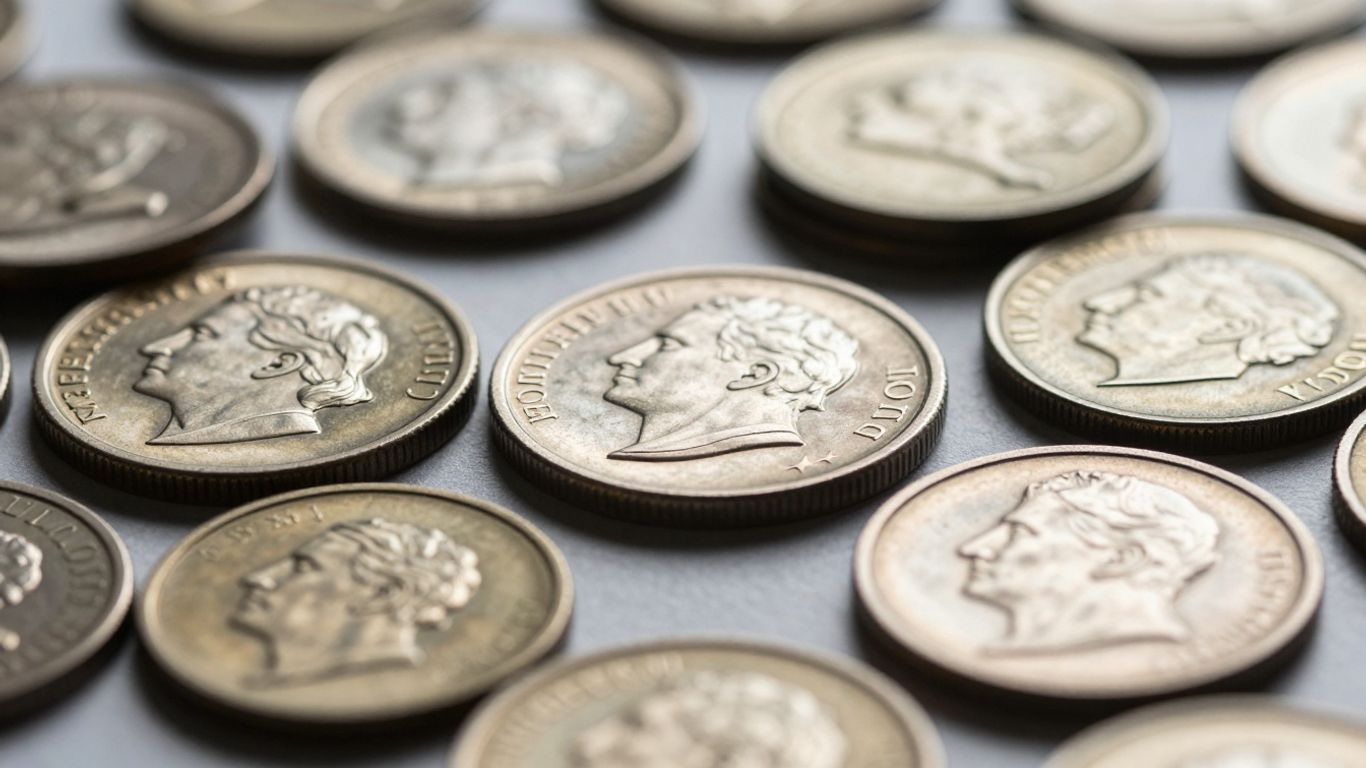
When someone passes away, their family often ends up with a collection of coins, sometimes a significant one. This can be a bit overwhelming, especially if you don’t know much about coins yourself. Dealing with an estate collection requires a careful and knowledgeable approach. It’s not just about the face value of the coins; there could be rare pieces mixed in that are worth a lot more.
Here’s what usually goes into figuring out the value of an estate collection:
- Coin Type and Condition: Are they old silver dollars, proof sets, or just circulated pocket change? The condition, from mint state to heavily worn, plays a big role.
- Rarity and Mintage: How many of a particular coin were made? Lower mintage numbers often mean higher value.
- Metal Content: Many older coins are made of gold or silver. The current market price for these metals can significantly impact the overall worth.
- Historical Significance: Sometimes, a coin is important because of its date, mint mark, or a specific historical event it represents.
Handling an estate collection can feel like a big task. It’s important to find a buyer who understands the nuances of these collections and can give you a fair assessment without making you feel rushed or pressured. They should be able to sort through everything, explain what they’re finding, and offer a clear price for the whole lot or individual pieces.
Many local coin dealers in Tampa are equipped to handle these situations. They often specialize in evaluating bulk coin lots and can even make house calls for larger collections in the Tampa Bay area. This can make the process much smoother for grieving families.
8. Morgan & Peace Dollars
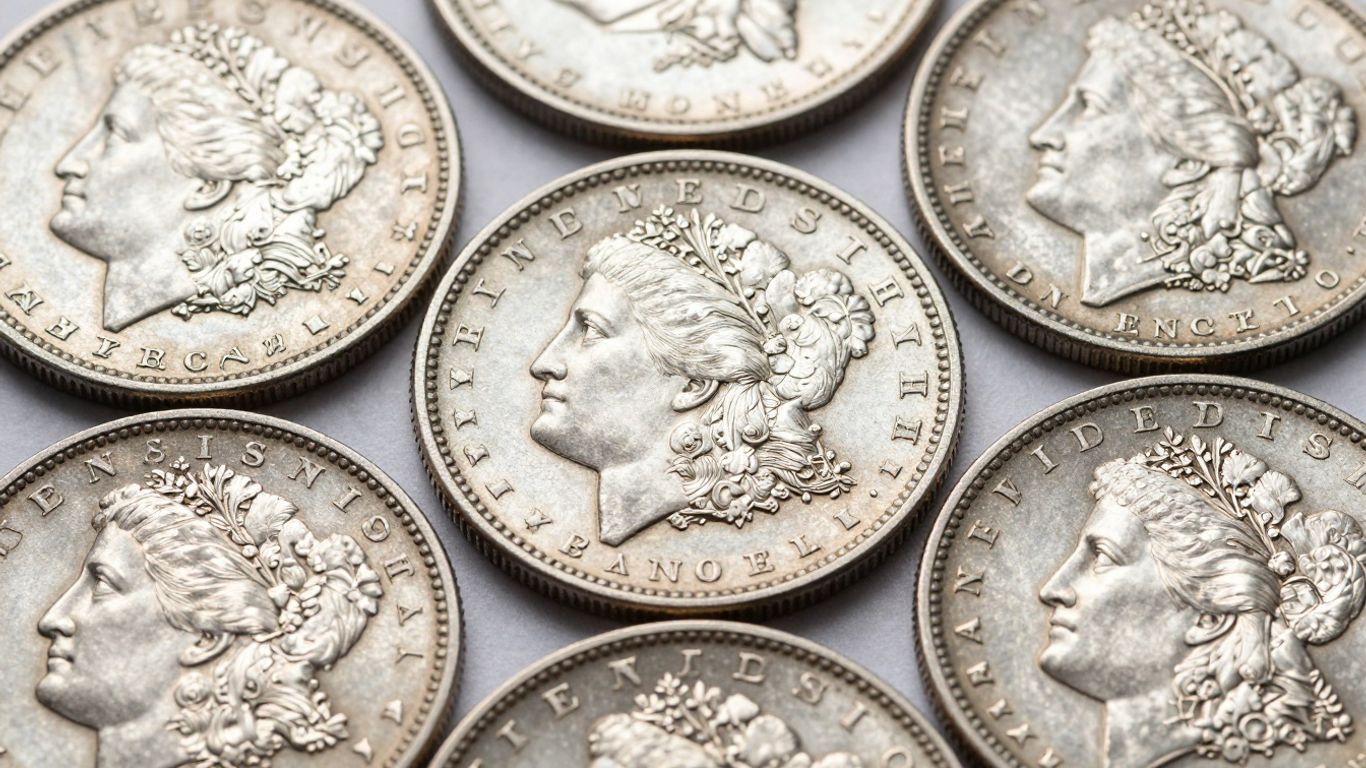
Morgan and Peace dollars are two of the most popular silver coins for collectors in the United States. These large silver dollars, minted primarily from 1878 to 1904 and then again from 1921 to 1935, are sought after for their historical significance and silver content. If you’re looking to sell these coins in Tampa, understanding what makes them desirable is key.
The condition and rarity of your Morgan or Peace dollars will significantly impact their value. Factors like the mint mark (where the coin was made), the year it was minted, and its overall condition play a big role. For instance, a Morgan dollar from the San Francisco mint (marked with an ‘S’) from an early year, like the 1878-S, can be quite valuable, especially if it’s in good shape. We buy coins like the 1878-S Morgan Silver Dollar graded MS64 by PCGS and CAC approved. Imperial Coin Exchange is one place that deals with such coins.
Here’s a quick look at what buyers consider:
- Mint Mark: Coins from Carson City (CC) and San Francisco (S) often fetch higher prices than those from Philadelphia (no mint mark).
- Date: Certain dates are much rarer than others. For example, the 1921 High Relief Peace Dollar is a popular key date.
- Condition: Coins are graded on a scale from Poor (P) to Mint State (MS). Higher grades mean better condition and higher value.
- Mintage: The number of coins produced in a specific year and mint can affect rarity.
Many collectors are drawn to these coins not just for their silver value, but for the history they represent. They were once a common part of everyday transactions, and now they’re pieces of American heritage.
When selling, be prepared to discuss these aspects. Reputable dealers will assess your coins based on these criteria. You can find buyers who specialize in these types of coins, ensuring you get a fair evaluation. Selling a collection of these dollars can be a rewarding experience if you work with knowledgeable professionals.
9. Mercury Dimes
Mercury dimes, officially known as the Winged Liberty Head dime, were minted from 1916 to 1945. They’re a popular series for collectors, and finding a buyer in Tampa isn’t too difficult. The condition of your Mercury dimes will significantly impact their value. While many common dates in circulated condition might only be worth their silver melt value, rarer dates, mint marks, or those in uncirculated or proof condition can fetch much higher prices.
When you’re looking to sell, keep these factors in mind:
- Date and Mint Mark: Key dates like the 1916-D (Denver mint) are particularly valuable. Other important ones include the 1921, 1921-D, 1926-D, and 1942/1 overdate. Always check the mint mark, usually found on the reverse side (D for Denver, S for San Francisco, or no mark for Philadelphia).
- Condition (Grade): Coins are graded on a scale from heavily worn to perfect. Uncirculated coins (often called Mint State) are worth considerably more than circulated ones. Look for sharp details, full bands on the fasces (the bundle of rods on the reverse), and minimal wear.
- Rarity and Mintage: Lower mintage numbers generally mean a coin is rarer and more desirable to collectors. Some years had significantly fewer coins produced than others.
- Errors: Sometimes, coins have minting errors, like double dies or off-center strikes. These can add significant value if they are recognized and authenticated.
If you have a collection of Mercury dimes, especially if you suspect you have some key dates or high-grade examples, it’s a good idea to get them appraised by a reputable dealer. For instance, a local coin dealer in the Tampa Bay area that specializes in US coins can help you understand the true worth of your dimes.
Selling Mercury dimes involves understanding a few key aspects beyond just the silver content. While the silver value is a baseline, the specific date, mint mark, and especially the coin’s preservation state are what truly drive collector interest and market price. Don’t underestimate the importance of a coin’s visual appeal and the sharpness of its design features when assessing its potential value.
It’s also worth noting that while most Mercury dimes are made of 90% silver, their numismatic value often surpasses their melt value, especially for the scarcer varieties. So, before you decide to sell, do a little homework or consult with a professional to make sure you’re getting a fair price.
10. Buffalo Nickels
Ah, the Buffalo nickel. These coins, officially known as the Indian Head nickel, are quite popular with collectors. They were minted from 1913 to 1938 and feature a Native American on one side and an American bison on the other. The design is iconic, making them a favorite for many.
When you’re looking to sell your Buffalo nickels in Tampa, a few things will affect their value. The condition of the coin is a big one, of course. A coin that’s seen a lot of wear and tear won’t fetch as much as one that’s in great shape. Then there’s the date and the mint mark – some years and mints produced far fewer coins, making them rarer and more desirable.
Here’s a quick look at what buyers consider:
- Condition: From heavily worn (Good) to nearly perfect (Uncirculated).
- Date & Mint Mark: Key dates like the 1937-D 3-Legged Buffalo are particularly sought after.
- Rarity: Lower mintage numbers generally mean higher value.
- Metal Content: While primarily copper-nickel, older coins can have collector value beyond their metal.
Many local coin shops, like Arthur Yates Jewelers, are interested in these. They understand the appeal of these classic American coins and are equipped to evaluate them properly. It’s always a good idea to get a few opinions if you have a significant collection.
Selling Buffalo nickels can be a straightforward process if you know what to look for. Most reputable dealers will be able to give you a fair assessment based on the coin’s condition and specific characteristics. Don’t be afraid to ask questions about how they arrived at their valuation.
If you have a collection of these, or even just a few, it’s worth checking out places that specialize in U.S. coinage. They’ll know exactly what makes a Buffalo nickel special.
Ready to Sell Your Proof Coins?
So, you’ve got proof coins sitting around and you’re wondering what to do with them. We’ve looked at some of the best places in Tampa to get a fair deal. Whether you’re dealing with Arnold Jewelers in Largo, known for their long history and expert staff, or considering other local options, the key is finding someone you trust. Remember to do a little homework on your coins beforehand, and don’t be afraid to get a few opinions. Selling your collection can be straightforward when you know where to look and who to talk to. Good luck out there!
Frequently Asked Questions
Where can I sell my proof coins in Tampa?
You can sell your proof coins to several places in Tampa. Local coin dealers like Arnold Jewelers are a great option. They have experts who know how to value different kinds of coins, including proof coins. You can also look into coin shows or online marketplaces, but local dealers often offer a more straightforward and trustworthy experience.
How do I know if my coin is a proof coin?
Proof coins are special coins made by mints for collectors. They have a shiny, mirror-like finish on the flat parts and frosted designs. They are usually made with extra care and are often sold in special cases or sets. If your coin looks extra shiny and perfect, it might be a proof coin.
What makes a coin valuable?
A coin’s value depends on a few things. Its condition is super important – coins that are in great shape are worth more. How rare the coin is also matters; if there aren’t many of them, they can be more valuable. The metal it’s made of, like gold or silver, plays a big role too. Plus, any special history or if it’s a rare date can increase its worth.
Should I clean my proof coins before selling them?
No, never clean your proof coins before selling them! Cleaning can actually damage the coin’s surface and make it worth much less. It’s best to leave them just as they are. Let the experts at the coin shop handle any cleaning or assessment.
What's the difference between a proof coin and a regular coin?
Regular coins, also called ‘circulation’ coins, are made for everyday use. Proof coins are made specifically for collectors. They are struck multiple times with specially polished dies and blanks, giving them a higher quality finish with a mirror-like background and frosted design elements. They aren’t meant for spending.
Can I sell my coins online if I don't live in Tampa?
Yes, you can! Many reputable coin dealers, like Arnold Jewelers, offer mail-in services. You can send them photos of your coins, get a quote, and then ship your coins to them securely. They’ll inspect them and send you payment. It’s a convenient option if you’re not local.
How do coin dealers determine the price they offer?
Coin dealers look at several factors to decide what to pay. They consider the coin’s condition, its rarity, the current market price of the metal it’s made from (like gold or silver), and whether it’s a sought-after coin by collectors. They often use pricing guides and check real-time market values to make a fair offer.
What types of coins do buyers like Arnold Jewelers typically purchase?
Buyers like Arnold Jewelers are usually interested in a wide variety of coins. This includes U.S. coins, especially older ones made of gold or silver like Morgan Dollars and Buffalo Nickels. They also buy foreign coins, gold and silver bullion, proof sets, rare and graded coins (certified by PCGS or NGC), and entire estate collections.