Thinking about selling your old Pioneer gold coins in Tampa? It’s not as simple as just walking into a shop and expecting a quick sale. There’s a lot to consider, from knowing what your coins are actually worth to finding the right buyer. This guide will walk you through everything you need to know to sell pioneer gold coins Tampa, making sure you get a fair deal and avoid any common pitfalls.
Key Takeaways
- Understand that Pioneer gold coins have value beyond just their gold weight, thanks to their history and rarity. This means their worth can be more than just the current gold price.
- When selling, look at the current price of gold, how much local buyers in Tampa want these coins, and the general economic situation. These things can really affect what you get.
- Make sure your coins are real. Look for specific details and consider getting them checked by an expert to avoid fakes and get the right appraisal.
- Shop around in Tampa. Check out local coin shops, gold buyers, and even coin shows to compare offers before you sell.
- Don’t be afraid to ask dealers questions about their fees, how they appraise coins, and their reputation. Knowing this upfront helps you make a better decision and get the best price.
Understanding The Value Of Pioneer Gold Coins
Historical Significance And Collectible Worth
Pioneer gold coins are more than just metal; they’re tiny pieces of history. These coins often represent a specific time and place, like the California Gold Rush or early territorial mints. Their value isn’t just about the gold content. It’s also about the story they tell and how rare they are. Some of these coins are incredibly scarce, making them highly sought after by collectors. For instance, an extremely rare 1798 Small Eagle gold half eagle coin once sold for a staggering $3 million at auction, showing just how much historical significance can add to a coin’s worth. The more compelling the history and the fewer coins that exist, the higher the potential collectible value.
Factors Impacting Appraised Value
When you get a pioneer gold coin appraised, several things will influence its worth. The condition of the coin is a big one – is it worn smooth or does it still show sharp details? This is often graded on a scale, with higher grades meaning more value. Rarity plays a huge role too; if only a handful of a particular coin were ever made, it’s going to be worth more than one that was minted in the millions. The historical context is also key. Was it minted during a significant event? Did it circulate in a particular region? These details add layers to its appraisal. Finally, demand from collectors matters. If a lot of people want a specific type of coin, its price will naturally go up.
Here’s a quick look at some common factors:
- Condition: From ‘Poor’ (heavily worn) to ‘Mint State’ (uncirculated).
- Rarity: How many were originally produced and how many still exist today.
- Historical Context: Association with important events or periods.
- Collector Demand: Popularity among numismatists.
- Mint Mark: The specific location where the coin was produced.
Gold Content Versus Numismatic Premiums
It’s important to know that pioneer gold coins have two main value components. First, there’s the melt value, which is based on the actual amount of gold in the coin. This fluctuates with the daily price of gold. Then, there’s the numismatic value. This is the added worth collectors are willing to pay because of the coin’s rarity, historical importance, condition, and overall appeal. Sometimes, a coin might be worth significantly more than its gold content due to its numismatic premium. For example, a common gold coin might trade very close to its melt value, but a rare, well-preserved pioneer coin could fetch many times its gold weight. It’s this numismatic premium that makes collecting these historical pieces so fascinating and potentially profitable.
Understanding the difference between melt value and numismatic value is key. While the gold content provides a baseline, the coin’s history, rarity, and condition can dramatically increase its worth beyond the simple price of gold.
Current Market Trends For Selling Pioneer Gold Coins In Tampa
So, you’ve got some old pioneer gold coins sitting around and you’re thinking about selling them here in Tampa. That’s smart, but before you rush off, it’s a good idea to get a feel for what’s happening in the market right now. It’s not just about the coins themselves; a lot of outside stuff can affect what you’ll get for them.
Spot Gold Price Movements
The price of gold itself, often called the "spot price," is a big deal. This is the price of gold for immediate delivery, and it changes all the time, sometimes by a lot, even within a single day. Think of it like the stock market, but for gold. When the spot price is high, your coins, especially those valued mostly for their gold content, will naturally be worth more. If the price has dipped, you might want to hold off a bit.
Here’s a general idea of how spot prices can fluctuate:
| Time Period | Average Price per Ounce (USD) |
|---|---|
| Last Week | $2,350 |
| Last Month | $2,320 |
| Last Year | $2,050 |
Note: These are example figures and actual prices will vary.
Local Tampa Buyer Demand
It’s not just the global gold price that matters. What’s happening right here in Tampa can make a difference too. Are there a lot of local coin shops and dealers actively looking to buy pioneer gold coins? If there’s high demand from collectors or investors in the Tampa Bay area, you might get better offers. Sometimes, local events or a surge in interest in historical items can boost demand. On the flip side, if buyers are scarce, you might have to work a bit harder to find a good deal.
Impact Of Economic Climate On Gold Sales
Think about the bigger picture. When the economy feels shaky, people often turn to gold as a safe place to put their money. This can drive up demand and prices. Conversely, if the economy is booming and people feel confident, they might be less interested in gold and more into riskier investments. So, the general economic mood, both nationally and even locally, plays a role in how much someone might be willing to pay for your pioneer gold coins.
Selling gold coins isn’t just a simple transaction; it’s influenced by global economic forces, local market conditions, and the inherent value and rarity of the coins themselves. Understanding these factors helps you make a more informed decision about when and where to sell.
When you’re ready to sell, keep these trends in mind. It could mean the difference between a quick sale at a decent price and getting the best possible return for your historical treasures.
How To Identify Authentic Pioneer Gold Coins
So, you’ve got some old gold coins, maybe even some "Pioneer Gold" coins, and you’re wondering if they’re the real deal. It’s not always as simple as looking at them and saying, "Yep, that’s gold." There are a few things to check, and some of them are pretty important if you want to get a fair price.
Key Design Features To Look For
When you’re looking at a pioneer gold coin, the first thing to do is just examine it closely. Think about what you’re seeing. Are the details sharp, or are they a bit fuzzy? Real coins, especially those made by official mints or well-known assayers from the pioneer era, usually have clear, crisp designs. Look at the lettering – is it uniform and well-formed? Check the images or symbols; they should be distinct. Sometimes, the weight and the diameter are also good indicators. If a coin feels too light or too heavy for its size, that’s a red flag.
- Mint Mark: Many pioneer coins have a small letter or symbol indicating where they were made. Knowing what to look for can help.
- Edge Detail: Is the reeding on the edge (those little lines) consistent and well-defined, or does it look rough or uneven?
- Surface Texture: Genuine gold has a certain look and feel. Look for natural toning or wear patterns that make sense for a coin of its age.
Recognizing Counterfeits And Reproductions
Unfortunately, people have been faking coins for a long time, and pioneer gold coins are no exception. Counterfeits can range from really crude fakes to surprisingly good imitations. One common sign of a fake is a lack of detail. If the coin looks like it was made from a blurry picture, that’s not a good sign. Another thing to watch out for is the sound. If you gently tap two genuine gold coins together, they often make a distinct, clear ring. Fakes, especially those made with base metals, might sound dull or clunky. Also, check the color. While gold can tarnish or tone over time, a fake might have an unnatural, brassy look or show signs of plating that’s wearing off.
Be wary of coins that seem too perfect or too cheap. If a deal seems too good to be true, it probably is. Genuine historical coins carry a certain patina of age and use that can’t be easily replicated.
Importance Of Professional Authentication
Honestly, trying to spot a fake on your own can be tough, especially with the really good ones. That’s where the pros come in. Getting your coins authenticated by a reputable third-party grading service is the best way to know for sure. These services have experts who use specialized equipment to determine if a coin is genuine and to assess its condition. They’ll often encapsulate the coin in a protective holder with a label detailing its authenticity and grade. This not only gives you peace of mind but also adds significant value and trust when you decide to sell.
- Third-Party Graders: Services like PCGS (Professional Coin Grading Service) and NGC (Numismatic Guaranty Company) are widely recognized.
- Dealer Expertise: A trusted local coin dealer can often provide an initial assessment, though a formal grading service offers the highest level of certainty.
- Documentation: If your coin comes with any original paperwork or certificates of authenticity from a reputable source, keep it safe. It adds to the coin’s story and can help confirm its legitimacy.
Where To Sell Pioneer Gold Coins In Tampa
So, you’ve got some old pioneer gold coins sitting around and you’re thinking about selling them here in Tampa. That’s great! But where do you even start? It can feel a little overwhelming, right? Don’t worry, we’ll break down the best places to go.
Local Coin Shops And Dealers
Your first thought might be to hit up a local coin shop. Tampa has a few of these, and they can be a good option, especially if you want to see someone face-to-face. They often have a good understanding of the local market and can give you a quick appraisal. Just remember, they’re in business to make a profit, so they’ll likely offer you a price that allows them to resell the coins.
- Pros: Quick transactions, in-person evaluation, local market knowledge.
- Cons: May offer lower prices than other avenues, selection might be limited.
- Tip: Visit a couple of different shops to compare offers before you commit.
Reputable Tampa Gold Buyers
Beyond traditional coin shops, there are also specialized gold buyers in the Tampa area. These folks focus specifically on precious metals and might be more competitive with their pricing, especially for gold content. It’s important to do your homework here, though. Look for buyers with good reviews and a solid reputation. Some companies, like Patriot Gold Group, have built a name for themselves by focusing on customer service and transparency, which is always a good sign when dealing with valuable items.
When choosing a buyer, always ask about their authentication process and how they determine the value of your specific coins. A good buyer will be happy to explain this to you.
Coin Shows And Collector Events
Keep an eye out for coin shows or collector events happening in and around Tampa. These events can be fantastic opportunities. You’ll find a variety of dealers all in one place, all looking to buy. This creates a competitive environment, which can work in your favor. Plus, you might meet other collectors or dealers who specialize in the exact type of pioneer gold coins you have. It’s a good way to get a feel for the broader market and potentially find a buyer who truly appreciates the numismatic value, not just the gold weight. You can often find listings for local estate sales and auctions in Tampa online, which might include coin collections. local estate sales
- Research: Check schedules for upcoming shows in the Tampa Bay area.
- Prepare: Bring your coins, any documentation you have, and a list of questions.
- Compare: Talk to multiple dealers at the show to get the best sense of value.
Questions To Ask A Gold Dealer Before You Sell
Before handing over your Pioneer gold coins to any Tampa buyer, it’s smart to have a list of questions ready. Some dealers are upfront and trustworthy, while others might be less open about their policies, fees, and reputations. Here are some areas you should always bring up during your first conversation:
Buyback Policy Transparency
- What is your process if I decide to sell more coins to you in the future?
- Are there any restrictions or limits on buybacks?
- How soon do I receive payment after a sale?
- Are quoted prices locked in at any point, like during appraisal?
- Will you put all these terms in writing?
You’d be surprised how many people skip this—only to regret not getting a written buyback statement later. Always ask for the details in writing.
Dealer Reputation And Reviews
- How long have you been in business in the Tampa area?
- Do you have references or testimonials from past customers?
- Can I see recent third-party reviews (online or otherwise)?
| Dealer Name | Years In Business | Average Customer Rating | Recent Complaints? |
|---|---|---|---|
| Tampa Gold Exchange | 15 | 4.7/5 | No |
| Bay Area Coin Buyers | 8 | 4.5/5 | Yes (1 in 2026) |
- Are you affiliated with any professional organizations?
- What verification can you provide regarding your credentials?
Commission And Fee Disclosures
- What is your commission or markup for purchasing Pioneer gold coins?
- Are there any hidden fees—like testing, authentication, or handling?
- How and when are these fees deducted?
- Will you give me an itemized breakdown of all charges after the sale?
Key Points To Compare Between Dealers
- Upfront commission rates — get these in writing.
- Itemized lists of all possible fees.
- Payment methods and timing.
If a dealer avoids direct answers, changes their story, or seems bothered by your questions, consider walking away. Getting these details ahead of time helps ensure a smoother transaction and gives you peace of mind before selling valuable coins.
Preparing Your Pioneer Gold Coins For Sale
So, you’ve got some old pioneer gold coins sitting around and you’re thinking about selling them. Before you rush off to the nearest buyer, there are a few things you should do to get your coins ready. It’s not just about handing them over; a little preparation can make a big difference in how much you get.
Proper Handling and Storage Tips
First off, how you handle these coins matters. These aren’t just pieces of metal; they’re historical artifacts. Always handle your coins by their edges, never touch the surfaces. Fingerprints can leave oils that might tarnish the gold over time, and that’s definitely not what you want. If you’ve been storing them, keep them in a dry, stable environment. Avoid places with high humidity or extreme temperature swings. Think about using individual coin holders, like Mylar flips or hard plastic cases, to keep them separate and protected from scratches. If they’re already in albums, make sure the album pages aren’t acidic, as that can damage the coins over time.
Gathering Certificates of Authenticity
If your pioneer gold coins came with any paperwork when you acquired them, now’s the time to dig it out. This could be a certificate of authenticity from a reputable dealer, an appraisal report, or even old sales receipts. This kind of documentation adds a layer of trust and can help a buyer verify the coin’s history and legitimacy. It’s like having a backstory for your treasure.
Organizing Documentation and Provenance
Provenance, in the coin world, basically means the history of ownership. If you know where your coins came from – maybe they were passed down through your family for generations, or you bought them from a well-known collector – jot down what you know. Even a simple family tree showing how the coin came to you can be helpful. This information, combined with any certificates or past appraisals, creates a solid record. It shows the coin hasn’t just appeared out of nowhere and can sometimes add to its appeal, especially for rare or historically significant pieces.
When preparing your coins, remember that their condition is key. While you shouldn’t clean them yourself, knowing how to store them properly beforehand is a big step. Think of it as preserving their story until you can tell it to a potential buyer.
What To Expect During The Appraisal Process
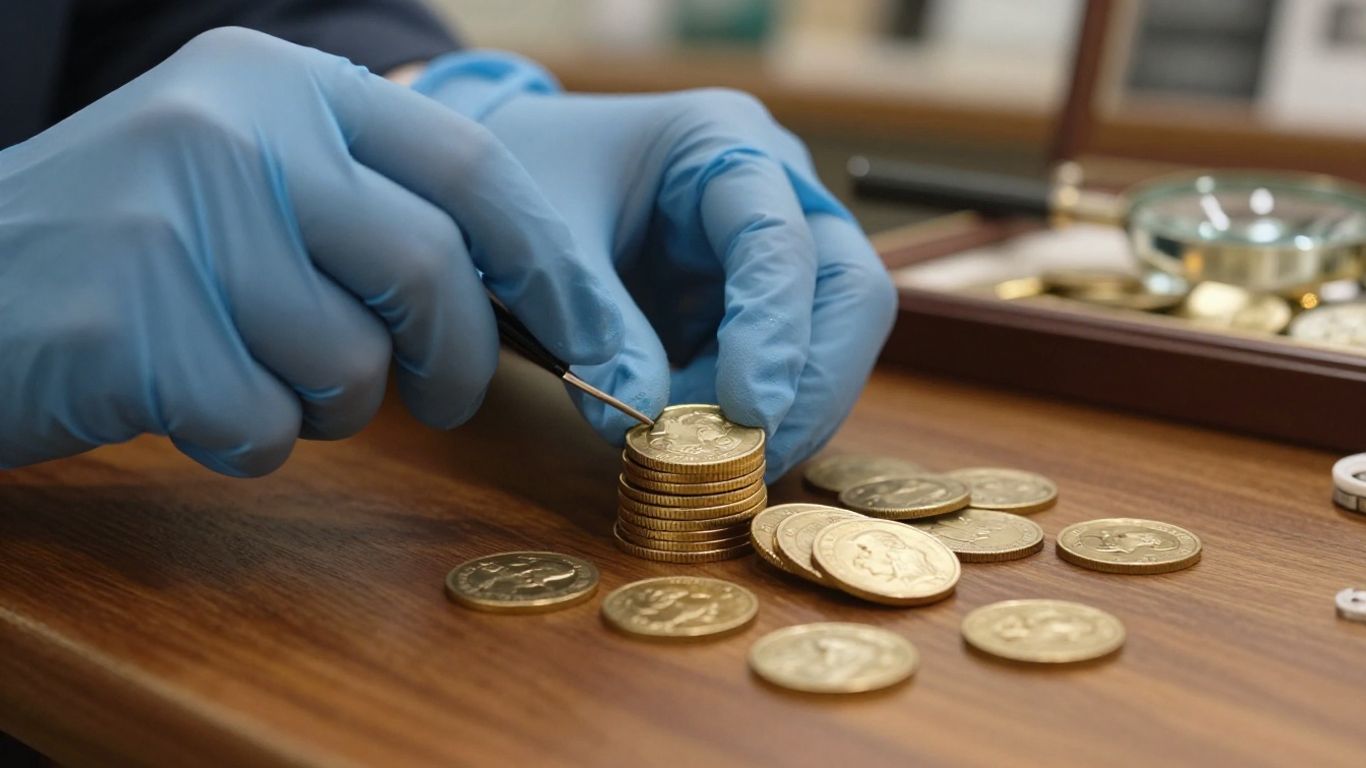
So, you’ve got these old pioneer gold coins and you’re thinking about selling them. Before you can even think about a price, they need to be appraised. This isn’t just a quick glance; it’s a detailed look to figure out what your coins are really worth. Think of it like taking your car to a mechanic before selling it – they need to check the engine, the tires, and everything in between.
Step-By-Step Guide To Coin Appraisal
When you take your pioneer gold coins in for an appraisal, here’s generally what happens:
- Initial Inspection: The dealer or appraiser will first look at the coin’s overall condition. They’ll check for any obvious damage, wear, or alterations.
- Identification: They’ll confirm the coin’s authenticity, date, mint mark, and denomination. This is where knowing your coin’s history comes in handy.
- Grading: This is a big one. Coins are graded on a scale, usually from 1 (poor) to 70 (mint state). The condition significantly impacts the value. A coin in better condition will fetch a higher price.
- Metal Content Analysis: For gold coins, the purity and weight of the gold are assessed. This gives you a baseline value based on the current spot price of gold.
- Numismatic Evaluation: Beyond the gold content, the appraiser considers the coin’s rarity, historical significance, and collector demand. This is what adds a premium over the melt value. Coins with interesting provenances, like those from specific collections, can be particularly sought after.
- Final Valuation: Based on all the above factors, the appraiser will provide an estimated value. They might give you a retail replacement value (what it would cost to buy a similar coin) and a fair market value (what someone would likely pay for it now).
Typical Documentation Needed
While the coin itself is the main event, having some paperwork can help the appraisal process go smoother. You don’t always need a ton, but a few things can make a difference:
- Certificates of Authenticity (COA): If your coin came with one from a reputable grading service or dealer, bring it along. It adds a layer of confidence.
- Original Purchase Receipts: If you have them, these can show when and where you acquired the coin, and for how much.
- Any Previous Appraisal Reports: If the coin was ever appraised before, that information can be useful context.
- Proof of Ownership/Provenance: While not always strictly required for a basic appraisal, any documentation that shows the coin’s history of ownership can sometimes add to its perceived value, especially for rare pieces.
Understanding Appraisal Outcomes
After the appraisal, you’ll get a valuation. It’s important to understand what that number means. Sometimes, the appraisal value might be higher than what a dealer is willing to pay you immediately. Dealers need to make a profit, so they’ll typically offer a price below the retail value. Don’t be surprised if the offer you get is less than the appraised value.
The appraisal process is designed to give you a clear picture of your coin’s worth in the current market. It considers both the intrinsic value of the gold and the added collector’s value. It’s a professional assessment, but remember that the final selling price is always a negotiation between you and a buyer.
It’s also a good idea to get a second opinion if you’re unsure about the appraisal. Different dealers might have slightly different perspectives on a coin’s value, especially for rare or unique items. This helps you get a more balanced view before you decide to sell.
Legal And Tax Considerations When Selling Gold In Florida
So, you’ve decided to sell some of your pioneer gold coins right here in Tampa. That’s great! But before you hand over those shiny pieces, let’s chat about the legal stuff and taxes. It’s not the most exciting part, I know, but it’s super important to get it right so you don’t run into any headaches later.
State Sales Tax Requirements
When you sell gold coins, especially collector items like pioneer gold coins, you might wonder about sales tax. In Florida, the sale of tangible personal property is generally subject to sales tax. However, there are specific exemptions for certain types of precious metals. Generally, bullion coins and gold, silver, or platinum bullion are exempt from Florida sales tax if they meet certain purity and weight requirements. This usually applies to investment-grade gold. Your pioneer coins, being historical and potentially numismatic, might fall into a different category depending on how they are classified by the state and the buyer. It’s always a good idea to check the latest Florida Department of Revenue guidelines or consult with a tax professional to be sure about your specific coins.
Reporting Profits To The IRS
When you sell gold coins for more than you paid for them, the IRS considers that a capital gain. This means you’ll likely owe taxes on the profit. The amount of tax depends on how long you owned the coins. If you held them for a year or less, it’s a short-term capital gain, taxed at your regular income tax rate. If you owned them for more than a year, it’s a long-term capital gain, which usually has lower tax rates.
Here’s a quick rundown:
- Short-Term Capital Gains: Profit from coins held for one year or less. Taxed at your ordinary income tax rate.
- Long-Term Capital Gains: Profit from coins held for more than one year. Taxed at lower capital gains rates (0%, 15%, or 20% depending on your income).
- Record Keeping: Keep good records of when you bought the coins, what you paid, and when you sold them, along with the selling price. This is your proof for the IRS.
Proof Of Ownership Protocols
While not always a strict legal requirement for every sale, having proof of ownership can be really helpful, especially for valuable items like pioneer gold coins. It can help establish that you legitimately own the coins and didn’t acquire them through illicit means. This might include:
- Original purchase receipts or invoices.
- Appraisal documents from reputable dealers or grading services.
- Photographs of the coins, ideally with a timestamp or dated note.
- Any documentation related to their history or provenance (where they came from).
This kind of documentation can also be useful if you ever need to make an insurance claim or if there’s any question about the authenticity or origin of the coins. It adds a layer of credibility to your transaction.
Selling valuable items like gold coins can feel a bit like a minefield when it comes to taxes and regulations. It’s easy to get lost in the details, but taking a little time to understand the rules for Florida and the IRS can save you a lot of trouble down the road. Think of it as part of the process of getting the best return on your investment, not just in money, but in peace of mind too.
Getting The Best Price For Your Pioneer Gold Coins
So, you’ve got some old pioneer gold coins sitting around and you’re thinking about selling them. It’s not just about handing them over and getting cash; you want to make sure you’re getting a fair shake, right? Timing the market and knowing who you’re dealing with are big parts of this.
Timing The Market In Tampa
When you’re looking to sell, the price of gold itself plays a huge role. Gold prices can swing up and down based on all sorts of global events, economic news, and even just general investor sentiment. It’s not always easy to predict, but keeping an eye on the general trend can help. If the price is on an upward climb, you might want to hold on a bit longer. If it’s looking shaky, maybe it’s time to act.
Negotiating With Dealers
Don’t be afraid to talk price. When you’re at a local coin shop or talking to a buyer, they’re going to make an offer. It’s usually based on the melt value of the gold, plus a small premium if the coin has numismatic (collector) value. You can often negotiate a bit, especially if you’ve done your homework on what your coins are worth. Ask them how they arrived at their offer. Are they factoring in any historical or rarity value, or just the gold weight?
Considering Multiple Offers
This is probably the most important step. Never, ever take the first offer you get. Seriously. Go to a few different places in Tampa. Check out a couple of reputable coin dealers, maybe even look into online buyers if you’re comfortable with that. Each place might have a slightly different idea of what your coins are worth, and they might have different profit margins they’re working with. Getting a few quotes gives you a solid baseline and a much better chance of finding the best deal.
Here’s a quick look at what to consider when comparing offers:
- Offer Price: The actual dollar amount they’re willing to pay.
- Fees/Commissions: Are there any hidden costs that will reduce the final amount you receive?
- Payment Speed: How quickly will you get your money?
- Buyer’s Reputation: What do other people say about them?
When you’re selling something as potentially valuable as pioneer gold coins, it’s easy to get caught up in the excitement or the pressure of a sale. Take a deep breath, do your research, and remember that your goal is to get the most money possible for your items. Don’t rush the process, and always trust your gut if something feels off.
Navigating Online Options Versus In-Person Sales
When it comes time to sell your pioneer gold coins, you’ve got a couple of main paths to consider: selling them online or taking them to a local buyer right here in Tampa. Both have their own set of pros and cons, and what works best really depends on what you’re looking for.
Pros and Cons of Online Marketplaces
Selling online can feel like opening up your options to a much wider audience. You’re not just limited to buyers in Tampa; you could potentially reach collectors and dealers all over the country, or even the world. This can sometimes mean better prices, especially for rare or particularly valuable coins.
- Wider Reach: Access to a national or international market. This can drive up demand and potentially your selling price.
- Convenience: You can list and manage sales from your home. No need to travel to a dealer.
- Potential for Higher Prices: For unique or high-demand coins, online auctions or marketplaces can sometimes fetch more than a local dealer might offer.
However, it’s not all smooth sailing. The biggest hurdle with online sales is trust and security. You’re dealing with people you’ve never met, often through a platform. There’s also the risk of shipping your valuable coins and not getting paid, or the buyer claiming they never received them. Plus, you have to figure out the shipping yourself, which can be a hassle and an added expense.
- Risk of Scams: Unfortunately, fraud is a real concern online. You need to be very careful about who you’re dealing with.
- Shipping Costs and Hassle: Packing and insuring valuable coins for shipment can be expensive and time-consuming.
- Payment Delays: It might take time to get your money, especially with online payment systems or checks.
Security and Shipping Considerations
If you do decide to sell online, think carefully about how you’ll ship your coins. You’ll want to use a reputable shipping service that offers tracking and insurance. Make sure the package is discreet and well-protected. It’s also a good idea to document the condition of the coins before you send them off, maybe with photos or video. This can help if any disputes arise later.
Risks of Scams and Fraud
When selling online, especially for higher-value items like pioneer gold coins, you have to be extra vigilant. Scammers are always looking for opportunities. Be wary of buyers who:
- Pressure you to sell quickly.
- Ask for payment through unusual methods (like gift cards or wire transfers to unknown individuals).
- Offer prices that seem too good to be true.
- Have very little or no positive feedback on the platform.
Always do your homework on the buyer and the platform you’re using. If something feels off, it probably is. It might be safer to stick with established online coin dealers who have a good reputation, even if their prices aren’t always the absolute highest. For many people, the peace of mind that comes with a secure, reputable transaction outweighs the potential for a slightly higher payout through a less secure channel.
Selling pioneer gold coins involves weighing convenience against security. While online platforms offer a broader market, they also introduce risks related to fraud and shipping. In-person sales in Tampa, though potentially more limited in reach, often provide a more direct and secure transaction, especially when dealing with established local dealers.
After The Sale: Protecting Your Proceeds
So, you’ve successfully sold your pioneer gold coins in Tampa and have the cash in hand. That’s a big step! Now, the important part is what you do with that money. It’s not just about getting a good price; it’s about making sure that money works for you and stays safe.
Options For Reinvesting Funds
Once you have your proceeds, you’ve got a few paths you can take. Think about what your financial goals are. Are you looking for steady growth, or do you need income right away? Here are some common choices:
- Other Investments: You could put the money into stocks, bonds, or mutual funds. It’s a good idea to talk to a financial advisor about what fits your risk tolerance and long-term plans.
- Real Estate: Maybe you’re thinking about buying property, either for yourself or as an investment. This can be a solid way to grow wealth, but it also comes with its own set of responsibilities.
- Paying Down Debt: If you have high-interest debts like credit cards or personal loans, using your gold sale money to pay them off can save you a lot in interest over time. It’s like getting a guaranteed return equal to the interest rate you’re avoiding.
- Starting a Business: For some, this might be the capital needed to launch a new venture or expand an existing one.
Choosing Secure Payment Methods
How you receive your payment matters. While cash is king for some, it can be risky. Most reputable dealers will offer a few secure options:
- Check: A personal or cashier’s check is a common method. Make sure to deposit it promptly.
- Wire Transfer: This is often the fastest and most secure way to move larger sums of money directly into your bank account. There might be a small fee involved.
- Precious Metals Account: Some buyers might offer to transfer the value directly into a precious metals account if you’re looking to reinvest in other metals.
Always confirm the payment method before the sale is finalized.
Working With Financial Advisors
This is where having a professional can really make a difference. A good financial advisor can help you sort through all the options and make smart decisions about your money. They can look at your whole financial picture – your income, expenses, other investments, and future goals – and help you create a plan.
It’s easy to get caught up in the excitement of having a lump sum of cash. Taking a moment to pause and consider your next steps thoughtfully can prevent impulsive decisions that you might regret later. A well-thought-out plan ensures your gold sale benefits your financial future.
They can also help you understand the tax implications of your sale and any new investments you make. Think of them as a guide to help you make the most of the money you’ve earned from selling your pioneer gold coins.
Conclusion
So, if you’re thinking about selling your Pioneer gold coins in Tampa, it’s smart to take your time and do a bit of homework first. The market can shift, and prices go up and down, so don’t rush into anything. Talk to a few buyers, ask questions, and make sure you understand what you’re being offered. Sometimes, just having a real conversation with someone who knows the business can make all the difference. And remember, these coins are more than just gold—they might have a story or some extra value, so don’t settle for the first offer you get. Take your time, trust your gut, and you’ll feel better about your decision in the end.
Frequently Asked Questions
What makes Pioneer Gold Coins special compared to regular gold?
Pioneer gold coins are not just about their gold weight. They also have a story from history, like being used long ago. This makes them collectible and potentially worth more than just the gold itself, depending on how rare they are and their condition.
How do I know if my Pioneer Gold Coin is real?
To check if your coin is real, look closely at its design details, like pictures and writing. Sometimes fake coins have blurry or wrong designs. It’s best to have an expert look at it to be sure it’s not a copy.
What affects the price I can get for my Pioneer Gold Coin?
Several things affect the price. The current price of gold on the market is important. Also, how rare the coin is, its condition, and if collectors want it can make its value go up. Sometimes, the story behind the coin adds to its worth.
Where in Tampa can I sell my Pioneer Gold Coins?
You can sell your coins at local coin shops in Tampa or at places that buy gold. Sometimes, special coin shows happen where collectors gather, and you might find buyers there too. It’s good to check out a few places to compare offers.
What should I ask a gold dealer before selling?
Before you sell, ask the dealer how they figure out the price, if they charge any fees, and what their reputation is like. Make sure they are honest and that you understand all the terms before agreeing to sell.
How should I get my Pioneer Gold Coins ready to sell?
Handle your coins carefully by the edges to avoid smudging them. If you have any papers that prove they are real or tell their history, gather those too. Keeping them in good condition and having proof of authenticity helps.
What happens when my coin is appraised?
During an appraisal, an expert will examine your coin to figure out its value. They’ll look at its gold content, its condition, and its historical importance. They will then tell you what they think it’s worth.
Do I need to pay taxes when I sell my Pioneer Gold Coins?
Yes, you might need to pay taxes on any profit you make from selling your coins, depending on how much profit you earned and Florida’s tax rules. It’s a good idea to talk to a tax professional to understand what you need to report.