Thinking about selling pattern coins in Tampa? It can feel a bit confusing, right? These aren’t your everyday quarters or dimes. Pattern coins are special, often prototypes or experimental pieces that didn’t make it into regular circulation. Because they’re rare and have a unique history, figuring out where and how to sell them for a good price is important. This guide is here to help you understand what you have and point you toward the best places to sell pattern coins in Tampa.
Key Takeaways
- Understand what makes a pattern coin unique and what factors affect its worth.
- Explore different avenues in Tampa to sell your pattern coins, like local shops and online platforms.
- Learn how to handle and prepare your coins to get the best possible offer.
- Get a professional appraisal to know the true value before you sell.
- Choose reputable buyers in Tampa to ensure a fair and secure transaction when you sell pattern coins Tampa.
Understanding Pattern Coins and Their Value
What Constitutes A Pattern Coin?
So, what exactly is a pattern coin? Basically, these are experimental or proposed coin designs that never made it into regular circulation. Think of them as prototypes. They were often created to test new metals, sizes, or artistic designs before a final decision was made for official coinage. Sometimes they were proposed by designers, other times by mint officials. They might look familiar, like a regular coin but with subtle or even major differences. The key thing is they weren’t officially issued for general use.
Factors Influencing Pattern Coin Value
Several things can make a pattern coin more or less desirable to collectors, and thus affect its price. The rarity is a big one, of course. If only a handful were ever made, that’s going to drive interest. The historical significance also plays a role; was it part of a major design change or a failed minting initiative? The condition of the coin is always important, just like with any collectible. And sometimes, a particular design might just catch on with collectors for reasons that aren’t always clear. It’s a mix of scarcity, story, and aesthetics.
Here’s a quick look at what matters:
- Rarity: How many were produced? Fewer is generally better for value.
- Historical Context: Was it a proposed design for a significant coin series?
- Condition: Wear and tear always impact worth.
- Design Appeal: Does the look of the coin itself attract collectors?
- Metal Content: While often secondary to numismatic value, the precious metal can add a baseline worth.
Identifying Rare Pattern Coin Varieties
Spotting a rare pattern coin can be tricky because they often resemble regular issues but have distinct differences. You’ll need to look closely at details. Sometimes the differences are in the inscriptions, the portrait, or even the edge of the coin. For instance, a slight change in the date, a different mint mark placement, or an unusual symbol can indicate a pattern or a rare variety. It’s also worth noting that coins with minting errors or die varieties, which are essentially mistakes made during the coin production process, can sometimes be mistaken for or even be pattern coins, and these can also be quite valuable.
Sometimes, what looks like a simple mistake on a coin can actually be a sign of something much more interesting and valuable. It pays to look closely at anything that seems a bit ‘off’ from the norm, as these anomalies are often what collectors are searching for.
It’s not uncommon for pattern coins to be confused with regular issues that have minor die variations. These variations, like doubled dies or repunched mint marks, are also sought after by collectors. The main distinction is that pattern coins were specifically created as proposals or tests, not intended for circulation, whereas die varieties are usually flaws that occurred on coins that were intended for circulation.
Where To Sell Pattern Coins In Tampa
So, you’ve got some pattern coins and you’re wondering where to turn them into cash right here in Tampa. It’s not quite as simple as selling a regular coin, because these are special pieces. They weren’t meant for circulation, often being trial strikes or prototypes. This means you need to find buyers who really get what makes them tick.
Local Coin Shops And Dealers
Your first stop might be a local coin shop. These places are usually run by people who know a lot about coins, and some will definitely be interested in pattern coins. They see all sorts of collections coming through their doors. It’s important to find a shop that has experience with rare or unusual numismatic items, not just common circulated coins. A good dealer will be able to spot the value in your pattern coins and give you a fair price. They often have a good pulse on what collectors are looking for locally.
- Check their specialization: Do they mention rare coins, errors, or patterns on their website or in their shop?
- Ask about their buying process: How do they evaluate these types of coins?
- Look for established businesses: Shops that have been around for a while often have a solid reputation.
Online Marketplaces And Auctions
If you’re looking to reach a wider audience, online platforms are a great option. Websites dedicated to coin collecting or general auction sites can connect you with buyers from all over. This can be especially good for pattern coins, as a niche collector might be searching for exactly what you have. You’ll need to be comfortable with taking good photos and writing detailed descriptions. It might take a bit more effort on your part, but the potential for a higher price is there.
Selling online means you’re competing on a national, even international, stage. This can drive up prices if you have something truly unique, but it also means you need to be prepared for more scrutiny from potential buyers.
Specialty Coin Buyers
Sometimes, pattern coins are so specialized that you need to go beyond the general coin shop. There are buyers out there who focus specifically on rare patterns, error coins, or other unique numismatic items. These folks often have a deep knowledge and a network of collectors who are actively seeking these kinds of pieces. Finding them might involve a bit more research, perhaps through numismatic organizations or specialized forums. For example, Tampa Coin Buyers is a well-regarded local option that might be able to assist or point you in the right direction for highly specialized items.
- Research numismatic organizations: Groups focused on specific coin types might have member directories.
- Attend coin shows: These events are great places to meet specialized dealers.
- Look for auction houses: Major auction houses often handle high-value, rare coins.
Preparing Your Pattern Coins For Sale
Before you even think about listing your pattern coins, a little prep work goes a long way. It’s not just about having the coins; it’s about presenting them in the best possible light to get the most bang for your buck. Think of it like getting ready for a job interview – you want to look your best, and so do your coins.
Proper Coin Handling Techniques
This is super important. You don’t want to accidentally damage a valuable coin right before selling it. Always handle coins by their edges. Your fingers have oils and acids that can mess with the coin’s surface over time, and that’s definitely not good for its value. Using cotton gloves is a good idea, especially for more delicate or high-grade pieces. If you don’t have gloves, just be really careful to only touch the edges.
Here’s a quick rundown:
- Always hold coins by their edges. This is the golden rule.
- Avoid touching the coin’s faces (obverse and reverse). Even clean fingers can leave behind oils.
- Use cotton gloves if possible. They provide a good barrier.
- Place coins on a soft surface like a felt pad or a clean cloth when not holding them. Never put them directly on a hard table.
Researching Your Coin's Provenance
Provenance, basically, is the history of ownership for your coin. Knowing where your coin came from can add a surprising amount of value. Did it belong to a famous collector? Was it part of a notable collection that was sold years ago? If you have any old documents, receipts, or letters that mention the coin, gather them up. This kind of history can really make a pattern coin stand out to a buyer.
Sometimes, a coin’s story is just as interesting as its metal content or rarity. A documented history can turn a good coin into a great one in the eyes of a collector or dealer.
Avoiding Unnecessary Cleaning
This is a big one, and it’s where a lot of people make mistakes. Resist the urge to clean your pattern coins, no matter how tempting it might be. Most collectors and dealers prefer coins in their original, uncleaned state. Cleaning can remove patina, create micro-scratches, and generally make a coin look less appealing, significantly reducing its value. Even a gentle wipe with a cloth can cause damage that’s visible under magnification. If you think a coin needs cleaning, it’s best to consult with a professional numismatist first. They can advise on whether any conservation is appropriate and safe, or if it’s better left alone.
Evaluating Your Pattern Coin Collection
Before you even think about listing your pattern coins for sale, it’s a good idea to get a handle on what you actually have. This isn’t just about knowing the face value; it’s about understanding the nuances that make these pieces special and, more importantly, valuable. Think of it like assessing a vintage car before you put it on the market – you need to know its condition, its history, and what makes it stand out.
Professional Numismatic Appraisals
Sometimes, you just need an expert’s eye. A professional numismatist, someone who really knows their coins inside and out, can give you an objective assessment. They’ve seen thousands of coins and can spot details you might miss. They’ll look at things like the coin’s condition, its rarity, and any unique features. Getting a professional appraisal is often the best first step to understanding the true worth of your collection. This isn’t just a quick glance; they’ll use specialized tools and their deep knowledge to figure out what your coins are really worth in today’s market.
Understanding Market Trends
Coin values aren’t static; they move around based on what collectors want and what’s available. It’s like the stock market, but for coins. Some types of coins might be really popular right now, driving up prices, while others might be a bit slower. Keeping an eye on what’s trending can help you decide when might be the best time to sell. Are certain historical periods or specific mint marks suddenly in high demand? Knowing this can make a big difference in your final sale price.
Assessing Condition and Rarity
Two big factors that determine a coin’s value are its condition and how rare it is. Condition is graded on a scale, and even small differences can mean a lot of money. A coin that’s nearly perfect will be worth much more than one that’s heavily worn or damaged. Rarity is pretty straightforward: the fewer of a particular coin that exist, the more desirable it usually is. Pattern coins, by their nature, are often rare because they were experimental. But within that rarity, some varieties might be even scarcer than others. When you’re evaluating, consider:
- Wear and Tear: Look for scratches, nicks, or signs of cleaning.
- Strike Quality: How well-defined are the details on the coin?
- Surface Preservation: Is the original mint luster still present?
- Known Mintage: How many were officially produced (if known)?
- Varietal Rarity: Are there known die variations or errors that make this specific coin scarcer?
When assessing your pattern coins, remember that their value is a blend of historical significance, numismatic rarity, and current collector demand. Don’t overlook the small details, as they can often point to a coin’s true potential worth.
Finding Reputable Coin Buyers In Tampa
So, you’ve got some pattern coins and you’re looking to sell them here in Tampa. That’s great! But where do you even start? It can feel a bit overwhelming trying to find someone trustworthy, right? You want to make sure you’re dealing with folks who know their stuff and won’t try to pull a fast one. The key is doing a little homework before you hand over your treasures.
Here are a few things to look for when you’re trying to find a good coin buyer:
- Check their credentials: Are they members of any numismatic organizations? Groups like the American Numismatic Association (ANA) often have standards for their members. It’s a good sign if they’re involved.
- Read what other people say: Online reviews can be super helpful. Look for consistent positive feedback about fair pricing and honest dealings. A few bad reviews might not mean much, but a pattern of complaints is a red flag.
- Ask around: If you know other collectors or dealers, ask for recommendations. Word-of-mouth is often the best way to find reliable people.
When you’re selling something as specialized as pattern coins, you need a buyer who understands their unique place in numismatics. They should be able to recognize not just the metal value, but the historical significance and rarity that makes these coins special. A good buyer will explain their offer clearly, showing you how they arrived at their price.
It’s also a good idea to get a few opinions. Don’t just go with the first person you talk to. Getting multiple offers can help you gauge the market and ensure you’re getting a fair price. Some places, like Tampa Coin Buyers, offer home appointments, which can be really convenient if you have a large collection or just prefer a more private transaction. They also have a lot of local expertise combined with a national market awareness, which is a big plus.
The Selling Process For Pattern Coins
So, you’ve got some pattern coins and you’re ready to see what they’re worth. It’s not quite as simple as just walking into any shop, but it’s definitely manageable if you know what to expect. The whole process is about getting a fair shake for your pieces.
Receiving Fair Market Offers
When you’re looking to sell, the first thing you’ll want is a solid offer. This means finding buyers who know pattern coins and aren’t just going to lowball you because they don’t recognize what they’re looking at. A good buyer will take the time to properly assess your coin, considering its rarity, condition, and any unique historical significance. They should be able to explain how they arrived at their offer, breaking down the factors that contribute to its value. This transparency is key to feeling good about the deal.
- Understand the basis of the offer: Is it based on precious metal content, collector demand, or a combination?
- Ask for a detailed breakdown: A reputable dealer will show you their reasoning.
- Don’t be afraid to ask questions: If something isn’t clear, get clarification.
Getting a fair offer is the first big step. It requires a buyer who’s knowledgeable and honest about what your pattern coin is truly worth in the current market.
Negotiating Terms Of Sale
Once you have an offer, there’s often room for negotiation. This isn’t about haggling over pennies; it’s about reaching an agreement that both you and the buyer are comfortable with. If you’ve done your homework and know the general market value of your coin, you’ll be in a better position to discuss the terms. Sometimes, a buyer might offer a bit more if they’re particularly keen on acquiring your specific piece for their inventory or a client. It’s also worth considering if the buyer offers top dollar for gold jewelry, coins, and bullion in Tampa or specializes in other areas that might make them a more motivated buyer.
Secure Transaction And Payment
Finally, the actual exchange needs to be secure and straightforward. Whether you’re selling to a local dealer or an online platform, make sure you understand how payment will be handled. For in-person sales, this usually means immediate payment, often in cash or via a bank transfer. If you’re selling online, understand the payment methods and timelines. A trustworthy buyer will prioritize making the transaction smooth and safe for everyone involved. Always ensure you receive a receipt or documentation for the sale, especially for higher-value items.
Specialized Knowledge For Pattern Coin Sellers
Understanding Error Coins
Sometimes, coins come off the minting press with little mistakes. These aren’t just random flaws; they can actually add a lot of value. Think about things like coins that got struck twice, or ones where the design is off-center. Even small things like a die that was cracked or had a mark on it can make a coin interesting to collectors. These minting anomalies can turn a common coin into something quite special. It pays to know what to look for, as these "errors" are often what collectors are hunting for.
Recognizing Die Varieties
Beyond outright errors, there are also subtle differences in the dies used to strike coins. These are called die varieties. Sometimes a mint worker might have accidentally doubled a number or a letter on the die, or maybe a die got used for too long and started to break down in a specific way. These small changes can create distinct versions of the same coin year. For example, the famous 1955 Doubled Die penny or the 1937-D Three-Legged Buffalo nickel are prime examples. Identifying these can be tricky, but it’s where some serious collector value lies.
Expertise In World And International Coins
Not all pattern coins are from the U.S. Many collections include coins from other countries. If you have foreign coins, understanding their background is key. This means knowing about different minting practices, the history behind the coin, and what collectors in America might be looking for. It’s a whole different ballgame compared to U.S. coins, with its own set of popular series and value drivers. Having a buyer who knows their way around British pounds, Canadian dollars, or Mexican pesos can make a big difference in getting a fair price.
Selling coins, especially unique ones like pattern coins, often means dealing with specialized knowledge. A buyer who understands the nuances of mint errors, die varieties, and international coinage is going to be able to spot value that others might miss. This specialized insight is what separates a good offer from a great one.
Maximizing Your Return When Selling
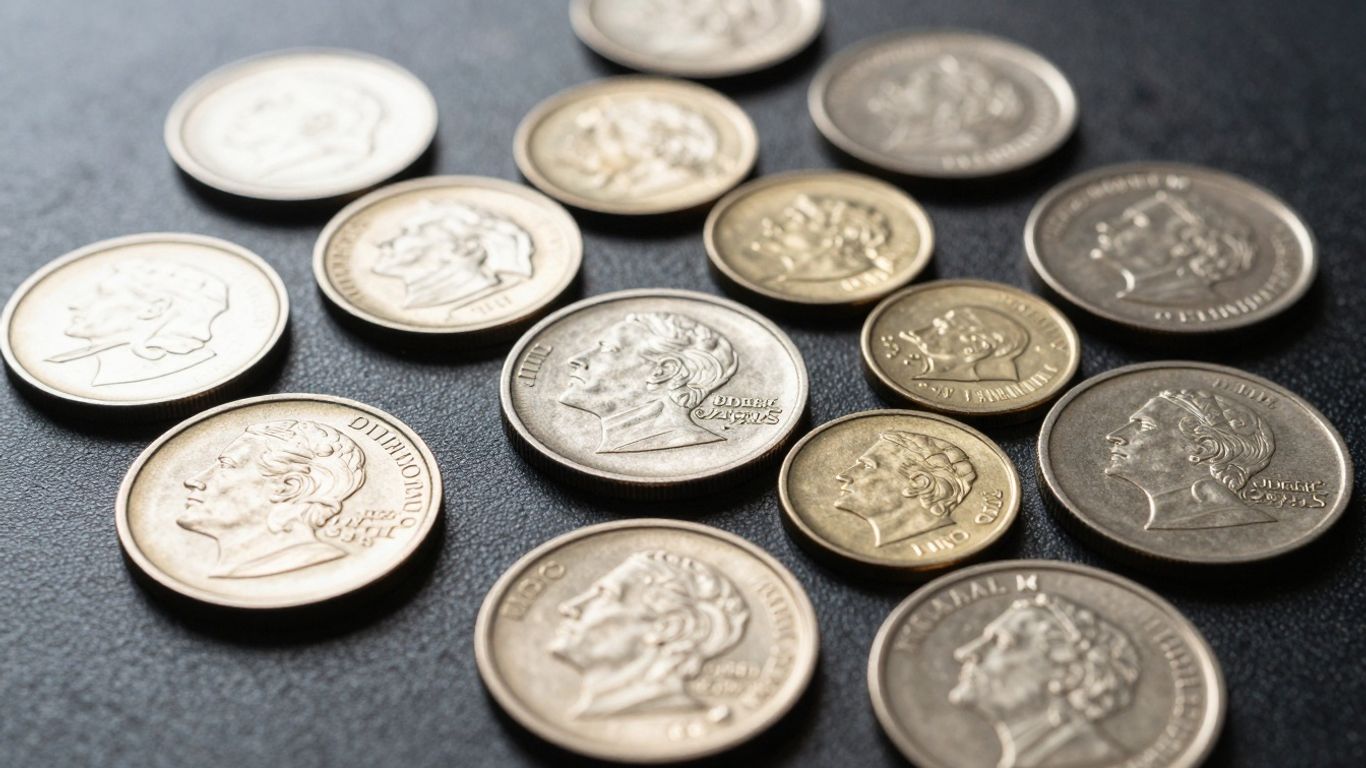
So, you’ve got some pattern coins and you’re thinking about selling them. That’s great! But how do you make sure you’re getting the most bang for your buck? It’s not just about finding a buyer; it’s about being smart about the whole process. Let’s break down a few ways to really boost what you get back.
Timing the Market For Optimal Prices
When you sell can make a big difference. Think about it like selling anything else – sometimes demand is higher, sometimes it’s lower. For coins, this can be influenced by a few things. Big coin shows can create a buzz, and sometimes, certain types of coins become really popular for a while. Keeping an eye on what’s happening in the coin collecting world, maybe by reading some collector forums or industry news, can give you a heads-up. Knowing when to list your coins can mean the difference between a decent offer and a fantastic one. It’s not always easy to predict, but being aware of market cycles is a good start.
Consolidating Your Collection
Sometimes, selling a bunch of coins all at once can be more effective than selling them one by one. If you have a few really valuable pattern coins mixed in with some less exciting ones, a dealer might offer a better overall price for the whole lot. They can factor in the value of the rare pieces and give you a solid offer for everything. It also just makes the selling process simpler for you – one transaction instead of many.
Understanding Buyer Premiums
When you sell to a dealer, they’re going to sell it to someone else, right? They need to make a profit. This is often called a buyer’s premium or markup. It’s the difference between what they pay you and what they expect to sell it for. Understanding this helps you gauge if an offer is fair. If a dealer offers you $100 for a coin they’ll likely sell for $300, that’s a big gap. However, if they offer you $100 and might sell it for $150, that’s a more typical margin. It’s not about getting their selling price, but about understanding their business model so you can negotiate better.
Selling pattern coins isn’t just about the coins themselves; it’s about understanding the market, the buyers, and the best way to present your items. A little bit of research and strategic thinking can go a long way in making sure you get a return that truly reflects the value of your collection.
Tampa Bay Area Coin Buying Services
When it comes to selling your pattern coins in the Tampa Bay area, you want to work with people who know their stuff and treat you right. It’s not just about getting a quick buck; it’s about getting a fair price for something potentially valuable that you’ve held onto. Luckily, there are services right here that understand both the local scene and the wider coin market.
Local Expertise and National Market Awareness
Many coin buyers in the Tampa Bay region have a solid grasp of what collectors are looking for locally. But the really good ones also keep an eye on what’s happening across the country and even internationally. This dual awareness is key. They know if a particular type of pattern coin is suddenly getting more attention from collectors in another state, or if a global event might affect the price of precious metals. This means they can offer you a price that reflects not just what someone down the street might pay, but what the coin is truly worth on a larger scale. They often have connections with other dealers and collectors nationwide, which helps them get the best possible price for your items. It’s like having a local guide who also knows the highways and byways of the entire country.
Personalized Service for Collectors
Selling coins, especially something as specialized as pattern coins, can feel a bit overwhelming. You might have inherited them, or perhaps you’ve been collecting them for years. Whatever your story, the services here aim to make the process feel personal. They understand that your coins might have sentimental value, not just monetary. Instead of a rushed, impersonal transaction, you’ll often find they take the time to talk with you, understand your goals, and explain their evaluation process. This kind of attention means you feel respected and informed, not just like another number. They’ll often look at each coin individually, considering its specific condition and any unique features that might make it stand out. This detailed approach can uncover hidden value that a quicker assessment might miss.
No-Pressure Selling Environment
Nobody likes feeling pushed into a sale, especially when it involves items that could be quite valuable. Reputable coin buying services in the Tampa Bay area pride themselves on creating a relaxed atmosphere. They want you to feel comfortable and confident in your decision. This means they’ll give you all the time you need to consider their offer. There’s no obligation to sell on the spot. You can ask questions, discuss the appraisal, and take your time to think it over. They understand that selling a collection is a big step, and they’re there to help you through it, not to rush you. This approach builds trust and makes the whole experience much more pleasant. They are interested in building a relationship, not just making a single sale. You can find trusted coin buyers in Tampa who operate with this philosophy.
When you’re looking to sell pattern coins, remember that the buyer’s knowledge of both the specific coin type and the broader market trends is incredibly important. A good buyer will not only assess the metal content but also consider collector demand, rarity, and historical significance. They should be able to clearly explain how they arrived at their offer, giving you confidence in the fairness of the price.
Navigating The Coin Market In Tampa
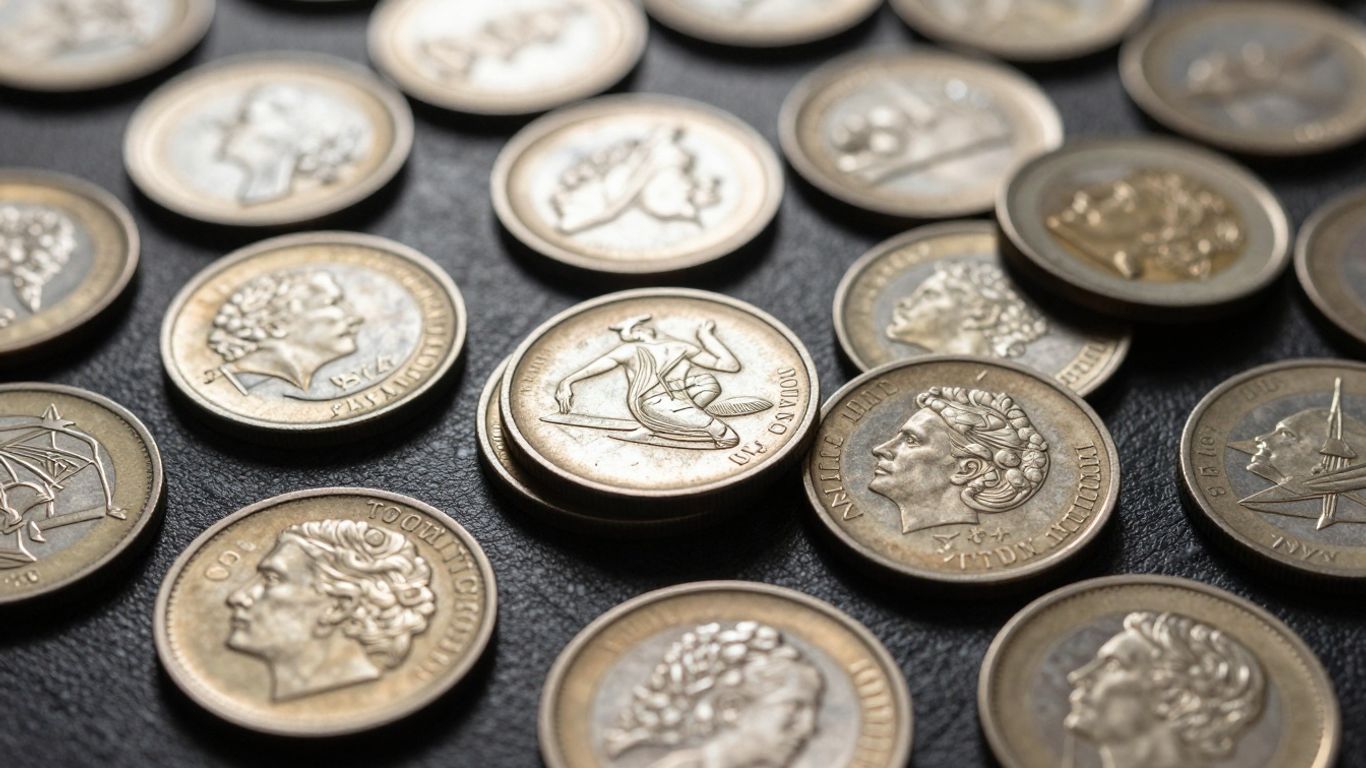
Selling coins, especially those interesting pattern coins, in Tampa can feel like a puzzle sometimes. It’s not just about finding someone who buys coins; it’s about finding the right someone who knows what they’re looking at and will give you a fair shake. The local scene here has its quirks, and knowing a few things can make a big difference in your pocket.
Key Considerations For Sellers
When you’re ready to part with your pattern coins, keep a few things in mind. It’s easy to get excited about a potential sale, but a little preparation goes a long way. Think about what makes your coin special and what a buyer would be looking for.
- Condition is King: Even for pattern coins, the physical state of the coin matters a lot. Dings, scratches, or wear can really knock down the price. Try to handle them carefully.
- Rarity and Authenticity: Pattern coins are often rare by nature, but some varieties are rarer than others. Being able to prove your coin is genuine and identifying its specific type is important.
- Market Value Fluctuations: Coin prices aren’t set in stone. They change based on collector demand, economic conditions, and even what’s happening in the precious metals market.
Building Relationships With Dealers
It might seem old-fashioned, but having a good relationship with a local coin dealer can be super helpful. These folks see coins all day, every day, and they often have a pulse on what’s selling and for how much.
- Start Small: If you have a few less valuable coins, try selling them to a dealer first. This lets you see how they operate and if you feel comfortable working with them.
- Ask Questions: Don’t be afraid to ask about their evaluation process or why they’re offering a certain price. A good dealer will be happy to explain.
- Be Honest: If you know something about your coin’s history or condition, share it. Trying to hide something usually backfires.
Staying Informed On Market Fluctuations
Keeping an eye on the coin market isn’t just for big-time investors. Even for a few pattern coins, knowing the general trends can help you decide when to sell.
- Follow Numismatic News: Read coin publications or reputable online forums. This gives you a sense of what’s popular and what prices are doing.
- Check Auction Results: See what similar pattern coins have sold for at major auctions. This is often a good indicator of real-world value.
- Understand Buyer Premiums: Remember that dealers often buy at wholesale prices to resell. They need to make a profit, so their offer will likely be lower than a retail price.
Selling pattern coins in Tampa requires a bit of homework. Understanding the local market, knowing your coin’s strengths, and working with reputable dealers are the best ways to get a fair price for your collection.
Wrapping It Up
So, you’ve got some pattern coins you’re looking to sell here in Tampa. It can feel a bit overwhelming at first, trying to figure out where to go and who to trust. But remember, there are good people out there who know their stuff and will give you a fair shake. Do a little homework, check out a few places, and don’t be afraid to ask questions. Getting a solid understanding of what you have and what it’s worth is half the battle. Good luck out there – hopefully, you’ll find the right buyer and get a great price for your collection.
Frequently Asked Questions
What exactly is a pattern coin?
A pattern coin is basically a test coin. It’s a coin that was made by a mint to test new designs, metals, or sizes. Think of it like a prototype for a coin that might be released to the public, but sometimes these prototypes are never officially used.
How do I know if my pattern coin is valuable?
The value of a pattern coin depends on a few things. Rarity is a big one – how many were made? Also, the condition of the coin matters a lot. Unique designs or historical significance can also make a pattern coin more valuable to collectors.
Where in Tampa can I sell my pattern coins?
You have a few options in Tampa. You can visit local coin shops and dealers who specialize in rare coins. Online marketplaces and auctions are also popular. Sometimes, there are even specialty buyers who focus specifically on rare or unusual coins like patterns.
Should I clean my pattern coin before selling it?
Generally, no. Cleaning a coin can actually hurt its value. Collectors often prefer coins in their original state. It’s best to leave any cleaning to the experts or the potential buyer.
How can I figure out the condition of my coin?
You can learn about coin grading, which is how experts describe a coin’s condition. Looking at things like wear, scratches, and overall appearance helps determine its grade. For a really accurate idea, a professional appraisal is the best way to go.
What makes a buyer 'reputable'?
A reputable coin buyer is someone you can trust. They should be honest, offer fair prices, and be transparent about how they value coins. Checking their reviews, looking for professional memberships, and asking for references can help you find a trustworthy buyer.
What happens during the selling process?
First, the buyer will look at your coin and give you an offer. You can then decide if you want to accept it. If you do, they’ll arrange for secure payment. It’s important to make sure the transaction is safe and you get paid promptly.
Are there special types of coins I should know about when selling?
Yes, besides pattern coins, there are error coins (made with mistakes) and die varieties (slight differences in the coin’s design). Knowing about these can help you understand if your coins have extra value. If you have foreign coins, understanding those markets is also helpful.