So, you’ve got some interesting coins lying around, maybe ones with a bit of a mistake from the minting process. These are called overstrike error coins, and if you’re in the Tampa area and wondering where to sell them, you’ve come to the right place. It’s not always straightforward, but with a little know-how, you can find the right buyer and get a fair price for your unique finds. We’ll walk through what makes these coins special and how to approach selling them right here in Tampa.
Key Takeaways
- Understanding what makes an overstrike error coin unique is the first step to selling it.
- Tampa has several local coin dealers and specialty buyers who are interested in error coins.
- Properly preparing your coins and knowing their market value will help you get a better price.
- Factors like rarity, condition, and historical context significantly influence how much your overstrike error coins are worth.
- Connecting with local coin clubs and dealers in the Tampa Bay area can lead to good opportunities for selling your coins.
Understanding Overstrike Error Coins
What Constitutes An Overstrike Error?
So, you’ve got a coin that looks like it was stamped twice, right? That’s basically what an overstrike error is. It happens when a coin is struck by a die that has already been used to strike another coin. Think of it like trying to press a new design onto a coin that already has a design on it. The result is a mashed-up image, where you can often see remnants of the original coin’s design peeking through the new one. These aren’t just random marks; they’re a clear sign of a mistake made during the minting process. It’s not supposed to happen, but when it does, it creates something pretty unique.
Identifying Genuine Overstrike Errors
Spotting a real overstrike error takes a bit of a keen eye. You’re looking for clear evidence of a previous strike underneath the current one. Sometimes, you can see the outline of the original design, like a ghost image. The metal might also look a bit distorted or stretched where the second strike occurred. It’s important to distinguish these from coins that have just been damaged or worn down over time. Genuine overstrikes usually show a distinct, albeit jumbled, second design. Here’s a quick checklist:
- Visible Design Elements: Can you make out parts of an older coin’s design (like a date, portrait, or denomination) beneath the main design?
- Metal Deformation: Does the coin’s surface show signs of being struck twice, with some areas appearing raised or flattened unevenly?
- Die Characteristics: Sometimes, you can even identify the specific dies used for both the original and the overstrike, which is a big clue for experienced collectors.
The Appeal of Overstrike Errors
Why would anyone want a coin that looks like it was messed up at the mint? Well, it’s all about rarity and the story behind the mistake. Overstrike errors are uncommon, meaning not many of them were made. This scarcity naturally makes them more interesting to collectors. Plus, each overstrike is a little piece of minting history, a tangible example of when things didn’t go according to plan. It’s like finding a typo in a rare book – it makes the item stand out. The visual appeal can be quite striking too, with the layered designs creating a complex and unusual look that you just don’t see on regular coins.
The fascination with overstrike errors lies in their accidental nature and the visual complexity they present. They are not intentional creations but rather byproducts of a process that, when it falters, produces a unique collectible. This blend of error and artistry captures the imagination of many in the numismatic community.
Tampa's Premier Coin Dealers
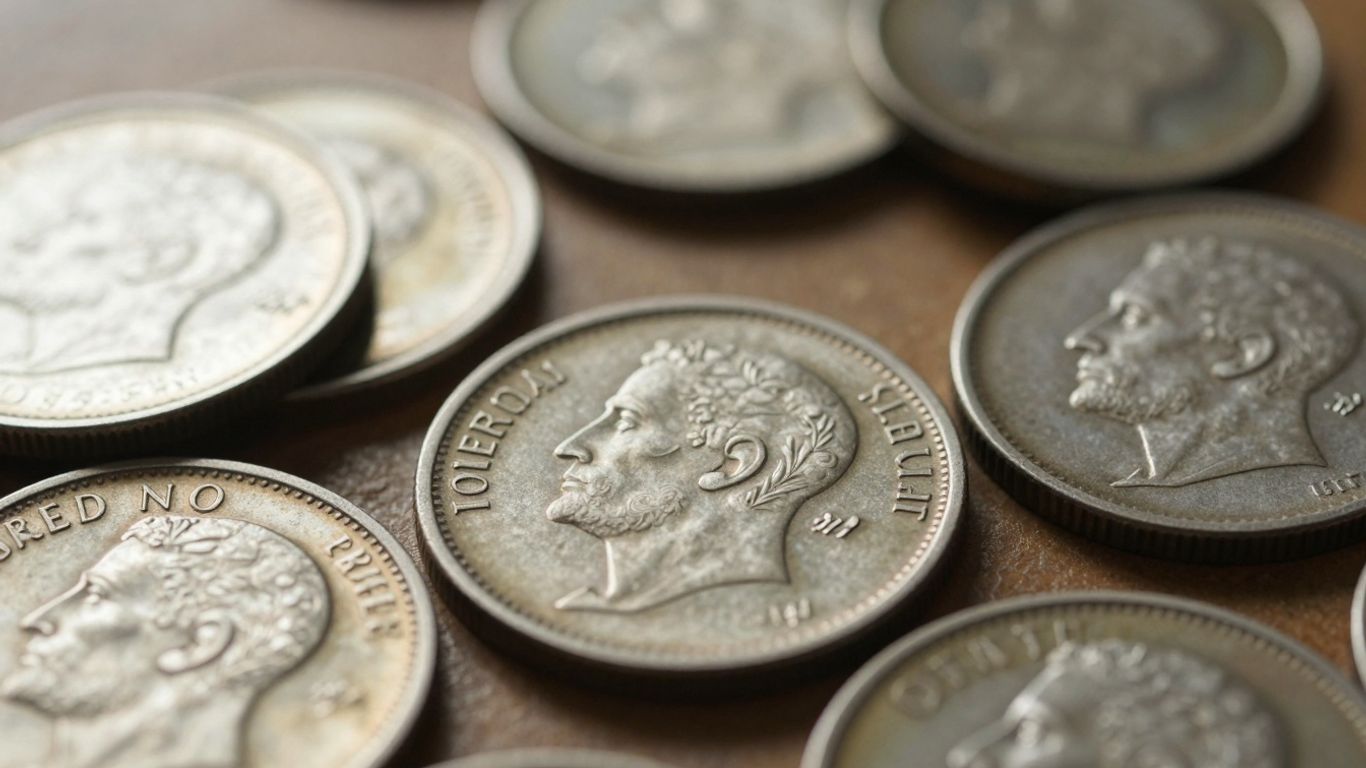
When you’ve got an overstrike error coin burning a hole in your pocket, finding the right place to sell it in Tampa is key. It’s not like you can just walk into any old shop and expect them to know what they’re dealing with. These aren’t your everyday quarters, after all. You need someone who understands the nuances of mint errors and can give you a fair shake. Luckily, Tampa has a solid community of coin dealers who specialize in these kinds of unique finds.
Local Coin Shops in Tampa
Tampa has a number of local coin shops, and while many are great for general coin buying and selling, not all are equipped to handle specialized error coins. It’s worth doing a little homework to find the ones that have a reputation for dealing with numismatic rarities. Some shops might be more focused on bullion or common circulated coins, which means they might not have the specific knowledge or customer base for overstrike errors. Look for shops that advertise buying or selling error coins specifically.
Reputable Dealers for Error Coins
Finding a dealer who truly appreciates and understands error coins is important. These professionals often have a keen eye for what makes an error coin special. They’ll know about the different types of overstrikes, the potential rarity, and how condition impacts value. A good dealer will be transparent about their appraisal process and willing to explain their valuation. They might even be collectors themselves, which can be a good sign.
Here are a few things to consider when looking for a reputable dealer:
- Specialization: Do they focus on error coins or rare varieties?
- Reputation: Check online reviews or ask for recommendations from other collectors.
- Transparency: Are they open about how they appraise and price coins?
- Knowledge: Do they seem genuinely informed about overstrike errors?
Specialty Coin Buyers
Beyond the general coin shops, Tampa also has specialty buyers who focus on specific types of numismatic items, including mint errors. These buyers often have a deeper knowledge base and a more targeted clientele. They might be the ones who are actively seeking out overstrike errors for their own collections or for clients who are building specialized portfolios. These dealers can often offer more competitive prices because they know exactly what they’re buying and who they can sell it to. For instance, Tampa Coin Buyers is known for offering competitive pricing on various numismatic items.
When you’re dealing with an overstrike error coin, remember that its value isn’t just about the metal content. It’s about the rarity of the error, the condition of the coin, and the demand from collectors. A good dealer will recognize these factors and offer you a price that reflects the coin’s true numismatic worth, not just its melt value.
Selling Your Overstrike Error Coins
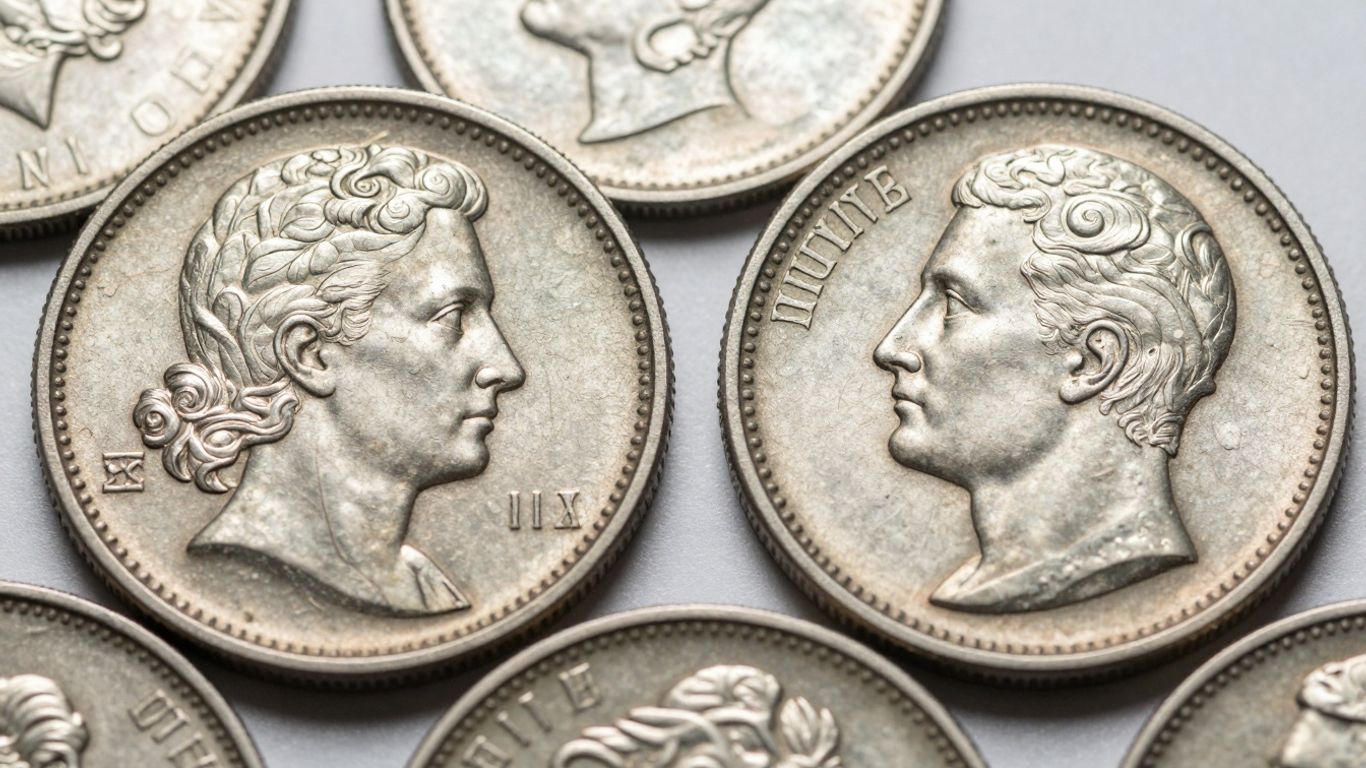
So, you’ve got an overstrike error coin sitting in your collection, and you’re thinking about turning it into cash. That’s totally understandable. The first thing you’ll want to do is get a good idea of what you’re working with. Proper preparation is key to getting the best price.
Preparing Your Coins for Sale
Before you even think about showing your coin to a buyer, give it a good look. You don’t want to clean it, mind you – that can actually hurt its value. Just make sure it’s free of any obvious dirt or grime that might be obscuring the details. A gentle rinse with distilled water and a soft brush might be okay, but err on the side of caution. You’ll also want to gather any information you have about the coin, like where you got it or any research you’ve done on its specific error.
Here’s a quick checklist:
- Examine the coin: Note the details of the overstrike and the original strike. Are they clear? What kind of metal is it?
- Document everything: Take clear photos from different angles. Write down any known history or provenance.
- Research its type: Try to find similar coins that have sold recently to get a sense of the market.
Getting Fair Market Value
Figuring out what your overstrike error coin is actually worth can be a bit tricky. It’s not just about the metal content, though that’s a factor. The rarity of the specific error, the demand from collectors, and the overall condition of the coin all play a big role. You’ll want to compare your coin to others that have sold, looking at auction results and dealer listings. Keep in mind that what a dealer offers might be less than what you could get selling directly to a collector, but it’s usually faster.
Negotiating With Buyers
When you’re talking to potential buyers, whether it’s a local shop or an online platform, be prepared to negotiate. Know your coin’s worth based on your research. Don’t be afraid to walk away if an offer doesn’t feel right. Sometimes, buyers might point out flaws you hadn’t noticed, so listen to what they have to say, but stick to your guns if you’re confident in your coin’s value. Remember, you’re looking for a price that reflects the coin’s unique characteristics and appeal to collectors.
Selling a rare coin can feel like a big deal. It’s important to approach it with patience and a clear head. Understanding the market and knowing what makes your specific error coin special will help you get a fair deal. Don’t rush the process; take your time to find the right buyer who appreciates what you have.
If you’re in the Tampa area, you might want to check out some of the local coin shops in Tampa that deal with error coins. They can often give you an appraisal on the spot.
Factors Influencing Value
So, you’ve got an overstrike error coin and you’re wondering what makes it tick in terms of price. It’s not just about the metal it’s made of, that’s for sure. Several things come into play, and understanding them can help you get a better idea of what your coin might be worth.
Rarity and Demand
This is a big one. If only a handful of these overstrike errors exist, and a lot of collectors want them, the price can go up pretty fast. Think about it: if something is hard to find and everyone’s looking for it, you’re going to pay more, right? The same applies to coins. A rare overstrike error coin that’s in demand is going to fetch a higher price than one that’s more common or less sought after. It’s a simple supply and demand situation, really. The more unique your coin is, the more appealing it becomes to collectors, especially those looking to complete a specific set or find that one-of-a-kind piece. This is why some coins, even with minor errors, can be worth considerably more than their face value, potentially thousands of dollars [a03a].
Coin Condition and Grade
Just like anything else, the better the condition, the higher the value. A coin that looks like it just came from the mint, with sharp details and no major wear, is going to be worth more than one that’s been tossed around in pockets for years. Coin grading is a whole system, and it really matters. Even a small difference in grade can mean a big difference in price. For overstrike errors, collectors often look for coins where the original design and the overstrike are both clearly visible, without excessive wear obscuring either.
Here’s a quick look at how condition can affect things:
- Mint State (MS): No wear, looks brand new. The best of the best.
- About Uncirculated (AU): Very minor wear, but still looks great.
- Extremely Fine (XF/EF): Some wear visible, but details are still pretty clear.
- Very Fine (VF): Moderate wear, some details are softened.
- Fine (F): Significant wear, but the main design elements are still visible.
- Good (G): Heavy wear, only the most basic details are apparent.
Historical Significance
Sometimes, the story behind a coin adds a whole other layer of value. Was this overstrike error made during a particularly interesting time in history? Does it represent a specific event or a change in minting policy? Coins with a compelling historical narrative can be highly desirable. For instance, an overstrike error from a period of significant economic change or a time when minting processes were being experimented with might carry more weight with collectors than a similar error from a more routine period. It adds a narrative that goes beyond just the physical characteristics of the coin itself, making it a piece of history you can hold in your hand.
The combination of a minting anomaly and a connection to a specific historical period can create a numismatic item that is both a fascinating error and a tangible link to the past. This dual appeal often drives collector interest and, consequently, market value.
Navigating the Tampa Coin Market
So, you’ve got these cool overstrike error coins and you’re wondering where to even start selling them here in Tampa. It can feel a bit overwhelming at first, but there are definitely ways to get a handle on the local scene. Think of it like exploring a new neighborhood – you want to know the best spots, right?
Attending Local Coin Shows
Coin shows are like treasure troves for collectors and dealers alike. They pop up around the Tampa Bay area pretty regularly. It’s a great chance to see what other coins are out there and, more importantly, to meet people who are serious about buying. You can often find information about upcoming shows through local coin clubs or by checking numismatic websites. Don’t be afraid to walk around, chat with dealers, and get a feel for the market before you even think about selling. It’s a good way to learn without any pressure.
Here’s what you might find at a typical show:
- Dealers: Lots of them, buying and selling all sorts of coins.
- Collectors: People specifically looking for unique items like your overstrike errors.
- Information: You can learn a lot just by listening and observing.
Online Marketplaces for Collectors
Beyond the physical shows, the internet is a massive marketplace. Websites dedicated to coin collecting and auctions can connect you with buyers from all over, not just Tampa. Think about platforms where collectors gather to trade and sell. While you might get a wider audience online, remember that shipping and insurance become bigger concerns. Plus, you’ll need to be good at describing your coins accurately. It’s a different ballgame than selling in person.
Building Relationships with Dealers
This is a big one, honestly. Instead of just showing up to a show and trying to offload your coins, try to build a connection with a few reputable dealers in the Tampa area. Get to know them, let them see what you have, and ask for their opinions. A dealer who knows you and trusts your coins might be more willing to offer a fair price or point you in the direction of someone who specializes in your type of error. It takes time, but having a go-to dealer can make the selling process much smoother down the line.
Building trust with local dealers can open doors to better opportunities. They often have a network of collectors and a good sense of what specific errors are fetching on the market right now. It’s about more than just a quick sale; it’s about finding the right home for your coin.
The Process of Selling
So, you’ve got an overstrike error coin sitting there, and you’re thinking about turning it into cash. It’s not as complicated as it might seem at first. There are a few key steps to follow to make sure you get a fair shake.
Initial Appraisal
Before you even think about showing your coin to a buyer, you need to get a sense of what it’s worth. This isn’t about finding a buyer yet; it’s about doing your homework. Look up similar overstrike error coins online. Check out auction results, coin forums, and dealer websites. See what people are asking and, more importantly, what they’re actually selling for. The more information you have, the better prepared you’ll be.
Here’s a quick checklist for your initial appraisal:
- Identify the Overstrike: What coin was struck over what other coin? This is the most basic piece of information.
- Note the Date(s): What are the dates of both the host coin and the overstriking die?
- Assess the Condition: How worn is the coin? Are the details clear, or is it heavily damaged?
- Research Comparables: Find other similar error coins that have sold recently.
Accepting Offers
Once you’ve got an idea of your coin’s value and you’ve found a potential buyer, it’s time to talk numbers. Buyers, especially dealers, need to make a profit, so they’ll likely offer you less than the retail price. Don’t be surprised by this. Think about what you’re willing to accept. Is it worth it to you to sell it quickly, or are you willing to hold out for a higher price?
Consider these points when evaluating offers:
- Dealer’s Markup: Dealers buy low to sell high. Factor this into their offer.
- Your Bottom Line: Decide the lowest price you’re willing to accept before you start negotiating.
- Alternative Buyers: If the offer isn’t right, you can always try another dealer or a different selling method.
It’s important to remember that a dealer’s offer reflects their need to resell the item for a profit. This is standard practice in the collectibles market and doesn’t necessarily mean your coin isn’t valuable. Your goal is to find a price that works for both you and the buyer.
Completing the Transaction
If you and the buyer agree on a price, the final step is pretty straightforward. You’ll exchange the coin for payment. Make sure you’re comfortable with the payment method. Cash is usually best for immediate transactions, but if you’re selling online or through a dealer who works by mail, they might offer other options like checks or electronic transfers. Just be sure you’ve got the coin in the condition you agreed upon before you finalize the sale.
Specialized Buyers for Unique Errors
Dealers Focusing on Mint Errors
When you’ve got an overstrike error coin, especially one that’s a bit unusual, you might find that your average coin shop isn’t the best place to sell. Some dealers just don’t have the specific knowledge or customer base for these kinds of items. That’s where dealers who specialize in mint errors come in. These folks live and breathe this stuff. They know the nuances of different error types, like overstrikes, and they often have a network of collectors actively looking for them. Finding a dealer who focuses on mint errors can make a big difference in getting a fair price. They understand the rarity and the appeal, which means they’re more likely to offer you a solid deal.
Collectors Seeking Specific Varieties
Beyond the dealers, there’s a whole world of collectors out there who are passionate about specific types of errors. An overstrike error might be exactly what they’re missing for their collection. These collectors often have a deep knowledge of what they’re looking for and are willing to pay a premium for a unique piece. Think about it: if someone is building a set of coins with overstrike errors, your specific coin could be the key to completing their set. It’s not just about the metal value; it’s about the rarity and the story behind the coin.
Online Auction Platforms
For those truly unique or high-value overstrike errors, online auction platforms can be a fantastic avenue. These sites open your coin up to a global audience of potential buyers, including specialized dealers and serious collectors. You can reach more people than you ever could locally. It’s a good way to let the market decide the coin’s true worth.
Here’s a quick look at what makes these specialized buyers stand out:
- Knowledge: They know error coins inside and out.
- Customer Base: They have collectors who specifically want these types of coins.
- Pricing: They’re often willing to pay more because they understand the rarity and demand.
Selling a unique error coin requires a bit more effort than just walking into any shop. You need to find the right person or platform that appreciates what you have. It’s about connecting your rare find with someone who truly values it.
If you’re looking to sell a collection or even just a few key pieces, consider looking into services that offer home appointments. This can be a convenient way to get professional appraisals without leaving your house, especially if you have a large collection or prefer a private transaction. Tampa Coin Buyers is one such service that provides this option.
Maximizing Your Return
So, you’ve got a cool overstrike error coin and you’re ready to sell it. That’s great! But how do you make sure you get the most cash for it? It’s not just about finding a buyer; it’s about being smart about the whole process. Doing your homework is the biggest step to getting a fair price.
Researching Comparable Sales
Before you even talk to a dealer, you need to know what your coin is actually worth. This means looking up what similar coins have sold for recently. Think of it like checking prices at different stores before buying a new gadget. You want to see what collectors are actually paying, not just what someone is asking.
- Check Online Auction Sites: Look at completed sales on platforms like eBay. Filter by
Tampa Bay Area Coin Resources
Tampa Bay Coin Club
If you’re looking to connect with other coin enthusiasts in the area, the Tampa Bay Coin Club is a great place to start. They often host meetings and events where you can learn more about numismatics, share your own finds, and get advice from experienced collectors. They’ve even commissioned special commemorative medals in the past, like one celebrating the 500th anniversary of Florida’s discovery. It’s a good way to meet people who might be interested in buying or trading your overstrike error coins.
Local Numismatic Societies
Beyond the main coin club, there might be smaller, more specialized numismatic groups scattered around the Tampa Bay area. These groups can focus on specific types of coins or historical periods, and you might find collectors there who have a particular interest in mint errors. Checking local community boards or asking at coin shops is a good way to find these smaller groups. Sometimes, these niche groups have members who are very knowledgeable about specific error types.
Resources for Coin Authentication
Before you sell, it’s always a good idea to know what you have. While many local dealers can offer appraisals, for truly rare or high-value error coins, you might consider professional authentication. Organizations like the Professional Coin Grading Service (PCGS) or Numismatic Guaranty Company (NGC) offer services to verify a coin’s authenticity and grade. While they don’t have a physical presence in Tampa, you can often submit coins through local dealers who act as authorized agents. This can add a layer of trust for potential buyers and help you get a more accurate price.
Getting a professional opinion on your coin’s authenticity and condition can make a big difference when you’re looking to sell. It helps buyers feel more confident about their purchase and can prevent disputes down the line. It’s like getting a second opinion from a doctor before a big surgery – you want to be sure.
Here are a few places to look for more information and connections:
- Tampa Bay Coin Club: Check their website or social media for meeting schedules and events.
- Local Coin Shops: Many shops are hubs for numismatic information and can point you towards local societies.
- Online Forums: While not strictly local, online coin collecting forums often have regional sections where members discuss local clubs and dealers.
Wrapping Up Your Overstrike Hunt in Tampa
So, you’ve got an overstrike error coin and you’re in the Tampa area. We’ve talked about a few places that might be interested in taking a look. Remember, these kinds of errors aren’t super common, so finding the right buyer is key. Don’t be afraid to shop around a bit, talk to a few different dealers or collectors, and see who offers you a fair deal. Sometimes, a coin’s real value is in finding someone who truly appreciates its unique story. Good luck with your sale!
Frequently Asked Questions
What exactly is an overstrike error coin?
An overstrike error coin happens when a coin is struck again with a different die by mistake. Imagine a coin already made, and then the mint accidentally hits it again with another coin’s stamp. This leaves a new design on top of the old one, creating a unique error.
How can I tell if an overstrike error coin is real?
Genuine overstrike errors show clear signs of the original design underneath the new one. You’ll often see parts of the first coin’s image peeking through. Counterfeits might look too perfect or have details that don’t match how a real mint error would occur.
Why are overstrike error coins interesting to collectors?
These coins are special because they’re rare and show a mistake in the minting process. Each one is a little piece of history that tells a story about what went wrong at the mint. Collectors love finding these unique, one-of-a-kind pieces.
Where in Tampa can I sell my overstrike error coins?
In Tampa, you can look for local coin shops that specialize in rare or error coins. There are also reputable dealers who buy collections, and sometimes you can find specialty buyers who are specifically looking for mint errors like overstrikes.
How should I get my coins ready to sell?
First, try not to clean your coins, as this can lower their value. It’s best to handle them by the edges. Researching what similar coins have sold for will help you know their worth. Be prepared to explain what makes your coin an overstrike error.
How do I know if I'm getting a fair price?
Fair market value depends on how rare the coin is, its condition, and how much demand there is for it. Comparing your coin to similar ones sold recently, perhaps online or at coin shows, will give you a good idea of its worth. Don’t be afraid to ask questions.
Should I go to coin shows in the Tampa area?
Attending local coin shows is a great idea! You can meet many dealers in one place, see what other coins are selling for, and get opinions on your overstrike error. It’s a good way to learn about the market and find potential buyers.
What if my overstrike error coin is very unusual?
If your coin is a particularly rare or strange error, you might want to look for specialized dealers who focus on mint errors or collectors who are searching for specific types of mistakes. Online auction platforms can also reach a wider audience of interested buyers.