So, you found some coins that aren’t quite right, maybe a bit lopsided or with a weird stamp. These are off-center error coins, and they can sometimes be worth more than you think. If you’re in the Tampa area and wondering where to sell off-center error coins tampa, you’ve come to the right place. It’s not always easy to know who to trust or what your coins are really worth. This guide will help you figure out how to get a fair deal for those unique pieces in your collection.
Key Takeaways
- When looking for estate coin buyers in Tampa, check their reputation and see if they specialize in the types of coins you have.
- Buyers look for coins that are rare, have historical value, or are made of precious metals like gold and silver.
- To get the best price, know what your coins are worth and compare offers from different dealers.
- Trusted coin dealers offer private appointments and secure transactions for your peace of mind.
- Beyond coins, some estate buyers also purchase jewelry and other precious metal items.
Understanding Your Off-Center Error Coins
So, you’ve got some coins that look a little… off. Maybe the design is mostly on one side, or the edge is missing. These are what we call off-center error coins, and they can be more than just a curiosity; they can actually be quite collectible. It’s not always obvious what makes one of these errors more interesting than another, but there are a few things buyers and collectors look at. The key is often how the error happened and how much of the coin is affected.
Identifying Rare and Collectible Coins
Not all off-center coins are created equal. Some errors are more common, while others are quite rare. What makes a coin collectible often comes down to a few factors:
- The Degree of the Error: A coin that’s only slightly off-center might not be as sought after as one where a significant portion of the design is missing or cut off.
- The Type of Coin: Errors on rarer dates or mint marks can be more valuable than those on common coins.
- The Overall Condition: Even with an error, a coin that’s in good shape will be worth more than one that’s heavily worn or damaged.
- The Appeal of the Error: Sometimes, an error creates a visually interesting or unique look that collectors find appealing.
Assessing Bullion and Precious Metal Coins
If your off-center error coins are made of gold, silver, or other precious metals, their value has two parts: the metal content and the error itself. Bullion coins, like American Eagles or Canadian Maple Leafs, have a base value tied to the current price of the metal. However, if one of these coins has an off-center error, it can add a collector’s premium on top of the metal value. A buyer will look at both the weight and purity of the metal, as well as how unusual the minting error is. It’s a bit of a balancing act – you want to get paid for the gold or silver, but also for the rarity of the mistake.
Evaluating Historical and Numismatic Significance
Beyond just the metal or the error, some coins have value because of their history. This is where numismatics, the study of coins, really comes into play. An off-center error on a coin that’s already historically important – maybe a coin from a significant period in U.S. history or a foreign coin with a unique story – can make it even more interesting to collectors. Buyers who specialize in coins understand this deeper meaning. They can tell you if your off-center coin is just a manufacturing slip-up or if it’s a rare piece with a story to tell.
When you’re looking at your coins, try to see them not just as metal objects, but as pieces of history. The way they were made, the time they come from, and any mistakes that happened along the way all add to their story and, potentially, their worth.
Where to Sell Off-Center Error Coins in Tampa
So, you’ve got some off-center error coins and you’re in the Tampa area. Figuring out where to sell them can feel like a puzzle, right? You want to find someone who actually knows what these unique coins are worth and won’t just offer you a lowball price. It’s not like selling a regular dollar coin; these have a special appeal to collectors.
Finding Reputable Estate Coin Buyers In Tampa
When you’re looking for someone to buy your coins, especially if they’re part of a larger estate, you need to find folks who are known for being honest and knowledgeable. It’s not always easy to spot the good ones. You want to avoid places that seem shady or pushy. A good starting point is to look for dealers who have been around for a while and have a solid reputation in the Tampa community. Asking around or checking online reviews can give you a good sense of who to trust.
Choosing the Right Tampa Coin Buyer
Picking the right buyer is more than just finding the highest number. You want someone who understands the nuances of error coins. Do they specialize in US coins? Do they have experience with mint errors specifically? It’s worth taking a little time to ask questions and see how they respond. A buyer who takes the time to explain their appraisal process is usually a good sign.
Why Sell Your Coins to a Local Tampa Coin Specialist?
Selling locally in Tampa has its perks. For starters, you can often meet the buyer in person, which makes the whole transaction feel more secure. You can see them examine your coins, and they can see them too. This direct interaction builds trust. Plus, local dealers often have a better grasp of the Tampa market and what collectors in the area are looking for. It also means you can usually get paid right away, which is a nice bonus if you need the cash quickly.
When you’re ready to sell, the goal is a transaction that’s both profitable and straightforward. A good buyer will make the process clear, from appraisal to payment, ensuring you feel confident about the deal.
Here are a few things to consider when looking for a buyer:
- Reputation: Check online reviews and ask for recommendations.
- Specialization: Do they buy error coins and understand their value?
- Transparency: Are they open about how they appraise coins?
- Payment: Can they offer immediate payment?
It’s always a good idea to get a few different opinions before you commit to selling. Different dealers might see different values in your coins, especially if you have a varied collection. Think of it like getting quotes for a home repair – you wouldn’t hire the first contractor you called, right? You can find services that offer free verbal appraisals for coin collections or individual coins.
Expert Appraisals for Your Collection
Specialist Numismatists For Your Coins
Getting a solid appraisal for your off-center error coins is a big step, and you want someone who really knows coins. We’re talking about numismatists – folks who are basically coin detectives. They’ve spent years studying the history, the minting process, and what makes one coin more sought-after than another. A good numismatist can look at your coin and tell you not just what it’s made of, but its story, its rarity, and its potential value in the market. This specialized knowledge is what separates a casual coin buyer from someone who can give you a truly accurate valuation. They understand the subtle differences that can dramatically affect a coin’s worth, especially with error coins where the mistake itself can be a valuable feature.
Expertise in US and Foreign Coins
When you’re looking for an appraisal, it’s helpful to know if the expert has experience with the types of coins you have. Are they mostly U.S. coins, or do you have a mix of foreign currency? Some appraisers focus heavily on American coinage, from early colonial pieces to modern mint issues. Others have a broader scope, understanding the markets and grading standards for coins from around the world. If your collection includes both, finding someone with a wide range of knowledge is ideal. This ensures that every coin in your collection, no matter its origin, is evaluated correctly.
Here’s a quick look at what different specializations might cover:
- U.S. Coins: Early American copper, silver dollars, gold coins, modern commemoratives.
- World Coins: European crowns, Asian currency, ancient Roman or Greek coins.
- Bullion Coins: Gold Eagles, Silver Maple Leafs, Platinum Eagles – valued primarily for metal content but also for rarity.
- Error Coins: Off-center strikes, double dies, clipped planchets – where the mistake is the main draw.
Verifying Authenticity and Grading
Part of getting a good appraisal involves making sure your coins are genuine and understanding their condition. An expert appraiser will carefully examine your coins to confirm they aren’t counterfeits. They’ll also assess the coin’s condition, which is known as grading. Grading looks at things like wear, scratches, and overall eye appeal. A coin in mint condition will be worth far more than one that’s heavily circulated. Professional grading services assign a numerical score (like 65 for Mint State) that collectors rely on. While an independent appraiser might not formally grade your coin like PCGS or NGC, they will use grading principles to estimate its market value accurately.
When you get an appraisal, don’t just focus on the dollar amount. Ask the appraiser to explain why they arrived at that figure. Understanding the factors like rarity, condition, and historical context will help you feel more confident about the valuation and the selling process.
What Buyers Look For in Error Coins
When you bring your off-center error coins to a Tampa dealer, they’re not just seeing a piece of metal. They’re looking for specific things that make your coin stand out from the rest. It’s a bit of detective work, really, trying to figure out what makes a coin special beyond its face value or the metal it’s made from. They’re assessing a few key areas to figure out what your coin is truly worth.
Key Dates and Mint Marks
Some coins are just rarer than others because of when and where they were made. A "key date" coin is one that was produced in a very small number for a particular year or mint. For example, a 1909-S VDB Lincoln cent is a classic key date. Similarly, certain mint marks (like a ‘D’ for Denver or ‘S’ for San Francisco) might be much harder to find for a specific coin issue than others. Buyers pay close attention to these details because rarity often drives up demand and, consequently, price.
The Appeal of Minting Errors
This is where your off-center coins really shine. Minting errors are mistakes that happen during the coin production process. Off-center strikes, where the planchet (the blank metal disc) isn’t perfectly aligned in the die, are a popular type of error. Other common errors include double dies (where the die itself is doubled), brockages (where one coin gets stuck in the die and strikes another), and clipped planchets (where the metal disc is cut from a sheet that’s already been partially punched). The more dramatic or unusual the error, the more interesting it can be to collectors. The distinctiveness and visibility of the error are major factors.
Condition and Preservation
Even with a cool error, the coin’s condition matters a lot. Buyers will look closely at the surface of your coin. Are there any scratches, nicks, or signs that it’s been cleaned? Cleaning can often reduce a coin’s value significantly because it damages the original surface. They’ll also check the strike quality – how sharp and clear are the design details? And is there any wear on the coin? A coin that looks like it just came from the mint, even if it’s an error, will be worth more than one that’s been handled a lot or damaged. It’s all about how well the coin has been preserved over time.
Buyers often use a grading scale to assess condition. Here’s a simplified look at some common terms:
- Mint State (MS): The coin shows no wear from circulation. Even within Mint State, there are different levels (MS-60 to MS-70) based on the coin’s appearance and strike.
- About Uncirculated (AU): The coin shows very slight wear, but most of the original detail is still visible.
- Extremely Fine (XF/EF): The coin shows moderate wear, but the main design elements are still clear.
- Fine (F): The coin shows significant wear, but the outline of the design is still visible.
- Good (G): The coin is heavily worn, and much of the detail is lost.
The value of an error coin isn’t just about the mistake itself. It’s a combination of how rare the error is, how noticeable it is, the coin’s date and mint mark, and how well it has been kept over the years. A coin with a significant error that’s also in great condition will always attract more attention and a higher offer.
Getting the Best Offer for Your Coins
So, you’ve got these off-center error coins, maybe a few other interesting pieces too, and you’re wondering how to get the most bang for your buck. It’s not just about finding a buyer, it’s about finding the right buyer who sees the real value in what you have. This means doing a little homework and knowing what makes a coin desirable.
Comparing Offers from Multiple Dealers
Don’t just take the first number someone throws at you. It’s really smart to talk to a few different coin dealers in the Tampa area. Each one might have a slightly different take on your coins, or maybe they’re more interested in a specific type you have. Getting a few offers lets you see who’s willing to pay the most and why. It’s like shopping around for anything else – you want to make sure you’re getting a fair deal.
Here’s a simple way to keep track:
| Dealer Name | Offer Amount | Notes on Offer | Date |
|---|---|---|---|
| [Dealer A] | $[Amount] | [e.g., Focused on silver content] | [Date] |
| [Dealer B] | $[Amount] | [e.g., Recognized rarity] | [Date] |
| [Dealer C] | $[Amount] | [e.g., Offered cash immediately] | [Date] |
This table helps you see who’s offering what and gives you a quick reference point.
Understanding Coin Value Factors
What makes one coin worth more than another? It’s a mix of things. Of course, if your coin is made of gold or silver, that metal content is a baseline. But for error coins, or older pieces, other factors really come into play. Think about:
- Rarity: How many of these specific error coins were made? The fewer there are, the more sought after they can be.
- Condition: Is the coin worn down, scratched, or is it still sharp and clear? Even a rare coin loses value if it’s in rough shape.
- Historical Significance: Does the coin have a story? Was it minted during a key historical period, or does it represent something unique?
- Demand: Are collectors actively looking for this type of coin right now?
Buyers are looking for a combination of these elements. They want coins that are not only made of precious metal but also have a unique appeal due to their scarcity, historical context, or visual interest. It’s this blend that often leads to the best prices.
Knowing When to Sell
Sometimes, the market is just right. Coin values can fluctuate. Prices are often tied to the spot price of gold and silver, but collector interest plays a big part too. If you have a coin that’s particularly rare or in amazing condition, its value might be much higher than just its metal weight. It’s a good idea to get a few opinions, especially if you think you have something truly special. Selling when demand is high or when you’ve received a strong offer from a reputable dealer can make a big difference in your final payout.
Ensuring a Trustworthy Selling Experience
Selling off-center error coins, or any valuable collection for that matter, can feel a bit like walking a tightrope. You want to get a fair shake, but how do you know who to trust? It’s not just about the money; it’s about feeling secure and respected throughout the process. You don’t want to end up feeling like you got taken for a ride, right?
Researching Coin Dealer Reputation
Before you even think about showing off your prized coins, do a little digging. Think of it like checking out restaurant reviews before you commit to dinner. Look for dealers who have been in the Tampa area for a while and have a solid reputation. Online reviews can be a starting point, but also see if they’re part of any numismatic groups. A dealer who’s open about their business and has good feedback from other sellers is usually a good sign. You can often find local specialists like Arnold Jewelers who have a long history in the community.
The Importance of Trustworthy Coin Dealers
What makes a coin dealer trustworthy? For starters, they should be upfront about how they figure out a coin’s value. They should be able to explain their grading process – that’s basically how they assess the coin’s condition, which really impacts its worth. If a buyer seems cagey about grading or makes claims that sound too good to be true, that’s a definite red flag. A good dealer will also be transparent about authenticity. They should be able to explain how they verify coins, especially if you have something particularly rare.
Ensuring a Legitimate Coin Buying Experience
When you’re ready to make the sale, you want the whole thing to feel legitimate. This means clear communication and no pressure. Here are a few things to keep in mind:
- Ask questions: Don’t be shy about asking how they determine prices, what makes certain coins more desirable, or their buying process in general.
- Get multiple offers: If you can, chat with a couple of different dealers before you decide. This helps you see the range of what your coins might be worth.
- Look for specialization: If you have a specific type of coin, like old US currency or foreign pieces, try to find a buyer who really knows that area.
A buyer who is willing to explain their valuation process, even briefly, and doesn’t pressure you into a quick decision is usually a good sign. Trust your gut feeling; if something feels off, it probably is. It’s better to take a little extra time than to rush into a deal you might regret.
Sometimes, comparing offers can look like this:
| Dealer Name | Offer Amount | Notes on Offer |
|---|---|---|
| Dealer A | $[Amount] | Focused on silver content |
| Dealer B | $[Amount] | Recognized rarity |
| Dealer C | $[Amount] | Offered cash immediately |
This table just gives you a quick snapshot of what different buyers might focus on. It helps you see who’s offering what and why. Sometimes a slightly lower offer might be backed by a better explanation of the coin’s value, which can be reassuring.
Beyond Coins: Other Valuables Estate Buyers Purchase
When you’re sorting through an estate, it’s easy to focus just on the coins, especially if that’s what you’re primarily looking to sell. But many estate buyers in Tampa aren’t just coin specialists; they often have a broader interest in other items of value that might be hiding in plain sight. Think of them as generalists when it comes to precious items.
Jewelry and Sterling Silver Valuations
Estate buyers frequently look for jewelry. This can range from fine pieces with gemstones to simpler items made of gold or silver. They’ll check the metal content and any stones to figure out what it’s worth. The same goes for sterling silver items, like old silverware, serving trays, or decorative bowls. These have a base value based on the silver content, but if they’re antique or have a unique design, they can be worth more than just their melt value.
Buying Gold and Silver Items
Beyond coins, buyers are often interested in any form of gold and silver. This can include:
- Gold and silver bars
- Scrap gold and silver (think broken jewelry, old dental fillings)
- Sterling silver flatware and hollowware
- Gold and silver watches
- Gold and silver nuggets
These buyers are usually equipped to assess and handle various forms of precious metals, so don’t hesitate to ask if they’re interested.
It’s often beneficial to ask potential buyers if they handle other types of valuables. This can save you the hassle of finding separate specialists for different parts of an estate, streamlining the entire selling process.
Comprehensive Estate Collection Services
Some buyers offer a more extensive service, looking at entire collections. If you have items that aren’t coins but are part of a larger collection, they might still be interested. This could include:
- Antiques
- Other collectibles (like stamps or memorabilia)
- Fine art
- Other precious metals or gemstones
It’s always a good idea to inquire with potential buyers about their interest in these other categories. This can simplify things considerably, allowing you to potentially sell a wider range of items to a single, trusted dealer.
The Benefits of Selling Locally in Tampa
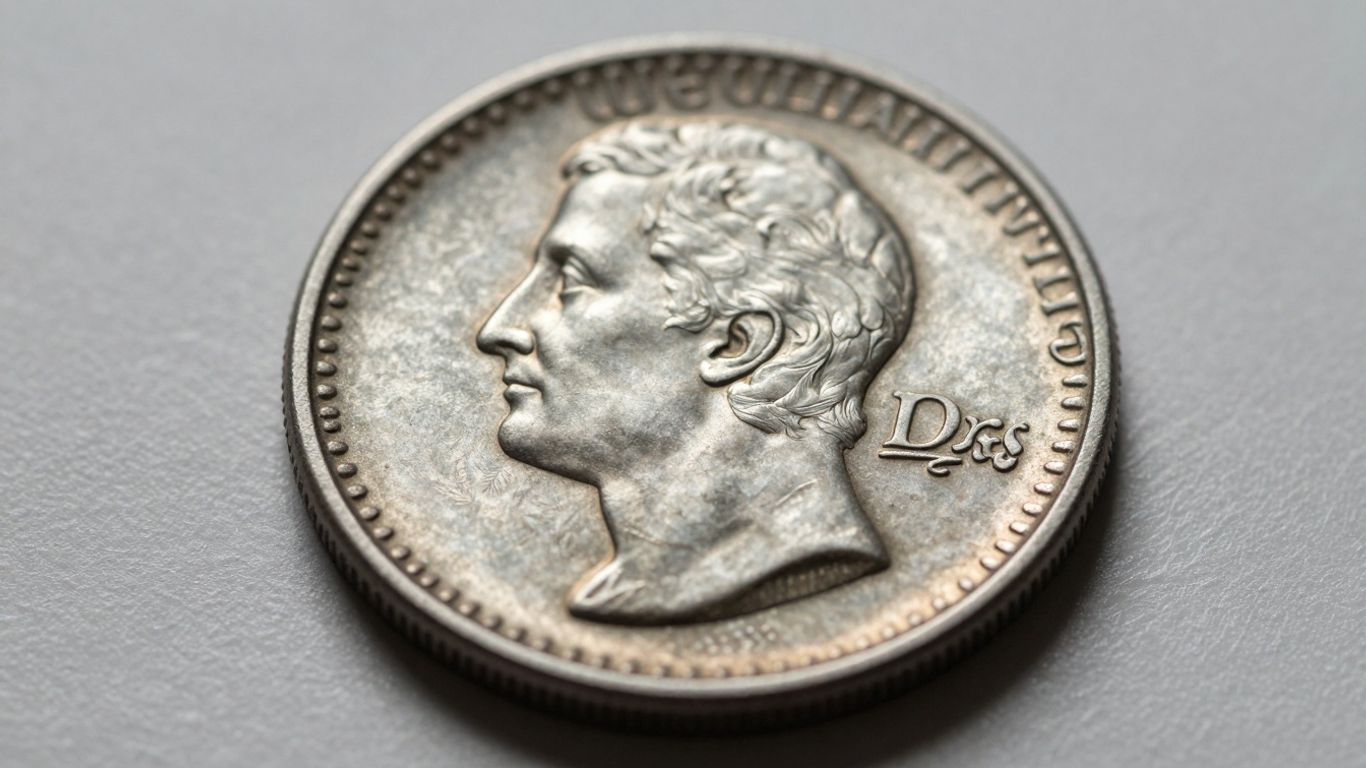
Selling your off-center error coins in Tampa offers some pretty good advantages. For starters, you can often get paid right away. This is a big deal if you need cash fast or just want the whole thing done with. Plus, working with someone local means you can meet them face-to-face, which just feels more secure than shipping your treasures off somewhere you can’t see.
Receiving Immediate Payment for Your Assets
One of the best parts about dealing with a Tampa coin buyer is the speed. Forget waiting weeks or months for checks to clear or for online auctions to finish. A good local dealer can look at your coins, make an offer, and hand you cash on the spot. It’s a straightforward way to get value for your collection without a lot of waiting around.
Building Relationships with Local Dealers
When you sell to a local specialist, you’re not just making a one-time transaction. You’re starting a connection. These dealers often appreciate repeat business and getting to know their clients. This can lead to better service down the line and a more personal experience. It’s nice to have someone you trust who knows your collection, especially if you plan to sell more items in the future. You might even find a buyer who specializes in specific types of coins, like those found at Midtown Diamond Source.
Convenience of Local Transactions
Let’s be honest, Tampa isn’t a small town. Having a local buyer means you don’t have to travel far. If you have a large collection, some dealers will even come to your home, saving you a lot of hassle. It cuts down on travel time and the stress of packing and shipping valuable items. It’s just easier when everything happens right here in your community.
Selling locally often means you can get a more accurate appraisal because the dealer is familiar with the Tampa market and collector demand. They can also offer immediate payment, making the process quick and efficient.
Preparing Your Coins for Sale
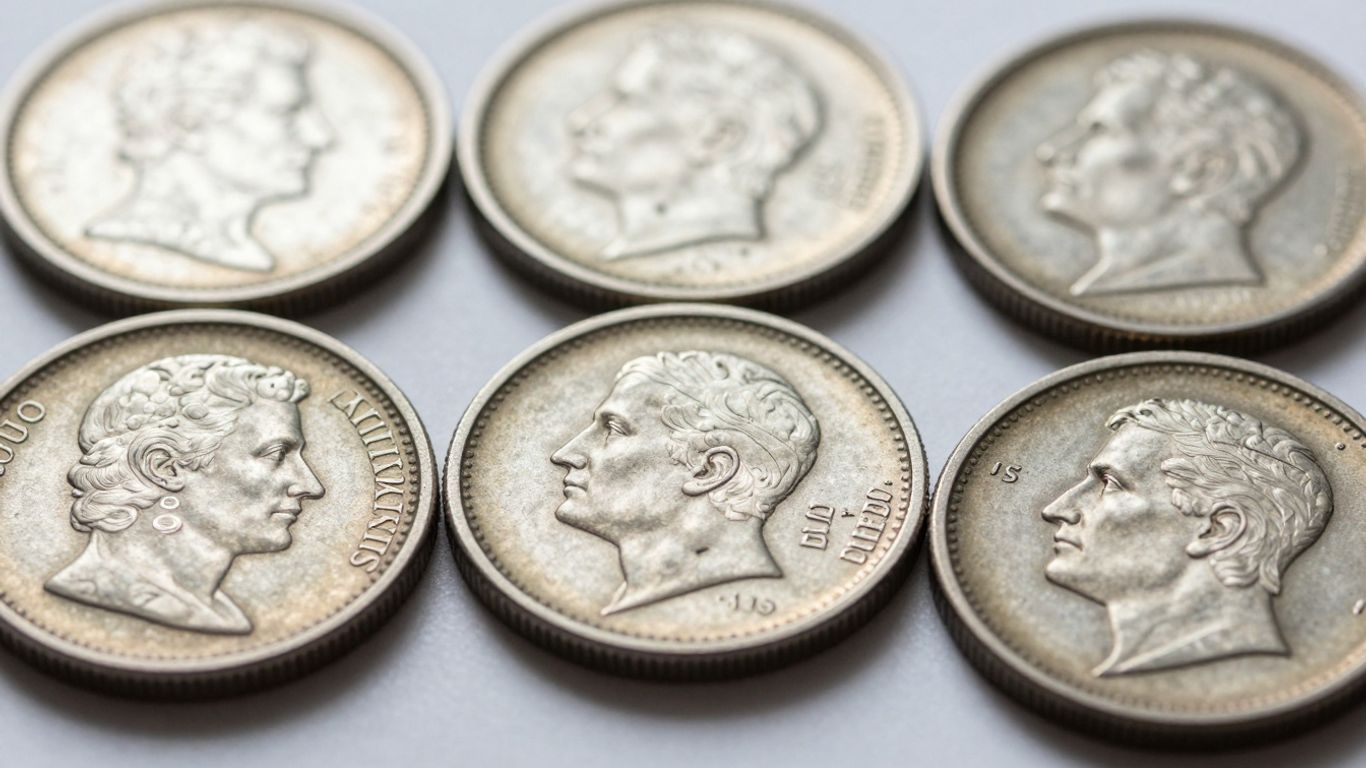
Getting your off-center error coins ready to sell isn’t something you want to rush. A bit of planning can bring peace of mind and possibly net you a better deal. Here’s how to make sure you’re properly set up before meeting with a Tampa coin buyer.
Understanding the Value of Your Coin Collection
Knowing what you have is half the battle when it comes to selling error coins. Start by sorting your coins, looking for rare minting mistakes, special dates, and unusual markings. It helps to jot down details for each coin, like:
- Year and denomination
- Mint mark (if visible)
- Approximate grade or condition
- Notable features (like dramatic off-centering, clashing, etc.)
If you own a larger collection, making a simple table can help:
| Coin Year | Mint Mark | Error Type | Condition | Notes |
|---|---|---|---|---|
| 1972 | D | 40% off-center | VF | Partial date missing |
| 1965 | 20% off-center | AU | Full rims |
How to Handle Your Valuable Coins
Error coins can be sensitive to even small amounts of handling. Here are some things to remember:
- Always hold coins by the edges. Avoid touching the faces—fingerprints can ruin their grade.
- Use soft cotton gloves if you have them—if not, hands freshly washed and dried are the next best thing.
- Store coins in individual holders or flips, and keep them away from moisture and heat.
When you take care of your coins, you’re not just protecting their appearance—you’re making sure they retain as much value as possible when it’s time to sell.
What Not to Do Before Selling
People sometimes get nervous and do a bit too much prep, which backfires. Here’s what to avoid:
- Do not clean your coins, even if they look grimy—cleaning destroys the natural surface and slashes the value.
- Don’t remove coins from original packaging or holders—they might have more appeal to buyers as-is.
- Never glue, tape, or label coins directly. Labels go on holders, not coins.
Stick to these basics, and you’ll be set to make a confident sale in Tampa. Simple steps up front can lead to a better experience and a stronger offer when it counts.
Wrapping Up Your Coin Sale
So, you’ve got these off-center error coins, or maybe a whole collection, and you’re looking to sell them here in Tampa. It can seem like a lot to figure out, but remember, finding the right buyer is key. You want someone who knows coins, treats you fairly, and makes the process easy. Don’t be afraid to do a little digging to find a reputable dealer, compare a few offers, and ask questions. Getting a good price and a smooth transaction is totally doable when you work with the right folks. Good luck out there!
Frequently Asked Questions
How do I know if my off-center error coins are valuable?
To see if your off-center coins are worth a lot, think about a few things. Some coins are rare because not many were made, or they might be very old. Coins made of gold or silver are often valuable just for the metal they contain. Sometimes, a coin’s history or how well it’s kept makes it special. A good way to find out for sure is to have a coin expert take a look.
Why should I sell my coins to a local Tampa coin specialist?
Selling to someone local in Tampa means you can often meet them in person. This makes it easier to trust them and see your coins directly. Local dealers might also know more about the Tampa market and could offer you a fair price. Plus, it’s usually quicker than shipping coins far away.
What makes a coin dealer trustworthy?
A trustworthy coin dealer is honest and clear about how they value coins and what they offer. They should be happy to answer your questions and explain their process without pressuring you to sell right away. Look for dealers with good reviews or who have been in the coin business for a long time.
What do buyers look for in error coins?
Buyers look for error coins that are unusual or hard to find. This can include coins with ‘key dates’ (specific years or mint marks that are rare), coins made in small numbers, or coins with interesting mistakes from the minting process, like your off-center ones.
Should I clean my off-center coins before selling them?
No, it’s best not to clean your coins, even if they look dirty or tarnished. Cleaning can actually lower a coin’s value because it can damage the surface. It’s better to leave them as they are for the expert buyer to assess.
How can I get the best offer for my coins?
To get the best offer, try to get opinions from a few different coin dealers. Don’t feel like you have to accept the first price you’re offered. Knowing a little about your coins’ potential value beforehand also helps you compare offers fairly.
Can estate buyers purchase more than just coins?
Yes, many estate coin buyers in Tampa are interested in other valuables too. They often buy jewelry, sterling silver items, gold, and silver bars or scrap. This means you might be able to sell many different types of valuables to one buyer.
What is the benefit of selling my coins locally in Tampa?
Selling locally in Tampa often means you can get paid right away, sometimes in cash. You can meet the buyer in person, which builds trust. It’s also more convenient than dealing with shipping or waiting for online sales, and you can build a relationship with a local expert.