Thinking about selling your coins in Tampa? It can feel a bit confusing trying to figure out where to go and who to trust. This guide is here to make things easier for you, focusing on how to find the best coin buyer in Tampa. We’ll look at how to find good dealers, what they look for, and even a bit about Florida’s unique coin history. If you’re looking to sell my coins Tampa, you’ve come to the right place.
Key Takeaways
- When looking for a coin dealer in Tampa, think about their experience and if you feel you can trust them. A good dealer will make the whole process smoother.
- Tampa has a local coin community. Joining clubs or going to shows can help coin buyers find others who share their passion and learn more.
- Florida has a unique past with coins, from Spanish pieces to old bank notes. Knowing this history can help you appreciate what you’re buying or selling.
- Before you sell, get your coins ready. Understanding how dealers appraise and make offers helps buyers in Tampa get a fair deal.
- There are resources like online directories and collector recommendations to help you find reputable dealers who specialize in what you’re interested in.
1. Spanish Pieces of Eight
When you’re thinking about selling coins in Tampa, you might come across some really old Spanish pieces of eight. These silver coins were a big deal back in the day, circulating widely throughout the Americas, including Florida, during the colonial period. They were so common that they became a sort of unofficial international currency for a long time.
These coins are often sought after by collectors because of their rich history and connection to Florida’s past. They represent a time of exploration, trade, and sometimes, even piracy. Many pieces of eight found today are actually recovered from shipwrecks off the Florida coast, adding an extra layer of intrigue and adventure to their story.
When you’re looking to sell these, buyers will be interested in a few key things:
- Condition: How well has the coin survived? Are the details still sharp, or is it worn down? Coins recovered from shipwrecks can vary wildly in condition due to their time underwater.
- Mint Mark and Date: Knowing where and when the coin was made can affect its rarity and value. Spanish mints like Mexico City (Mo), Lima (Po), or Potosi (P) are common, but specific dates can be more or less scarce.
- Silver Content: While the historical aspect is huge, these are primarily silver coins, and their melt value is always a baseline consideration.
- Authenticity: Because they are valuable, fakes exist. Reputable dealers will be able to authenticate your pieces.
The allure of Spanish pieces of eight isn’t just about the silver they contain; it’s about holding a tangible piece of history that traveled across oceans and played a significant role in shaping economies centuries ago. Their presence in Florida is a direct link to the region’s early colonial days.
If you have Spanish pieces of eight, especially those with a known provenance or recovered from a specific wreck, they can be quite desirable. Tampa has buyers who appreciate this specific type of historical coinage, so it’s worth getting them appraised by someone knowledgeable in this area.
2. Atocha Shipwreck Coins
Florida’s coastline is famous for shipwrecks, and the Atocha is one of the most well-known. This Spanish galleon sank off the coast of Florida in 1622, carrying a massive treasure. Coins from this wreck, often called ‘pieces of eight’ or Spanish reales, are highly sought after by collectors.
What makes these coins special?
- Survival: Many were found in surprisingly good condition after centuries underwater, preserved by the ocean environment.
- History: They represent a significant period of Spanish exploration and trade in the New World.
- Rarity: While many were recovered, each coin is unique, and finding specific dates or mint marks can be challenging.
When you’re looking to sell Atocha coins, buyers are interested in a few key things:
| Factor | Description |
|---|---|
| Authenticity | Proof that the coin genuinely comes from the Atocha wreck. |
| Condition (Grade) | How well-preserved the coin is, with minimal damage or wear. |
| Metal Content | Primarily silver, but the purity and weight are always considered. |
| Rarity/Date | Specific mint marks or dates can increase a coin’s desirability. |
| Provenance | Documentation showing the coin’s history of ownership can add value. |
These coins aren’t just metal; they’re tangible pieces of history that have survived incredible journeys. Their story, from being minted in the Spanish colonies to their recovery from the ocean floor, is a big part of their appeal to collectors.
Finding a dealer who knows about shipwreck coins is important. They can properly assess the coin’s condition, verify its authenticity, and understand its historical context, which all play a role in determining its market value. Don’t be surprised if a dealer asks about where you acquired the coin, as provenance can sometimes add to its worth.
3. Florida National Bank Notes
When you’re looking to sell coins in Tampa, don’t overlook the paper money! Florida has a really interesting history with its own banks, and the notes they issued are a unique part of that story. These aren’t just old dollar bills; they’re historical artifacts that show what banking looked like in Florida between 1863 and 1935, when National Bank Notes were a thing.
These notes can be quite collectible, especially if they’re in good condition and from banks that are no longer around. They offer a tangible link to the state’s financial past, and collectors often seek them out for their historical significance and rarity.
Here’s what makes these notes interesting to buyers:
- Rarity: How many were printed and how many still exist today? Fewer notes mean higher value.
- Condition: Is the note crisp and clean, or is it worn, torn, or stained? Well-preserved notes are always more desirable.
- Issuing Bank: Notes from banks that had a short lifespan or were located in smaller towns can be harder to find.
- Historical Context: Was the note issued during a notable period in Florida’s history?
While Spanish coins and shipwreck treasures often get the spotlight, don’t underestimate the appeal of local paper currency. These notes are like tiny historical documents, each with its own story to tell about Florida’s development and its people.
If you have some old Florida National Bank Notes, it’s worth getting them appraised by a dealer who specializes in paper money or U.S. currency. They can help you understand their condition and potential value in today’s market.
4. Cuban Coins
When thinking about coins to sell in Tampa, Cuban currency might not be the first thing that comes to mind, but it’s a surprisingly popular area for collectors. These coins carry a lot of history, reflecting Cuba’s journey through different eras, from its colonial past to its more recent history. Many collectors are particularly interested in Cuban coins issued before the 1959 revolution.
If you have Cuban coins, understanding what makes them desirable is key. Buyers often look at several factors:
- Historical Period: Coins from specific eras, like the Spanish colonial period or the early to mid-20th century, are often more sought after.
- Rarity and Mintage: Like any collectible, coins with lower production numbers tend to be more valuable.
- Condition: The state of preservation is always important. Coins that are well-preserved, with clear details and minimal wear, will fetch higher prices.
- Specific Denominations: Certain denominations or series might be more popular with collectors trying to complete sets.
It’s not just about the coins themselves; Cuban paper money, or banknotes, also holds significant collector interest. These can range from early issues to notes from the mid-20th century. Factors like rarity, condition, and historical context apply here too. If you’re looking to sell these unique items, finding a dealer who specializes in them is a good idea. Some Tampa dealers focus on specific areas like Cuban collectibles, so it’s worth asking about their expertise.
When evaluating Cuban coins, remember that their value isn’t just tied to their metal content. The historical narrative, the scarcity of the piece, and how well it has survived over time all contribute significantly to its appeal in the numismatic market. A coin that tells a story from Cuba’s past can be quite compelling to the right collector.
5. American Gold Eagles
When you’re looking to sell coins in Tampa, American Gold Eagles are a popular choice. These coins are official gold bullion coins minted by the United States Mint. They’re known for their purity, with the bullion versions containing exactly one troy ounce of 22-karat gold. Their widespread recognition and consistent demand make them a solid bet for sellers.
Buyers look at a few things when it comes to these coins:
- Gold Content: The primary value comes from the amount of pure gold. The one-ounce version is the most common, but they also come in fractional sizes (1/2 oz, 1/4 oz, 1/10 oz).
- Condition: While they are bullion, coins in better condition, especially uncirculated ones, can sometimes fetch a slightly higher price. Avoid cleaning them, as this can damage the surface and reduce their value.
- Market Price: The price of Gold Eagles fluctuates with the global gold market. Dealers will typically pay a percentage of the current spot price for gold, often referred to as a premium.
Here’s a quick look at the common American Gold Eagle coins:
| Denomination | Weight (troy oz) | Purity |
|---|---|---|
| $50 | 1.00 | .9167 |
| $25 | 0.50 | .9167 |
| $10 | 0.25 | .9167 |
| $5 | 0.10 | .9167 |
If you have American Gold Eagles, you’ll find many coin buyers in Tampa are interested. It’s always a good idea to get a few quotes, especially from dealers who specialize in gold coins and bullion, to ensure you’re getting a fair price based on the current market. They’re a staple for many collectors and investors, making them relatively easy to sell.
Selling American Gold Eagles is often straightforward because they are standardized and widely traded. Dealers are familiar with their weight, purity, and market value, which simplifies the appraisal process. This familiarity generally leads to competitive offers from reputable buyers.
6. Chinese Pandas
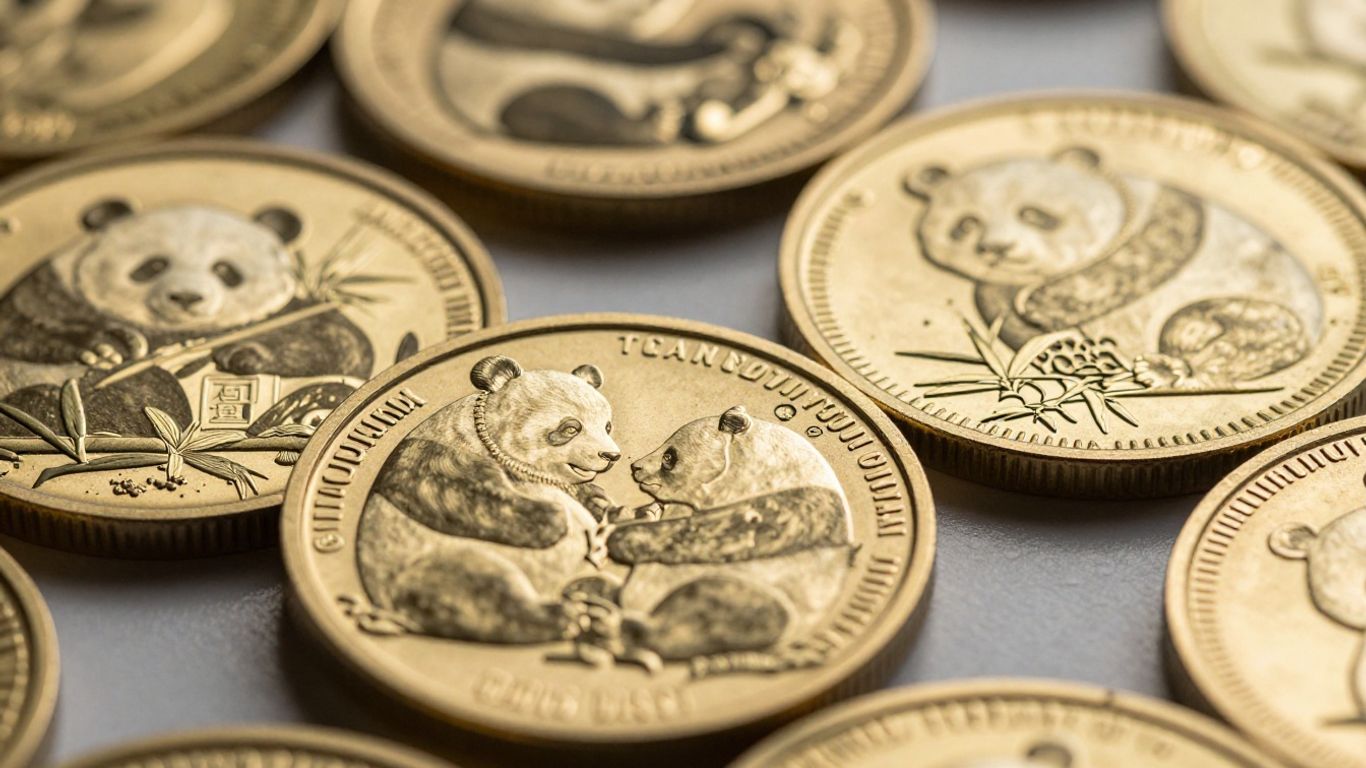
When you think about selling coins in Tampa, you might not immediately picture Chinese Pandas. But these coins are actually a pretty popular series, and a lot of collectors are looking for them. They started being made back in 1982, and since then, China has put out a new design pretty much every year. That makes them interesting for people who like to collect sets.
The value of a Chinese Panda coin really depends on a few things.
Here’s what buyers usually look at:
- Year: Some years are rarer than others because fewer were made.
- Condition: Just like any coin, if it’s in really good shape, it’s worth more.
- Metal Content: Most Pandas are made of gold or silver, so the price of those metals plays a big part.
- Design: Certain years have unique designs that collectors really want.
It’s not uncommon for dealers who handle world coins to also be interested in Chinese Pandas. They know the series and understand what makes certain dates or mintages more desirable. If you have some of these, it’s worth mentioning them specifically when you talk to coin buyers in the Tampa area.
Finding a buyer who knows about specific world coin series, like the Chinese Panda, can make a big difference in the price you get. They understand the demand and the history behind these coins, which general dealers might overlook.
7. Key Date U.S. Coins
When you’re looking to sell coins, some U.S. coins stand out more than others. These aren’t just any old coins; they’re what collectors call "key dates." Think of them as the rare, hard-to-find pieces in a puzzle. A key date coin is usually one that had a very low mintage (meaning not many were made) or is in exceptionally high demand because it’s a significant part of a coin series.
These coins often carry a premium value far beyond their silver or gold content. Buyers are always on the lookout for these special pieces because they’re what complete collections and are often the most challenging to acquire.
What makes a U.S. coin a "key date"? Several factors come into play:
- Low Mintage: The fewer coins produced for a specific year and mint mark, the rarer it is. For example, the 1909-S VDB Lincoln cent is famous for its low mintage and the difficulty in finding one.
- High Demand: Even if a coin wasn’t super rare at mintage, if it’s part of a popular series that many people are trying to complete, it can become a key date. Think of certain Morgan or Peace dollars that collectors are always hunting for.
- Condition: Finding a key date coin in excellent condition is even rarer. A coin that’s well-preserved, with sharp details and minimal wear, will always be more desirable and command a higher price.
- Historical Significance: Sometimes, a coin’s date is important because it marks a specific event or a transition in U.S. coinage history.
Here’s a simplified look at how buyers might assess a key date coin:
| Factor | Description |
|---|---|
| Rarity (Mintage) | How few were originally made? |
| Demand | How many collectors are actively looking for this specific coin? |
| Condition (Grade) | How well has the coin survived over time? (e.g., minimal scratches, wear) |
| Authenticity | Is the coin genuine and not a counterfeit? |
When you bring your key date U.S. coins to a dealer in Tampa, they’ll be looking at these specific attributes. They know that these coins are the ones that collectors are willing to pay top dollar for, so understanding their rarity and condition is paramount to getting a fair offer. Don’t be surprised if a dealer gets particularly excited about a key date piece in your collection.
Some examples of U.S. coins that often include key dates that buyers are interested in are:
- Lincoln Cents (especially early dates and those with mint marks like ‘S’ or ‘O’)
- Indian Head Cents
- Buffalo Nickels
- Mercury Dimes
- Standing Liberty Quarters
- Walking Liberty Half Dollars
- Morgan Dollars and Peace Dollars
- Pre-1933 Gold Coins (like Double Eagles, Eagles, and Half Eagles)
8. World Coins
Tampa’s coin market isn’t just about what was made in the U.S. Many collectors here are really into coins from all over the planet. This can mean anything from ancient Greek coins to modern currency from Japan, or even old paper money from places like Canada or Mexico. It’s a huge area, and dealers who focus on these international items often know a lot about different countries’ histories and how their money systems worked.
When you start looking at coins from other countries, you’ll find a massive variety. Some popular categories include:
- Ancient Coins: Think Greek, Roman, and Byzantine pieces. These often carry a lot of historical weight.
- European Coins: This covers a wide span, from medieval times right up to today’s Euros.
- Asian Coins: Countries like China, Japan, and India have long histories of coinage.
- Latin American Coins: Especially pieces with ties to Florida’s past, like Spanish colonial coins.
It’s pretty fascinating to see how different cultures expressed themselves through their currency. Buyers are essentially looking for items that have a story, are difficult to obtain, and have survived the test of time in good shape.
Don’t forget about paper money, also known as banknotes or currency. Like coins, old paper money can be quite collectible. Factors that make paper money valuable include rarity, condition, historical significance, and demand. Dealers who handle world coins often also deal in international paper money. They can help you sort through what might be interesting or valuable. For instance, places like Arthur Yates Jewelers have built their business on trust and often deal in foreign coins.
Not every coin shop in Tampa deals with international items. You’ll want to find dealers who specifically mention world coins and currency in their specialties. These specialists often have a deeper knowledge and a wider selection. They might have connections to acquire rarer foreign pieces that a general dealer wouldn’t typically stock.
9. Silver Coins
When you’re looking to sell coins in Tampa, silver coins are a category that often sparks interest. This isn’t just about the melt value of the silver itself, though that’s certainly a factor. Many silver coins hold significant numismatic value due to their history, rarity, and condition. Think about classic U.S. silver dollars like Morgan or Peace dollars, or even older silver half dollars and quarters. These coins were minted in large quantities, but many have been lost, melted down, or are in poor condition, making well-preserved examples quite desirable.
The condition of your silver coins plays a huge role in their worth. A coin that looks almost new, with sharp details and no major scratches or wear, will fetch a much higher price than one that’s heavily circulated or damaged. Buyers are always looking for pieces that have survived the years in good shape.
Here are some common types of silver coins that collectors often seek out:
- U.S. Silver Dollars: Morgan Dollars (1878-1921) and Peace Dollars (1921-1935) are very popular. Key dates and mint marks within these series can significantly increase value.
- U.S. 90% Silver Coins: Dimes, quarters, and half dollars minted before 1965 are often bought in bulk for their silver content, but rarer dates or uncirculated examples can be worth more.
- World Silver Coins: Many countries have produced beautiful silver coins with historical or artistic merit. These can range from ancient Greek drachmas to modern silver bullion coins from countries like Canada or Australia.
- Silver Bullion Coins: While primarily valued for their silver content, coins like American Silver Eagles or Canadian Maple Leafs are also collected for their purity and government backing.
When selling silver coins, it’s important to understand that dealers will often offer a price based on a combination of their melt value and their numismatic value. For common silver coins, the melt value might be the primary driver of the offer. However, for rarer or more historically significant silver pieces, the numismatic value can far outweigh the silver content alone. Always try to get a few opinions before accepting an offer, especially for coins you suspect might be particularly special.
10. Gold Coins
Gold coins are always a big draw for collectors and investors alike. Whether you have a few shiny American Gold Eagles or a stash of older, more historic gold pieces, there’s a market for them here in Tampa. Buyers look at a few key things when it comes to gold coins.
The purity and weight of the gold are usually the first things a buyer will check. This is often based on the spot price of gold at the time of sale, but the coin’s specific type and condition can influence the final offer.
Here’s a quick rundown of what makes gold coins desirable:
- Bullion Coins: Think of coins like the American Gold Eagle, Canadian Maple Leaf, or South African Krugerrand. These are primarily valued for their gold content. Their numismatic (collector) value is usually tied closely to the spot price of gold, though some dates or mint marks might carry a small premium.
- Collectible Gold Coins: These include older U.S. gold coins (like Double Eagles or Indian Head Eagles) or foreign gold coins that have historical significance or are rare. Their value can be much higher than just the gold content, depending on their condition, rarity, and demand among collectors.
- Condition: Even for bullion coins, a coin that’s in better shape, with fewer scratches or dings, will generally fetch a better price. For collectible gold coins, condition is even more critical, as it directly impacts their numismatic value.
When selling gold coins, it’s smart to get a few opinions. Different dealers might offer slightly different prices based on their clientele and inventory needs. Knowing the approximate melt value (based on the current gold price) is a good starting point, but remember that rare or historically important gold coins can be worth significantly more than their gold content alone.
Wrapping Up Your Coin Selling Journey
So, you’ve learned a bit about finding the right person to buy your coins here in Tampa. It’s not just about picking the first shop you see. Remember to check out their specialties, see if they have a good reputation, and don’t be afraid to get a few opinions before you agree to a sale. Whether you’re selling a few old coins or a whole collection, taking your time and doing a little homework will help you get a fair deal and feel good about the whole process. Happy collecting, and may your coin sales go smoothly!
Frequently Asked Questions
How do I find a good coin dealer in Tampa?
To find a trustworthy coin dealer in Tampa, start by looking at online reviews and asking other coin collectors for their suggestions. It’s also smart to check out dealers who have been in business for a while and have a good name. Visiting a few different shops can help you see how they work and compare their offers before you decide.
What makes a coin dealer a good choice?
A great coin dealer is someone who really knows their coins and is honest. They should be happy to explain things, offer fair prices, and treat you with respect. It’s even better if they focus on the types of coins you want to buy or sell.
Are local coin clubs helpful for collectors in Tampa?
Yes, joining a coin club in Tampa is a fantastic way to meet people who love coins just like you do. You can learn a lot from others, share your own stories, and find out about local coin shows. It makes collecting more enjoyable and informative.
What's special about Florida's coin history?
Florida has a colorful past when it comes to coins. You’ll find Spanish coins from long ago, pieces found in shipwrecks off the coast, and even old paper money from Florida banks. These items tell interesting stories about the state’s history.
What do buyers look for when purchasing coins?
Buyers often want coins that are important historically, especially those linked to Florida’s past. They also like coins that are in excellent shape, rare items, and coins that aren’t commonly found. Basically, they’re looking for something special, whether it’s because of its history, how rare it is, or just how it looks.
Should I clean my coins before selling them?
Definitely not! Cleaning coins, especially older ones, can actually hurt their value. It can cause tiny scratches or remove the natural look, which buyers usually don’t like. It’s best to leave them as they are and let the dealer handle any cleaning if needed.
What is a numismatist?
A numismatist is simply a person who studies or collects coins, paper money, or medals. They are like experts in the world of coins and currency.
How do I get the best price when selling my coins?
To get the best price, do a little research on your coins first. Get opinions from a few different dealers in Tampa to compare offers. Understanding what makes your coins valuable – like their history, rarity, and condition – will help you know if an offer is fair.