Thinking about selling your Kennedy Half Dollars in Tampa? It can feel a bit overwhelming trying to figure out where to get a fair price. You’ve got these coins, maybe they’ve been in the family for a while, or maybe you just collected them. Whatever the reason, you want to sell them and get a good deal. This guide is here to help you find the right places in the Tampa area to sell Kennedy Half Dollars.
Key Takeaways
- Arnold Jewelers in Largo, near Tampa, has been buying coins for over 40 years and has numismatists on staff.
- Tampa Bay Coin Buyers specializes in U.S. coins, including silver dollars and graded coins, serving the wider Tampa Bay area.
- Local coin dealers are a good option for selling coins, offering evaluations and competitive prices.
- Consider selling coin collections or estate lots to dealers who buy in bulk, ensuring a straightforward process.
- Places that buy gold, silver, and other valuables often also buy coins, providing another avenue to sell Kennedy Half Dollars in Tampa.
1. Arnold Jewelers
Arnold Jewelers is a well-known spot in Tampa if you’re looking to sell more than just coins. While they’re famous for their huge selection of pre-owned Rolex watches – sometimes over 70 in stock – they also buy other items, including jewelry and bullion. They’ve been around for over 40 years, so they really know their stuff when it comes to valuing precious items.
When you bring your Kennedy Half Dollars to Arnold Jewelers, you can expect a straightforward process. Their team has a lot of experience and will look at your coins carefully. They consider things like the condition of the coins, how rare they might be, and what the current market price is. This attention to detail helps them give you a fair offer.
Here’s a general idea of what they might look for:
- Condition: Are the coins worn down or still in good shape?
- Mint Mark: Where and when was the coin made? This can affect its value.
- Rarity: How many of these specific half dollars were made?
- Silver Content: Many older Kennedy Half Dollars are made of silver, which has its own market value.
Selling coins can sometimes feel like a guessing game, but places like Arnold Jewelers aim to make it clear. They’ve got experts on staff who can help answer your questions about your specific coins.
2. Tampa Bay Coin Buyers
When you’re looking to sell your Kennedy Half Dollars in the Tampa area, Tampa Bay Coin Buyers is a solid option to consider. They’ve been around for a while and have a good reputation for being fair with their customers. They handle a lot of different types of coins, so your half dollars will fit right in.
What makes them stand out is their straightforward approach. They’ll take a look at your coins, tell you what they think they’re worth, and make an offer. It’s not a complicated process, which is nice when you just want to get things done. They buy all sorts of U.S. coins, including those older silver dollars and even some of the more common pre-1933 gold pieces. Plus, they’re interested in silver bullion like Silver Eagles and rounds, so if you have those too, they can likely take them off your hands.
Here’s a quick rundown of what they typically buy:
- U.S. Coins (various types, including dollars, dimes, and nickels)
- Silver Eagles and other bullion rounds
- Proof and Mint Sets
- Rare and graded coins
- Foreign coins and currency
- Inherited collections
If you’re thinking about selling a larger collection, they are equipped to handle that. They even mention buying entire estate hoards, which means they’re not afraid of a big job. It’s good to know they’re prepared for anything from a single coin to a whole box of them. You can find out more about their buying process on their website, which is helpful if you want to get a feel for them before you visit.
They serve a wide area around Tampa, including Largo, Clearwater, and St. Petersburg. This makes them accessible for many people in the region looking to sell their coins. Their goal is to help you get the most for your collection, whatever that might be.
If you’re curious about the value of your coins, it’s always a good idea to get a few opinions. Tampa Bay Coin Buyers is one place that can give you a clear picture of what your Kennedy Half Dollars might be worth in today’s market. They’re a good resource for anyone looking to understand the hidden value in their family’s old coin collection.
3. Local Coin Dealers
When you’re looking to sell your Kennedy Half Dollars in Tampa, don’t overlook the local coin dealers. These folks are often the backbone of the numismatic community right here in town. They know the market, they know coins, and they’re usually pretty straightforward to deal with. Finding a reputable local dealer can make the selling process much smoother and potentially more profitable.
Why bother with local shops? Well, for starters, you can often get a feel for their business pretty quickly. You can walk in, see their setup, and talk to them face-to-face. This is a big deal when you’re dealing with something as specific as coins. Plus, they might have a better understanding of what collectors in the Tampa area are actually looking for.
Here are a few things to keep in mind when checking out local coin dealers:
- Physical Presence: A dealer with a brick-and-mortar store is usually a good sign. It means they’ve invested in a physical location and are likely serious about their business. Be cautious of online-only operations that are hard to verify.
- Reputation: Do your homework. Look for reviews online, ask other collectors, or see if they’re members of any professional numismatic organizations. A good reputation is built over time.
- Specialization: Some dealers might focus more on certain types of coins. While many will be happy to look at your Kennedy Half Dollars, knowing if they have a particular interest in U.S. silver coins can be helpful.
- Transparency: A good dealer will be open about how they appraise your coins and what factors influence their offer. They should be able to explain their pricing.
Dealing with local coin shops means you’re supporting a small business in your community. It’s a chance to build a relationship with someone who can help you with your coin collecting journey, whether you’re buying or selling. They often have a good pulse on what’s circulating locally and what collectors are actively seeking.
Sometimes, you might find that a local dealer is part of a larger network or has direct connections with major grading services like PCGS or NGC. This can be a sign that they’re serious players in the coin world and have the knowledge to properly assess your collection. Just remember to compare offers if you have the time, but don’t be afraid to go with the dealer you feel most comfortable and confident with.
4. Coin Collections
So, you’ve ended up with a bunch of old coins, maybe inherited them or just accumulated them over the years. It happens! Selling a whole coin collection can feel a bit overwhelming, right? You’re not just dealing with a few loose coins; it’s a whole lot of history and potential value all bundled together. The key is to approach it systematically.
When you’re looking to sell a coin collection, think about what makes it unique. Is it the sheer volume, the presence of rare pieces, or perhaps the historical significance of the coins? Buyers often look at a few main things:
- Completeness: Are there full sets of coins, like all the Kennedy Half Dollars from a certain decade?
- Condition: Even in a collection, the condition of individual coins matters a lot. Are they worn down or still pretty sharp?
- Rarity: Some coins in a collection might be much harder to find than others.
- Metal Content: If there are a lot of silver or gold coins, their melt value is a big factor.
It’s not uncommon for collections to contain a mix of common coins and a few real gems. You might have a lot of circulated coins, but buried within could be some uncirculated beauties or coins with interesting mint marks. For instance, if your collection includes older half dollars, you might find some Walking Liberty Half Dollars mixed in, which have their own appeal.
Selling a collection often means dealing with bulk. Some buyers are set up to handle this efficiently, sorting through everything and giving you a fair price for the lot. Others might focus on cherry-picking the most valuable pieces and offering less for the rest. It’s good to know what kind of buyer you’re dealing with.
When you’re ready to sell, consider how the collection was put together. Was it a focused effort on a specific series, or more of a general accumulation? This can influence how a dealer views its overall value. Some dealers specialize in buying entire collections, which can be a straightforward way to sell everything at once. They’ll often assess the collection as a whole, taking into account all the factors mentioned above.
5. Estate Coin Lots
When someone passes away, their family often ends up with a collection of coins they don’t know what to do with. These can be anything from a few old jars of change to a carefully curated collection built over decades. Dealing with an estate coin lot can feel overwhelming, especially if you’re not familiar with coins.
The key is to find a buyer who understands the value of these mixed collections. They won’t just look at the silver content; they’ll also consider the rarity, condition, and historical significance of individual pieces. It’s not uncommon for an estate lot to contain a few real gems mixed in with more common coins.
Here’s what typically happens when you bring an estate coin lot to a buyer:
- Initial Assessment: The buyer will first get a general idea of the collection’s size and scope. They’ll look for obvious rarities or high-value items.
- Detailed Sorting: They’ll then sort through the coins, separating them by type, date, mint mark, and condition. This is where the real work happens.
- Individual Valuation: Each coin, or group of similar coins, will be evaluated based on current market prices and numismatic value.
- Offer Presentation: You’ll receive a clear offer for the entire lot, often with a breakdown of how the value was determined.
It’s important to work with a reputable dealer who is transparent about their process. Some dealers might offer house calls for larger estates, which can be a real convenience. Remember, even a seemingly ordinary collection might hold unexpected value, like a 1967 Kennedy Half Dollar that could be part of an online auction Lot #146.
Handling coin collections from estates requires a specific approach. Buyers need to be patient and thorough, recognizing that value can be hidden within large quantities of coins. It’s about more than just the metal; it’s about the history and the rarity that each coin might represent. A good buyer will treat the collection with respect and provide a fair assessment.
6. Rare Coins
When you’re looking to sell your Kennedy Half Dollars, it’s good to know if any of them might be considered ‘rare’. This isn’t just about age; it’s about a combination of factors that make a coin stand out from the rest. Think about things like how many were made, if there were any special errors during minting, or if it’s a particular year or mint mark that collectors really want.
A coin’s rarity is often what drives its value beyond its silver content.
Several things can make a coin rare:
- Low Mintage Numbers: If the U.S. Mint produced only a small number of a specific coin, it’s naturally going to be harder to find. This applies to certain years or mint marks of Kennedy Half Dollars.
- Key Dates and Mint Marks: Some specific dates or coins from certain mints (like Denver ‘D’ or San Francisco ‘S’) are much more sought after by collectors than others.
- Mint Errors: Mistakes happen! A coin struck off-center, with a double strike, or other production flaws can make it unique and highly collectible.
- Condition (Grade): Even a common coin can become rare if it’s in absolutely perfect, uncirculated condition. Collectors often pay a premium for coins that look like they just came out of the mint.
Figuring out if you have a rare coin involves a bit of detective work. It’s not always obvious, and sometimes a coin that looks ordinary can have a hidden rarity. Checking reputable coin guides or getting an expert opinion is usually the best way to know for sure.
If you suspect you have a rare Kennedy Half Dollar, it’s worth getting it properly appraised. Dealers who specialize in rare coins will be able to identify these special pieces and give you a fair price based on their scarcity and condition.
7. Graded Coins
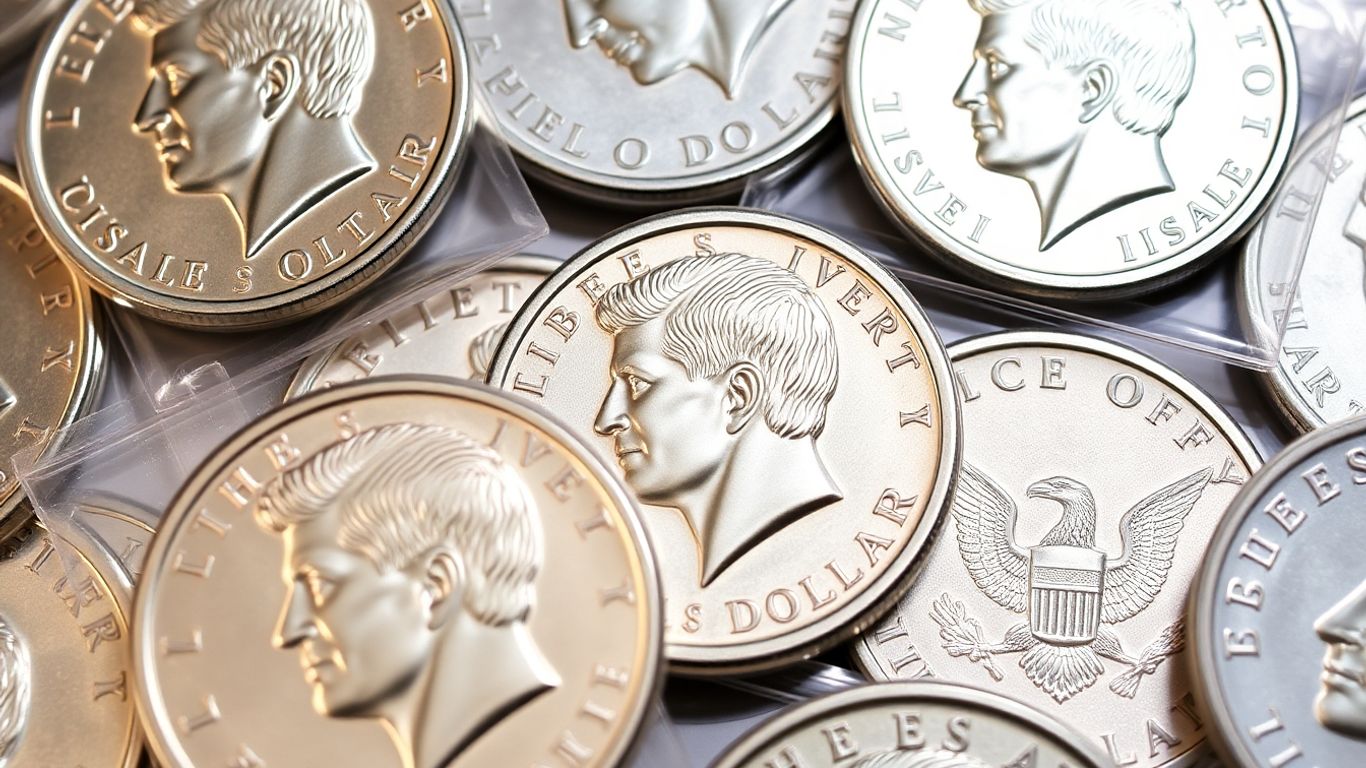
When you’re looking to sell your Kennedy Half Dollars in Tampa, especially if they’ve been professionally graded, you’re often dealing with coins that have a bit more certainty in their value. Grading services like PCGS and NGC examine coins for authenticity and condition, assigning a numerical grade that collectors understand. This takes a lot of the guesswork out of it for both the buyer and the seller.
Graded coins typically command higher prices because their condition and authenticity are verified. This professional assessment can significantly impact what a coin is worth. For instance, a Kennedy Half Dollar in a high grade, like MS 65, from a reputable grading service, will be more desirable than an uncertified one that might have unseen flaws.
Here’s a quick look at why grading matters:
- Authenticity: Confirms the coin is genuine.
- Condition: Provides a standardized grade (e.g., 1-70).
- Value: Establishes a clearer market price.
- Security: Certified coins are often easier to insure.
If you have graded Kennedy Half Dollars, dealers who specialize in certified coins will be your best bet. They understand the grading system and are prepared to pay based on those established standards. It’s always a good idea to know the grade of your coin before you approach a buyer, as this will help you get a fair offer.
8. U.S. Coins
When you’re looking to sell your U.S. coins in Tampa, it’s good to know what kind of coins are generally sought after. Most buyers are interested in coins that have some history or collectible value beyond just their metal content. This often means looking at coins minted before 1965, as many of these contain silver.
The condition and rarity of a U.S. coin play a big role in its value. A common coin from 1950 might not be worth much more than its silver content, but a rare mint error or a key date from an earlier series could be quite valuable.
Here are some types of U.S. coins that collectors and dealers often look for:
- Silver Dollars: Think Morgan Dollars and Peace Dollars. These are popular for their silver content and historical appeal.
- Half Dollars: Walking Liberty Half Dollars and Franklin Half Dollars are also frequently collected, especially those made before 1971.
- Quarters and Dimes: Washington Quarters and Mercury Dimes from earlier years, particularly those with silver, can be of interest.
- Early American Coins: This includes things like Indian Head Cents, Buffalo Nickels, and Lincoln Cents from the early 20th century.
- Proof and Mint Sets: Complete sets from the U.S. Mint can hold significant value.
When selling, remember that dealers will assess your coins based on factors like mintage numbers, historical significance, and current market demand. It’s always a good idea to have a general idea of what you have before you go to sell.
Many buyers in Tampa will look at a wide range of U.S. coinage, from common circulated pieces to rare, high-grade specimens. Knowing what you have can help you find the right buyer who appreciates the specific type of U.S. coins you’re looking to sell.
9. Silver Eagles
When you’re looking to sell your Kennedy Half Dollars, you might also come across American Silver Eagles. These are a bit different from your average half dollar, mainly because they’re considered bullion coins. That means their value is tied pretty closely to the current price of silver, plus a little extra for their collectible status. Most coin buyers in Tampa will be interested in these, especially if they’re in good condition.
Here’s a quick look at what makes them appealing to buyers:
- Metal Content: They’re made of .999 fine silver, so their melt value is a big part of what they’re worth.
- Collectibility: While they’re bullion, the U.S. Mint produces them annually, and certain years or mint marks can be more sought after by collectors.
- Condition: Like any coin, wear and tear can affect the price. Coins in mint condition will always fetch more.
When you take your Silver Eagles to a place like Arnold Jewelers or Tampa Bay Coin Buyers, they’ll likely assess them based on the silver spot price and any numismatic (collector) value they might have. It’s always a good idea to have a general idea of the current silver price before you go in, just so you know what to expect.
Selling bullion coins like Silver Eagles is often straightforward. Buyers look at the silver content first and foremost. If you have a rare year or a coin with a special mark, that can add a nice premium on top of the silver value. It’s not quite like selling a rare historical coin, but it’s definitely more than just scrap silver.
10. Bullion Rounds
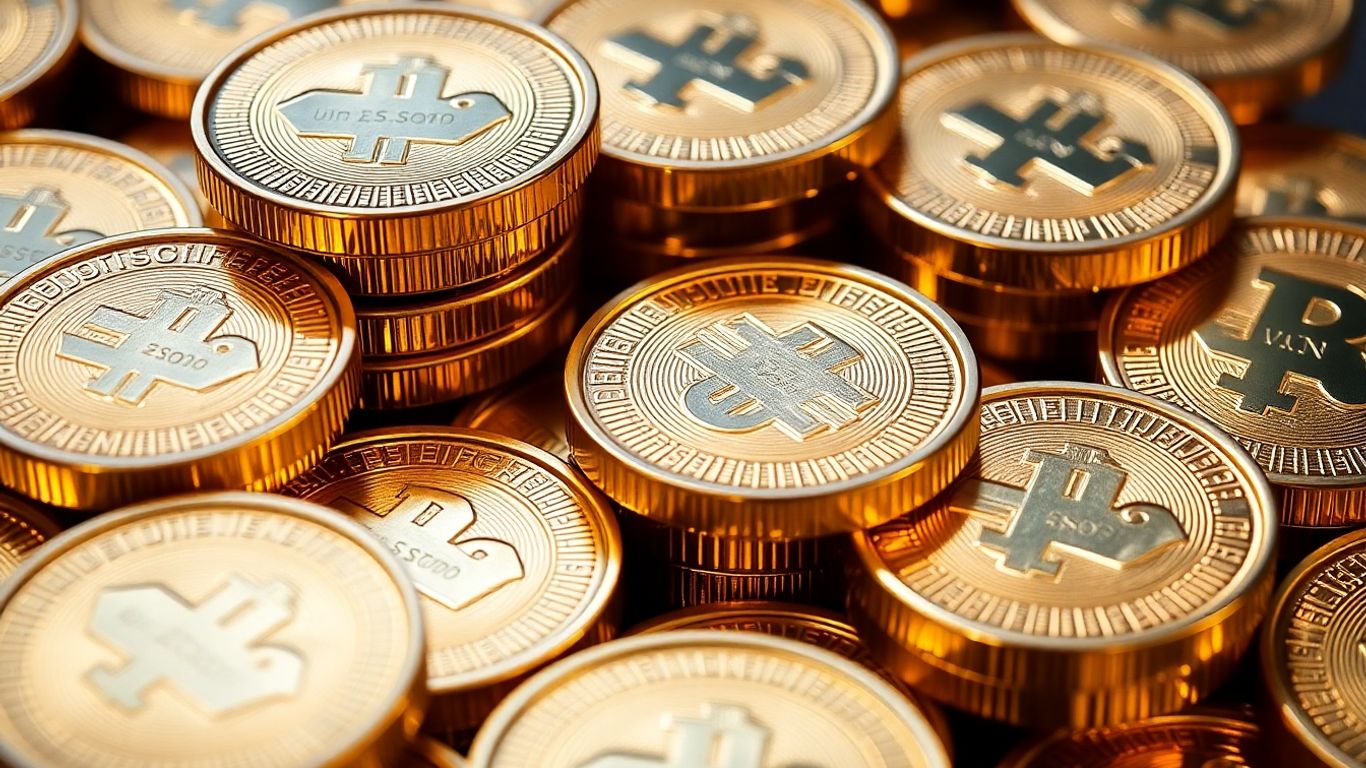
When you’re looking to sell your Kennedy Half Dollars, you might also have other silver or gold items you want to cash in. Bullion rounds are a common one. These are simply metal discs, usually made of silver or gold, that are stamped with a design. Think of them as generic coins, not issued by a government mint, but still containing a specific amount of precious metal.
The value of bullion rounds is primarily tied to the current market price of the metal they contain. This means their worth can fluctuate daily. While they might not have the numismatic (collector) value of some coins, they are a straightforward way to invest in precious metals.
When selling bullion rounds in Tampa, buyers will typically look at a few things:
- Purity: Most rounds are .999 fine silver or .9999 fine gold. Higher purity means more value.
- Weight: Rounds come in standard weights, like one troy ounce for silver. The total weight of metal is key.
- Condition: While not as critical as with collectible coins, heavily damaged or tarnished rounds might fetch a slightly lower price.
- Manufacturer: Some well-known mints or refiners might command a small premium, but generally, the metal content is the main driver.
It’s important to know that not all silver bullion is treated the same. Some dealers might just offer the spot price for any 1 oz silver round. However, certain modern or vintage rounds can actually be worth more than just the silver content, bringing in extra premiums. It pays to do a little research or ask your buyer if they recognize any special value beyond the melt price.
Selling bullion rounds is often a simpler transaction compared to collectible coins. The focus is almost entirely on the precious metal content and its current market value. This makes them a popular choice for those looking to liquidate assets based on commodity prices.
Wrapping Up Your Coin Sale
So, you’ve got some Kennedy Half Dollars sitting around and you’re wondering what to do with them. We’ve looked at a few places in Tampa that can help you turn those coins into cash. Whether you’re dealing with a whole collection or just a few pieces, remember to do a little homework. Check out the places we talked about, see who offers the best prices and makes you feel comfortable. Selling coins can be pretty straightforward if you go to the right folks. Good luck with your sale!
Frequently Asked Questions
Where can I sell my Kennedy Half Dollars in Tampa?
You have several great options in the Tampa area to sell your Kennedy Half Dollars. Places like Arnold Jewelers and Tampa Bay Coin Buyers are known for buying coins. You can also explore local coin shops or even online dealers who specialize in numismatics.
How do coin dealers determine the value of my Kennedy Half Dollars?
Coin dealers look at a few things to figure out how much your coins are worth. They check the coin’s condition, like any scratches or wear. They also consider if it’s made of silver, as that affects its price. Sometimes, rare dates or special mint marks can make a coin much more valuable than its face value.
Should I get my Kennedy Half Dollars graded before selling?
For common Kennedy Half Dollars, grading might not be worth the cost. However, if you suspect you have a particularly rare or valuable one, getting it graded by a professional service like PCGS or NGC can confirm its authenticity and condition, potentially increasing its selling price.
What's the difference between selling to a jeweler versus a coin dealer?
Jewelers often focus on the precious metal content (like silver) in your coins, while dedicated coin dealers are experts in numismatics. They understand the collector’s market and can often pay more for coins based on their rarity and historical significance, not just their melt value.
Can I sell collections or estate lots of coins?
Absolutely! Many coin buyers, including specialized dealers and some jewelers, are very interested in purchasing entire coin collections or estate lots. They have the expertise to evaluate a large number of coins efficiently and make a fair offer for the whole collection.
Do I need an appointment to sell coins?
It’s usually best to check with the specific buyer. Some places, like Arnold Jewelers, welcome walk-ins. Others might prefer you schedule an appointment, especially if you have a large collection or valuable items, to ensure they have the right specialist available.
What information should I have ready when selling coins?
It’s helpful to know the approximate date and condition of your coins. If you have any documentation or previous appraisals, bring those along too. Having clear photos of your coins can also be useful, especially if you’re contacting buyers remotely or online.
How do I get the best price for my Kennedy Half Dollars?
To get the best price, research the current market value for your specific coins. Get quotes from multiple reputable buyers in the Tampa area. Selling coins that are in good condition and, if applicable, have significant silver content or are rare dates will generally yield higher offers.