Thinking about selling your elongated coins in Tampa? It’s not as straightforward as you might think. This guide is here to help you figure out the best way to sell elongated coins in Tampa, whether you’ve got a few interesting pieces or a whole collection you’re looking to part with. We’ll cover everything from understanding what makes these coins special to finding the right buyers and getting a fair price.
Key Takeaways
- Understand what makes elongated coins unique and desirable to collectors.
- Properly handle and document your collection to preserve its value.
- Research factors like rarity, condition, and historical context to determine your coins’ worth.
- Explore various avenues for selling, including local shops, online platforms, and specialized dealers in Tampa.
- Be aware of common mistakes, like over-cleaning, and ensure secure transaction methods when you sell elongated coins in Tampa.
Understanding Elongated Coins in Tampa
What Are Elongated Coins?
Elongated coins are regular coins that have been pressed through a special machine, creating a stretched oval with a unique image or message. You’ve most likely seen them at theme parks, zoos, or tourist spots—the kind of souvenir that costs a couple of quarters and a penny.
These coins are not rare by nature, but their designs and limited production can make some highly collectible. Collectors love them for their variety—some feature landmarks, special events, or even custom messages. Tampa has locations where you’ll stumble across new designs often, so collections can really add up.
The Appeal of Elongated Coin Collecting
Owning pressed coins is more than just a casual hobby for some folks in Tampa. Here’s why people are drawn to collecting them:
- Easy to find in family-friendly local spots and attractions
- Wide variety of themes: everything from NFL teams to historical Tampa buildings
- Affordable, with most costing less than a buck to make
- Makes for a unique travel log—each coin can remind you of a specific day or event
There’s something about seeing a pile of custom designs and thinking about all the places and stories behind each one—even if most started as ordinary change. It’s a hobby that grows on you and can spark some good conversations.
Identifying Rare and Valuable Elongated Coins
While most elongated coins won’t pay your bills, some can be worth tracking down. What makes a Tampa-area pressed coin more sought-after?
Factors That Influence Collectible Value:
| Factor | Why It Matters |
|---|---|
| Low Mintage/Production | Fewer made means less chance for others to own the same coin |
| Unique Local Events | Limited runs from Tampa festivals or conventions |
| Unusual Designs/Errors | Design mistakes, double prints, or custom die cuts |
| Condition | Uncirculated or well-preserved is always better |
Some Tampa machines use pre-1982 cents to avoid modern zinc problems (see how nickel costs have changed), and that can sometimes add an extra layer of interest for certain coins pressed around town.
If you’re sorting your batch, keep an eye out for event-specific coins, odd misprints, and any unusual themes. These are often the ones you’ll see collectors ask about online or at swap meets.
Preparing Your Elongated Coins for Sale
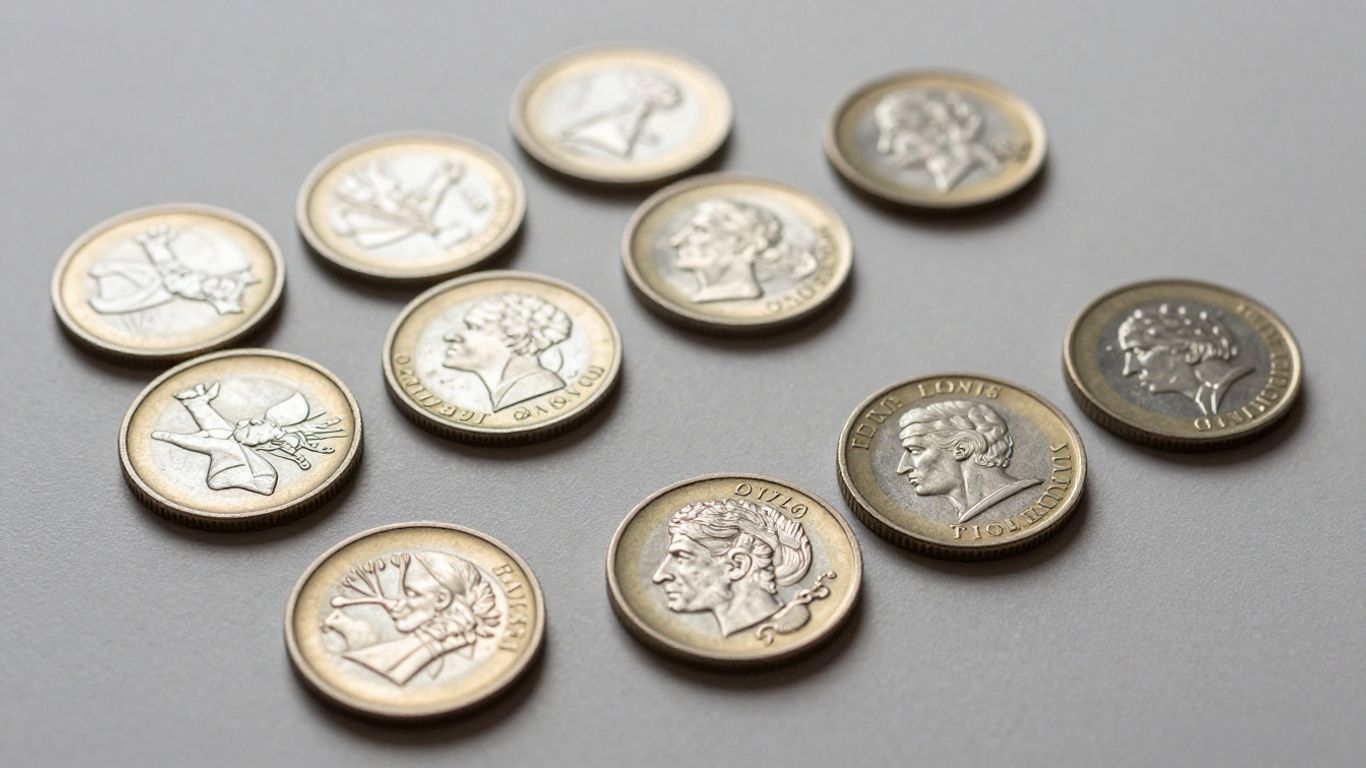
So, you’ve decided it’s time to part with some of your elongated coins. That’s great! But before you rush off to find a buyer, there are a few things you should do to make sure you get the best possible outcome. Think of it like getting ready for a job interview – you want to present yourself in the best light, and your coins are no different.
Proper Handling and Storage
This is super important. Elongated coins, especially older ones, can be delicate. You don’t want to accidentally damage them right before selling. Always handle them by the edges. Avoid touching the faces if you can. A pair of soft cotton gloves can be a good idea, especially if you’re going to be handling them a lot.
When it comes to storage, think about keeping them in a stable environment. Extreme temperatures or humidity can cause problems over time. If you’ve been keeping them in a safe place, that’s probably good enough. Just make sure they aren’t rattling around loosely in a container where they could get scratched.
- Handle by the edges: Always use your fingertips or cotton gloves to hold the coin.
- Avoid direct contact: Try not to touch the coin’s surface.
- Stable environment: Store coins away from extreme heat, cold, or moisture.
- Protective holders: Use individual coin flips or albums designed for numismatic items.
Avoiding Common Mistakes: Cleaning and Damage
This is a big one, and honestly, it trips up a lot of people. Resist the urge to clean your coins. Seriously. Even if they look a little dull or dirty, cleaning them can actually decrease their value. Collectors often prefer coins in their original, uncleaned state. Scrubbing them, even with a soft cloth, can leave tiny scratches that are visible under magnification. These are called ‘cleaning marks,’ and they’re a big red flag for buyers.
The instinct to make something look ‘better’ by cleaning it is strong, but in the coin world, ‘originality’ is often king. What looks like dirt to you might be a natural patina that adds character and historical context to the coin. Messing with that can strip away not just the dirt, but also a significant portion of the coin’s appeal and monetary worth.
Also, be mindful of any damage. Dents, significant scratches, or bent edges can all impact value. If you notice any of these, it’s best to just leave them as they are and let a potential buyer assess them.
Documenting Your Collection
Before you even think about selling, take some time to document what you have. This doesn’t have to be super complicated, but it’s really helpful for both you and any potential buyer. You’ll want to note down:
- The design: What image is on the coin? Is it a landmark, a historical figure, or something else?
- The date or year of production: If you know when it was made, jot that down.
- Any identifying marks or numbers: Some elongated coins have specific codes or series numbers.
- The type of metal it’s pressed on: Usually copper pennies, but sometimes other metals are used.
- Condition notes: Be honest about any flaws, like scratches or discoloration.
Taking clear photos of each coin is also a really good idea. Good lighting is key here. You want to capture the details accurately. This documentation will be invaluable when you start talking to buyers and discussing prices.
Valuation Factors for Elongated Coins
Figuring out what your elongated coins are worth in 2026 Tampa isn’t a guessing game—it comes down to several real factors. If you want a fair price, you have to know what buyers look for before you start taking offers. Let’s take a straightforward look at what really matters.
Rarity and Availability
Collectors love what’s hard to find. The more scarce your coin is, the more attention—and cash—it’ll draw. Here’s a quick rundown of what gives a coin rarity:
- Limited mintage or production year
- Location-specific presses, such as Tampa events or local attractions
- Unique errors or misprints from the rolling process
| Rarity Grade | Common Example (Tampa) | Ballpark Value (2026) |
|---|---|---|
| Common | Busch Gardens souvenir, newer machines | $1 – $3 per coin |
| Scarce | Historic Tampa fairs, discontinued sets | $5 – $20 per coin |
| Extremely Rare | Early 20th-century, error coins | $25 and up |
Sometimes, that old coin from a forgotten Florida attraction is just sitting in a drawer, quietly becoming someone’s must-have piece.
Condition and Preservation
Buyers always ask about condition—it’s not just about shiny or dull. Some folks think cleaning their finds is smart, but that usually hurts value.
Here’s what to pay attention to:
- No deep scratches or bends
- Original luster and sharp design details still visible
- No cleaning or harsh chemical residue
A coin in its natural state, with crisp imagery and no damage, will always beat one that looks over-polished or bent.
Historical Significance and Theme
The story behind the coin can make a big difference. Themes tied to Tampa’s history or special events boost appeal, especially when those events are long gone.
Key factors collectors focus on:
- Coin was pressed at a major event or during a historic occasion (think: Florida State Fair, Gasparilla Parade years ago)
- Subject relates to local history, niche hobbies, or unique pop culture references
- Coin is part of a limited release, often tied to an anniversary or one-off attraction
If it’s got a story Tampa locals care about, you can usually count on extra interest—and maybe a few competitive bids.
In summary, figure out where your coins land in terms of rarity, keep them as original as possible, and know the Tampa-specific stories they tell. Buyers in this city do their homework.
Finding Reputable Buyers in Tampa
If you’ve collected elongated coins around Tampa and are ready to sell, figuring out where to take them can feel a bit overwhelming. Tampa has a lively scene for collectibles, but not every buyer is going to be the right fit—or offer the price you want. Knowing your selling options and understanding the pros and cons of each can make the process go a lot smoother.
Local Coin Shops and Dealers
Local shops are a go-to option for many sellers because you get that in-person connection. Here’s what to keep in mind:
- You can get on-the-spot offers and negotiate face-to-face.
- Many dealers can quickly assess if you have something rare or just a common piece.
- Established shops in Tampa (look for those with years in business) usually have a good reputation and aren’t shy about explaining their process.
| Name | Years in Tampa | Specialties | Typical Offer Type |
|---|---|---|---|
| Tampa Coin Buyers | 15+ | U.S. coins, souvenirs | Direct purchase |
| Bayshore Coin & Jewelry | 10+ | Bullion, collectibles | Offer + appraisal |
| North Tampa Numismatics | 5+ | Collections, tokens | Consignment / cash |
Seasoned local buyers understand the unique history behind Florida collections, and they often spot rare elongated coins that others miss.
Online Marketplaces and Auctions
In 2026, selling online is just as common as visiting a shop. Here’s how you can use the internet to your advantage:
- List your coins on established auction platforms: These include eBay, HiBid, or whatnot.
- Set a minimum price if you’re worried about underselling.
- Look for specialty forums or groups: Tampa area Facebook groups, Reddit, and niche collector sites.
Pros: Huge pool of buyers, potential for higher prices on rarities.
Cons: Shipping risks, fees, waiting for auction end.
Specialty Elongated Coin Buyers
These buyers are niche, but they know what they’re looking at:
- They typically seek elongated coins from events (like Florida fairs or Tampa conventions) and might pay extra for unique local pieces.
- You can sometimes find them at hobbyist shows, state fairs, or by connecting online through collector groups.
- There are a few mail-in services, but always check reviews and require a written offer before shipping anything.
Checklist for vetting a specialty buyer:
- Do they explain their offer?
- Can you find references?
- Do they buy individual coins or whole collections?
Take your time choosing a buyer. Those quick, too-good-to-be-true offers usually aren’t the best you’ll get. The right person will respect your collection and the story behind it.
The Selling Process in Tampa
So, you’ve got some elongated coins and you’re thinking about selling them here in Tampa. It sounds straightforward, right? Well, it can be, but there are definitely a few things to keep in mind to make sure you get a fair shake. It’s not just about handing over a coin and getting cash; there’s a bit more to it than that.
Getting Appraisals and Offers
First off, don’t just take the first offer you get. It’s a good idea to shop around a little. Get a few different opinions on what your coins are worth. This helps you understand the general market value. Think of it like getting quotes for a home repair; you wouldn’t hire the first person you called, would you?
- Visit local coin shops: Tampa has several reputable dealers who specialize in coins. They can give you an on-the-spot appraisal.
- Consider online appraisal services: Some platforms offer remote appraisals, though seeing the coin in person is usually best for elongateds.
- Attend coin shows: Events like the Florida United Numismatists (FUN) Convention, which sometimes takes place in Tampa, are great places to connect with dealers and get multiple opinions.
Remember, an appraisal isn’t a sale price, but it’s your starting point for knowing what your collection is worth. The more information you have, the better prepared you’ll be.
When you’re getting appraisals, pay attention to how the person explains the value. Do they just give you a number, or do they explain why they arrived at that number? A good buyer will talk about the coin’s condition, its rarity, and any specific features that make it desirable. This transparency is key.
Negotiating the Best Price
Once you have a few offers, it’s time to negotiate. Don’t be afraid to talk numbers. If one buyer offers significantly less than others, ask them why. They might have a valid reason, or they might be trying to get a bargain. You know what you’ve been offered elsewhere, so use that information.
- Know your bottom line: Decide beforehand what the lowest price you’re willing to accept is.
- Be polite but firm: You can be friendly and still stand your ground on price.
- Consider non-monetary factors: Sometimes a dealer might offer a slightly lower price but provide a quicker, easier sale. Weigh this against getting the absolute top dollar.
Secure Transaction Methods
When you finally agree on a price, make sure the transaction is secure. For larger sales, especially, you want to be sure you’re getting paid what you’re owed. Cash is always an option for smaller amounts, but for bigger deals, consider:
- Certified checks or bank drafts: These are generally safer than personal checks.
- Wire transfers: A common method for high-value transactions.
- In-person exchange: If possible, meet at a bank or a secure location where funds can be verified before the coins change hands. This is especially important if you’re dealing with someone you don’t know well. After all these years, I still enjoy the quiet moments of this work: examining a coin under proper lighting, noticing a detail that tells a deeper story, and helping someone understand what they’re holding. Tampa coin buyers see more than metal. We see choices people made long ago, sometimes without realizing how much they’d matter later.
Leveraging Online Resources for Collectors
Here in Tampa, collectors have more online options than ever, and knowing how to use them makes selling elongated coins a whole lot easier and less stressful.
Essential Elongated Coin Databases
For up-to-date info or just a curious browse, a couple of online coin databases are worth your time. These sites track thousands of coin designs, machines, and even some recent sales, making them solid tools when you’re ready to check what you’ve got or what it might be worth.
| Database Name | What it Tracks | How to Use It |
|---|---|---|
| PennyCollector.com | Locations, designs | Search by state/city or keyword |
| Presscoins.com | Disney/Attraction coins | Filter by park or character theme |
| Pennypresses.net | User-updated machines | Report new finds or errors |
Some entries may be outdated, so double check details if you’re planning to make a trip or a sale based on these listings. Submitting corrections helps everyone out, and makes sure the info stays fresh for other collectors.
Reference Books and Catalogs
Sometimes, an old-school book or printed catalog beats a web search, especially for rare or old elongated coins. Consider a few options:
- "Yesterday’s Elongated" (Lee Martin and Dottie Dow) – huge for early US coins.
- State or theme-specific catalogs – like the West Virginia coins guide.
- Catalogs from clubs, fairs, or local events – often more detailed than general guides.
Catalogs not only help ID your pieces, but some even list historical prices. If you’re selling something unusual or from a limited run, a book can supply the proof a buyer might want.
Online Collector Communities
Connect with others who know what you’re talking about. No need to go it alone—these online groups are all over social media and even old-school forums:
- Facebook groups for elongated coin collectors (search for region- or theme-based groups).
- Online coin discussion boards – great for specific questions or price checks.
- Local Tampa and Florida coin club sites – some have buy/sell sections or group meetups.
These groups can help you crowdsource answers—was that penny machine still at Busch Gardens in 2025? What’s a reasonable price for a certain design? You’ll learn all sorts of things from other collectors’ odd stories and unexpected finds.
Don’t let a possible lack of online info stop you from tracking down the details. Other collectors, especially in online groups, are happy to fill in the blanks or give tips based on years of hunting coins around Florida and beyond.
Tampa's Unique Market Considerations
Tampa isn’t like selling coins in other cities. The local environment, demand cycles, and even the weather can shift what collectors are looking for and how you should handle your elongated coins before selling. Let’s look at the points that set Tampa apart.
Local Demand and Trends
Collectors in Tampa tend to go after coins tied to local landmarks and Florida history. Certain pressed pennies from the Tampa Museum of Science & Industry or attractions like Busch Gardens fetch extra attention compared to generic designs. Here are a few factors influencing what sells well in this area:
- Local attraction coins (theme parks, aquariums, sports venues) are popular.
- Coins commemorating regional events (like hurricanes or space launches) are sometimes more sought after.
- Florida-themed or coastal designs can command a higher price locally than on national markets.
| Example Coin | Typical Local Price | Demand Level |
|---|---|---|
| Busch Gardens pressed penny | $2 – $5 | High |
| Tampa Aquarium penny | $1.50 – $4 | Medium-High |
| Generic zoo penny | $0.75 – $2 | Low |
Pay attention to coin shows and collector meets in Tampa, especially after peak tourist seasons—more out-of-towners mean more opportunities to sell local-themed elongated coins.
Impact of Florida's Climate on Coins
Florida’s heat and humidity aren’t just unpleasant; they can hurt your coins, especially the older or copper-based pressed pennies. Moisture encourages corrosion and can tarnish metal quickly. If you’re prepping coins for sale, keep these in mind:
- Store coins in a dry, air-conditioned space.
- Avoid using paper envelopes or cardboard flips, as they soak up moisture.
- Consider silica gel packs or similar moisture absorbers if storing for more than a month.
A coin left exposed in a garage over a summer can show damage surprisingly fast.
Seasonal Selling Opportunities
Timing the sale of your elongated coins in Tampa can make a difference. Tourist seasons (spring break, summer months, and winter holidays) bring in new collectors and boost local shop traffic. Here’s what most sellers find:
- Coin shops and local shows are busier from March to April and June to August.
- Online buyers may be hunting for Florida souvenirs after the holidays, when nostalgia kicks in.
- Fall and early winter are quieter—dealers may offer lower prices as inventory stacks up.
Listing or selling during local events—like the Florida United Numismatists show—may bring better offers for specialty and theme-based Tampa coins.
Maximizing Your Sale Profit
Selling elongated coins in Tampa isn’t just about finding any buyer—if you want the best return, it pays to plan things out. Profit depends on both timing and approach. Let’s look at some strategies Tampa sellers use in 2026 to get the most from every trade.
When to Sell: Timing the Market
- Watch local coin show schedules—interest and prices jump right before and during large events.
- Keep tabs on online auction results (like eBay’s sold listings), since they show which themes or locations are hot.
- If you have coins tied to a major Tampa event or local attraction, wait until related anniversaries or festivals for increased demand.
| Season | Likely Demand |
|---|---|
| Winter | High—snowbird buyers in town |
| Spring | Moderate—some tourism activity |
| Summer | Low—fewer out-of-towners |
| Fall | High—holiday gift shoppers |
Bundling or Selling Individually
- Bundles appeal to new collectors—these might move faster but can reduce the price per coin.
- Rare or unique coins nearly always sell better one at a time; collectors will pay more to complete a set.
- Consider making themed lots (for example, "Tampa attractions" or "Historic US Landmarks") for mid-range pieces.
Understanding Buyer Motivations
- Some buyers just want coins from specific machines or locations—know the story behind your items.
- Theme collectors often pay premiums for coins fitting their focus (Disney, local sports, or transport).
- A few buyers want complete series—selling the whole set at once can attract a much higher offer.
If you think you’re stuck with common pieces, remember that clear stories, good timing, and smart selling methods can turn ordinary rolls into a solid payout. There’s always someone out there looking to fill that last spot in their book, so don’t rush to accept the first offer.
Common Pitfalls to Avoid When Selling
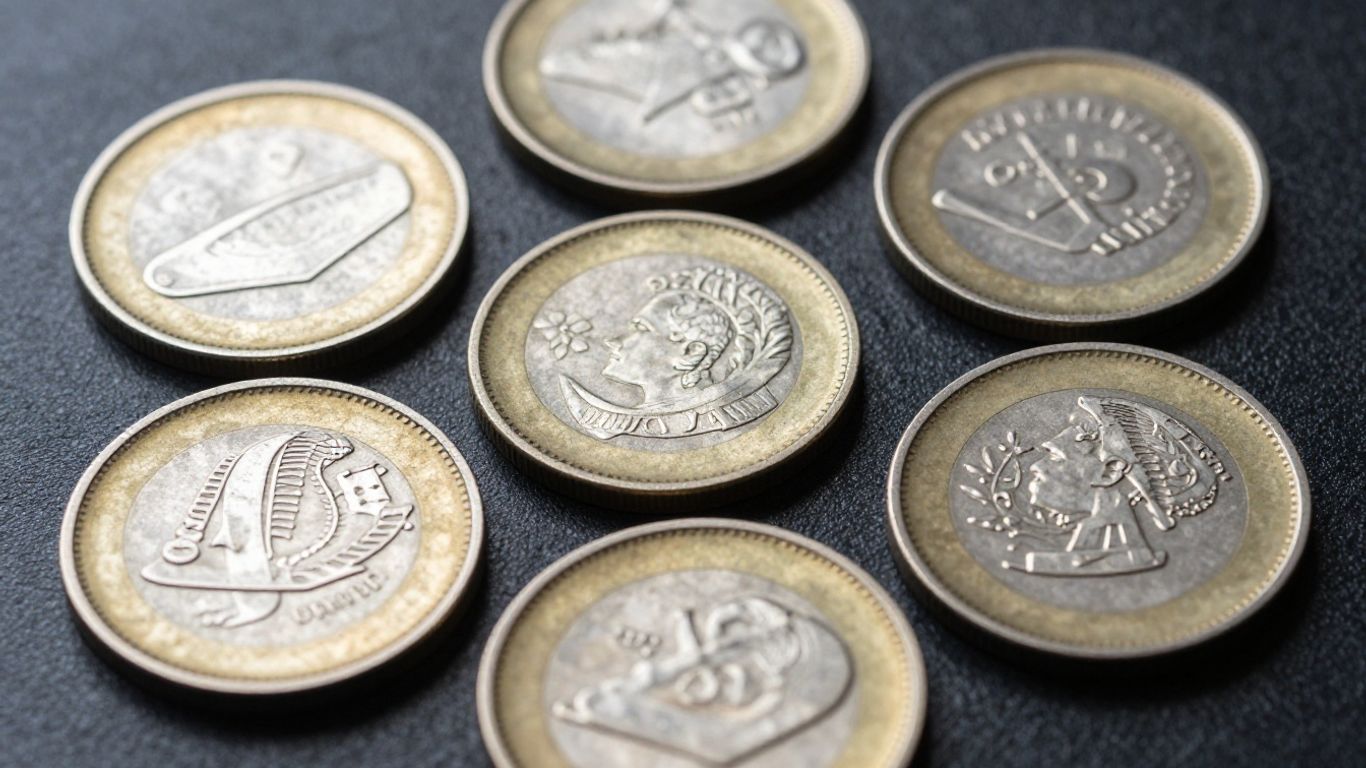
Sometimes selling elongated coins in Tampa seems pretty straightforward—and then a few common mistakes trip up even experienced collectors. Here’s what to watch out for if you want to keep deals smooth and get fair value for your collection.
Over-Cleaning Your Coins
Many first-time sellers think a shiny coin sells better, but that’s not true in coin collecting. Over-cleaning can easily strip away important details and original surfaces, drastically cutting the coin’s collectible value. Even light polishing or using the wrong cleaning products will often do more harm than good. Some collectors have learned this the hard way—cleaned coins often fetch much less on the resale market.
Top reasons not to clean elongated coins:
- Cleaning may remove the patina, erasing the history collectors value
- Scratches and marks from harsh cleaning lower desirability
- Original, untouched surfaces are most appealing at resale
If your instinct is to make your coins sparkle before selling, resist the urge. Collectors want originality over flash.
Accepting Lowball Offers
It’s easy to jump on the first offer, especially with a box of coins you’re ready to move. Fast money can look tempting, but lowballing is common. Take time to get different valuations, especially for rare designs or themed sets like Tampa event coins. A reputable buyer will explain the breakdown and shouldn’t pressure you to sell on the spot. For context, it helps to compare transparent pricing of bullion coins if you want to see how reputable buyers handle something more liquid.
How to avoid getting shortchanged:
- Get at least three separate offers from different buyers
- Do your own research using price guides and recent online sales
- Ask the buyer to explain their offer step by step
| Buyer Type | Average Offer (% of Market Value) |
|---|---|
| Local Coin Shop | 60-80% |
| Online Auction | 70-90% |
| Unverified Buyer | 40-60% |
Ignoring Buyer Transparency
Never hand over your collection if the buyer isn’t clear about their process or refuses to discuss how they assessed your coins. A trustworthy buyer will walk you through their grading, point out details, and answer all your questions. If they become evasive or try to hurry things along, that’s a red flag.
Checklist for a credible transaction:
- Buyer invites you to watch the appraisal process
- All paperwork and payment methods are clearly explained
- Buyer answers questions about rarity, condition, and pricing
Taking your time can mean the difference between a quick regret and a genuinely good deal when letting go of your elongated coins.
The Future of Elongated Coin Collecting
Even with new hobbies popping up all the time, collecting elongated coins in Tampa is still holding strong in 2026. This little world keeps evolving, and there are a few things you’ll want to watch if you’re planning to sell or just hang onto your favorite pieces.
Emerging Trends in the Hobby
Some things never change—people will always want the quirky coins they remember collecting at the zoo or from a special trip. But things are shifting:
- US coin redesigns for America’s 250th anniversary are putting fresh designs into circulation. That’s bringing a wave of interest to the hobby as new collectors get curious.
- Tourism in Tampa is reliably strong, which means more visitors, more machines, and fresh local designs showing up throughout the area.
- Limited-edition presses for events—sports games, conventions, museum anniversaries—are being snapped up quickly, driving up demand for short-run coins.
For those looking to track recent collecting trends, paying attention to new releases each year can put you a step ahead of other sellers.
Technological Advancements in Production
Machines for making elongated coins are getting more technical, and collectors are noticing:
- Some new machines let users create custom designs with names or dates, making each coin more personal.
- Certain venues are experimenting with digital QR codes on pressed coins, connecting collectors to online stories or certificate of authenticity pages.
- Materials are changing—some presses now accept nickels, dimes, and colorized coins, widening the range of what you can find.
| Year | Number of New Machine Designs in Tampa | Percentage Accepting Multiple Coin Types |
|---|---|---|
| 2023 | 10 | 30% |
| 2024 | 17 | 44% |
| 2025 | 21 | 57% |
| 2026 | 24 | 65% |
Building a Lasting Collection
If you want your collection to stand the test of time, keep these steps in mind:
- Focus on both classic and modern designs
- Store coins in acid-free holders to avoid damage from Florida’s humidity
- Document where and when you collect each coin for future reference
- Join or start a small club—you’ll get trading opportunities and up-to-date news
Looking ahead, collecting elongated coins in Tampa isn’t just about nostalgia—it offers a real sense of community and a front-row seat to ongoing coin history. Keep your eyes open as new events and commemorations come up, and your collection could be one folks are still talking about years from now.
Wrapping Up Your Elongated Coin Journey
So, you’ve explored the world of elongated coins right here in Tampa. It’s a hobby that’s more than just collecting metal; it’s about history, art, and sometimes, a bit of luck. Whether you’re looking to sell your finds or just appreciate them, remember that understanding what you have is key. Don’t be afraid to ask questions when dealing with buyers, and always handle your coins with care. The Tampa area has a lot to offer collectors, and this guide is just the start. Keep exploring, keep learning, and most importantly, enjoy the hunt!
Frequently Asked Questions
What exactly are elongated coins, and why do people collect them?
Elongated coins, often called “pressed pennies,” are regular coins that have been put through a special machine. This machine flattens and stretches the coin, adding a new design, usually a picture or text. People collect them because they’re like tiny pieces of art, often representing places they’ve visited or things they love, like theme parks or historical sites. It’s a fun and affordable way to remember trips and experiences.
How do I know if my elongated coins are valuable?
The value of elongated coins can depend on a few things. Some are rarer than others, meaning fewer were made. Coins from popular locations, like famous landmarks or theme parks, might be more sought after. Also, the condition matters – coins that are still shiny and haven’t been damaged will be worth more. Sometimes, coins made with special metals or unique designs can also be more valuable.
Should I clean my elongated coins before selling them?
It’s usually best not to clean your elongated coins. Cleaning them can actually damage their surface and lower their value. Collectors often prefer coins in their original condition, even if they look a little dull or have minor marks. If you’re unsure, it’s always better to leave them as they are and let a buyer decide.
Where can I find buyers for my elongated coins in Tampa?
In Tampa, you have a few options. You can try local coin shops that specialize in collectibles. Online marketplaces like eBay are also popular places to sell. Sometimes, there are even specialty dealers who focus only on elongated coins and might be interested in your collection. Going to coin shows can also be a good way to connect with buyers.
What's the best way to store my elongated coins?
To keep your elongated coins in good shape, store them carefully. You can use small plastic sleeves or albums designed for pressed pennies. Keep them in a cool, dry place away from direct sunlight and humidity. This helps prevent them from getting damaged or tarnished over time.
How do I figure out a fair price for my coins?
Figuring out a price can be tricky. You can research similar coins online to see what they’re selling for. Consider how rare your coin is, its condition, and if it has a special design or theme. If you have a large collection or some very unique pieces, you might want to get an appraisal from an experienced coin dealer who knows about elongated coins.
Are there any specific resources for learning about elongated coins?
Yes, there are! Websites like ParkPennies.com and Pennycollector.com are great for finding information about many elongated coins. There are also books, like ‘Yesterday’s Elongated’ by Lee Martin and Dottie Dow, which are very helpful for learning about older or rarer coins. Online collector communities can also offer valuable advice.
What makes some elongated coins from Tampa or Florida special?
Coins related to Florida’s unique attractions, like theme parks, beaches, or historical sites, can be popular. The local climate, with its heat and humidity, can also affect how coins are preserved, so coins that have been stored well might be more appealing. Sometimes, coins made with local themes or during special events in Florida are also in demand.