So, you’ve got some doubled die coins lying around and you’re wondering where to sell them in Tampa. It can feel a bit confusing trying to figure out the best spots and how to get a fair price. This guide is here to help you understand the process of selling doubled die coins in Tampa, making it a little less stressful.
Key Takeaways
- Figure out what makes your doubled die coins valuable, like their condition and rarity.
- Check out local coin shops and dealers in Tampa for selling options.
- Get your coins ready for sale by storing them right and knowing when to get them graded.
- Learn how to get a good price, which often means being patient and understanding how buyers work.
- Get to know the Tampa coin scene and connect with collectors and dealers.
1. Local Coin Shops In Tampa
If you’re looking to sell your doubled die coins right here in Tampa, your first stop might be one of the local coin shops. These places are often run by folks who really know their coins, and they’re usually happy to take a look at what you’ve got. They can give you a quick appraisal and make an offer on the spot. It’s a straightforward way to get a general idea of your coins’ worth from people who see these kinds of items regularly.
When you’re dealing with potentially valuable coins, it’s smart to stick with dealers known for being honest. You want someone who won’t try to take advantage of you. Look for shops that are members of professional numismatic organizations; these affiliations often mean they follow a code of ethics.
Here’s what you can generally expect:
- Initial Assessment: The shop owner or an associate will examine your coins.
- Offer: They’ll provide a cash offer, usually based on what they can resell the coin for.
- Quick Transaction: If you accept, you can often get paid right away.
Keep in mind that coin shops are businesses. Their offer will likely be lower than what you might get selling directly to a collector because they need to make a profit when they resell your coin. However, for a fast and convenient sale, they’re a solid option.
It’s always a good idea to visit a couple of different shops to compare offers. This helps ensure you’re getting a fair price for your doubled die coins.
2. Reputable Dealers For Capped Bust Coins
When you’re looking to sell your Capped Bust coins, finding a dealer who’s known for being honest and fair is a really smart move. You don’t want to end up feeling like you got a raw deal, right? It’s worth looking for dealers who are part of professional groups like the American Numismatic Association (ANA) or the Professional Numismatists Guild (PNG). Membership in these organizations usually means they follow a code of conduct.
A good dealer will be upfront about how they figure out their offer. They might even explain why certain coins are more sought after than others. Plus, they’ll know their stuff when it comes to the specific Capped Bust varieties you might have. It’s always a good idea to do a little homework before you commit to selling. A little research upfront can save you a lot of headaches and potentially more money down the road. You want to feel comfortable with the person you’re doing business with.
Here’s what to look for in a reputable dealer:
- Transparency: They explain their appraisal process and pricing.
- Knowledge: They demonstrate a solid understanding of Capped Bust coins and their varieties.
- Professional Affiliations: Membership in groups like the ANA or PNG.
- Good Reputation: Positive word-of-mouth and online reviews.
Dealers like Imperial Coin Exchange have been serving the Tampa area for some time, building a reputation for fair dealings. They understand the market and can offer a realistic price for your coins. Remember, they need to make a profit, so their offer will likely be lower than what a collector might pay, but they offer convenience and a quick sale.
When you sell to a coin dealer, they need to make a profit. That’s how they stay in business. This means they’ll buy your coin for less than they intend to sell it for. This difference is their markup, and it can vary quite a bit.
3. Tampa Coin Shows And Events
You know, sometimes the best way to get a feel for what your Capped Bust coins are really worth is to head out to a local coin show. Tampa and the surrounding areas often host these events, and they’re a really good spot to meet a bunch of different people who are into coins. You’ll find dealers there, sure, but also collectors who might be looking for exactly what you have. It’s a chance to show your coins to several potential buyers all in one place, which can give you a better idea of what people are willing to pay. Plus, you can learn a lot just by walking around and seeing what’s being offered.
Here’s what you can expect at a typical coin show:
- Variety of Buyers: From local shops to dealers from out of town, you get a broad audience.
- Market Insights: See what types of coins are popular and get a sense of current pricing.
- Networking: Meet other collectors and dealers, which can be helpful down the line.
- Learning Opportunities: Many shows have educational displays or talks.
Attending these events can really help you understand the market for your specific coins.
Going to a coin show isn’t just about selling; it’s also about connecting with the numismatic community. You can chat with folks who have been collecting for years, pick up tips, and even find out about other places to sell or trade coins. It’s a good way to get a feel for the hobby beyond just the transaction.
Don’t forget to check out the Florida United Numismatists (FUN) shows, as they often have major events that draw a big crowd. Even if you’re not ready to sell immediately, visiting a show can be a smart move to get informed.
4. Local Tampa Coin Collector Networks
Tampa has a pretty active group of coin enthusiasts, and tapping into these local networks can be a smart move when you’re looking to sell your doubled die coins. These aren’t always formal organizations; sometimes it’s just a group of people who really love coins and get together to talk about them. Think of it like finding your people who are just as excited about old money as you are.
Getting involved with these groups can give you a feel for what coins are currently in demand and who might be looking to add to their own collection. It’s a good way to get a sense of the market without the pressure of a formal sale. Plus, you might even find a private collector who’s willing to pay a bit more than a dealer because they’re passionate about that specific type of coin.
Here are a few ways to connect:
- Attend local coin club meetings: Check online or ask around at coin shops for meeting times and locations. These are often casual gatherings where you can meet fellow collectors.
- Join online forums or social media groups: Many local collector groups have an online presence. This is a great way to see what people are talking about and what coins are being discussed.
- Talk to other collectors: When you’re at coin shows or shops, strike up conversations. Most collectors are happy to share their knowledge and experiences.
Building relationships within the local coin community can open doors. It’s not just about finding a buyer; it’s about finding someone who truly appreciates the rarity and history of your coins. Sometimes, the best offers come from unexpected places when you’ve put yourself out there.
Don’t underestimate the power of word-of-mouth in these circles. If you’re known as someone who has interesting coins and is fair to deal with, people will seek you out. It takes a little effort, but connecting with local collectors can lead to a more satisfying selling experience and potentially a better price for your doubled die coins.
5. Understanding Capped Bust Coin Value
Figuring out what your Capped Bust coins are actually worth can feel like a puzzle, but it’s mostly about a few key things. The year, the condition, and any special varieties are the big players. It’s not just about the silver content; these coins have a history that collectors are willing to pay for.
When you look at a Capped Bust coin, think about these factors:
- Date and Mint Mark: Some years were produced in much smaller numbers than others. A rare date or a coin from a less common mint mark can be worth a lot more. For example, certain Capped Bust Half Dollars are highly prized.
- Condition (Grade): This is huge. A coin that looks almost new, with sharp details and no obvious wear, will always get a better price than one that’s been handled a lot. We’re talking about everything from the smoothness of the design to whether it has scratches or dents. Even small imperfections can make a big difference.
- Rarity: How many of that specific coin were made, and how many still exist today? If a coin is rare, especially in good condition, collectors will compete for it.
- Varieties: Sometimes, there are small differences in the way a coin was made – like a slightly different date impression or a small crack in the die used to strike the coin. These are called varieties, and some can make a coin much more desirable.
Here’s a quick look at what influences the price:
| Factor | Impact on Value | Notes |
|---|---|---|
| Date/Mint Mark | High | Key dates and rare mint marks command more. |
| Condition | Very High | Better condition equals higher value. |
| Rarity | High | Fewer existing examples mean more demand. |
| Variety | Medium to High | Specific die varieties can be very popular. |
| Eye Appeal | Medium | Originality and attractiveness matter. |
It’s also worth noting that some Capped Bust series are more popular than others. For instance, Capped Bust Half Dollars tend to be a favorite among collectors. Knowing which series you have can give you a better idea of its potential market. You can find current values for these coins by checking resources that track Capped Bust Half Dollars.
Understanding these elements helps you get a realistic idea of your coin’s worth before you even start looking for a buyer. It’s not just about luck; it’s about knowing what makes these old coins special.
6. Factors Influencing Capped Bust Coin Prices
So, you’ve got some Capped Bust coins and you’re wondering what makes one worth more than another? It’s not just a random guess; there are definitely some key things that collectors and dealers look at.
First off, the basics: the year the coin was made and where it was minted. Some years just didn’t have many coins produced, making them naturally rarer. Think of it like a limited edition print versus a mass-produced poster – the limited one usually costs more. The mint mark, like a tiny letter indicating the mint, can also make a big difference. Certain mint marks are much harder to find than others.
Then there’s the condition of the coin. This is a huge one. A coin that looks like it just came out of the mint, with sharp details and no obvious scratches or wear, will always get a better price than one that’s been passed around a lot. We’re talking about things like how much of the original shine is still there, if the lettering is crisp, and if there are any dings or marks. Even small imperfections can really knock down the value.
Here’s a quick rundown of what really matters:
- Date and Mint Mark: Key dates and rare mint marks are always in demand.
- Condition: The better the coin looks, the more it’s worth. This includes wear, luster, and any damage.
- Rarity: How many of this specific coin were made, and how many still exist today?
- Varieties: Sometimes, small mistakes or unique features from the minting process (like a repunched date or a die crack) can make a coin much more interesting to collectors.
- Eye Appeal: This is a bit more subjective, but it’s about how attractive the coin looks overall. Does it have nice color, or does it look dull?
It’s important to remember that rarity and condition often go hand-in-hand. A coin might be rare, but if it’s in terrible shape, its value will be limited. Conversely, a common coin in absolutely perfect, uncirculated condition can still be quite valuable.
For example, a Capped Bust half dollar from a common year might be worth a decent amount if it’s in top-notch shape. But if that same coin has a rare variety, like a specific error or a unique die marking, its price could jump significantly. It’s these little details that collectors get excited about and are willing to pay extra for. Knowing these factors can help you get a better idea of what your coins might be worth before you even talk to a dealer.
7. How To Get The Most Money For Your Capped Bust Coins
So, you’ve got some Capped Bust coins and you’re thinking about selling them. That’s cool. To make sure you get a fair price, there are a few things you can do. It’s not just about finding a buyer; it’s about being prepared and knowing what you have.
First off, do a little digging into your coins. What date are they? What mint mark? Are there any special things about them, like a weird number of stars on the front or a doubled date? Sometimes these little details can make a big difference in what someone will pay. You can check out coin books or online resources to see if your coin has a known variety. It’s like finding a hidden gem.
Here’s a quick rundown of what to consider:
- Know Your Coin’s Details: Date, mint mark, and any known varieties (like repunched dates or die cracks) are important. These specifics can really change a coin’s value.
- Assess the Condition: Be honest about the wear. Is it heavily circulated, or does it look almost new? Avoid cleaning your coins yourself; this can actually hurt their value.
- Research Recent Sales: Look up what similar coins have sold for recently. This gives you a realistic idea of the market price.
- Consider Professional Grading: If you suspect you have a rare date or a coin in top-notch condition, getting it graded by a service like PCGS or NGC can add a lot of confidence for a buyer and potentially increase the price.
Don’t rush the process. Selling coins takes a bit of patience. Finding the right buyer who appreciates what you have can often lead to a better outcome than taking the first offer that comes along. It’s worth the wait to get what your collection is truly worth.
Think about where you’re selling, too. Local coin shops are an option, but sometimes coin shows or even private collectors might offer more, especially if they’re looking for that specific coin to complete their own collection. Ultimately, being informed is your best tool for getting the most money for your Capped Bust coins.
8. Researching Capped Bust Coin Values
Before you even think about selling your Capped Bust coins, you’ve got to get a handle on their condition. This is probably the biggest factor in what someone will pay for them. It’s not just about whether the coin is worn out or looks brand new; there’s a whole spectrum, and knowing where your coin falls is key.
Coin grading uses a scale, most commonly the Sheldon scale, which runs from 1 (poor) to 70 (mint state). For circulated coins, you’ll see terms like Good (G), Very Good (VG), Fine (F), Very Fine (VF), and Extremely Fine (XF). For uncirculated coins, it goes from About Uncirculated (AU) up to Mint State (MS) with numbers like MS-60, MS-63, MS-65, and so on. Each step up can mean a big jump in value. For example, a Capped Bust half dollar in extra fine condition might be worth around $550, but that same coin in a lower grade could be worth significantly less. It’s a good idea to familiarize yourself with these terms so you know what you’re looking at. You can find plenty of resources online that show pictures for each grade.
Beyond the basic grade, there’s "eye appeal." This is a bit more subjective, but it’s super important. Does the coin look attractive? Does it have nice color or toning, or does it look dull and lifeless? Originality also plays a big role. Coins that haven’t been cleaned or messed with tend to be more desirable. A coin that looks like it just came out of the mint bag, even if it has a few minor marks, might be more appealing than a cleaned coin that looks superficially perfect. Think about it like buying a used car; you’d rather have one that’s been well-maintained and looks good, even with a few miles on it, than one that’s been repainted and looks fake.
The year and mint mark are obvious starting points, but don’t stop there. Some years were made in much smaller numbers than others, making them naturally rarer. Then there’s the design itself. The Capped Bust series includes half dollars, dimes, and quarters, and some denominations or specific designs within those are more sought after. For instance, certain die varieties, which are like small errors or unique characteristics from the minting process, can dramatically increase a coin’s desirability and price. It’s like finding a rare edition of a book; it’s the same story, but the specific version is what collectors hunt for.
Here’s a quick look at what influences value:
- Date/Mint Mark: Key dates and rare mint marks command more.
- Condition: Better condition equals higher value.
- Rarity: Fewer existing examples mean more demand.
- Variety: Specific die varieties can be very popular.
- Eye Appeal: Originality and attractiveness matter.
Digging into Capped Bust varieties can feel like a treasure hunt. These aren’t just random coins; they have specific characteristics that collectors look for. For example, you might find coins with different numbers of stars on the obverse (the front side), or slight variations in the lettering or the date itself. Some common areas to check for varieties include:
- Star Count: Early Capped Bust coins often have 13 stars, representing the original colonies, but sometimes you’ll find examples with 14 or even other counts due to minting errors or design changes.
- Repunched Dates/Mint Marks: Sometimes, the die used to strike the coin wasn’t perfectly aligned, and you can see the ghost of a previous impression of the date or mint mark. These are often listed in specialized catalogs.
- Die Cracks and Cuds: These are more like minting accidents. A die crack is a line that appears on the coin where the metal flowed into a crack in the die. A cud is a larger piece of the die that broke off, resulting in a raised lump of metal on the coin’s edge.
Understanding these specific varieties is what separates a casual seller from someone who knows the true potential of their collection. It’s the difference between selling a coin for its silver content and selling it for its historical significance and rarity.
9. Choosing The Right Buyer For Your Coins
So, you’ve decided it’s time to sell those doubled die coins you’ve been holding onto. That’s a big step! But who should you sell them to? It’s not always as simple as just walking into the first coin shop you see. You’ve got a few different paths you can take, and each has its own pros and cons.
Generally, you’ll run into two main types of buyers: private collectors and coin dealers. Collectors are often looking for specific coins to fill gaps in their own collections. Because they really want that particular piece, they might be willing to pay a bit more. Dealers, on the other hand, are in the business of buying and selling. They need to make a profit to keep their doors open, so they’ll typically offer you a price that allows them to resell the coin later.
Here’s a quick look at what to expect:
- Private Collectors:
- May pay closer to retail prices.
- Often focused on specific series or dates.
- Can be harder to find and connect with.
- Dealers:
- Offer convenience and quick sales.
- Provide a consistent market, but usually at a lower price point.
- Can help you sell multiple coins at once.
No matter who you’re considering selling to, reputation is key. You want to deal with someone honest and fair. How do you figure that out? Well, word of mouth is a big one. Ask around at coin shows or in local collector groups. Online reviews can also be helpful, but take them with a grain of salt. Look for dealers who have been around for a while and have a solid presence in the numismatic community.
It’s always a good idea to do a little homework before you commit to selling. A little research upfront can save you a lot of headaches and potentially more money down the road. You want to feel comfortable with the person you’re doing business with.
When you sell to a coin dealer, they need to make a profit. That’s how they stay in business. This means they’ll buy your coin for less than they intend to sell it for. This difference is their markup, and it can vary quite a bit. For common coins, expect a dealer to offer 50-70% of retail. For mid-range coins, it might be 60-80%, and for high-end or rare items, perhaps 70-90%. These are just rough estimates, of course.
10. Private Collectors Versus Dealers
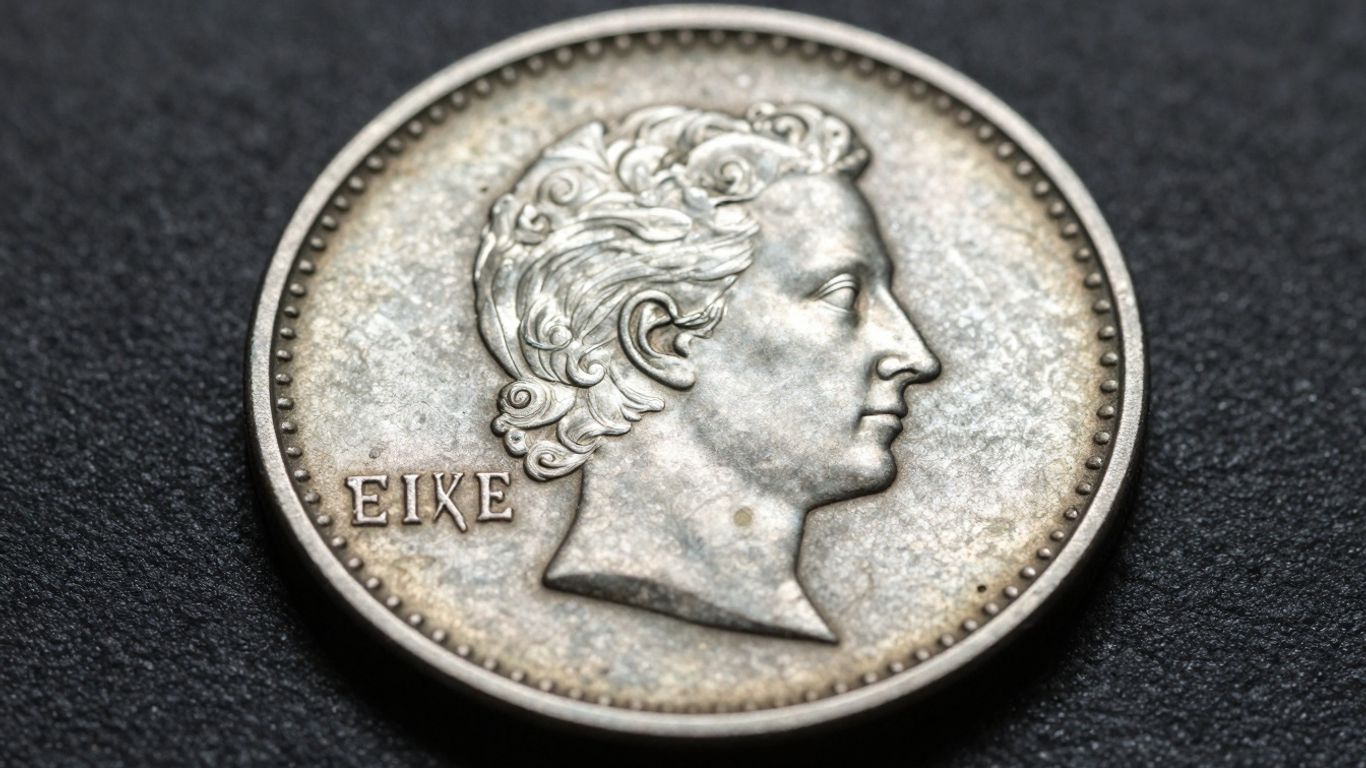
When it’s time to sell your doubled die coins, you’ll likely encounter two main types of potential buyers: private collectors and coin dealers. Each has its own set of advantages and disadvantages, and understanding these differences can help you get the best outcome for your coins.
Private collectors are often passionate individuals looking to add specific coins to their personal collections. Because they’re driven by a desire to complete a set or acquire a particular piece they’ve been searching for, they might be willing to pay a price closer to the coin’s full retail value. However, finding the right collector for your specific coin can take time and effort. They might not be actively looking at the moment you want to sell, and connecting with them often happens through collector networks or specialized forums.
Coin dealers, on the other hand, are in the business of buying and selling coins. They provide a consistent market and the convenience of a quick sale, which can be very appealing. However, dealers need to make a profit on any coin they purchase, meaning they will typically offer you a price that allows them to resell the coin later at a markup. This means their offer will generally be lower than what a private collector might pay.
Here’s a quick look at what to expect:
- Private Collectors:
- May pay closer to retail prices.
- Often focused on specific coin series or dates.
- Can be harder to find and connect with.
- Dealers:
- Offer convenience and quick sales.
- Provide a consistent market, but usually at a lower price point.
- Can help you sell multiple coins at once.
When you sell to a dealer, remember they need to cover their overhead and make a profit. This means their buy price will reflect their intended resale price, not necessarily the absolute highest value your coin could fetch from a dedicated collector. It’s a business transaction, and understanding their position is key.
Ultimately, the choice between selling to a collector or a dealer depends on your priorities. If getting the absolute maximum price is your main goal and you have the patience to find the right buyer, pursuing private collectors might be the way to go. If you value a quick, straightforward sale and the convenience of dealing with a professional, a reputable coin dealer is likely your best bet.
11. Expert Appraisals By Experienced Numismatists
When you’re ready to sell your doubled die coins, getting a solid appraisal is the first step. This isn’t just about finding out what your coins are worth; it’s about getting a fair price based on real market knowledge. Our team consists of seasoned numismatists who live and breathe coin collecting. They’ve spent years studying the market, understanding the nuances of different coin series, and keeping up with current trends. This kind of hands-on experience means they can spot the details that truly matter – things like condition, rarity, and any unique characteristics that might boost a coin’s value.
Here’s what you can expect from our appraisal process:
- Detailed Examination: Each coin is looked at closely, noting its grade, any wear, and specific features.
- Market Analysis: We compare your coin against recent sales data for similar items.
- Clear Explanation: You’ll get a breakdown of why your coin is valued the way it is.
We know that coins, especially those with die varieties like doubled dies, can be tricky. Sometimes a small detail can make a big difference in value. That’s why we don’t cut corners. We take the time to properly assess your collection, whether it’s a single rare piece or a large estate lot.
Getting an appraisal from someone who truly understands coins is like getting a second opinion from a doctor who specializes in your specific ailment. It makes all the difference in knowing you’re making the right decisions.
We offer these expert appraisals completely free of charge. There are no hidden fees or obligations. Our goal is to provide you with accurate information so you can make an informed decision about selling your coins.
12. Convenient Selling Options Throughout Florida
Selling your coins shouldn’t be a hassle, no matter where you are in the Sunshine State. We get it. Life gets busy, and sometimes you just need a straightforward way to turn those numismatic treasures into cash without a lot of fuss. That’s why we’ve set up a few different ways for you to sell your coins, making it as easy as possible for folks from Pensacola to Key West.
We understand that everyone has different needs and preferences when it comes to selling. Some people like the personal touch of meeting someone face-to-face, while others prefer the convenience of sending their items in. We’ve got you covered either way.
Here are the main ways we make selling your coins simple:
- In-Person Consultations: If you’re local or just prefer a direct interaction, we can arrange a private meeting. This allows you to discuss your collection with an expert, ask questions, and get an offer on the spot. It’s a great way to build trust and get a feel for the process.
- Secure Mail-In Service: For those who are short on time or live further away, our mail-in service is a fantastic option. We provide secure, fully insured packaging, and you can track your shipment every step of the way. It’s a worry-free method to get your coins to us safely.
- Local Events and Shows: Keep an eye out for us at various coin shows and numismatic events happening around Florida. These are excellent opportunities to meet us, get an appraisal, and potentially sell your coins all in one go. It’s a chance to connect with other collectors and dealers too.
We aim to make the entire selling experience as smooth and stress-free as possible. Our goal is to provide a service that respects your time and your collection, no matter how big or small.
We’re committed to offering fair prices and a transparent process, whether you’re selling a single rare coin or an entire estate. If you’re looking to sell coins in Florida, we’re here to help make it a convenient and positive experience. You can find out more about our services at American Rarities.
13. Fast & Secure Payment You Can Trust
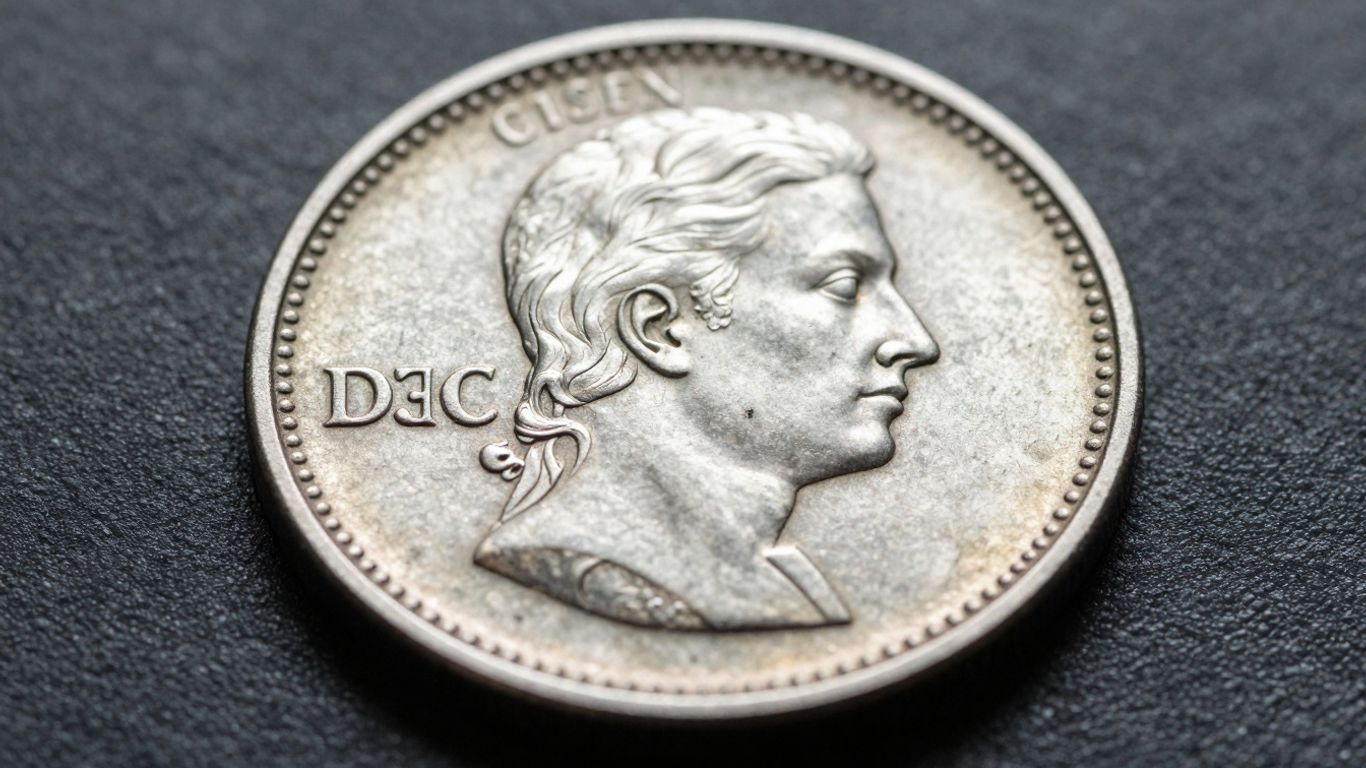
When you decide to sell your coins, getting paid quickly and safely is a big deal. Nobody wants to wait around for their money, and you certainly don’t want to worry about the payment not going through.
We get that. That’s why we focus on making sure your payment is handled right. Once we agree on a price for your coins, we move fast to get you paid.
Here’s how we make it happen:
- Multiple Payment Options: We can pay you via company check, emailed check, secure ACH direct deposit, or wire transfer. You pick what works best for you.
- Prompt Processing: We don’t drag our feet. As soon as you accept our offer, we start the payment process immediately.
- Secure Methods: All our payment methods are secure and reliable, giving you peace of mind.
We partner with local Tampa banks and credit unions to offer secure payout options. This means your transaction can be handled safely, whether it’s at a bank or another convenient location.
It’s all about making the selling process smooth from start to finish. You’ve got valuable coins, and you deserve a straightforward and trustworthy payment experience. We aim to provide just that, so you can use your funds without any hassle.
14. Transparent & Absolutely No-Fee Appraisals
When you’re looking to sell your coins, especially something as specific as doubled die varieties, you want to know exactly what you’re getting into. That’s where a clear, no-cost appraisal comes in. We believe in making the appraisal process completely open, so you know the full value of your coins without any surprises. No hidden fees, no pressure, just an honest assessment.
Here’s what you can expect:
- Detailed Evaluation: Our experts will carefully examine your coins, looking at condition, rarity, and specific doubled die characteristics.
- Market Insight: We’ll explain how current market trends might affect your coin’s price.
- Clear Offer: You’ll receive a straightforward offer based on our appraisal.
We don’t charge anything for this service. It’s our way of showing you the potential value in your collection, whether it’s a single rare coin or a larger lot. Think of it as getting a professional opinion on your silver items without any strings attached. It’s important to know what your coins are truly worth before you decide to sell.
Getting a fair appraisal is the first step to getting a fair price. We want you to feel confident about the value we present, knowing it’s based on solid numismatic knowledge and current market conditions. No guesswork, just facts.
We handle all types of coins, from common circulated pieces to the rarest doubled dies. Our goal is to provide you with the information you need to make the best decision for your collection.
15. Your Trusted Florida Coin Dealer
When it’s time to sell your coins, whether they’re rare doubled dies or just a collection you’ve gathered over the years, finding someone you can rely on is key. We aim to be that go-to place for folks all over Florida. We’ve been in the coin business for a long time, over 30 years now, and we’ve seen a lot. This means we know how to spot the real value in what you have.
We work with people from all over the state, from Miami to Tampa, Jacksonville to the Panhandle. It doesn’t matter if you have just a few coins or a whole hoard; we treat everyone the same. Our goal is to make selling your coins straightforward and fair.
Here’s what you can expect when you work with us:
- Fair Appraisals: We give you a clear picture of what your coins are worth, with no hidden fees. We want you to know exactly what you’re getting.
- Quick Payments: Once we agree on a price, you get paid fast. We offer several ways to get your money, so you can choose what works best for you.
- Respectful Service: We understand that coins can have sentimental value. We handle every collection with care and respect, especially if it’s an inheritance.
We believe that selling your coins should be a positive experience. That’s why we focus on honesty and making sure you feel good about the deal. We’re not just here to buy coins; we’re here to build trust with collectors across Florida.
We’re always looking for all sorts of U.S. coins, from gold and silver pieces to paper money and those interesting error coins. If you’ve got something special, we’re likely interested. Let us show you why so many people in Florida trust us with their numismatic treasures.
16. Always Paying More For Your Rare Coins
When you’re ready to sell those special coins, you want to feel confident you’re getting a fair price. We get it. You’ve probably held onto these pieces for a long time, and they deserve more than just a quick, lowball offer. Our goal is to make sure you get top dollar, reflecting the true worth of your collection. We’re not just looking to move inventory; we’re looking to acquire quality coins and pay what they’re worth.
It’s important to understand that dealers need to make a profit, of course. This means they’ll typically buy a coin for less than they plan to sell it for. This difference is their markup. Here’s a general idea of what that might look like:
| Coin Type/Value | Typical Dealer Buy Price (as % of Retail) |
|---|---|
| Common Coins | 50-70% |
| Mid-Range Coins | 60-80% |
| High-End/Rare | 70-90% |
These percentages are just a rough guide, though. A coin that’s in high demand or fills a specific need for a dealer might fetch a better price. That’s why doing your homework on your coin’s potential retail value beforehand is always a good move.
Selling coins is a bit like selling a house. You wouldn’t accept the first lowball offer that comes in, right? You want to find the buyer who appreciates its value and is willing to pay for it. Patience is key to getting the best outcome.
We pride ourselves on making competitive offers. We’re always looking to pay more for your rare coins because we understand their significance and market demand. If you’re in the Tampa area or anywhere in Florida, consider reaching out to a respected buyer like American Rarities for a no-obligation quote. They’ve been a trusted name in the Tampa Bay area since 1972.
17. Why Choose Us As Your Florida Coin Dealer?
When it’s time to sell your coins, whether they’re old pennies or valuable gold pieces, picking the right person to buy them matters. You want someone who knows their stuff and treats you fairly, right? That’s where we come in.
We’ve been in the coin business for a long time, over 30 years, actually. That means we’ve seen a lot of coins and learned a ton about them. We’re not just looking to make a quick buck; we genuinely appreciate the history and artistry behind each coin. Our goal is to make selling your collection a straightforward and positive experience.
Here’s what sets us apart:
- Honest Appraisals: We give you a clear, no-cost evaluation of your coins. No hidden fees, no pressure. You’ll know exactly what your collection is worth.
- Fair Offers: We pay competitive prices because we understand the market and the true value of what you have.
- Convenient Options: Whether you prefer meeting in person or using our secure mail-in service, we make it easy for you to sell, no matter where you are in Florida.
- Fast Payment: Once you accept our offer, you get paid quickly. We offer several payment methods for your convenience.
We believe that selling your coins should be as simple and transparent as possible. Our team is here to guide you, answer your questions, and ensure you feel confident throughout the entire process. We treat every collection with the respect it deserves.
We buy all sorts of U.S. coins, from common circulated pieces to rare gold and silver dollars, and even those interesting error coins. If you’re in Florida and thinking about selling, give us a chance. We think you’ll be glad you did.
18. All U.S. Coins
When you’re looking to sell coins, it’s not just about the super rare stuff. We’re interested in pretty much any U.S. coin you might have tucked away. Think about all those different coins that have been made over the years – from the very first copper cents that were used way back when, to the silver dollars that were a big deal for trade, and even the modern commemorative coins that celebrate important events. We want to take a look at all of it.
We buy all sorts of U.S. coins, no matter the denomination. This includes:
- Early Copper Cents: Like the large cents from the early days of the country.
- Silver Dollars: Including popular ones like the Morgan and Peace dollars, but also older trade dollars.
- Gold Coins: From small quarter eagles to larger eagles, and everything in between.
- Half Dollars, Quarters, Dimes, and Nickels: Especially those with key dates or interesting mint marks.
- Modern Issues: Proof sets, mint sets, and commemorative coins.
Basically, if it’s a U.S. coin, we’re interested. We’re not picky about whether it’s been in circulation or if it’s a special mint issue. We’ll evaluate everything you bring us, from common pocket change that might have a hidden gem to more obvious collector items. Our goal is to give you a fair price for whatever U.S. coins you’re looking to part with.
19. Valuable Gold Coins
When we talk about coins that really hold their weight, gold coins are usually at the top of the list. These aren’t just pretty pieces of metal; they’re often historical artifacts with significant intrinsic value. Think about the early U.S. gold coins like Eagles, Half Eagles, and Quarter Eagles. Many of these are sought after not just for their gold content but for the stories they tell about America’s past.
We’re interested in all sorts of U.S. gold coins, from those older, more historically significant ones to the later, more recognizable designs. The Saint-Gaudens series, for example, is really admired for its artistic merit, and the Liberty Head series is a classic.
Here’s a quick look at some types of gold coins we’re keen on:
- Early U.S. Gold Coins (e.g., Eagles, Half Eagles)
- Liberty Head Series Gold Coins
- Saint-Gaudens Gold Coins
- Any gold coins potentially linked to Florida’s shipwreck history
If you have any gold coins, especially those with a connection to Florida’s rich history, we’re eager to take a look. It’s always a good idea to know what you have before you sell. You can learn how to identify real gold through hallmarks and professional testing before you sell your gold, silver, platinum, and rare coins with confidence.
The value of gold coins can fluctuate based on the market price of gold, their rarity, condition, and historical significance. Understanding these factors is key to getting a fair offer.
20. Silver Dollars
When you’re looking to sell silver dollars in Tampa, you’re in luck because these coins are a big deal in the numismatic world. We’re talking about the big, hefty coins that really feel like a piece of history in your hand. Think about the classic Morgan and Peace Silver Dollars; they’re iconic and always draw attention. These coins represent different eras of American history, from westward expansion to a period of peace after World War I.
Beyond the Morgans and Peace dollars, there are other silver dollars that collectors get excited about. Early U.S. dollars, like the Flowing Hair and Draped Bust dollars, are incredibly rare and command top prices. Then you have Trade Dollars, which were made for commerce with the Far East but ended up being popular domestically too. And let’s not forget about the American Silver Eagles, which are modern bullion coins but still highly sought after for their silver content and collectible appeal.
Here’s a quick look at some popular silver dollar types:
- Morgan Silver Dollars: Minted from 1878 to 1904 and again in 1921, these are probably the most collected silver dollars. Their detailed design and historical context make them a favorite.
- Peace Silver Dollars: Produced from 1921 to 1935, these coins were intended to commemorate peace after World War I. They have a beautiful design featuring Lady Liberty and an eagle.
- American Silver Eagles: These are modern coins, first minted in 1986. They are popular with both collectors and investors due to their .999 fine silver content and iconic design.
- Trade Dollars: Minted from 1873 to 1885, these were initially intended for trade with Asia but became popular in the U.S. as well.
The condition of your silver dollars plays a massive role in their worth. Even a common date coin can be quite valuable if it’s in excellent shape, with sharp details and minimal wear. Conversely, a rare date in poor condition might not fetch as much as you’d hope.
If you have any silver dollars, whether they’re common dates or rare varieties, we’re interested in seeing them. We understand the nuances of these coins and can offer a fair appraisal. You can find more information about selling coins like these at Arthur Yates Jewelers.
21. All Denominations Of Rare U.S. Coinage
When you’re looking to sell your coin collection, it’s not just about the big-ticket items like gold coins or silver dollars. We’re interested in pretty much everything the U.S. Mint has ever produced, across all denominations. That means we’re talking about those smaller coins too – the cents, nickels, dimes, quarters, and half dollars.
Many of these denominations have their own series with key dates, rare mint marks, or interesting varieties that can make them quite valuable. Think about the Lincoln Cents, for example. While many are common, certain issues like the 1909-S VDB or the 1955 doubled die can be worth a significant amount. The same goes for Buffalo Nickels, with specific varieties like the three-legged version being highly sought after. Even Washington Quarters, especially those from the early years like 1932-D and 1932-S, are prized by collectors.
Here’s a quick look at some of the denominations we’re keen to see:
- Cents: From early copper cents to Lincoln Cents, especially those with known varieties.
- Nickels: Including Buffalo Nickels and Jefferson Nickels, particularly older ones or those with errors.
- Dimes: We’re interested in all types, from early Capped Bust dimes to Mercury and Roosevelt dimes.
- Quarters: This covers everything from Capped Bust quarters to Washington quarters and State Quarters.
- Half Dollars: We look at all series, including Walking Liberty and Franklin half dollars.
We’re not just looking for the most famous coins; we appreciate the entire spectrum of U.S. coinage. It’s often the less common denominations or specific issues within a series that can surprise you with their value. If you have a collection that includes a mix of denominations, don’t hesitate to bring it in. We’re happy to go through everything. For instance, a rare Morgan Dollar, like the 1900-O over CC variety, might be the star, but other coins in your collection could add up significantly. We buy all U.S. coins.
Sometimes, the real value in a collection isn’t just in one or two standout pieces. It’s in the breadth and depth of the entire set. We understand that every coin has a story and potential worth, regardless of its denomination.
22. Error Coins And Die Varieties
Sometimes, coins come off the mint with little quirks. These aren’t always just random mistakes; they can actually make a coin more interesting to collectors and, believe it or not, more valuable. We’re talking about error coins and die varieties.
Error coins happen when something goes wrong during the minting process. Think about coins that are struck off-center, or maybe have a double image because the die slipped. There are also things like wrong planchets (using the wrong metal disc) or coins that are struck with too much force, causing them to spread out.
Die varieties are a bit different. These are small, intentional or unintentional, differences in the dies themselves that create distinct versions of the same coin. You might see things like:
- Doubled Dies: Where the die itself was accidentally struck twice, creating a noticeable doubling of the design elements.
- Repunched Mint Marks: The mint mark (like a ‘D’ for Denver or ‘S’ for San Francisco) was punched onto the die more than once, leaving a visible overlap.
- Die Cracks and Cuds: These are more like minting accidents. A die crack is a line that appears on the coin where the metal flowed into a crack in the die. A cud is a larger piece of the die that broke off, resulting in a raised lump of metal on the coin’s edge.
These unique features can significantly increase a coin’s desirability and price. It’s like finding a rare edition of a book; it’s the same story, but the specific version is what collectors hunt for.
Identifying these subtle but important differences is key. It’s the difference between selling a coin for its base metal value and selling it for its historical significance and rarity. A coin with a well-documented error or variety can be worth much more than a standard version of the same date and mint mark.
23. The Importance Of Capped Bust Coin Expertise
When you’re looking to sell your Capped Bust coins in Tampa, having some know-how about them can really make a difference. It’s not just about knowing what you have; it’s about understanding what makes it tick in the eyes of a buyer. Think of it like this: if you’re selling a classic car, knowing its history, its quirks, and what makes it special helps you get a better price than just saying, "It’s an old car." The same goes for coins.
Getting to know a specific series of Capped Bust coins, like the half dollars or dimes, can pay off. You start to notice the little things – the different mint marks, the slight variations in the design, or even specific die errors that collectors look for. This kind of knowledge helps you spot the real gems in your collection. It also means you can talk intelligently with potential buyers about what makes your coin stand out. It’s about building a story around your coins, not just presenting them as items.
Digging into Capped Bust varieties can feel like a treasure hunt. These aren’t just random coins; they have specific characteristics that collectors look for. For example, you might find coins with different numbers of stars on the obverse (the front side), or slight variations in the lettering or the date itself. Some common areas to check for varieties include:
- Star Count: Early Capped Bust coins often have 13 stars, representing the original colonies, but sometimes you’ll find examples with 14 or even other counts due to minting errors or design changes.
- Repunched Dates/Mint Marks: Sometimes, the die used to strike the coin wasn’t perfectly aligned, and you can see the ghost of a previous impression of the date or mint mark. These are often listed in specialized catalogs.
- Die Cracks and Cuds: These are more like minting accidents. A die crack is a line that appears on the coin where the metal flowed into a crack in the die. A cud is a larger piece of the die that broke off, resulting in a raised lump of metal on the coin’s edge.
Understanding these specific varieties is what separates a casual seller from someone who knows the true potential of their collection. It’s the difference between selling a coin for its silver content and selling it for its historical significance and rarity. For instance, a specific Capped Bust half dollar might be common, but if it has a rare die variety, like a significant repunched date or a dramatic cud, its value can skyrocket. You’ll often need a good reference book or a knowledgeable dealer to help identify these subtle but important differences. It’s these unique features that make each coin a piece of history with its own story and potential price tag.
Having knowledge about Capped Bust coins helps you understand their value and identify any special features or rare varieties. This expertise allows you to talk confidently with dealers and collectors, recognize a fair offer, and avoid being taken advantage of. It’s like knowing the subject before you take a test – the more you know, the better you’ll do.
24. Becoming An Expert In Your Series
You know, getting really familiar with a specific type of coin, like the Capped Bust series, can seriously help when it comes time to sell. It’s not just about knowing the date or the mint mark; it’s about understanding the little details that collectors get excited about. Think about it – if you’re selling a vintage guitar, knowing its history, the specific wood used, or any unique modifications makes it way more interesting than just saying, "It’s an old guitar." The same applies to coins.
To really get a handle on your Capped Bust coins, try focusing on a particular denomination, like the half dollars or quarters. You’ll start to notice the subtle differences in design, the various die varieties, or even specific error coins that are sought after. This kind of focused knowledge helps you spot the real treasures in your collection and talk confidently with potential buyers about what makes your coin special. It’s about building a narrative around your coins, not just presenting them as items.
Here are a few ways to build that knowledge:
- Attend local coin club meetings: These are great places to chat with other collectors and dealers.
- Join online numismatic forums: Many communities discuss specific coin series and market trends.
- Read specialized books and articles: Focus on resources dedicated to Capped Bust coinage.
Knowing your series well gives you an edge when discussing your coins with potential buyers. It shows you’ve put in the effort and understand the market.
Building a solid foundation of knowledge about your specific coin series is key. It allows you to confidently present your coins, understand their true market value, and engage in more informed discussions with buyers. This preparation can significantly impact the offers you receive.
When you’re researching, pay attention to details that might be similar to known varieties. For instance, understanding the nuances of a 1955 double die can help you spot similar, though perhaps less dramatic, doubling on other series if you know what to look for.
25. Leveraging Dealer Knowledge and more
Coin dealers in Tampa are a goldmine of information, seriously. They see coins day in and day out, so they have a pretty good idea of what’s actually in demand and what people are willing to pay for it. If you go in there having done a little bit of your own research, they’re usually more than happy to share what they know. They might even point out a rare variety you totally missed or give you a realistic price check on your coin. Building a good connection with a few dealers you trust can really help you out when it’s time to sell.
Before you even think about taking your coins to a shop, do some digging yourself. Look up recent sales of coins that are similar to yours. Check out what sold on online auctions, look through coin price guides, and even browse dealer websites. This gives you a starting point for what your coins might be worth. It’s super easy to get a low offer if you have no idea about the market. Knowing the general price range helps you negotiate better and stops you from feeling like you’re getting ripped off. It’s all about being prepared.
- Attend local coin club meetings: These are often casual get-togethers where you can meet people and learn. Ask at coin shops for meeting times.
- Join online forums or social media groups: Many collector groups have an online presence. It’s a good way to see what coins are being discussed.
- Talk to other collectors: When you’re at coin shows or shops, just start a conversation. Most collectors love to share what they know.
When you sell to a coin dealer, remember they need to make a profit to stay in business. This means they’ll buy your coin for less than they plan to sell it for. This difference is their markup, and it can vary a lot depending on the coin.
It’s also smart to understand how dealers price things. While it varies, here’s a general idea:
| Coin Type/Value | Typical Dealer Buy Price (as % of Retail) |
|---|---|
| Common Coins | 50-70% |
| Mid-Range Coins | 60-80% |
| High-End/Rare | 70-90% |
These are just rough numbers, of course. A dealer might offer more for a coin they know they can sell quickly or if it fills a gap in their inventory. Having an idea of your coin’s retail value before you talk to a dealer is always a good move. For example, if you have an Oregon Beaver 1876 G$2.5, knowing its current market position is key for understanding offers.
Building relationships with dealers is a big deal. Don’t just walk into the first shop you see expecting the best price. Visit a few, show them what you have, and ask questions. A good dealer will spend time talking with you, and over time, you’ll get a feel for their honesty and how they work. Trusting a reputable dealer can lead to better offers later on, and they’ll be more likely to give you a fair deal when you’re ready to sell.
Wrapping Up Your Tampa Coin Sale
So, you’ve got these doubled die coins and you’re ready to sell them here in Tampa. It can feel a bit much trying to figure out the best way to do it, right? We’ve looked at a few spots, from local shops to maybe even some online places if that’s your thing. Just remember, doing a little homework on your coins and knowing who you’re dealing with really helps. It’s not always about getting the most money right this second, but finding a fair deal with someone you feel good about. Good luck out there!
Frequently Asked Questions
What makes a Capped Bust coin valuable?
A coin’s condition is super important; one that looks almost new is worth way more than a worn-out one. Also, how rare the coin is matters a lot. Some specific types or years of Capped Bust coins were made in smaller numbers, making them harder to find and thus more valuable. Sometimes, a coin might have a special mistake or a unique feature that collectors really want.
Where can I sell my Capped Bust coins in Tampa?
You can sell your coins at local coin shops in Tampa, which are businesses that buy and sell coins. Coin shows or special events in Tampa are also good places, as many dealers gather there, letting you compare offers. It’s a good idea to check out a few different places to see who offers the best price.
How should I get my Capped Bust coins ready to sell?
Before selling, make sure your coins are stored safely to prevent any damage. Don’t try to clean them yourself, as this can actually lower their value. If you think your coin might be very rare or in amazing condition, you might want to get it officially graded by a professional company. Also, having a list or some notes about your collection can be helpful when you talk to buyers.
How can I get the most money for my Capped Bust coins?
To get the best price, be patient. It might take time to find the right buyer who really wants your specific coin. Sometimes, selling through a dealer on consignment, where they sell it for you and take a small fee, can get you closer to the retail price than selling directly to a dealer who needs to make a profit.
What are the most common Capped Bust coin types people sell?
The Capped Bust series includes several types of coins. Some of the most common ones you might find and sell are Capped Bust Half Dollars, which are larger silver coins. You might also come across Capped Bust Dimes and Capped Bust Quarters, which are also silver coins from that era. Knowing which type you have helps in figuring out its potential value.
How do I know the condition of my Capped Bust coin?
Checking the condition involves looking closely at the coin for wear and tear. Key areas to inspect are the high points of the design, like the hair on Liberty’s head or the eagle’s wings. The less wear you see, the better the condition. Coins are often graded on a scale from 1 to 70, with higher numbers meaning better condition. You can compare your coin to grading guides online or consult with a coin expert.
Should I clean my Capped Bust coins before selling?
It’s generally not a good idea to clean your Capped Bust coins before selling. Cleaning can often damage the coin’s surface, remove its natural patina, and significantly lower its value. Most collectors prefer coins in their original, uncleaned state. If you think a coin is extremely dirty, it’s best to leave it to the professionals or the potential buyer.
What's the difference between selling to a dealer and a private collector?
Selling to a dealer usually means a quicker sale and immediate cash, but they’ll offer less because they need to resell the coin for a profit. Selling to a private collector might get you a higher price, closer to what collectors pay, but it can take longer to find the right buyer, and you might have to deal with more negotiation.