Thinking about selling some old coins in Tampa? It can be a bit confusing, right? There are so many different kinds of coins out there, and figuring out where to sell them, especially those older colonial ones, is the main thing. This guide is here to help you sort through it all and find the best places to get a fair deal for your collection.
Key Takeaways
- When you want to sell colonial coins in Tampa, look for dealers who know their history, especially Spanish colonial pieces that were common in Florida.
- Shipwreck coins, often found off Florida’s coast, are a special category that buyers might be particularly interested in.
- Don’t forget about more common coins like U.S. Gold Coins, Morgan Silver Dollars, and Peace Silver Dollars; reputable dealers will know their value.
- Even older currency like National Bank Notes of Florida or early copper cents can be valuable to the right buyer.
- For bullion or unique items like error coins, find buyers who specialize in those specific areas to get the best price.
1. Spanish Colonial Coins
Florida’s history is deeply intertwined with the Spanish Empire, and this connection is reflected in the coins that circulated here centuries ago. Spanish colonial coins, often referred to as ‘pieces of eight’ (reales), were the primary currency in the region for a long time. These coins, minted in places like Mexico City, Lima, and Potosi, can be made of silver or gold and often bear the royal crests of Spanish monarchs.
Finding authentic Spanish colonial coins today can be quite a thrill. Many have been recovered from shipwrecks off the Florida coast, adding a layer of maritime history to their appeal. These coins are more than just metal; they’re tangible pieces of history that tell a story of trade, exploration, and the early days of Florida.
When you’re looking to sell these historical artifacts, it’s important to know what makes them desirable to buyers:
- Authenticity: Provenance is key. Coins with documented recovery from known shipwrecks, like the famous Atocha, command higher prices. You can find more information on these types of coins from shipwreck recovery efforts.
- Condition: While many shipwreck coins show signs of their journey, the overall preservation of the details and the metal’s integrity play a big role in their value.
- Rarity and Denomination: Certain dates, mint marks, or denominations might be rarer than others, influencing their market price.
- Metal Content: While numismatic value is primary, the intrinsic value of the silver or gold also contributes to the coin’s worth.
The circulation of Spanish colonial coinage extended far beyond the immediate colonial territories, influencing trade routes across the Americas and even into Europe. Their presence in Florida is a direct legacy of Spain’s vast empire and its economic reach during the 16th through early 19th centuries.
If you have Spanish colonial coins you’re looking to sell in Tampa, seeking out dealers who specialize in historical and shipwreck coins is your best bet. They’ll have a better appreciation for the unique history and potential value these pieces hold.
2. Shipwreck Coins
Florida’s coastline is practically littered with history, and a big part of that history comes from coins that went down with ships. We’re talking about coins that were on vessels that sank centuries ago, often Spanish galleons loaded with treasure. These aren’t just old coins; they’re pieces of history that have been sitting at the bottom of the ocean, sometimes for hundreds of years. Think about the stories they could tell!
These shipwreck coins, especially those recovered from famous wrecks like the Atocha, are highly sought after by collectors. They often come with a fascinating backstory and a certificate of authenticity, which is a big deal when you’re looking to sell.
When you’re thinking about selling shipwreck coins, here’s what buyers usually look for:
- Authenticity: This is number one. You need proof that the coin is genuine and from a known wreck. Certificates of Authenticity (CoA) are standard.
- Condition: Even though they’ve been underwater, some coins survive in surprisingly good shape. The better the condition, the more it’s worth.
- Rarity and Origin: Coins from specific, well-known shipwrecks are generally more valuable than those from less famous ones. Pieces of eight are common, but a piece of eight from a specific galleon has a story.
- Metal Content: Most shipwreck coins are silver or gold, so their intrinsic metal value plays a role, but the historical significance often adds a premium.
Selling shipwreck coins can be a bit different from selling regular coins. Because of their unique history and the effort involved in their recovery, they often command higher prices. It’s important to work with buyers who understand this specialized market and can properly appraise the historical context along with the coin itself.
If you have coins that you believe came from a shipwreck, especially if they have documentation, bring them in. We’re always interested in seeing these unique pieces of maritime history.
3. U.S. Gold Coins
When it comes to U.S. gold coins, we’re talking about a pretty diverse bunch. You’ve got everything from those early Eagles, Half Eagles, and Quarter Eagles that really connect you to American history, to the later, more famous ones like the Saint-Gaudens and Liberty Head series. These coins are sought after not just for their gold content, but also for their historical weight and artistic designs.
If you’re looking to sell, knowing what you have is half the battle. Here are some common types you might find:
- Early Gold: Think $1, $2.50, $3, $5, $10, and $20 denominations minted before 1933. These often have a lot of historical appeal.
- Modern Gold Eagles: These are the official gold bullion coins of the United States, minted since 1986. They come in various sizes and are popular with both collectors and investors.
- Commemorative Gold Coins: Issued to honor significant people, places, or events, these can be quite collectible.
Remember, the condition of your U.S. gold coins plays a huge role in their value. Even minor wear can make a difference, so it’s usually best not to clean them yourself. Let the experts assess their condition and worth.
We’re interested in all denominations, whether they’re common issues or rare finds. If you have any gold coins, especially those that might have a connection to Florida’s past, like pieces potentially recovered from shipwrecks, we’d be happy to take a look. You can get a free appraisal to see what your collection is worth. We also buy other gold coins, such as American Gold Eagles and Canadian Maple Leafs.
4. Morgan Silver Dollars
Ah, the Morgan Silver Dollar. These coins are really something else, aren’t they? Minted from 1878 to 1904, and then again for a bit in 1921, they’re a big deal for collectors. The sheer volume of these coins produced means many are still around, but finding one in great condition can be a challenge. They feature Lady Liberty on the obverse and a majestic eagle on the reverse, designed by George T. Morgan himself.
If you’re looking to sell Morgan Silver Dollars in Tampa, you’ll want to know what makes them tick. Several factors influence their value:
- Date and Mint Mark: Key dates like the 1893-S or 1889-CC are particularly sought after. The mint mark (or lack thereof) also plays a role; coins from San Francisco (S) or Carson City (CC) often command higher prices than those from Philadelphia (no mint mark) or Denver (D).
- Condition (Grade): This is huge. A coin graded Mint State 65 (MS-65) will be worth significantly more than one that’s heavily worn. Professional grading services can help determine a coin’s true condition.
- Rarity and Mintage: While millions were made, some specific mintages are much lower than others, making those particular coins rarer.
- Eye Appeal: Sometimes, a coin just looks better than others in its grade. Toning, luster, and strike quality all contribute to its overall attractiveness.
Many people think all Morgan dollars are worth a fortune, but that’s not always the case. While some rare dates and high-grade examples can fetch thousands, most common dates in average condition are worth closer to their silver content plus a small premium. It’s always best to get an appraisal.
When you’re ready to sell your Morgan Silver Dollars, consider places that specialize in U.S. coinage. Reputable dealers understand the nuances of these coins and can offer a fair price. You can find knowledgeable buyers right here in the Tampa area who are eager to see your collection. For a professional appraisal and a fair offer, US Gold & Coin is a great place to start.
5. Peace Silver Dollars
Peace Silver Dollars are a really interesting part of American coinage history. Minted from 1921 to 1935, these coins were created to commemorate the end of World War I and celebrate peace. They feature a striking design with Lady Liberty on one side and a proud eagle on the other, holding an olive branch. If you have Peace Dollars in good condition, they can be quite valuable to collectors.
When you’re looking to sell your Peace Dollars in Tampa, it’s good to know what makes them desirable. Several factors come into play:
- Date and Mint Mark: Certain years and mint marks are rarer than others. For example, the 1928-S is a key date that collectors often seek.
- Condition (Grade): Coins in higher grades, meaning they show less wear and tear, are worth more. A professional grading service can assess this.
- Rarity: While millions were minted, some specific varieties or low-mintage dates are harder to find.
- Silver Content: Like other silver dollars, they contain a significant amount of silver, which adds to their melt value, though their numismatic value is usually higher.
Here’s a quick look at some key dates and their general appeal:
| Year | Mint Mark | Relative Rarity | Notes |
|---|---|---|---|
| 1921 | (No Mint) | Common | High relief, first year |
| 1923 | S | Scarce | Lower mintage than Philadelphia |
| 1928 | S | Very Rare | Key date, low mintage |
| 1934 | D | Scarce | Lower mintage for Denver |
| 1935 | (No Mint) | Common | Last year of issue |
When evaluating your Peace Dollars, remember that while the silver content provides a baseline value, the coin’s historical significance, design, and rarity are what truly drive collector interest and potential profit. It’s always a good idea to get a professional opinion before selling.
6. Early Copper Cents
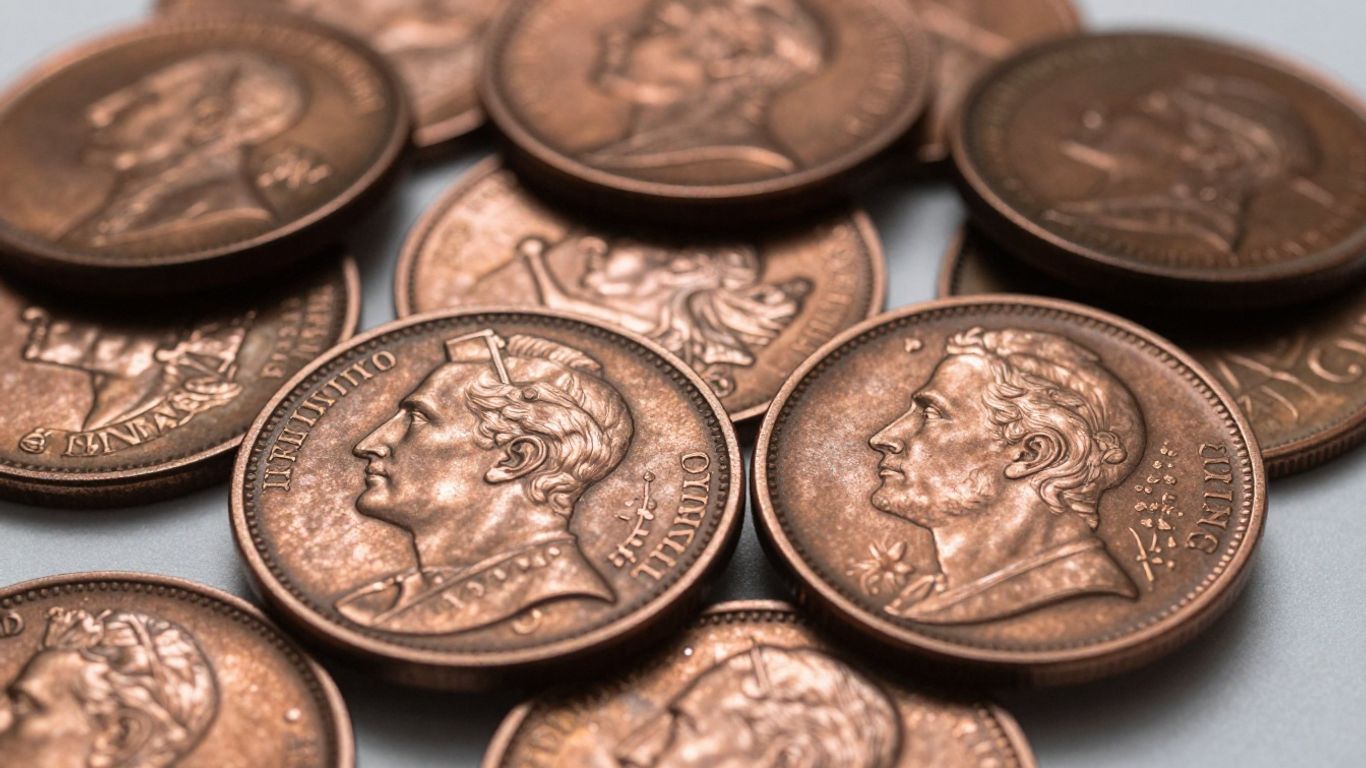
When you think about old coins, you might picture big silver dollars or shiny gold pieces, but don’t forget about the humble copper cent. These early U.S. copper coins, minted from the late 1700s through the mid-1800s, are a really important part of American numismatic history. They were the workhorses of early American commerce, used for everyday transactions. Finding well-preserved examples can be quite a challenge, making them sought after by collectors.
These cents came in various designs and sizes over the years. You’ve got the Flowing Hair Large Cent, the Liberty Cap Large Cent, the Draped Bust Large Cent, and then the smaller, more familiar Braided Hair Large Cent. Each series has its own unique characteristics and collecting nuances.
Here’s a quick look at some key types:
- Chain Cent (1793): Known for its distinctive chain pattern on the reverse. It’s one of the earliest and rarest U.S. coins.
- Wreath Cent (1793): Features a wreath on the reverse. These are also quite scarce and popular.
- Liberty Cap Cent (1793-1796): Shows a profile of Liberty wearing a cap. This design was used for a few years.
- Draped Bust Cent (1796-1807): A more refined portrait of Liberty. This series includes some very rare varieties.
- Classic Head Cent (1808-1814): Another variation of Liberty’s portrait.
- Coronet Cent (1816-1839): Often called the
7. National Bank Notes of Florida
Florida’s financial past is really interesting, and a big part of that is the National Bank Notes issued by banks right here in the state. These notes were printed between 1863 and 1935, during what’s called the National Banking Era. Think of them as little pieces of history, each one showing the name of a specific Florida bank that issued it. They’re super collectible because they tell a story about the local economy and how banking worked back then.
These notes are particularly sought after by paper money collectors.
When you’re looking to sell these, knowing a bit about them helps. Here are some things buyers look for:
- Condition: Just like with coins, the better the condition, the more it’s worth. Look for notes that aren’t torn, heavily creased, or stained.
- Rarity: Some banks issued more notes than others, and some notes might have been printed in smaller runs. The rarer the note, the higher the demand.
- Bank of Origin: Notes from well-known or historically significant Florida banks can sometimes be more desirable.
- Serial Numbers: Low serial numbers or special sequences can add to a note’s appeal.
Selling these old bank notes can be a great way to connect with Florida’s history. They represent a time when local banks played a huge role in communities across the state, and each note is a tangible link to that era. Finding a buyer who appreciates their historical significance is key.
If you have some of these Florida National Bank Notes lying around, it’s definitely worth getting them appraised. They might be worth more than you think!
8. Gold Bullion
When you’re looking to sell gold bullion in Tampa, you’re dealing with a market that’s pretty straightforward, mostly tied to the current price of gold. This can include things like gold bars, gold rounds, and even popular gold coins from around the world. Think American Eagles, Canadian Maple Leafs, or South African Krugerrands. These are generally valued based on their gold content and the spot price of gold at the time of sale.
The purity and weight of your gold bullion are the main factors determining its value.
Here’s a quick look at common forms of gold bullion you might have:
- Gold Bars: These come in various sizes, from small one-gram bars to larger one-kilogram or even 400-ounce bars. They are often stamped with the refiner’s mark, purity, and weight.
- Gold Rounds: Similar to bars but often round in shape, these are typically minted by private companies and are a popular way to buy gold in smaller, more accessible increments.
- Gold Coins: While some gold coins are collectible, bullion coins are primarily valued for their gold content. These are usually government-minted and have a face value, but their melt value is much higher.
Selling gold bullion is usually a less complicated process than selling rare coins. The price is largely dictated by the global market for gold, making it a more predictable transaction based on weight and purity. However, it’s still smart to get a few quotes to make sure you’re getting a fair price.
9. Silver Bullion
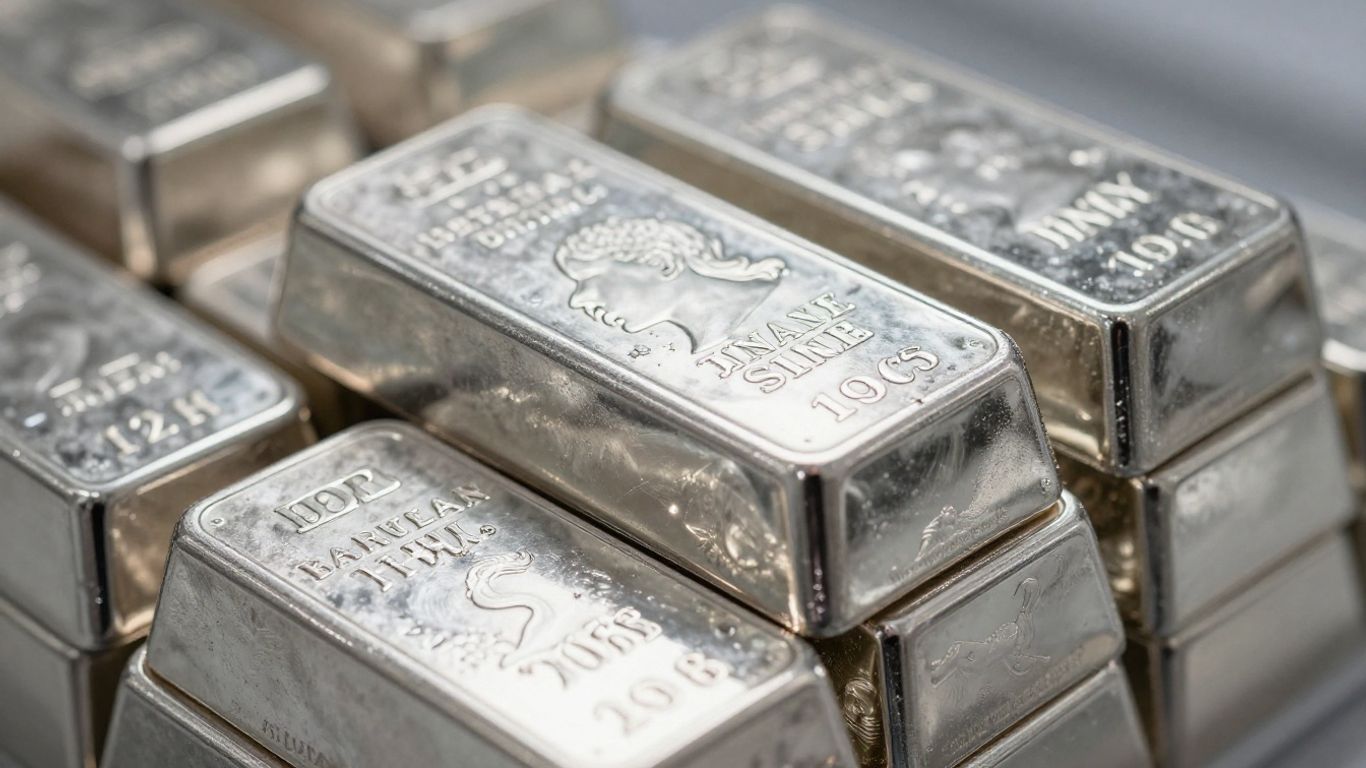
When you’re looking to sell silver bullion in Tampa, you’re dealing with a market that’s pretty straightforward, but still requires knowing where to go. This isn’t about rare coins with a long history; it’s about the raw precious metal content. Think silver bars, rounds, and even common silver coins that are valued mostly for their silver weight, often called ‘junk silver’ if they’re older U.S. coins like dimes, quarters, and half dollars made before 1965. The price you get will closely track the current spot price of silver, with a small premium or discount depending on the form and quantity.
Here’s a quick rundown of what buyers typically look for:
- Silver Bars: These come in various sizes, from small one-ounce bars to larger ones weighing 100 ounces or more. The bigger the bar, the lower the premium over the silver spot price usually is.
- Silver Rounds: Similar to bars but often round in shape, these are popular for their smaller, manageable sizes, typically one ounce. They can feature various designs, but their value is still tied to the silver content.
- Silver Coins: This includes modern government-minted coins like American Silver Eagles or Canadian Silver Maples, which usually carry a slightly higher premium due to their collectibility and government backing. It also covers older U.S. coins (pre-1965) that are valued for their 90% silver content, often referred to as ‘junk silver’.
When you bring your silver bullion to a dealer, they’ll typically weigh it and check its purity. For bars and rounds, they’ll look for reputable mint marks. For older coins, they’ll confirm the silver content. It’s always a good idea to have a general idea of the current silver spot price before you go, so you know what to expect.
Selling silver bullion is less about numismatic rarity and more about market value. Dealers will assess your items based on their silver weight and the current market price. While premiums exist, they are generally smaller compared to collectible coins, making it a more direct transaction based on the metal’s worth.
10. Error Coins and Die Varieties
Sometimes, the minting process doesn’t go perfectly, and that’s where error coins come in. These aren’t just any old coins; they’re the result of mistakes made during production. Think about coins that are struck off-center, or ones where the wrong metal planchet was used. These kinds of minting mishaps can actually make a coin more interesting and, believe it or not, more valuable to collectors who specialize in these unique pieces.
Die varieties are a bit different. These happen when there are small, intentional changes or mistakes made to the coin dies themselves. Collectors look for things like doubled dies, where a letter or number appears doubled, or repunched mint marks. Even tiny differences can significantly boost a coin’s worth.
Here are some common types of errors and varieties collectors look for:
- Off-center Strikes: The coin is struck, but the die doesn’t hit the planchet squarely, resulting in a design that’s not fully centered.
- Wrong Planchet Errors: A coin is struck on a planchet (the blank metal disc) intended for a different denomination or even a different country’s coin.
- Double Dies: The die used to strike the coin was accidentally struck twice, creating a noticeable doubling of design elements like dates, mint marks, or legends.
- Repunched Mint Marks (RPMs): A mint mark was punched onto the die more than once, resulting in a layered or offset appearance.
Finding these kinds of coins often requires a keen eye and a bit of luck. They stand out from regular circulation coins because of their distinct flaws. Many collectors actively seek out these anomalies, making them a fascinating niche in the coin collecting world.
If you think you have a coin with a minting error or a distinct die variety, it’s worth getting it checked out. Specialized collectors are often willing to pay a premium for these unusual pieces, so a free appraisal could reveal a hidden gem in your collection.
Ready to Sell Your Colonial Coins?
So, you’ve got some old coins, maybe even some colonial ones, sitting around in Tampa. It can feel a bit overwhelming trying to figure out who to trust with them. We’ve looked at a few places that know their stuff when it comes to buying coins, from those with deep roots in Florida’s history to those who deal in all sorts of precious metals. Remember to do a little homework on each buyer, see what they specialize in, and get a feel for how they do business. Getting a fair price for your collection is important, and finding the right buyer makes all the difference. Good luck out there!
Frequently Asked Questions
What kind of old coins are valuable in Tampa?
Many old coins can be valuable. Things like Spanish colonial coins, coins found in shipwrecks, old U.S. gold and silver coins (like Morgan and Peace dollars), and even early copper cents can be worth a lot. The condition and rarity of the coin play a big role in its value.
Where can I get my coins appraised in Tampa?
You can get your coins appraised at local coin shops in Tampa. Many dealers offer free appraisals. It’s a good idea to check with a few places to get a sense of what your coins are worth. Reputable dealers will give you an honest evaluation.
Should I clean my old coins before selling them?
No, you should never clean your old coins. Cleaning them can actually damage their surface and significantly lower their value. Collectors prefer coins in their original condition, even if they look a little dirty.
What are 'shipwreck coins' and are they found near Florida?
Shipwreck coins are coins that were lost at sea when a ship sank. Florida’s coast has a long history of shipwrecks, especially from Spanish ships. Many valuable coins, like pieces of eight, have been found off the Florida coast.
Are National Bank Notes from Florida worth anything?
Yes, National Bank Notes from Florida are quite collectible. These were paper bills issued by banks in Florida between 1863 and 1935. They are a piece of Florida’s financial history and are sought after by collectors.
How do I know if I have a rare coin?
Rarity often comes from how many were made, how many still exist, and the coin’s condition. Key dates, special mint marks, or coins with errors are often rarer. Researching your coin’s history and comparing it to known rare examples can help.
What's the best way to sell my coin collection in Tampa?
The best way is to sell to a reputable coin dealer who specializes in the types of coins you have. They can offer fair prices and handle the transaction professionally. Getting a few offers can help ensure you get a good deal.
What are 'error coins'?
Error coins are coins that were made with mistakes at the mint. This could be anything from being struck off-center to having a doubled image. Because they are unusual and rare, error coins are often very desirable to collectors.