Thinking about selling your Capped Bust coins in Tampa? It can feel a bit overwhelming, right? You’ve got these old coins, maybe inherited or collected over time, and now you want to see what they’re worth and where to sell them. This guide is here to help you figure out the best places and ways to sell capped bust coins in Tampa, making the process smoother for you.
Key Takeaways
- Understand what makes your Capped Bust coins valuable, looking at things like condition, rarity, and specific varieties.
- Explore local coin shops and reputable dealers in Tampa to sell your Capped Bust coins.
- Prepare your coins properly for sale, including storage and knowing when to get them graded.
- Learn how to get the best price, such as being patient and understanding how dealers price coins.
- Familiarize yourself with the Tampa coin market and build connections with local collectors and dealers.
Understanding Capped Bust Coin Value
Factors Influencing Capped Bust Coin Prices
When you’re looking to sell your Capped Bust coins, knowing what makes them tick in terms of value is pretty important. It’s not just about the date on the coin, though that’s a big part of it. Think about the metal content – these older coins are often silver, and the melt value can be a baseline, especially for coins in rough shape. But usually, the numismatic value, what collectors are willing to pay for the coin itself, is much higher than just the silver weight.
Several things play a role here. The year and mint mark are obvious starting points. Some years were made in much smaller numbers than others, making them naturally rarer. Then there’s the design itself. The Capped Bust series includes half dollars, dimes, and quarters, and some denominations or specific designs within those are more sought after. For instance, certain die varieties, which are like small errors or unique characteristics from the minting process, can dramatically increase a coin’s desirability and price. It’s like finding a rare edition of a book; it’s the same story, but the specific version is what collectors hunt for.
The Role of Condition and Rarity
Condition is a massive deal in coin collecting, and Capped Bust coins are no exception. A coin that looks like it just came from the mint, with sharp details and no significant wear, will always fetch more than one that’s been handled a lot or shows obvious signs of use. We’re talking about things like the smoothness of the high points on the design, whether the original luster is still there, and if there are any scratches, nicks, or corrosion. Even small imperfections can knock a lot off the price. The difference between a coin graded as "About Uncirculated" and one graded as "Good" can be thousands of dollars.
Rarity goes hand-in-hand with condition. If only a handful of a particular date and mint mark were ever made, and even fewer survived in good condition, that coin is going to be worth a pretty penny. Sometimes, a coin might be common in lower grades but incredibly rare in high grades. That’s where the real value often lies for serious collectors. It’s a bit of a puzzle: you need both a scarce coin and one that has held up well over time to get top dollar.
Identifying Key Capped Bust Varieties
Digging into Capped Bust varieties can feel like a treasure hunt. These aren’t just random coins; they have specific characteristics that collectors look for. For example, you might find coins with different numbers of stars on the obverse (the front side), or slight variations in the lettering or the date itself. Some common areas to check for varieties include:
- Star Count: Early Capped Bust coins often have 13 stars, representing the original colonies, but sometimes you’ll find examples with 14 or even other counts due to minting errors or design changes.
- Repunched Dates/Mint Marks: Sometimes, the die used to strike the coin wasn’t perfectly aligned, and you can see the ghost of a previous impression of the date or mint mark. These are often listed in specialized catalogs.
- Die Cracks and Cuds: These are more like minting accidents. A die crack is a line that appears on the coin where the metal flowed into a crack in the die. A cud is a larger piece of the die that broke off, resulting in a raised lump of metal on the coin’s edge.
Understanding these specific varieties is what separates a casual seller from someone who knows the true potential of their collection. It’s the difference between selling a coin for its silver content and selling it for its historical significance and rarity.
For instance, a specific Capped Bust half dollar might be common, but if it has a rare die variety, like a significant repunched date or a dramatic cud, its value can skyrocket. You’ll often need a good reference book or a knowledgeable dealer to help identify these subtle but important differences. It’s these unique features that make each coin a piece of history with its own story and potential price tag.
Where To Sell Capped Bust Coins In Tampa
So, you’ve got some Capped Bust coins sitting around and you’re wondering where to turn them into cash right here in Tampa. It’s not always as straightforward as you might think, but there are definitely some good options if you know where to look.
Local Coin Shops In Tampa
Your first stop might be one of the local coin shops scattered around the Tampa Bay area. These places are often run by people who really know their stuff when it comes to coins, including those older Capped Bust series. They’re usually happy to take a look at what you have, give you an appraisal, and make an offer. It’s a good way to get a quick idea of what your coins might be worth from someone who sees these kinds of coins regularly. Just remember, they’re in business to make a profit, so their offer will likely be lower than what you might get selling directly to a collector.
Reputable Dealers For Capped Bust Coins
When you’re dealing with potentially valuable coins like Capped Busts, sticking with dealers known for being honest and fair is a smart move. You want someone who won’t try to take advantage of you. Look for dealers who are members of professional organizations like the American Numismatic Association (ANA) or the Professional Numismatists Guild (PNG). These affiliations often mean they adhere to a code of ethics. A good dealer will be transparent about how they arrive at their offer and might even explain why certain coins are more desirable than others. They’ll also be knowledgeable about the specific Capped Bust varieties you might have.
Tampa Coin Shows And Events
Keep an eye out for coin shows and numismatic events happening in and around Tampa. These gatherings are fantastic opportunities to meet a wider range of buyers, from local dealers to collectors from further afield. You can often find dealers specializing in U.S. type coins or specific series like Capped Busts. Attending a show allows you to shop your coins around to multiple potential buyers in one place, which can help you gauge interest and get a better sense of market value. Plus, it’s a great way to learn more about the coin collecting world.
Selling coins can feel a bit overwhelming, especially if you’re new to it. The key is to do a little homework beforehand. Knowing the general condition and any unique features of your Capped Bust coins will put you in a much better position when you talk to potential buyers. Don’t be afraid to ask questions; a good dealer will be happy to share their knowledge.
Preparing Your Capped Bust Coins For Sale
Before you even think about listing your Capped Bust coins or walking into a shop, taking a little time to get them ready can make a big difference. It’s not about making them look brand new – please don’t clean them! – but about presenting them in the best possible light. Think of it like getting ready for a job interview; you want to look sharp and organized.
Properly Storing Your Capped Bust Coins
How you’ve kept your coins matters. Ideally, they’ve been stored in a way that protects them from environmental damage. This means using inert materials like Mylar flips or specialized coin albums. Avoid PVC (polyvinyl chloride) plastics, as they can break down and damage the coin’s surface over time, leaving a greenish residue. Also, keep them away from high humidity or extreme temperature changes. Proper storage shows a buyer you’ve cared for your collection.
When To Seek Professional Grading
For most common Capped Bust coins, especially if they’re in circulated condition, professional grading might not be worth the cost. However, if you have a coin that you suspect is rare, in exceptionally high grade, or a key date, getting it graded by a reputable service like PCGS or NGC can significantly boost its perceived value and marketability. They provide a standardized grade and authenticate the coin, which can give buyers confidence. This is especially true for coins that might be worth hundreds or thousands of dollars, like some Capped Bust Half Dollars.
Documenting Your Capped Bust Coin Collection
Having a good record of your coins is super helpful. This doesn’t need to be fancy. A simple spreadsheet or even a notebook can work. For each coin, jot down:
- The date and mint mark (if applicable).
- The denomination (e.g., Half Dollar, Dime, Quarter).
- Any known varieties or interesting features.
- The condition you believe it’s in (even if it’s just a guess).
- Where and when you acquired it, and for how much (if you remember).
- Any photos you might have taken.
This documentation helps you keep track of what you have and provides potential buyers with useful information. It also helps you remember the story behind each piece.
Taking these simple steps before selling can really help you get a better price. It shows you’ve taken care of your coins and know what you have. Don’t rush this part; it’s an investment in getting the best outcome for your collection.
Maximizing Your Return When Selling
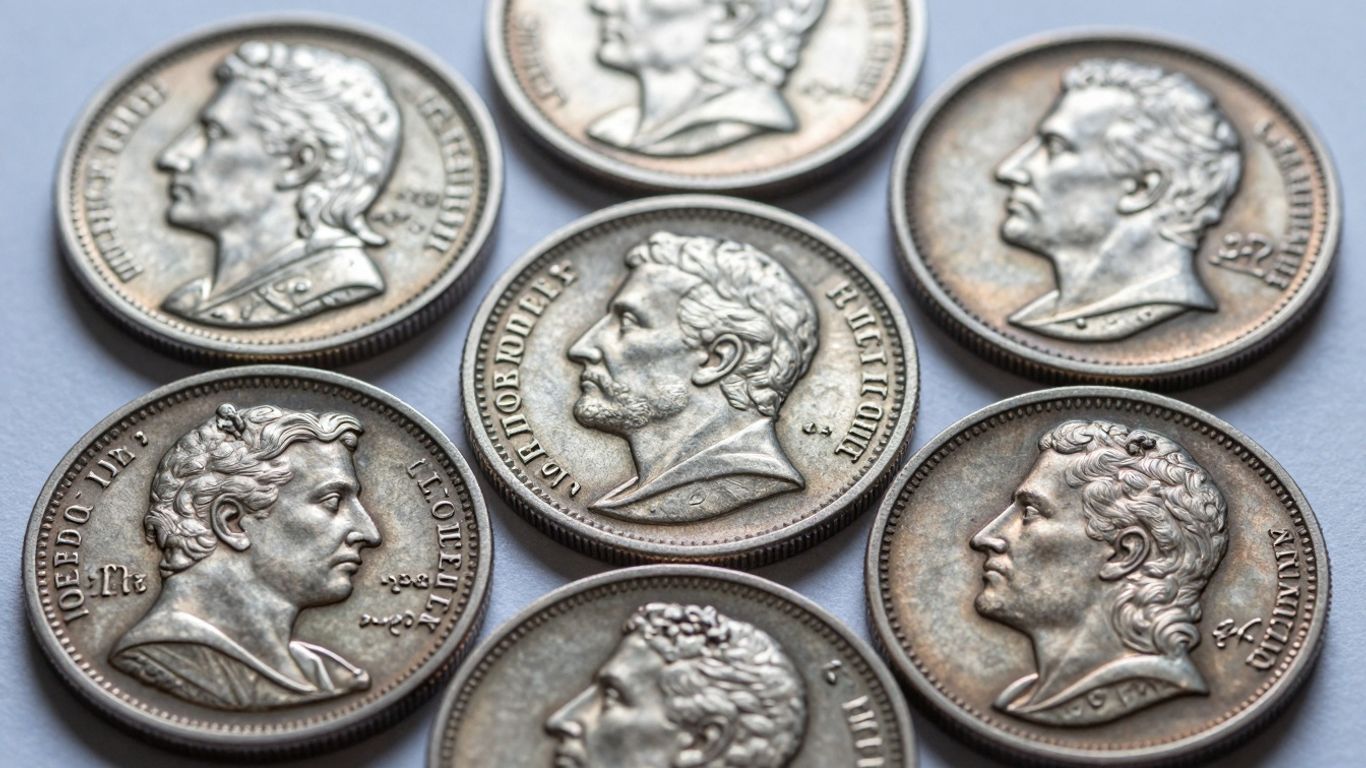
So, you’ve decided it’s time to part with some of your Capped Bust coins. That’s a big step! Getting the most money back for your collection isn’t just about finding a buyer; it’s about smart planning and knowing the market. It takes a bit of effort, but it’s totally doable.
Patience In Finding The Right Buyer
This is probably the most important thing. Don’t rush into selling your coins to the first person who makes an offer. Think about it – you’ve likely held onto these coins for a while, maybe even years. Why sell them short now? The goal is to find someone who really wants your specific coin, maybe for their own collection, and is willing to pay a price closer to what it’s worth on the open market, not just what a dealer can turn around and sell it for quickly.
- Give it time: Set a realistic timeframe for finding a buyer. This might mean weeks or even months.
- Targeted approach: Instead of just going to any coin shop, try to identify collectors or dealers who specialize in the Capped Bust series you own.
- Be selective: If an offer doesn’t feel right, or if it’s significantly lower than what you believe your coin is worth, it’s okay to say no and wait for a better opportunity.
Selling coins is a bit like selling a house. You wouldn’t accept the first lowball offer that comes in, right? You want to find the buyer who appreciates its value and is willing to pay for it. Patience is key to getting the best outcome.
Understanding Dealer Markups
When you sell to a coin dealer, they need to make a profit. That’s how they stay in business. This means they’ll buy your coin for less than they intend to sell it for. This difference is their markup, and it can vary quite a bit.
Here’s a general idea of what to expect:
| Coin Type/Value | Typical Dealer Buy Price (as % of Retail) |
|---|---|
| Common Coins | 50-70% |
| Mid-Range Coins | 60-80% |
| High-End/Rare | 70-90% |
Keep in mind these are just rough estimates. A dealer might offer more for a coin they know they can sell quickly or for a coin that fills a specific need in their inventory. It’s always good to have an idea of your coin’s retail value before you talk to a dealer.
Consignment Options For Valuable Coins
If you have some really special Capped Bust coins, or perhaps a whole collection, and you’re not in a hurry to sell, consignment can be a great way to get closer to retail prices. With consignment, you leave your coins with a dealer or auction house, and they sell them on your behalf. They take a commission, but you often end up with more money than if you sold directly to the dealer.
- How it works: You agree on a price or a minimum acceptable price with the consignment agent.
- Pros: Potentially higher returns, access to a wider buyer base.
- Cons: Takes longer, involves commissions, requires trust in the consignment agent.
Consignment is often best for coins that are in high demand or have a significant value, where the effort and time involved are justified by the increased payout.
Navigating The Tampa Coin Market
So, you’ve got some Capped Bust coins and you’re looking to sell them right here in Tampa. It can feel a bit overwhelming trying to figure out where to start, right? It’s not just about finding a buyer; it’s about finding the right buyer who appreciates what you have. Building connections in the local coin scene is a smart move. Think of it like getting to know the regulars at your favorite coffee shop – you start to learn who knows their stuff and who’s just passing through.
Local Tampa Coin Collector Networks
Tampa has a pretty active group of coin enthusiasts. These aren’t necessarily dealers, but people who genuinely love collecting. They often meet up, sometimes informally, sometimes at organized events. Being part of these groups means you can get a feel for what coins are in demand and who might be looking to add to their own collection. It’s a good way to get a sense of the market without the pressure of a formal sale.
- Attend local coin club meetings: Check online or ask around at coin shops for meeting times and locations. These are often casual gatherings.
- Join online forums or social media groups: Many local collector groups have an online presence. This is a great way to see what people are talking about and what coins are being discussed.
- Talk to other collectors: When you’re at coin shows or shops, strike up conversations. Most collectors are happy to share their knowledge and experiences.
Building Relationships With Dealers
This is a big one. Don’t just walk into the first coin shop you see and expect top dollar. Get to know a few dealers in the Tampa area. Visit them, show them what you have (even if you’re not ready to sell yet), and ask questions. A good dealer will take the time to talk with you, and over time, you’ll get a sense of their honesty and how they operate. Building trust with a reputable dealer can lead to better offers down the line. It also means they’ll be more likely to give you a fair shake when you are ready to sell.
Staying Informed On Market Trends
Coin values can shift. What’s hot one month might be less so the next. Keeping an eye on what’s happening in the broader coin market, not just locally, is helpful. This means reading coin publications, following reputable numismatic news sites, and understanding what drives prices – things like rarity, condition, and historical significance. For Capped Bust coins, specific dates, mint marks, or varieties can be particularly sought after.
Understanding the ebb and flow of the coin market is key. It’s not a static thing. Prices can change based on collector interest, economic factors, and even what’s being discovered or talked about in the numismatic community. Being aware of these shifts helps you time your sale for the best possible outcome.
Here’s a quick look at how different factors might influence your Capped Bust coins:
| Factor | Impact on Value | Notes |
|---|---|---|
| Date/Mint Mark | High | Key dates and rare mint marks command more. |
| Condition | Very High | Better condition equals higher value. |
| Rarity | High | Fewer existing examples mean more demand. |
| Variety | Medium to High | Specific die varieties can be very popular. |
| Eye Appeal | Medium | Originality and attractiveness matter. |
Common Capped Bust Coin Series To Sell
When you’re looking to sell your Capped Bust coins, knowing which series are most sought after can make a big difference. While the entire Capped Bust coinage is interesting, some denominations and specific issues tend to draw more attention from collectors and dealers alike. Focusing on these can often lead to a smoother sale and a better price.
Capped Bust Half Dollars
Capped Bust half dollars are probably the most popular series within the Capped Bust coinage. They were minted from 1807 to 1836 and represent a significant period in early American numismatics. Collectors often seek these for their historical importance and the variety of designs and mint marks available. Key dates and rare varieties can command significant prices, especially in higher grades. Even common dates in decent condition have a steady market.
- Key Dates: Look out for dates like 1807 (especially the "7 over 6" variety), 1815/4, 1823/2, and 1836 (the "Re-engraved" variety).
- Mint Marks: The "O" mint mark for New Orleans (1838-1839, though technically transitioning out of the Capped Bust design) is particularly sought after.
- Condition: High-grade examples, even for common dates, are always in demand. Coins with good eye appeal and minimal wear are preferred.
Capped Bust Dimes
Capped Bust dimes, produced from 1809 to 1837, are another series that collectors actively pursue. While generally less valuable than their half-dollar counterparts, certain dates and mint marks can be quite scarce. The smaller size makes them appealing for completing sets, and many collectors aim for a "type set" of early dimes, which would include a Capped Bust example.
- Rarity: The 1827/3 overdate is a famous rarity and a major prize for collectors.
- Mint Marks: Dimes from the New Orleans mint (1839-O) are also notable.
- Varieties: Die varieties, such as doubled dies or repunched mint marks, can add significant interest and value.
Capped Bust Quarters
Capped Bust quarters are the rarest of the three denominations. They were only minted from 1815 to 1838, and production numbers were relatively low. This scarcity makes them highly desirable for advanced collectors. Because of their rarity, finding examples in any condition can be a challenge, and high-grade specimens are exceptionally rare and command premium prices.
- Low Mintage: The overall low mintage across the series contributes to their scarcity.
- Key Dates: Dates like 1823, 1824, and 1827 are particularly important.
- Condition: Even circulated examples are often quite valuable due to the difficulty in acquiring them. Coins that have survived with good detail and minimal damage are highly prized.
When evaluating your Capped Bust coins for sale, remember that condition is king, but rarity and specific varieties play a huge role, especially for the less common denominations like quarters. Understanding these factors will help you price your coins appropriately and find the right buyer in Tampa.
Evaluating Your Capped Bust Coin's Condition
Before you even think about selling your Capped Bust coins, you’ve got to get a handle on their condition. This is probably the biggest factor in what someone will pay for them. It’s not just about whether the coin is worn out or looks brand new; there’s a whole spectrum, and knowing where your coin falls is key.
Understanding Coin Grading Scales
Coin grading uses a scale, most commonly the Sheldon scale, which runs from 1 (poor) to 70 (mint state). For circulated coins, you’ll see terms like Good (G), Very Good (VG), Fine (F), Very Fine (VF), and Extremely Fine (XF). For uncirculated coins, it goes from About Uncirculated (AU) up to Mint State (MS) with numbers like MS-60, MS-63, MS-65, and so on. Each step up can mean a big jump in value. For example, a Capped Bust half dollar in extra fine condition might be worth around $550, but that same coin in a lower grade could be worth significantly less. It’s a good idea to familiarize yourself with these terms so you know what you’re looking at. You can find plenty of resources online that show pictures for each grade.
Eye Appeal And Originality
Beyond the basic grade, there’s "eye appeal." This is a bit more subjective, but it’s super important. Does the coin look attractive? Does it have nice color or toning, or does it look dull and lifeless? Originality also plays a big role. Coins that haven’t been cleaned or messed with tend to be more desirable. A coin that looks like it just came out of the mint bag, even if it has a few minor marks, might be more appealing than a cleaned coin that looks superficially perfect. Think about it like buying a used car; you’d rather have one that’s been well-maintained and looks good, even with a few miles on it, than one that’s been repainted and looks fake.
Identifying Wear And Damage
Wear is what happens over time from coins being used in commerce. You’ll see it as a smoothing of the high points, like the hair on Liberty’s head or the details in the eagle’s wings. Damage, on the other hand, is anything that happened after the coin was made that shouldn’t be there. This includes things like scratches, nicks, bent coins, or holes. Even a small scratch can significantly lower a coin’s value. You need to be honest about this when you’re evaluating your coins. Sometimes, a coin might look pretty good at first glance, but a closer look reveals some damage that really impacts its worth. If your coins match the description of valuable early dates, it’s often advisable to have them professionally graded by services like NGC.
When you’re assessing your Capped Bust coins, try to look at them in good light, maybe with a magnifying glass. Compare them to grading guides you find online or in books. Be honest about any wear or damage you see. This honest assessment is the first step to getting a fair price when you decide to sell.
Selling Capped Bust Coins Online
So, you’ve got some Capped Bust coins and you’re thinking about selling them. While local shops are great, the internet opens up a whole new world of buyers. It’s not always as simple as just listing them, though. You’ve got to figure out the best places to list and how to make your coins stand out.
Online Auction Platforms
Websites like eBay are probably the first thing that comes to mind. They have a massive audience, which means more eyes on your coins. You can set up auctions or list them at a fixed price. It’s a good way to see what the market will bear, especially for more common dates.
- Set a realistic starting bid or buy-it-now price. Too high, and no one bids. Too low, and you might leave money on the table.
- Use clear, high-quality photos. Show the coin from all angles, highlighting any details or imperfections.
- Write a detailed description. Include the date, mint mark, denomination, and any known varieties. Mention the condition as best you can.
Specialty Coin Websites
There are also websites dedicated specifically to coins. These places often attract more serious collectors and dealers who know exactly what they’re looking for. You might get a better price here because the buyers are more informed. Some sites even have forums where you can get advice or connect with other collectors. For example, you can find a wide selection of certified rare coins at LCR Coin.
- Research the site’s policies. Understand their fees, listing rules, and payment procedures.
- Consider consignment. Some specialty sites will sell your coins for you, taking a percentage of the sale price. This can be a good option if you don’t have the time or desire to manage the sales yourself.
- Network within the community. Engaging in forums or discussions can help build trust and attract potential buyers.
Risks and Rewards of Online Sales
Selling online definitely has its upsides. You can reach a global market, potentially finding a buyer willing to pay top dollar for your specific coin. Plus, you can often get a better price than you might from a local dealer who needs to make a profit on resale. However, there are risks. You have to deal with shipping, potential scams, and the possibility of returns. Careful documentation and secure shipping are absolutely key to a successful online sale.
When selling online, remember that buyers are often looking for specific details. Providing clear photos and accurate descriptions helps build confidence. It’s also wise to be aware of current market prices for similar coins to set your expectations appropriately. Don’t forget to factor in shipping costs and insurance when determining your final price.
- Protect yourself from fraud. Use secure payment methods and be wary of buyers who seem too good to be true.
- Insure your shipments. For higher-value coins, always use tracked and insured shipping.
- Be patient. Sometimes the right buyer takes a little while to find, especially for rarer items.
The Importance Of Capped Bust Coin Expertise
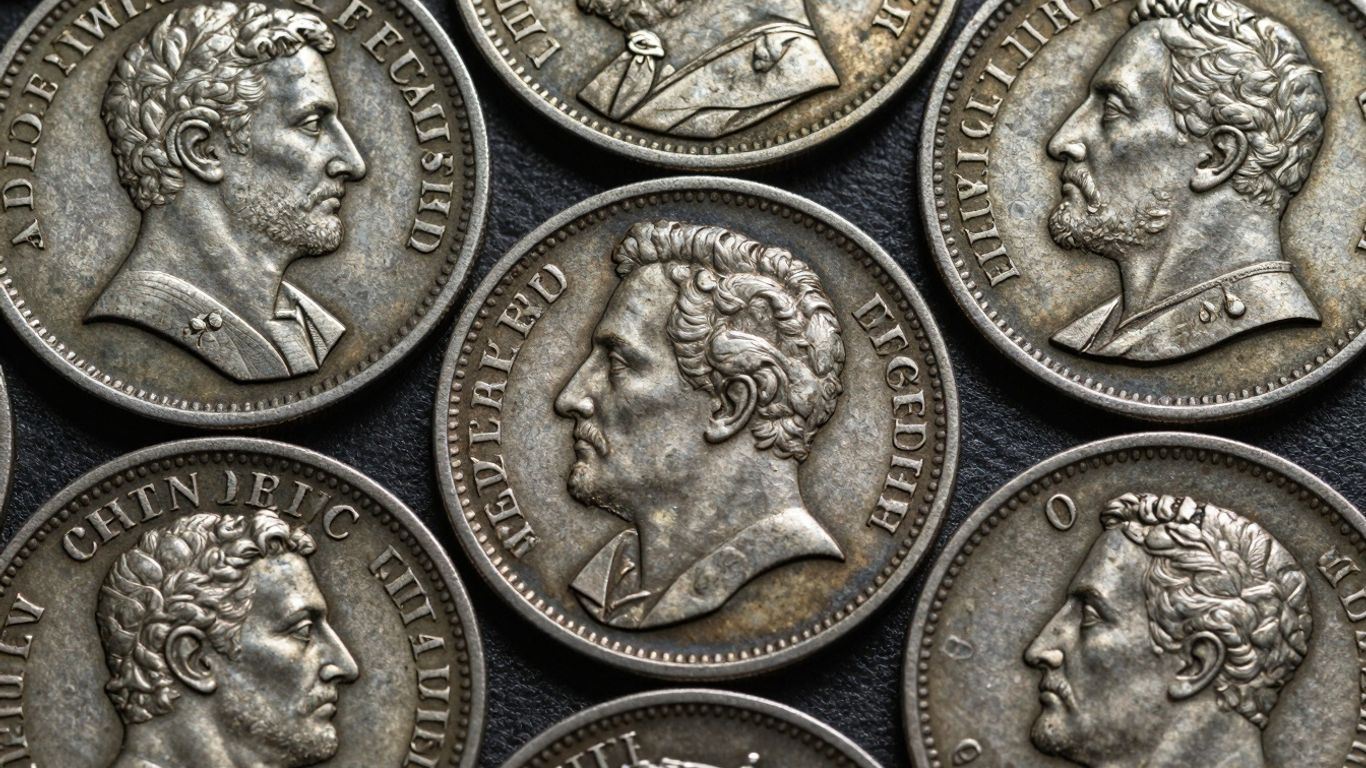
When you’re looking to sell your Capped Bust coins in Tampa, having some know-how about them can really make a difference. It’s not just about knowing what you have; it’s about understanding what makes it tick in the eyes of a buyer. Think of it like this: if you’re selling a classic car, knowing its history, its quirks, and what makes it special helps you get a better price than just saying, "It’s an old car." The same goes for coins.
Becoming An Expert In Your Series
Getting to know a specific series of Capped Bust coins, like the half dollars or dimes, can pay off. You start to notice the little things – the different mint marks, the slight variations in the design, or even specific die errors that collectors look for. This kind of knowledge helps you spot the real gems in your collection. It also means you can talk intelligently with potential buyers about what makes your coin stand out. It’s about building a story around your coins, not just presenting them as items.
Leveraging Dealer Knowledge
Don’t be afraid to talk to the coin dealers in Tampa. They see coins all day, every day, and they have a good sense of what’s in demand and what commands a good price. If you show them you’ve done a bit of homework, they’re more likely to share their insights. They can point out varieties you might have missed or give you a realistic idea of your coin’s market value. Building a good relationship with a few trusted dealers can be a real asset when it comes time to sell.
Researching Capped Bust Coin Values
Before you even think about selling, spend some time researching. Look up recent sales of similar Capped Bust coins. Check out online auction results, coin price guides, and even dealer websites. This will give you a baseline for what your coins might be worth. It’s easy to get a lowball offer if you don’t have a clue about the market. Knowing the general price range helps you negotiate better and avoid feeling like you’re being taken advantage of. It’s about being prepared.
Having a solid grasp of your Capped Bust coins means you can confidently present them to buyers. This confidence comes from knowing the series, understanding the market, and doing your homework. It’s the difference between just selling an old coin and selling a piece of history with a known value.
Choosing The Right Buyer For Your Coins
So, you’ve got these Capped Bust coins and you’re ready to sell. That’s great! But who do you sell them to? It’s not always as simple as just walking into the first shop you see. You’ve got a few different paths you can take, and each has its own pros and cons.
Private Collectors Versus Dealers
When it’s time to part with your Capped Bust coins, you’ll likely run into two main types of buyers: private collectors and dealers. Collectors are often looking for specific coins to complete their own sets. They might be willing to pay a bit more because they really want that particular piece for their collection. Dealers, on the other hand, are in the business of buying and selling. They need to make a profit, so they’ll typically offer you a price that allows them to resell the coin later.
- Private Collectors:
- May pay closer to retail prices.
- Often focused on specific series or dates.
- Can be harder to find and connect with.
- Dealers:
- Offer convenience and quick sales.
- Provide a consistent market, but at a lower price point.
- Can help you sell multiple coins at once.
Assessing Buyer Reputation
No matter who you’re considering selling to, reputation is everything. You want to deal with someone honest and fair. How do you figure that out? Well, word of mouth is a big one. Ask around at coin shows or in local collector groups. Online reviews can also be helpful, but take them with a grain of salt. Look for dealers who have been around for a while and have a solid presence in the numismatic community. For instance, places like Imperial Coin Exchange have been serving the Tampa area for some time.
It’s always a good idea to do a little homework before you commit to selling. A little research upfront can save you a lot of headaches and potentially more money down the road. You want to feel comfortable with the person you’re doing business with.
Negotiating Fair Prices
Negotiation is a part of selling coins, and it’s important to go into it prepared. Know what your coins are worth before you start talking prices. This means doing your research on recent sales of similar coins in similar condition. Don’t be afraid to walk away if the offer doesn’t feel right. Remember, patience is key. Sometimes waiting for the right buyer means getting a much better price than you would have otherwise.
- Before you negotiate:
- Research your coin’s value using price guides and recent auction results.
- Understand the condition of your coin and how it affects its price.
- Have a realistic idea of what you’re willing to accept.
- During negotiation:
- Be polite but firm.
- Listen to the buyer’s offer and their reasoning.
- Be prepared to justify your asking price.
- Don’t feel pressured to accept the first offer.
Wrapping It Up
So, you’ve got some Capped Bust coins and you’re wondering what to do with them here in Tampa. We’ve talked about a few places that might be interested, from local coin shops to maybe even some online options if you’re up for it. Remember, doing a little homework on your coins and knowing who you’re dealing with makes a big difference. It’s not always about getting the absolute top dollar right away, but finding a fair deal with someone you trust. Good luck with your sales!
Frequently Asked Questions
What makes a Capped Bust coin valuable?
Several things make a Capped Bust coin valuable. The coin’s condition is super important – a coin that looks almost new is worth way more than one that’s worn out. Also, how rare the coin is matters a lot. Some specific types or years of Capped Bust coins were made in smaller numbers, making them harder to find and thus more valuable. Sometimes, a coin might have a special mistake or a unique feature that collectors really want.
Where can I sell my Capped Bust coins in Tampa?
Tampa has several places where you can sell your coins. You can visit local coin shops, which are businesses that specialize in buying and selling coins. Sometimes, there are coin shows or special events happening in Tampa where many dealers gather, giving you a chance to compare offers. It’s a good idea to check out a few different places to see who offers the best price.
How should I get my Capped Bust coins ready to sell?
Before selling, make sure your coins are stored safely to prevent any damage. Don’t try to clean them yourself, as this can actually lower their value. If you think your coin might be very rare or in amazing condition, you might want to get it officially graded by a professional company. Also, having a list or some notes about your collection can be helpful when you talk to buyers.
How can I get the most money for my Capped Bust coins?
To get the best price, be patient. It might take time to find the right buyer who really wants your specific coin. Sometimes, selling through a dealer on consignment, where they sell it for you and take a small fee, can get you closer to the retail price than selling directly to a dealer who needs to make a profit.
What are the most common Capped Bust coin types people sell?
The Capped Bust series includes several types of coins. Some of the most common ones you might find and sell are Capped Bust Half Dollars, which are larger silver coins. You might also come across Capped Bust Dimes and Capped Bust Quarters, which are also silver coins from that era. Knowing which type you have helps in figuring out its potential value.
How do I know the condition of my Capped Bust coin?
Figuring out a coin’s condition, or its ‘grade,’ is important. Experts look at things like how much wear the coin shows, if it has any scratches or damage, and how good it looks overall. There are standard grading scales used by collectors and dealers, often from ‘Poor’ (very worn) to ‘Mint State’ (like new). A coin that looks good and has its original shine is usually worth more.
Is it better to sell Capped Bust coins online or in person?
Selling online can reach a wider audience, potentially finding a buyer willing to pay more. However, there are risks like shipping issues or dealing with unknown buyers. Selling in person, especially in Tampa at a local shop or coin show, allows you to meet the buyer, get immediate payment, and avoid shipping hassles. Both have pros and cons.
Why is knowing about Capped Bust coins important before selling?
Having knowledge about Capped Bust coins helps you understand their value and identify any special features or rare varieties. This expertise allows you to talk confidently with dealers and collectors, recognize a fair offer, and avoid being taken advantage of. It’s like knowing the subject before you take a test – the more you know, the better you’ll do.