Thinking about selling some old coins? Maybe you’ve got some of that “bust coinage” lying around and you’re wondering what it’s worth. If you’re in the Tampa area and looking to sell bust coinage in Tampa, you’ve come to the right place. It can be a bit confusing figuring out where to go and who to trust, especially with coins that have a lot of history. This guide is here to help you understand your coins and find the best way to sell them right here in Tampa.
Key Takeaways
- When trying to sell bust coinage in Tampa, understand that factors like rarity, condition, and specific varieties greatly influence a coin’s worth.
- Local coin dealers who specialize in numismatics, reputable coin buyers, and online platforms are your main options for selling bust coinage in Tampa.
- Professional coin buyers like Tampa Coin Buyers and Eastern Numismatics in the Tampa area offer expert appraisals and competitive prices for your bust coins.
- To get the best price when you sell bust coinage in Tampa, prepare your coins properly, avoid general buyers who might undervalue them, and stay aware of current market trends.
- Selling different types of bust coinage, from early US issues to gold pieces, requires specialized knowledge that professional numismatists can provide when you sell bust coinage in Tampa.
Understanding Bust Coinage Value in Tampa
Factors Influencing Bust Coin Worth
When you’re looking to sell your bust coinage here in Tampa, it’s good to know what makes one coin worth more than another. It’s not just about how old it is, though that’s part of it. Several things play a role. The rarity of the specific coin, meaning how many were made and how many still exist today, is a big one. Then there’s the condition – a coin that’s been worn down from lots of handling won’t fetch as much as one that looks almost new. Even small details, like a slight minting error or a specific die variety, can sometimes make a coin much more desirable to collectors.
Here are some key factors:
- Rarity: How many were originally produced and how many survive.
- Condition (Grade): The physical state of the coin, from heavily worn to pristine.
- Demand: How many collectors are actively looking for this particular coin.
- Metal Content: The intrinsic value of the gold or silver the coin is made from.
- Historical Significance: Any notable events or figures associated with the coin.
Identifying Rare Bust Coin Varieties
Bust coinage, especially from the early days of the U.S. Mint, can have some interesting variations that collectors really go for. These aren’t always obvious at first glance. Sometimes, it’s a slight difference in the design, like a doubled die where the image appears to be struck twice, or a minor change in the lettering or the date. These varieties can significantly increase a coin’s value, sometimes by a lot. Figuring out if you have one of these rare varieties often takes a trained eye and some specialized knowledge. It’s why getting an appraisal from someone who really knows their coins is so important. They can spot these subtle differences that might otherwise be missed. For instance, knowing about specific mint marks and their historical context can be a game-changer.
The Role of Condition in Bust Coin Pricing
Condition is a massive part of how much your bust coins are worth. A coin that’s been circulated heavily, showing wear on the high points of the design, is going to be priced lower than one that’s in what numismatists call "Mint State" – meaning it looks like it just came from the mint, with no wear from being used as money. Professional grading services use a scale, often from 1 to 70, to describe a coin’s condition. Even a small difference in grade can mean a big jump in price. For example, a coin graded MS65 might be worth considerably more than the same coin graded MS63. Understanding the grading scale is key to getting a fair price for your collection.
When evaluating bust coinage, collectors and dealers look closely at the surfaces for any signs of wear, scratches, or other damage. The original luster, or shine, of the coin also plays a significant role. A coin that retains most of its original mint luster will generally be more desirable and command a higher price than one that has been handled extensively or cleaned.
It’s not just about the big picture, either. Small details matter. Things like whether the strike is sharp and clear, or if the coin has any toning (a natural discoloration that can sometimes add appeal) or spots, all factor into the final price. This is why it’s always a good idea to let an expert take a look; they know what to look for to accurately assess the condition and, therefore, the value. For those interested in the nuances of coin grading, understanding the difference between grades like MS68 and MS70 can be quite illuminating, as even small numerical differences can represent significant value shifts in the numismatic market. This article touches on the value of MS68 graded coins.
Where to Sell Your Bust Coinage in Tampa
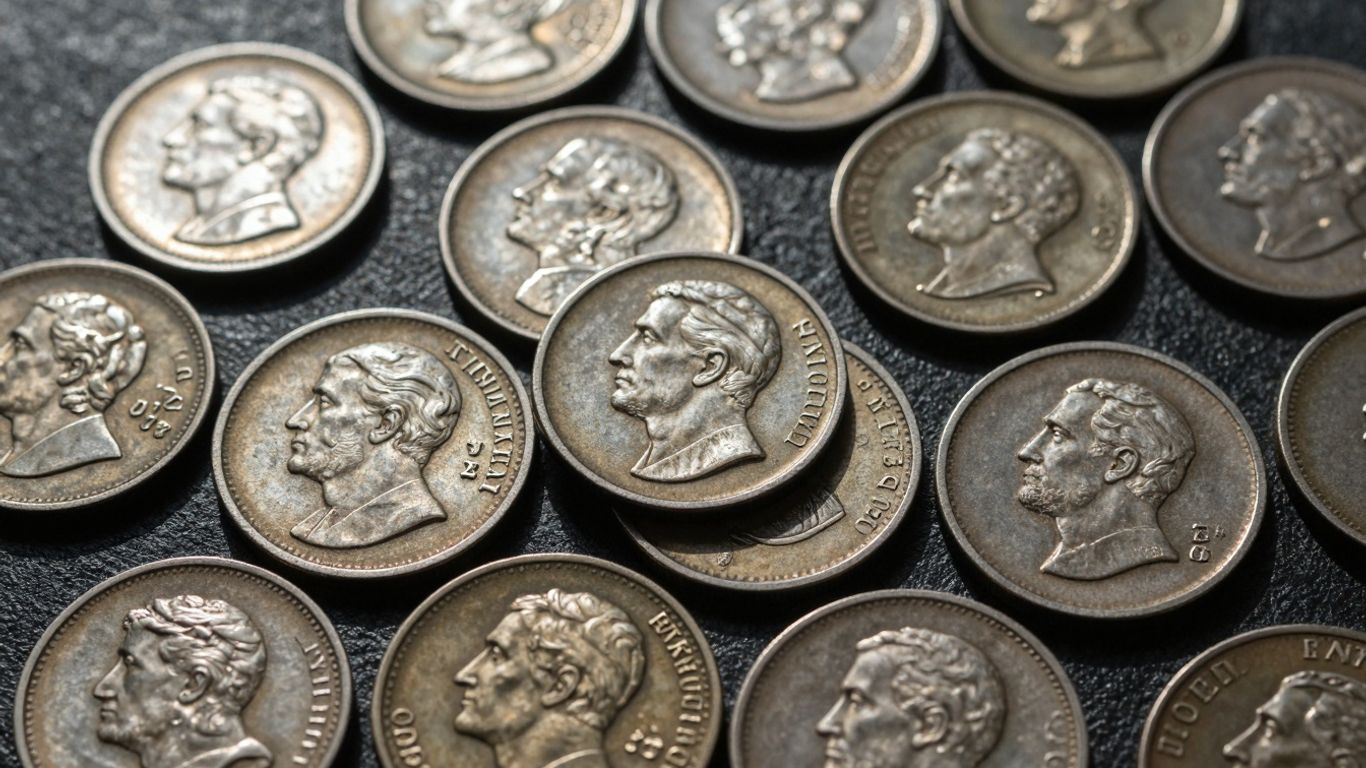
So, you’ve got some old bust coinage lying around and you’re wondering where to turn to sell it here in Tampa. It can feel a bit overwhelming, right? You don’t want to just hand it over to anyone. Finding the right buyer who actually knows what they’re doing is key to getting a fair price.
Here are a few avenues to explore:
- Local Coin Dealers Specializing in Numismatics: These are your go-to folks if you want someone who lives and breathes coins. They understand the history, the rarity, and the subtle details that make a bust coin valuable. They’re usually pretty knowledgeable about the Tampa market specifically.
- Reputable Coin Buyers Offering Fair Market Prices: This category includes places that might not be strictly ‘local’ but have a strong reputation for honest dealings and competitive offers. They often have a wider reach, meaning they might know collectors who are actively looking for the specific coins you have.
- Online Platforms for Selling Bust Coinage: While this might seem convenient, it comes with its own set of challenges. You’ll need to be comfortable with shipping, dealing with potentially anonymous buyers, and understanding platform fees. It’s an option, but maybe not the first one for valuable bust coins.
When you’re looking to sell, especially something as specific as bust coinage, it’s always a good idea to do a little homework on the buyer. Check reviews, ask for references if possible, and see if they have a physical presence or a solid online footprint. You want to feel comfortable with the person or company you’re dealing with.
Think about it this way: you wouldn’t take a rare antique to a general pawn shop, would you? The same logic applies to your bust coins. You want someone who appreciates their numismatic worth, not just their melt value.
Tampa Coin Buyers: Your Go-To for Bust Coinage
Expert Appraisals for Your Collection
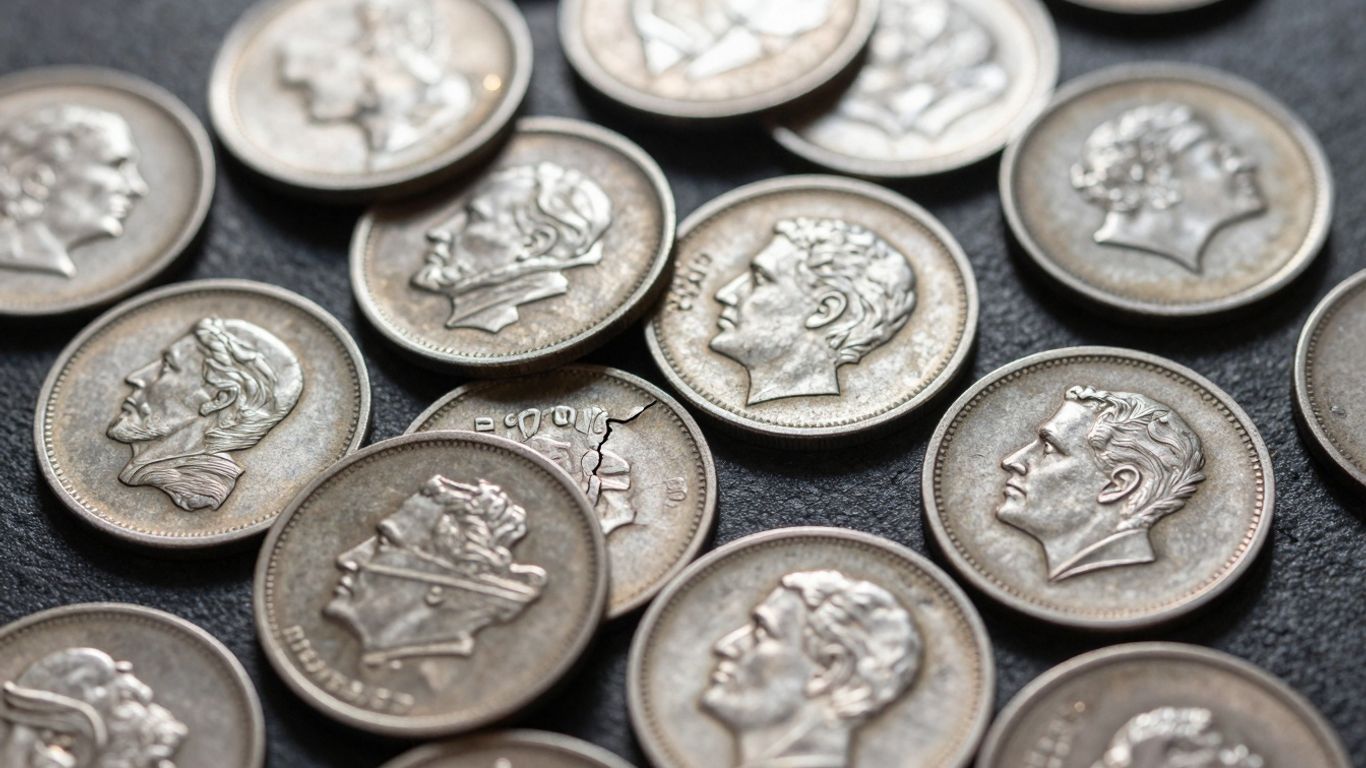
When you’re looking to sell your bust coinage, getting a solid appraisal is the first step. It’s not just about knowing if your coins are worth their weight in silver; it’s about understanding their true numismatic value. At Tampa Coin Buyers, we take the time to really look at each piece. We consider things like the coin’s condition, any rare varieties it might have, and what collectors are actually paying for similar items right now. Our team knows the ins and outs of coins, from early American issues to more modern pieces.
- Detailed Examination: We inspect every coin for wear, damage, and unique characteristics.
- Market Research: We check current prices and recent sales to gauge demand.
- Variety Identification: We look for rare mint errors or die varieties that can boost value.
Don’t let your valuable coins sit unnoticed. A professional appraisal can reveal hidden worth you might not expect.
Competitive Offers for Bust Coins
Once we’ve appraised your bust coinage, we’ll make you a fair offer. We aim to give you a price that reflects the coin’s actual market value, not just its melt value. We know that collectors are always on the lookout for quality pieces, and we want to be the ones who can offer them what they’re looking for. This means we can often pay more than general buyers who might not appreciate the finer points of numismatics.
Seamless Selling Experience
Selling coins should be straightforward. We’ve streamlined our process to make it as easy as possible for you. From the initial appraisal to the final payment, we aim for clarity and efficiency. You won’t have to deal with complicated paperwork or long waiting periods. Our goal is to provide a hassle-free transaction so you can get your payment quickly and with confidence.
Eastern Numismatics: A Trusted Tampa Coin Partner
Decades of Experience in Coin Buying
Eastern Numismatics has been in the coin business for a long time, since 1974, actually. That’s over 50 years of looking at coins, buying coins, and generally knowing a lot about them. This isn’t just a side hustle for them; it’s their main gig. They’ve seen pretty much every kind of coin you can imagine come through their doors, from common pocket change that turned out to be rare to truly ancient pieces. Their long history means they’ve built up a solid reputation for being fair and knowledgeable. It’s not just about knowing what a coin looks like, but understanding its history, its rarity, and what collectors are actually looking for right now.
Accurate Valuations for All Coin Types
When you bring your bust coinage, or any other coins for that matter, to Eastern Numismatics, they don’t just give you a quick guess. They have a whole process for figuring out what your coins are really worth. This involves looking at a few key things:
- Condition: How worn is the coin? Are there any scratches or dings? Even small details can make a big difference in value.
- Rarity: How many of these coins were made? How many are still around today? Scarce coins are usually worth more.
- Market Demand: What are collectors willing to pay for this specific coin right now? They keep up with what’s popular.
- Specific Varieties: Sometimes, a coin might have a small error or a unique minting feature that makes it much more valuable than a standard version. They know how to spot these.
They use industry-standard grading scales and up-to-date market analysis to make sure their valuations are on the money. It’s about getting you a price that reflects the coin’s true worth, not just its metal content.
Immediate Payment Options
One of the best parts about selling your bust coinage to Eastern Numismatics is how quickly you can get paid. If you sell your coins in person at their University Park location, they can give you cash right then and there. No waiting for checks to clear or for funds to transfer. This is super convenient, especially if you need the money fairly quickly or just prefer to have it in hand.
Selling coins can sometimes feel like a guessing game, especially if you’re not a collector yourself. You might have old coins lying around, maybe inherited from family, and you’re just not sure if they’re worth anything more than the silver or gold they’re made of. Working with a place that has a long track record and clearly explains how they arrive at their prices can take a lot of the stress out of the process. It’s good to know you’re dealing with people who genuinely understand the numismatic world.
The Selling Process for Bust Coins in Tampa
So, you’ve got some old bust coins lying around and you’re thinking about selling them here in Tampa. It might seem a bit daunting at first, but honestly, the process is pretty straightforward when you work with the right people. It usually starts with a chat, then they take a good look at your coins, and finally, they’ll make you an offer. Pretty simple, right?
Initial Consultation and Evaluation
First things first, you’ll want to connect with a coin buyer. This is where you’ll get to talk about what you have. Don’t be shy about asking questions; this is your chance to learn about your coins. The buyer will then carefully examine each piece. They’re not just looking at the metal content; they’re checking for things like rarity, condition, and any special markings that might make a coin more desirable to collectors. Think of it like a doctor giving your coins a check-up.
- Schedule an appointment: Reach out to the buyer to set up a time to bring in your coins.
- Discuss your collection: Talk about where you got the coins and any history you know.
- Professional inspection: The buyer will use their knowledge and tools to assess each coin’s condition and potential value.
Transparent Offer Presentation
Once the evaluation is done, you’ll get an offer. A good buyer will clearly explain how they arrived at that price. They should break down the value, showing you what’s based on the metal and what’s due to the coin’s numismatic (collector) appeal. You should feel comfortable asking them to go over it again if anything is unclear. It’s important that you understand the offer completely before you decide.
Here’s a general idea of what goes into an offer:
| Value Component | Description |
|---|---|
| Precious Metal Value | Based on the current market price of gold, silver, or other metals in the coin. |
| Numismatic Value | Determined by rarity, condition, historical significance, and collector demand. |
| Variety/Rarity | Extra value for specific mint errors, rare dates, or recognized varieties. |
You want to feel confident that the offer reflects a fair price for your specific coins, not just a generic scrap metal rate. A clear breakdown helps build that confidence.
Flexible Payment Methods
If you decide to accept the offer, the next step is payment. Most reputable buyers in Tampa offer a few options to make things easy for you. They can usually pay you on the spot, often in cash, which is great if you need funds right away. For larger amounts, they might also be able to arrange other methods like a bank transfer or a certified check. The key is that they should be willing to work with you to find a payment method that suits your needs.
Maximizing Your Bust Coin Sale in Tampa
So, you’ve got some old bust coinage and you’re looking to sell it here in Tampa. That’s great! But before you rush off to the first place that says they buy coins, let’s talk about how to make sure you get the best possible deal. It’s not just about handing them over; a little preparation goes a long way.
Tips for Preparing Your Bust Coins
First off, resist the urge to clean them. Seriously. I know it’s tempting to make them shiny, but most collectors and dealers prefer coins as they are. Cleaning can actually damage the surface and significantly lower the value. Think of it like trying to polish an old antique – you might end up taking off more than you intended.
- Organize what you have: If you have multiple coins, try to group them by type or denomination. It makes it easier for a buyer to assess your collection.
- Research (a little): While you don’t need to become a numismatics expert overnight, a quick look online for your specific coin type can give you a general idea of what’s out there. Just don’t get too hung up on wildly optimistic online prices.
- Handle with care: Use soft gloves or hold coins by their edges. Fingerprints can leave oils that might affect the surface over time, though this is less of a concern for very old coins than for modern ones.
Avoiding Undervaluation at General Buyers
This is a big one. You’ll find places that buy anything old – pawn shops, general antique stores, even some jewelers. They often look at coins and see only the metal content, especially if they’re silver or gold. They might offer you melt value, which is usually much lower than what a numismatist, someone who really knows coins, would pay. Bust coinage, especially if it’s in decent condition or a rare variety, is worth more than just its weight in silver.
Bust coins are historical artifacts with numismatic value that goes beyond their metal content. A buyer who specializes in coins understands the nuances of rarity, condition, and historical significance, which can dramatically increase a coin’s worth compared to a buyer focused solely on precious metals.
Understanding Current Market Trends
Coin values can fluctuate. What was hot last year might be less in demand now, and vice versa. Factors like collector interest, the overall economy, and even major coin shows can influence prices. A good coin dealer will be up-to-date on these trends. They know what collectors are actively seeking and can price your coins accordingly. For instance, certain early American silver dollars or rare half dollars might be seeing increased interest from collectors right now, leading to stronger offers.
Here’s a quick look at what might influence prices:
| Factor | Impact on Bust Coin Value | Notes |
|---|---|---|
| Condition | High | Wear, damage, and surface preservation. |
| Rarity | Very High | Low mintage, key dates, scarce varieties. |
| Demand | High | Collector interest and market trends. |
| Metal Content | Moderate | Primarily for silver and gold bust coins. |
| Authenticity | Critical | Genuine coins are always more valuable. |
Specialized Knowledge for Bust Coin Collections
When you’re looking to sell your bust coinage, it really helps if the person buying knows what they’re talking about. It’s not just about knowing if it’s silver; there’s a whole lot more to it, especially with these older coins. A good buyer will have a solid grasp on the nuances that make certain pieces more desirable than others.
US Gold and Silver Coin Expertise
Understanding the ins and outs of U.S. gold and silver coins is pretty important. This includes knowing the different series, like the Capped Bust series itself, and recognizing key dates or mint marks that might not be obvious to the untrained eye. For example, knowing the difference between a common date and a rare one can mean a big jump in price. A buyer who specializes in U.S. coins will be able to spot these valuable distinctions. They’ll also understand how the silver content plays a role, but more importantly, how collector demand can push prices well beyond just the melt value. This is especially true for coins like the 1833 Capped Bust Half Dime, graded MS64 by NGC, which is a prime example of an early American silver coin with significant collector appeal beyond its silver content [8d3d].
Ancient and World Coin Appraisal
Sometimes, collections can include coins from outside the U.S. or even ancient pieces. Appraising these requires a different kind of knowledge. It’s about understanding historical context, different minting traditions, and what collectors of world or ancient coins are looking for. A buyer who can handle these types of coins means you don’t have to find multiple people to sell different parts of your collection. They’ll know if that Roman denarius or that old British sovereign has more than just its metal worth.
Identifying Key Dates and Mint Marks
This is where the real numismatic skill comes in. Key dates and mint marks are specific combinations of a coin’s year and where it was made that are particularly scarce or sought after. For instance, a coin from a low-mintage year or a specific mint might be worth considerably more than the same coin from a different year or mint. A buyer with this specialized knowledge will:
- Carefully examine the mint mark (or lack thereof).
- Cross-reference the date with known mintage figures.
- Consider the coin’s condition in relation to its rarity.
It’s easy to overlook the subtle differences that can dramatically alter a coin’s value. A buyer who truly understands bust coinage will have the trained eye to spot these variations, ensuring your collection is assessed accurately and fairly, without missing out on potential premiums.
Why Choose Professional Buyers for Bust Coinage
When you’ve got bust coinage sitting around, maybe from an old family collection or a lucky find, you might wonder where to get the best deal. Selling to just anyone might seem easy, but it often means leaving money on the table. Professional coin buyers, especially those who know their numismatics, are a different story entirely.
Numismatic Expertise vs. Scrap Value
Lots of places might offer to buy your coins, but they often look at them as just so much metal. They’ll weigh your silver or gold and give you a price based on that. That’s scrap value, and it completely ignores the history and rarity of your bust coinage. A professional numismatist, however, understands that a 1796 half dollar, for example, is worth far more than just its silver content. They recognize the historical significance, the mintages, and the condition that collectors are looking for. This specialized knowledge is what separates a fair offer from a great one. They can spot a rare variety or a key date that a general buyer would miss entirely. For instance, a coin like this 1833 Capped Bust Half Dime, graded MS64 by NGC, has a value tied to its collector appeal, not just its silver weight.
Building Trust Through Transparency
Dealing with coin buyers can sometimes feel a bit like a gamble. You want to be sure you’re getting a fair shake. Reputable professional buyers build trust by being upfront about everything. They’ll explain how they arrived at their offer, detailing the factors that contribute to the coin’s value – things like its condition, rarity, and historical importance. They won’t pressure you or try to rush the process. You should feel comfortable asking questions and getting clear answers. A good buyer will show you their appraisal, explaining the grading and the market comparables they used. This open communication makes the selling process much less stressful.
Securing the Best Possible Price
Ultimately, you want to get the most money you can for your bust coinage. Professional buyers have a deep understanding of the current market. They know what collectors are actively seeking and what prices those coins are fetching at auctions and through private sales. They have established networks of collectors and dealers, which means they can often find the right buyer for your specific coins more quickly and for a better price. They also understand the difference between bullion value and numismatic value, and they’ll make sure your offer reflects both aspects appropriately. This means you’re not just selling silver; you’re selling a piece of history that has a dedicated following.
Here’s a quick look at what sets them apart:
- In-depth Knowledge: They know the difference between a common bust dollar and a rare variety.
- Market Access: They connect your coins to collectors who will pay top dollar.
- Fair Valuation: They assess both precious metal content and collector desirability.
- Clear Communication: They explain their offers so you understand the value.
Selling valuable coins requires more than just a scale and a calculator. It demands a nuanced appreciation for history, rarity, and the intricate dynamics of the numismatic market. Professional buyers bring this specialized insight, ensuring your collection is valued accurately and that you receive an offer that truly reflects its worth beyond its melt value.
Navigating the Tampa Coin Market
Local Market Insights for Coin Sellers
When you’re looking to sell your bust coinage in Tampa, understanding the local scene makes a big difference. It’s not just about knowing what your coins are worth in general; it’s about knowing what Tampa collectors and dealers are paying right now. Local coin shops and shows often have a pulse on what’s popular with collectors in the area. Sometimes, a specific type of coin might be in higher demand locally than it is nationally, which can bump up the price you can get. Paying attention to local coin shows and events can give you a real edge. It’s a good way to see what’s being bought and sold and at what prices.
National Market Connections
While local knowledge is great, don’t forget the bigger picture. The value of your bust coinage isn’t just set by Tampa; it’s influenced by what’s happening in the coin market across the country, and even globally. Reputable dealers in Tampa often have connections with larger networks of buyers, including national dealers and auction houses. This means they can tap into a wider pool of potential buyers, which can lead to better offers for you. They understand how national trends, auction results from major coin events, and collector demand from all over can affect the price of your specific coins.
The Importance of a No-Pressure Environment
Selling something as potentially valuable as bust coinage can feel a bit overwhelming. You want to make sure you’re getting a fair deal, and that means taking your time. A good buyer won’t rush you. They’ll explain their appraisal, show you how they arrived at their offer, and give you space to think it over. You shouldn’t feel pressured to accept an offer on the spot. Look for dealers who are happy to answer all your questions and let you compare their offer with others if you wish. This kind of environment helps you feel confident in your decision, knowing you’ve made the best choice for yourself and your collection.
Selling Different Types of Bust Coinage
When you’re looking to sell your bust coinage in Tampa, it’s helpful to know that different types of these historical coins have their own unique markets and value drivers. It’s not just a one-size-fits-all situation.
Early US Mint Coins
These are some of the earliest coins produced by the United States Mint, often dating back to the late 18th and early 19th centuries. Think of the very first dollars, half dollars, and quarter dollars. Their value can be significantly influenced by their age, rarity, and the condition they’re in. Some of these early pieces are incredibly scarce, making them highly sought after by serious collectors. The mintages were often much lower back then compared to today, and many coins from this era didn’t survive in good shape.
Bust Quarters and Half Dollars
Within the broader category of bust coinage, specific denominations like quarters and half dollars have their own dedicated followings. The Draped Bust and Capped Bust series, for example, are popular. Collectors often focus on specific dates, mint marks, or varieties within these series. For instance, a rare variety of a Capped Bust quarter might fetch a much higher price than a more common one, even if they appear similar at first glance. Knowing these distinctions is key to getting a fair price.
Gold Bust Coinage
Gold coins from the bust era are a whole different ballgame. These were often produced in smaller quantities than their silver counterparts and were typically of higher denominations. Their value is usually a combination of their gold content (bullion value) and their numismatic (collector) value. Gold bust coins are generally more valuable than silver bust coins of similar rarity and condition. The market for gold coins can be influenced by both collector demand and the fluctuating price of gold on the global market. Appraisers need to be knowledgeable about both aspects to provide an accurate valuation.
Wrapping It Up
So, you’ve got some old coins lying around, and you’re wondering what to do with them. It can feel like a big task, but finding the right place to sell them in Tampa doesn’t have to be complicated. We’ve looked at a few spots that seem to know their stuff when it comes to coins, offering fair prices and making the process pretty straightforward. Remember to do a little homework on your own coins beforehand, and don’t be afraid to ask questions. Ultimately, you want to walk away feeling good about the deal. Good luck with your coin selling adventure!
Frequently Asked Questions
What exactly is 'Bust Coinage'?
Bust coinage refers to early American coins that feature a portrait, or ‘bust,’ of a president or other important figure. These coins were made a long time ago, mostly in the late 1700s and early 1800s.
How do I know if my bust coins are valuable?
A coin’s value depends on several things. These include how rare it is, its condition (like scratches or wear), and if it’s a special version. Sometimes, coins with mistakes in how they were made can be worth more!
Where in Tampa can I sell my bust coins?
You can sell your bust coins to local coin dealers who know a lot about old coins, sometimes called numismatists. There are also online places, but local shops often give you a chance to see and talk to the buyer directly.
What makes some bust coins rarer than others?
Rarity can come from how many were made in the first place, or how many still exist today. Some coins might have special designs or mint marks (like where they were made) that make them harder to find and thus more valuable.
Should I clean my old coins before selling them?
No, definitely don’t clean your coins! Cleaning can actually damage them and make them worth less money. It’s best to leave them just as they are for the experts to evaluate.
How do coin dealers figure out the price of my coins?
Dealers look at many factors. They check the coin’s condition, its rarity, and what similar coins have sold for recently. They also consider if the coin is made of valuable metal like gold or silver.
What's the difference between a coin dealer and a pawn shop?
A specialized coin dealer (numismatist) knows a lot about coins and their history, focusing on collector value. A pawn shop might offer less because they often just look at the metal’s worth or offer a quick loan, not the coin’s true numismatic value.
Can I sell ancient or foreign coins in Tampa too?
Yes, many coin buyers in Tampa also deal with ancient and foreign coins. They have experts who can tell you the value of coins from different parts of the world and from ancient times.