Thinking about selling your Barber coins in Tampa? It can be a bit of a puzzle figuring out where to get a fair price. Whether you’ve got a Barber dime, quarter, or half dollar, knowing who buys them is the first step. This guide will point you toward some places in the Tampa area that deal with these older coins, so you can get a good deal.
Key Takeaways
- Antique Coins Buyers has been around for over 50 years and has a good reputation. They buy many types of coins, including the Barber series.
- Silver Queen and Belleair Coins are also experienced dealers in the Tampa Bay area. They offer free appraisals and say they pay fair prices.
- When selling, it’s best to bring your coins as they are. Cleaning them can actually lower their value.
- Look for dealers who are honest and reliable. Checking reviews or asking for references can help you find a trustworthy buyer.
- Some dealers offer house calls, which can be convenient if you have a large collection and don’t want to transport it.
1. Barber Dime Coin
When you’re looking to sell your Barber dimes in Tampa, it’s good to know a bit about what makes them tick. These coins, designed by Charles E. Barber, were minted from 1892 all the way up to 1916. They feature Lady Liberty on the obverse, wearing a diadem, and a wreath on the reverse. The condition of your Barber dime plays a huge role in its value, with uncirculated pieces fetching much higher prices than those that are heavily worn.
Several factors influence how much a Barber dime is worth:
- Date and Mint Mark: Certain years and mints are rarer than others. For example, dimes from San Francisco (S) or New Orleans (O) can be more sought after.
- Condition (Grade): Coins are graded on a scale from Poor to Mint State. Higher grades mean better condition and more value.
- Rarity: Some Barber dimes were produced in smaller quantities, making them harder to find and thus more valuable.
- Precious Metal Content: Like most silver coins, the melt value of the silver content is a baseline for its worth, though collector value often far exceeds this.
The 1894-S Barber dime is famously one of the rarest and most valuable coins in American numismatics. Finding one of these is like hitting the jackpot, with a known example selling for over $1.7 million at auction. While most Barber dimes won’t reach those astronomical figures, understanding these points helps when you’re talking to potential buyers in Tampa. It’s always a good idea to get a few opinions before you decide where to sell, especially for rarer dates or higher-grade coins. You can find reputable dealers through resources like the NGC Coin Dealer Locator.
When assessing your Barber dimes, remember that original surfaces are key. Avoid cleaning them, as this can significantly damage their numismatic value. Dealers prefer to see coins as they are, allowing them to make their own evaluations. Tarnished but otherwise intact coins are almost always worth more than cleaned ones, even if the cleaned coin looks shinier at first glance.
2. Barber Quarter Coin
The Barber Quarter, designed by Charles E. Barber, was minted from 1892 to 1916. These coins are a popular part of the Barber series, and finding them in good condition can be quite rewarding. Many collectors are particularly interested in the rarer dates and mint marks within this series.
When you’re looking to sell your Barber Quarters in Tampa, it’s good to know what factors influence their value. It’s not just about the date; the coin’s condition, or ‘grade,’ plays a huge role. A coin that’s heavily worn will be worth less than one that looks almost new. Also, some mints produced fewer coins than others, making those rarer.
Here’s a quick look at what buyers consider:
- Date and Mint Mark: Certain years and mint locations (like New Orleans or San Francisco) are scarcer.
- Condition (Grade): From heavily circulated to uncirculated, the wear and tear significantly impact value.
- Rarity: How many of that specific coin were originally made and how many still exist today.
- Precious Metal Content: While not the primary driver for collectible coins, the silver content still adds a baseline value.
If you have a collection, like the Arbutine family at Belleair Coins, they’ll look at the whole picture. They’ve been in the business for a long time and know how to evaluate these coins quickly and accurately. They mention that prices depend on dates, condition, and the current market, and they pay more for better dates. It’s always a good idea to get a few opinions if you have a significant collection.
Selling your Barber Quarters means you’re parting with a piece of history. These coins circulated widely, and many have been lost or melted down over the years. Finding a reputable buyer who understands the numismatic value, not just the silver melt value, is key to getting a fair price. A place like Antique Coins Buyers, with generations of experience, can help you understand what your coins are truly worth.
When you’re ready to sell, consider checking out local dealers who specialize in U.S. coins. They can provide an appraisal and make an offer. Some dealers, like Arnold Jewelry & Coin, even offer to come to you to evaluate larger collections, waiving their hourly fee if you decide to sell. This can be super convenient if you have a lot of coins to sort through. Remember, getting an appraisal is usually free, so take advantage of that service.
3. Barber Half Dollar Coin
The Barber Half Dollar, designed by Charles E. Barber, was minted from 1892 to 1916. These coins are a popular part of the Barber series, which also includes dimes and quarters. They are made of 90% silver and 10% copper, and their value can really depend on a few things.
When you’re looking to sell your Barber Half Dollars in Tampa, keep these factors in mind:
- Date and Mint Mark: Some dates are much rarer than others. For example, the 1892-O (New Orleans mint) and the 1904-O are particularly sought after by collectors. The mint mark, usually found on the reverse below the word "HALF DOLLAR," tells you where the coin was made (e.g., ‘O’ for New Orleans, ‘S’ for San Francisco, or no mark for Philadelphia).
- Condition (Grade): This is a big one. Coins in better condition, with sharp details and minimal wear, will always fetch a higher price. Collectors often use grading scales from organizations like PCGS or NGC, but even a general assessment of whether the coin looks worn or almost new makes a difference.
- Rarity and Mintage: How many were made? If only a small number were produced in a specific year and mint, it’s likely rarer and more valuable.
- Silver Content: Even if a coin isn’t in great condition, its silver melt value is a baseline for its worth. Barber Half Dollars contain a significant amount of silver.
The condition of your Barber Half Dollar is often the most significant factor in determining its market value.
Here’s a general idea of what influences the price:
| Factor | Impact on Value |
|---|---|
| Date/Mint Mark | Key dates and rare mint marks increase value. |
| Condition | Higher grades (less wear) mean higher prices. |
| Rarity | Low mintage numbers generally mean higher value. |
| Silver Price | Affects the base melt value of the coin. |
When you bring your Barber Half Dollars to a dealer in Tampa, they’ll look at all these points. Some dealers might focus more on the silver content, while others will pay a premium for rare dates or coins in excellent condition. It’s always a good idea to get a few opinions if you have a particularly interesting coin.
Selling older coins like the Barber Half Dollar can be a bit of a treasure hunt. You’re not just selling metal; you’re selling a piece of history. Dealers who specialize in numismatics understand this and will often pay more for coins that have historical significance and collector appeal beyond their silver weight.
4. Morgan Dollar Coin
The Morgan Dollar, minted from 1878 to 1904 and again in 1921, is a really popular silver dollar coin among collectors. It’s known for its beautiful design featuring Lady Liberty on the obverse and a bald eagle on the reverse. If you’ve got some Morgan Dollars lying around, Tampa has several places where you can get a fair price for them.
When you’re looking to sell, keep in mind that the value of a Morgan Dollar isn’t just about its silver content. The coin’s condition, its mint mark (where it was made), and its rarity all play a big part. Some dates and mint marks are much harder to find than others, making them more desirable to collectors. For instance, a Morgan Dollar from the Carson City mint (CC) is usually worth more than one from Philadelphia (P).
Here’s a quick rundown of what influences the price:
- Date and Mint Mark: Certain years and mint locations are rarer.
- Condition (Grade): Coins in better condition, with less wear and tear, fetch higher prices.
- Rarity: How many of that specific coin were originally minted and how many still exist today.
- Silver Content: While important, it’s often secondary to numismatic value for collectible coins.
Many collectors and dealers are actively seeking out Morgan Dollars in good condition. If you’re unsure about your coin’s value, it’s a good idea to get it appraised by a professional. You can find reputable coin dealers in the Tampa area who specialize in these types of coins. These dealers can help you understand the specific value of your Morgan Dollars and offer a competitive price. Some places to start looking include top coin dealers in Tampa.
Selling your Morgan Dollars might be simpler than you think. Most dealers will assess your coins based on their condition and rarity, not just the melt value of the silver. Be prepared to discuss your coins and listen to their offers. It’s always wise to get a few opinions if you have a significant collection.
When you’re ready to sell, consider visiting established coin shops. They often have a good understanding of the current market for coins like the Morgan Dollar and can provide a straightforward sale. Remember, honesty and transparency are key when dealing with coin buyers.
5. Anthony Dollar Coin
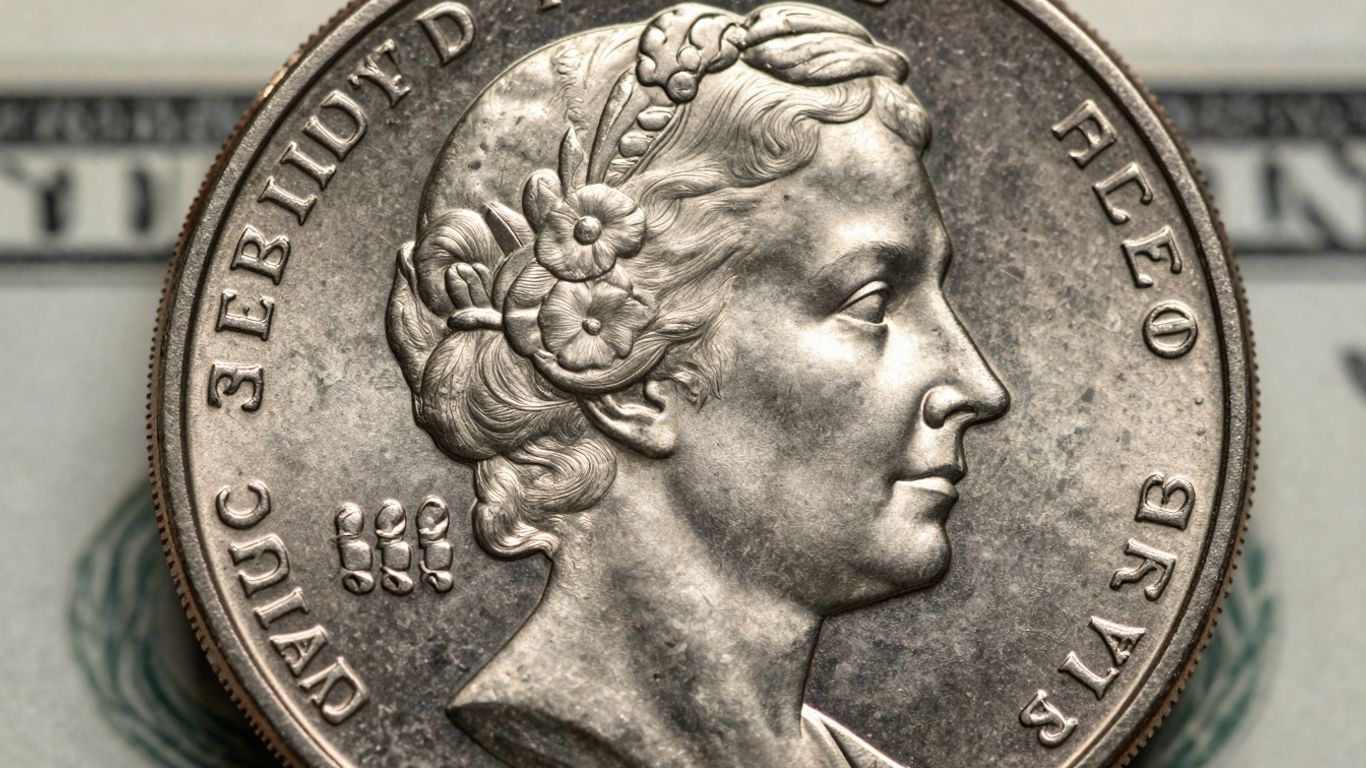
The Susan B. Anthony dollar coin, often called the "SBA dollar," is a bit of a mixed bag in the coin collecting world. It was minted from 1979 to 1981 and then again in 1999. While it was intended to be a convenient, everyday coin, it didn’t exactly catch on with the public. Many people found its size too similar to a quarter, leading to some confusion.
Despite its initial lukewarm reception, the Anthony dollar has found its place among collectors, especially those interested in U.S. coinage history. The coin itself is made of a copper-nickel clad composition, meaning it has layers of copper and nickel. The obverse features a portrait of Susan B. Anthony, a prominent figure in the women’s suffrage movement, and the reverse depicts the Apollo 11 space mission insignia.
When you’re looking to sell your Anthony dollars in Tampa, here’s what buyers will typically consider:
- Condition: This is a big one. Coins in mint condition, or those that have been professionally graded (like by PCGS or NGC), will fetch a higher price than circulated ones. Look for coins with sharp details and minimal wear.
- Rarity and Mint Mark: While most Anthony dollars were produced in large quantities, certain mint years or mint marks can be more sought after. For example, the 1979-S proof coins are generally more valuable.
- Errors: Like any coin, errors during the minting process can make an Anthony dollar quite valuable to collectors. These could include off-center strikes, double dies, or planchet errors.
Here’s a quick look at some common mintages and their general standing:
| Year | Mint Mark | Notes |
|---|---|---|
| 1979 | Philadelphia (no mark), Denver (D), San Francisco (S) | Most common year. S mint proofs are more desirable. |
| 1980 | Philadelphia (no mark), Denver (D), San Francisco (S) | Similar to 1979. |
| 1981 | Philadelphia (no mark), Denver (D), San Francisco (S) | Less common than 1979/1980. S mint proofs are more desirable. |
| 1999 | Philadelphia (no mark), Denver (D) | Last year of issue. |
When selling your Anthony dollars, remember that most dealers will be looking at the coin’s condition and any potential rarity. While the silver content isn’t a factor here (unlike older silver coins), the historical significance and the coin’s state of preservation play a major role in its value. Don’t be surprised if circulated common dates don’t bring a huge premium, but always get a professional opinion before deciding to sell.
6. Buffalo Nickel Coin
Ah, the Buffalo Nickel. These are pretty recognizable, aren’t they? Designed by James Earle Fraser, they were minted from 1913 to 1938. You’ll see a Native American profile on one side and a majestic bison on the other. Many collectors are drawn to these coins because of their iconic American imagery.
When you’re looking to sell your Buffalo Nickels in Tampa, keep a few things in mind. The condition of the coin is a big deal, of course. Dates and mint marks also play a role in how much a coin is worth. Some dates are much rarer than others.
Here’s a quick rundown of what buyers will look at:
- Date and Mint Mark: Certain years and mints are more sought after.
- Condition (Grade): Is it worn smooth, or can you still see the details clearly? This is super important.
- Rarity: Some Buffalo Nickels are just harder to find than others.
- Silver Content: While these are nickels, some older ones might have a bit more metal value depending on the specific composition, though they aren’t primarily valued for silver.
Selling your Buffalo Nickels might seem straightforward, but understanding what makes one coin more desirable than another can really help you get a fair price. Don’t be afraid to ask questions when you’re talking to potential buyers about why they’re offering a certain amount for your coins.
If you have a collection of Buffalo Nickels, especially in good condition or with rare dates, local coin shops in Tampa are your best bet. Places like Belleair Coins or Antique Coins Buyers are known to deal with these types of coins and can give you a solid offer. They have the experience to spot the valuable ones.
7. Bust Half Dime Coin
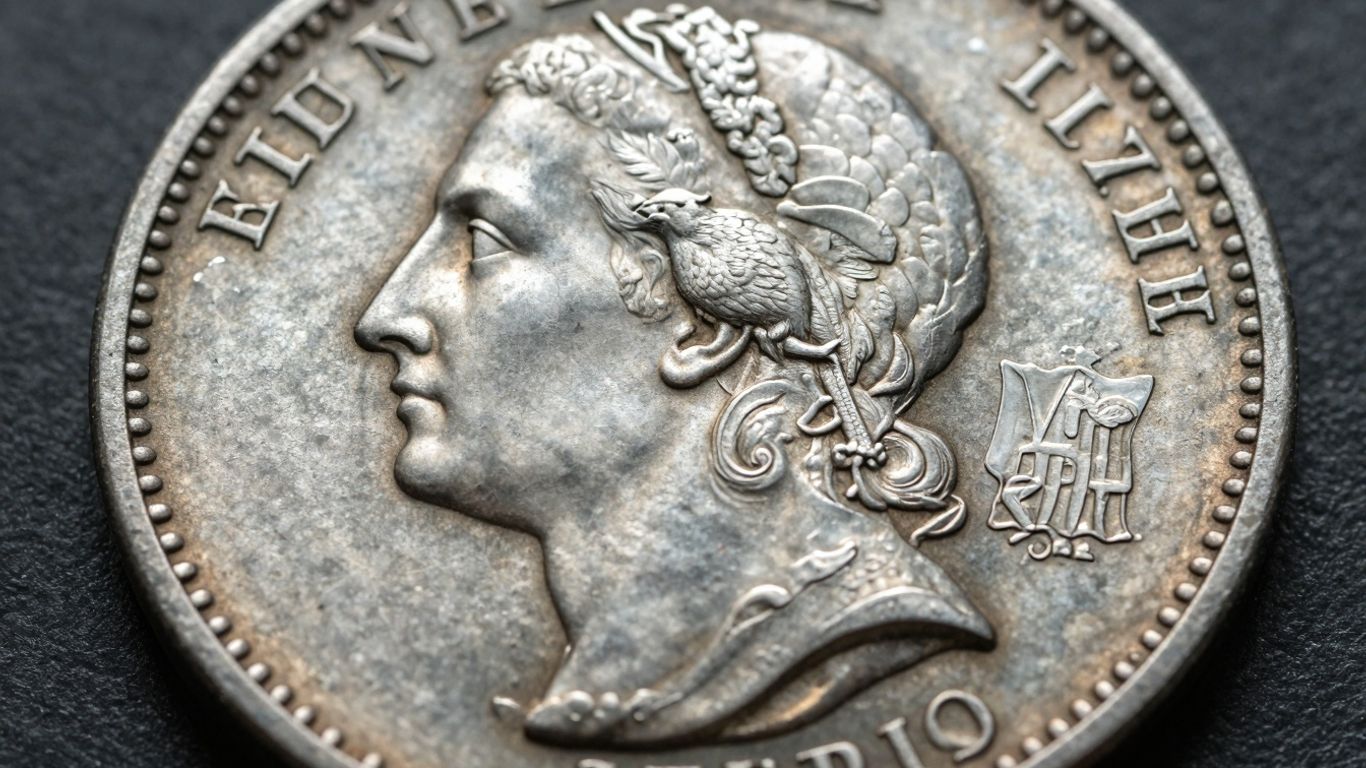
When you’re looking to sell a Bust Half Dime in Tampa, you’re dealing with a piece of early American history. These coins were minted from 1829 to 1837, and they represent a time when the U.S. was still finding its footing. They’re smaller than later half dollars and feature a profile of Lady Liberty on the obverse and the denomination on the reverse.
The condition of your Bust Half Dime will significantly impact its value. A coin that’s heavily worn might only be worth its silver content, while a well-preserved specimen, especially one with a rare date or mint mark, can fetch a much higher price. It’s always a good idea to have these evaluated by a professional.
Here’s what buyers generally look at:
- Date and Mint Mark: Some years and mints are much rarer than others.
- Condition (Grade): From heavily circulated to uncirculated, the wear and tear make a big difference.
- Silver Content: Even in poor condition, the silver itself has value.
- Eye Appeal: Sometimes a coin just looks better than others in its grade.
If you’ve got a Bust Half Dime you’re thinking of selling, local coin shops that deal in U.S. type coins are your best bet. They understand the numismatic value beyond just the melt value of the silver. They’ll be able to assess its rarity and condition accurately. Remember, never clean these old coins; it almost always lowers their value. Just bring them in as-is.
8. Bust Silver Dollar Coin
When you’re looking to sell a Bust Silver Dollar, you’re dealing with a piece of American history. These coins were minted from 1804 to 1839, and they represent a really interesting period in our country’s early days. The designs, often featuring Liberty on the obverse and an eagle on the reverse, are quite distinct from later coinage.
The condition of your Bust Silver Dollar is a major factor in its value. A coin that’s heavily worn will be worth much less than one that’s in great shape, especially if it has clear details and minimal damage. Collectors often look for coins with good "eye appeal," meaning they look pleasing to the eye, with smooth surfaces and attractive toning.
Here’s a general idea of what influences the price:
- Date and Mint Mark: Certain dates and mint marks are rarer than others, making them more desirable.
- Rarity: Some Bust Silver Dollar varieties were produced in much smaller numbers.
- Condition (Grade): As mentioned, the wear and tear significantly impact value. Coins are graded on a scale, and higher grades command higher prices.
- Precious Metal Content: While the silver content itself has value, for collectible coins like these, the numismatic value often far exceeds the melt value.
Finding a buyer in Tampa who understands these older coins is key. You’ll want a dealer who has experience with early American silver dollars. They can properly assess the coin’s condition and rarity, giving you a fair offer. Some dealers might specialize in older coins, while others might be more general coin buyers. It’s a good idea to get a couple of opinions if you can.
Selling older coins like the Bust Silver Dollar requires a bit of research. You’re not just selling silver; you’re selling a piece of history. A knowledgeable buyer will appreciate the coin’s historical significance and its condition, not just its weight in silver. This means looking for dealers who have a passion for numismatics and a solid reputation for fair dealings.
9. Capped Bust Dime Coin
The Capped Bust Dime is a neat piece of American coinage history, minted from 1809 to 1837. These dimes feature a portrait of Lady Liberty with a cap on her head, designed by John Reich. They’re made of 89.2% silver, which is a big part of their value, especially for collectors.
When you’re looking to sell your Capped Bust Dimes in Tampa, you’ll want to find buyers who appreciate their historical significance and silver content. Here’s what generally influences their worth:
- Condition: How worn is the coin? A coin that looks almost new will fetch more than one that’s heavily circulated.
- Rarity: Some dates and mint marks are much harder to find than others. For example, certain early dates or those from less active mints can be quite scarce.
- Mint Mark: The location where the coin was made (e.g., Philadelphia, New Orleans) can significantly impact its value.
- Silver Price: The melt value of the silver in the coin is a baseline, but for collectible coins, the numismatic value often goes way beyond that.
Finding a reputable buyer is key to getting a fair price for your Capped Bust Dimes. Look for dealers who specialize in U.S. historical coins and have a good standing in the numismatic community. They’ll be able to properly assess the coin’s condition and rarity.
It’s always a good idea to do a little homework before you sell. Knowing the approximate date and condition of your Capped Bust Dime can give you a better starting point when talking to potential buyers. Remember, never clean your old coins; doing so can actually lower their value significantly.
10. Trade Dollar Coin
The Trade Dollar coin is a bit of an interesting one in U.S. coinage history. It was minted from 1873 to 1885, and the main idea behind it was to compete with foreign silver dollars being used in trade with Asia, especially China. The U.S. wanted a piece of that action.
These coins were intended for international commerce, not for circulation within the United States. While they were legal tender in the U.S. for a short time, their primary purpose was overseas. Because of this, you’ll often find them with chop marks – little indentations made by merchants in Asia to verify their authenticity and weight.
When you’re looking to sell a Trade Dollar in Tampa, keep a few things in mind:
- Condition is Key: Like any collectible coin, the better the condition, the more it’s worth. Look for coins that aren’t heavily worn, scratched, or damaged.
- Rarity and Mint Mark: Some years and mint marks are rarer than others. For example, the 1876-CC (Carson City Mint) Trade Dollar is particularly sought after by collectors.
- Chop Marks: While they might seem like damage, chop marks can actually be a sign of authenticity for Trade Dollars and are often expected by collectors specializing in these coins.
Here’s a quick look at some key dates and their general significance:
| Year | Mint Mark | Notes |
|---|---|---|
| 1873-1878 | Philadelphia (no mint mark) | Most common dates. |
| 1875-1878 | San Francisco (S) | Scarcer than Philadelphia issues. |
| 1876-1878 | Carson City (CC) | Highly collectible and valuable, especially 1876-CC. |
| 1884-1885 | Philadelphia (no mint mark) | These were proofs only, very rare. |
Selling a Trade Dollar requires understanding its unique history and purpose. Unlike coins meant for everyday use, these were tools of international trade. Their value isn’t just in their silver content, but in their story and their appeal to collectors interested in this specific era of commerce.
When you bring your Trade Dollars to a dealer in Tampa, they’ll assess the coin’s condition, rarity, and any distinguishing marks like chop marks. Reputable dealers will be knowledgeable about the nuances of these coins and offer a fair price based on the current market and the coin’s specific attributes.
Wrapping It Up
So, you’ve got some Barber coins sitting around and you’re wondering where to take them in Tampa. We’ve looked at a few places that seem pretty solid, like Antique Coins Buyers and Belleair Coins. They’ve been around for a while, have good reputations, and seem to know their stuff when it comes to old coins. Remember, it’s always a good idea to do a little homework yourself before you go in. Knowing what you have, even just a general idea, can help you feel more confident when you’re talking to buyers. Good luck with your coin selling!
Frequently Asked Questions
What are Barber Coins?
Barber coins are a type of U.S. coin that was made between 1892 and 1916. They include dimes, quarters, and half dollars. These coins are named after their designer, Charles E. Barber. They are popular with collectors because they are old and have a unique design.
Where can I sell my Barber coins in Tampa?
In Tampa, you can sell your Barber coins to places like Antique Coins Buyers or Belleair Coins, Gold and Diamonds. These dealers have been in business for a long time and know how to value old coins. It’s always a good idea to check out a few places to get the best price.
How do coin dealers decide how much my coins are worth?
Coin dealers look at a few things to figure out your coin’s value. They check its date, how good its condition is (if it’s worn out or looks new), and if it’s made of valuable metal like silver or gold. Some coins are also worth more because they are rare or have a special design.
Should I clean my coins before selling them?
No, never clean your coins! Cleaning them can actually lower their value because it can damage the surface. It’s best to leave them just as they are. Dealers prefer to see coins in their original condition, even if they look a bit dirty or tarnished.
What other types of coins do dealers buy?
Besides Barber coins, dealers often buy many other kinds of coins. This includes Morgan Dollars, Buffalo Nickels, Anthony Dollars, and older coins like Bust Dollars and Capped Bust Dimes. They also buy gold coins, silver coins, and even paper money.
How do I know if I'm getting a fair price for my coins?
A good coin dealer will be honest and fair. They should explain how they arrived at their price and be competitive with other buyers. Reputable dealers often have good reviews and lots of experience. It doesn’t hurt to get offers from a couple of different places.
Can I sell coins if I don't live in Tampa?
Yes, many coin dealers buy coins from people all over the country. Some dealers have online options, or you can mail your coins to them. They usually offer to pay for your shipping and will give you a fair price. If you don’t like their offer, they’ll send your coins back.
What makes a coin valuable?
A coin’s value depends on several factors. Rarity (how many were made and how many still exist), its condition (how worn it is), the demand from collectors, and the precious metal content (like gold or silver) all play a big role. Sometimes, a coin’s history or a special mint mark can also increase its worth.