
So, you’ve got some coins and want to keep them looking good, right? It’s not as complicated as it might seem. Protecting coins from tarnish and keeping that shine is mostly about knowing a few simple tricks. We’re talking about how you handle them, where you keep them, and what you put them in. It’s all about being careful so your coins stay nice for a long, long time. Let’s get into it.
Key Takeaways
- Handle coins by their edges using cotton gloves or soft tools to avoid transferring skin oils, which cause tarnish.
- Store coins in holders made from acid-free, inert materials like polyester or polypropylene, never PVC.
- Keep coins in a stable environment with controlled humidity (ideally below 30%) and consistent temperatures, away from direct light.
- Clean coins only when necessary, using gentle methods like distilled water washes and acetone for degreasing; avoid abrasive cleaners.
- Silver is very prone to tarnishing, while gold is more stable, so tailor your protection methods to the specific metal.
Understanding Coin Tarnish And Its Causes
The Nature Of Precious Metals
Precious metals like gold, silver, and platinum are often sought after for their beauty and rarity. Gold, in particular, is quite stable and doesn’t easily react with other elements, which is why it keeps its shine for so long. Silver, on the other hand, is a bit more reactive. It’s a noble metal, meaning it resists corrosion pretty well, but it’s not immune to changes. Platinum is also very stable, similar to gold, and doesn’t tarnish.
What Causes Coins To Tarnish?
Tarnish on coins, especially silver ones, is basically a chemical reaction. It happens when the metal comes into contact with certain substances in the air. For silver, the main culprit is sulfur compounds. These can be found in the air, in certain foods, and even in some cleaning products. When silver reacts with sulfur, it forms silver sulfide, which is what we see as that dark, dull coating – tarnish. It’s not rust, which happens with iron, but a surface discoloration.
The Role Of Environmental Factors
So, what makes these reactions happen faster or slower? A lot of it comes down to the environment where your coins are kept. Things like humidity play a big role. If there’s a lot of moisture in the air, it can speed up the chemical processes that lead to tarnish. Temperature also matters; stable temperatures are better than big swings. And then there’s exposure to light and air pollution. Even the materials a coin is stored in can make a difference if they aren’t inert. Basically, a stable, dry, and clean environment is key to keeping tarnish at bay.
The surface of a coin is a delicate record of its history. While some collectors appreciate the natural toning that develops over time, understanding what causes tarnish is the first step in preventing unwanted discoloration and preserving the coin’s original appearance and value.
Essential Handling Techniques For Protecting Coins
Minimizing Direct Contact With Coins
When you’re holding your coins, the biggest enemy is your own skin. Our hands naturally produce oils, and even if you just washed them, those oils are still there. These oils can leave marks on your coins that are really hard to get rid of, and over time, they can actually start to eat away at the metal. The less you touch your coins directly, the better. Think of it like this: every time you handle a coin without protection, you’re leaving a tiny bit of yourself behind on it. It’s best to avoid this altogether if you can.
The Importance Of Clean Hands
If you absolutely have to touch a coin with your bare hands, make sure they are squeaky clean. Wash them thoroughly with soap and water, and dry them completely. This helps remove some of the natural oils and any dirt or residue that might be on your skin. It’s not a perfect solution, but it’s a step in the right direction if gloves aren’t an option. Still, even clean hands can transfer oils, so this is really a last resort.
Using Protective Gloves And Tools
This is where things get serious about protection. Wearing gloves is a game-changer. Nitrile gloves are a popular choice because they’re thin and offer good dexterity, but cotton gloves are also a solid option. Just make sure they’re clean and free of any powders or chemicals that could transfer to your coin. For really delicate or valuable coins, you might even want to use specialized tools like soft-tipped tweezers or a small spatula. These tools let you move coins around without ever touching them directly.
Here’s a quick rundown of what to use:
- Nitrile Gloves: Good for general handling, offer a good feel.
- Cotton Gloves: Soft and absorbent, great for preventing oil transfer.
- Soft-Tipped Tweezers: For precise handling of individual coins.
- Small Spatula/Scoop: Useful for moving multiple coins or larger pieces.
Handling Coins By Their Edges
When you do need to pick up a coin, always try to grab it by its edge. This is the part of the coin that has the least amount of detail and is usually the thickest. By holding it this way, you avoid touching the main surfaces – the obverse (front) and reverse (back) – where all the important designs and mint marks are. It takes a little practice to get a good grip, but it’s a much safer way to handle your collection than grabbing it flat.
Remember, coins are like little pieces of history. They’ve survived for years, sometimes centuries, and the way you handle them now can affect how long they last and how much they’re worth in the future. A little bit of care goes a long way.
Selecting Appropriate Storage Materials
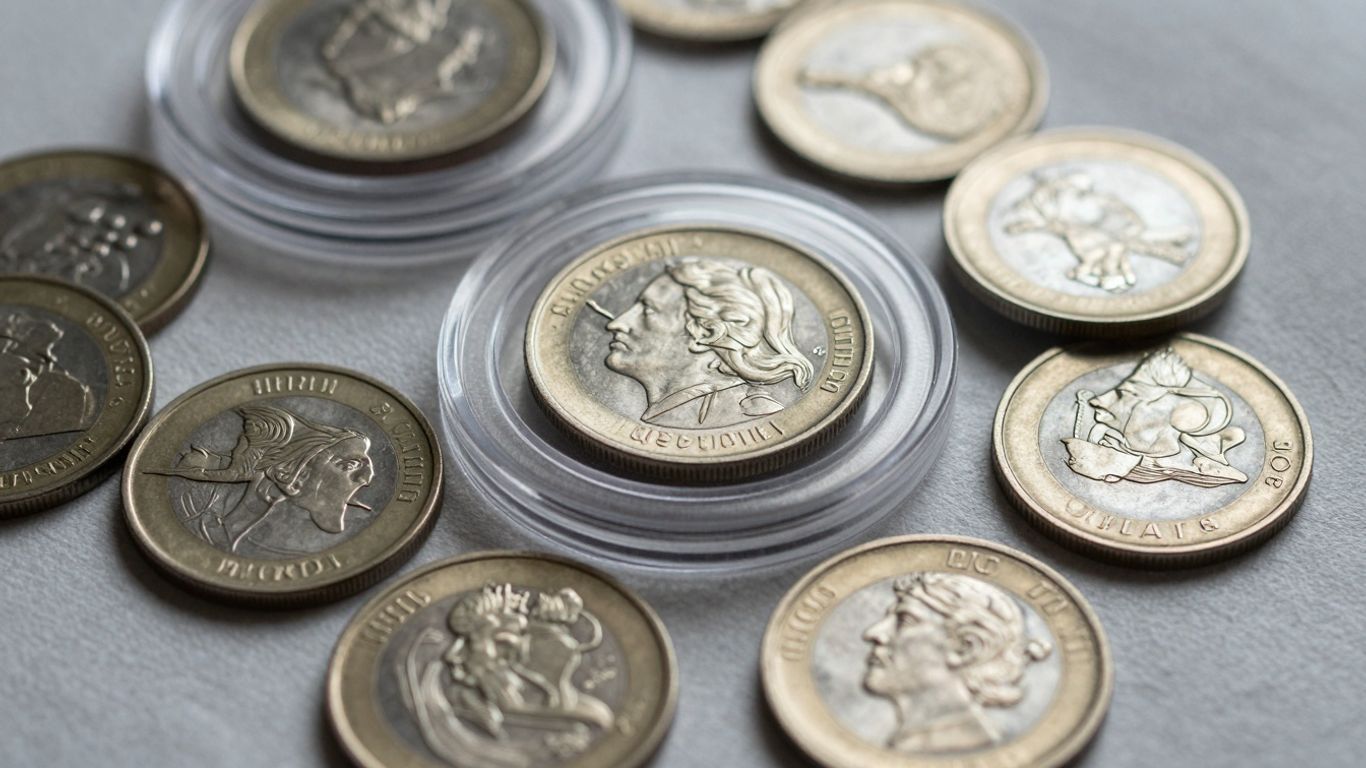
Alright, so you’ve handled your coins with care, but now comes the next big step: where do you actually put them? It might seem like a small detail, but the materials you choose for storing your coins can make a huge difference in keeping them looking good. Think of it like choosing the right outfit for your coins – you want something that protects them without causing any harm.
Choosing Acid-Free And Inert Materials
This is probably the most important rule of thumb. You want materials that won’t react with the metal of your coins. "Inert" basically means it’s not going to do anything chemically. "Acid-free" is pretty straightforward – no acids involved. Acids are the enemy of metal, and even things that seem harmless can break down over time and release acids. So, look for materials that are specifically labeled as archival quality, acid-free, or inert. This usually means things like polyethylene, polypropylene, or polystyrene. These plastics are stable and won’t degrade and damage your coins.
Avoiding Harmful Plastics Like PVC
Now, about those plastics. Not all plastics are created equal, and some are downright bad news for coins. The big one to watch out for is PVC, or polyvinyl chloride. You might see this in some older, cheaper plastic holders or even some plastic bags. PVC breaks down over time and releases harmful chemicals, often creating a sticky, greenish residue that can permanently damage your coin’s surface. It’s like a slow-motion chemical attack. Always check the packaging or holder to make sure it doesn’t contain PVC. If you’re unsure, it’s better to err on the side of caution and get something else.
Understanding Different Holder Types
There are a bunch of ways to hold your coins, and each has its pros and cons. Here’s a quick rundown:
- Mylar Flips: These are super common and pretty affordable. They’re usually made of polyester (like Mylar) and come in various sizes. They offer a good barrier between the coin and the outside world. Just be careful with the staples some have – they can scratch other coins if you’re not careful.
- Cardboard and Mylar Folders: Similar to flips, but the coin sits in a Mylar window surrounded by cardboard. The cardboard can be acidic, but the Mylar acts as a shield. These are great because you can write information directly on the cardboard part.
- Polystyrene Boxes: These are excellent for more delicate or irregularly shaped coins. You can get foam inserts, like Ethafoam, that you can cut to perfectly cradle your coin. This offers great physical protection and keeps the coin from moving around.
- Coin Albums: These are great for building a collection of a specific series. The pages are usually made of archival-safe materials, and the coins slide into individual slots. Just make sure the album itself is made from good materials and doesn’t have any PVC components.
When you’re picking out storage, think about the long game. A few extra dollars spent on the right materials now can save you a lot of heartache and potential damage down the road. It’s about protecting your investment and the history those coins represent.
Here’s a little table to help you remember what’s good and what’s not:
| Material Type | Good For Coins? | Notes |
|---|---|---|
| Polyethylene | Yes | Inert, stable, often used for foam inserts and some holders. |
| Polypropylene | Yes | Similar to polyethylene, good for holders and packaging. |
| Polystyrene | Yes | Common for boxes and some rigid holders. |
| Mylar (Polyester) | Yes | Used in flips and windows, provides a good barrier. |
| PVC (Polyvinyl Chloride) | No | Degrades and releases harmful acids, causes green residue. Avoid! |
| Untreated Wood | No | Can emit acidic vapors, especially when new. Oak is particularly bad. |
| Regular Cardboard | Use Caution | Can be acidic; ensure coin is protected by a barrier like Mylar. |
Creating An Optimal Storage Environment
So, you’ve got your coins handled with care and stored in the right materials. Great! But where you keep them matters just as much. Think of it like storing food – you wouldn’t leave it out on the counter, right? Coins need a stable spot too. The goal here is to shield them from things that can speed up tarnish and damage.
Controlling Humidity Levels
Humidity is a coin’s sneaky enemy. Too much moisture in the air can lead to all sorts of corrosion, especially on metals like silver and copper. You want to keep the air around your coins as dry as possible. This doesn’t mean you need a desert-dry environment, but a steady, moderate level is key. Aiming for a relative humidity (RH) between 30% and 50% is generally a good target for most coin collections. Anything consistently higher can encourage problems.
- Use Desiccants: Things like silica gel packets are your best friend here. You can buy them in small packets or larger canisters. They absorb moisture from the air. Just remember to "recharge" them periodically by heating them up (follow the manufacturer’s instructions) to get rid of the absorbed moisture.
- Monitor RH: Get a simple digital hygrometer. They’re not expensive and give you a clear reading of the humidity in your storage area. Keep an eye on it, especially if you live in a humid climate or store your coins in a basement.
- Airtight Containers: Storing coins in sealed containers, like inert plastic capsules or well-sealed display boxes, helps create a micro-environment that’s easier to control. This also keeps out dust and other airborne pollutants.
High humidity is a major contributor to the formation of harmful compounds that can pit and corrode metal surfaces over time. It’s a silent threat that can undo all your careful handling and storage choices.
Maintaining Stable Temperatures
Just like humidity, big swings in temperature aren’t good for coins. Extreme heat can sometimes accelerate chemical reactions that lead to tarnish. Extreme cold isn’t usually the main issue, but rapid temperature changes can cause condensation, which brings back the humidity problem. The most important thing is consistency. Avoid storing your coins in places that get very hot or very cold, or where the temperature fluctuates wildly.
- Avoid Attics and Garages: These places are notorious for temperature extremes.
- Stay Away from Direct Sunlight: Sunlight not only heats things up but can also fade labels and damage some storage materials.
- Consider Climate-Controlled Storage: If you live in an area with very unstable weather, or if your collection is particularly valuable, a climate-controlled storage unit or a dedicated room in your house with a stable temperature might be worth looking into.
Protecting Coins From Light Exposure
While temperature and humidity are the big players, light can also play a role, especially over long periods. Prolonged exposure to direct sunlight can cause fading on labels and potentially affect the surface of some coins, though this is less common than tarnish from environmental factors. It’s best practice to keep your coins out of direct light.
- Use Opaque Containers: Boxes and cabinets naturally block light. If you use clear holders, make sure the container they are stored in is opaque.
- Store in Drawers or Cabinets: This is the simplest way to keep light away.
- Limit Display Time: If you do display coins, consider rotating them or keeping them out of direct light sources for extended periods.
Proper Cleaning Methods For Coin Shine
Okay, so you’ve got some coins that look a little dull, maybe even a bit grimy. It’s tempting to just grab whatever cleaner you have under the sink, but hold on a second! Cleaning coins is a delicate operation, and doing it wrong can actually hurt their value more than help. Most collectors agree that if a coin isn’t actively corroding, it’s often best to leave it alone. Tarnish, especially on silver, can sometimes be seen as desirable toning by collectors. But if you’ve got surface dirt, oils, or other gunk that needs to go, there are ways to do it carefully.
When Cleaning Is Necessary
So, when is it actually okay to clean a coin? Usually, it’s when you need to remove surface contaminants that aren’t part of the metal’s natural aging process. Think fingerprints, dust, or residue from improper storage. If a coin is actively developing green or white powdery spots (corrosion), that’s a different story and might need professional attention. But for general grime, a gentle approach is key.
Gentle Washing With Distilled Water
This is your first line of defense for most coins. You’ll want to use lukewarm distilled water. Sometimes, a tiny bit of mild, non-ionic soap can be added, but make sure it’s diluted. The goal here is to lift off dirt without scrubbing. You can gently agitate the water or use a very soft brush if needed, but avoid any harsh rubbing. After washing, a good rinse with more distilled water is important to get all the soap off. This is a good way to start, especially before placing a coin into new protective holders.
Using Acetone For Degreasing
After washing and rinsing, coins often have residual moisture and oils. Acetone (pure, not nail polish remover with additives) is fantastic for this. You can soak the coin in acetone for a short period. It evaporates quickly and helps to remove any remaining organic residues without harming the coin’s surface. Just make sure you’re in a well-ventilated area when you use it. After the acetone bath, let the coin air dry on a clean paper towel.
Avoiding Abrasive Cleaners And Dips
This is super important. Things like toothpaste, baking soda, metal polishes, or those "coin dips" you see advertised? Steer clear. Coin dips are usually acidic and can cause long-term damage if not rinsed perfectly, which is hard to do. Abrasive cleaners will scratch the surface, and those scratches are permanent. They can completely ruin a coin’s numismatic value. It’s better to have a slightly tarnished coin than a scratched one. Remember, prevention is always easier than trying to fix damage later.
Advanced Preservation Strategies
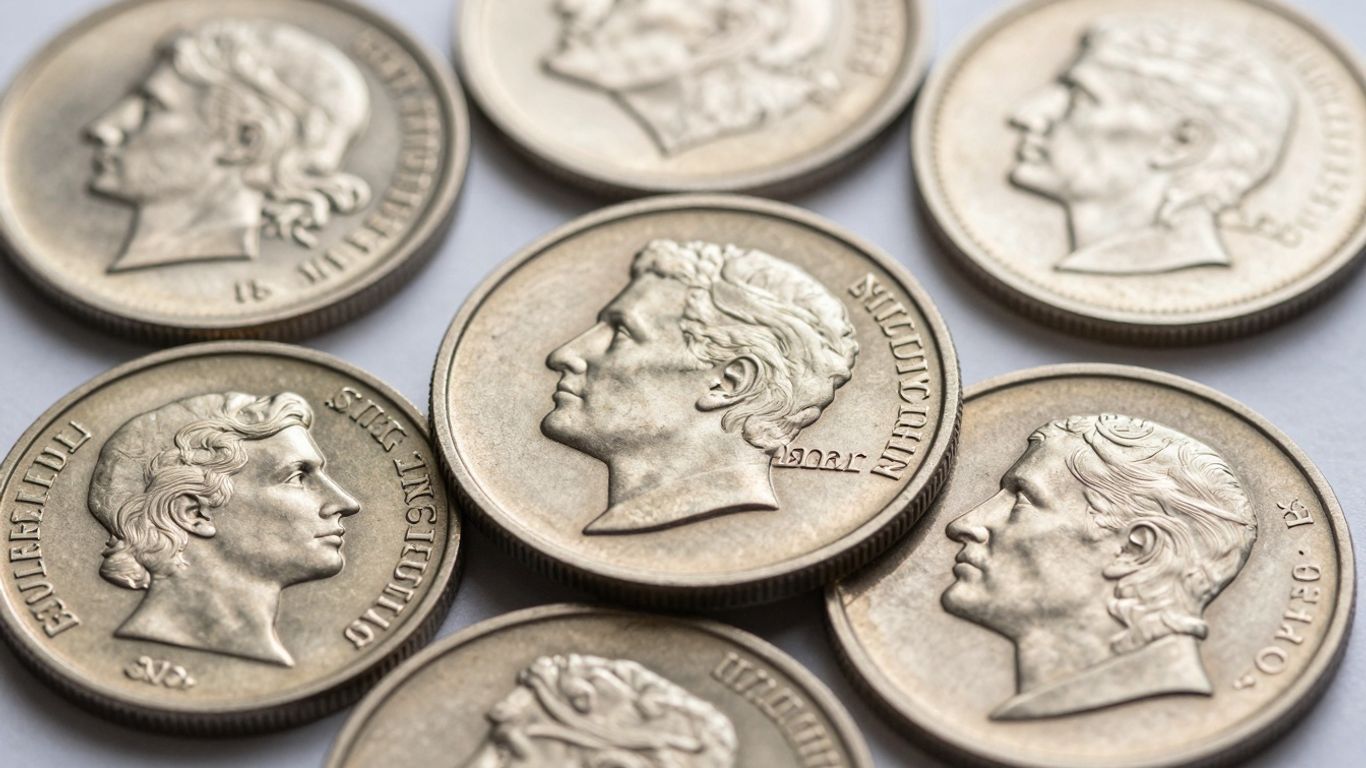
Beyond the basics of handling and storage, there are a few more advanced steps you can take to really protect your coins for the long haul. These methods are about creating an extra layer of defense against the elements and potential damage.
The Use Of Protective Coatings
For some collectors, applying a protective coating might seem like a good idea, but it’s a tricky business. The goal is to create a barrier that stops tarnish from forming without altering the coin’s appearance or value. Some collectors use specialized waxes or lacquers, but these can be problematic. If not applied perfectly, they can leave an uneven finish or even react with the metal over time. It’s generally best to avoid coatings unless you’re absolutely sure of the product and your application skills. Many professionals prefer to let coins develop their natural patina rather than risk a coating that could cause more harm than good. If you’re considering this, do a lot of research and maybe test on a less valuable piece first.
Considering Professional Conservation
Sometimes, a coin might have existing damage or be in a condition that requires expert intervention. This is where professional conservators come in. They have specialized knowledge and tools to address issues like active corrosion or surface contamination without damaging the coin’s integrity. It’s not about cleaning to make a coin look new, but rather stabilizing it to prevent further deterioration. This can be expensive, but for rare or historically significant pieces, it’s often a worthwhile investment. They can assess the coin and recommend the best course of action, which might involve specific treatments or simply improved storage conditions.
Regular Inspection And Assessment
This is probably the most important advanced strategy, and it’s surprisingly simple: look at your coins regularly. Set aside time, maybe once or twice a year, to go through your collection. Check for any signs of tarnish, corrosion, or damage to the holders. This is also a good time to check your environmental controls, like humidity levels. Catching a problem early, like a bit of green on a copper coin or a developing spot on silver, is much easier to deal with than waiting until it’s a major issue. It’s like a regular check-up for your collection. You can keep a simple log of what you find, which can be helpful over time. This proactive approach is key to long-term preservation, much like keeping good records for your stamp collection keeping records.
The goal of advanced preservation is not to make old coins look new, but to stop them from getting worse. It’s about stabilization and preventing future harm. Think of it as preventative medicine for your collection.
Specific Considerations For Different Metals
Silver's Susceptibility To Tarnish
Silver is probably the most well-known metal for tarnishing. It’s a bit of a diva, really. That dark, dull coating you see? That’s a chemical reaction, usually with sulfur compounds in the air. Even things like rubber bands or certain types of paper can speed it up. The key with silver is to keep it away from sulfur and moisture. Storing silver coins in inert, airtight containers is a good start. If you’re handling them, make sure your hands are super clean, or better yet, wear cotton gloves. Latex gloves can actually make silver tarnish faster because of sulfur in the latex itself. So, no latex for silver, got it?
Copper And Bronze Corrosion
Copper and bronze coins have their own set of problems. Instead of just a surface tarnish, they can develop what’s called "patina" or "verdigris." Patina can sometimes be desirable, giving an old coin a nice, even green or brown color. But verdigris? That’s a powdery green or bluish substance that’s actually corrosive and can eat into the metal. It’s often caused by moisture and acidic contaminants. Keeping copper and bronze in a dry environment is really important. If you see signs of verdigris, it’s best to get it looked at by a professional. Trying to clean it yourself can often make it worse.
Gold's Relative Stability
Gold is the chill one in the precious metals family. Pure gold doesn’t really tarnish or corrode. It’s super stable. The main issues you’ll see with gold coins are usually from physical damage – scratches, dents, or wear from circulation. If a gold coin looks discolored, it’s often because it’s not pure gold; it’s an alloy mixed with other metals like copper or silver, and those metals can react with the environment. So, while gold itself is pretty low-maintenance, you still want to handle it carefully to avoid nicks and dings that can affect its appearance and value.
Securing Your Coin Collection
Alright, so you’ve got these coins, maybe they’re old, maybe they’re shiny, and you want to keep them safe. That’s where securing your collection comes in. It’s not just about putting them in a box; it’s about making sure they don’t get swiped or damaged. Think of it like locking up your valuables – you want to be smart about it.
Home Storage Solutions
For many folks, keeping coins at home makes the most sense. It’s simple, and you know exactly where everything is. If you’ve got a smaller collection, this can be pretty cost-effective. You might be thinking about getting a safe, maybe installing an alarm system, or even getting an insurance policy. It’s a good idea to have a list of what you own, maybe even some photos, just in case the worst happens. This way, if something goes missing, you’ve got proof for the police or your insurance company.
- Invest in a good safe: Look for one that’s fire-resistant and has a solid locking mechanism. Bolt it down if you can.
- Consider an alarm system: Even a basic one can deter potential thieves.
- Document your collection: Take clear photos of both sides of your coins and keep a detailed inventory. Store this information separately from your collection.
- Homeowner’s insurance: Check if your current policy covers your collection, or if you need a separate rider.
Keeping your coins at home means you have direct control, but it also means you bear the full responsibility for their safety. Weigh the risks against the convenience.
Third-Party Storage Options
Now, if your collection gets pretty big, or you just want that extra peace of mind, looking into third-party storage is a smart move. These places are built for security. They usually have top-notch security systems, climate control, and they’re insured. It’s like a bank vault, but specifically for your treasures. It might cost a bit more, but for a serious collection, it can be worth it.
- Vault facilities: These are highly secure locations with advanced surveillance and access controls.
- Depository services: Often offered by dealers or specialized companies, these provide secure, insured storage.
- Professional appraisal: Before using a third-party service, get your collection appraised. This helps determine the right level of coverage and value.
The Importance Of Security Measures
No matter where you store your coins, being proactive about security is key. It’s not just about preventing theft, but also about protecting them from environmental damage. Think about things like humidity, temperature, and even light. A secure environment means a safe environment for your coins.
- Climate control: Many storage facilities offer climate-controlled environments to prevent tarnish and corrosion.
- Access logs: Reputable third-party storage providers will maintain detailed logs of who accesses your items and when.
- Insurance: Always ensure your storage solution, whether home or third-party, is adequately insured against theft, fire, and other potential damages.
Keeping Your Coins Looking Their Best
So, there you have it. Protecting your coins from tarnish isn’t some big mystery. It really comes down to being careful with how you handle them and storing them right. Think of it like this: a little bit of effort upfront, like wearing gloves or using the right kind of holders, saves you a lot of headaches down the road. You don’t want to look back and see your shiny coins looking dull and worn out because of something you could have easily avoided. By following these simple tips, you can keep your collection looking great for years to come, preserving both their beauty and their value.
Frequently Asked Questions
Why do my coins get dark spots or change color?
Coins can get dark spots or change color because of something called tarnish. This happens when the metal in the coin reacts with things in the air, like sulfur or moisture. Think of it like a metal getting a little rusty, but it’s a different process. Different metals react differently; for example, silver tarnishes more easily than gold.
How can I stop my coins from tarnishing?
The best way to stop coins from tarnishing is to handle them as little as possible and store them in a clean, dry place. When you do need to touch them, use soft gloves or hold them by their edges. Keeping them away from moisture and air pollution helps a lot.
What's the best way to store my coins?
Store your coins in special holders made from materials that won’t harm the metal, like Mylar or polyethylene. Avoid plastics like PVC, which can actually damage coins over time. Keeping them in a box or album in a place with steady temperature and low humidity is ideal.
Can I clean my tarnished coins?
It’s usually best not to clean coins, especially if they are valuable. Cleaning can sometimes damage the coin’s surface or remove its natural patina, which can lower its value. If you must clean off dirt, use only distilled water and maybe a tiny bit of mild soap, then rinse and dry very carefully. Never use harsh chemicals or scrubbers.
Why should I wear gloves when handling coins?
Your hands have natural oils and sometimes even tiny bits of dirt or salt on them. When you touch a coin, these can transfer to the metal. Over time, these oils can cause spots or corrosion, which is like a permanent fingerprint that can make the coin look bad and reduce its worth.
Are some metals more likely to tarnish than others?
Yes, definitely! Silver is very prone to tarnishing and will turn dark if exposed to air with sulfur. Copper and bronze can also corrode, sometimes forming a green layer. Gold is much more stable and doesn’t tarnish easily, which is why it’s so popular for jewelry and coins.
What are 'coin flips' and are they safe?
Coin flips are small plastic holders, often with two pockets, that protect individual coins. The safe ones are made from materials like Mylar or polypropylene. These are good because they are clear, protect the coin, and don’t release harmful chemicals. Make sure to avoid older flips made of PVC, which can cause damage.
Does temperature and humidity affect my coins?
Yes, they do. High humidity (too much moisture in the air) can speed up tarnishing and corrosion. Big changes in temperature can also cause problems. It’s best to store coins in a place where the temperature stays pretty steady and the air isn’t too damp.