Thinking about selling those old silver coins you found in a drawer? If you’re in Tampa and have pre-1965 US coins, you might be wondering where to start. These coins, often called ‘junk silver,’ can be worth more than just their face value. This guide is here to help you figure out where to find pre 1965 silver coin buyers in Tampa and get a fair price for your collection.
Key Takeaways
- Pre-1965 US silver coins, like dimes, quarters, and half-dollars, are often valued for their silver content, commonly referred to as ‘junk silver’.
- Local coin dealers, specialty precious metal shops, and even estate sale buyers in Tampa are potential places to sell these coins.
- Buyers look at the type of coin, its condition, and its melt value, which is tied to the current price of silver.
- Before selling, research current silver prices and consider getting your collection appraised to understand its worth.
- Comparing offers from several Tampa buyers and looking for reputable dealers with good reviews can help you get the best payout.
Understanding Your Pre-1965 Silver Coins
So, you’ve got some old coins lying around, maybe from your grandpa’s collection or found tucked away in a forgotten box. Before you try to sell them, it’s a good idea to know what you’re actually holding. Most of these older coins, especially those made before 1965, are what people in the coin world call ‘junk silver’ or ‘constitutional silver’. Don’t let the name fool you, though; there’s still real silver in them, and that’s what buyers are usually interested in.
Identifying Junk Silver Coins
"Junk silver" is just a casual term for U.S. coins that were minted before 1965 and contain 90% silver. These coins were once common in everyday transactions, but now they’re mostly valued for their silver content rather than their face value. Think of dimes, quarters, half-dollars, and dollar coins from that era. They might look worn out, but that’s pretty normal for coins that have been passed around for decades.
Here are some common types you might find:
- Dimes: Mercury dimes (1916-1945) and Roosevelt dimes (1946-1964).
- Quarters: Standing Liberty quarters (1916-1930) and Washington quarters (1932-1964).
- Half-Dollars: Walking Liberty half-dollars (1916-1947), Franklin half-dollars (1948-1963), and the 1964 Kennedy half-dollar.
- Dollars: Morgan dollars (1878-1921) and Peace dollars (1921-1935).
The Value of Pre-1965 US Silver
When you’re looking to sell these coins, their value isn’t usually tied to their collectible rarity (unless it’s a very specific, rare coin). Instead, buyers typically focus on the silver content. The price you’ll get is largely based on the current market price of silver, often referred to as the ‘melt value’. This means the value fluctuates daily with the silver market. The more silver a coin contains, the more it’s worth based on its weight in silver.
Bullion Coins vs. Junk Silver
It’s helpful to know the difference between junk silver and actual silver bullion coins. Bullion coins, like American Silver Eagles, are made with a high purity of silver (usually .999 fine) and are often bought and sold at a premium above the silver spot price. Junk silver, on the other hand, is older U.S. currency with 90% silver content. While both contain silver, junk silver is generally valued closer to its melt value, making it a straightforward way to invest in silver for many people.
When you’re dealing with pre-1965 silver coins, remember that most buyers will be looking at the silver content. Unless you have a coin that’s exceptionally rare due to its mint mark, condition, or historical significance, its value will likely be determined by the going rate for silver. It’s always a good idea to have a general idea of the silver price before you head out to sell.
Where To Sell Silver Coins in Tampa
So, you’ve got some old silver coins sitting around and you’re wondering where to turn them into cash right here in Tampa. It’s not as complicated as it might seem. There are a few main places you’ll want to check out.
Local Coin Dealers and Buyers
These are probably your most straightforward option. Local coin shops are set up specifically to buy and sell coins, including those pre-1965 silver ones. They know the market and can give you a price on the spot. It’s a good idea to visit a few different ones to compare what they offer. Some places might specialize more in rare coins, while others are more focused on the silver content itself. You’ll want to find a dealer who understands the difference between a common silver dime and a potentially valuable rare date.
Specialty Precious Metal Shops
Beyond just coin dealers, there are shops that focus broadly on precious metals like gold, silver, and platinum. These places often buy silver in bulk, including coins, bars, and even sterling silver items. They’re usually very knowledgeable about the current market price of silver, often referred to as the spot price. If you have a large amount of silver, these shops can be a good bet. They often have the capital to handle bigger transactions. For instance, Design One Jewelers is known for evaluating silver items, including coins.
Estate Sale Buyers
Estate sale buyers, or sometimes called liquidators, are another avenue, especially if you’re dealing with a larger collection or an entire estate. These professionals are used to assessing a wide variety of items, and coins are often part of that. They might come to you for an appraisal, which can be convenient. Some estate buyers also operate like coin dealers, buying directly from individuals. They’re often looking for items that can be resold quickly, so they’ll be interested in the silver value.
When you’re looking to sell, remember that the price of silver fluctuates daily. It’s smart to have an idea of the current silver spot price before you go in. This gives you a baseline for any offers you receive. Knowing this can help you feel more confident when talking to buyers.
Here’s a quick rundown of what to expect:
- Coin Shops: Best for individual coins or smaller collections. They often have a good understanding of numismatic (collector) value in addition to melt value.
- Precious Metal Dealers: Good for larger quantities of silver, focusing on the metal’s weight and purity.
- Estate Buyers: Useful for bulk sales or if you have a mix of valuables. They might offer convenience with house calls.
No matter where you choose to sell, doing a little homework beforehand always pays off. It helps ensure you get a fair deal for your pre-1965 silver coins.
What Tampa Buyers Look For
When you walk into a coin shop in Tampa looking to sell your old silver coins, the buyers aren’t just looking at a pile of metal. They’re assessing a few key things to figure out what your collection is worth to them. It’s not always about the prettiest coin; sometimes, it’s about the silver content itself, and other times, it’s about rarity.
Common Pre-1965 Silver Coin Types
Most buyers are familiar with the standard U.S. coins made before 1965 that contained a good amount of silver. These are often referred to as "junk silver" because their value is primarily tied to their silver content rather than their numismatic (collector) value. You’ll commonly find:
- Dimes: Roosevelt, Mercury, and older
Preparing Your Silver Coins for Sale
Before you head out to meet with potential buyers in Tampa, taking a little time to get your pre-1965 silver coins ready can make a big difference. It’s not about making them look brand new, but more about understanding what you have and presenting it in a way that makes it easy for buyers to assess. This preparation can help you get a fairer price.
Researching Current Silver Prices
Knowing the going rate for silver is your first step. Silver prices fluctuate daily, sometimes even hourly, based on market demand and global events. You can easily find this information online by searching for "live silver spot price." This will give you a baseline for what your silver is worth based purely on its metal content. Remember, this is the raw material price, and buyers will pay a bit less for coins because they need to process them.
Organizing Your Collection
If you have a mix of different coins, try to group them. Sorting by denomination (dimes, quarters, half-dollars, dollars) is a good start. If you notice any coins that look significantly different, perhaps older or in better shape, set those aside. A little organization shows you’ve put some thought into your collection and makes it easier for the buyer to go through your items.
- Group coins by type (dimes, quarters, half-dollars, dollars).
- Separate any coins that appear to be in exceptionally good condition.
- Note any coins with visible mint marks, especially if they look unusual.
Getting a Professional Appraisal
While you can research prices yourself, a professional appraisal from a reputable coin dealer can offer a more precise valuation. They have the experience to spot rare dates, mint marks, or specific conditions that might increase a coin’s value beyond its silver content. Some dealers offer this service for free, while others might charge a small fee. It’s worth considering, especially if you suspect you might have something particularly special.
Don’t clean your silver coins yourself. While it might seem like a good idea to make them shiny, improper cleaning can actually damage the coin’s surface and significantly reduce its numismatic value. Buyers often prefer coins in their original state, even if they look a bit dull.
Maximizing Your Payout for Silver
So, you’ve got some old silver coins and you’re ready to turn them into cash. That’s great! But before you head out the door, let’s talk about how to make sure you get the most money for them. It’s not just about walking into the first shop you see; a little preparation goes a long way.
Comparing Offers from Multiple Buyers
This is probably the most important step. Don’t just accept the first offer you get. Different buyers will have different pricing structures and profit margins. Some might be looking for specific types of coins for their collection, while others are purely interested in the silver content. It pays to shop around.
- Visit at least three different local dealers. This gives you a good range of what buyers are willing to pay.
- Keep a record of each offer. Note down the buyer’s name, the date, the total amount offered, and any specific notes about the coins they commented on.
- Be clear about what you’re selling. Make sure each buyer knows if you’re selling by weight (melt value) or if you believe some coins might have numismatic (collector) value.
Negotiating with Tampa Dealers
Once you have a few offers, you can start to negotiate. If one dealer offers significantly more than another, you can use that information. Sometimes, a dealer might be willing to meet or beat a competitor’s offer to earn your business. Be polite but firm. Remember, they are in business to make money, but you are also there to get a fair price for your property.
Negotiation isn’t about being aggressive; it’s about understanding the market and knowing the worth of what you possess. Present your information calmly and see if they can adjust their offer to meet your expectations.
Understanding Payment Methods
How you get paid is also something to consider. Most reputable dealers in Tampa will offer payment on the spot. The most common methods include:
- Cash: This is often preferred for smaller transactions and provides immediate liquidity.
- Check: A secure option, especially for larger amounts, though it might take a day or two to clear.
- Wire Transfer: Less common for walk-in transactions but might be an option for very large sales, offering speed and security.
Always confirm the payment method and timeline before you agree to sell. Make sure you’re comfortable with how you’ll receive your money.
Finding Reputable Pre-1965 Silver Coin Buyers
So, you’ve got some old silver coins sitting around, maybe from your grandpa’s collection or just found tucked away. That’s pretty cool! Now you’re wondering where to actually sell them, and more importantly, who’s going to give you a fair shake. It’s not like you can just walk into any old store and get a good price for them. You need to find buyers who know their stuff when it comes to pre-1965 silver.
Checking Dealer Reviews and Ratings
This is probably the first thing most people do these days, right? Before you even think about walking into a shop, hop online. Look up coin dealers in the Tampa area and see what other people are saying. Websites like Google, Yelp, or even specialized coin forums can be goldmines of information. Pay attention to what folks mention – are they happy with the prices, the service, or did they feel like they got lowballed? A pattern of good reviews usually means you’re looking at a solid business. On the flip side, if you see a lot of complaints about fairness or honesty, it’s probably best to steer clear.
Seeking Recommendations
Sometimes, the best leads come from people you know. Do you have any friends or family members who are into collecting coins or have sold precious metals before? Ask them! A personal recommendation from someone you trust can be way more valuable than a bunch of online reviews. They might know a specific dealer in Tampa who’s been great to work with. Local coin clubs are also a fantastic resource for this kind of information. Members usually love to share their experiences and point you toward honest buyers.
Trusting Licensed and Bonded Dealers
This one’s a bit more formal, but it’s important for peace of mind. Licensed and bonded dealers have met certain state or local requirements to operate. Being bonded means they have insurance that protects you if something goes wrong. While not every great coin buyer will be bonded, it’s definitely a good sign if they are. You can often check this information through local business licensing bureaus or by asking the dealer directly. It shows they’re serious about their business and operating legitimately.
When you’re dealing with potentially valuable items like silver coins, it’s always wise to do a little homework. A little bit of research upfront can save you a lot of hassle and potentially more money in the long run. Don’t be afraid to ask questions and make sure you feel comfortable with the buyer before you agree to sell.
Here’s a quick checklist to help you vet potential buyers:
- Online Presence: Do they have a website? Are there reviews available?
- Physical Location: Is it a legitimate business address, or something less established?
- Specialization: Do they focus on coins, or is it just a side thing?
- Transparency: Are they willing to explain their pricing and how they determine value?
- Professionalism: Do they seem knowledgeable and treat you with respect?
Finding the right buyer might take a little effort, but it’s worth it to get the best possible price for your pre-1965 silver coins.
Selling Specific Types of Silver
When you’re looking to sell your pre-1965 silver coins in Tampa, knowing the specific types you have can make a difference. Buyers often categorize these coins, and understanding these categories helps you get a better idea of what to expect.
Selling Silver Dollars and Half Dollars
These larger denomination coins are often sought after. Historically, silver dollars and half dollars were made with a significant silver content. Common examples include Morgan Dollars, Peace Dollars, and Walking Liberty Half Dollars, as well as Franklin and Kennedy half dollars minted before 1965. The condition of these coins can greatly impact their value beyond just their silver content. While many are valued primarily for their melt value, rarer dates or those in excellent condition might fetch a premium.
Selling Silver Dimes and Quarters
Dimes and quarters from before 1965 are typically what people refer to as "junk silver." This doesn’t mean they’re worthless; it just means their primary value comes from the silver they contain. You’ll find Mercury dimes, Roosevelt dimes (pre-1965), Barber dimes, and then Washington quarters, Barber quarters, and Standing Liberty quarters. A collection of these, like twenty-one Washington quarters along with a Mercury dime and a Buffalo nickel, might be part of a larger lot being sold. Buyers usually price these based on weight and the current silver spot price.
Rare Mint Marks and Key Dates
Beyond the common types, some pre-1965 silver coins are considered rare due to their mint mark or specific date. These are often called "key dates" or "semi-key dates." For instance, a coin from a mint that produced fewer pieces, or a year where many were melted down, can be significantly more valuable than its silver content alone. Identifying these requires a bit more research or a keen eye. Buyers specializing in numismatics will pay close attention to these details, as they represent a collector’s item rather than just bullion.
When assessing your silver coins, remember that most buyers will focus on either the melt value of the silver or the numismatic (collector) value. For common dates in average condition, melt value is usually the deciding factor. However, if you suspect you have something rare, it’s worth getting it appraised by a specialist.
The Selling Process with Tampa Buyers
So, you’ve decided to sell your pre-1965 silver coins. That’s great! Now, let’s talk about what happens when you actually go to sell them to a buyer here in Tampa. It’s usually a pretty straightforward process, but knowing what to expect can make things smoother.
In-Person Appraisals and Offers
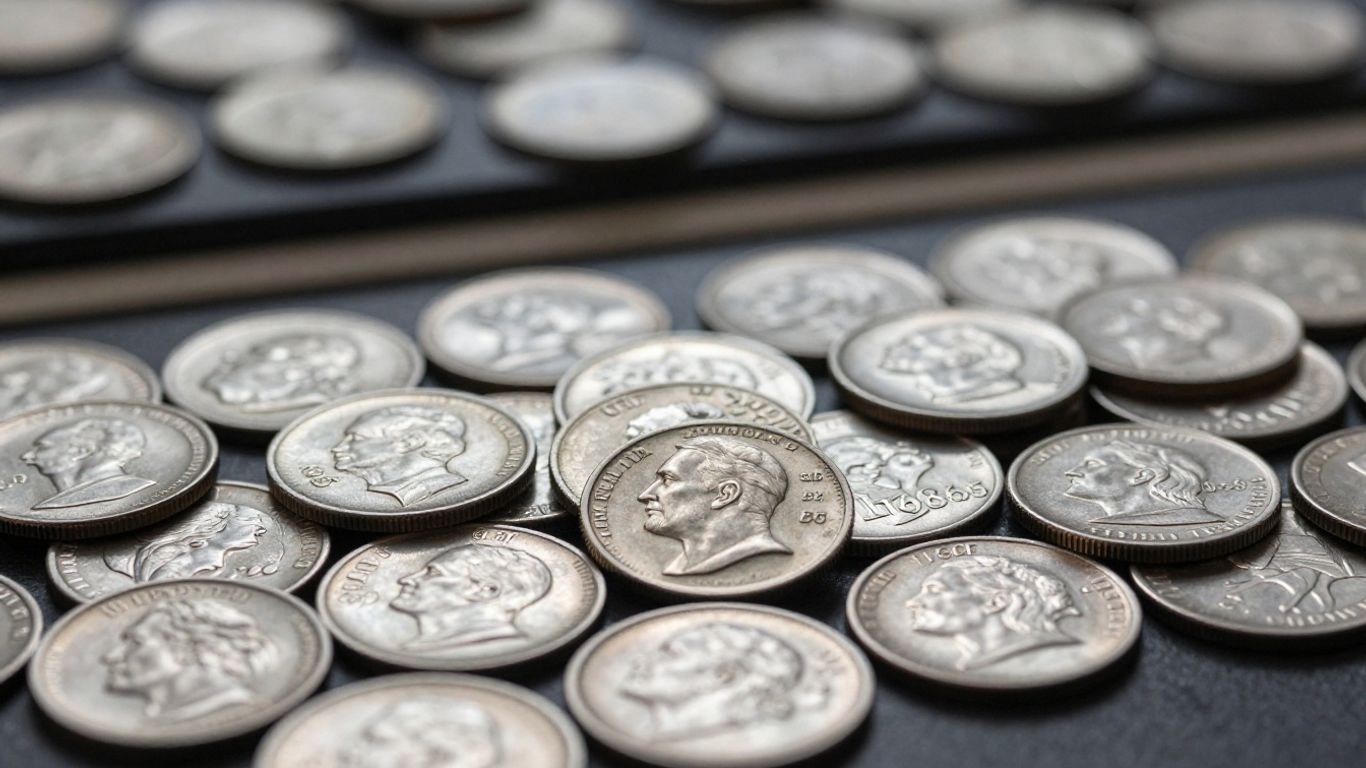
Most local coin dealers and precious metal shops in Tampa will want to see your coins in person before making a firm offer. This is totally normal. They need to physically examine the coins to assess their condition, check for any rare mint marks, and confirm their silver content. They’ll likely spread your coins out on a table, maybe use a magnifying glass, and weigh them if necessary. The offer they give you will be based on their assessment and the current market price of silver. Be prepared for them to sort through your collection, especially if you have a mix of different coin types.
Secure Transaction Environments
When you’re dealing with valuable items like silver coins, safety is key. Reputable buyers in Tampa understand this. They’ll conduct the transaction in a well-lit, secure area of their shop. For larger sales, some may even offer private appointments or, in rare cases for very significant collections, a house call. Always make sure you feel comfortable and secure during the entire process. If something feels off, it’s okay to walk away and try another buyer.
Receiving Immediate Payment
One of the best parts about selling to local Tampa buyers is that you can often get paid on the spot. Once you agree on a price for your silver coins, they’ll typically hand you cash right then and there. Some buyers might offer a check, but cash is usually the quickest and most common method for these types of transactions. It’s a good idea to clarify the payment method upfront before you finalize the sale. This way, you walk out with your payment in hand, ready to put that money to good use.
Wrapping Up Your Silver Search in Tampa
So, you’ve got some old silver coins lying around and want to turn them into cash right here in Tampa. We’ve looked at a few places that might be able to help. Remember to do a little homework before you go in – know what you have and check the current silver price. Whether you find a local coin shop or a dealer who specializes in precious metals, taking the time to find the right buyer can make all the difference. Good luck with your sale!
Frequently Asked Questions
What exactly are “junk silver” coins?
Junk silver coins are older U.S. coins made before 1965 that contain 90% real silver. Think dimes, quarters, and half-dollars. They’re called “junk” not because they’re worthless, but because their value is mostly based on the silver they contain, rather than their collectible status.
How do I know if my coins are pre-1965 silver?
Look at the mint date on your coins. If the date is before 1965, it’s likely a silver coin. Most U.S. dimes, quarters, and half-dollars made before 1965 are 90% silver. You can also check for a silver color and a weight that feels substantial.
Where’s the best place to sell silver coins in Tampa?
You’ll find several options in Tampa. Local coin dealers and shops that specialize in precious metals are good places to start. Sometimes, estate sale buyers or even pawn shops might be interested, but it’s best to check with dedicated coin buyers first for the fairest prices.
What factors affect the value of my silver coins?
The main thing buyers look at is the silver content, often called the “melt value.” However, the coin’s condition (is it worn out or still shiny?) and whether it’s a rare type or has a special mint mark can also increase its worth beyond just the silver.
Should I clean my silver coins before selling them?
Generally, no. Cleaning coins can actually damage them and lower their value, especially if they’re considered collectible. It’s usually best to leave them as they are and let the buyer assess them.
How can I get the best price for my silver coins?
Do a little homework first! Check the current price of silver online. Then, get offers from a few different reputable dealers in Tampa. Comparing prices will help you make sure you’re getting a fair deal and not selling for less than you could.
What should I look for in a reputable coin buyer?
A good buyer will be transparent about how they determine prices. Look for dealers with good online reviews, ask friends for recommendations, and make sure they are licensed or bonded. Trustworthy dealers will also provide a clear explanation of their offer.
Will I get paid right away when I sell my coins?
Most reputable coin dealers in Tampa will pay you in cash or via immediate payment method right after you agree on a price. They understand you want your money quickly, especially for common silver coins.