
So, you’ve got some coins and you want to make sure they’re the real deal, right? It can be a bit tricky out there with all the fakes floating around. We’re going to talk about a simple way to check them out, called the ping test for precious metal coins. It’s not super complicated, and it can tell you a lot just by listening. We’ll go over how it works and what to listen for, plus some other easy checks you can do yourself.
Key Takeaways
- The ping test involves listening to the sound a coin makes when tapped; real silver coins typically have a clear, bell-like ring, while fakes often produce a dull thud.
- Weight and density are critical indicators of authenticity, as counterfeiters struggle to match the precise specifications of genuine precious metal coins.
- A combination of tests, starting with simple ones like weight and magnet checks, then moving to visual inspection and the ping test, builds a stronger case for authenticity.
- Advanced tools like electronic coin testers and XRF analysis offer highly accurate, non-destructive ways to verify a coin’s composition, though they are typically used by professionals.
- Developing your sensory skills through regular practice with visual inspection, edge examination, and the ping test helps you become more adept at spotting fakes.
Understanding The Ping Test For Precious Metal Coins
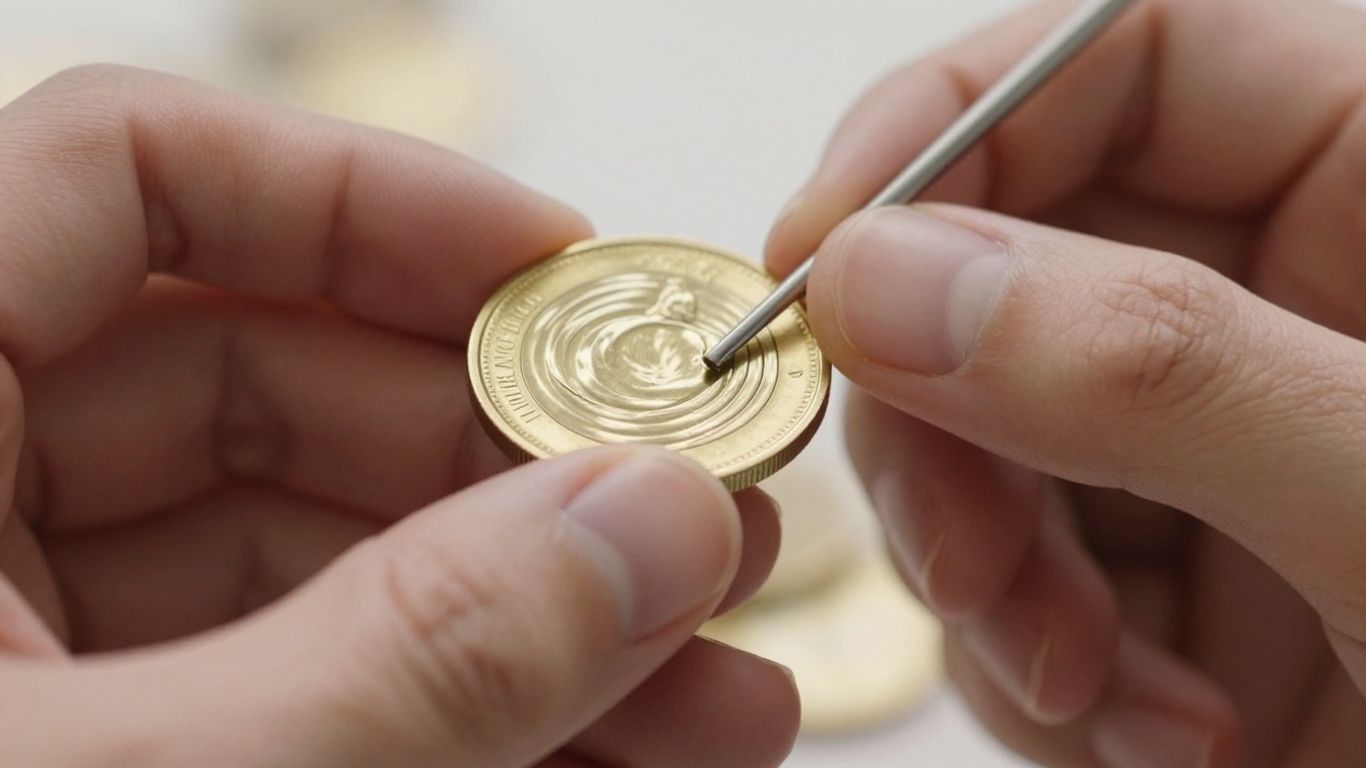
Ever wonder how people can tell if a coin is the real deal just by listening to it? It sounds a bit like magic, but it’s actually science. The ping test, or acoustic testing as some call it, is a simple yet effective way to check the authenticity of precious metal coins. It relies on the fact that different metals vibrate and produce distinct sounds when struck. Genuine silver and gold coins have a unique ‘voice’ that’s hard for fakes to mimic.
The Physics Behind The Ping Test
So, what’s actually happening when you ping a coin? When you tap a coin, or let it slide down a surface, it vibrates. The way it vibrates, and the sound that comes out, depends a lot on what the coin is made of. Think about it like tapping a crystal glass versus a plastic cup. The crystal glass rings with a clear, sustained sound because of its structure and density. Precious metals like silver have a similar property. Their specific atomic structure and density cause them to resonate at certain frequencies, creating that clear, bell-like tone. Cheaper metals or alloys used in fakes just don’t have the same internal makeup. They tend to absorb sound energy differently, leading to a duller, shorter sound, or what some describe as a ‘thud’ or ‘click’.
Interpreting Sound Forgeries
Spotting a fake by sound isn’t just about hearing a bad noise. It’s about recognizing the absence of the right sound. A counterfeit coin might be made of a base metal and then plated to look like silver. While it might look good, its acoustic properties will be all wrong. Instead of that clear, musical ring that lasts a second or two, you’ll likely hear a dull, short sound that dies out quickly. It’s like the difference between a perfectly tuned instrument and something that’s way off-key.
Here’s a quick rundown of what to listen for:
- Real Silver Sound:
- Clear, musical ring
- Sustained for 1-2 seconds
- Higher pitch
- Pleasant, resonant tone
- Fake Silver Sound:
- Dull "thunk" or "click"
- Sound dies quickly
- Lower, muffled tone
- No sustained resonance
Acoustic Testing: The Resonant Ring Of Truth
This test is all about listening for that specific ‘ring of truth’. When you have a coin you suspect might be fake, try pinging it. If you have a known genuine coin of similar size and weight, pinging both side-by-side can make the difference really obvious. The genuine coin will have that distinct, almost musical ring, while the fake will sound flat and lifeless. It’s a quick, non-damaging way to get a strong indication of authenticity, especially for common bullion coins.
The sound a coin makes is a direct result of its material composition and internal structure. Precious metals resonate differently than base metals, creating a distinct acoustic signature that can be a reliable indicator of authenticity when properly interpreted.
Mastering The Sound Of Authenticity
Real Silver Sound Characteristics
Genuine silver coins have a distinct sound when you tap them. This isn’t just random noise; it’s a result of the metal’s properties. Silver is elastic and dense, which means it vibrates in a specific way when struck. Think of a crystal glass versus a plastic cup – they sound totally different because the materials are different. A real silver coin will produce a clear, ringing tone, almost like a tiny bell. It’s a bright, sustained sound that fades gradually. This characteristic ring is a big clue.
Identifying Fake Silver Sound
Counterfeit coins often use cheaper metals or alloys that just don’t have the same acoustic properties as pure silver. When you tap a fake, the sound is usually dull, muted, or short-lived. It might sound more like a thud or a dull clink. This is because these other metals absorb the vibration energy more quickly, cutting the sound short. It’s a dead sound, not a lively ring. The absence of that clear, bell-like tone is a major red flag.
Comparative Testing For Clearer Results
To really get a feel for what sounds right, it’s best to compare. If you have a known genuine silver coin, tap it and listen carefully. Then, tap the coin you’re unsure about. Doing this side-by-side makes the difference in sound much more obvious. You can also try tapping different types of coins – like a known copper penny or a nickel – to get a baseline for what different metals sound like. This helps train your ear.
Here’s a quick way to compare:
- Known Genuine Silver Coin: Tap and listen for a clear, sustained ring.
- Suspect Coin: Tap and listen for a dull, short, or muted sound.
- Other Metal Coin (e.g., Copper): Tap and note its distinct, often lower-pitched sound.
Relying solely on sound can be tricky, as different alloys and even the thickness of a coin can affect its ring. It’s a good indicator, but best used alongside other tests.
Essential Tools For Coin Verification
Alright, so you’ve got your coin, and you’re ready to figure out if it’s the real deal. Before you start tapping it like a drum, there are a few basic tools that can give you a lot of information right away. These aren’t fancy, but they’re super helpful for catching a lot of the obvious fakes before you get too deep into things.
Calibrated Scale For Precise Weight
This is probably the most important tool you’ll grab first. Every coin, especially precious metal ones, has a specific weight it’s supposed to be. Think of it like a fingerprint for its metal content. If a coin is even a little bit off, it’s a big red flag. You’ll want a scale that’s accurate to at least a tenth of a gram, but honestly, one that goes to a hundredth of a gram is even better. You can find these online or at office supply stores. Just make sure you calibrate it properly before you start weighing – they can be a bit finicky.
Magnifier For Detailed Examination
Your eyes are good, but they can’t see everything. A good magnifier, often called a loupe in coin collecting circles, is a must-have. You’ll want something with at least 10x magnification. This lets you zoom in on the tiny details – the sharpness of the lettering, the little imperfections in the design, the texture of the surface. Counterfeiters often struggle to get these details just right. You might see weak spots, blurry lines, or just a general lack of crispness compared to a known genuine coin. It’s like looking at a high-resolution photo versus a blurry one.
Strong Magnet For Non-Magnetic Checks
This one is surprisingly simple but effective. Most precious metals, like silver and gold, aren’t magnetic. They won’t stick to a magnet. So, if you have a strong magnet (like a neodymium magnet, which you can get pretty cheaply), and the coin jumps to it, you can be pretty sure it’s not pure silver or gold. It’s likely made of steel or iron, maybe with a thin plating. Keep in mind that some older coins might have had magnetic alloys used in their production, but for most modern bullion coins, this is a quick way to weed out fakes.
These three tools – the scale, the magnifier, and the magnet – form your initial defense. They’re quick, they’re easy to use, and they can save you a lot of headaches by identifying many common counterfeits right out of the gate. Don’t skip these steps; they’re the foundation of checking your coins.
Beyond The Ring: Complementary Authentication Methods
So, you’ve listened to the ping, and it sounds pretty good. That’s a great start, but it’s not the whole story, right? Relying on just one test is like trying to build a house with only a hammer. You need a whole toolbox. That’s where complementary methods come in. They add layers of certainty, making it much harder for a fake to sneak past your defenses. Think of it as double-checking your work – the more ways you confirm something, the more confident you can be.
Precision In Weight And Density Analysis
Every real coin, especially those made of precious metals like silver or gold, is manufactured to very specific weight and dimension standards. Counterfeiters often struggle to replicate these precisely, especially if they’re using different base metals or alloys. A slight deviation in weight can be a big red flag. You’ll want a good digital scale, one that’s accurate to at least a tenth of a gram, preferably more. Compare the coin’s weight against its official specifications. You can usually find these on reputable coin dealer websites or mint publications. A coin that’s even a little bit off in weight is highly suspect.
Density Testing Via Water Displacement
Density is a property of a substance that relates its mass to its volume. For precious metals, this is a pretty consistent number. You can test this using a simple water displacement method. First, weigh the coin accurately. Then, submerge it in a known volume of water (or measure the volume of water it displaces) and record that. You can then calculate the density using the formula: Density = Mass / Volume. Comparing this calculated density to the known density of the metal the coin is supposed to be made from can reveal discrepancies. For example, if a coin is supposed to be pure silver, its density should be around 10.49 g/cm³. If your calculation is significantly different, it suggests the coin isn’t pure silver, or it might be hollow or contain other metals. This is a bit more involved than just weighing, but it’s a very effective way to catch fakes that might have the correct weight but the wrong composition.
Magnet Tests For Silver Verification
This one is super simple and catches a lot of common fakes. Pure silver, and most silver alloys used in coins, are not magnetic. If you have a strong neodymium magnet (the really powerful ones), you can test your coin. Gently bring the magnet close to the coin. If the coin is attracted to the magnet, it’s almost certainly not pure silver. It likely contains iron or steel, which are magnetic. However, be aware that some sophisticated counterfeits might use non-magnetic metals like tungsten, which can pass this test. So, while a positive magnet test is a strong indicator of a fake, a negative result doesn’t automatically mean it’s genuine. It’s just one more piece of the puzzle. You can find strong magnets at most hardware stores or online.
Relying on a single test is never enough when authenticating precious metal coins. Each method provides a different perspective, and when multiple tests align, your confidence in the coin’s authenticity grows significantly. It’s about building a case with evidence from various angles.
Layering Tests For Unwavering Certainty
Look, nobody wants to get stuck with a fake coin, right? It’s like buying a fancy gadget only to find out it’s just a painted rock. The best way to avoid that sinking feeling is to not rely on just one test. Think of it like checking your work – you wouldn’t just do one math problem and assume you got the whole test right. You double-check, you look at it from different angles. That’s what a multi-layered approach is all about. It’s about stacking up evidence, making sure that coin is the real deal from every angle. Each test you do adds another layer of certainty, making it way harder for a fake to slip through.
Combining Techniques For Greater Certainty
So, how do you actually do this stacking of evidence? It’s pretty straightforward, really. You start with the easy stuff, the things you can do right away. Maybe you weigh it and check if it sticks to a magnet. If those checks out, you move on to something a bit more involved, like looking at it closely with a magnifier or giving it a gentle tap to hear its ring. Each step confirms or raises questions about the last. For really valuable coins, you might even bring in the big guns, like electronic testers. It’s like building a case – you gather all the clues, and the more clues you have that all point to the same conclusion, the more confident you can be.
Here’s a quick rundown of how you might layer your tests:
- Initial Screening: Use a good scale for weight and a strong magnet. These are quick and catch a lot of obvious fakes.
- Visual & Sensory Checks: Employ magnification to examine details and listen to the coin’s sound when tapped.
- Advanced Testing (Optional): For high-value items, consider electronic testers or professional XRF analysis.
Initial Screening With Basic Tools
There are a few inexpensive tools that can tell you a lot about a coin right off the bat. Think of these as your first line of defense. They’re not fancy, but they work.
- Calibrated Scale: You need to know the exact weight of a coin. Even a small difference can be a red flag. Make sure your scale is accurate and can measure to at least a tenth of a gram, preferably more.
- Magnifier (Loupe): A good loupe, at least 10x magnification, is a must. It lets you see details that are impossible to spot with the naked eye, like weak lettering or odd surface textures.
- Strong Magnet: A rare-earth magnet, like a neodymium magnet, is surprisingly useful. Most precious metals, including silver, aren’t magnetic. If a coin sticks to a strong magnet, it’s almost certainly fake.
The weight and appearance of a coin are the first things a counterfeiter gets wrong. Getting these basic checks right saves you a lot of trouble later.
Visual And Sensory Checks
Your eyes and ears are more powerful than you might think. Handling genuine coins regularly helps you develop a feel for what’s real.
- Visual Inspection: Look at the coin’s surface. Does it have a natural luster, or does it look too shiny or dull? Check the sharpness of the design – fakes often have soft or mushy details.
- Edge Examination: Don’t forget the coin’s edge. Is the reeding (the lines on the edge) consistent and well-defined? Some fakes have poorly done or uneven reeding.
- Sound Test (Ping Test): Gently tap the coin or let a magnet slide down it. Genuine silver coins have a distinct, clear ring. Fakes made of cheaper metals often sound dull or thud-like. This takes practice, but it’s a very telling test.
Advanced Technological Aids For Coin Authentication
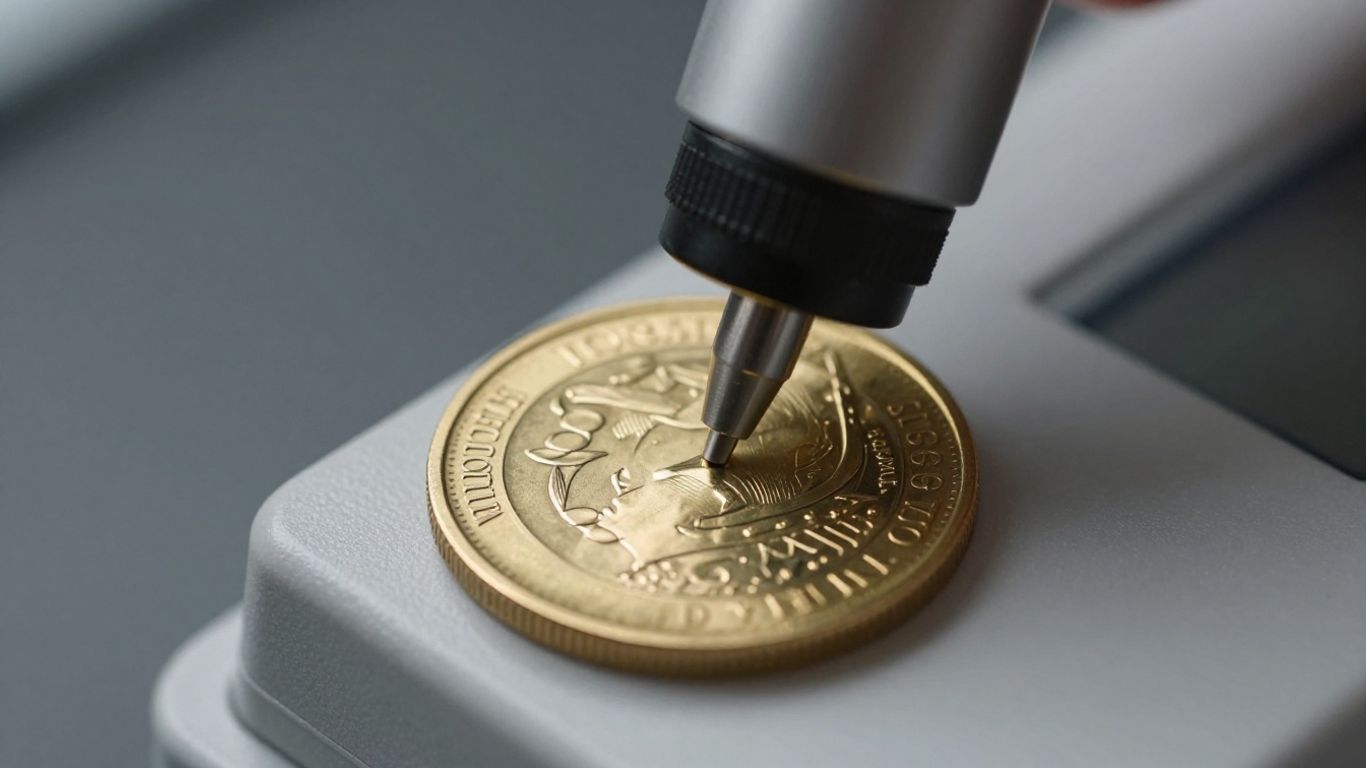
Beyond the basic tools and sensory checks, modern technology offers some really powerful ways to spot fake silver coins. These methods go deeper, looking at the metal’s composition and structure in ways that aren’t visible to the naked eye or detectable by simple tests. While some of these might seem a bit high-tech, they’re becoming more accessible and are incredibly useful, especially for valuable pieces.
Electronic Coin Testers
Electronic testers, such as those made by Sigma Metalytics, represent a significant leap in counterfeit detection. These devices work by using electromagnetic induction to measure a metal’s electrical properties. Think of it like giving the coin a unique electrical fingerprint. Genuine silver, or any specific alloy, has a predictable electrical signature. Counterfeits, often made with cheaper metals or plated, will have a different signature. These testers can often test coins still in their protective slabs from grading services, which is impossible with most other methods.
Here’s a quick look at how they function:
- How they work: The tester sends a small electromagnetic pulse into the coin and measures how the metal responds. This response is then translated into a numerical value.
- What they detect: They can identify the bulk metal composition, meaning they can tell if the coin is truly silver all the way through, not just on the surface. This is great for spotting fakes that are silver-plated copper or tungsten.
These electronic devices can reveal sophisticated fakes that might fool even experienced collectors. They provide a level of certainty that’s hard to achieve otherwise, making them a worthwhile investment for serious collectors or dealers. You can find more information on how these devices work on various numismatic sites.
XRF Analysis For Detailed Composition
X-Ray Fluorescence (XRF) spectroscopy is one of the most precise methods available for determining a coin’s elemental composition. It’s a non-destructive technique that bombards the coin’s surface with X-rays. The atoms in the metal then emit their own fluorescent X-rays, which the XRF analyser measures. By analyzing the energy of these emitted X-rays, the device can identify exactly which elements are present and in what proportions. This is particularly useful for verifying the purity of precious metals and can detect even subtle variations in alloy composition. It’s a tool often found in professional grading labs and precious metal refineries, offering a very detailed look at the coin’s makeup. For those looking to tokenize their assets, understanding the precise composition is key to secure tokenization.
Sigma Metalytics Precious Metal Verifier
The Sigma Metalytics Precious Metal Verifier is a specific example of an electronic coin tester that has gained popularity among collectors and dealers. It uses electromagnetic induction to analyze the metal content of coins and bars. The device provides readings that indicate the authenticity and metal composition, distinguishing between genuine precious metals and common counterfeits or plated items. Its ability to test coins without removing them from their protective cases is a major advantage. This technology helps to confirm the bulk metal, not just surface plating, offering a high degree of confidence in a coin’s authenticity.
Developing Your Sensory Acumen For Coin Checks
Your eyes and ears are surprisingly good tools when it comes to spotting fake coins. It’s not just about fancy gadgets; getting familiar with what real coins look and sound like is a big part of the process. The more genuine coins you handle, the better you get at noticing the little things that give a fake away. Think of it like learning to tell the difference between real and fake designer bags – after a while, you just know.
Visual Inspection Techniques
This is your first line of defense. Grab a good magnifier, at least 10x power. You want to look closely at the coin’s surface. Does it have a natural shine, or does it look too bright, too dull, or just… off? Check the sharpness of the design. Real coins are usually struck with a lot of detail. Fakes often have soft, mushy images, especially around lettering or portraits. You might see tiny imperfections or flow lines from the striking process on genuine coins that are missing on cast fakes. Sometimes, fakes have a weird, almost oily sheen.
Edge Examination For Consistency
Don’t forget the edge! Many coins have reeding, those little parallel lines. Are they evenly spaced and sharp? Or do they look uneven, poorly defined, or even have tool marks? Some coins have lettering on the edge. Check if the font looks right and if the letters are clear. A lot of counterfeiters mess up the edges because they’re not as obvious as the main design, but they can be a dead giveaway.
Sound Test (Ping Test) Acumen
This is where your ears come in. Gently tap the coin or let a strong magnet slide down its surface. Genuine silver coins, for example, have a distinct, clear ring that lasts for a few seconds. It’s a bright, almost musical sound. Cheaper metals or plated coins often produce a dull thud or a very short, dead sound. It takes practice to really hear the difference, but it’s a very telling test. Try it with a coin you know is real and then compare it to a suspect one. The duration and clarity of the ring are key indicators.
Developing your senses takes time and practice. Handling a variety of genuine coins, even if they’re common ones, helps build a mental library of what authentic pieces feel, look, and sound like. This sensory memory is invaluable when you encounter a coin you’re unsure about.
When To Escalate Your Testing Procedures
So, you’ve done the basic checks – weighed the coin, given it a good look, maybe even tapped it to hear its ring. Everything seems okay, but you’re still not 100% confident, especially if the coin is valuable. That’s perfectly normal. It’s smart to know when to bring out the heavier artillery.
Understanding When To Escalate Testing
Sometimes, the simple tests just don’t give you a definitive answer. This is especially true for coins that are rare, have a high melt value, or if you’ve acquired them through a less-than-ideal source. Relying solely on a ping test or a magnet check might not be enough to catch sophisticated counterfeits. It’s at these points that you should consider more advanced or professional methods to confirm authenticity. Don’t feel bad about escalating; it’s a sign you’re being careful with your investments.
Professional Appraisal For High-Value Items
If you’re holding onto a coin that could be worth a significant amount, or if it’s a key piece in your collection, getting a professional appraisal is a solid move. Services that specialize in coin authentication have seen it all. They use a combination of their own experience, specialized equipment, and sometimes even destructive testing (though they’ll usually tell you beforehand) to give you a definitive answer. Think of it like getting a second opinion from a doctor when you have a serious health concern. For valuable gold coins, these experts can help authenticate gold coins with a high degree of certainty.
Density Measurement For Precise Checks
While the ping test gives you an idea of the metal’s composition based on sound, density testing offers a more quantitative approach. This involves precisely measuring the coin’s weight and then its volume, usually by water displacement. The formula is simple: Density = Mass / Volume. Precious metals have very specific densities. If your coin’s calculated density is off, even slightly, it’s a strong indicator of a fake or a heavily altered coin. This method is particularly effective at catching coins made from cheaper metals plated with a thin layer of gold or silver, as the overall density will be wrong.
Here’s a basic rundown of how density testing works:
- Measure the coin’s mass: Use a precise scale.
- Measure the coin’s volume: Submerge the coin in a known volume of water and note the displacement.
- Calculate density: Use the formula Density = Mass / Volume.
- Compare: Check the calculated density against known values for the metal the coin is supposed to be.
Sometimes, the most obvious tests are the ones that reveal the truth. However, when those tests are inconclusive, or the stakes are high, it’s wise to seek out methods that provide more concrete data. This layered approach protects your collection and your wallet.
Wrapping Up: Your Coin's True Ring
So, we’ve talked about how to listen to your coins. The ping test, along with checking weight and maybe even how it feels to a magnet, gives you a good starting point. It’s not about being a detective with fancy gadgets, though those exist too. It’s about using your senses and a few simple tools to get a feel for what’s real. Remember, the more you practice these simple checks, the better you’ll get at spotting the difference between a genuine piece and a fake. Don’t be afraid to combine methods; each test adds another piece to the puzzle, helping you make sure your collection is truly precious.
Frequently Asked Questions
What exactly is the ping test, and how does it work?
The ping test is all about listening to the sound a coin makes. You can gently tap it with another coin or let it slide down a hard surface. Real silver coins usually make a clear, bell-like sound that rings for a bit. Fake coins, made from different metals, often make a dull thud or a very short sound, which tells you they aren’t solid precious metal.
Why are weight and density so important for checking if a coin is real?
Real silver coins are made very precisely in terms of weight and size. It’s tough for people making fakes to get these measurements exactly right, especially if they use different metals inside. By weighing the coin carefully and sometimes checking its density (how much space it takes up for its weight), you can spot differences that suggest the coin isn’t made of the correct silver mix.
What are some high-tech tools used to check if coins are real?
More advanced methods include electronic testers, like the Sigma Metalytics, which use magnetic fields to check the metal and any plating. Another powerful tool is X-ray Fluorescence (XRF) analysis, which precisely identifies the elements in the coin’s surface. These technologies give very detailed and accurate information, but they are usually used by experts.
Can I trust a magnet test to tell me if a coin is real silver?
A magnet test is a quick way to spot many fakes because most real silver and gold coins aren’t magnetic. If a strong magnet sticks to the coin, it’s very likely fake. However, some clever fakes might not be magnetic, so it’s best to use this test along with others.
What does a real silver coin sound like compared to a fake one?
A genuine silver coin typically makes a clear, musical ringing sound that lasts for about 1-2 seconds and has a higher pitch. A fake coin often makes a dull ‘thunk’ or ‘click’ sound that dies out quickly and sounds muffled. It’s a noticeable difference once you know what to listen for.
Why is it better to use more than one test to check a coin?
Relying on just one test isn’t enough because counterfeiters are getting smarter. Using multiple tests is like gathering different clues; the more evidence you have that all points to the coin being real, the more sure you can be. Each test adds another layer of proof, making it much harder for a fake to get by.
What basic tools should I have to start checking coins?
You’ll want a good digital scale that’s accurate to at least two decimal places (like 0.01 grams) to check the weight. A magnifier, at least 10x, is essential for seeing small details. And a strong rare-earth magnet is useful because most precious metals aren’t magnetic.
When should I consider getting professional help to check a coin?
If you have a very valuable or rare coin, or if you’ve done your own tests and are still unsure, it’s wise to seek professional help. Experts have specialized equipment and years of experience that can give you the most certain answer.