So, you’re getting into coin collecting, huh? It’s a pretty neat hobby, but there’s a lot to learn. One of the biggest things is understanding how coins are graded. It sounds simple, but it’s actually a big deal because it affects how much a coin is worth. Two names you’ll hear a lot are PCGS and NGC. They’re the big players when it comes to grading, and knowing the difference between them, and what their grades actually mean, is super important. This article is all about breaking down pcgs vs ngc coin grading so you don’t get lost.
Key Takeaways
- PCGS and NGC are the two main companies that grade coins. They both look at a coin’s condition and decide on a grade using the Sheldon Scale.
- The Sheldon Scale goes from 1 to 70, with 70 being a perfect coin. Higher numbers mean better condition and usually more value.
- These grading services put coins in special holders, called ‘slabs’, which protect them and show the coin’s grade and an identification number.
- Knowing the difference between PCGS and NGC grades can help you understand a coin’s market value. While both are respected, some collectors prefer one over the other.
- Understanding coin grading terms, like ‘Mint State’ or ‘Proof’, and what they mean for a coin’s appearance and value is key for any collector.
Understanding The Key Players In Coin Grading
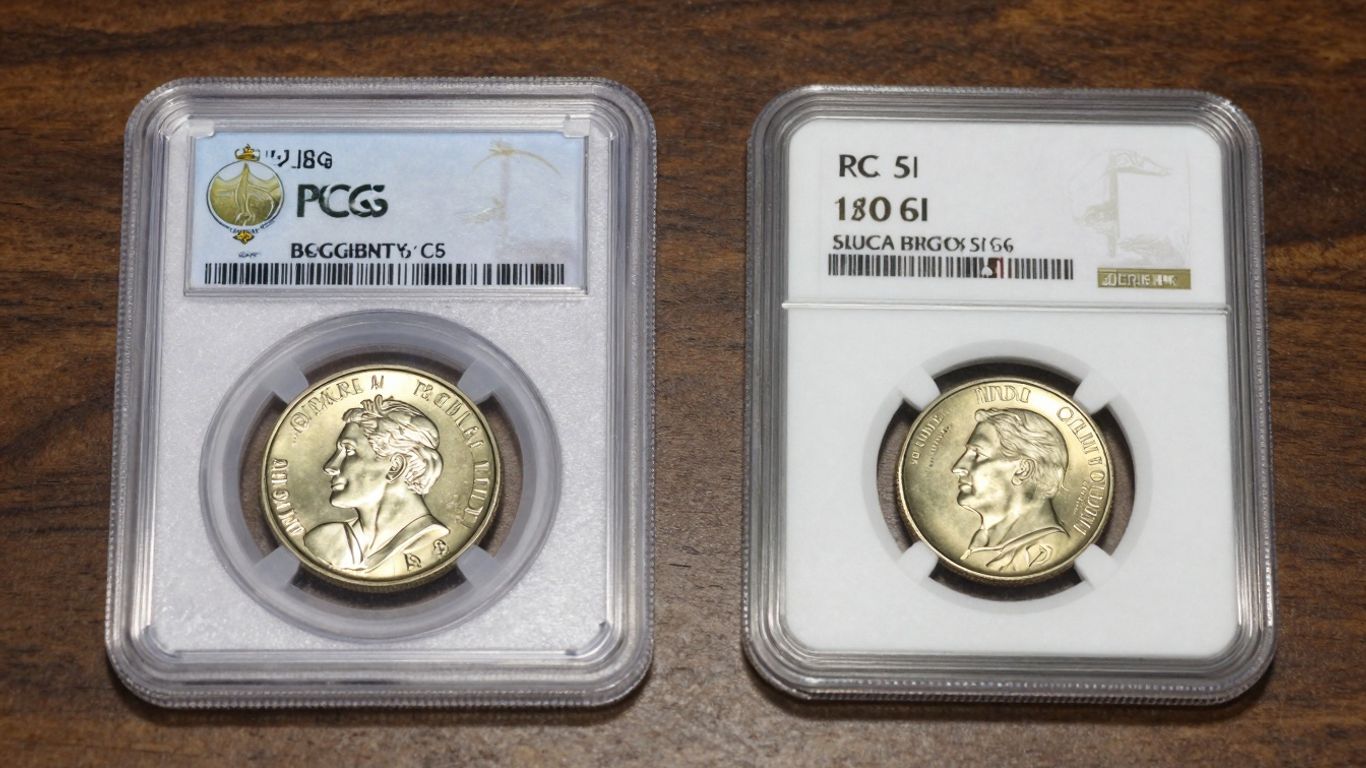
When you start collecting coins, or even if you’ve been at it for a while, you’ll quickly notice that how a coin looks really matters. It’s not just about what the coin is, but its condition. This is where grading services come into play. Before these services, collectors and dealers had to rely on their own judgment, which could lead to all sorts of disagreements and confusion. It was kind of like everyone having their own secret handshake for what made a coin ‘good’.
Professional Coin Grading Service: A Legacy Of Trust
PCGS, or the Professional Coin Grading Service, got its start back in 1986. Think of them as one of the first big players to really standardize coin grading. They set up a system that aimed to be fair and consistent. Their goal was to bring a level of trust and uniformity to the coin market that just wasn’t there before. They look at a coin, figure out its grade on the Sheldon scale, check if it’s real, and then seal it up in a protective holder, often called a "slab." This "slabbing" process became a big deal because it protected the coin and made its grade clear for everyone to see.
Numismatic Guaranty Corporation: A Global Standard
Not long after PCGS popped up, NGC, the Numismatic Guaranty Corporation, also entered the scene. They’ve become another major force in the coin grading world. Like PCGS, NGC also uses the Sheldon Scale and provides authentication and encapsulation services. They’ve built a reputation for being thorough and have a huge presence both here and internationally. Many collectors feel confident buying coins graded by either PCGS or NGC because they’ve been around for so long and have established processes.
The Rise Of Third-Party Grading Services
So, what’s the big deal about these third-party services? Well, before them, if you bought a coin, you were pretty much trusting the seller’s word on its condition. It was a bit of a gamble. These services act as independent referees. They don’t have a stake in whether the coin sells for more or less; their job is just to assess the coin’s condition and authenticity objectively.
Here’s a quick look at what they do:
- Authentication: They verify that the coin is genuine and not a counterfeit.
- Grading: They assign a numerical grade based on the Sheldon Scale (1-70).
- Encapsulation: They place the graded coin in a secure, tamper-evident holder.
This process has really changed how people buy and sell coins. It’s made the market more transparent and, for many collectors, a lot less risky. You know what you’re getting, and that peace of mind is pretty important when you’re spending money on something you love.
The Foundation Of Coin Valuation: Grading Standards
When you’re looking at coins, whether you’re just starting out or you’ve been collecting for years, understanding how they’re graded is pretty much the first step. It’s not just about whether a coin looks old or new; there’s a whole system behind it that tells you its condition and, honestly, a lot about its worth. Think of it like a report card for a coin.
The Sheldon Scale: A Universal Language
So, how do people actually talk about coin conditions? Most of the time, they’re using something called the Sheldon Scale. This scale was created way back when by a guy named Dr. William Herbert Sheldon. It’s a numbered system, usually from 1 to 70. A coin graded ‘1’ is in pretty rough shape, maybe barely recognizable. On the other end, a ’70’ is basically perfect, as close to how it looked the moment it left the mint as you can get. It’s become the standard way everyone talks about coin grades, from collectors to the big grading services.
Mint State Versus Circulated Coins
This is a big one. Coins are generally put into two main groups: circulated or mint state. Circulated coins are the ones that have actually been used in everyday transactions. They’ve been passed around, so they usually show some signs of wear. Mint state coins, on the other hand, are uncirculated. They haven’t been used as money. Even within the mint state category, there are different levels. A coin might be called ‘Mint State 60’ (MS-60) or ‘Mint State 65’ (MS-65). The higher the number, the fewer imperfections it has. The difference between a circulated coin and a mint state coin can be huge when it comes to value.
The Significance Of Coin Luster And Eye Appeal
Beyond just wear and tear, two other things really matter: luster and eye appeal. Luster is basically the original shine or brilliance a coin had when it was made. Think of that frosty or cartwheel effect you see on some uncirculated coins. Eye appeal is a bit more subjective, but it’s about how attractive the coin is overall. Does it have nice toning? Are there any distracting marks? A coin with great luster and eye appeal, even if it’s not a perfect ’70’, can be much more desirable to collectors than one that looks dull or has a lot of distracting marks, even if it has a similar numerical grade.
Grading isn’t just about counting scratches. It’s a careful look at the coin’s original state, how it’s held up over time, and how visually pleasing it is to someone who knows what to look for. It’s a mix of science and art, really.
PCGS vs NGC: A Detailed Examination
Consistency and Strictness In Grading
When you’re looking at coins graded by PCGS and NGC, you’ll notice they both aim for a high level of consistency. It’s not just about slapping a number on a coin; it’s about having a whole team of experts looking at it. They’ve developed these really detailed grading standards over the years. PCGS, which started in 1986, is known for being pretty strict. They really stick to their guns on what makes a coin a certain grade. NGC, founded just a year later in 1987, also has a strong reputation for being thorough and consistent. Both services use the Sheldon Scale, which is the standard 1-70 scale, but how they apply it can sometimes lead to slight differences in opinion between graders. It’s this attention to detail that collectors rely on.
Authenticity Verification and Encapsulation
One of the biggest reasons people trust these services is that they don’t just grade the coin; they also verify its authenticity. This is a huge deal for collectors, especially when you’re dealing with valuable coins. Both PCGS and NGC have sophisticated methods to spot fakes or altered coins. Once a coin passes their inspection, it gets put into a special plastic holder, often called a "slab." This holder protects the coin from damage and also has a label with all the important information: the grade, the coin’s description, and a unique certification number. This number is key because you can look it up on their websites to confirm the coin’s details. It’s like a birth certificate for your coin. For more on how coin grading is done, it’s worth checking out the details.
The Impact On Market Value
So, how does getting a coin graded by PCGS or NGC actually affect its price? Well, it can make a pretty big difference. A coin that’s been certified by one of these top services is generally seen as more trustworthy and easier to sell. Collectors know what they’re getting, and that confidence often translates into a higher price compared to an uncertified coin of the same grade. It’s not always a guarantee of a higher price, but it’s a strong indicator. Here’s a look at some general price differences you might see:
- Mint State (MS) Coins: A PCGS or NGC graded MS coin will typically fetch more than a raw (ungraded) coin, especially for higher grades like MS-65 and above.
- Key Date Coins: For rare or historically significant coins, the certification from a reputable service is almost expected and significantly boosts market appeal.
- Proof Coins: Certified proof coins, particularly those with "Cameo" or "Ultra Cameo" designations, often command premium prices due to their visual appeal and guaranteed authenticity.
The decision to grade a coin, and which service to use, often comes down to the coin itself and the collector’s goals. While both PCGS and NGC are highly respected, market preferences can sometimes lean one way or the other for specific series or eras of coins. Understanding these nuances can help collectors make informed decisions about their collections.
Navigating The Grading Process
So, you’ve got a coin and you’re wondering what it’s actually worth. That’s where grading comes in, and honestly, it can feel like a bit of a maze at first. It’s all about figuring out the coin’s condition, which is a pretty big deal for collectors. Even small differences in how worn a coin is can change its value a lot. Think of it like this: a coin that looks almost perfect is going to be worth way more than one that’s been jingling around in pockets for years.
Key Aspects Of Coin Condition Assessment
When the pros look at a coin, they’re checking out a few main things. It’s not just about whether it’s shiny or not. They’re looking for wear, sure, but also for any nicks, scratches, or other marks that might have happened after it left the mint. The surface of the coin is a big one too – is it clean, or does it have spots or discoloration? And then there’s the overall look, what collectors often call ‘eye appeal’.
- Wear: How much of the original design is still visible?
- Marks: Are there scratches, dings, or other blemishes?
- Surface: What’s the condition of the metal itself? Any corrosion or cleaning marks?
- Luster: Does it still have that original mint shine?
The whole point of grading is to get a consistent, objective look at a coin’s condition. This helps everyone, from beginners to seasoned collectors, understand what they’re looking at and what it might be worth.
Understanding Grade Modifiers And Prefixes
You’ll see letters and symbols attached to coin grades, and they mean something. For example, ‘MS’ usually means ‘Mint State’, which is a fancy way of saying it’s uncirculated. ‘PF’ or ‘PR’ is for ‘Proof’ coins, which are made specially for collectors. Sometimes you’ll see a ‘+’ sign, which means the coin is at the top end of its grade, looking really good. A star symbol might be added for extra good looks or toning. It’s like a little code that tells you more about the coin’s quality.
Here’s a quick look at some common prefixes:
| Prefix | Meaning |
|---|---|
| MS | Mint State |
| PF/PR | Proof |
| AU | About Uncirculated |
| XF | Extremely Fine |
The Role Of Authorized Dealers
When you’re buying or selling graded coins, you’ll often deal with authorized dealers. These are folks who are recognized by the big grading services, like PCGS and NGC. They know the ropes and can help you get your coins graded or find coins that have already been certified. Working with an authorized dealer can give you more confidence that you’re getting a coin that’s been properly graded and authenticated. They act as a bridge between collectors and the grading companies, making the whole process smoother.
Beyond The Basics: Nuances In Grading
So, you’ve got a coin, and you’re trying to figure out exactly what grade it deserves. It’s not always as simple as just saying ‘uncirculated,’ is it? There’s a whole layer of detail that separates a good coin from a truly great one, and understanding these finer points can make a big difference, especially when you’re looking to buy or sell.
Distinguishing Mint State Sub-Categories
When a coin is called ‘Mint State’ (MS), it means it left the mint without ever being used for regular transactions. But here’s where it gets tricky: not all Mint State coins are created equal. The difference between MS-60 and MS-70 is huge, and it comes down to things like how many tiny marks or scratches it has, and how much of that original shine, or luster, is still there. Think of it like this:
- MS-60 to MS-63 (Average Uncirculated): These coins look uncirculated, but they’ve probably got some visible marks or bag scuffs. They’re the entry-level for uncirculated coins.
- MS-64 to MS-66 (Choice to Gem Uncirculated): Getting better. These coins have fewer marks, and they’re much more appealing to the eye. A ‘Gem’ coin is really something special.
- MS-67 to MS-70 (Superb Gem to Perfect Uncirculated): This is the top tier. These coins are nearly flawless, with incredible luster and very, very few imperfections. An MS-70 is the dream coin, practically perfect.
The Importance Of Surface Preservation
Beyond just the number of marks, how the coin’s surface looks overall matters a lot. This is where things like toning come into play. Sometimes, a coin develops a natural patina over time, which can actually add to its appeal and value, especially if it’s an attractive color. On the flip side, a coin that’s been cleaned, even if it looks shiny, will often get a lower grade or a ‘details’ grade because cleaning damages the original surface. Grading services look closely at the fields (the flat, open areas) and the devices (the raised designs) to see if they’ve been messed with or if they show signs of improper handling.
Proof Coins: A Special Category
Proof coins are made differently from regular circulation coins. They’re struck multiple times with specially polished dies and planchets, giving them a mirror-like finish and sharp, frosted details. This special manufacturing process means they have their own grading considerations. You’ll often see terms like ‘Cameo’ and ‘Ultra Cameo’ used for proof coins.
- Cameo: This means there’s a nice contrast between the frosted design elements and the mirrored background. It’s good, but not the best.
- Ultra Cameo: This is the top level for contrast. The mirrored fields are exceptionally reflective, and the frosted devices are very bold and sharp. It really makes the coin pop.
So, while the basic Sheldon scale gives you a number, these extra details about the coin’s surfaces and strike type are what really separate the good from the great in the eyes of collectors and graders.
The Collector's Perspective On Grading Services
For anyone serious about coin collecting, understanding what grading services like PCGS and NGC actually do for you is pretty important. It’s not just about getting a number on a coin; it’s about trust and knowing what you’re buying. Before these services became common, collectors had to rely a lot on their own judgment or trust the seller’s word. That could lead to some real headaches, believe me. Having a third party, especially one with a good reputation, look at a coin brings a whole new level of confidence to the table.
Building Confidence Through Certification
When you see a coin slabbed by PCGS or NGC, it means a team of experts has looked it over. They’ve checked if it’s real and given it a grade based on a standard scale. This certification is a big deal. It tells you that the coin hasn’t been messed with after it was graded and that its condition is what the label says it is. This objective assessment helps level the playing field, making it easier for collectors to compare coins and make informed decisions, whether they’re buying online or at a show. It cuts down on a lot of the guesswork and potential for being misled.
Ensuring Authenticity And Quality
Beyond just assigning a grade, these services are really focused on making sure the coin is genuine. They have sophisticated methods to spot fakes or altered coins. Once authenticated, the coin is sealed in a protective holder, often called a slab. This encapsulation does two things: it protects the coin from damage and makes it harder for anyone to tamper with it later. For collectors, especially those dealing with higher-value coins, this protection is a major plus. It means the coin’s condition is preserved, and you don’t have to worry about it getting scratched or damaged while you’re handling it or storing it.
The Value Of Expert Evaluation
Think about it – these graders spend their days looking at coins. They develop a keen eye for details that most of us would miss. They can spot subtle wear, assess the strike quality, and judge the overall eye appeal. This level of detailed evaluation is what collectors pay for. It’s like having a team of seasoned professionals vouching for the coin’s condition and authenticity. While opinions can sometimes differ slightly between graders, the general consensus among these major services provides a reliable benchmark. It’s this consistent, expert evaluation that underpins the market for graded coins and gives collectors peace of mind.
Deciphering Coin Grade Descriptions
Understanding Terms Like 'Gem Uncirculated'
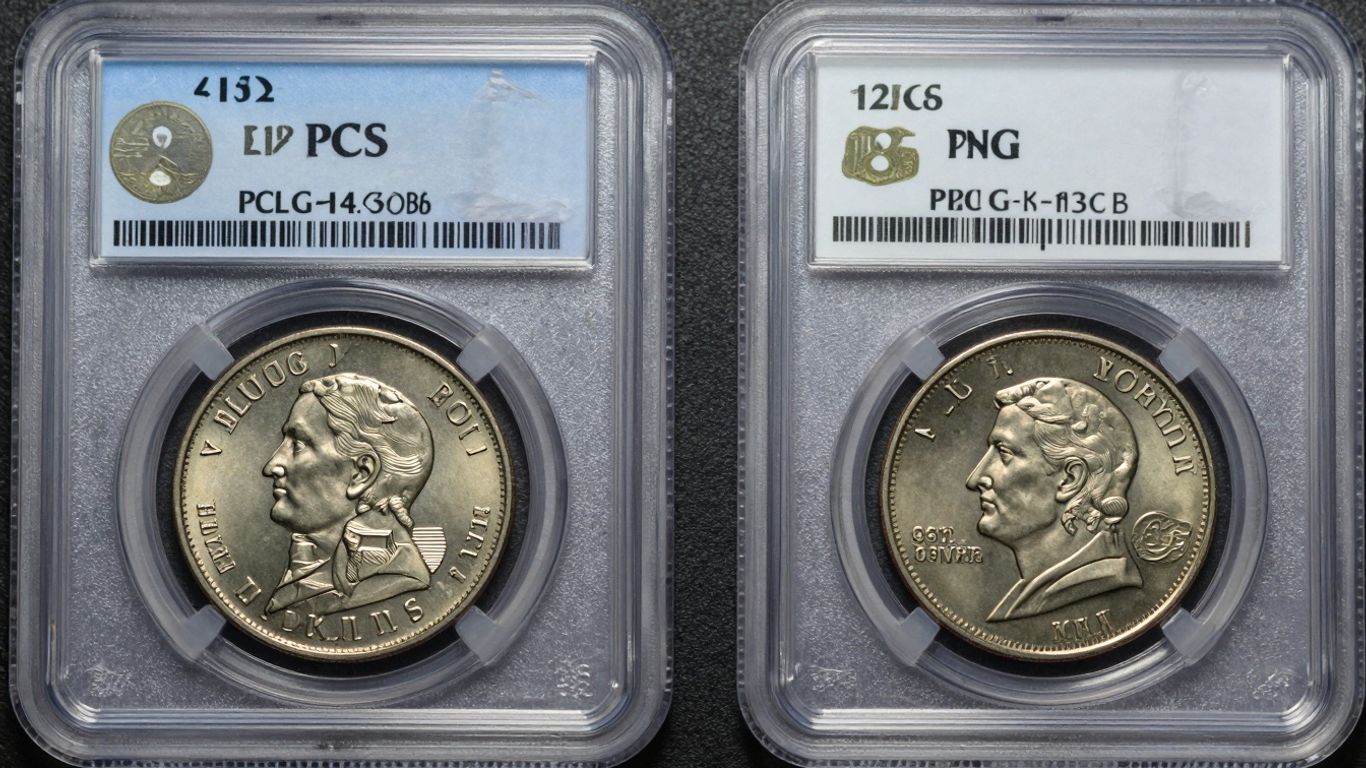
When you’re looking at coins, especially those graded by services like PCGS or NGC, you’ll see a lot of terms that might sound fancy. ‘Gem Uncirculated’ is one of those. It basically means a coin that’s in uncirculated condition, so it hasn’t been used for money. But ‘Gem’ takes it a step further. It suggests the coin is really, really nice for its grade. Think of it as having very few, if any, noticeable marks or blemishes. It’s not necessarily a perfect 70 on the scale, but it’s a top-tier example of whatever uncirculated grade it received. It’s the kind of coin that really catches your eye.
The Meaning Of 'Cameo' And 'Ultra Cameo'
‘Cameo’ and ‘Ultra Cameo’ are terms you’ll mostly see applied to proof coins. Proof coins are made in a special way, and they often have a mirror-like background with frosted designs. ‘Cameo’ means there’s a good contrast between those frosted designs and the shiny background. ‘Ultra Cameo’ is even better – the contrast is really strong, making the design elements pop out dramatically. It’s all about how much visual punch the coin has. The more contrast, the higher the ‘Cameo’ designation, and usually, the more collectors will want it.
Identifying 'Prooflike' Surfaces
‘Prooflike’ (often shortened to ‘PL’) is a description you’ll find for coins that aren’t technically proof coins but have surfaces that look very similar. These are usually business strike coins (coins made for everyday use) that, by chance, ended up with a very reflective, mirror-like field, just like a proof coin. The design elements might not be as frosted as a true proof, but that shiny background is the key. It’s a desirable trait because it gives the coin a really high-end appearance, making it stand out from other coins of the same grade. It’s a sign that the coin was struck on a well-polished planchet and received a clean strike.
The Evolution Of Numismatic Assessment
From Personal Judgment To Standardized Scales
Back in the day, figuring out if a coin was worth much was pretty much up to whoever was looking at it. You’d have collectors and dealers eyeballing coins, and their opinion was kind of the final word. It worked, sort of, but it led to a lot of confusion and arguments. Different people saw the same coin differently, and that made it tough to know what you were really buying or selling. It was a bit of a wild west situation, honestly.
Then, things started to change. People realized that having a consistent way to grade coins would make everything fairer and easier. This led to the development of grading scales, with Dr. William Sheldon’s 1-70 scale being a big one. It gave everyone a common language to talk about coin condition, from ‘Poor’ all the way up to ‘Perfect Uncirculated’. This was a huge step forward, moving away from just guessing to having a more structured system.
The Impact Of Grading Services On The Market
The real game-changer, though, came with the rise of third-party grading services like PCGS and NGC in the 1980s. These companies brought a new level of objectivity to the table. They weren’t selling coins themselves, so they could offer an unbiased opinion on a coin’s grade and authenticity. This was huge for building trust in the market. Suddenly, a coin graded by PCGS or NGC had a recognized standard attached to it, which really helped stabilize prices and make collectors feel more secure about their purchases.
- Standardized Grading: Introduced a consistent 1-70 scale, making comparisons easier.
- Authenticity Verification: Services confirm if a coin is genuine, reducing counterfeits.
- Market Confidence: Certified coins trade more readily and often at higher prices due to trust.
- Preservation: Encapsulation protects coins from damage and further wear.
The introduction of professional grading services marked a significant shift from subjective opinions to objective, verifiable assessments. This transition has been instrumental in the growth and stability of the modern coin market, benefiting both seasoned collectors and newcomers alike.
The Ongoing Pursuit Of Unbiased Evaluation
Even with these services, the quest for perfect, unbiased evaluation continues. The grading companies themselves are always refining their processes. They deal with subtle differences in coin condition, like minor surface marks or variations in luster, that can still spark debate. It’s a constant effort to stay consistent and fair, especially as more coins enter the market and new discoveries are made. The goal is always to provide the most accurate assessment possible, making sure that the grade on the label truly reflects the coin’s condition and historical significance.
Wrapping It Up: PCGS vs. NGC
So, we’ve looked at what PCGS and NGC are all about. Both are big names in coin grading, and honestly, they do a pretty similar job. They check coins for fakes, figure out their condition using the Sheldon scale, and then seal them up in a protective case. For most collectors, picking between them isn’t a huge deal. Your coin will likely be well-protected and its grade will be taken seriously by others. It really comes down to what you prefer or what might be more recognized in the specific type of coins you collect. Either way, getting your coins graded by one of these services is a smart move for anyone serious about their collection.
Frequently Asked Questions
What are PCGS and NGC?
PCGS (Professional Coin Grading Service) and NGC (Numismatic Guaranty Corporation) are two of the biggest and most trusted companies that check and grade coins. Think of them like official referees for coins, making sure everyone agrees on how good a coin is.
Why is coin grading important?
Grading tells you how good a coin’s condition is. A coin in better shape is usually worth more money. Grading helps collectors know what they are buying and selling, and it makes the coin market fairer.
What is the Sheldon Scale?
The Sheldon Scale is a way to rate coins from 1 to 70. A grade of 1 means a coin is in very bad shape, while a 70 means it’s basically perfect. This scale helps everyone talk about coin conditions using the same language.
What's the difference between a Mint State coin and a circulated coin?
A Mint State coin is like new, never used for buying things. A circulated coin has been used as money, so it shows signs of wear. Mint State coins are usually worth more.
How do PCGS and NGC affect a coin's value?
When PCGS or NGC grades a coin, it adds trust. Collectors know the coin has been checked by experts. This often makes the coin more valuable because buyers feel more confident about its condition and authenticity.
What does 'Gem Uncirculated' mean?
‘Gem Uncirculated’ is a high grade, usually between 65 and 70 on the Sheldon Scale. It means the coin looks almost perfect, with great shine and very few, if any, tiny marks.
What are 'Cameo' and 'Ultra Cameo' grades?
These terms are used for special coins called ‘Proof’ coins. ‘Cameo’ means the design stands out with a frosted look against a shiny background. ‘Ultra Cameo’ means this contrast is even stronger and more dramatic.
Can I grade my own coins?
While you can learn a lot about grading, becoming an expert takes many years of practice. It’s best to let professional services like PCGS and NGC do the official grading. They have trained experts and strict rules to ensure fairness.