Looking to buy or sell coins in Tampa? It can feel a little overwhelming at first, trying to figure out who’s who and what’s what in the local coin scene. This guide is here to help numismatic buyers in Tampa connect with the right people and make smart choices. We’ll cover finding dealers, understanding what they look for, and even touch on Florida’s own cool coin history.
Key Takeaways
- When looking for a coin dealer in Tampa, think about their experience and if you feel you can trust them. A good dealer will make the whole process smoother.
- Tampa has a local coin community. Joining clubs or going to shows can help numismatic buyers find others who share their passion and learn more.
- Florida has a unique past with coins, from Spanish pieces to old bank notes. Knowing this history can help you appreciate what you’re buying or selling.
- Before you sell, get your coins ready. Understanding how dealers appraise and make offers helps numismatic buyers in Tampa get a fair deal.
- There are resources like online directories and collector recommendations to help you find reputable dealers who specialize in what you’re interested in.
Navigating Tampa's Numismatic Landscape
Understanding the Local Coin Market
Tampa’s coin scene is pretty interesting, with a mix of history and current collecting trends. Because Florida was a Spanish territory way back when, you’ll find a lot of early Spanish coins, especially those recovered from shipwrecks off the coast. These aren’t just old coins; they’re pieces of history that tell stories of exploration and trade. Then there’s the whole paper money aspect, like old National Bank Notes from Florida banks that existed between 1863 and 1935. These notes are like little windows into the state’s financial past. The market here is influenced by both these historical connections and the general demand for coins and currency. It’s a dynamic place for collectors.
Here’s a quick look at what makes Florida’s numismatic history stand out:
- Spanish Coinage: Think pieces of eight and other silver and gold coins that circulated during colonial times.
- Shipwreck Treasures: Coins recovered from famous wrecks like the Atocha, often found in good condition thanks to the ocean.
- Florida National Bank Notes: Unique paper money issued by local banks, showing the state’s banking history.
The local market isn’t just about what’s old; it’s about what tells a story and holds a connection to Florida’s unique past. Whether it’s a coin that washed ashore centuries ago or a banknote from a bank that no longer exists, these items have a special appeal.
Key Factors When Choosing a Tampa Dealer
Picking the right coin dealer in Tampa is pretty important if you want a good experience, whether you’re buying or selling. You want someone who knows their stuff and is honest. Look for dealers who have been around for a while and have a good reputation. It’s also helpful if they specialize in certain areas, like U.S. coins, world coins, or paper money, because that means they really know those specific items.
When you’re looking for a dealer, consider these points:
- Reputation: What do other collectors say about them? Are they known for being fair?
- Knowledge: Do they seem to know a lot about the coins you’re interested in?
- Inventory: Do they have a good selection of what you’re looking for, or are they just moving common stuff?
- Transparency: Are they open about their pricing and how they appraise items?
It’s a good idea to visit a few different dealers before you make a decision. See how they interact with you and if they seem genuinely interested in helping you find what you need or get a fair price for your collection. Don’t be afraid to ask questions; a good dealer will be happy to answer them.
What Numismatic Buyers Seek in Tampa
People who collect coins in Tampa are often looking for items that connect to Florida’s history. This includes those Spanish coins and shipwreck finds we talked about, as well as old paper money specific to the state. Beyond just the historical angle, buyers are always on the lookout for coins in good condition. The better the condition, the more desirable the coin usually is. They also appreciate coins that are rare or have a limited mintage, meaning not many were made to begin with.
Here’s a breakdown of what collectors often look for:
- Historical Significance: Coins tied to Florida’s past, like Spanish colonial pieces or Confederate currency.
- Condition: Coins that are well-preserved, with minimal wear and tear.
- Rarity: Items that are hard to find, making them more sought after.
- Completeness: For sets or series, collectors often want to find all the pieces to finish their collection.
Ultimately, buyers want to feel like they’re getting a good deal and acquiring something that has meaning to them, whether it’s for its historical value, its rarity, or simply because they like the look of it. Building a collection is a personal journey, and what one buyer seeks might be different for another.
Expertise and Trust in Tampa Coin Transactions
The Value of Experienced Numismatists
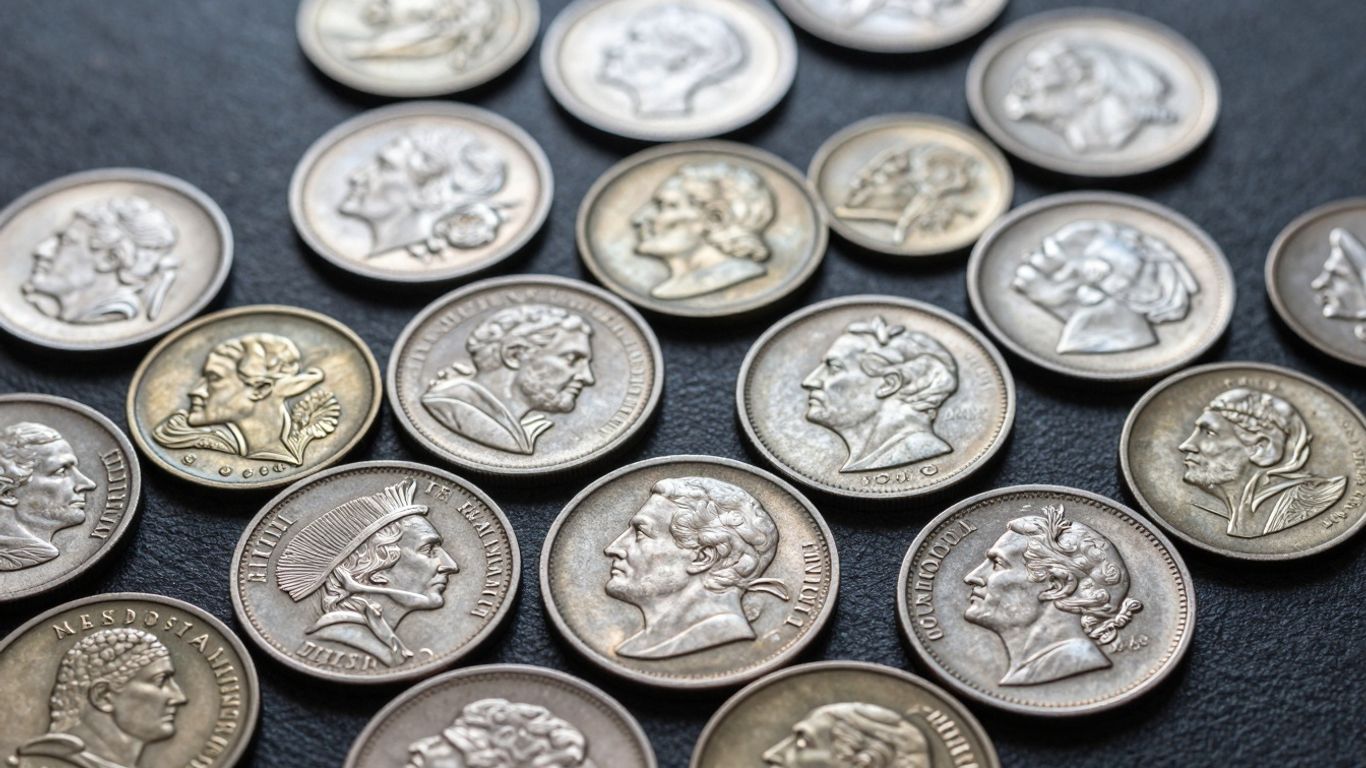
When you’re looking to buy or sell coins in Tampa, finding someone who really knows their stuff is pretty important. It’s not just about knowing what a coin looks like; it’s about understanding its history, its condition, and what the market is actually paying for it right now. Experienced numismatists have spent years, sometimes decades, studying these things. They can spot a rare gem from a mile away and also tell you if that
Connecting with Tampa's Numismatic Community
Local Coin Clubs and Collector Groups
Getting involved with local coin clubs is a fantastic way to meet other people who are into collecting coins, just like you. It’s not just about buying and selling; it’s about sharing stories, learning new things, and finding out about local happenings. These groups often have regular meetings where members can show off their latest finds, ask questions, and get advice. It’s a great place to learn the ropes if you’re new to collecting or to share your knowledge if you’ve been at it for a while.
Here are a few ways these clubs help:
- Education: Members often share information about coin history, grading, and market trends. You can learn a lot just by listening and asking questions.
- Networking: You’ll meet other collectors, dealers, and experts. This can lead to finding rare coins or getting better prices.
- Social Connection: It’s a friendly environment where you can build relationships with people who share your passion.
Numismatic Events and Shows in the Area
Florida, and the Tampa Bay area specifically, hosts several numismatic events throughout the year. These shows are a big deal for collectors. You can find everything from common circulated coins to really rare pieces. Dealers from all over often set up shop, so you get a huge selection in one place. It’s also a good spot to get coins appraised or to sell some of your own collection.
Keep an eye out for announcements from organizations like the Florida United Numismatists (FUN). They put on some of the biggest shows, and they often have events in or near Tampa. Attending these shows is a good way to see what’s out there and get a feel for the market. You might even find some local Tampa dealers you haven’t met before.
Resources for Tampa Numismatic Buyers
Beyond clubs and shows, there are other places to get information and connect. The American Numismatic Association (ANA) has a club directory online that can help you find local groups. Also, many local historical societies and museums in the Tampa Bay area might have exhibits or information related to Florida’s monetary history, which can be really interesting for collectors. It’s always good to have a few different avenues for learning and finding what you need.
Sometimes, the best way to learn about coins is to talk to people who know them well. Local clubs and shows provide that direct connection. Don’t be afraid to strike up a conversation; most collectors are happy to share their experiences and insights. It’s how the hobby grows and stays vibrant.
Selling Your Numismatic Treasures in Tampa
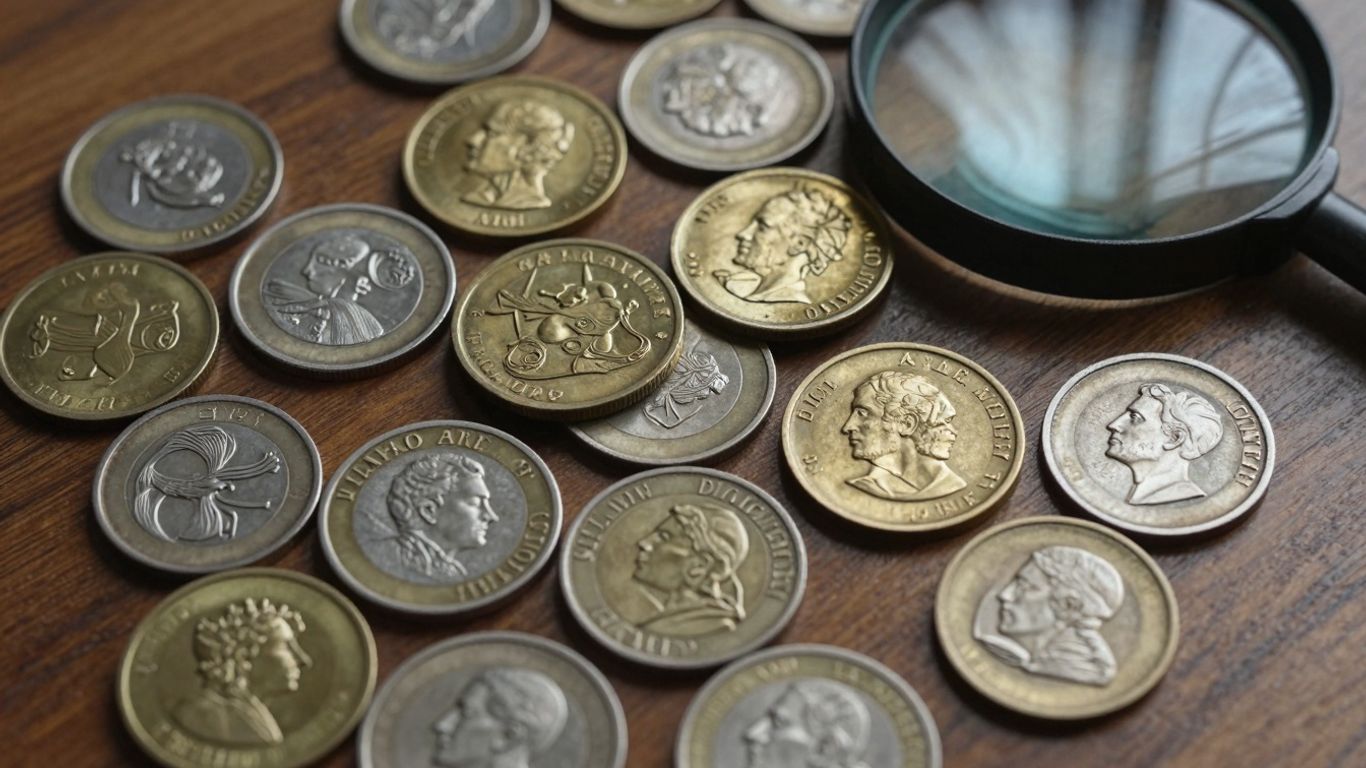
So, you’ve decided it’s time to part with some of your coin collection. It can feel like a big step, especially if these coins have been with you for a while. Tampa has a good number of places where you can sell your coins, but knowing how to approach it makes all the difference. It’s not just about handing over some old metal; it’s about getting a fair shake for something you’ve held onto.
Preparing Your Coins for Sale
Before you even think about showing your coins to a dealer, a little prep work goes a long way. First off, resist the urge to clean them. Seriously, don’t do it. Most of the time, cleaning coins, especially older ones, can actually lower their worth. Those little scratches and removed patinas are usually permanent damage. Instead, focus on handling them carefully. Use cotton gloves if you have them, or at least hold them by the edges. Keep them in a safe, dry place away from extreme temperatures or humidity. If you have any original packaging, certificates of authenticity, or old purchase receipts, gather those up too. This extra information can help a dealer assess your coins more accurately.
Here’s a quick checklist:
- Handle with care: Use gloves or hold by the edges.
- Do NOT clean: This can devalue your coins.
- Keep them dry: Store in a cool, dry environment.
- Gather documentation: Include any original packaging or paperwork.
Understanding Offers from Tampa Dealers
When you get an offer, it’s important to understand what you’re being offered. Dealers are in business to make a profit, so they’ll be buying your coins at a wholesale price, which will be lower than the retail price you might see for a similar coin in a shop. Don’t be afraid to ask questions. A good dealer will explain how they arrived at their offer, referencing market prices, the coin’s condition, and its rarity. If you’re selling a collection, they might offer a bulk price, but it’s often worth asking if individual coins might fetch more on their own. It’s also wise to get a couple of opinions. Visiting more than one dealer in Tampa can give you a better sense of the market and what your collection is truly worth.
Getting multiple offers isn’t about trying to play dealers against each other; it’s about gathering information. Each dealer has different buying preferences and networks, so one might see more potential in a specific coin than another. This research helps you make an informed decision.
Secure and Prompt Payment Processes
Once you’ve agreed on a price, the payment process should be straightforward and secure. Most reputable dealers will pay you on the spot, especially if you’re selling in person. Common payment methods include cash, check, or sometimes electronic transfers. Always confirm the payment method beforehand. If you’re mailing your coins to a dealer, ensure they have a clear policy for prompt payment upon receipt and verification of the items. Ask about their payment timeline. A trustworthy dealer won’t keep you waiting for weeks. They should be able to provide a clear estimate of when you can expect to receive your funds. A quick and secure payment is a sign of a professional and reliable numismatic buyer.
Florida's Unique Numismatic Heritage
Florida might not be known for its own mints or big mining operations, but its history and location give it some really interesting ties to coins and money.
Spanish Coinage and Shipwreck Treasures
Since Florida was once a Spanish territory, you’ll find that old Spanish coins were common here. Think pieces of eight and other old money. These coins pop up in collections and at archaeological sites, giving us a direct link to Florida’s early days. The coastline here is famous for shipwrecks, especially Spanish galleons. Over the years, these underwater sites have given up a lot of gold and silver coins. It’s a big reason why treasure hunters and collectors are drawn to Florida. If you’re curious about what might be found, places like the Mel Fisher Maritime Museum in Key West really showcase these finds.
National Bank Notes of Florida
Back in the day, between 1863 and 1935, lots of banks across Florida printed their own money, called national banknotes. These notes have the names of local Florida banks on them. Today, they’re collectible items that show a piece of the state’s financial past. It’s pretty neat to see money that was once used in specific towns right here in Florida.
Tampa Bay's Role in Numismatics
Tampa Bay itself has a role in this story. The area is home to active coin clubs, like the Tampa Bay Coin Club, where collectors gather to share knowledge and trade. These groups are great for anyone looking to connect with other enthusiasts. Plus, the region hosts numismatic events and shows, making it a hub for buying and selling coins. If you’re looking to get into the local coin scene, checking out local coin dealers is a good start.
Specialized Numismatic Interests in Tampa
Tampa’s coin scene isn’t just about the common stuff; there are some really interesting niches that collectors get into. If you’re looking to buy or sell specific types of coins or currency, knowing these areas can make a big difference.
Buying Rare U.S. Coins in Tampa
When people talk about rare U.S. coins, they usually mean coins that are hard to find, maybe due to low mintage numbers, historical significance, or just being in really good condition. Think early American silver dollars, certain gold coins from the 19th century, or even error coins that happened during the minting process. Finding these in Tampa means looking for dealers who specialize in U.S. coinage. They’ll know the difference between a common date and a true rarity.
Here’s a quick look at what makes a U.S. coin rare:
- Mintage: How many were originally made?
- Survival Rate: How many are still around today, especially in good shape?
- Demand: How many collectors want this specific coin?
- Condition: The better the condition (grade), the more it’s worth.
Acquiring World Coins and Currency
Beyond U.S. coins, Tampa collectors also get into coins from other countries. This can be anything from ancient Roman coins to modern Euros, or even old paper money from places like Canada or Mexico. It’s a huge area, and dealers who focus on world coins often have a deep knowledge of different countries’ histories and monetary systems.
Some popular categories include:
- Ancient Coins: Greek, Roman, Byzantine.
- European Coins: From medieval times to present day.
- Asian Coins: Chinese, Japanese, Indian, etc.
- Latin American Coins: Especially those with historical ties to Florida, like Spanish colonial pieces.
Identifying Valuable Paper Money
Paper money, or
Finding Reputable Coin Dealers in Tampa
So, you’ve got some coins you’re looking to sell or maybe you’re just starting to build a collection here in Tampa. The big question is, where do you go? It’s not like picking up groceries; you need someone who knows their stuff. Finding a dealer you can trust is half the battle.
Utilizing Online Dealer Directories
These days, the internet is usually the first stop for most people. There are several online directories out there that list coin dealers. Think of them like Yelp or Google Maps, but specifically for numismatics. You can often see reviews, check their business hours, and get a general idea of their location. It’s a good starting point to see who’s operating in the Tampa Bay area. Some sites even let you filter by specialization, which is handy if you’re looking for something specific, like old U.S. currency or foreign coins. Just remember, an online listing doesn’t automatically mean they’re the best, but it’s a way to get a list of potential places to check out. You might find a place like Gold Max listed, and then you can do a bit more digging.
Seeking Recommendations from Fellow Collectors
This is where the real gold is, pun intended. Talking to other people who are already into coin collecting in Tampa can give you the inside scoop. Local coin clubs are fantastic for this. People in these groups have usually been around the block a few times and know which dealers are fair, which ones have good inventory, and which ones to maybe avoid. They can tell you about their personal experiences, which is way more helpful than just reading a generic online review. You can ask about specific coins you’re looking for or coins you’re trying to sell. It’s a community thing, and most collectors are happy to share their knowledge. You might even find out about upcoming coin shows or events where you can meet dealers face-to-face.
Evaluating Dealer Specializations
Not all coin dealers are created equal, and they often have areas where they really shine. Some might be experts in ancient coins, while others focus on modern U.S. mint products or paper money. If you’ve got a specific type of coin you’re interested in buying or selling, it makes sense to find a dealer who specializes in that area. A dealer who knows a lot about Spanish shipwreck coins, for example, will be much more helpful if that’s your passion than someone who primarily deals in Morgan dollars. It’s worth asking potential dealers about their specialties. You can often find this information on their websites or by simply asking them directly. It shows you’re serious and helps you find the right fit for your numismatic needs.
When you’re looking for a coin dealer, think about what you need. Are you buying or selling? What kind of coins are you interested in? A dealer who specializes in what you’re looking for will likely give you a better experience and a fairer deal. Don’t be afraid to shop around a bit. It’s your collection, and you want to work with someone who respects that.
The Process of Selling Coins in Tampa
So, you’ve decided it’s time to part with some of your coin collection. It can feel like a big step, especially if these coins have been with you for a while. But don’t worry, selling your numismatic treasures in Tampa doesn’t have to be complicated. It’s really about a few key stages that make the whole thing go smoothly.
Initial Consultation and Appraisal
First things first, you’ll want to get a good idea of what your coins are worth. This is where the appraisal comes in. A good dealer will want to look at your collection, maybe even take some pictures, and give you their professional opinion. They’ll consider things like the coin’s condition, its rarity, and what’s happening in the market right now. It’s important to find someone who knows their stuff, especially if you have some really old or unusual pieces.
- Handle coins minimally: Try not to touch the surfaces too much. Oils from your skin can cause damage over time.
- Store them properly: Keep coins in a cool, dry place. Avoid places with lots of humidity or extreme temperatures.
- Don’t clean them: Seriously, resist the urge. Cleaning can actually lower a coin’s value.
Getting a fair appraisal is the bedrock of a good selling experience. It sets the stage for everything that follows and helps you understand the true potential of your collection.
Receiving a Competitive Offer
Once the appraisal is done, the dealer will make you an offer. This is where you get to see how much they think your collection is worth. A reputable dealer will be upfront about how they arrived at their price. They should be able to explain the factors that influenced their offer, like market demand and the specific condition of your coins. It’s a good idea to shop around a bit if you can, just to compare offers. You want to feel good about the price you get.
| Coin Type | Potential Value Factors |
|---|---|
| U.S. Gold Coins | Historical significance, gold content, specific series |
| Silver Dollars | Mint mark, condition, historical context (e.g., trade) |
| Error Coins | Rarity of the minting error, type of error |
| Paper Money | Condition, rarity, historical significance |
Completing the Transaction Smoothly
If you accept the offer, the final step is completing the sale. This usually involves signing some paperwork and getting paid. Good dealers will offer a few payment options, like a check or direct deposit, and they’ll make sure you get your money quickly. The goal is a transaction that feels secure and leaves you satisfied. It’s all about making sure you’re comfortable with how everything is handled, from the initial conversation to the final payment.
Museums and Educational Resources for Tampa Collectors
Sometimes, just looking at coins isn’t enough, right? You want to know the story behind them, how they fit into history, and maybe even see some really old ones up close. Luckily, Florida, and the Tampa Bay area specifically, has some neat places that can help you learn more about money and its past.
Exploring Florida's Monetary History
Florida’s history is pretty wild, and that definitely includes its money. Think about all the Spanish ships that sailed here centuries ago. Many of them, unfortunately, sank! Museums like the Mel Fisher Maritime Museum in Key West are all about recovering those treasures. You can see actual gold and silver coins, sometimes called "pieces of eight," that have been sitting on the ocean floor for ages. It’s pretty wild to think about.
Then there’s the Florida Museum of History in Tallahassee. It’s the state’s main history museum, so it covers a lot of ground. You’ll likely find exhibits there that talk about how Florida developed economically, including the kinds of money people used way back when, like old Spanish coins or even Confederate money from the Civil War. It gives you a real sense of how things have changed.
Learning from Numismatic Exhibits
Even if you’re not right in Key West or Tallahassee, there are still ways to connect with this history. Sometimes, local historical societies or smaller museums have exhibits that touch on local trade or banking. It’s worth checking out what’s happening closer to home. You might be surprised what you find.
Here are a few places that often have something numismatic-related:
- Mel Fisher Maritime Museum (Key West): Famous for shipwreck treasures, including tons of coins.
- Florida Museum of History (Tallahassee): Covers state history, likely including economic and currency aspects.
- St. Augustine Pirate & Treasure Museum (St. Augustine): Features coins from the pirate era and shipwrecks.
While the Federal Reserve Bank of Atlanta’s Monetary Museum in Jacksonville is currently closed for tours, it’s a good example of the kind of place that would showcase the history of currency and banking in the region. Keep an eye out for when it might reopen or for similar exhibits elsewhere.
Enhancing Your Knowledge as a Buyer
Knowing the history and seeing these items can really change how you look at coins. It helps you appreciate what you’re buying or selling. You start to understand why certain coins are more sought after than others. It’s not just about the metal content; it’s about the journey that coin has been on.
Attending local coin shows, which are often put on by groups like the Florida United Numismatists (FUN) or the Tampa Bay Coin Club, is another great way to learn. You can talk to dealers, see a wide variety of coins, and hear stories from other collectors. It’s a hands-on way to get smarter about numismatics. Plus, you might just find that next great piece for your collection.
Wrapping Up Your Coin Hunt in Tampa
So, there you have it. Finding the right coin dealer in Tampa doesn’t have to be a treasure hunt itself. Whether you’re looking to buy that missing piece for your collection or sell off some old coins you’ve found, knowing where to look makes all the difference. Don’t forget to check out local coin clubs and organizations; they’re full of people who love coins just as much as you do and can often point you in the right direction. Happy collecting, and may your next coin find be a good one!
Frequently Asked Questions
How do I find a good coin dealer in Tampa?
To find a trustworthy coin dealer in Tampa, look for those with good reviews and a long history in the business. You can also ask other collectors for recommendations or check online directories that list dealers and their specialties. It’s smart to visit a few different shops to get a feel for them and compare prices before making a big decision.
What should I look for when choosing a coin dealer?
When picking a coin dealer, make sure they know a lot about coins and are honest. A good dealer will be happy to explain things, give you a fair price, and treat you with respect. Check if they specialize in the types of coins you have or are interested in buying. Experience and a good reputation are key!
Are coin clubs helpful for collectors in Tampa?
Absolutely! Joining a local coin club in Tampa is a fantastic way to meet other coin enthusiasts. You can learn a lot, share tips, and even find opportunities to buy, sell, or trade coins. These clubs often have meetings and events that make collecting more fun and informative.
What makes Florida's coin history special?
Florida has a unique past tied to coins! Because it was once a Spanish territory, you can find old Spanish coins. Its coastline also means shipwreck treasures, like gold and silver coins from sunken ships, are part of its story. Plus, old paper money from Florida banks adds to its history.
Should I clean my coins before selling them?
It’s generally best not to clean your coins yourself. Cleaning can often damage them and actually lower their value. Most dealers prefer to see coins in their original condition. Let the experts handle any cleaning if it’s needed.
How do I get my coins appraised?
Many coin dealers offer free appraisals. You can bring your coins to them for an evaluation. Some dealers also provide mail-in services if you can’t visit in person. Look for dealers who are experienced and transparent about their appraisal process.
What kind of coins are popular to collect in Tampa?
Collectors in Tampa often look for rare U.S. coins, like old pennies, nickels, or silver dollars. World coins and interesting paper money are also popular. Given Florida’s history, Spanish coins and coins found in shipwrecks are particularly sought after.
Where can I learn more about coins in Florida?
Besides coin clubs, you can visit museums like the Mel Fisher Maritime Museum in Key West for shipwreck treasures or the Florida Museum of History in Tallahassee. Reading coin blogs and online resources can also keep you updated on the latest news and trends in the coin world.