Thinking about selling your silver coins in Tampa? It’s not always as straightforward as you might think. There are a few things to consider to make sure you get a fair deal. This guide will help you figure out the best places and ways to sell your silver coins tampa.
Key Takeaways
- When you sell silver coins in Tampa, check if the buyer looks at more than just the melt value.
- Diamond Banc and Elemetal Tampa are two places you can consider selling silver.
- Getting a professional appraisal before you sell can help you get a better price.
- Compare offers from different buyers to make sure you’re getting the most money for your silver.
- Always try to sell to authorized and licensed dealers to avoid scams.
1. Understanding Where To Sell Silver Coins In Tampa
So, you’ve got some silver coins sitting around and you’re thinking about turning them into cash right here in Tampa. It’s not quite as simple as just walking into the first shop you see, you know? There are a few things to consider to make sure you get a fair shake.
When you’re looking to sell, remember that the value isn’t always just about the weight of the silver. Several factors can influence what someone is willing to pay:
- Coin Condition: Is it shiny and new-looking, or does it have scratches and wear?
- Rarity: Some coins are just harder to find than others, which collectors really like.
- Historical Significance: Does the coin have an interesting story or connection to a specific time period?
- Type of Coin: Is it a common silver dollar, or a more specialized mint issue?
It’s always a good idea to get a few different opinions on your coins’ worth before you commit to a sale. This helps you understand the range of what they might be worth.
Tampa has a few different types of places where you can sell your silver coins. You’ve got your local coin shops, which often have a good understanding of the numismatic (collector) value. Then there are precious metal dealers who might focus more on the melt value of the silver itself. Some places might even offer mail-in services or online quotes, giving you options depending on how much time you have and how comfortable you are with the process.
2. Factors Influencing Silver Coin Value
When you’re looking to sell your silver coins, their value isn’t just about the silver content. Several things can bump up or bring down what someone’s willing to pay. The coin’s condition is a big one – is it scratched up, or does it look like it just came out of the mint? Then there’s the rarity. Some coins are just plain harder to find than others, which collectors love. And don’t forget about the historical significance; some coins tell a story that adds to their appeal beyond just the metal. Finally, the coin’s specific type matters a lot. Is it a common silver dollar, or a more sought-after mint issue?
Here’s a quick rundown of what buyers typically consider:
- Condition: Scratches, dents, and general wear can really bring down the price. Coins in mint condition are always worth more.
- Rarity: Limited mintage or coins with hard-to-find dates are more desirable to collectors.
- Historical Significance: Coins tied to important events or specific eras might fetch a premium.
- Type of Coin: There’s a difference between bullion coins (valued mostly for their silver content), collectible coins, and common silver coins.
Understanding these elements helps you know what to expect when you get an offer. It’s not always just about the weight of the silver.
It’s also worth remembering that the gold-silver relationship can play a part in the overall market sentiment for silver. When you’re selling, it’s good to have a general idea of where the market is at.
3. Comparing Offers from Multiple Buyers
When you’re ready to sell your silver coins, it’s really not a good idea to just go with the first person who makes an offer. Think about it – if you were buying a car, you wouldn’t just buy the first one you saw, right? Selling silver is kind of the same. Different buyers have different ways of figuring out what your coins are worth, and they all have their own profit margins. So, to make sure you’re getting the best possible price, you’ve got to shop around.
Getting quotes from at least three different places is a solid plan. This could include local coin shops, online dealers, or even precious metal refiners. Each type of buyer might see the value in your coins a little differently. For example, a local shop might focus more on the numismatic (collector) value of rare coins, while a refiner will mostly care about the silver content itself.
Here’s a quick way to keep track of what different buyers are offering:
- Buyer A (Local Shop): Offer per ounce: $24.00, Fees: None, Payment Time: Immediate
- Buyer B (Online Dealer): Offer per ounce: $25.30, Fees: $10 shipping, Payment Time: 2-3 days
- Buyer C (Refiner): Offer per ounce: $25.00, Fees: $5 processing, Payment Time: 1-2 hours
Don’t be afraid to let buyers know you’re getting other quotes; it can sometimes encourage them to improve their offer. Also, make sure you understand the total payout after all fees are taken out. Sometimes an offer that looks higher at first glance might end up being less once you factor in shipping or processing costs. It’s also worth noting that silver prices can change pretty quickly, sometimes even within the same day. So, once you get an offer you’re happy with, it’s usually best to act on it fairly soon.
Always ask for a written offer that breaks down how they arrived at their price. This transparency helps you understand their valuation and compare offers more accurately. If a buyer seems hesitant to provide details or pressures you to decide immediately, it might be a sign to look elsewhere.
4. The Role of Current Market Prices
When you’re looking to sell your silver coins in Tampa, understanding the current market price is a big deal. Think of it like checking the stock market before you buy or sell shares – the value can change pretty quickly.
Most buyers will base their offer on the "spot price" of silver. This is the going rate for silver right now, and it can shift throughout the day based on global supply and demand. If the price of silver has been climbing, you’ll likely get more for your coins than if it’s been dropping.
Here’s a quick look at how it generally works:
- Spot Price: This is the base value of pure silver per ounce. Buyers use this as a starting point.
- Premium/Discount: Depending on the coin, buyers might add a small premium for collectible coins or apply a discount for common silver. This is where factors like rarity and condition come into play.
- Buyer’s Margin: Every buyer needs to make a profit, so they’ll offer you a percentage of the spot price, minus their own costs and profit.
Knowing the current spot price before you go to a buyer can give you a good idea of what to expect. You can easily find this information on financial news websites or dedicated precious metal tracking sites. It’s a good idea to check it a day or two before you plan to sell, and again right before you head out.
The silver market can be quite volatile. Prices can swing based on economic news, international events, or even just shifts in investor sentiment. This means the offer you get today might be different tomorrow. If you see a favorable price trend, it might be worth acting sooner rather than later.
Don’t forget that while the spot price is important, it’s not the only factor. If you have rare or collectible silver coins, their numismatic value (collector value) could be significantly higher than their melt value. A good buyer will recognize this and adjust their offer accordingly.
5. Avoiding Scams and Unfair Practices
When you’re looking to sell your silver coins, it’s super important to watch out for shady dealings. Nobody wants to feel like they got a raw deal, right? It happens more often than you’d think, so being prepared is key.
First off, always check if a buyer is licensed and authorized. This isn’t just some bureaucratic hoop; it means they’re operating legally and have to follow certain rules. It’s like having a driver’s license – it shows you’re playing by the book. You wouldn’t buy a car from someone operating out of a dark alley, so selling your valuable silver should be no different. A licensed dealer usually means they’re registered with local or state authorities, which adds a layer of accountability.
Before you even think about handing over your coins, do a little homework. What are people saying about the dealer online? Check out reviews on Google, Yelp, or even coin collector forums. Look for patterns. Are customers generally happy with the prices and the service? Or are there a lot of complaints about lowball offers or feeling pressured? A quick search can save you a lot of trouble.
Here are a few things to keep in mind:
- Get multiple quotes. Don’t just go with the first offer you get. Try to get at least three different estimates from various buyers. This helps you see the range of what your silver might be worth.
- Understand the payment process. How quickly will you get paid after agreeing on a price? Some places might take days or even weeks to settle up. Always ask about their settlement times and methods – cash, check, or wire transfer.
- Be wary of high-pressure tactics. A legitimate buyer won’t rush you into a decision. If someone is pushing you hard to sell right now, it’s a red flag.
- Watch out for "pop-up" events. Those temporary sales at hotels or event centers can sometimes be risky. They might disappear quickly, making it hard to resolve any issues later.
Always ask for a written breakdown of any offer you receive. This way, you can see exactly how they arrived at their valuation and compare it apples-to-apples with other offers. If anything feels off or too good to be true, it probably is. It’s better to walk away and find a more trustworthy buyer, perhaps one that offers convenient home appointments.
Finally, remember that transparency is important. A good buyer will be happy to answer your questions about how they value your silver and explain their process. If they seem evasive or unwilling to explain, it’s a sign to be cautious.
6. Convenient Options For Selling Silver Coins
Selling your silver coins doesn’t have to be a chore. There are a few different ways to go about it in Tampa, and each has its own perks. You want to make sure you’re getting a fair shake, and thankfully, there are options that fit different needs.
Here are some common ways people sell their silver coins:
- In-Person Appraisals: This is a solid choice if you like to see things happen right in front of you. You can take your coins to a local dealer in Tampa. They’ll look them over, tell you what they think they’re worth, and usually give you an offer on the spot. It’s a good way to ask questions and get a feel for the buyer.
- Mail-In Services: If you’ve got a lot of coins or just can’t make it to a shop, this is a good alternative. Reputable buyers often have insured mail-in programs. You send them your silver, they appraise it, and then they make an offer. The insurance part is key here – it protects your items while they’re in transit.
- Online Submissions: This is a quicker, more modern approach. Some places let you upload photos and details of your coins online to get a preliminary quote. It’s a fast way to gauge interest and compare offers from different sources without leaving your house.
When you’re selling something valuable like silver coins, clarity is key. You should feel comfortable asking questions and expect straightforward answers. A trustworthy buyer won’t shy away from explaining their process or how they arrived at their offer. It’s all about building confidence so you know you’re making a good decision.
7. In-Person Appraisals in Tampa
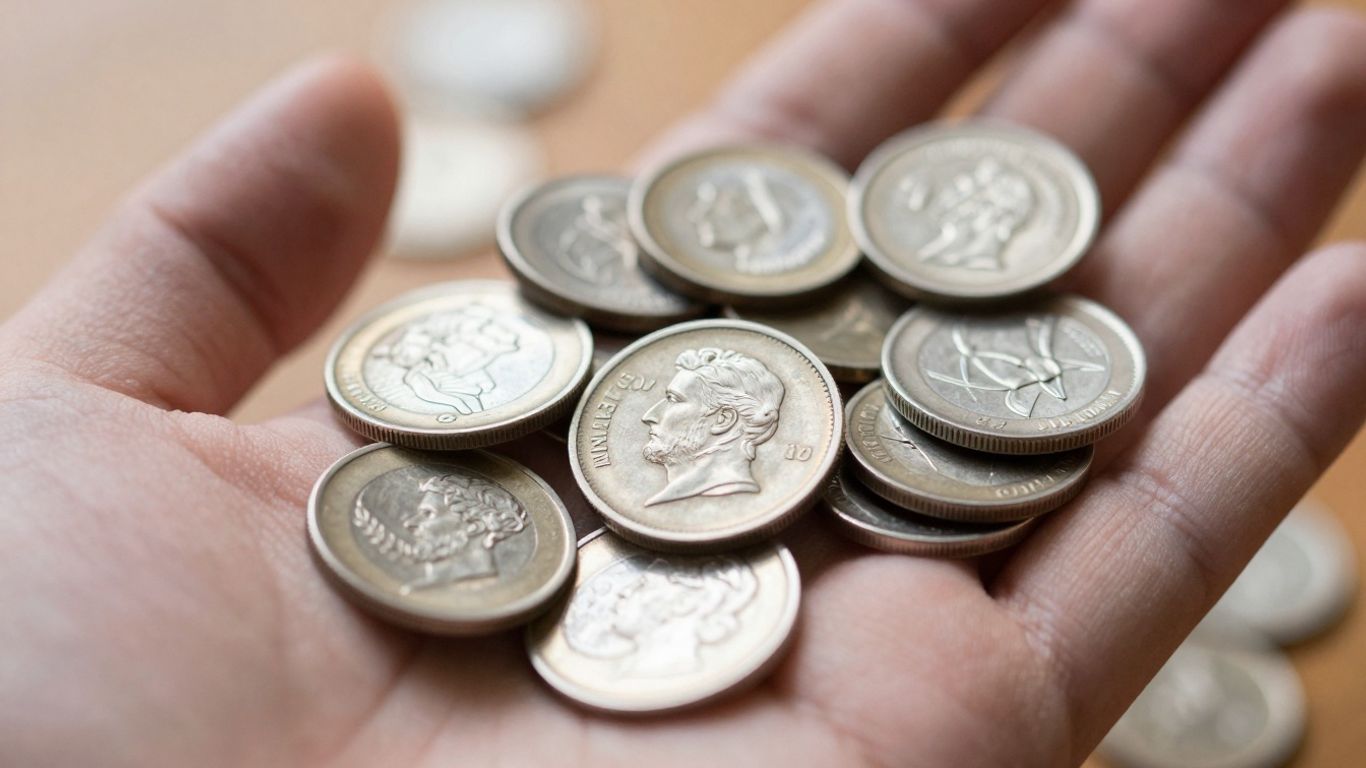
When you’re ready to sell your silver coins, meeting a buyer face-to-face in Tampa can offer a good sense of security. It’s a chance to see your coins evaluated right in front of you, which feels more transparent than mailing them off. You can ask questions directly and get an immediate feel for the offer. Many local dealers are happy to take a look.
Here’s what you can generally expect during an in-person appraisal:
- Direct Evaluation: A specialist will examine your coins right there with you. They’ll look at the silver content, but also other factors that might affect the price.
- Immediate Feedback: You’ll usually get an offer on the spot, or at least a timeframe for when you can expect one. No long waits.
- Q&A Opportunity: This is your time to ask about how they arrived at their price, what makes certain coins more desirable, and any other concerns you might have about the selling process.
This direct interaction helps build trust and gives you a clear understanding of your coins’ worth. It’s a good way to compare offers if you plan on visiting multiple places, like Arthur Yates Jewelers.
Meeting a buyer in person can provide a sense of security, especially if you’re new to selling precious metals. It allows for a more transparent exchange and a clearer understanding of the offer.
8. Mail-In Services with Insurance
If you can’t make it to a local buyer in Tampa, or if you have a large collection of silver coins, sending them in via mail is a solid option. Many reputable places that buy silver coins offer special mail-in programs. The really important part here is insurance. This insurance protects your valuable coins while they’re on their journey to the buyer. It’s a pretty convenient way to sell without leaving your home.
Here’s generally how these services work:
- Request a Mailer Kit: Many buyers will send you a secure, pre-paid, and insured shipping kit.
- Package Your Items: Carefully pack your silver coins according to their instructions.
- Ship Your Package: Drop off the package at the designated shipping carrier.
- Receive Appraisal and Offer: Once received, the buyer will appraise your coins and present you with an offer.
- Accept or Decline: You can then decide whether to accept their offer or have your coins returned (sometimes for a fee).
It’s a good idea to compare a few different mail-in services if you can. Look at their insurance coverage limits, how they handle appraisals, and their typical turnaround times. Some might even offer a preliminary quote based on photos before you send anything.
When using mail-in services, always confirm the insurance coverage details. Make sure the policy covers the full estimated value of your silver coins. It’s also wise to document everything, perhaps by taking photos or videos of your coins before you pack them up.
9. Online Submission for Quotes
If you’re looking for a super convenient way to get an idea of what your silver coins might be worth without leaving your couch, submitting for quotes online is a solid option. It’s a modern approach that lets you gauge interest and get preliminary offers from various places pretty quickly. Think of it as a first step to see who’s interested and what kind of ballpark figures you might be looking at.
Here’s generally how it works:
- Snap some photos: Take clear pictures of your silver coins, showing both sides and any important markings or dates.
- Write a brief description: Include details like the type of coin, its condition, and any unique features you notice.
- Submit the information: Upload your photos and description through the buyer’s website or email.
- Receive a preliminary quote: The buyer will review your submission and send you an estimated offer based on the information provided.
This method is great for getting a feel for the market and comparing potential buyers without any initial commitment. It’s a good way to do some homework before you decide to send your actual coins anywhere.
Remember, an online quote is usually an estimate. The final offer might change once the buyer physically inspects your coins. It’s always wise to get quotes from a few different online sources to compare.
Some platforms even offer virtual appraisal options where you can chat with a buyer via video call to discuss your coins in real-time. This can add an extra layer of clarity to the initial quote. It’s all about making the selling process as straightforward as possible for you.
10. Diamond Banc: A Premier Choice For Selling Silver
When you’re looking to sell your silver coins in Tampa, finding a place that offers a fair price is pretty important, right? Diamond Banc really tries to stand out here. They don’t just look at the melt value of your silver; they actually consider the item itself. This means if you have a coin that’s a bit more special than just its silver content, they might offer you more. They work with big refiners, which helps them pay well for larger amounts of silver. It’s good to know they’re looking at the whole picture, not just the weight.
One of the best things about selling your silver is getting paid quickly. Diamond Banc gets that. Once you agree on a price for your silver coins, they can pay you right away. They offer payment through checks or wire transfers, so you don’t have to wait around for days or weeks. This is super helpful if you need cash fast for something else. The whole process, from evaluation to payment, is designed to be quick, often taking less than an hour if you go to one of their locations.
This is where Diamond Banc really shines. A lot of places will just tell you what your silver is worth based on its weight and the current market price for silver. But Diamond Banc does more. They have people like Jodi Hudson, who has years of experience in the jewelry world, even working with places like Tiffany & Co. She and her team know how to spot value beyond just the metal. They look at things like:
- Coin Rarity and Collectibility: Identifying if your coin has numismatic value beyond its silver content.
- Condition and Preservation: Assessing the state of the coin, which can impact its desirability.
- Historical Significance: Understanding if the coin has a unique story or provenance.
Nobody likes feeling pushed into a sale. That’s why places like Diamond Banc focus on creating a relaxed atmosphere. You can bring in your silver coins, have them looked at by experts like Jodi, and get an offer. There’s absolutely no obligation to sell if you don’t like the offer. They want you to feel confident in your decision, whatever it may be. It’s all about providing information and options, not pressure.
When you’re selling something valuable like silver coins, clarity is key. You should feel comfortable asking questions and expect straightforward answers. A trustworthy buyer won’t shy away from explaining their process or how they arrived at their offer. It’s all about building confidence so you know you’re making a good decision.
11. Elemetal Tampa
Elemetal Tampa is a significant name in the precious metals world, and they’re part of a much larger operation that spans the country. If you’ve got silver, whether it’s in the form of old coins, jewelry, or even industrial scrap, they’re equipped to handle it. They work with a wide range of clients, from large-scale dealers to smaller shops and individual sellers.
When it comes to processing silver, Elemetal Tampa can take on various items. This includes sterling silver jewelry, old silverware, coins, and even industrial materials like silver-oxide batteries or electrical contacts. They use established methods to extract as much pure silver as possible from whatever you bring them. This focus on recovery means you’re more likely to get a better return on your items. They also handle refining for gold, platinum, and palladium, so if you have other precious metals, they can likely process those too.
They are known for their quick settlement times, often processing and paying out within an hour or two for most lots. This speed is a real plus if you’re looking to get cash for your silver without a long waiting period.
Here’s a look at some of the items they refine:
- Sterling silver jewelry, flatware, and hollowware
- Silver coins and bullion
- Industrial silver items (like contacts and batteries)
- Gold, platinum, and palladium items
Beyond refining, Elemetal also deals in bullion. They have a good selection of coins and bars, both from private mints and government sources. If you’re interested in buying or selling wholesale bullion, they’re a place worth checking out. They even handle specialized products, such as those certified for IRAs. It can be a convenient spot if you’re active in the precious metals market.
One of the advantages of Elemetal is their combination of a nationwide network and a local presence. While they have a Tampa office, their broader reach means they have the resources of a large company. This can translate to competitive pricing and efficient processing. If you can’t visit their Tampa location, they offer secure, insured shipping options for your materials, aiming to make the selling process as straightforward as possible, regardless of your location.
Selling your silver coins might seem a bit daunting if you’re not sure how it all works. Having knowledgeable people to guide you can make a big difference. They can help you through the entire process, aiming for a fair outcome without adding unnecessary stress.
12. Selling Silver Bullion and Coins
When you’re ready to sell your silver coins and bullion in Tampa, it’s good to know what buyers are looking for. Most people think of silver coins and bars, and that’s a big part of it. But not all silver items are valued the same way.
Bullion items like bars and rounds are typically priced close to the current market price of silver, often called the ‘spot price’. Coins, however, can be a bit more complicated. Some coins, especially older ones or those from government mints, might be worth more than just their silver content. This extra value comes from their rarity, historical significance, or collector demand. Think of American Silver Eagles or Canadian Maple Leafs – they often carry a premium.
Here’s a quick look at common types:
- Silver Bullion: This includes bars and rounds, usually stamped with their weight and purity. They’re straightforward and valued mainly for their silver content.
- Government-Issued Coins: Like American Eagles or Silver Britannias. These are often sought after by collectors and can fetch prices above melt value.
- Junk Silver: This typically refers to pre-1965 US coins (like dimes, quarters, and half dollars) that are valued primarily for their silver content because they’re no longer legal tender and are mostly bought for their melt value.
- Private Mint Rounds: Similar to bullion bars but often in coin-like form, these are also generally priced near the spot price.
Before you head out to a buyer, it’s smart to check the current spot price of silver. This gives you a baseline for what your bullion should be worth. If you have original packaging for your coins, bring it along – it can sometimes add a little to the value. And don’t be afraid to ask if the dealer offers anything extra for coins that are considered rare or collectible. It’s always worth getting a quote from a reputable place like B&W Coins Toronto to compare.
Understanding the difference between bullion value and collectible value is key. While many buyers focus on melt value, knowledgeable dealers will recognize and pay for numismatic (coin collecting) premiums when they exist. This distinction can significantly impact the final offer you receive for your silver coins.
13. Valuing Sterling Silver Jewelry and Flatware
When you’re looking to sell your silver in Tampa, don’t forget about the jewelry and flatware. A lot of people have old silverware sets tucked away in a dining room cabinet or jewelry that’s been passed down. These items can be worth more than just their weight in silver, especially if they’re from a well-known maker.
The key is to identify if it’s sterling silver or just silver-plated. Sterling silver is typically marked with a "925" stamp, meaning it’s 92.5% pure silver. Silver-plated items, on the other hand, have a very thin layer of silver over a base metal and are usually not worth much unless they have significant antique value.
Here’s a quick rundown of what buyers look for:
- Sterling Silver Jewelry: This includes rings, necklaces, bracelets, earrings, and brooches. Designer pieces or items with intricate craftsmanship can fetch higher prices.
- Sterling Silver Flatware: Think forks, knives, spoons, and serving utensils. Complete sets from reputable brands like Tiffany & Co. or Gorham can be quite valuable.
- Other Sterling Silver Items: This category can include tea sets, serving trays, bowls, and decorative objects. The condition and maker’s mark play a big role here.
When assessing your sterling silver, always check for hallmarks. A "925" stamp is your best indicator of genuine sterling silver. If you see "EPNS" or "Silver Plated," it’s likely not worth selling for its silver content alone.
While melt value is the baseline for sterling silver, don’t overlook the potential for added value. If you have pieces from famous silversmiths or designers, or items with unique historical significance, they might be worth considerably more than just the raw silver price. It’s always a good idea to get a professional appraisal for these types of items.
14. Selling Gold Items in Tampa
Beyond just silver, Tampa is a solid spot for selling gold items too. Lots of places that buy silver are also interested in gold, whether it’s in the form of coins, bars, or jewelry. It’s not always just about the weight of the gold, though. Some buyers, like Diamond Banc, will take a closer look at your gold jewelry to see if it’s from a known designer or has a unique style that could make it worth more than just its melt value. They work with big refiners, which helps them pay well for your gold. You can sell all sorts of gold items, from old rings and necklaces, even broken pieces, to gold bullion and coins. It’s definitely worth checking out places that pay top dollar for your gold.
When you’re looking to sell gold, here are a few things to keep in mind:
- Type of Gold Item: Are you selling gold coins (like American Eagles or Krugerrands), gold bars, or gold jewelry? Each might be valued differently.
- Purity and Weight: Most gold is valued based on its karat (e.g., 10K, 14K, 18K, 24K) and its weight in grams or ounces.
- Designer or Collectible Value: For jewelry, if it’s a recognized brand or has a unique design, it could fetch more than just its gold content.
- Current Market Price: Like silver, the price of gold fluctuates daily. Buyers will base their offers on the current spot price of gold.
Here’s a quick look at how different gold items might be assessed:
| Item Type | Primary Valuation Factor | Potential Added Value |
|---|---|---|
| Gold Coins/Bars | Purity & Weight | Rarity, Condition (Numismatic) |
| Gold Jewelry | Purity & Weight | Gemstones, Designer Mark |
| Broken Gold Items | Purity & Weight | None (Melt Value) |
When selling gold, especially jewelry, it’s smart to ask if the buyer considers the value of any gemstones. Some places might only offer based on the metal, while others will factor in the stones if they have significant worth on their own. Don’t assume they’ll automatically look at the diamonds or other gems; it’s best to inquire directly.
It’s a good idea to get a few quotes before you settle on a buyer. This way, you can compare offers and make sure you’re getting a fair price for your gold items in Tampa.
15. Valuing Platinum and Palladium
While silver and gold often get most of the attention, platinum and palladium are also precious metals that hold significant value. These metals are less common than gold or silver, but they are used in various industries and also appear in jewelry and some coins. When you’re looking to sell items made from these metals, it’s important to find buyers who really know how to assess their worth.
Not every buyer deals with platinum and palladium regularly. They require specialized knowledge for accurate valuation. Some buyers might only consider the melt value, similar to how they’d treat silver. However, like gold and silver, platinum and palladium items can have additional value based on their rarity, condition, or if they are part of a collectible series. For instance, platinum coins might be more accessible and stable in the market compared to palladium, offering more collecting opportunities.
Here’s a quick look at what influences their value:
- Purity: The percentage of platinum or palladium in an item is key. Higher purity generally means higher value.
- Form: Are you selling platinum jewelry, a palladium bar, or perhaps industrial scrap? The form can affect how it’s valued and processed.
- Rarity and Collectibility: Just like coins made of other metals, platinum and palladium coins can have collector appeal that goes beyond their metal content.
- Market Demand: The global demand for platinum and palladium in industries like automotive (catalytic converters) and electronics plays a big role in their price.
When selling platinum or palladium, it’s wise to seek out buyers who specialize in these less common precious metals. A good buyer will be transparent about how they determine the value, considering factors beyond just the weight of the metal. This ensures you get a fair price for your items.
If you have platinum or palladium items, consider checking with refiners or specialized precious metal dealers. Places that handle a wide range of precious metals, like Elemetal, can often process these items. They have the equipment and knowledge to extract and value the pure metal content accurately. It’s always a good idea to get a few quotes to compare offers, especially since the market for these metals can fluctuate.
16. Diamond and Jewelry Sales
When you’re looking to sell your silver coins, it’s easy to focus just on the metal content. But what if your items have more to them? If you’ve got jewelry with diamonds or other gemstones, those can really bump up the value. Some buyers will take a close look at the quality and how well the stones are cut, while others might just offer a price based on the metal alone. It’s a good idea to ask upfront if they consider the gemstones or if they’re only interested in the silver. Some places might even be willing to buy the stones separately if they’re particularly valuable.
It’s always smart to get a few different opinions on the value of your silver before you commit to selling. This helps you understand the market and ensures you’re getting a competitive price. Don’t hesitate to ask questions about how they arrived at their offer; transparency is key.
Here’s what to consider when selling jewelry:
- Gemstone Value: Are the diamonds or other stones assessed for their cut, clarity, color, and carat weight?
- Designer Pieces: Does the jewelry have a maker’s mark or designer name that adds to its worth?
- Separate Offers: Will the buyer consider buying the gemstones separately from the metal if they hold significant value?
When selling jewelry, remember that the stones can be a significant part of the overall worth. A buyer who understands gemstone appraisal can offer a much better price than one who only looks at the metal weight. Don’t be afraid to inquire about their process for valuing these added features.
For instance, if you have a ring with a nice diamond, a buyer like Diamond Banc might offer a price that reflects both the silver and the diamond’s value, potentially giving you a better payout than a place that only buys based on melt value. They have experts who can properly assess these items, making sure you get a fair deal for your precious metal items.
17. Industrial Silver Sources
Beyond the usual coins and jewelry, there’s a whole category of items that contain silver but aren’t typically thought of as "silver." This is what we call industrial silver. Think about things like old electrical contacts, silver solder, or even certain types of batteries, like those found in watches. Most people don’t have a huge stash of this lying around, but if you do, there are specialized buyers in Tampa who are interested.
These buyers are usually looking for the raw silver content. The process typically involves weighing and testing the material to determine its purity. Your payout will depend directly on how much pure silver they can extract.
Here are a few examples of items that fall under industrial silver:
- Electrical relay contacts
- Silver solder
- Silver-oxide batteries
It’s smart to gather these items by type before you head to a buyer. This makes their job easier and can help speed up the appraisal process. Remember, selling silver in Tampa isn’t just about the shiny coins; there’s a market for many different silver-containing items. If you’re looking for a place that handles various types of precious metals, including industrial silver, you might want to check out Elemetal Tampa.
When dealing with industrial silver, the key is understanding that its value is primarily tied to its metal content. Unlike collectible coins, the aesthetic or historical aspects are usually secondary. Buyers focus on the efficiency of recovery and the purity of the silver extracted.
18. Ensuring Trust And Transparency When Selling
When you’re ready to sell your silver coins, it’s natural to want to feel secure about the whole deal. You’re parting with something that has real value, and you want to make sure you’re getting a fair shake. That’s where trust and transparency come into play. It’s not just about the price; it’s about the process and the people you’re dealing with.
Here are a few things to keep in mind to make sure you’re working with a reputable buyer:
- Look for Licensed and Authorized Dealers: This is a big one. Licensed dealers are registered with local or state authorities, meaning they operate legally and are held to certain standards. It’s like having a business license – it shows they’re serious and accountable.
- Check Dealer Reputation: Before you commit, do a little digging. What are other people saying online? Look at reviews on Google, Yelp, or coin collector forums. Are customers generally happy with their experience, or are there a lot of complaints about low offers or feeling pressured?
- Understand Payment and Settlement Times: Always ask upfront how and when you’ll get paid. Some buyers pay immediately, while others might take days or even weeks to settle. Knowing the timeline helps manage your expectations.
You should feel comfortable asking questions throughout the entire selling process. A buyer who is open about their methods and provides clear answers is usually a good sign. It’s all about feeling confident that you’re making a sound decision.
Don’t be afraid to get a second opinion or even a third. Comparing offers from a few different places can give you a better sense of the market value for your silver and help you spot any buyer who seems to be lowballing you. Ultimately, a trustworthy buyer wants you to feel good about the transaction, not rushed or confused.
19. Choosing Authorized and Licensed Dealers
When you’re looking to sell your silver coins, picking the right buyer is a big deal. You want to make sure you’re dealing with someone legitimate, not just some random person who might disappear tomorrow. That’s where authorized and licensed dealers come in. Think of it like this: you wouldn’t buy a car from someone operating out of a sketchy parking lot, right? The same idea applies here. A dealer who is licensed and registered with local or state authorities means they’re playing by the rules and are accountable for their actions.
Before you even hand over your coins, it’s a good idea to do a little homework. What are other people saying about this dealer? Checking online reviews on places like Google or Yelp can give you a real sense of their reputation. Look for consistent feedback – are customers happy with the prices, or are there a lot of complaints about lowball offers? A quick search can save you a lot of trouble down the line.
Here are a few things to keep in mind when choosing a dealer:
- Verify their license and credentials. This shows they operate legally.
- Read recent customer reviews. Pay attention to what people say about pricing and service.
- Ask about their payment process. How quickly will you get your money?
It’s also important to understand how and when you’ll get paid. Some places might take their sweet time, holding onto your silver and your cash for days or even weeks. Others offer immediate payment, which is usually a good sign. Always ask upfront about their settlement process – will it be cash, a check, or a wire transfer? Knowing the timeline helps manage your expectations.
When selling valuable items like silver coins, clarity is key. You should feel comfortable asking questions and expect straightforward answers. A trustworthy buyer won’t shy away from explaining their process or how they arrived at their offer. It’s all about building confidence so you know you’re making a good decision.
20. Importance of Professional Appraisal
Before you even think about selling your silver coins, getting a professional appraisal is a really smart move. A good appraiser knows the ins and outs of the coin market. They can tell you not just the melt value – what the silver itself is worth – but also any collector value your coins might have. This helps you know if you’re getting a fair offer. Without an appraisal, you might be leaving money on the table, especially if you have some rare or valuable pieces. It’s like going to the doctor for a check-up; you want to know what you’re dealing with before making any big decisions.
Here’s what a professional appraisal can do for you:
- Accurate valuation beyond just melt value: They look at the coin’s condition, rarity, and historical significance.
- Identification of rare or collectible coins: Spotting pieces that are worth more than just their silver content.
- Understanding the current market demand: Knowing what buyers are willing to pay right now.
- Guidance on the best selling channels: Advice on where you’re most likely to get the best price.
Getting an appraisal helps you understand the true worth of your collection, preventing you from accepting a low offer.
It’s always a smart move to get a few different opinions on the value of your silver before you commit to selling. This helps you understand the market and ensures you’re getting a competitive price. Don’t hesitate to ask questions about how they arrived at their offer; transparency is key.
21. Local Tampa Coin Dealers vs. Online Options
When it comes time to sell your silver coins, you’ve got a couple of main paths to consider: sticking with local Tampa dealers or going the online route. Each has its own set of pros and cons, and what works best really depends on what you’re looking for.
Local dealers, like those you might find right here in Tampa, offer a tangible experience. You can walk in, have someone look at your coins right there, and often get an offer on the spot. This face-to-face interaction can feel more secure for some people, and if you agree to a price, you can usually walk out with cash in hand. It’s pretty straightforward.
On the flip side, online platforms can sometimes connect you with a broader market. This might mean more potential buyers, especially for rarer coins that collectors are actively seeking. However, the online world comes with its own set of considerations. You’ll need to factor in shipping costs, make sure your items are insured during transit, and then wait for payment to process. It can be a bit more of a waiting game.
Here’s a quick look at the differences:
- Local Dealers:
- Immediate, in-person evaluation.
- Face-to-face interaction and trust-building.
- Often, same-day payment.
- No shipping hassles or insurance worries.
- Online Options:
- Potentially wider buyer pool, especially for rare items.
- Convenience of selling from home.
- Requires careful packaging, shipping, and insurance.
- Payment processing can take time.
When deciding, think about what matters most to you: speed and personal interaction, or the potential for a wider reach and the convenience of not leaving your house. It’s often a good idea to get quotes from both local and online buyers to see who offers the best deal for your specific coins.
Ultimately, comparing offers from both local Tampa coin dealers and reputable online buyers is your best bet to ensure you’re getting a fair price for your silver.
22. Frequently Asked Questions
Got some silver coins gathering dust and wondering what to do with them? It’s a common question, and thankfully, there are answers. Let’s clear up some of the common queries people have when they’re looking to sell their silver.
What kinds of silver items can I actually sell?
You’d be surprised at the variety! Of course, there are silver coins and bars, the classic bullion items. But don’t forget about sterling silver jewelry – think necklaces, rings, bracelets. Old silverware, like forks, spoons, and serving dishes, can also be valuable if they’re sterling. Even some items from industrial uses, like old electrical contacts or solder, can be sold based on their silver content.
How do I figure out what my silver is worth?
This is the big one, right? The value really comes down to a few things. First, the current market price for silver is a major factor. It fluctuates daily, so what it’s worth today might be different tomorrow. Beyond that, if you have rare coins or unique jewelry, their collector value or historical significance can push the price much higher than just the melt value of the silver. Getting an appraisal from someone who knows their stuff is often the best way to get a clear picture.
Should I go with a local Tampa dealer or an online buyer?
Both have their upsides. Local dealers mean you can see the person face-to-face, get an immediate offer, and often walk away with cash. It feels more tangible. Online buyers might offer more convenience, especially if you have a lot to sell, and sometimes they can offer competitive prices. However, you have to deal with shipping and trust that they’ll be fair once they receive your items. It’s usually smart to compare offers from both types of buyers to see who gives you the best deal.
What makes a buyer trustworthy?
Look for dealers who are authorized and licensed. This shows they’re operating legally and are held to certain standards. Also, check their reputation online – see what other customers are saying. A good buyer will be transparent about their process and how they determine the value of your silver. Don’t be afraid to ask questions; they should be happy to explain things clearly.
What should I do before I sell?
- Gather your items: Sort them by type (coins, jewelry, flatware). This makes it easier for the buyer to assess.
- Research current silver prices: Have a general idea of the market value before you go in.
- Get multiple quotes: Don’t settle for the first offer. Compare prices from at least two or three different buyers.
- Ask about payment: Understand how and when you’ll be paid – cash, check, wire transfer, and how long it will take.
For more details on selling various precious items, you might find this resource helpful.
Wrapping Up Your Silver Coin Sale in Tampa
So, you’ve got some silver coins and you’re ready to turn them into cash right here in Tampa. It’s not as complicated as it might seem at first. We’ve talked about checking out places like Diamond Banc or Elemetal Tampa, and why it’s smart to get a few different opinions on what your coins are really worth before you sell. Remember, knowing the difference between melt value and collector value can make a big difference in your pocket. Don’t forget to compare offers and stick with licensed dealers to stay safe. Selling your silver doesn’t have to be a headache, and with a little bit of homework, you can feel good about the deal you get.
Frequently Asked Questions
What kinds of silver items can I sell in Tampa?
You can sell a bunch of different silver things! This includes silver coins, silver bars, and anything else made of pure silver (called bullion). Also, sterling silver jewelry like necklaces and rings, and even old silverware or fancy serving dishes can be sold if they’re made of sterling silver. Sometimes, people even sell silver that was used in factories or for other jobs.
How do I figure out how much my silver is worth?
The value of your silver depends on a few things. The biggest factor is the current price of silver, which changes often. Also, if your silver items are rare coins or special jewelry, they might be worth more than just the silver itself. Getting an expert to look at your items, called an appraisal, can help you know their true value.
Should I sell my silver coins to a local shop or online?
Both local shops and online buyers have good and bad points. Local shops let you see the items in person and get paid right away. Online buyers might have more options and be easier to use from home, but you have to worry about shipping and waiting for your money. It’s usually a good idea to check prices from both before you decide.
What makes Diamond Banc a good place to sell silver?
Diamond Banc is known for giving fair offers. They don’t just look at how much silver is there (melt value); they also consider if the coin or item is rare or special. They work with big companies that buy silver, which helps them pay you more. They also offer quick payment, sometimes right after you agree on a price.
How do I make sure I'm getting a fair price for my silver coins?
To get the best price, it’s smart to get offers from at least three different buyers. This way, you can compare what they’re offering. Also, know the current price of silver before you go, and make sure the buyer is licensed and has good reviews. Don’t feel pressured to sell right away.
What's the difference between melt value and collector value?
Melt value is simply what the silver in your item is worth if it were melted down. Collector value is extra worth that a coin or item might have because it’s rare, in great condition, or has historical importance. Some buyers only pay melt value, while others will pay more if there’s collector value.
Are there places in Tampa that buy more than just silver coins?
Yes! Many places that buy silver coins also buy other precious metals like gold, platinum, and palladium. They also buy jewelry, silverware, and sometimes even industrial silver items. It’s good to check with a buyer to see all the types of items they accept.
How can I avoid scams when selling my silver coins?
To stay safe, always sell to authorized and licensed dealers who have good reviews. Ask for a written offer that explains everything. Be suspicious of anyone who tries to rush you into a sale or offers cash without giving you a receipt. It’s also best to avoid temporary sales events that pop up unexpectedly.