So, you’ve ended up with an inherited coin collection in Tampa. That’s pretty interesting. Maybe it was a grandparent’s hobby, or just a box of old coins found in the attic. Whatever the case, you’re probably wondering what these coins are actually worth and what you should do with them. It can feel a bit overwhelming at first, but figuring out the value of your inherited coin collection in Tampa doesn’t have to be a huge headache. We’ll walk through some simple steps to help you understand what you have.
Key Takeaways
- Coin value is more than just what’s printed on the face; rarity, condition, and history matter a lot.
- Professional appraisers and grading services can give you a clearer picture of your coin’s worth, especially for valuable pieces.
- Look for unusual coins, like those with minting errors, as they can sometimes be more sought after.
- Use online resources like price guides and auction results to get a general idea of what coins are selling for.
- When selling, choosing the right buyer, whether local or specialized, is key to getting a fair price for your inherited coin collection in Tampa.
Understanding the Value of Your Inherited Coin Collection Tampa
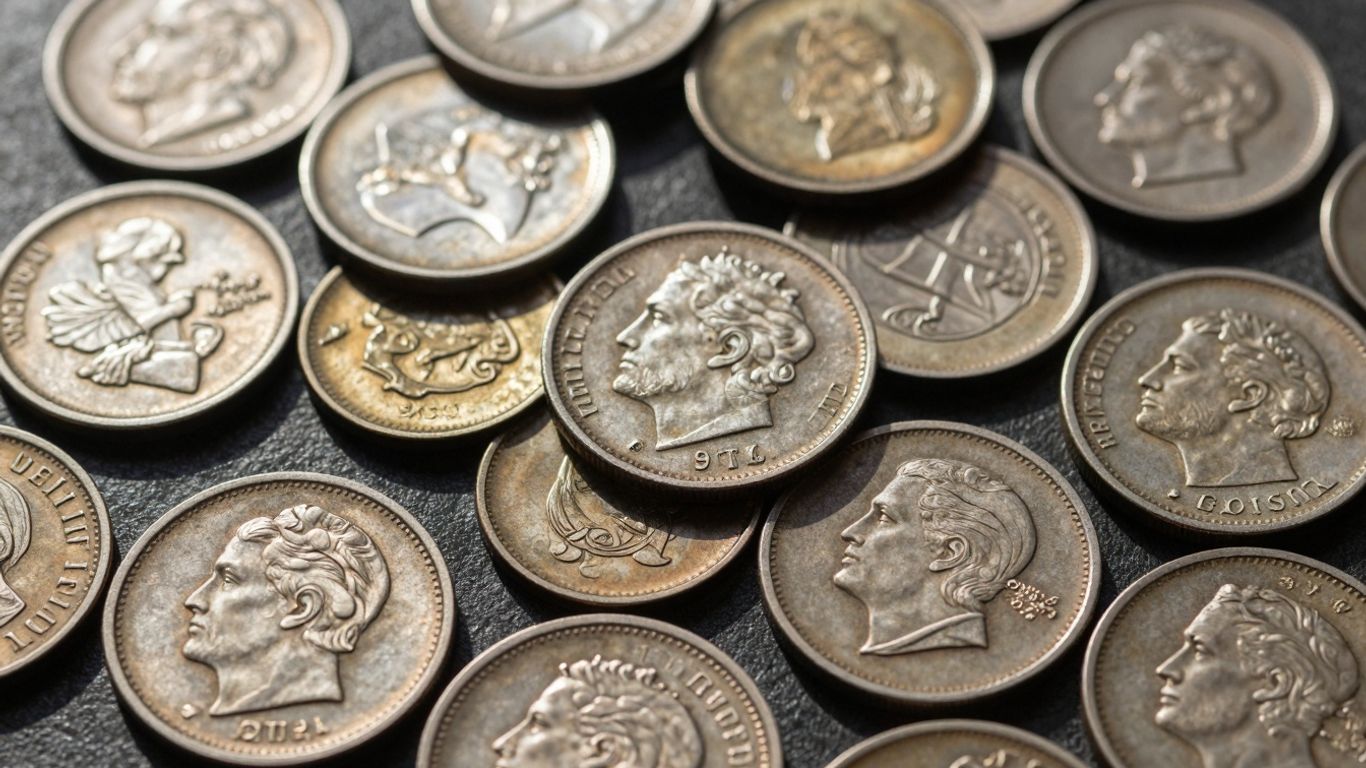
So, you’ve inherited a coin collection here in Tampa and you’re wondering what it’s all about. It’s more than just a pile of old metal; it’s a potential treasure trove of history and value. Figuring out what makes a coin valuable, especially in the world of numismatics, can seem a bit like a puzzle at first. It’s not just about the metal they’re made of; history, rarity, and even how well they’ve been preserved all play a part.
What Constitutes Numismatic Coin Value
Numismatic value goes way beyond the coin’s face value, looking at factors like rarity, condition, and historical significance. Think about it – a coin might have been passed around during a major historical event, or maybe it was minted when a famous figure was in office. That connection to the past is a big part of the appeal. Plus, coins can be beautiful. Some have intricate designs, while others are made of shiny precious metals. It’s a mix of history, art, and even a bit of economics.
Key Factors Influencing Coin Worth
Most coins you find in your pocket are worth exactly what they say they are. A quarter is worth 25 cents, plain and simple. But numismatic coins? They can be worth way, way more. Why? A bunch of things.
- Rarity: If only a few of a certain coin were ever made, it’s going to be worth more than one that was churned out by the millions.
- Condition: A coin that looks like it just came off the minting press is worth a lot more than one that’s been scratched, bent, or worn smooth.
- Demand: Sometimes, a coin just becomes popular. Maybe it’s tied to a historical event, or collectors just decide they really want it. That can drive up the price.
- Metal Content: If a coin is made of gold or silver, its melt value alone can be significant, even if the coin itself isn’t particularly rare.
The value of a coin isn’t just a number; it’s a story told by its physical state, its scarcity, and the interest people have in it. It’s a puzzle where each piece adds to the overall picture of its worth.
The Allure of Numismatics
Coin collecting, or numismatics as the fancy folks call it, is a hobby that pulls you in. It’s like collecting stamps or old baseball cards, but with coins, you’re holding a piece of history. The thrill of discovery is a big draw for many. You might be sorting through a box of old coins and suddenly find something truly special, something that tells a story or represents a significant moment in time. It’s this blend of history, art, and the potential for finding something rare that makes numismatics so captivating. If you’re looking for a professional valuation, services like Appraise It Now can help assess your collection.
Navigating Coin Appraisal Services in Tampa Bay
So, you’ve got this box of old coins, maybe from your grandpa or some distant relative. They look interesting, sure, but what are they actually worth? That’s where coin appraisal services come in. Finding someone who knows their stuff is pretty important if you want a realistic idea of your collection’s value.
Finding Reputable Coin Appraisers
When you’re looking for someone to check out your coins in the Tampa Bay area, you don’t want to just pick the first name you see. A good appraiser should be someone you can trust. Look for folks who are members of professional numismatic organizations. They often have a code of ethics they follow. Also, see if they have a physical location you can visit – it just feels more solid than someone operating solely online. Ask around, see if any local coin shops come recommended, or if collectors you might know have a go-to person.
- Check for affiliations with groups like the American Numismatic Association (ANA).
- Look for appraisers with a physical shop or office.
- Ask for references or check online reviews.
- Be wary of anyone who pressures you to sell immediately.
Benefits of Online Coin Appraisals
Sometimes, getting to a physical shop isn’t easy, or maybe you just want a quick initial idea. Online appraisals can be handy for that. You can often upload photos and descriptions, and get a preliminary estimate. It’s a good way to get a general sense of what you might have before committing to a more in-depth, in-person appraisal. Just remember, an online appraisal is usually just a starting point.
Online tools and services can give you a rough idea of value, but they can’t replace the detailed inspection a professional can provide in person. The condition, specific mint marks, and other subtle details are hard to capture fully through a screen.
Professional Grading Services for High-Value Coins
If your collection has some coins that seem particularly old, rare, or in amazing condition, you might consider sending them to a professional grading service. Companies like PCGS (Professional Coin Grading Service) or NGC (Numismatic Guaranty Company) are the big names here. They have experts who will authenticate your coin, assign it a precise grade based on its condition, and then seal it in a protective holder. This process can significantly increase a coin’s desirability and value to collectors because it removes a lot of the guesswork about its authenticity and condition.
| Service Type | What They Do |
|---|---|
| Appraisal | Provides an estimated monetary worth based on current market conditions. |
| Professional Grading | Authenticates, grades, and encapsulates coins for protection and marketability. |
| Online Estimation | Offers a preliminary value based on submitted photos and descriptions. |
Identifying Rare and Unique Coin Finds
The Fascination of Error Coins
Sometimes, the most interesting coins aren’t the ones that came off the mint perfectly. Errors happen! These are mistakes made during the coin-making process, and for collectors, they can be a big deal. Think about a coin where the design is a little off-center, or maybe the date looks like it’s been stamped twice. These aren’t just flaws; they’re unique characteristics that make a coin stand out from the crowd. They offer a little peek into the sometimes-messy reality of how coins are made.
Some common types of errors you might come across include:
- Off-center strikes: The design isn’t fully impressed onto the coin’s surface because it wasn’t positioned correctly.
- Double dies: A single die strikes the coin twice, causing a doubling effect on parts of the design or lettering.
- Struck-through errors: Something, like a piece of metal or cloth, gets between the die and the coin blank during striking, leaving an impression or missing detail.
- Missing elements: Parts of the design or lettering are absent due to issues with the die itself.
These kinds of mistakes can really make a coin more desirable, especially if the error is obvious and easy to see. It adds a story to the coin that a perfect specimen just doesn’t have.
Exploring Production Quirks and Historical Events
Beyond simple minting errors, some coins become rare due to specific historical circumstances or unusual production runs. For example, a coin might have been produced for only a short time before a design change, or perhaps a particular mint mark (the tiny letter indicating where it was made) was only used for a year or two. These limited production runs mean fewer coins were made, naturally making them harder to find later on.
The real excitement in coin collecting often comes from discovering pieces that have a unique story. This could be a coin that was part of a special historical event, a limited issue, or even one that was accidentally released into circulation in very small numbers. These coins are more than just metal; they’re tangible links to the past.
Recognizing Unique Coin Characteristics
So, how do you spot one of these special coins? It takes a bit of looking. First, check the mintage numbers if you can find them – this tells you how many were originally produced. Lower numbers usually mean higher rarity. Also, pay attention to mint marks; some are much rarer than others. And, of course, keep an eye out for those production errors we talked about. Comparing your coin to known examples in books or online databases is a good way to see if yours has any unusual features. Sometimes, a coin’s metal content can be a clue too; genuine gold and silver coins aren’t magnetic, so if yours sticks to a magnet, it’s a big warning sign.
Leveraging Resources for Coin Value Assessment
So, you’ve got a coin, maybe it’s old, maybe it looks interesting, and you’re wondering what it’s actually worth. It’s not always as simple as looking at the date and the metal it’s made of. Luckily, there are a bunch of places you can turn to get a better idea of your coin’s value. Think of it like doing your homework before a big test – the more you know, the better you’ll do.
Utilizing Online Price Guides and Databases
This is probably the easiest place to start. The internet is packed with websites dedicated to coin collecting. Many of these sites have huge databases where you can look up specific coins. You can often search by the coin’s date, mint mark, and even its condition. These online guides are updated pretty regularly, so you’re usually getting a good snapshot of what coins are selling for right now. It’s a good way to get a ballpark figure, especially for more common coins.
Exploring Auction Result Archives
Want to see what coins are actually selling for, not just what someone is asking? Auction archives are your best friend. Websites that host coin auctions, or even dedicated archive sites, let you see past sales. This is super helpful because it shows real transaction prices. You can filter by coin type, date, and grade to see what similar coins have fetched. It gives you a much clearer picture of the market.
Engaging with Coin Collecting Forums
This is where you can tap into the collective knowledge of other collectors. Online forums are great places to ask questions, share pictures of your coins, and get opinions from people who have been collecting for years. You might find someone who specializes in the exact type of coin you have. Plus, you can often learn about new trends or rare finds that you might not see in a standard price guide. It’s like having a whole community of experts at your fingertips.
Here’s a quick look at what you might find:
- Online Price Guides: Good for general values and quick checks.
- Auction Archives: Shows real-time sales data.
- Collector Forums: Offers community insights and expert opinions.
Sometimes, a coin’s value isn’t just about its rarity or condition. The story behind it, or even just how visually appealing it is to collectors at a given moment, can play a big part. It’s a mix of objective facts and subjective collector interest.
The Influence of Precious Metals on Coin Value
When you look at inherited coins, it’s easy to get caught up in the history or the intricate designs. But sometimes, the most straightforward factor in a coin’s worth is simply what it’s made of. For many coins, especially those considered "bullion" coins, their value is directly tied to the fluctuating global markets for gold, silver, and platinum. Think of a modern American Eagle silver dollar. Its price isn’t just about the eagle on it; it’s largely determined by the current price of silver, plus a small amount for the cost of minting and its numismatic appeal.
Understanding Bullion Coin Value
Bullion coins are primarily valued for their metal content. Unlike collectible coins where rarity and condition might be the main drivers, a bullion coin’s worth is its intrinsic metal value. This means its price can change daily, even hourly, as the spot price of gold or silver shifts. For example, a one-ounce American Gold Eagle coin could be worth over $2,000 in late 2025, and that figure is highly dependent on the market. The purity of the metal is also a big deal here. A coin that’s 99.9% pure silver will be worth more than one that’s only 90% pure, assuming they weigh the same. You’ll often see coins described by their fineness, like ".999 fine silver."
Gold and Silver Buyer Services in Tampa
If you have coins that are primarily valuable for their metal content, knowing where to sell them in Tampa is important. Local coin dealers and precious metal buyers specialize in purchasing these types of coins. They understand the current market prices for gold and silver and can offer you a price based on the melt value of the metal, often with a small premium. When looking for a buyer, consider those who are transparent about their pricing and offer immediate payment. It’s good to get a few quotes if you can, just to make sure you’re getting a fair deal.
The Impact of Market Demand on Precious Metals
It’s not just about how much gold or silver is available; demand plays a huge role. Global economic stability, geopolitical events, and even consumer trends in jewelry can influence the price of precious metals. When the economy is uncertain, investors often flock to gold and silver as safe havens, driving up demand and prices. Conversely, if the economy is booming, people might invest more in stocks and less in precious metals, potentially lowering their prices. This constant push and pull between supply and demand is what makes the metal market so dynamic.
Here’s a simplified look at how metal prices can affect coin value (prices are illustrative as of late 2025):
| Metal | Approx. Price/oz (USD) | Example Coin Value (1 oz Bullion) |
|---|---|---|
| Gold | $2,000 | $2,050 |
| Silver | $25 | $30 |
| Platinum | $1,000 | $1,030 |
Note: These are illustrative prices and do not include premiums or specific coin conditions.
The intrinsic value of a coin, derived from its precious metal content, forms the baseline for its worth. While numismatic factors can add significant premiums, understanding the underlying metal value is key to assessing a coin’s potential price, especially in a fluctuating market.
Selling Your Inherited Coin Collection in Tampa
So, you’ve got this box of old coins from a relative, and now you’re wondering what to do with them. Selling them in Tampa can feel like a big step, but it doesn’t have to be complicated. The key is knowing who to turn to and what to expect.
Choosing the Right Silver Coin Buyer
When you’re ready to part with your collection, picking the right buyer makes all the difference. You want someone who knows their stuff and offers a fair price. It’s not just about the silver content; some coins have extra value because they’re rare or historically significant. A good buyer will recognize this.
Here are a few things to look for:
- Reputation: Do they have good reviews? Are they known for being honest?
- Knowledge: Do they specialize in coins, or are they just a general pawn shop?
- Transparency: Are they upfront about how they determine the price?
- Offer: Do they give you a clear offer, and is it competitive?
Why Using a Local Coin Buyer is Beneficial
There’s something to be said for dealing with someone right here in Tampa. Local buyers often understand the Tampa Bay market better. Plus, you can physically go to their shop, see your coins being evaluated, and get paid on the spot. It cuts out a lot of the guesswork and potential shipping hassles you might face with online-only dealers.
- Personal Interaction: You can talk face-to-face and build trust.
- Immediate Payment: Get cash or a check right away.
- Reduced Risk: No worries about coins getting lost in the mail.
- Local Expertise: They might know specific local collector interests.
Maximizing Your Payouts with Trusted Buyers
To get the most for your coins, do a little homework. Understand what you have, even if it’s just a general idea. Compare offers from a couple of different reputable local buyers. Sometimes, a buyer might offer a bit more for a specific coin if they know a collector who’s looking for it. Don’t be afraid to ask questions about their pricing. A trusted buyer will be happy to explain how they arrived at their offer.
Selling inherited items can bring up a lot of feelings, but turning those old coins into cash can be a practical way to honor the past while preparing for the future. Taking the time to find the right buyer means you’ll likely get a better price and have a smoother experience overall.
Tools and Techniques for Coin Examination
So, you’ve got a coin, maybe it’s old, maybe it looks interesting, and you’re wondering what it’s actually worth. It’s not always as simple as looking at the date and the metal it’s made of. Luckily, there are a bunch of places you can turn to get a better idea of your coin’s value. Think of it like doing your homework before a big test – the more you know, the better you’ll do. To really get a handle on these advanced evaluation techniques, you need the right tools and a bit of practice.
Essential Tools for Close Examination
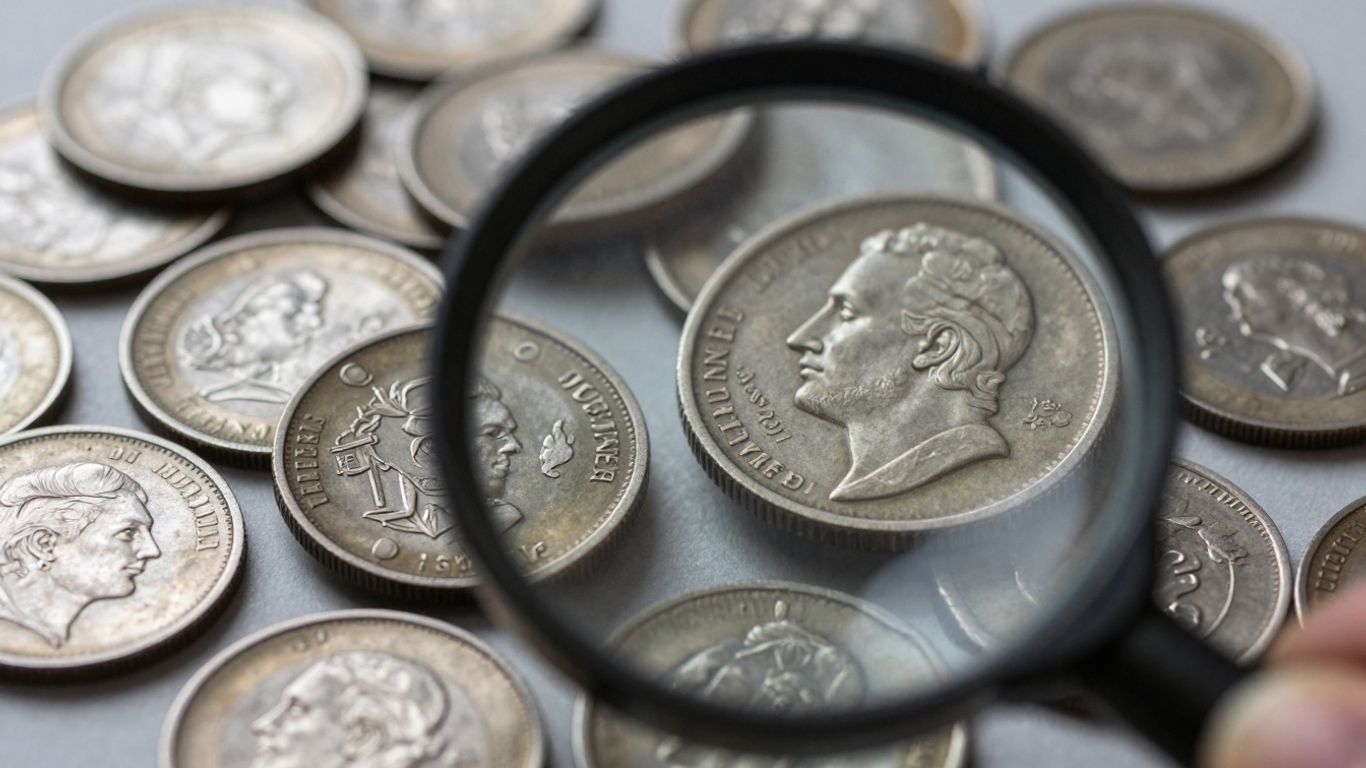
When you’re first starting out, you don’t need a whole workshop. A few key items can make a big difference in what you can see. A 10x magnifying loupe is pretty standard for getting a close-up view of those fine details and potential flaws. Good lighting, like from a halogen lamp or even a bright desk lamp, is also super important to see the luster and any surface issues clearly. You’ll want to examine the coin from different angles. It’s also helpful to compare your coin to known examples, perhaps using reference books or online databases, to understand what a strong strike or full luster should look like for that specific type of coin. Over time, your eye gets better at spotting these nuances, and you start to develop a feel for what makes a coin truly stand out. You can find a good selection of coin collecting tools to get you started.
Examining Coins from Multiple Angles
It’s not enough to just look at the front and back of a coin once. You need to rotate it, tilt it, and really get a feel for its surfaces. This is where good lighting really comes into play. You want to see how the light reflects off the coin’s surface, looking for any scratches, nicks, or wear that might not be obvious from a straight-on view. Pay attention to the high points of the design – these are usually the first areas to show wear. Also, look at the edges. Are they smooth, reeded, or damaged in any way? Each angle can reveal something new about the coin’s history and condition.
Comparing Your Coins to Known Examples
This is where you become a bit of a coin detective. Counterfeiters aren’t always super sophisticated, but sometimes they can be pretty convincing. What am I looking for? Well, first off, I compare the coin in question to known genuine examples. You can find these in books or online. I’m checking things like the date, the mint mark, the lettering, and the overall design. Are the numbers sharp? Does the lettering look right, or is it a bit mushy or oddly spaced? Sometimes, the metal itself can be a giveaway. Real silver and gold coins aren’t magnetic, so if your coin sticks to a magnet, that’s a big red flag. Also, genuine coins often have a specific sound when you gently tap them – a sort of clear ring. Fakes can sound dull or thuddy.
Sometimes, even with all the books and online resources, you’re still not 100% sure. Or maybe you have a coin that looks really, really special, and you want to be absolutely certain before you do anything else. That’s when it’s time to call in the pros. Reputable coin dealers are a great first step. They see coins all day, every day, and they have a lot of experience spotting fakes and alterations. They can often give you a quick opinion, sometimes for free, just to put your mind at ease.
Diamond Banc: Your Tampa Gold and Silver Buyer
Hassle-Free, Immediate Funding in Tampa
When you’re looking to sell gold or silver in the Tampa area, Diamond Banc is a place to consider. They focus on giving you a fair price for your precious metals, whether it’s bullion or jewelry you don’t wear anymore. It’s a way to turn those items into cash pretty quickly.
Fair Market Offers for Precious Metals
Diamond Banc aims to give you a good price for your gold and silver. They don’t just look at the weight of the metal. They also consider if a piece is a designer item or has valuable diamonds. This means you might get more than you’d expect from a typical buyer.
Here’s a look at what they commonly buy:
- Gold/Silver Bullion
- Gold/Silver Coins
- Gold Jewelry (any kind)
- Broken Gold Jewelry
- Scrap Gold
- Dental Gold
Expert Evaluation Beyond Gold Content
What sets Diamond Banc apart is their detailed evaluation process. They have experts, like their Market Director Jodi Hudson, who has over 25 years in the jewelry business. She’s worked with places like Tiffany & Co. and knows a lot about fine jewelry and diamonds. This means they can spot value that others might miss.
They work to make selling your valuables a straightforward process. You can visit their Tampa office or use their mail-in service. They aim for quick payment once an offer is accepted, often within 24 hours.
They also buy other items like:
- Designer jewelry
- Estate jewelry
- Luxury watches (like Rolex)
- Diamonds and diamond engagement rings
This broader approach means they can often provide more competitive offers, especially for items with unique characteristics or brand recognition.
Understanding Coin Grading and Authentication
The Sheldon Scale for Coin Grading
So, you’ve got a coin, and you’re wondering what makes it worth more than just its metal content. It’s not just about the date or the picture on it. Several things really push a coin’s value up, or sometimes, down. Think of it like a recipe; you need the right ingredients in the right amounts. The condition of a coin is a huge part of this, and that’s where grading comes in. The most common system used is the Sheldon Scale, which uses numbers from 1 to 70. A coin at the low end (like a 1) is pretty worn out, with most details gone. On the other end, a 70 is absolutely perfect, looking like it just came from the mint. Most coins you’ll encounter fall somewhere in between.
Here’s a quick rundown of what those numbers generally mean:
- 1-10 (Poor to Good): Very worn, details are hard to make out. You can usually tell what the coin is, but not much else.
- 15-35 (Very Good to Fine): Some wear is visible, especially on the high points, but major details are still there.
- 40-55 (Very Fine to Extremely Fine): Light wear, but most of the coin’s original design is still sharp and clear.
- 60-70 (Mint State/Uncirculated): No wear at all. These coins look like they’ve never been in anyone’s pocket. The difference between a 65 and a 70 can be thousands of dollars!
The Importance of Authenticating Coins
Beyond just knowing the condition, you need to be sure your coin is the real deal. Authentication is all about verifying that a coin is genuine and hasn’t been altered in a way that might fool collectors. Sometimes people try to make common coins look rarer, or they might try to pass off a fake as a genuine piece. This is where reference materials become your best friend. Books like the "Red Book" (A Guide Book of United States Coins) are packed with information on dates, mint marks, and design features. Comparing your coin to detailed images and descriptions in these guides can help you spot inconsistencies. Online databases and specialized catalogs are also super helpful these days. It’s all about having reliable information to compare your coin against.
Sometimes, even with all the books and online resources, you’re still not 100% sure. Or maybe you have a coin that looks really, really special, and you want to be absolutely certain before you do anything else. That’s when it’s time to call in the pros. Reputable coin dealers are a great first step. They see coins all day, every day, and they have a lot of experience spotting fakes and alterations. They can often give you a quick opinion, sometimes for free, just to put your mind at ease.
Protecting Your Investment Through Authentication
When you’re looking at potentially valuable coins, especially those inherited ones, making sure they’re authentic is key to protecting your investment. A coin that looks great but turns out to be a counterfeit or has been altered (like having its date changed) can be worth significantly less, or even nothing at all. This is why understanding the basics of authentication is so important. You’ll want to examine your coins closely, perhaps with a 10x magnifying loupe, paying attention to details like the sharpness of the design, the texture of the surface, and any unusual marks. Good lighting is also super important to see the luster and any surface issues clearly. Comparing your coin to known examples, using those reference books or online databases we talked about, is a solid way to start. If a coin seems particularly rare or valuable, getting a professional opinion from a trusted dealer or a third-party grading service is a smart move to ensure you’re dealing with a genuine piece and to get an accurate assessment of its true worth.
Specialized Coin Markets and Selling Strategies
Selling Canadian Coins for Top Value
When you’re looking to get the most for your coin collection, it helps to know where different types of coins do best. For instance, Canadian coins, especially those with unique designs or made from precious metals, can fetch a good price. The "Loonie" (the $1 coin) and the "Toonie" ($2 coin) have a following, and older Canadian currency can be quite sought after by collectors who focus on that specific country’s coinage. Researching the demand for Canadian coins specifically can make a difference in your payout.
Understanding Collector Demand
It’s not just about the coin’s age or the metal it’s made from. What collectors want is a huge part of the equation. Some collectors focus on specific historical periods, others on particular mint marks, and some are just drawn to coins with interesting errors or unique stories. Knowing who collects what, and what they’re willing to pay, is key. This is where looking at past auction results can be really helpful. You see what coins actually sold for, not just what someone was asking.
The Role of Subjective Appeal in Coin Value
Sometimes, a coin’s value goes beyond the numbers. Its visual appeal, the story it tells, or even just a current trend in collecting can influence what someone is willing to pay. It’s a bit of art and a bit of science. A coin might be technically common, but if it has a beautiful strike and great luster, a collector might pay a premium for it. It’s about how the coin strikes someone, not just its objective stats.
Here’s a quick look at where to find information:
- Online Price Guides: Good for general values and quick checks.
- Auction Archives: Shows real-time sales data.
- Collector Forums: Offers community insights and expert opinions.
- Specialized Blogs/Websites: Can provide in-depth analysis on specific coin series.
The market for coins can shift. What’s popular one year might be less so the next. Staying informed about trends and understanding the different niches within coin collecting can help you position your collection for the best possible sale.
Wrapping It Up
So, you’ve got this inherited coin collection sitting around, and maybe you’re wondering what to do with it. It can feel a bit overwhelming at first, trying to figure out what’s actually valuable and where to even start. But remember, those coins aren’t just old metal; they’re pieces of history. Taking the time to research them, maybe get them looked at by a professional, or even just learning about their past, can be pretty interesting. Whether you decide to sell them for some extra cash or keep them as a family heirloom, knowing their worth is the first step. It’s all about making an informed choice that feels right for you and your collection here in Tampa.
Frequently Asked Questions
What makes a coin valuable?
A coin’s value isn’t just its printed worth. Things like how rare it is, its condition (is it worn out or like new?), its historical importance, and even if it has mistakes from when it was made can make it worth much more. Precious metals like gold and silver also add to its value.
How can I find out what my inherited coins are worth?
You can start by looking up your coins online using price guides and databases. Checking past auction results can show you what similar coins have sold for. Talking to coin collectors online or visiting local coin shops in Tampa can also give you a good idea of their value.
Should I get my coins professionally appraised?
For common coins, online research might be enough. But if you think you have something really special or valuable, a professional appraisal is a good idea. A good appraiser knows a lot about coins and can give you a more accurate value, especially if you’re planning to sell.
What are error coins?
Error coins are coins that have mistakes made during the minting process. Maybe the design is off-center, or it got stamped twice. These aren’t just seen as flaws; they can actually make a coin more interesting and valuable to collectors because they are unique.
What's the difference between a coin's face value and its collectible value?
Face value is the amount printed on the coin, like a quarter being worth 25 cents. Collectible value, or numismatic value, is what someone is willing to pay for the coin based on its rarity, condition, history, and other factors. Often, collectible value is much higher than face value.
Where can I sell my coin collection in Tampa?
You have a few options in Tampa. You can look for local coin dealers who specialize in buying collections. Companies like Diamond Banc also buy gold and silver coins and offer immediate funding. Doing some research to find a buyer you trust is important.
How do precious metals affect coin value?
Coins made of gold or silver, especially older ones or those with low mintage, are often valued for their metal content (bullion value) as well as their collectible value. The current price of gold and silver on the market can significantly impact how much these coins are worth.
What is coin grading, and why is it important?
Coin grading is a way to describe a coin’s condition, usually on a scale from 1 to 70. A higher grade means the coin is in better shape and usually worth more. Professional grading services can officially determine a coin’s grade, which helps buyers and sellers know its true value and authenticity.