Look, nobody wants to get stuck with a fake coin, right? It’s like buying a fancy gadget only to find out it’s just a painted rock. The best way to avoid that sinking feeling is to not rely on just one test. Think of it like checking your work – you wouldn’t just do one math problem and assume you got the whole test right. You double-check, you look at it from different angles. That’s what a multi-layered approach is all about. It’s about stacking up evidence, making sure that coin is the real deal from every angle. Each test you do adds another layer of certainty, making it way harder for a fake to slip through. This guide will walk you through some solid ways to check if that silver coin is the real deal or just a clever imitation. We’ll cover everything from simple checks you can do at home to more advanced methods, helping you learn how to test silver coins.
Key Takeaways
- Start with the basics: Use a good scale and a loupe. These simple tools can catch a lot of fake coins right away. Don’t skip this step.
- Trust your senses: Pay attention to how the coin looks and sounds. Genuine silver has a certain feel and ring to it that fakes often miss. Handling more real coins helps you notice these differences.
- Know when to get help: For valuable coins, don’t be afraid to use better equipment like electronic testers or even get an expert opinion. It’s better to be safe than sorry.
- Keep good records: Write down what you find when you check a coin – its weight, how it sounds, any details you see. This helps you remember and can be useful later.
- Use multiple tests: No single test is perfect. Combine looking, weighing, listening, and maybe even magnetic tests to get a really sure answer about identifying fake silver coins.
Fundamental Tools For Identifying Fake Silver Coins
Before you even think about fancy gadgets, let’s cover the basics. You don’t need a whole workshop to spot a lot of fake silver coins. It really comes down to using your senses and a few simple items that most collectors have.
Leveraging Basic Equipment
There are a few inexpensive tools that can tell you a lot about a coin right off the bat. Think of these as your first line of defense. They’re not flashy, but they work.
- Calibrated Scale: You need to know the exact weight of a coin. Even a small difference can be a red flag. Make sure your scale is accurate and can measure to at least a tenth of a gram, preferably more. For example, a common silver dollar should weigh a specific amount, and deviations can indicate a problem.
- Magnifier (Loupe): A good loupe, at least 10x magnification, is a must. It lets you see details that are impossible to spot with the naked eye, like weak lettering or odd surface textures. You can often find these at coin supply stores.
- Strong Magnet: A rare-earth magnet, like a neodymium magnet, is surprisingly useful. Most precious metals, including silver, aren’t magnetic. If a coin sticks to a strong magnet, it’s almost certainly fake.
The weight and appearance of a coin are the first things a counterfeiter gets wrong. Getting these basic checks right saves you a lot of trouble later.
Understanding Weight and Dimension Accuracy
Coins have very specific dimensions and weights set by the mint. Counterfeiters often struggle to replicate these precisely. A coin that’s too light or too heavy, or even slightly off in diameter or thickness, is a major warning sign. Always compare the measurements of a coin you suspect to be fake against the known specifications for that particular coin. Slight variations might be due to wear, but significant differences point towards a problem.
The Importance of Precision Scales and Calipers
To really nail down the weight and dimensions, you need the right tools. A digital scale that can measure to at least 0.1 grams is standard, but for serious collectors, one measuring to 0.01 grams is better. Calipers, whether digital or dial, are also important for measuring the coin’s diameter and thickness accurately. These measurements, when compared to official mint specifications, can quickly reveal a fake.
| Measurement | Genuine Silver Coin (Example) | Suspect Coin | Result |
|---|---|---|---|
| Weight (g) | 26.73 | 27.10 | Off |
| Diameter (mm) | 38.1 | 38.0 | Close |
| Thickness (mm) | 2.4 | 2.5 | Close |
Mastering Visual And Microscopic Examination
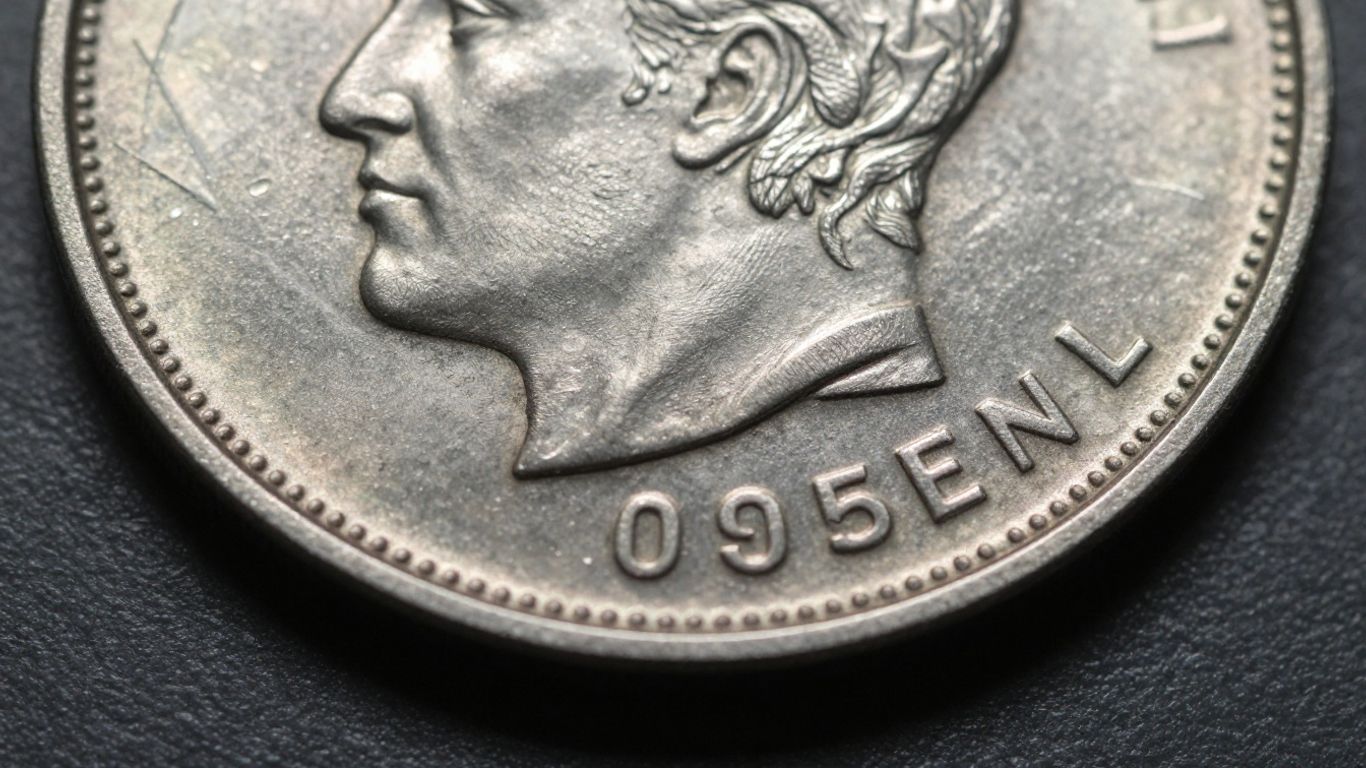
Alright, so you’ve got a coin and you’re wondering if it’s the real deal. Before you go pulling out fancy gadgets, let’s talk about what your own eyes and a little bit of magnification can tell you. This is where you start, and honestly, it’s where a lot of fakes get caught right away. Counterfeiters are good, but they often can’t quite nail the tiny details that real mints put into their coins.
Scrutinising Design Elements With Magnification
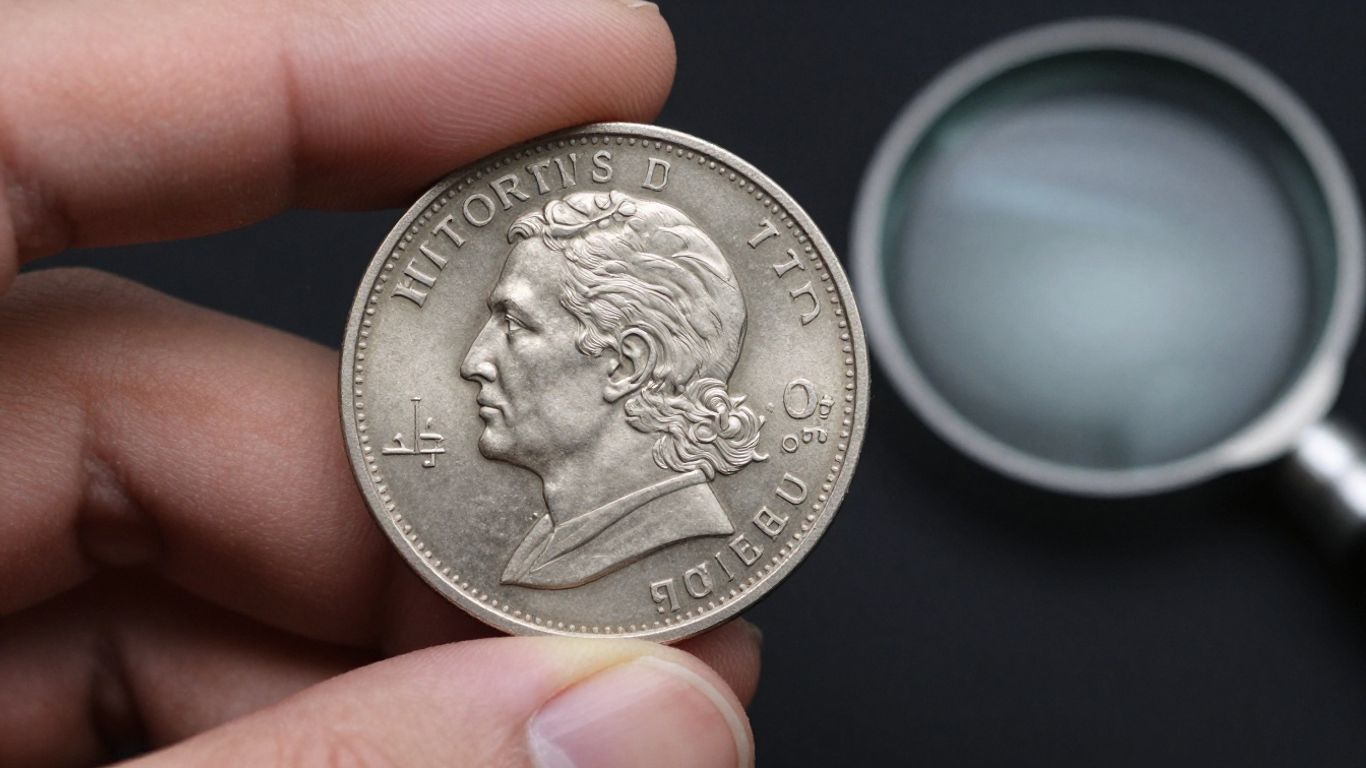
This is where a good magnifying glass, or a loupe as collectors call them, really comes in handy. You don’t need anything super expensive, just something that can give you at least 10x magnification. It’s like getting a secret peek at the coin’s true self. Hold it up and really look at the details. Are the letters sharp and clear, or do they look a bit fuzzy or weak? Check out the portrait – is it detailed, or does it look like a blurry mess? Sometimes, mint marks are misplaced or poorly struck on fakes. It’s all about comparing what you see to what a genuine coin should look like. If you have a known real coin, put them side-by-side. You’d be surprised what you can spot.
Examining Hallmarks and Edge Reeding
Don’t just look at the main picture on the coin. Flip it over, look at the edges. Most coins have something called ‘reeding’ on the edge – those little lines. On real coins, these lines are usually pretty uniform and well-defined. Fakes might have uneven spacing, or the lines might look worn down or poorly made. Also, keep an eye out for any official stamps or hallmarks, though these are more common on silver bars or jewelry than coins. If they are present, they should look crisp and clear under magnification, not smudged or shallow.
Assessing Mint Luster and Surface Texture
Genuine silver coins have a certain look to them, a kind of shine or ‘luster’ that comes from the minting process. It’s not just a flat, shiny surface. It can have a subtle glow, and sometimes, if the coin is older, it might have a bit of toning, which is a natural discoloration. Fakes often look too bright, too dull, or just have a weird, artificial sheen. Also, feel the surface (carefully, of course). Does it feel smooth and well-finished, or are there tiny imperfections, pits, or rough spots that just don’t seem right? These little texture differences can be big clues.
Paying close attention to the small details is key. Counterfeiters often focus on the main design, overlooking the finer points that give away a fake. It’s the little things that add up to a big difference in authenticity.
Here’s a quick rundown of what to look for:
- Design Sharpness: Are portraits, lettering, and numbers crisp and clear?
- Edge Consistency: Is the reeding uniform and well-defined?
- Surface Finish: Does the coin have a natural luster, or does it look off?
- Mint Marks: Are they correctly placed and struck?
- Overall Detail: Does the coin look like a high-quality product or a rushed copy?
The Magnet Test For Silver Verification
Okay, so you’ve got a coin, and you’re wondering if it’s actually silver or just something that looks like it. One of the simplest tricks up your sleeve is the magnet test. It’s pretty straightforward because real silver, like sterling or fine silver, just doesn’t play nice with magnets. It’s not magnetic. Counterfeiters, on the other hand, sometimes use cheaper metals that are magnetic, like steel or nickel, and then just slap a silver coating on top. It’s a quick way to catch a lot of fakes.
Enhanced Magnet Testing Protocol
To really get the most out of this test, you’ll want to use a strong magnet. Those little fridge magnets probably won’t cut it. Think neodymium magnets – they’re the strong ones. Here’s how to do it:
- Get a strong magnet: Neodymium magnets are best. They’re small but pack a punch.
- Try the slide test: Hold the coin at an angle, maybe around 45 degrees. Then, slowly slide the magnet down the surface of the coin. If it’s real silver, the magnet should move down pretty slowly, almost like it’s being held back. This is due to something called eddy currents, which create a sort of magnetic drag. It’s a neat effect.
- Watch for attraction: If the magnet sticks to the coin, or slides down way too fast with no resistance, that’s a big red flag. It strongly suggests there’s a magnetic metal, like steel or iron, inside the coin.
- Consider the coin’s edge: Sometimes, you can even test the edge of the coin. If the magnet seems to pull towards the edge, that’s another sign of a non-silver core.
Understanding Magnetic Field Interaction
So, why does this happen? Well, precious metals like silver are what we call diamagnetic. This means they’re actually weakly repelled by a magnetic field. It’s a very subtle effect, but it’s there. It’s totally different from ferromagnetic materials like iron or steel, which are strongly attracted to magnets. When you slide a strong magnet over a real silver coin, the interaction between the magnet’s field and the coin’s electrons creates these eddy currents. These currents generate their own magnetic field that opposes the magnet’s field, causing that braking effect you observe. It’s this subtle push-and-pull that makes the magnet slide slowly. Fakes often skip this whole process because they’re built with a core of easily attracted metals.
The key takeaway here is that genuine silver exhibits a lack of magnetic attraction. While some coins might have tiny, non-magnetic metallic components that don’t interfere, a strong, noticeable pull towards a magnet is almost always a sign of a fake, especially if it’s a common base metal like steel or nickel being used as the core.
Limitations of Magnetic Testing
Now, while the magnet test is super handy, it’s not foolproof. You can’t rely on it alone. Here’s why:
- Not all fakes are magnetic: Some counterfeiters are pretty clever. They might use non-magnetic metals like copper or lead for the core, which a magnet won’t detect. These coins might pass the magnet test but still be fake.
- Plating can fool you: If a coin is just silver-plated, the magnet might not stick if the plating is thick enough or if the underlying metal isn’t strongly magnetic. You’d need other tests to catch these.
- Some genuine coins aren’t pure silver: Certain collectible or commemorative coins might contain small amounts of other metals that could theoretically interact slightly with a magnet, though this is rare for standard silver bullion or common silver coins.
So, always use the magnet test as a starting point. If it fails (i.e., the magnet sticks), you’ve likely got a fake. But if it passes, don’t pack your bags just yet – you’ll want to follow up with other verification methods.
The Ping Test For Sonic Verification
Beyond what your eyes can see or your fingers can feel, coins also have a voice. This voice, their unique sound when struck, can tell us a lot about what they’re made of. This is the idea behind acoustic testing, often called the "ping test." It’s a classic method that relies on the fact that different metals vibrate and produce different sounds. Genuine silver and gold coins, with their specific densities and compositions, tend to ring with a clear, sustained tone. Counterfeits, often made from cheaper metals like lead or zinc, usually produce a dull thud or a short, unmusical sound. This difference in sound is a quick way to spot a fake, especially for bullion coins.
Conducting the Ping Test
Performing the ping test is pretty straightforward, but doing it right makes a big difference. You want to get a clear sound without damaging the coin. Here’s a simple way to do it:
- Balance the coin: You can either balance the coin on your fingertip or, for a more stable setup, use a specialized testing frame if you have one. Some people even use a thin string to suspend the coin.
- Strike gently: Use another coin (preferably a genuine one of similar size) or a non-metallic object to tap the edge of the coin you’re testing. A light tap is all that’s needed; you’re not trying to dent it.
- Listen carefully: Pay close attention to the sound produced. You’re listening for a sustained, clear ringing tone. It should sound almost musical, like a tiny bell.
- Compare: If you have a known genuine coin of the same type, perform the test on both and compare the sounds directly. This is the best way to get a feel for the difference.
Recognizing Genuine Silver's Ring
Genuine silver coins, especially those made of .999 fine silver or sterling silver, have a distinct acoustic signature. They produce a bright, clear ring that lasts for a noticeable duration. Think of it like a high-quality bell – the sound is pure and resonates for a while. This is because silver has specific physical properties that allow it to vibrate in a particular way. Counterfeit coins, often made from base metals like lead, zinc, or even steel, will typically produce a dull thud or a very short, flat sound. The sound dies out almost immediately, lacking that musical quality. It’s a difference you can often hear quite clearly once you’ve done it a few times.
Using Technology for Sound Analysis
While your ears are pretty good, technology can help refine the ping test. There are smartphone apps available that can analyze the sound frequency produced by the coin. These apps essentially turn your phone into a basic acoustic analyzer. You can record the sound of the ping and the app will show you a visual representation of the sound wave and its frequency. This can be particularly useful when you’re trying to distinguish between subtle differences in sound that might be hard to pick up on your own. Some specialized devices, like the Ringer, are designed specifically for this purpose, offering a more precise analysis of the coin’s resonance. This kind of analysis can provide an objective measure to back up what you’re hearing, adding another layer of confidence to your authentication process. You can find more information on these types of devices on various numismatic sites.
The ping test is a quick, non-damaging method that relies on the unique sound a coin makes when struck. Different metals vibrate at different frequencies, and genuine silver typically produces a clear, bell-like ring, while fakes often sound dull or short. While your ears are the primary tool, technology can offer more precise analysis.
The Ice Cube Test For Thermal Conductivity
Alright, so you’ve checked the weight, maybe even the sound, but there’s another simple trick up your sleeve for spotting fake silver: the ice cube test. It sounds a bit odd, right? But it actually makes a lot of sense when you think about it. Silver is a fantastic conductor of heat. This means it transfers heat really, really fast. Think about a silver spoon in hot tea – it gets hot quickly. This property is what we’re going to use.
Test Procedure for Ice Melting
So, how do you actually do this? It’s pretty straightforward. First off, make sure your coin is at room temperature. You don’t want any weird temperature differences messing with the results. Then, grab an ice cube – a regular one from your freezer will do. Place the ice cube directly onto the surface of the coin you’re testing. Now, just watch it. You’re looking for how quickly that ice cube starts to melt.
- Get your coin to room temperature.
- Place a standard ice cube on the coin’s surface.
- Observe the melting process closely.
Observing Rapid Melting Rates
What you’re hoping to see is the ice melting much faster than you’d expect. Genuine silver conducts heat so well that it will literally suck the warmth out of the ice cube, causing it to melt at an accelerated rate. If you put an ice cube on a regular piece of metal, it might melt, sure, but on real silver, it’s usually noticeably quicker. It’s like the coin is actively helping the ice melt.
Interpreting Thermal Transfer Results
If the ice cube melts away pretty rapidly, that’s a good sign your coin is likely the real deal. It means the metal is behaving like silver should. However, if the ice cube just sits there, melting at a snail’s pace, or barely melts at all, that’s a big red flag. It suggests the coin isn’t made of pure silver, or maybe it’s just silver-plated over a metal that doesn’t conduct heat well. This test is particularly useful for detecting fakes where a less expensive magnetic metal is used as the core and then plated. It’s a quick, non-damaging check that can save you a lot of trouble. For more detailed information on testing methods, you might find resources on coin authenticity helpful.
Remember, no single test is foolproof. This ice cube method is a great indicator, especially for spotting common fakes, but it’s best used alongside other verification techniques to build a stronger case for authenticity.
Building A Comprehensive Authentication Strategy
Look, nobody wants to end up with a fake coin. It’s like buying a fancy new phone only to find out it’s just a cheap knock-off. The best way to avoid that sinking feeling is to not rely on just one test. Think of it like checking your homework – you wouldn’t just do one math problem and assume you got the whole test right. You double-check, you look at it from different angles. That’s what a multi-layered approach is all about. It’s about stacking up evidence, making sure that coin is the real deal from every angle. Each test you do adds another layer of certainty, making it way harder for a fake to slip through.
The Importance Of A Multi-Layered Approach
Relying on a single test is like building a house on a shaky foundation. A fake coin might pass one test, especially if the counterfeiter knows what they’re doing. But can it pass five? Or six? Probably not. A multi-layered strategy means you’re not just looking for one specific flaw; you’re building a case with multiple pieces of evidence. The more tests a coin passes, the more confident you can be about its authenticity. It’s about creating a robust defense against even clever fakes.
Combining Techniques For Greater Certainty
So, how do you actually do this stacking of evidence? It’s pretty straightforward, really. You start with the easy stuff, the things you can do right away. Maybe you weigh it and check if it sticks to a magnet. If those checks out, you move on to something a bit more involved, like looking at it closely with a magnifier or giving it a gentle tap to hear its ring. Each step confirms or raises questions about the last. For really valuable coins, you might even bring in the big guns, like electronic testers. It’s like building a case – you gather all the clues, and the more clues you have that all point to the same conclusion, the more confident you can be.
Here’s a quick rundown of how you might layer your tests:
- Initial Screening: Use a good scale for weight and a strong magnet. These are quick and catch a lot of obvious fakes.
- Visual & Sensory Checks: Employ magnification to examine details and listen to the coin’s sound when tapped.
- Advanced Testing (Optional): For high-value items, consider electronic testers or professional XRF analysis.
Layering Your Tests Effectively
When you’re putting your tests together, think about the order. Start with the simplest, least invasive methods first. You don’t want to scratch a potentially valuable coin with an acid test right off the bat. A good sequence might look like this:
- Weight and Dimensions: Does it match the specs? This is your first line of defense.
- Magnet Test: Does it attract a magnet? Most silver won’t.
- Visual Inspection (Magnification): Look for details, wear patterns, and any oddities.
- Sound (Ping) Test: Does it have that characteristic ring?
- Thermal (Ice) Test: Does ice melt quickly on its surface?
- Edge Examination: Check the reeding or any markings.
If a coin passes all these basic checks, you’re in pretty good shape. For anything particularly rare or expensive, you might then move on to more advanced tools like electronic metal detectors or even XRF analysis. It’s about building confidence with each successful step.
The goal isn’t to find one single test that proves authenticity, but rather to eliminate possibilities of it being fake. Each test you perform successfully adds to the probability that the coin is genuine. If a coin fails even one test, it’s highly suspect, and you should proceed with extreme caution or avoid it altogether.
Advanced Technological Tools For Coin Authentication
Beyond the basic tests, there are some pretty neat gadgets out there that can give you a much clearer picture of whether a silver coin is the real deal. These aren’t your everyday tools, but for serious collectors or anyone dealing with high-value pieces, they can be a lifesaver. They get into the nitty-gritty of the metal itself, which is where many fakes fall apart.
Utilising Electronic Testers Like Sigma Metalytics
Think of electronic testers, like the ones from Sigma Metalytics, as giving a coin a unique electrical fingerprint. These devices send out a small electromagnetic pulse and then measure how the metal reacts. Different metals and alloys react differently, and genuine silver has a very specific response. If a coin is plated or made from a cheaper metal mix, its electrical signature will be off. This is super handy because it can tell you if the coin is solid silver all the way through, not just coated on the outside. Plus, many of these testers can even check coins still sealed in their protective plastic holders, which is a big plus.
- How they work: They measure the coin’s electrical conductivity and magnetic properties.
- What they detect: They can identify the bulk metal composition, spotting fakes that are silver-plated.
- Key advantage: Can test coins still in their original grading slabs.
The Role Of X-Ray Fluorescence (XRF) Testing
X-Ray Fluorescence (XRF) testing is another high-tech method that’s really precise. It uses X-rays to figure out exactly what elements make up the surface of the coin. It’s non-destructive, meaning it doesn’t harm the coin at all. An XRF analyzer can tell you the exact percentage of silver, copper, zinc, or whatever else is in the mix. This is great for catching fakes that might have the right weight and dimensions but are made of the wrong stuff. It’s often used by professionals because the equipment can be quite expensive, but it offers a very detailed look at the coin’s composition.
Understanding Electronic Tester Functionality
These advanced tools are designed to give you more certainty than simple tests. They look at the physical properties of the metal in ways that are hard to fake. While they might seem complicated, their basic idea is to measure something inherent to the metal – like its electrical response or elemental makeup – that a counterfeit is unlikely to get exactly right. The more data points you have from reliable tests, the more confident you can be about a coin’s authenticity.
Relying solely on one test, no matter how advanced, is never a good idea. Combining the insights from electronic testers with other methods like visual inspection and weight checks builds a much stronger case for authenticity. It’s about layering your evidence to make sure you’re not fooled by a clever imitation.
When To Engage Professional Grading
Sometimes, even after you’ve done all your own checks, you might still feel a bit unsure, especially if the coin cost a good chunk of change. That’s where talking to a professional coin dealer or sending it off to a grading service comes in handy. Companies like PCGS or NGC have folks who really know their stuff. They’ll not only try to figure out if it’s real but also give it a grade based on its condition. It costs money and takes time, sure, but a coin that’s been professionally graded often sells for more and gives buyers a lot more confidence. It’s a way to get a solid answer on both authenticity and condition from a trusted third party.
Seeking Expert Opinions for Valuable Coins
If you’ve got a coin that you think might be rare or worth a good amount, getting an expert opinion is a smart move. These professionals have seen thousands of coins, both genuine and fake, and can often spot problems just by looking or holding it. They might offer a quick look for free, or charge a small fee for a more formal opinion. It’s like getting a second opinion from a doctor – sometimes you just need someone with more experience to confirm things.
Understanding Professional Grading Services
Professional grading services employ experienced numismatists who examine coins using a combination of visual inspection, precise measurements, and sometimes even more advanced testing behind the scenes. They use specialized equipment and have years of experience to make their determinations. The process involves multiple levels of examination to ensure accuracy.
The Benefits of Third-Party Authentication
Getting a coin authenticated and graded by a reputable third party offers several advantages:
- Increased Marketability: Graded coins are generally easier to sell and often command higher prices.
- Buyer Confidence: A professional grade provides assurance to potential buyers about the coin’s authenticity and condition.
- Preservation: Coins submitted to grading services are typically encapsulated in protective holders, which can help preserve their condition.
- Objective Assessment: Third-party graders provide an unbiased opinion, free from the seller’s potential bias.
While home testing methods are useful for initial checks, they can’t replace the detailed analysis and established reputation of professional grading services, especially for coins with significant monetary or historical value.
Documenting Your Authentication Process
So, you’ve gone through all the tests – the magnet, the ping, the scale, maybe even the fancy electronic gizmos. That’s great! But here’s the thing: don’t just do the tests and forget about them. Keeping good records is actually a pretty big deal, especially if you’re collecting anything with some serious value. It’s like keeping a diary for your coins.
The Necessity Of Record Keeping
Think about it. If you ever decide to sell a coin, or if you need to make an insurance claim, having proof of how you authenticated it is super helpful. It shows potential buyers that you’ve done your homework and aren’t just guessing. Plus, it helps you keep track of what you have and what you’ve done with it. It’s easy to forget the details of a coin you bought a few years back, right? A good record stops that from happening.
Creating A Verifiable History For Your Coins
When you’re writing things down, try to be as detailed as you can. It’s not just about jotting down "tested okay." You want to create a story for each coin. This history, sometimes called provenance, adds to the coin’s credibility and can even boost its value. It tells people where the coin has been and how it’s been looked after. A well-documented coin is often more desirable than one with a mysterious past.
Essential Details To Log For Each Coin
What exactly should you write down? Here’s a list to get you started. You don’t have to do all of them for every single coin, especially if it’s a common one, but for anything special, it’s worth the effort.
- Coin Identification: What is it? (e.g., Year, Mint Mark, Denomination, Type)
- Purchase Details: Where and when did you get it? How much did you pay? Who did you buy it from?
- Physical Characteristics: Note down its weight (in grams) and dimensions (diameter, thickness) as measured by your tools. Be specific about the units.
- Test Results: List the tests you performed. For each test, record the outcome. For example:
- Magnet Test: No attraction.
- Scale Reading: 31.10 grams (compare to known spec).
- Calipers: Diameter 38.1 mm (compare to known spec).
- Ping Test: Clear, high-pitched ring for 3 seconds.
- Visual Inspection: Design details sharp, no obvious signs of plating or casting.
- Photographic Evidence: Take clear photos of the coin from different angles, especially if you used magnification. Include photos of any packaging or certificates that came with it.
- Notes: Any other observations? Unusual marks, wear patterns, or anything that stood out during your examination.
Keeping these records doesn’t have to be a chore. You can use a simple spreadsheet, a dedicated notebook, or even specialized collection management software. The key is consistency. Make it a habit to log your findings right after you test a coin, while the details are still fresh in your mind. This diligence protects your investment and builds confidence in your collection.
Wrapping Up Your Coin Checks
So, we’ve gone over a bunch of ways to spot fake silver coins. It’s not always easy, and sometimes the fakes look pretty convincing. But by using the basic tools like a scale and a magnifier, and by paying attention to how real coins look, feel, and sound, you can catch a lot of the fakes out there. Don’t be afraid to use stronger methods for expensive coins, and always keep records. The more you practice, the better you’ll get at telling the real deal from the fakes. It’s a skill that protects your collection and makes collecting more enjoyable.
Frequently Asked Questions
What are the easiest ways to start checking if a coin is real silver?
To begin, you’ll need a precise digital scale that can measure tiny amounts, like to the hundredth of a gram. A magnifying glass, with at least 10 times magnification, is also super helpful for spotting small details. And don’t forget a strong magnet – real silver shouldn’t stick to it!
How can I use my senses to help spot fake coins?
You can learn a lot by just looking and listening. Genuine silver coins often have a specific shine and feel. When you gently tap a real silver coin, it makes a clear, bell-like ringing sound that lasts a bit. Fake coins usually sound dull or don’t ring for long.
Why is checking the coin's weight and size so important?
Real silver coins are made very carefully to exact weights and sizes. If a coin is heavier, lighter, thicker, or thinner than it should be, it’s a big clue that it might not be pure silver. Makers of fake coins often struggle to get these measurements just right, especially if they use different metals.
Can a magnet really tell me if a coin is real silver?
A magnet is a good starting point, but it’s not a perfect test. Real silver isn’t magnetic, so if a coin strongly sticks to a magnet, it’s probably fake. However, some fake coins are made with metals that also aren’t magnetic, so they can fool the magnet test. It’s best to use this test along with others.
What's the 'ping test' and how does it work?
The ping test is all about sound! You gently tap the coin, maybe with another coin or a plastic pen, while holding it. Real silver coins usually make a clear, high-pitched ringing sound, almost like a tiny bell. Fake coins often make a dull ‘thud’ sound instead. Different metals make different sounds, and silver has a very distinct ring.
What is the ice cube test, and why does it work for silver?
This test checks how well the coin conducts heat. You place an ice cube on the coin. Because silver is excellent at transferring heat, the ice cube on a real silver coin will melt much faster than on most other metals. It’s a neat way to see silver’s special heat-conducting ability in action.
What are some more advanced tools for checking coins?
For valuable coins, people use special electronic testers, like the Sigma Metalytics. These devices send signals into the coin to check its metal makeup. Another high-tech method is X-Ray Fluorescence (XRF) testing, which precisely identifies the metals on the coin’s surface. These tools give very detailed information.
When should I get an expert to look at my coin?
If you have a coin that seems very rare or could be worth a lot of money, it’s a good idea to get a professional opinion. Expert coin dealers or grading services have seen countless coins and have specialized tools. They can tell you for sure if it’s real and what condition it’s in, giving you peace of mind.