Ever look at an old coin and wonder where it came from or how old it really is? Those little marks and numbers are like a secret code, and learning to read them can open up a whole new world of coin collecting. It’s not as complicated as it sounds, and understanding how to read coin dates and mintmarks can really change how you see your collection. Let’s break down how to figure out what those tiny symbols mean.
Key Takeaways
- Mint marks are small letters that show where a coin was made.
- The ‘D’ usually means the coin came from the Denver Mint.
- You can find mint marks on the front or back of a coin, or sometimes on the edge.
- Knowing about mint marks helps you figure out how rare a coin is and why it might be valuable.
- Using reference books and online tools makes identifying mint marks much easier.
Understanding The Significance Of Mint Marks
So, you’ve got a coin, and you’re looking at it, maybe with a magnifying glass, and you see a little letter. What’s the big deal? Well, that tiny mark, the mint mark, is actually a pretty big deal in the coin collecting world. It’s like a secret code that tells you exactly where that coin was born, so to speak. Think of it as a factory stamp, but for coins, and it can tell you a lot more than just the location.
What Is A Mint Mark?
A mint mark is simply a small letter or letters stamped onto a coin that indicates the specific U.S. Mint facility where it was produced. It’s a way for collectors and historians to trace a coin’s origin. For a long time, all coins came from Philadelphia, so they didn’t need a mark. But as the country grew and more mints opened up across the nation, these little letters became necessary to tell them apart.
A Brief History Of Mint Marks
Mint marks started showing up on U.S. coins back in 1838. Before that, if a coin had a mark, it was usually just the Philadelphia Mint’s mark, or sometimes no mark at all since it was the only game in town. When new mints opened in places like Charlotte, North Carolina (‘C’), Dahlonega, Georgia (‘D’ – for gold coins only), and New Orleans, Louisiana (‘O’), they needed a way to distinguish their output. This practice became more widespread over the years as more mint facilities were established. There were even a few years, like 1965 to 1967, when mint marks were temporarily removed from all coins due to fears of hoarding during a coin shortage, but they were brought back in 1968 and have been a standard feature since.
Key Takeaways For Mint Mark Knowledge
Getting a handle on mint marks is pretty straightforward once you know what to look for. It’s about paying attention to the details.
- Origin Story: Mint marks tell you the specific mint facility that produced the coin. This is the most basic, yet important, piece of information.
- Rarity Factor: Different mints produced varying quantities of coins. Some mints, especially those that operated for shorter periods or in more remote locations, had significantly lower mintages, making their coins rarer.
- Collector Appeal: Coins from certain mints, particularly historic ones like Carson City (‘CC’) or New Orleans (‘O’), are often more desirable to collectors due to their historical significance and limited production.
- Error Identification: Sometimes, specific mints were more prone to certain types of minting errors, which can also increase a coin’s value and interest for collectors.
Understanding these small symbols is more than just a trivia point; it’s a gateway to appreciating the nuances of coin production, historical context, and the factors that contribute to a coin’s collectibility and market value. It adds a whole new layer to simply looking at the date.
Decoding Dallas Mint Mark Symbols
When you’re looking at coins, especially those with a ‘D’ on them, you’re probably thinking about Denver. That’s right, the ‘D’ mint mark primarily points to the Denver Mint. It’s a small detail, but it tells a big story about where your coin was made. Sometimes, people get confused and think ‘D’ might mean Dallas, but for modern U.S. coins, it’s Denver you’re looking at. The Denver Mint has been a major player in coin production for a long time, and its ‘D’ mark is found on countless coins you might have in your pocket or collection.
The 'D' Mint Mark Explained
The ‘D’ mint mark is pretty straightforward for most collectors today. It signifies that a coin was produced at the United States Mint facility in Denver, Colorado. This mint has been operational since 1906, and its ‘D’ mark appears on a wide variety of U.S. coins, from pennies to silver dollars and gold coins. It’s important to note that while the Dahlonega Mint in Georgia also used a ‘D’ mark, it operated much earlier (1838-1861) and primarily produced gold coins. So, when you see a ‘D’ on a more common coin like a nickel or a quarter from the 20th century onwards, you can be pretty sure it’s from Denver.
Understanding Dallas Mint Mark Identification
Okay, let’s clear up a common point of confusion. While Dallas, Texas, is a major city, it has never actually housed a U.S. Mint facility that produced circulating coinage. So, you won’t find a ‘D’ mint mark specifically for Dallas on any U.S. coins. The ‘D’ you’ll encounter almost always refers to the Denver Mint. If you’re looking at a coin and trying to figure out its origin, and you see a ‘D’, focus your research on Denver. It’s easy to mix things up, especially when you’re starting out, but knowing this distinction is key.
The Appeal Of Collecting 'D' Mint Coins
Collecting coins with the ‘D’ mint mark can be really satisfying. Denver has produced a huge number of coins over the years, so you can find ‘D’ mint marks on many different types of coins and dates. This makes it a great way to build a collection without necessarily breaking the bank. You can focus on specific series, like Lincoln cents or Washington quarters, and try to find examples from Denver. Plus, sometimes Denver mint coins are scarcer than those from other mints for certain years, which can add an extra layer of interest for collectors looking for a bit of a challenge. It’s about the hunt and the story each coin tells.
Here’s a quick look at why ‘D’ mint coins are popular:
- Variety: Denver produces a wide range of denominations and dates.
- Availability: Many ‘D’ mint coins are common, making them accessible for beginners.
- Rarity Potential: Certain ‘D’ mint issues can be quite scarce, appealing to advanced collectors.
- Historical Connection: The Denver Mint has a long history of coin production.
When you’re examining a coin for its mint mark, remember that condition matters. A worn ‘D’ might be hard to spot, and sometimes, the mark itself can have slight variations due to the dies used. Always use a good magnifier and compare your coin to known examples if you’re unsure. It’s these little details that make coin collecting so engaging.
Locating Mint Marks On Your Coins
Alright, so you’ve got a coin, and you’re trying to figure out where it came from. That little symbol, the mint mark, is your clue. But where do you even look? It’s not always obvious, and sometimes you need to get up close and personal with your coin.
Check the Coin's Reverse Side
For a lot of coins, especially older ones like Morgan or Peace dollars, the mint mark hangs out on the back. You’ll usually find it tucked away near the bottom, often below some kind of design element like a wreath or maybe some eagle feathers. It’s like the coin’s signature, saying, "Yep, I was made here!"
Look At the Coin's Edge
This one’s a bit less common, but it happens. Some coins, particularly special commemorative ones or certain older series, might have their mint mark right on the edge. It’s not as frequent as seeing it on the front or back, but it’s definitely worth a peek if you’re coming up empty elsewhere.
Use a Magnifying Glass
Let’s be real, these marks can be tiny. Like, really tiny. Especially on coins that have seen a lot of action over the years, the mint mark might be worn down or just plain hard to see with the naked eye. A good magnifying glass or a jeweler’s loupe is your best friend here. It can make all the difference between spotting that elusive ‘S’ or ‘D’ and just staring at a blurry spot.
Here’s a quick rundown of where to generally look, though remember, it can vary:
- Obverse (Front): Sometimes, especially on newer cents, you’ll find it near the date.
- Reverse (Back): This is the most common spot. Look around the edges of the main design.
- Edge: Less common, but possible for specific coin types.
Finding a mint mark isn’t always a straightforward process. It requires a bit of patience and a keen eye. Don’t get discouraged if you don’t see it right away. Sometimes, the location changed from year to year even for the same coin series, or the mark itself might be faint due to wear or the minting process.
Essential Resources For Mint Mark Research
Reference Books For Coin Collectors
When you’re trying to figure out what that little mark on your coin means, having a good reference book is a lifesaver. These books are packed with information that can help you identify almost any coin. They usually have detailed lists of mint marks, showing which mint made which coins and when. Plus, they often include pictures, which really helps when you’re trying to match up what you have with what the book says. It’s like having a coin expert right there on your bookshelf.
Online Resources For Verification
In today’s world, the internet is a treasure trove for coin collectors. Websites dedicated to numismatics offer a wealth of information. You can find databases that let you search by coin type, date, and mint mark. Many sites also have forums where you can ask questions and get advice from other collectors. It’s a quick way to verify information you find elsewhere. For example, you can often find details about specific mints, like the Denver Mint, and the coins they produced. Checking out resources like US Mint history can give you a solid foundation.
Comparing Your Coin To Known Examples
Sometimes, the best way to know if your coin’s mint mark is legit is to compare it to others. This is where good photos come in handy. You can look at high-resolution images of coins online or in books. See how the mint mark looks on a coin that’s already identified. Pay attention to the shape, size, and placement. If your coin’s mark looks different, it might be an error, a fake, or just a variation. It’s a bit like being a detective, piecing together clues to solve the mystery of your coin.
Identifying mint marks can seem daunting at first, but with the right tools and a bit of practice, it becomes much easier. Start with the basics, use reliable resources, and don’t be afraid to compare your findings. The more you look, the more you’ll see.
The Role Of Mint Marks In Coin Value
Factors Influencing Coin Value
So, you’ve found a coin and you’re wondering about its worth. That little symbol, the mint mark, can actually make a pretty big difference. It’s not just a random letter; it tells you where the coin was made, and that matters a lot to collectors. Think about it – some places just made fewer coins than others, or maybe they were only around for a short time. This scarcity can really drive up demand. The mint mark is a direct link to a coin’s production history, and history often adds value.
Mint Marks And Coin Rarity
When we talk about rarity, mint marks are a huge part of the story. Some mint facilities, like the Carson City Mint (CC) or the New Orleans Mint (O), operated for shorter periods or produced significantly fewer coins compared to, say, Philadelphia. This means that a coin with a ‘CC’ or ‘O’ mint mark might be much harder to find than an identical coin made in Philadelphia. This scarcity is a primary driver of a coin’s desirability and, consequently, its price. For instance, a Morgan Silver Dollar with a ‘CC’ mark is generally more sought after than one without, simply because fewer were made.
Here’s a quick look at how mint marks can relate to rarity:
- Low Production Mints: Facilities like Carson City (‘CC’) and Dahlonega (‘D’ on gold coins) had limited output, making their coins rare.
- Specific Time Periods: Coins from mints that operated only briefly, or during specific historical events, can be exceptionally scarce.
- Limited Series: Some mint marks are associated with coins that were only produced for a few years, increasing their rarity.
The presence or absence of a mint mark, or the specific mint it came from, can transform a common coin into a rare find. It’s a detail that collectors pay close attention to when building their collections.
Mint Marks And Coin Desirability
Beyond just rarity, mint marks can also influence how much people want a coin. Sometimes, a mint mark connects a coin to a specific historical event or a period of great interest. For example, coins from the Dahlonega Mint (‘D’) are tied to the Georgia Gold Rush, making them appealing to collectors interested in that era. Similarly, coins from the West Point Mint (‘W’), known for its high-quality bullion and proof coins, carry a certain prestige. This added historical context or perceived quality can make a coin more desirable, even if its mintage isn’t the absolute lowest. It’s about the story and the reputation associated with that particular mint facility. If you’re looking to add some unique pieces to your collection, checking out coins from these historic mints might be a good idea historic mints.
Here are a few examples of how desirability plays out:
- Historical Significance: Coins from defunct mints like Carson City (‘CC’) or New Orleans (‘O’) are often more desirable due to their connection to American history.
- Reputation: Mints like West Point (‘W’) have a reputation for producing high-quality collector coins, which increases their desirability.
- Regional Appeal: Sometimes collectors have a personal connection to a specific mint or region, making coins from that mint more appealing to them.
Navigating Mint Marks For Smart Investing
Authenticating Mint Marks for Smart Investing
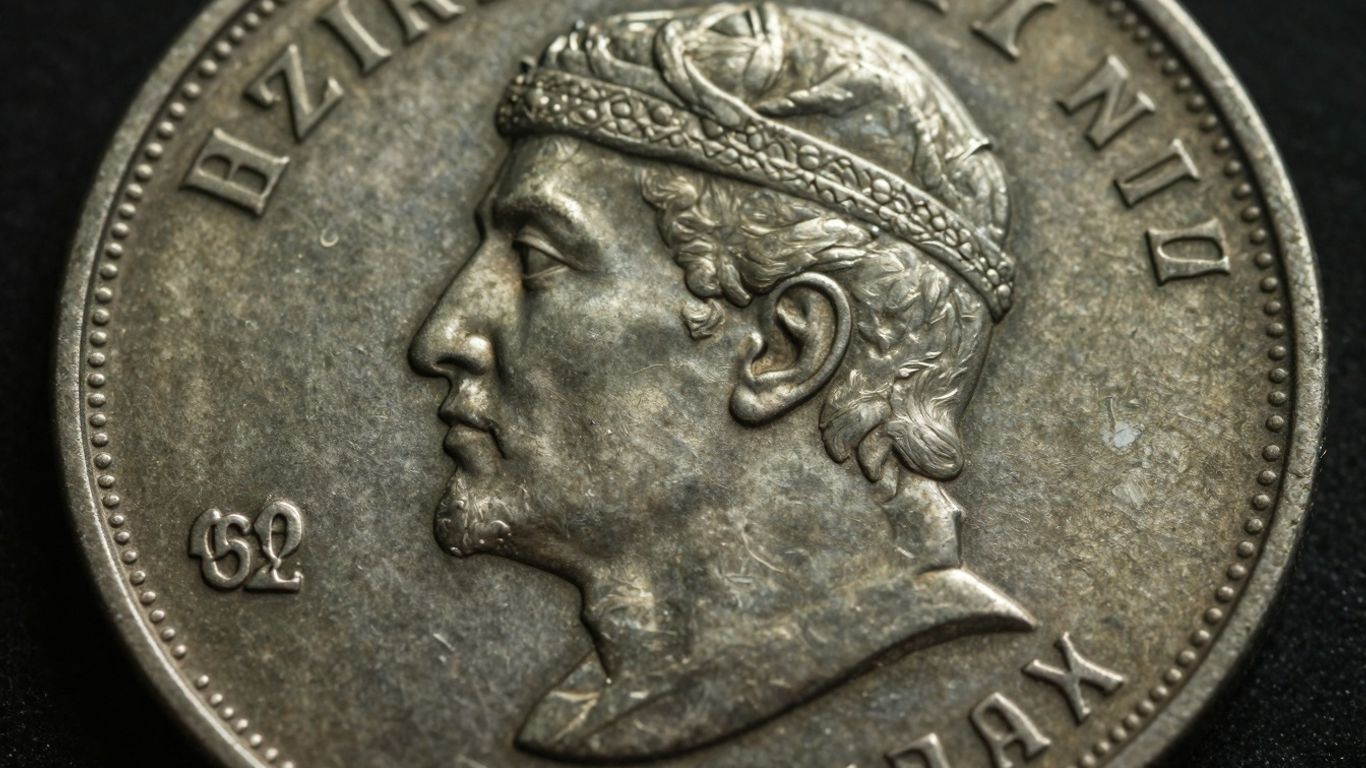
When you’re looking to invest in coins, those little mint marks can actually tell you a lot. They’re not just random letters; they can point to rarity and, yes, potential value. Making sure a coin is the real deal is super important for protecting your money. It’s like checking the ingredients on food – you want to know what you’re actually getting.
Mint Marks and Investment Confidence
So, how do you actually check these marks? It’s not always obvious, especially on older coins. Here are a few pointers:
- Check the Coin’s Reverse Side: Most of the time, you’ll find the mint mark on the back of the coin. Look around the edges or near design elements. For example, on many older silver dollars, it’s tucked under a design.
- Use a Magnifying Glass: Seriously, these things can be tiny! A good magnifying glass is your best friend for spotting faint or small mint marks. It makes a huge difference.
- Refer to a Coin Guide: There are tons of books and online resources that list what each mint mark means and where to find it on different coin types. This is a solid way to get familiar with them. You can find lists of common U.S. mint marks like ‘S’ for San Francisco, ‘D’ for Denver, ‘P’ for Philadelphia, and ‘W’ for West Point online.
Sometimes, counterfeit coins pop up, and they might even have fake mint marks. It’s a good idea to only buy from dealers you trust. Getting coins professionally graded by services like PCGS or NGC can also give you a lot of confidence that you’re buying an authentic piece.
Getting Started With Mint Mark Coins
If you’re just dipping your toes into collecting coins for investment, paying attention to mint marks is a smart move. They can hint at how many of a certain coin were made, which often ties into its value. Starting with coins from well-known mints can be a good way to build a solid collection. It’s all about making informed choices so your collection grows in value over time.
Identifying Specific Mint Facilities
Philadelphia Mint ('P')
The Philadelphia Mint is the OG, the first U.S. Mint facility, and it’s been churning out coins since way back in 1793. For a long time, it didn’t need a mint mark because, well, it was the only game in town. But once other mints started popping up, Philly eventually got its own mark. You’ll see the ‘P’ on a ton of coins, especially modern ones, because this place makes a lot of them. So, while it’s not super rare, it’s a solid indicator of where your coin came from. It’s a good starting point for understanding coin origins.
Denver Mint ('D')
Ah, the Denver Mint. This facility, marked with a ‘D’, is another big player in coin production. It’s been around since the early 1900s and is responsible for a huge chunk of the coins we see in circulation today. If you’re looking at a coin with a ‘D’ on it, chances are it’s from Denver. This mark is especially important because the Dahlonega Mint in Georgia also used a ‘D’ mark, but that was way back in the 1800s and only on gold coins. So, when you see a ‘D’ on a modern nickel or quarter, you know it’s Denver. It’s a common but significant mark for collectors.
San Francisco Mint ('S')
The San Francisco Mint, identified by the ‘S’ mark, has a pretty interesting history. It opened its doors in 1854, right in the middle of the California Gold Rush. While it produces circulating coins, it’s also famous for making special collector coins, like proof sets. These coins are made with extra care and often have a beautiful, shiny finish. So, an ‘S’ mint mark can sometimes mean you’ve got something a bit more special than your average pocket change. It’s a mark that collectors often seek out.
West Point Mint ('W')
Now, the West Point Mint is a bit of a newer kid on the block, established in the early 1980s. You won’t typically find a ‘W’ on coins you’d use for everyday purchases. Instead, this mint focuses on producing precious metal bullion coins, like American Eagles in gold and silver, and special commemorative coins. Because of this focus, coins bearing the ‘W’ mint mark are often sought after by investors and collectors who appreciate the quality and the limited nature of their production. It’s a mark that signals a different kind of coin altogether.
Here’s a quick rundown:
- Philadelphia (‘P’): Oldest, highest mintage, common.
- Denver (‘D’): High mintage for circulation, distinct from historical Dahlonega ‘D’.
- San Francisco (‘S’): Known for proof coins and collector issues.
- West Point (‘W’): Primarily bullion and commemorative coins.
Understanding these specific mint marks helps you pinpoint the origin of your coins. It’s like knowing which bakery made your favorite bread; it adds a layer of detail and appreciation to something you might otherwise overlook. This knowledge is key for anyone serious about their coin collection.
Historical Mint Marks To Discover
Carson City Mint ('CC')
Back in the Wild West days, the Carson City Mint in Nevada was a busy place, especially during the silver boom. Coins stamped with ‘CC’ are pretty special because this mint didn’t operate for too long, and it produced a lot fewer coins compared to places like Philadelphia. Think of it – gold and silver rushes meant a lot of mining, and they needed a place to turn that raw metal into actual money. The ‘CC’ mark, especially on Morgan silver dollars, is a big deal for collectors. These coins aren’t just old; they represent a specific time and place in American history, a frontier outpost making currency.
New Orleans Mint ('O')
The New Orleans Mint, established way back in 1838, has a fascinating history. It was one of the first branch mints, and its ‘O’ mark shows up on a lot of interesting coins, particularly from the 19th century. During the Civil War, this mint was actually taken over by Confederate forces for a bit, which adds another layer of historical intrigue. Coins from this mint, especially those made before 1861 or right after the war, can be quite sought after. The ‘O’ mark connects you to a coin that passed through a city with a rich, sometimes turbulent, past.
Dahlonega Mint ('D')
Now, this one’s a bit of a curveball. The Dahlonega Mint, located in Georgia, also used a ‘D’ mint mark. But here’s the kicker: it only produced gold coins. This mint was set up because of the gold rush in that area. So, if you find a coin with a ‘D’ mint mark, and it’s not a gold coin, it’s almost certainly from the Denver Mint, which opened much later. Finding a Dahlonega ‘D’ gold coin is like finding a piece of history from a specific, exciting time – the Georgia Gold Rush. These are rare finds and highly prized by collectors who focus on early American gold.
Here’s a quick look at some historical mints and their marks:
- Carson City (‘CC’): Operated 1870-1893. Known for silver dollars and gold coins. Low mintage makes ‘CC’ coins desirable.
- New Orleans (‘O’): Operated 1838-1909 (with interruptions). Produced gold, silver, and minor coins. Significant historical context.
- Dahlonega (‘D’): Operated 1838-1861. Exclusively produced gold coinage. Very rare and collectible.
These older mint marks tell a story that goes beyond just the metal content or the year. They speak of specific historical events, economic booms, and the expansion of the United States. For collectors, these marks are like a direct link to the past, making the coins much more than just currency.
Common Mint Mark Variations And Errors
Understanding Production Numbers
So, you’ve got a coin, and you’re trying to figure out its story. Mint marks are a big part of that, telling you where it was made. But here’s the thing: not all mints churned out the same number of coins. Some facilities, like the Philadelphia Mint, were workhorses, producing millions upon millions. Others, like the Carson City Mint back in the day, were more like specialty shops, making far fewer coins. This difference in production numbers is a huge reason why some mint marks are way more common than others. A coin with a ‘P’ might be everywhere, but finding one with a ‘CC’ from the same year? That’s a whole different ballgame. It’s all about supply and demand, even for old metal discs.
Identifying Rare Varieties
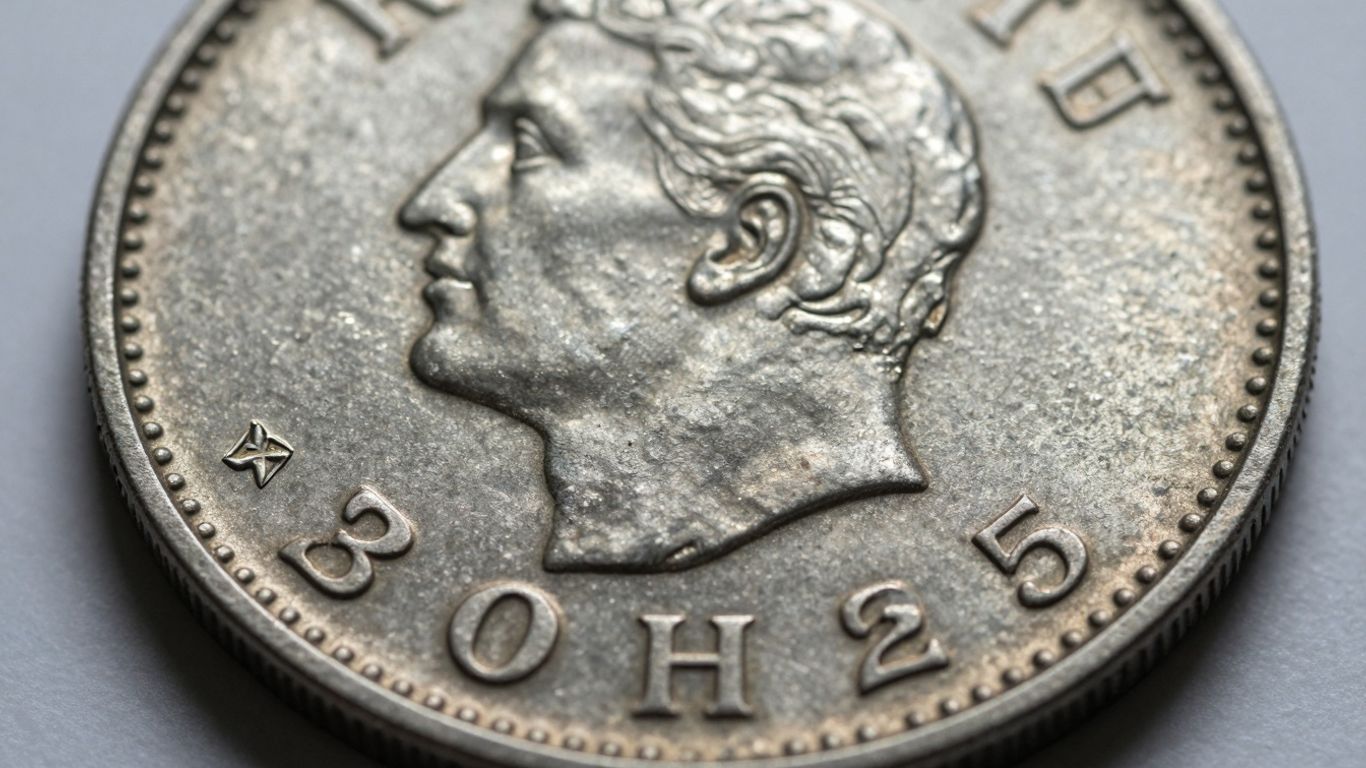
Sometimes, a mint mark isn’t just a letter; it’s a clue to something special. You might find a coin where the mint mark looks a little off – maybe it’s doubled, or perhaps it’s a different style than usual. These aren’t always mistakes; they can be intentional variations or even accidental errors that happened during the minting process. For example, a doubled die mint mark means the die itself was struck twice, creating a faint second impression. Or maybe the wrong die was used for a batch of coins. These kinds of anomalies can make a coin much rarer and, for collectors, a lot more interesting. It pays to get familiar with what the ‘normal’ mint mark looks like for a specific coin so you can spot when something is unusual. You can often find common coin errors detailed in collector guides.
Dealing With Worn Or Faint Marks
Okay, so you’ve found a coin that looks promising, but the mint mark is barely there. It happens. Coins get handled, they get circulated, and sometimes that little letter just gets worn down over time. It can be super frustrating when you can’t quite make out that ‘S’ or ‘D’. Don’t just assume it’s missing! Sometimes, a gentle cleaning with a soft cloth can reveal a faint mark. Other times, you might need a magnifying glass or even a jeweler’s loupe to see the details. It’s also helpful to know where the mint mark is supposed to be on that particular coin. If you know the spot, you can look extra carefully. Remember, even a faint mint mark can tell a story and affect a coin’s value, so don’t give up on it too easily.
Mint marks are small, but they carry a lot of weight in the coin collecting world. They tell a story about where a coin was made, how many were made, and sometimes, if it has a unique characteristic. Paying attention to these details can turn a common coin into a rare find or help you spot a genuine piece of history.
Protecting Your Collection From Counterfeits
Counterfeiting and Mint Marks
It’s a bummer, but fake coins are out there. Counterfeiters are getting pretty good at making coins that look like the real deal, and sometimes they even add fake mint marks to try and fool people. The mint mark is supposed to be a sign of authenticity, a little stamp saying "Yep, this came from us!" But when someone tries to fake that mark, it makes things tricky. You might see coins that look almost identical to genuine ones, right down to the mint mark. This is why it’s super important to be careful about where you get your coins.
Verifying Coin Authenticity
So, how do you avoid getting stuck with a fake? First off, try to buy from dealers you know and trust. People who have been in the coin business for a while usually have a good reputation. It’s also a good idea to get familiar with what genuine coins should look like. Sometimes, just holding a known real coin next to a suspect one can show you the differences. You’ll want to look closely at the details, the strike, and yes, that mint mark.
Here are a few things to keep in mind:
- Know your source: Stick to reputable dealers and coin shows.
- Examine closely: Use a magnifying glass to check for inconsistencies in the mint mark and overall coin details.
- Compare: If possible, compare your coin to known genuine examples.
- Weight and dimensions: Counterfeits might not have the correct weight or size.
When you’re looking at a coin, especially one with a rare mint mark, take your time. Don’t feel rushed into a purchase. A good deal is only good if the coin is real. If something feels off, it probably is. Trust your gut.
Working With Professional Grading Services
For those really valuable coins, or if you just want extra peace of mind, sending your coins to a professional grading service is a smart move. Companies like PCGS (Professional Coin Grading Service) and NGC (Numismatic Guaranty Company) are well-known. They’ll examine your coin, authenticate it, and then seal it in a protective holder, often called a "slab." This slab will have a grade for the coin and confirm it’s genuine. It’s like getting a passport for your coin, proving it’s the real deal. While it costs money to get coins graded, for significant pieces, it can add a lot of confidence and even increase the coin’s value and marketability.
Building Your Coin Collection Strategically
So, you’ve got a handle on mint marks and dates, which is awesome. But where do you go from here? Building a coin collection isn’t just about grabbing whatever looks shiny; it’s more like planning a trip. You need a destination, a route, and maybe a budget. It can feel a bit overwhelming at first, like staring at a giant map with no idea where to start. But honestly, it’s mostly about figuring out what makes you tick.
Choosing A Collecting Focus
This is probably the biggest step. What kind of coins are you drawn to? Maybe you love history, so you’re looking at coins from a specific era, like World War II. Or perhaps you’re fascinated by a particular design, like the Morgan Dollar. Some people get into collecting because they have a personal connection to a coin – maybe it reminds them of a grandparent or a trip they took. Don’t feel pressured to collect what everyone else is collecting. The best collections are the ones that reflect the collector’s own interests and passions. It’s what keeps the hobby fun and engaging over the long haul.
Here are a few ideas to get you thinking:
- Specific Coin Series: Like Lincoln Cents, State Quarters, or American Silver Eagles.
- Historical Periods: Coins from the Wild West, the Roaring Twenties, or ancient Rome.
- Mint Marks: Focusing on coins from a particular mint, like Carson City (‘CC’) or Denver (‘D’).
- Thematic Collections: Coins featuring animals, ships, or famous people.
- Metal Content: Collecting only silver or gold coins.
Keeping A Record Of Your Purchases
Once you start acquiring coins, you’ll want to keep track of them. It might sound like a chore, but trust me, it’s super helpful down the line. Think of it as your collection’s personal diary. You don’t need anything fancy; a simple notebook or a spreadsheet will do the trick. What you want to record is pretty straightforward:
- The Coin: What is it? (e.g., 1921 Morgan Dollar)
- Purchase Date: When did you get it?
- Purchase Price: How much did you pay?
- Source: Where did you buy it from? (e.g., coin show, online dealer, yard sale)
- Condition Notes: Any specific details about its state (e.g., "nice luster," "minor scratch on obverse")
- Mint Mark: Don’t forget this key detail!
- Future Goals: What are you hoping to upgrade or add next?
Keeping a detailed log helps you see your collection’s growth, track your spending, and remember the stories behind your coins. It also makes it easier to spot duplicates or identify what you might want to sell or trade later on.
Setting A Budget For Your Collection
Coins can range from a few cents to millions of dollars. It’s easy to get carried away, especially when you see that rare coin you’ve been hunting for. That’s why having a budget is really important. Decide how much you can realistically spend on your collection each month or year. This doesn’t mean you can’t buy a more expensive coin if you find a great deal, but it gives you a general guideline. You might set aside a certain amount for everyday finds and a separate, larger amount for that one special piece you’ve been dreaming of. Remember, collecting should be enjoyable, not a source of financial stress. A well-planned budget helps ensure your hobby remains a source of pleasure, not pressure.
Keep Exploring Your Collection
So, you’ve learned about those little marks and numbers on your coins. It might seem like a lot at first, but with a bit of practice, you’ll get the hang of it. Just remember to look closely at your coins, use those guides we talked about, and don’t be afraid to connect with other collectors. Knowing where your coins came from really adds a whole new layer to the hobby, and who knows, you might just uncover a hidden gem. Happy hunting out there!
Frequently Asked Questions
What exactly is a mint mark on a coin?
A mint mark is like a tiny secret code stamped onto a coin. It’s usually a small letter that tells you which specific U.S. Mint facility actually made the coin. For instance, a ‘D’ typically means it was created in Denver, while an ‘S’ means it came from San Francisco. It’s a key detail for collectors!
Where should I look on a coin to find its mint mark?
Most of the time, you’ll find the mint mark on the back, or reverse, side of the coin. It’s often located near the bottom edge. However, on some older coins or special editions, it might be on the front (obverse) or even on the edge. You might need a magnifying glass to spot it clearly!
Why are mint marks so important for coin collectors?
Mint marks are super important because they tell a coin’s origin story! Different mints produced different numbers of coins, and some mints might have made coins with unique characteristics or even errors. This can make coins from one mint much rarer and more valuable than those from another. It’s a big clue to a coin’s history and worth.
Are coins with a 'D' mint mark always from Dallas?
That’s a common mix-up! While ‘D’ is the mint mark for Denver, the city of Dallas itself never had a U.S. Mint facility. Historically, the Dahlonega Mint in Georgia also used a ‘D’ but it only made gold coins a long time ago. So, when you see a ‘D’ on most modern coins, it almost certainly means Denver.
How can I tell if a mint mark is worn out or just missing?
Sometimes, a coin gets old and worn, and the mint mark can become faint or hard to see. It’s important to look closely and compare your coin to pictures of similar coins from reliable sources. If the area where the mark should be is smooth or shows signs of wear, it’s likely just faded. If there’s no sign it was ever there, it might be missing, but usually, it’s just worn down.
What are some good resources for learning more about mint marks?
There are tons of great resources! You can check out reference books specifically for coin collectors, which have lots of pictures and details. The internet is also a treasure trove, with numismatic forums and reliable coin websites where collectors share information. Comparing your coin to known examples online or in books is a fantastic way to learn.
Can mint marks help me spot fake coins?
Yes, they can be a big help! Genuine mint marks are part of what makes a coin authentic. While counterfeiters try to copy them, a real mint mark often has subtle details that fakes miss. Always buy from trusted sellers, and if you’re unsure, professional grading services can verify a coin’s authenticity, including its mint mark.
Does the mint mark affect how much a coin is worth?
Absolutely! The mint mark is a major factor in a coin’s value. Coins from mints that produced fewer pieces are generally rarer and more desirable, which often means they’re worth more. Collectors specifically seek out coins from certain mints, making those marks a significant part of a coin’s appeal and price.