Thinking about how to organize coin collection? It might seem like a small thing, but getting your coins in order is a big deal, especially as your collection grows. It helps you find what you’re looking for, sure, but it also stops you from buying the same coin twice – which can get expensive fast. Whether you’re into old gold pieces, shiny silver bars, or those special collectible coins, a good system turns a hobby into something more like smart investing. It’s not just about tidiness; it’s about knowing what you have, what it’s worth, and keeping track of it all. This guide will walk you through different ways to sort your coins, from simple setups to more advanced digital tools, so your collecting stays fun and doesn’t become a chore.
Key Takeaways
- Figure out why you’re collecting coins in the first place. Knowing your goal helps you sort them better.
- Get the right tools: magnifying glasses, proper storage like albums or holders, and guides to help you understand coin condition.
- Create a list or catalog of all your coins, noting details like year, mint mark, and condition. Software can make this easier.
- Choose a way to group your coins that makes sense to you, like by country, type, or historical period. Stick with it.
- Handle coins carefully by the edges and store them in a cool, dry place to keep them in good condition.
Establishing Your Collection's Foundation
Before you even think about fancy display cases or digital databases, you need to get the basics right. This is where you build the bedrock for your entire coin collecting adventure. Without a solid foundation, things can get messy fast, and honestly, it can make the whole hobby feel more like a chore than fun.
Define Your Collecting Purpose
So, why are you collecting coins in the first place? Are you fascinated by ancient Roman currency, or maybe you’re drawn to the intricate designs of modern commemorative issues? Perhaps you’re interested in the history of a specific country, or you’re building a collection focused on precious metals. Figuring out your "why" is the first, and maybe most important, step. It’s not just about picking up pretty coins; it’s about having a direction. This purpose will guide every decision you make, from what coins to buy to how you organize them. It helps you stay focused and makes the collecting journey much more rewarding.
- Historical Focus: Collecting coins from specific eras (e.g., Victorian era, ancient Greece).
- Geographical Focus: Coins from a particular country or region (e.g., U.S. State Quarters, British Commonwealth coins).
- Thematic Focus: Coins related to a specific theme (e.g., animals, ships, famous people).
- Metal Focus: Collecting coins made of specific metals like gold, silver, or platinum.
Having a clear collecting goal prevents aimless purchasing and ensures your collection develops a cohesive narrative. It transforms random acquisitions into a curated selection with meaning.
Understand Coin Types and Value
Coins aren’t just metal discs; they’re pieces of history with varying degrees of rarity and value. You’ve got your everyday circulating coins, which are common but can still be interesting, especially if they have errors. Then there are bullion coins, primarily valued for their precious metal content, like gold or silver coins. And finally, you have numismatic coins – these are the ones collected for their rarity, historical significance, and condition, often commanding much higher prices. Understanding these distinctions is key. You need to know what makes one coin worth a few dollars and another worth thousands. This involves looking at factors like the metal composition, the mintage (how many were made), the condition, and historical demand.
Learn About Coin Grading
This is where things can get a bit technical, but it’s super important. Coin grading is basically a standardized way to describe a coin’s condition. It ranges from "Poor" (barely recognizable) all the way up to "Mint State" or "Proof" (practically perfect). The condition of a coin has a massive impact on its value. A coin that looks almost the same as another might be worth ten times more if it’s in a higher grade. You’ll hear terms like MS-65 (Mint State, 65 out of 70) or AU-50 (About Uncirculated, 50 out of 70). Getting familiar with these grading scales, even just the basics, will help you assess your own coins and understand what you’re buying. It’s a skill that develops over time with practice and by looking at lots of different coins.
Essential Tools for Organization
Alright, so you’ve got your coins, maybe a few, maybe a whole pile. Now what? You can’t just shove them in a drawer and call it a day. To really get a handle on your collection, you need the right gear. Think of it like setting up a workshop – you wouldn’t try to build a birdhouse with just your bare hands, right? Same idea here.
First up, you absolutely need some way to see what you’re looking at. Those coins can be tiny, and details matter. A good magnifying glass or a loupe is your best friend. Seriously, get one with decent magnification, like 10x or more. It’ll help you spot mint marks, check for wear, and just generally appreciate the little things. You can find these pretty cheap online or at hobby shops.
Next, you’ve got to have a place to put them. Just tossing them into a box is a recipe for scratches and dings. Coin albums are a classic for a reason. They have slots for specific coins, often organized by year or type, and they look pretty neat on a shelf. If you’ve got more valuable stuff, or just want extra protection, individual coin holders or capsules are the way to go. These are usually made of inert plastic, so they won’t damage the metal over time. There are tons of options out there, from simple cardboard flips to fancy acrylic cases. Picking the right storage solution is key to keeping your coins in good shape for years to come. You can find a good variety of coin albums and storage solutions to fit your needs.
Finally, you’ll want some reference materials. How do you know if that coin is common or rare? Or what condition it’s supposed to be in? That’s where grading guides and price books come in. These are like the instruction manuals for your collection. They’ll help you understand coin grading standards, which is super important for knowing what you’ve got and what it’s worth. Don’t skip this step; it’s easy to get confused without them.
Here’s a quick rundown of what to look for:
- Magnification: Aim for at least 10x magnification. A good loupe is better than a cheap magnifying glass.
- Storage: Choose inert materials. Albums are great for general organization, while capsules offer individual protection.
- Reference: Get a current price guide and a coin grading manual. These are invaluable for identification and valuation.
Trying to organize a coin collection without the proper tools is like trying to bake a cake without an oven. You might end up with something, but it’s probably not going to turn out the way you hoped. Having the right equipment makes the whole process smoother and protects your investment.
Implementing a Cataloging System
Alright, so you’ve got your coins, maybe a few, maybe a whole lot. Now what? You can’t just shove them in a box and hope for the best. That’s where cataloging comes in. Think of it as giving your collection a brain. It’s how you keep track of everything, avoid buying duplicates (which, trust me, happens more than you’d think), and actually know what your collection is worth.
Creating a Comprehensive Coin Catalog
So, how do you actually make this catalog? It doesn’t have to be super complicated to start. You can grab a simple notebook, or if you’re feeling a bit more techy, a spreadsheet program works great. What you absolutely need to jot down for each coin includes:
- Coin Name: Be specific. Is it a 1909-S VDB Lincoln Cent or just a Lincoln Cent?
- Year and Mint Mark: This is key for identification.
- Condition/Grade: Even a rough idea helps. Are we talking about a coin that looks like it survived a war, or one that’s practically pristine?
- Purchase Date and Price: Good for tracking your investment.
- Where You Got It: Was it a coin show, an online auction, a gift from Aunt Mildred?
- Any Unique Features: Dents, scratches, a weird toning pattern – anything that makes it stand out.
Keeping a detailed record means you’ll always know the story behind each piece. It’s not just about the metal; it’s about the history and the journey the coin has taken to get to you.
Utilizing Numismatic Software
If you’ve got a growing collection, especially if it’s valuable, a dedicated software program can be a game-changer. These programs are built specifically for coin collectors. They often have built-in databases of coin types, grading scales, and even links to market values. Some popular options include:
- Desktop Applications: These are usually more robust, offering deep database features and offline access. Great for serious collectors with large holdings.
- Web-Based Platforms: These let you access your catalog from anywhere, often with automatic backups. Handy if you like checking your collection on the go.
- Mobile Apps: Perfect for cataloging at coin shows or when you’re out and about. They’re usually simpler but very convenient.
Leveraging Digital Tools for Inventory
Beyond dedicated numismatic software, you can use general digital tools to manage your inventory. Think spreadsheets (like Excel or Google Sheets) or even database software if you’re feeling adventurous. The advantage here is flexibility. You can customize your fields exactly how you want them. For example, you could create columns for:
| Coin Type | Year | Mint Mark | Grade | Purchase Price | Current Value | Notes |
|---|---|---|---|---|---|---|
| Morgan Dollar | 1884 | O | AU | $50 | $75 | Nice cartwheel, slight rim ding |
| Indian Head Penny | 1908 | D | VF | $10 | $15 | Obverse well-struck, reverse worn |
| Silver Eagle | 2023 | W | MS70 | $30 | $32 | Perfect strike, slabbed by PCGS |
The key is consistency; whatever system you choose, stick with it. This digital approach makes it easy to sort, search, and update your collection’s value over time, especially if you link it to online market data.
Choosing Your Organizational Method
Alright, so you’ve got your coins, maybe you’ve even started a basic list. Now comes the part where you decide how you’re going to keep everything sorted. This isn’t just about making things look neat; it’s about being able to find what you need, when you need it, and importantly, avoiding buying duplicates. Seriously, I’ve done that more times than I care to admit. There are a few main ways people tackle this, and the best one really depends on you and your collection.
Alphabetical Organization Strategy
This is probably the most straightforward approach. You just arrange your coins by name. Think "American Silver Eagle" before "Canadian Maple Leaf." It’s super simple to add new coins because you just slot them in where they belong alphabetically. This works really well if you have a wide variety of coins from different places and times, and you don’t have a super specific theme going on. It’s easy to remember where things are, which is a big plus.
Numerical Systems for Efficiency
Some collectors prefer using numbers. This could mean assigning a unique number to each coin in your collection and then referencing that number in a logbook or spreadsheet. Or, you might number storage containers or slots in an album. The idea here is that once you have your system set up, you can jot down a number much faster than writing out a full coin description every time. It’s a bit more work to set up initially, but it can speed things up later, especially if you have a lot of coins.
Categorical Organization by Theme
This method is fantastic if your collection has a specific focus. Maybe you collect only Roman coins, or perhaps you’re all about US state quarters. You could also organize by metal type (like all your silver coins together) or by historical period. It makes your collection tell a story, which is pretty cool. It’s also great for spotting gaps if you’re trying to complete a specific set. You can even combine this with alphabetical or numerical systems within each category. For example, you might group all your British coins together, and then alphabetize them by monarch within that group. It really depends on what makes the most sense for your specific interests and how you want to view your collection. Finding a good coin storage solution is key no matter which method you choose.
The most important thing is consistency. Whatever system you pick, stick with it. Trying to switch methods halfway through a large collection can be a real headache. Make sure it’s a system that you understand and can easily maintain as your collection grows. It should make your life easier, not harder.
Here’s a quick look at how these might stack up:
| Method | Pros | Cons |
|---|---|---|
| Alphabetical | Simple to set up and add new coins | Can be less intuitive for specific sets |
| Numerical | Fast notation once set up | Requires initial setup and cross-referencing |
| Categorical (by Theme/Type) | Tells a story, good for focused sets | Can become complex with broad collections |
Ultimately, the goal is to create a system that works for you. Don’t be afraid to experiment a little at first to see what feels right. What matters most is that you can easily access and enjoy your collection.
Advanced Organization Techniques
Professional Cataloguing Standards
As your collection grows, you’ll want to think about how the pros do it. This means using standard terms when you talk about coin condition, like the ones you see in grading guides. It’s also a good idea to take really good pictures of your coins from different angles. This isn’t just for looks; it’s helpful for insurance and if you ever need to prove what you have. Keep records of where you got each coin and what you paid. Also, note down any changes in its market value over time. If a coin has been cleaned or restored, make sure that’s documented too.
High-Quality Photography Standards
Good photos are more than just pretty pictures. They’re useful for insurance claims, selling coins online, or just checking on a coin’s condition later. Try to use the same lighting and background for all your photos. This makes your collection look more professional and consistent. It helps you spot changes in a coin’s appearance over the years.
Database Integration for Market Values
For serious collectors, especially those with valuable coins, linking your catalog to market data is a smart move. This lets you see current prices for your coins in real-time. This is super important for things like gold and silver, where prices change daily. It helps you know if you’re buying or selling at a good time. It also gives you a better idea of your collection’s total worth.
Keeping your records up-to-date is key. Don’t wait too long to add new coins or update prices. A messy catalog can lead to costly mistakes, like buying a coin you already own. Think of your catalog as a living document that grows with your collection.
Preserving Your Coin Collection
So, you’ve put in the work to build a great coin collection. That’s awesome! But now comes the really important part: keeping those coins in good shape for years to come. It’s not as simple as just tossing them in a box. Coins, believe it or not, can be pretty delicate. Think of them less like rocks and more like old photographs – they need careful handling and the right environment.
Proper Handling and Storage
First off, let’s talk about touching. Every time you handle a coin, you risk transferring oils and dirt from your skin. These might seem harmless, but over time, they can actually damage the coin’s surface or cause discoloration. Always try to handle your coins by their edges, or better yet, use cotton gloves or a coin-handling tool. When it comes to storage, avoid just piling them up. Specialized coin albums, folders, or individual holders made from inert materials are your best bet. These protect against scratches, environmental damage, and keep your coins from rubbing against each other.
Here’s a quick rundown on what to use and what to avoid:
- Good: Acid-free paper envelopes, inert plastic capsules (like acrylic or Mylar), specialized coin albums with slots.
- Bad: Regular plastic bags (PVC can leach chemicals), rubber bands, paper clips, cardboard holders that aren’t acid-free.
Maintaining an Optimal Environment
Where you store your collection matters a lot. Coins don’t like extreme conditions. Fluctuations in temperature and humidity are big no-nos. High humidity can lead to corrosion, while drastic temperature swings can cause materials to expand and contract, potentially damaging the coins or their holders.
- Temperature: Aim for a stable room temperature, ideally between 65-75°F (18-24°C).
- Humidity: Keep it low and stable, generally below 50% relative humidity.
- Light: Direct sunlight can fade labels and potentially affect some coin materials over very long periods. Store in a dark place or a cabinet.
- Vibration: While less common, excessive vibration can also be detrimental. Avoid storing your collection near heavy machinery or appliances that vibrate.
Think of your collection’s storage like creating a mini-museum exhibit. You want to control the atmosphere to keep the artifacts safe and stable. It’s about creating a consistent, gentle environment where your coins can just exist without degrading.
Documenting Provenance and History
Beyond just keeping the coins physically safe, it’s also smart to keep track of their story. This is called documenting provenance. Knowing where a coin came from, who owned it before you, and any significant historical context adds a whole other layer of appreciation and can even increase its value. Did it come from a famous collection? Was it found in a specific archaeological dig (though be mindful of ethical sourcing here)? Recording this information, along with the coin’s basic details (year, mint mark, condition), creates a more complete picture. This documentation is invaluable, especially if you ever decide to sell or pass on your collection.
Long-Term Collection Management
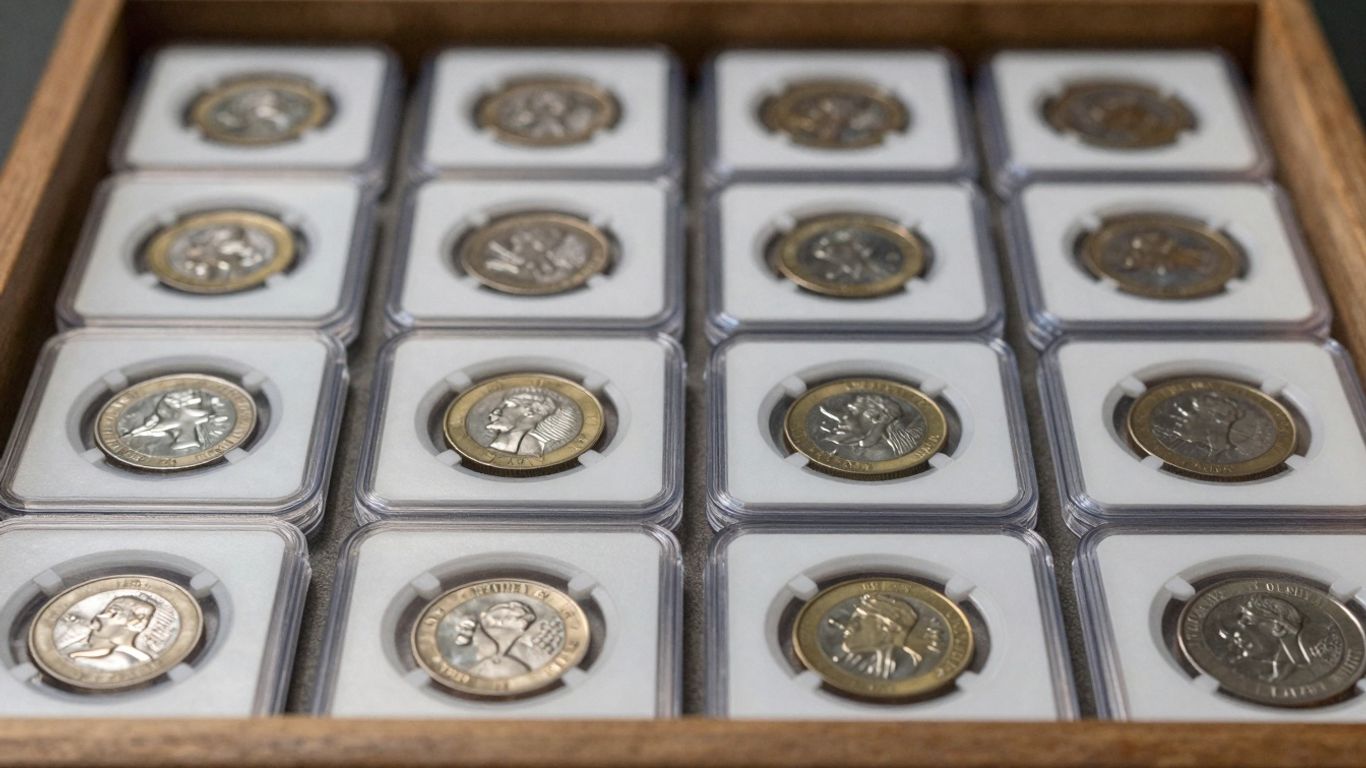
Keeping your coin collection organized is a big deal, especially as it starts to grow. It’s not just about finding things easily; it’s also about avoiding those annoying and sometimes expensive mistakes, like buying a coin you already have. Whether you’re into old gold pieces, shiny silver bullion, or unique numismatic items, a good system turns a potentially messy hobby into something much more manageable.
Think of it this way: good management helps you keep tabs on your collection’s total worth, spot any holes in what you’re collecting, see how individual coins are doing in the market, and even have the paperwork ready if you ever need it for insurance. For those really serious about their precious metals, organization is key for both keeping things safe and making smart investment moves.
Regular Maintenance and Inspections
Your collection isn’t a ‘set it and forget it’ kind of thing. You’ve got to check in on it regularly. This means taking a look at your coins themselves – are they still in good shape? Any new spots or damage? It also means checking your records. Did you add anything new? Did the market value of something change significantly? Setting aside time, maybe once a quarter or twice a year, to do a proper sweep of your collection and your catalog is a smart move. It helps catch small issues before they become big problems.
Updating Records and Valuations
This is where the rubber meets the road with your cataloging system. Every time you add a new coin, update its details right away. Don’t let it pile up. Similarly, market values, especially for precious metals, can swing. It’s a good idea to revisit the valuations in your catalog at least annually, or more often if you’re actively trading or if there’s a big market shift. This keeps your collection’s worth accurate, which is important for insurance and just knowing where you stand.
Here’s a quick look at what to update:
- New Acquisitions: Date acquired, source, price paid, condition notes.
- Market Value: Current estimated worth based on recent sales or market data.
- Condition Changes: Any new marks, toning, or other alterations.
- Provenance: Any new documentation or history related to the coin.
Planning for Future Growth
Collections rarely stay static. You’ll likely add more coins over time, and your collecting interests might even shift. Your organizational system needs to be flexible enough to handle this. Think about how you’ll integrate new coins. Will you need more storage space? Does your current cataloging method have room for expansion? It’s also worth considering what happens if your collection becomes very valuable. Do you need to think about professional storage or enhanced security? Planning ahead means your hobby stays enjoyable and doesn’t become a logistical headache.
Keeping your coins organized will ensure that your hobby is truly a joyful pursuit and not an aggravating task. It’s about making sure the system you’ve built works for you, not the other way around.
Avoiding Common Collection Pitfalls
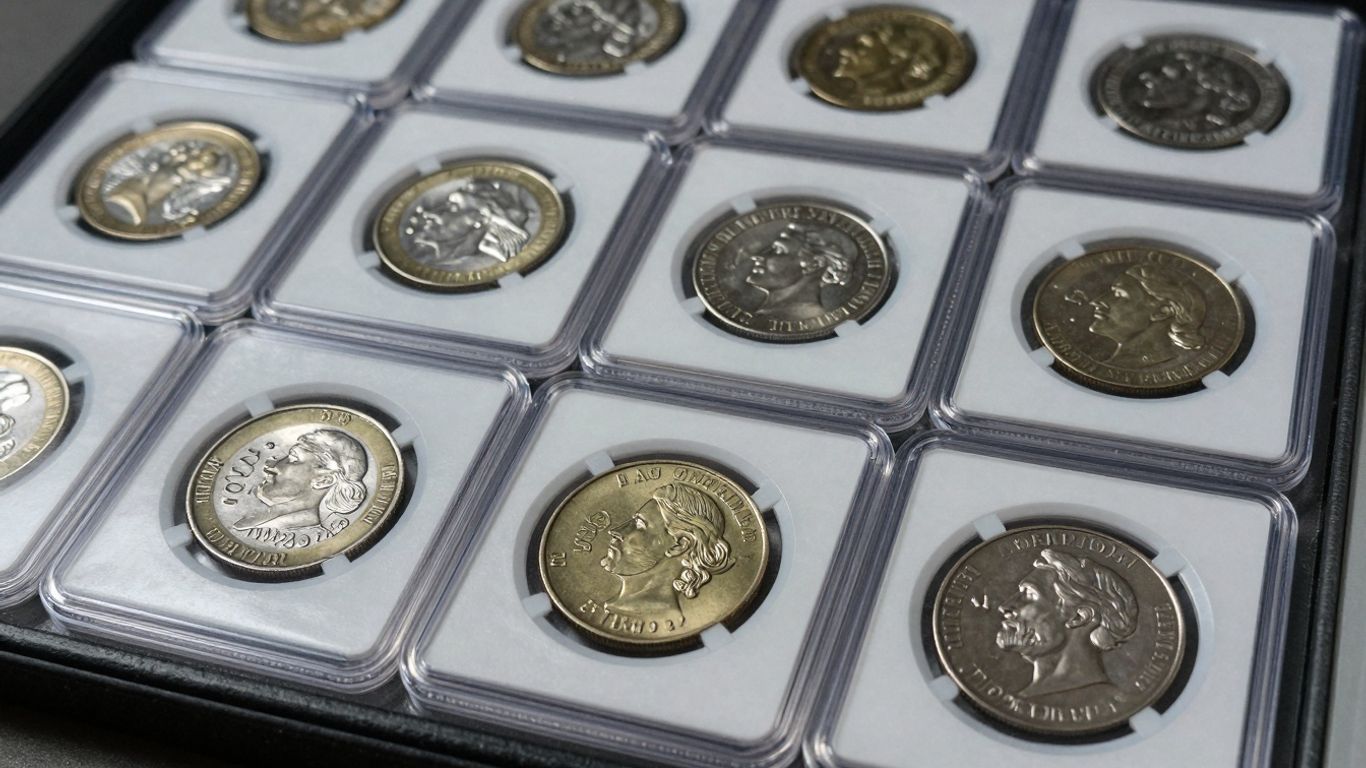
Alright, let’s talk about the bumps in the road. Every coin collector, no matter how experienced, can stumble into a few common traps. Knowing these ahead of time can save you a lot of trouble, and honestly, a bit of cash too. It’s all part of the learning curve, right?
Preventing Duplicate Purchases
This is a big one, especially when your collection starts to grow. You’re browsing online or at a show, and you see a coin that looks familiar. Is it already in your collection? Maybe. Maybe not. Buying a coin you already own is a frustrating and costly mistake. It’s like buying the same shirt twice without realizing it. The best way to avoid this is through diligent cataloging. If you have a well-maintained list or database, a quick check can prevent that double purchase. Don’t rely on memory alone; it’s just not reliable enough when you have more than a handful of coins.
Safeguarding Against Counterfeits
Unfortunately, the coin world has its share of fakes. Some are obvious, but others are quite sophisticated. Falling for a counterfeit can be a real gut punch, especially if you’ve paid a significant amount for it. How do you protect yourself? For starters, buy from reputable dealers and sources. If a deal seems too good to be true, it probably is. Educate yourself on the common characteristics of genuine coins, like weight, dimensions, and mint marks. When in doubt, get a second opinion from an experienced collector or a professional grading service. Learning about early coins and their unique characteristics can also help you spot anomalies that might indicate a fake Collecting coins can be a rewarding hobby.
Neglecting Research and Education
This is perhaps the most common pitfall. Thinking you know enough, or not bothering to learn about the coins you’re interested in, can lead to all sorts of problems. You might overpay, buy a damaged coin without realizing it, or miss out on a great opportunity because you didn’t do your homework. Researching a coin’s history, its rarity, its condition, and current market values is not just for beginners; it’s an ongoing process for all collectors. Attending coin shows, reading numismatic publications, and joining online forums are great ways to keep your knowledge sharp.
It’s easy to get excited about a new acquisition, but taking a moment to research its background and verify its authenticity can save you from future disappointment. A little bit of homework goes a long way in building a solid and trustworthy collection.
Showcasing Your Organized Collection
Creating an Appealing Display
So, you’ve put in the work, organized everything, and now you’ve got this fantastic collection. It’s time to let it shine! Displaying your coins isn’t just about making them look pretty; it’s about appreciating the history and artistry they represent. Think about what kind of vibe you’re going for. Are you aiming for a museum-like feel, or something more casual and personal? The way you present your coins can really change how you interact with them. A well-thought-out display makes your collection a conversation starter and a source of personal pride.
Consider different display options:
- Coin Albums: These are great for specific series or types. You can find albums for everything from Lincoln cents to Morgan dollars. They offer a neat, organized look and protect the coins.
- Display Cases: For your more prized pieces, a nice display case can really make them stand out. Look for ones with good lighting and secure closures. Some even have velvet lining, which looks pretty classy.
- Shadow Boxes: These are fun for showcasing a few key coins along with related items, like old coin envelopes or historical documents. It tells a story.
- Individual Holders/Capsules: If you have a few really special coins, presenting them in high-quality, clear capsules allows each one to be admired individually while still being protected.
When setting up your display, think about lighting and security. You don’t want direct sunlight hitting your coins, as it can cause damage over time. And if you have valuable items, make sure the display is in a secure location.
The goal of a display is to balance accessibility with preservation. You want to be able to see and enjoy your coins, but not at the expense of their condition. Think about how often you’ll want to handle them versus just admire them from afar. This will help you choose the right display method.
Sharing Your Collection with Others
Once your collection is looking sharp, you might want to share it. It’s a great way to connect with people who have similar interests. Maybe it’s showing off a recent find to a friend, or perhaps you’re thinking bigger.
Here are a few ways to share:
- Informal Show-and-Tell: Simply invite friends or family over to see your organized display. Explain the stories behind some of your favorite pieces. It’s a relaxed way to share your passion.
- Local Coin Clubs: Many areas have local numismatic clubs. Attending these meetings is a fantastic way to meet other collectors, show off some of your coins, and learn from their experiences.
- Online Forums and Social Media: There are tons of online communities dedicated to coin collecting. You can post pictures of your coins, ask questions, and get feedback from a global audience. Just be mindful of what information you share publicly, especially regarding the value of your collection.
Sharing your collection can be really rewarding. It’s not just about the coins themselves, but the connections you make through them.
Joining a Numismatic Community
Being part of a numismatic community takes your hobby to a whole new level. It’s more than just looking at coins; it’s about being part of a group that shares your enthusiasm. You can learn so much from experienced collectors, and in turn, you can help newer collectors as your own knowledge grows.
Think about these community aspects:
- Learning and Knowledge Exchange: Communities are hubs for information. You can ask questions about grading, identify tricky coins, or get advice on market trends. People are usually happy to share what they know.
- Networking Opportunities: You’ll meet people who might have coins you’re looking for, or who might be interested in coins you have. This can be great for trading or even just making new friends with shared interests.
- Events and Shows: Many numismatic groups organize coin shows, conventions, or even just informal get-togethers. These are prime opportunities to see a wide variety of coins, buy, sell, and connect with fellow enthusiasts in person.
Getting involved can be as simple as joining an online forum or attending a local club meeting. It’s a great way to deepen your appreciation for the hobby and make it even more enjoyable.
Wrapping Up Your Collection Journey
So, there you have it. Organizing your coin collection doesn’t have to be a huge chore. It’s really about finding a system that works for you, whether that’s a fancy digital setup or just a good old-fashioned notebook. The main thing is to stick with it. Keeping things tidy means you’ll actually enjoy looking through your coins, avoid buying duplicates (which is a real money-saver!), and know exactly what treasures you have. Think of it as making your hobby easier and more fun. Start simple, and as your collection grows, your system can grow with it. A little bit of effort now means a lot more enjoyment later.
Frequently Asked Questions
Why is organizing my coin collection so important?
Organizing your coin collection is super important because it helps you keep track of everything you own. It makes it way easier to find a specific coin when you want to look at it, and it stops you from accidentally buying a coin you already have. Think of it like tidying up your room – everything has its place, and it’s much nicer to be in!
What are the basic tools I need to start organizing my coins?
To get started, you’ll want a few key things. A magnifying glass or a loupe is great for seeing tiny details on the coins. You’ll also need some way to store them, like coin albums, special holders, or capsules. Having a grading guide can also help you figure out the condition of your coins.
How do I keep my coins safe and in good condition?
Handling coins carefully is a big deal! Always try to hold them by their edges, not the flat parts, and avoid touching them with your fingers if you can, because oils from your skin can cause damage. Store them in a cool, dry place, away from too much moisture or heat, and use storage materials that won’t harm the metal.
What's the best way to decide how to organize my coins?
The best way is the one that makes the most sense to you! Some people like to organize by country, others by the year the coin was made, or even by themes like animals or historical figures. You could also arrange them by type (like pennies, nickels, dimes) or just put them in order by their name. The most important thing is to be consistent with whatever method you choose.
Should I use a computer or software to keep track of my coins?
Using a computer or special software can be a huge help, especially as your collection grows. You can create a digital list of all your coins, add pictures, record when you bought them and how much you paid, and even track their value. It’s like having a super-organized notebook that you can search easily.
What is 'provenance' and why does it matter for my coins?
Provenance is like a coin’s life story – it includes where the coin has been and who owned it before you. Knowing this history can make a coin more interesting and sometimes even more valuable. It’s like knowing the background of a famous painting; it adds to its story.
How often should I check on my organized collection?
It’s a good idea to look over your collection regularly. Maybe once or twice a year, you can check that your storage is still good, make sure the environment is right, and update your records with any new coins you’ve gotten or any changes in value. This helps catch problems early.
What are some common mistakes new collectors make when organizing?
Some common mistakes include buying coins you already have because your list isn’t up-to-date, not storing coins properly which can damage them, or not doing enough research before buying. Also, some people try to clean their coins themselves, which can actually lower their value if not done correctly. It’s better to learn first!