So, you’ve got some coins, maybe inherited them, maybe you’re just starting out. It’s easy to think, ‘Hey, it’s just a coin,’ but handling them the wrong way can really mess up their condition, and let’s be honest, nobody wants that. Whether you’re dealing with a shiny new bullion piece or an old penny, knowing how to handle coins properly is pretty important if you want to keep them looking good and holding their value. This guide is all about making sure you treat your coins right, from the moment you pick them up to how you store them away.
Key Takeaways
- Always use cotton gloves or handle coins by their edges to keep fingerprints and oils off the surface. This is a big one for how to handle coins properly.
- Store your coins in archival-quality holders like Mylar flips or albums, and steer clear of PVC materials that can damage them over time.
- Understand the basics of coin condition, like luster (that original shine) and strike quality (how crisp the details are), as these affect value.
- Be aware of common flaws such as scratches, cleaning marks, or artificial enhancements, and know that professional grading can confirm authenticity and condition for valuable pieces.
- When buying, stick to reputable dealers and be cautious of deals that seem too good to be true to avoid counterfeits and overpaying.
Understanding Coin Fundamentals
Decoding Coin Anatomy and Details
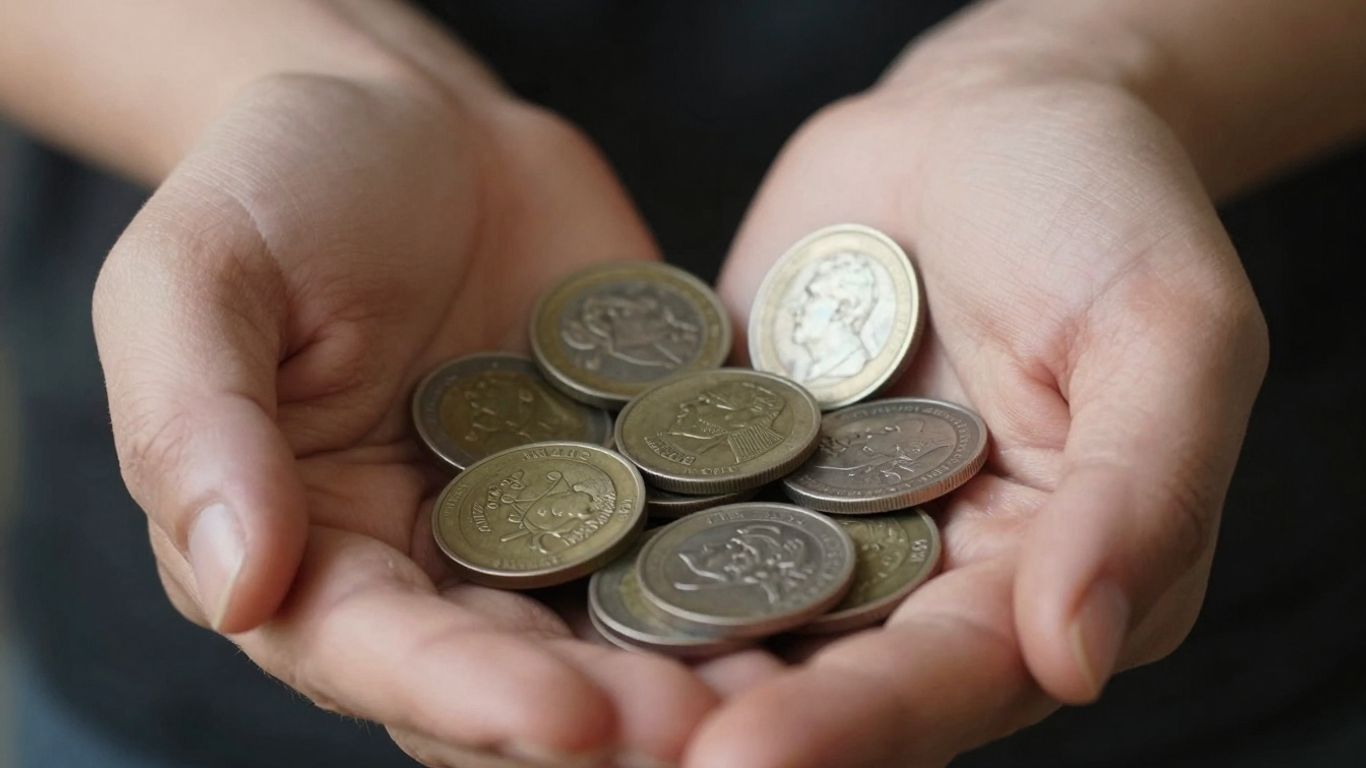
Before you can really appreciate a coin, you’ve got to know its parts. Think of it like learning the different pieces of a car before you can fix it, right? A coin has a front, a back, and an edge, and each part can tell you something important. The front, or ‘obverse,’ usually has the main design or portrait – like the profile of a president on a U.S. quarter. The back, the ‘reverse,’ shows the other side of the design, maybe a building or an eagle. Then there’s the edge, which is often overlooked but can be super informative. It might have ridges, be plain, or even have writing on it. You’ll also see inscriptions, which are words or numbers stamped onto the coin. These can tell you the coin’s weight, purity (especially for gold or silver coins), the country it came from, or even the year it was made. Sometimes, you’ll spot tiny letters, the designer’s initials, which is a neat little detail for history buffs. Looking closely at these elements helps you identify a coin and understand its story.
Key Specifications for Bullion Coins
Bullion coins are a bit different from the change you get at the store. They’re primarily made for their precious metal content, like gold, silver, or platinum, and their value is tied closely to the market price of those metals. Because of this, they have specific details that collectors and investors really pay attention to. These specs confirm what you’re actually buying. You’ll see things like weight, often stated in troy ounces (a troy ounce is a bit heavier than a regular ounce). Purity is another big one – it tells you how much of the precious metal is actually in the coin, usually expressed as a percentage or fineness (like .999 fine silver). The diameter and thickness are also listed, which helps in identification and comparison. For example, a one-ounce American Gold Eagle coin has specific dimensions that are different from, say, a one-ounce Canadian Maple Leaf. Knowing these details is key to making sure you’re getting what you think you’re getting, especially when dealing with valuable metals.
Here’s a quick look at some common specs:
| Specification | Example (1 oz Gold American Eagle) |
|---|---|
| Metal | Gold |
| Weight | 1.000 troy oz |
| Purity | .9167 (22 karat) |
| Diameter | 32.70 mm |
| Thickness | 2.87 mm |
The Significance of the Coin's Edge
The edge of a coin, sometimes called the ‘third side,’ is more than just its border. Historically, edges were really important for security. Many coins had reeding – those little lines you see on the edges of quarters and dimes. This was done to stop people from shaving off tiny bits of precious metal from the edges to hoard it. If the edge was smooth or filed down, you knew someone had tampered with it. Today, reeding is often just for looks, but it’s still a characteristic to note. Some coins have plain edges, which can be interesting if it’s an error or part of the original design. Others, like some modern dollar coins, have lettering on the edge, which can include mottos or dates. For bullion coins, the edge might even have special patterns or security features to make them harder to counterfeit. So, next time you pick up a coin, don’t forget to check out its edge – it’s got a story to tell!
Essential Handling Techniques
Alright, let’s talk about actually touching these metal discs without messing them up. It sounds simple, right? Just pick it up. But for anyone serious about keeping their coins looking good, how you handle them is a big deal. You don’t want to turn a shiny piece of history into a smudged, scratched mess.
The Importance of Wearing Cotton Gloves
First off, those oils and dirt on your hands? They’re not friends with your coins. Even if you think your hands are clean, they leave behind residue that can cause problems over time, especially on uncirculated coins. That’s where cotton gloves come in. They act as a barrier, keeping your skin’s natural oils and any stray grime away from the coin’s surface. It’s a small step, but it makes a noticeable difference in preserving that original mint finish. Think of it like wearing gloves when you’re handling delicate artwork – it’s just the proper way to go about it.
Proper Grip: Holding Coins by the Edge
So, you’ve got your gloves on. Now, how do you actually hold the coin? The golden rule is to always hold coins by their edges. Use your thumb and forefinger to gently grip the coin’s rim. Avoid touching the flat surfaces, the obverse (front) or reverse (back), at all costs. This method minimizes contact and reduces the risk of leaving fingerprints or causing tiny scratches. If you’re working over a table, it’s a good idea to have a soft towel or a felt mat underneath. That way, if you happen to drop the coin, it won’t land on a hard surface and get damaged. It’s all about being deliberate and careful with every movement.
Avoiding Fingerprints and Surface Contamination
Fingerprints aren’t just unsightly smudges; they can actually start to react with the metal over time, especially on silver and copper coins. This reaction can lead to what collectors call ‘toning’ or even corrosion, which can significantly lower a coin’s value. So, beyond gloves and edge-holding, what else can you do? Try to limit how often you handle your coins. The less they’re touched, the better. When you do need to move them, be mindful of your surroundings. Avoid dusty or humid areas, and never place a coin directly on a surface that could scratch it. Keeping your workspace clean is also a good practice. It’s a bit like being a surgeon – precision and cleanliness are key. For more on keeping your collection pristine, check out coin care tips.
Handling coins properly is more than just a suggestion; it’s a fundamental practice for any collector aiming to preserve the integrity and value of their numismatic treasures. Every touch, or lack thereof, contributes to the coin’s long-term condition.
Assessing Coin Condition and Luster
When you’re looking at coins, figuring out their condition and how they shine is a big part of knowing what they’re worth. It’s not just about how old a coin is; its physical state tells a much bigger story. Think of it like looking at an old car – a shiny, well-maintained one is worth more than one that’s been left out in the rain for years, right? Coins are similar.
Evaluating Original Mint Luster
Original mint luster is that special glow a coin has when it first comes off the minting press. It’s not just shininess; it’s a unique way light plays across the surface. This luster can look frosty, satiny, or even like a mirror, depending on the coin’s finish. Coins that still have their original mint luster are generally more desirable and valuable. When a coin has been cleaned, especially with chemicals, this original luster is often lost, and it can’t be put back. You might see a dullness or a different kind of shine that just doesn’t look right. It’s like polishing a piece of wood so much you remove the natural grain.
Identifying Surface Imperfections
No coin is truly perfect, especially if it’s been handled. You’ll want to look for things that mar the surface. These can range from tiny little scratches, often called hairline scratches, to small dings or marks from where one coin bumped into another. These are known as contact marks. Sometimes, you might see something that looks like a smudge or a bit of residue on the coin. It’s important to try and figure out if it’s something that’s part of the coin’s natural state or something that was added later, like wax or a coating meant to make it look better.
- Hairline Scratches: Very fine lines on the surface, often from improper handling or storage.
- Contact Marks: Small nicks or dents from coins bumping against each other.
- Spots or Residue: Discoloration or foreign substances that might affect the coin’s appearance.
Understanding Strike Quality
Strike quality refers to how well the coin’s design was imprinted onto the metal blank. A strong strike means all the details are sharp and clear. You can see every little line on a portrait, every feather on an eagle, or every letter in the inscription. A weak strike, on the other hand, can make the coin look soft or mushy. This often happens when the dies used to strike the coins become worn down over time. It’s like trying to press a detailed stamp with a worn-out rubber pad – the image won’t come out clearly. Looking at the sharpness of the design elements, especially in high-relief areas, gives you a good idea of the strike quality. A well-struck coin is always more appealing.
When you’re assessing a coin, remember that even small details matter. The way light reflects off the surface, the sharpness of the design, and any marks or blemishes all contribute to its overall condition and, therefore, its value. It takes practice to spot these things consistently, but it’s a skill that really pays off in the long run. You’ll start to notice things you never saw before, and that’s how you build a better collection.
Learning to grade coins is a skill that takes time and practice. You can compare your assessments with those of experienced collectors or look at resources that show different coin grades. It’s all about developing your eye for detail and understanding what makes one coin stand out from another.
Protecting Your Collection: Storage Solutions
Alright, so you’ve got some cool coins, maybe you just bought your first silver dollar or a shiny gold piece. Now what? You can’t just toss them in a drawer, right? That’s a recipe for disaster. Proper storage is actually a pretty big deal if you want those coins to keep looking good and, you know, keep their value. It’s not super complicated, but there are definitely some things to watch out for.
Choosing Archival-Quality Coin Holders
First off, you need to put your coins in something that won’t mess them up. Think of it like giving them their own little safe house. You want holders that are made from materials that won’t react with the metal over time. Stuff like Mylar, polyethylene, or polypropylene is generally good. These are often called "archival-quality" or "acid-free." You’ll see them in a few forms:
- 2×2 Cardboard Holders: These are the classic ones. They’re cardboard with a clear window. You put the coin in the window and staple the sides shut. They’re cheap and easy to use, great for organizing. Just make sure the window material is safe.
- Plastic Flips: These are like little plastic sleeves. You can get them with two pockets, one for the coin and one for a paper insert where you can write details. They’re pretty straightforward.
- Coin Capsules: These are hard plastic, two-piece holders that snap together. They offer really solid protection, especially for larger or more valuable coins. They’re like a mini-display case for each coin.
- Coin Albums: These are books with pre-cut slots for specific coin series. They’re fantastic for organizing a collection by date and mint mark, and they keep everything neat and tidy. I’ve found that using these makes it easy to see what I have and what I’m missing. Check out some options for coin albums.
The Dangers of PVC Materials
Now, about what not to use. The big enemy here is PVC. That’s polyvinyl chloride, and it’s found in a lot of cheaper plastic stuff. If a coin holder has PVC, it can break down over time and release chemicals. These chemicals can cause a nasty green or brown slime to form on your coin, which is called "PVC damage." It’s really hard to get off and can seriously hurt the coin’s appearance and value. So, always check the packaging or product description to make sure it explicitly states "PVC-free" or "archival-safe." It’s a small detail, but it makes a huge difference in the long run.
When you’re picking out storage, think about the coin’s future. You want materials that will protect it for decades, not degrade and cause problems. It’s an investment in keeping your collection in the best possible shape.
Creating an Optimal Storage Environment
Beyond just the holders, where you keep your coins matters a lot. You want to control the environment. Think cool, dry, and stable.
- Temperature: Avoid places with big temperature swings. Extreme heat or cold isn’t good for the coins or their holders.
- Humidity: This is a big one, especially for silver coins. High humidity can lead to toning or even corrosion. Keep things dry. Using silica gel packets in your storage boxes can help absorb moisture.
- Light: Direct sunlight can cause toning and fade labels on holders. Store your coins away from windows or bright lights.
So, where does all this stuff go? A sturdy box or a cabinet in a closet is usually better than leaving them out on a shelf. If you have really valuable coins, you might even consider a home safe or a bank safe deposit box, though remember that safe deposit boxes don’t offer insurance. The main goal is to keep them safe from accidents, pests, and bad environmental conditions. It’s all about creating a stable home for your collection.
Identifying Potential Flaws and Enhancements
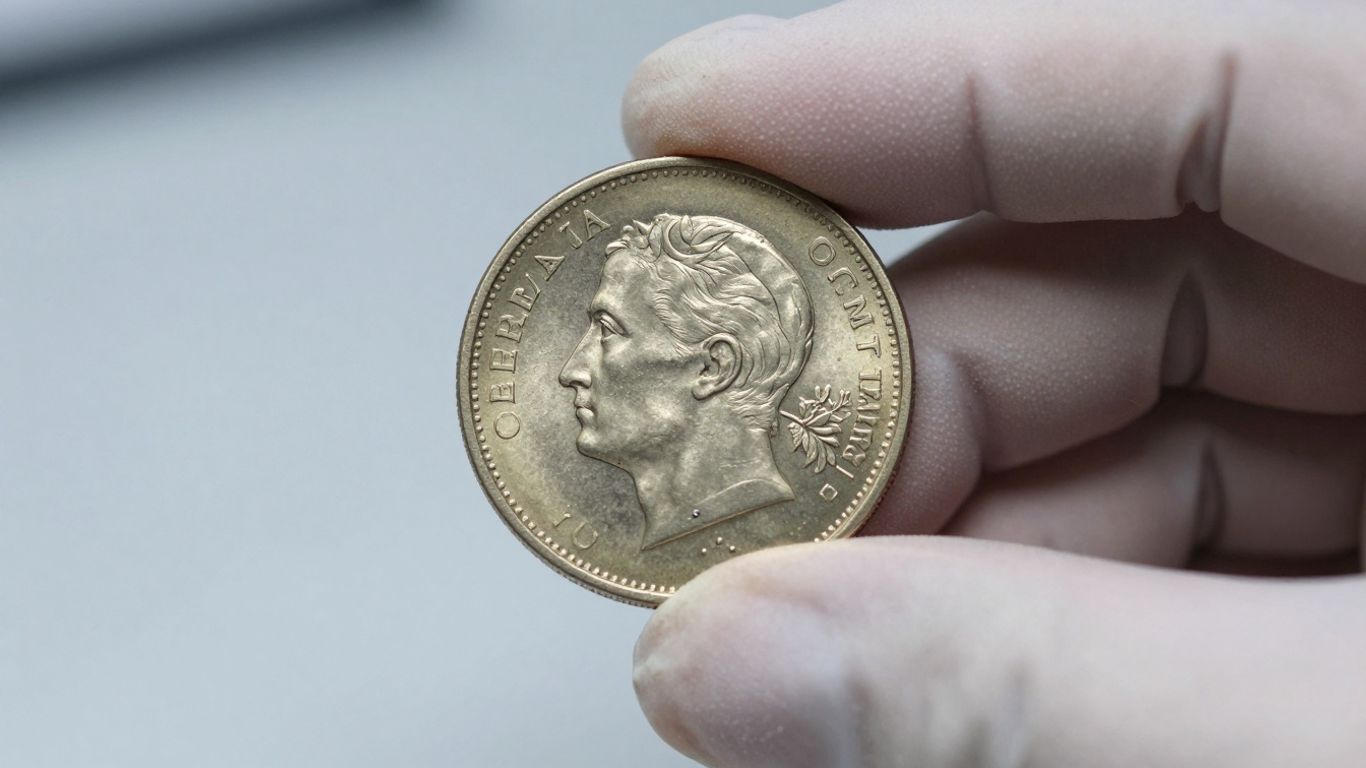
Sometimes, a coin might look great at first glance, but a closer look reveals issues that can really mess with its value. It’s like finding a tiny scratch on a new car – it’s still a car, but that imperfection matters. We’re talking about things that weren’t part of the original minting process, or things that have happened to the coin over time.
Spotting Hairline Scratches and Contact Marks
These are super common and usually happen when coins bump into each other, either at the mint or later on. Think of them as little battle scars. Hairline scratches are faint lines, often only visible under magnification. Contact marks are more like tiny dents or nicks. They can appear anywhere on the coin’s surface, but they’re especially noticeable on the high points of the design or in the flat, open areas called fields. The more of these marks a coin has, the lower its grade and value will likely be.
Here’s a quick rundown of what to look for:
- Hairlines: Very fine, linear abrasions. You might see them when you tilt the coin under a good light.
- Contact Marks: Small pits, dings, or gouges. These can range from barely visible to quite obvious.
- Bag Marks: A specific type of contact mark, often seen on coins that were handled in mint bags. They can look like small, shallow dents.
Recognizing Artificial Enhancements
This is where things get a bit tricky. Sometimes, people try to make a coin look better than it is, or they alter it for some reason. This can involve polishing the surface to make it shinier, or even trying to add color. These treatments almost always decrease a coin’s value because they aren’t natural. It’s like putting a cheap coat of paint on an old piece of furniture – it might look okay for a second, but it’s not the original finish.
Some common artificial enhancements include:
- Polishing: The surface is buffed to remove imperfections, but this also removes mint luster and can create a greasy or overly smooth appearance.
- Lacquering: A clear coating is applied, which can sometimes mask minor flaws but often looks unnatural and can yellow over time.
- Re-toning: This is when someone tries to artificially create the natural toning (coloration) that coins develop over time. It’s usually done with chemicals and looks very different from genuine toning.
When you’re looking at a coin, especially one that seems too good to be true, always question its surface. Is that shine original mint luster, or did someone polish it? Does that color look natural, or was it applied? These questions are key to spotting artificial changes that can hurt a coin’s worth. It takes practice, but learning to spot these alterations is a big step in becoming a smart collector.
Detecting Signs of Chemical Cleaning
This is a big one for collectors. Coins that have been cleaned with chemicals, often called "dipped" coins, lose their original mint luster. That beautiful, frosty sheen that makes uncirculated coins so appealing? Gone. Instead, you might see a flat, sometimes greasy appearance, or even a "whizzed" look where the metal has been abraded. Chemical cleaning is usually done to remove tarnish or surface marks, but it’s a destructive process for the coin’s surface. You can often spot this by looking for a lack of original luster and a uniform, sometimes overly bright or dull, appearance. If you’re looking for a coin with original mint luster, you’ll want to avoid anything that shows signs of cleaning.
Here’s how to tell if a coin might have been cleaned:
- Loss of Luster: The coin looks dull or flat, lacking the original frosty or satiny sheen.
- Uniform Appearance: The entire coin might look too evenly colored, without the subtle variations that natural toning or wear produce.
- "Whizzed" Surface: Sometimes, cleaning can leave fine parallel lines, giving the coin a streaky look.
- Green or Black Residue: In some cases, chemical cleaning can leave behind residue, especially in the coin’s crevices.
The Role of Professional Grading
When Professional Grading Is Worthwhile
So, you’ve got a coin, maybe something old, maybe something shiny. You’re wondering if it’s worth sending it off to get officially graded. Honestly, it’s not always a clear-cut yes or no. For those really special coins, the ones that might fetch a good price or have historical importance, getting a professional opinion can make a big difference. It’s like getting an appraisal for a piece of art. A reputable grading service gives your coin a standardized score, which buyers really trust. This can definitely boost its appeal and, you know, its price tag. But, if you’ve got a pocket full of common change, paying for grading probably isn’t going to make sense. You’ve got to weigh the cost of grading against how much more you think the coin might be worth afterward. It’s a bit of a gamble, but for the right coin, it can pay off.
Understanding Graded Coin Slabs
When a coin gets professionally graded, it usually ends up in a special plastic holder, often called a "slab." This isn’t just any old plastic case; it’s designed to protect the coin and keep it from being tampered with. Inside, you’ll find the coin itself, along with a label that tells you its official grade, usually a number from 1 to 70 on the Sheldon scale, and sometimes other details like its authenticity. This sealed slab provides a level of security and confidence for both the owner and any potential buyer. It means the coin has been looked at by experts who agree on its condition. It’s pretty neat how these slabs standardize things, making it easier to compare coins even if you can’t see them in person. It’s a big step up from just keeping coins in a box.
Benefits of Third-Party Grading Services
Using a third-party grading service, like NGC or PCGS, brings a lot to the table for collectors. For starters, they offer an objective assessment. Instead of you guessing if your coin is "almost perfect" or just "pretty good," you get a number that most people in the hobby understand. This objective grading is super helpful when you’re buying or selling. It cuts down on a lot of the guesswork and potential arguments about a coin’s condition. Plus, these services authenticate the coins they grade, which is a huge help in avoiding fakes. It’s a good idea to check out NGC coin grading if you’re curious about how they operate. They also help preserve the coin’s condition by encapsulating it, which protects it from environmental damage and handling. It’s a way to add a layer of trust and professionalism to your collection, especially for more valuable pieces.
Navigating the Coin Market
Avoiding Counterfeit Coins
Spotting fake coins is a big deal. You don’t want to spend good money on something that’s not the real deal, right? It happens more often than you’d think, especially with popular or valuable coins. The first thing to do is get familiar with what genuine coins look like. Check out official mint websites or reliable coin guides for clear images and details. Pay attention to the weight and size – fakes are often slightly off. The sound a coin makes when dropped on a hard surface can also be a clue; genuine coins often have a distinct ring.
- Weight and Dimensions: Always verify a coin’s weight and diameter against known specifications. A scale accurate to a tenth of a gram is a good investment.
- Edge Details: Examine the reeding or lettering on the edge. Counterfeits might have poorly defined or uneven edges.
- Surface Appearance: Look for unusual luster, incorrect strike details, or signs of casting rather than minting.
- Magnet Test: Most coins aren’t magnetic. If a coin sticks to a magnet, it’s likely not made of the correct metal.
Be extra careful with coins that seem like an amazing deal. If it sounds too good to be true, it probably is. Do your homework before you buy.
Identifying Overpriced or Overhyped Coins
Sometimes, a coin gets a lot of buzz, and its price shoots up way beyond what it’s really worth based on its rarity or condition. This is where you need to be smart. Don’t just jump on the bandwagon because everyone else is talking about it. Do your own research to understand a coin’s true market value. Look at past sales records from reputable auction houses. Check price guides, but remember they are just guides, not gospel. Compare the coin you’re looking at to others of similar grade and condition that have sold recently.
- Market Trends: Keep an eye on what’s popular, but also understand why. Is the hype based on genuine rarity or just a temporary fad?
- Grading Consistency: Ensure the coin’s grade is accurate. An overpriced coin might be slightly overgraded to justify a higher price.
- Mintage Figures: Low mintage doesn’t always mean high value if demand isn’t there.
Purchasing from Reputable Dealers
Buying from a dealer you trust is probably the easiest way to avoid problems. A good dealer wants repeat business, so they’ll be honest about what they’re selling. They’ll have a good return policy, too. Ask other collectors who they recommend. A dealer who is knowledgeable and transparent is worth their weight in gold, so to speak.
- Ask for References: See if the dealer is well-regarded within the collecting community.
- Check Return Policies: A dealer confident in their product will offer a fair return period.
- Look for Affiliations: Membership in professional numismatic organizations can be a good sign.
- Read Reviews: Online reviews can offer insights, but take them with a grain of salt.
Advanced Coin Evaluation Techniques
Using Magnification for Detailed Inspection
So, you’ve got a coin and you want to really see what’s going on with it? That’s where magnification comes in. It’s not just about making things bigger; it’s about seeing details you’d otherwise miss. Think of it like upgrading from a blurry photo to a high-definition one. A good loupe, usually 5x or 10x, is your best friend here. You’ll want to look at the surface for tiny marks, the way the design elements are formed, and even the texture of the metal. This level of scrutiny is what separates a casual look from a serious evaluation.
Analyzing Metal Movement and Die Wear
This is where things get a bit more technical, but it’s super interesting. When a coin is made, molten metal is pressed into a die. How that metal flows, or moves, tells you a lot about the strike quality. A strong strike means the metal filled every nook and cranny of the die perfectly. But dies wear out over time. You can often see this wear as a softening of details, especially on later strikes from that die. It’s like looking at a well-used stamp versus a brand-new one – the details are just less sharp on the old one. You can sometimes spot this by looking at the lettering or the fine lines in a design. If they look a bit mushy or faded, it’s a sign of die wear.
Recognizing Minting Errors and Varieties
This is where the real treasure hunting can happen. Minting errors are mistakes made during the coin production process. These can range from off-center strikes, where the coin isn’t perfectly centered on the planchet (the blank metal disc), to double dies, where the die itself was struck twice, creating a doubled image. Varieties are similar but often more subtle, like a slight difference in the design that occurred during the die-making process. For example, some coins might have a repunched mint mark or a die crack that creates a raised line on the coin. Spotting these can be tricky and often requires a good reference guide and a lot of practice, but they can make a common coin much more interesting and valuable.
Evaluating coins at this level requires patience and a keen eye. It’s not just about looking at the coin; it’s about understanding how it was made and what can go wrong in that process. Think of it as learning a new language, where each mark and detail tells a story about the coin’s journey from the mint to your hand.
Here’s a quick rundown of what to look for:
- Strike Quality: Are the details sharp and clear, or are they soft and mushy? Look at high points like the eagle’s feathers or a president’s hair.
- Die Wear: Does the design look worn down, especially on the edges or in fine details? This indicates the die was used extensively.
- Metal Flow: How did the molten metal fill the die? This affects the overall appearance and can indicate a strong or weak strike.
- Die Breaks/Cracks: Look for raised lines or lumps on the coin’s surface that aren’t part of the intended design. These are signs of a damaged die.
- Die Cuds: These are larger areas where a piece of the die has broken off, often creating a raised lump on the coin’s edge.
Preserving Coin Value Over Time
Keeping your coins looking their best isn’t just about aesthetics; it’s directly tied to maintaining their worth. Think of it like keeping a classic car in good shape – the better you care for it, the more it’s worth down the road. For collectors, this means being mindful of how environmental factors and handling can affect a coin’s condition.
Preventing Toning and Environmental Damage
Toning, that colorful patina that can develop on silver and copper coins, can be a good thing if it’s natural and attractive. However, uncontrolled environmental conditions can lead to more damaging forms of toning or outright corrosion. Humidity is a big culprit here. Storing coins in a damp basement or a humid climate can accelerate tarnishing and even cause pitting on the surface. Extreme temperature fluctuations aren’t great either. The goal is a stable environment.
- Control Humidity: Aim for a relative humidity level between 35% and 50%. Using silica gel packets in storage containers can help regulate moisture.
- Stable Temperatures: Avoid storing coins in attics or garages where temperatures can swing wildly.
- Minimize Air Exposure: While some air exchange is okay, prolonged exposure to pollutants or sulfur compounds (found in some woods and cardboard) can cause adverse reactions.
Uncontrolled environmental factors are silent destroyers of coin value. What might seem like a minor bit of tarnish can, over time, become significant damage that’s impossible to reverse without harming the coin’s surface.
Maintaining Condition for Future Value
Beyond environmental threats, how you handle and store your coins plays a huge role. Even the most beautiful coin can lose significant value if it’s scratched, cleaned improperly, or stored in a material that degrades over time. This is where archival-quality supplies come into play. Using holders made from inert plastics, like Mylar or polyethylene, is key. Avoid anything containing PVC (polyvinyl chloride), as it breaks down and releases chemicals that cause a green, gummy residue on coins, which is a real nightmare to remove and severely impacts value. For those looking to protect their most prized possessions, professional coin grading services offer sealed holders, known as slabs, that safeguard authenticated and graded coins [fe05].
The Impact of Storage on Coin Integrity
Your storage choices directly impact the long-term integrity of your collection. Think about it: a coin might look great today, but if it’s in a holder that’s slowly eating away at its surface, its condition will deteriorate. This is why investing in proper storage solutions from the start is so important. It’s not just about keeping coins organized; it’s about actively protecting them from harm. Regularly inspecting your collection, even when it’s stored away, is also a good habit to get into. You might catch a problem early before it becomes widespread.
- Use Archival Holders: Opt for Mylar flips, hard plastic capsules, or coin albums specifically designed for numismatic use.
- Avoid PVC: Steer clear of any storage materials that feel soft or flexible and have a distinct chemical smell – they likely contain PVC.
- Regular Checks: Periodically examine your coins and their holders for any signs of discoloration, corrosion, or damage.
Developing Your Numismatic Eye
So, you’ve got a pile of coins and you’re starting to get a feel for them. That’s great! But how do you really get good at spotting the good stuff, the rare finds, or just coins that are in better shape than others? It’s not magic, honestly. It’s mostly about practice, patience, and knowing what to look for. Think of it like learning to spot a fake designer bag on the street – at first, they all look the same, but after a while, you start noticing the little things. The same goes for coins.
The Importance of Practice and Patience
Look, nobody becomes an expert overnight. I remember when I first started, I’d spend hours just looking at coins, comparing them, trying to see what made one worth more than another. It felt slow, sometimes frustrating, but that time spent was the best investment I made. You need to look at a lot of coins, and I mean a lot. Go to coin shows, browse online listings, even just sort through your own collection regularly. The more you see, the more your brain starts to catalog details automatically. You’ll begin to recognize patterns in wear, strike quality, and even toning. It’s like training a muscle; the more you use it, the stronger it gets.
- Regularly examine coins: Set aside time each week to look through your collection or coins you’re considering buying.
- Compare similar coins: Put two coins of the same type side-by-side. What differences do you see in their details, luster, or wear?
- Study reference materials: Books and online guides show you what to look for in different grades and varieties.
Comparing Your Assessments with Experts
This is where things get really interesting. You can look at coins all day, but how do you know if you’re seeing what the pros see? One of the best ways is to compare your thoughts with expert opinions. When you see a coin described as "MS-65" or "AU-58," try to find examples of coins graded that way. Look at the photos, read the descriptions. What makes that coin earn that grade? Sometimes, you can find articles or videos where experts break down why a specific coin received its grade. It’s like having a tutor for your coin-spotting skills. You might think a coin has great luster, but an expert might point out that it’s been "dipped" (chemically cleaned) and lost its original mint glow, which significantly impacts its value. Learning to spot these subtle differences is key.
You’ll start to notice that what looks like a minor scratch to the untrained eye can be a significant "contact mark" that lowers a coin’s grade. Similarly, a coin that looks "shiny" might actually have had its original frosty luster removed by cleaning. These details matter a lot when it comes to a coin’s worth.
Sharpening Your Skills Through Experience
Ultimately, the best way to get good is to just keep doing it. Every coin you handle, every coin you research, adds to your knowledge base. You’ll start to develop an intuition for certain things. For example, you might learn to recognize the signs of a weak strike versus a strong strike just by looking at the flow of the metal in certain areas. Or you might get a feel for how different metals age and tone over time. Don’t be afraid to make mistakes; everyone does. I once bought a coin thinking it was a rare variety, only to find out later it was a common one with an odd die crack. It was a learning experience, and it made me more careful the next time. The more you interact with coins, the more you’ll refine your ability to spot those subtle characteristics that separate the ordinary from the extraordinary.
Keep Those Coins Shining
So, there you have it. Taking care of your coins isn’t some super complicated thing, but it does take a little attention. Whether you’ve got a few old pennies lying around or a serious collection you’re building, treating them right means they’ll stick around for a long time, looking good and keeping their value. Remember to handle them gently, store them properly, and just generally give them a bit of respect. It’s not rocket science, but it makes a big difference for your collection. Happy collecting!
Frequently Asked Questions
How do I start collecting coins?
To begin your coin collecting journey, pick a type of coin that interests you, like old pennies or silver dollars. Read books and check out websites about coins. Joining a local coin club is also a great way to learn from others. Start with coins that aren’t too expensive so you can get a feel for collecting before buying pricier ones. Always learn about coin grading and how to spot fakes.
Where can I find rare coins?
You can find rare coins from coin shops, at auctions, and during coin shows. Online marketplaces and coin collecting websites are also good places to look. It’s smart to join coin clubs or groups, as you can meet dealers and other collectors there. Always make sure you’re buying from sellers who are known to be honest and reliable, and consider coins that have been officially graded.
How can I tell if a coin is rare and valuable?
A coin’s rarity and worth depend on things like its year, where it was made (mint mark), its condition, and its history. Look up coins in guides or online databases, and ask experts. Coins that were made in small numbers, have historical mistakes, or have been officially graded are often worth more.
What do I need to know about coin grading?
Coin grading is a way to describe how good a coin’s condition is, which really affects its price. The most common system is the Sheldon Scale, which goes from 1 (very worn) to 70 (perfect). It’s important to understand the difference between coins that have been used (circulated) and those that are like new (uncirculated). For valuable coins, it’s best to get them graded by a professional service for an honest opinion.
How should I take care of and store my rare coins?
Keep your coins in a cool, dry place away from direct sun and dampness. Use special holders made for coins, like plastic flips, capsules, or albums. Always touch coins by their edges, and wear cotton gloves if you can, to keep fingerprints and dirt off them. Check your collection now and then for any signs of damage or problems.
Is it worth paying to have my coins professionally graded?
For coins that are valuable or rare, getting them professionally graded can be a good idea. A grade from a trusted company makes the coin more believable, helps figure out its market price, and can make it more attractive to buyers. But, if the coin isn’t worth much, the cost of grading might not be worth it. Think about how much the coin might gain in value compared to the grading fee.
How do I avoid buying fake coins?
To avoid fake coins, buy from dealers and auction houses that have a good reputation. Be suspicious of deals that seem too good to be true, because they usually are. Learn what real coins look like and consider getting a guide on spotting fakes. For expensive coins, ask for ones that have been graded by well-known services, as they check for authenticity.
How do I spot coins that are overpriced or too popular in the market?
To avoid overpaying, do your homework. Learn about a coin’s actual rarity and condition, not just what others are saying. Compare prices from different sellers and check recent sales records. Be wary of coins that have a lot of hype around them but don’t have the historical significance or scarcity to back it up. Sometimes, less popular but well-preserved coins can be a better buy.