So, you’ve got a coin collection, or maybe you’re looking to buy some coins. That’s cool. But have you ever wondered if a coin has been messed with? Like, cleaned up to look better than it really is? It’s a big deal in the coin world because cleaning can really mess with a coin’s value. Figuring out how to detect cleaned coins is a skill that separates the newbies from the pros. It’s not always obvious, but with a little know-how, you can spot the signs. Let’s talk about how to tell if a coin has been cleaned.
Key Takeaways
- Look closely at a coin’s natural shine, or luster. If it looks too bright or unnatural, especially on older coins, it might have been cleaned.
- Watch out for signs of scrubbing, polishing, or even using an eraser on a coin’s surface. These actions leave behind marks you can see with magnification.
- Professional grading services are a good bet. They have experts who know how to spot cleaned coins and won’t certify them as original.
- Using a magnifying glass and good light is super important. You need to examine the coin’s surface details carefully to spot any tampering.
- Learn from others. Going to coin shows, reading up on coins, and talking to experienced collectors can teach you a lot about how to detect cleaned coins.
Understanding Coin Luster and Brightness
When you first look at a coin, especially one that’s supposed to be in great shape, the first thing you might notice is how it shines. This shine, or luster, is a big deal in coin collecting. It’s basically the natural gloss that a coin gets when it’s made. Think of it like the finish on a new car – it tells you something about how it was treated from the start.
The Natural Progression of Coin Luster
Genuine mint luster isn’t just a flat shine. It’s created by tiny lines on the coin’s surface, kind of like microscopic grooves, that are formed during the minting process. When you tilt the coin under a light, these lines make the light seem to flow across the surface, almost like a spinning wheel. It’s a soft, flowing effect. This is what you want to see on an uncirculated coin. It shows the coin hasn’t been handled much, if at all. Over time, even just being in a pocket or a coin roll can start to dull this natural shine. Circulation is the enemy of luster.
Spotting Unnatural Brightness
Sometimes, a coin looks too bright, almost blindingly so. This is often a red flag. If a coin looks unnaturally shiny, like it’s been polished with steel wool or treated with chemicals, that’s not good. Real luster has a certain softness and flow. Artificial brightness often looks harsh and flat. It doesn’t have that flowing quality. It’s like the difference between a natural tan and spray-on color – one looks real, the other often looks fake.
Luster in Uncirculated Condition
Coins that have never been used as money, meaning they’re in uncirculated condition, should ideally retain their original luster. This luster can vary. Some coins come off the press with a bright, flashy shine, while others might have a softer, more satiny or frosty appearance. For example, some silver dollars from the San Francisco Mint tend to have a bolder luster, whereas those from the New Orleans Mint might appear flatter. The key is that this luster is original and hasn’t been messed with. It’s a sign of the coin’s pristine state right from the mint.
The way light plays on a coin’s surface is a direct indicator of its history. Genuine luster tells a story of the minting press, while unnatural brightness often hints at a human attempt to improve or alter its appearance, usually for the worse.
Identifying Signs of Surface Alteration
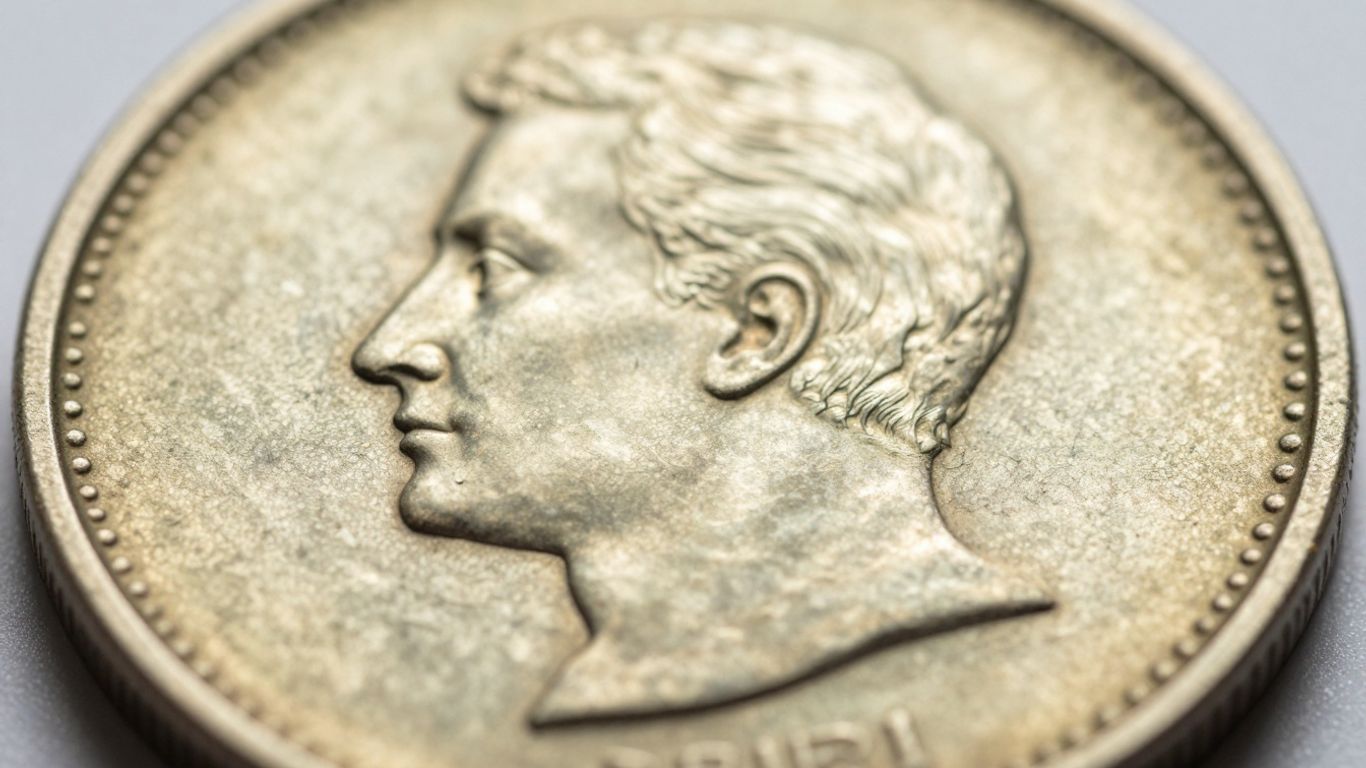
Sometimes, a coin might look a little too good to be true, and that’s often because its surface has been messed with. Cleaning a coin, even with the best intentions, can really mess up its natural look and, more importantly, its value. It’s like trying to fix a scratch on your phone screen with sandpaper – you might get rid of the scratch, but you’ll leave a bigger mess behind. Understanding how these alterations happen is key to spotting them.
The Impact of Scrubbing and Polishing
When someone scrubs or polishes a coin, they’re essentially removing the top layer of metal. This can happen with abrasive cloths, brushes, or even things like steel wool. The most obvious sign is a loss of the coin’s original luster. Instead of that soft, satiny sheen, you might see a harsh, reflective surface. It can look unnaturally bright, almost like a mirror, especially on older silver coins that should have a more subdued appearance. You might also notice fine, parallel lines all over the surface, which are tiny scratches left by the abrasive material. These are different from die polishing lines, which usually only affect the fields and don’t go over the raised design elements. Scrubbing can also wear down the high points of the design faster than the rest of the coin, making them look softer or flatter than they should.
Recognizing Erasure Marks
Erasure marks are a bit more specific and often come from trying to remove toning or spots from a coin. Think of it like using an eraser on a pencil drawing – you’re trying to remove a specific mark. This can leave a distinct area that looks different from the surrounding surface. It might be smoother, brighter, or have a slightly different texture. On copper coins, attempts to remove dark spots can leave behind lighter, cleaner patches that stand out. On silver coins, you might see areas where the toning has been removed, leaving a bright spot surrounded by darker, original surfaces. These localized areas of unnatural cleanliness are a big red flag.
Detecting the Effects of Whizzing
Whizzing is a more aggressive cleaning technique that involves spinning a coin at high speed, often with an abrasive compound. This creates a very distinctive look. The entire surface of the coin gets a series of fine, parallel lines, similar to light scrubbing, but often more uniform and covering the entire coin. The luster produced by whizzing is usually very harsh and artificial, lacking the natural flow and depth of original mint luster. It can make the coin look almost metallic or greasy. Sometimes, whizzing can also soften the details of the coin’s design due to the friction involved. It’s a method that’s pretty much guaranteed to damage a coin’s surface and significantly reduce its numismatic value. If a coin looks like it’s been polished with a wire brush, it’s a strong indicator it’s been whizzed. You can often find examples of coins graded as cleaned in special holders, which can be helpful for comparison [fe14].
Cleaning coins is a tricky business. While some collectors might dip a coin to remove harmful residue, aggressive scrubbing or polishing almost always harms the coin’s surface and its long-term appeal. It’s a trade-off that rarely pays off in the end, especially when you consider the potential loss in value.
The Role of Professional Grading Services
So, you’ve been looking at coins, maybe trying to figure out if that shiny one is really as good as it looks. It can get complicated fast, right? That’s where the big grading services come in. Think of them as the official referees for the coin world. They’ve got folks who do this all day, every day, looking at coins under magnification, checking for all sorts of things we might miss. They’re basically there to give you a solid, third-party opinion on a coin’s authenticity and its condition.
How Grading Services Identify Cleaned Coins
These services have a whole process for spotting coins that have been messed with. It’s not just a quick glance. They look for specific signs that tell them a coin isn’t in its natural state. This includes things like:
- Luster anomalies: They know what natural coin luster looks like, and they can spot when it’s been artificially brightened or altered. This often shows up as a lack of original cartwheel effect or a uniform, almost glassy sheen.
- Surface hairlines: Even if a coin looks bright, a close look under magnification can reveal tiny scratches left behind from cleaning tools, whether it was a soft cloth or something harsher.
- Edge and rim details: Sometimes, cleaning can affect the edges or rims of a coin in ways that don’t happen naturally. They check for any signs of polishing or wear that doesn’t match the rest of the coin’s surface.
- Color and tone: Cleaned coins often lose their original toning, or they might have an unnatural, overly bright appearance that stands out.
The goal of a professional grading service is to provide an objective assessment of a coin’s condition and authenticity. They use trained eyes and established standards to identify alterations that might not be obvious to the average collector. This helps maintain trust and consistency in the coin market.
Benefits of Certified Coins
Getting a coin certified by one of these services comes with some good perks. For starters, you get a coin that’s been authenticated. This means they’ve checked it to make sure it’s not a fake. Then there’s the grade. They assign a numerical grade, usually on the Sheldon scale, which gives you a standardized way to understand the coin’s condition. This is super helpful when you’re buying or selling, because everyone is (supposedly) speaking the same language.
Here’s a quick rundown of why collectors like certified coins:
- Authenticity Guarantee: The grading service stands behind the coin being genuine.
- Standardized Grading: You get a consistent grade that’s recognized by most collectors and dealers.
- Protection: The coin is sealed in a tamper-evident holder, which protects it from further handling and damage.
- Marketability: Certified coins often trade more easily and at more predictable prices.
Trusting Third-Party Authentication
It’s important to remember that not all grading services are created equal. Some have been around for a long time and have built a strong reputation. When you see a coin in a holder from a well-respected service, it generally carries more weight. These services have a vested interest in maintaining their accuracy because their reputation is on the line. If they start misidentifying cleaned coins or assigning incorrect grades, collectors will stop trusting them, and their business will suffer. So, while no system is perfect, relying on established third-party graders is a pretty solid way to get a more objective look at a coin’s condition and authenticity, especially when you’re dealing with higher-value pieces.
Examining Coins with Magnification and Light
Essential Tools for Inspection
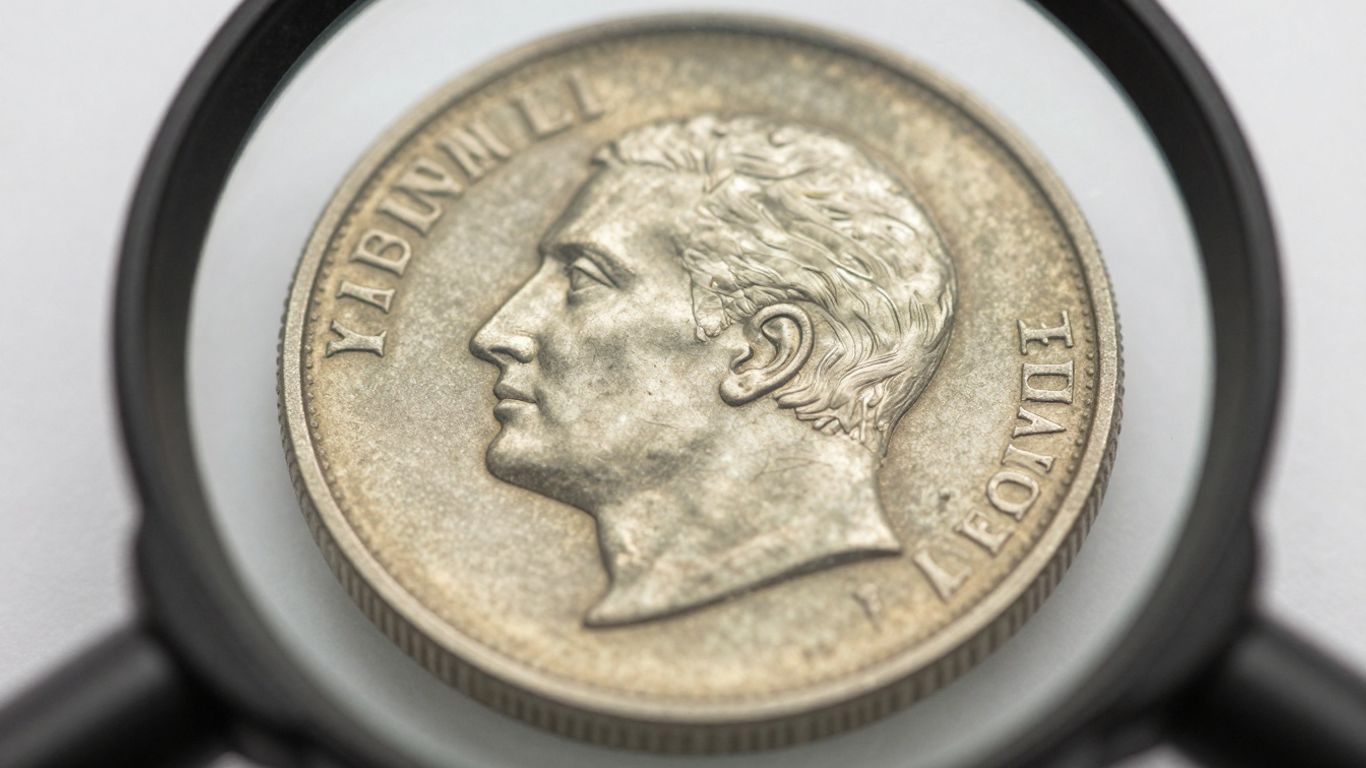
Looking at coins, especially when you’re trying to spot if they’ve been messed with, really needs more than just your eyes. You’ve got to get up close and personal with the surface. This is where a good magnifying tool comes in handy. Most folks in the know suggest at least a 10x jeweler’s loupe. It’s like your basic entry point for seeing the little details. If you’re really serious, a stereo microscope that goes up to 40x can show you even finer points, like microscopic scratches or how the metal was worked. Don’t forget about lighting, either. It’s not just about having a light on; it’s about the kind of light. Full-spectrum LED desk lamps are pretty popular because they give off a consistent, bright light that doesn’t get too hot. This kind of light helps you see the coin’s natural shine, or luster, and any surface issues without making things look weird.
Here’s a quick rundown of what you might want:
- Magnification: A 10x loupe is a good start. Higher power (like 20x or more) can be useful for really tricky spots.
- Lighting: Full-spectrum LED lamps are best. They mimic natural daylight and show true colors and luster.
- Handling: Always use cotton gloves or soft-tipped tongs. Your skin oils can actually damage a coin’s surface over time.
Analyzing Surface Details
Once you’ve got your tools, it’s time to really look. You’re hunting for anything that seems off. Think about how a coin is made. Metal is struck with immense force. This process gives it a certain look, a natural flow to the surface. When a coin is cleaned, especially aggressively, it can disrupt this natural flow. You might see tiny parallel lines, almost like someone took a very fine sandpaper to it. This is often a sign of whizzing or polishing. Even dipping a coin in a cleaning solution can leave a subtle, unnatural sheen or remove some of the original mint frost. It’s about comparing what you see to what a coin should look like in its original state. Look for areas where the luster seems weak or has been disturbed. Sometimes, cleaning can remove metal, making high points look a bit softer than they should be.
The surface of a coin tells a story. Natural wear and tear from circulation or the minting process leaves distinct marks. Cleaning, however, often leaves a different kind of mark – one that speaks of human intervention rather than natural history. Learning to read these subtle differences is key.
The Importance of Proper Lighting
Lighting is more important than you might think. Different lights can make a coin look completely different. For instance, harsh fluorescent lights can make a coin look dull and lifeless, hiding its natural luster. On the other hand, some bright lights at coin shows, sometimes called "Long Beach lighting," can make a coin look better than it actually is, masking imperfections. The goal is to use lighting that shows the coin’s true appearance. This is why those full-spectrum LED lamps are so good; they provide a consistent, neutral light. You want to see the coin as it is, not as the light source wants you to see it. Try looking at a coin under different lights if you can – you’ll be surprised at how much the appearance changes. This helps you understand how lighting can either reveal or hide surface issues.
Here’s a quick comparison of light types:
- Daylight: Good, but inconsistent due to weather and time of day.
- Incandescent (75-watt): Decent, but can be hot and bulky.
- Full-Spectrum LED: Generally the best for consistency and accuracy.
- Fluorescent: Can flatten luster; newer ones are better.
- Halogen: Often too bright and hot, revealing too many minor flaws.
Using the right tools and techniques for examination is how you start to catch those cleaned coins that might otherwise fool you.
Recognizing Different Cleaning Methods
The Difference Between Curating and Cleaning
Okay, so we’ve talked about how coins get cleaned, but there’s a bit of a nuance here. Some folks in the coin world use the term "curating" to describe cleaning that supposedly doesn’t hurt the coin’s surface. They might say it’s like cleaning an old painting to make it look better without damaging it. The idea is to improve the coin’s appearance, maybe by removing some grime or a specific spot, but without scrubbing away its natural look. It’s a tricky line, though. What one person calls "curating," another might just see as cleaning, and not always the good kind. The key difference often comes down to intent and outcome: does it preserve the coin’s original character, or does it alter it in a way that reduces its historical integrity and value?
Understanding Dipped Coins
One common cleaning method involves "dipping." This usually means briefly submerging a coin in a chemical solution, often an acidic one, to remove tarnish or bring back some shine. Think of it like a quick dip in a cleaning bath. It can make a coin look brighter, especially silver coins that have developed dark toning over time. However, this process can also strip away the coin’s natural "luster" – that soft, satiny sheen that original, uncirculated coins have. Dipped coins often look unnaturally bright and can have a "flat" appearance because the delicate surface texture is compromised. It’s a fast way to make a coin look superficially better, but it often comes at the cost of its original character.
The Effects of Harsh Cleaning Techniques
Then there are the more aggressive cleaning methods, the ones that really change a coin’s surface. This is where things can go wrong quickly. We’re talking about scrubbing with abrasive materials, using harsh chemicals that eat away at the metal, or even polishing the coin to a mirror finish. These methods can leave behind visible scratches, a grainy texture, or an overly shiny, unnatural look. Sometimes, you might see "whizzing" marks, which are tiny parallel lines from aggressive buffing. These kinds of treatments significantly damage the coin’s surface and drastically reduce its numismatic value. It’s like taking a sander to a delicate piece of wood – you might remove the dirt, but you’ve also removed the original finish and detail.
Here’s a quick rundown of what to look out for:
- Scrubbing: Leaves fine or coarse scratches, often in random patterns.
- Polishing: Creates an overly bright, sometimes greasy-looking surface with a loss of fine detail.
- Harsh Chemicals: Can cause pitting, discoloration, or a "eaten" appearance on the surface.
- Mechanical Buffing: May result in parallel lines or a "mottled" look where the luster has been removed unevenly.
When you’re looking at a coin, always consider how it feels to the touch, even if you’re just imagining it. Does it seem too smooth? Does it look like it’s been buffed? These subtle clues can tell you a lot about whether a coin has been altered. It’s not just about what you see, but also about what the surface texture suggests happened to it over time.
Learning from Numismatic Experts and Resources
You know, trying to figure out if a coin’s been messed with can feel like a puzzle sometimes. It’s easy to get lost in all the details. That’s why tapping into the knowledge of people who’ve been around the block a few times is a really smart move. It’s not just about looking at coins; it’s about learning the stories and the science behind them.
Attending Educational Seminars and Conventions
Going to coin shows and seminars is a fantastic way to get up close with the hobby. You can actually talk to the experts, see coins you might only read about, and get a feel for what’s happening in the market. Many major shows have educational sessions where you can learn about specific coin types or even how to spot fakes. It’s a great chance to ask questions you’ve been pondering. Plus, you get to meet other collectors who are just as passionate as you are.
Consulting Numismatic Publications
There’s a whole world of information out there in print and online. Subscribing to a coin publication, whether it’s a weekly paper or a monthly magazine, keeps you updated on the latest news, market trends, and discoveries. These publications often feature articles by seasoned collectors and researchers that can really open your eyes to new aspects of coin collecting. You can find everything from basic guides to deep dives into specific coin series. For example, publications like Coin World or Numismatic News are packed with useful info. Don’t forget about the publications from major numismatic organizations, too; they’re often included with membership.
Building Relationships with Trusted Advisors
Finding someone experienced to guide you can make a huge difference. Think of it like having a mentor. This could be a dealer you trust, an experienced collector at your local coin club, or even someone you meet at a convention. A good advisor can show you things you might miss on your own and help you avoid costly mistakes. They’ve seen a lot and can share stories and insights that books just can’t capture. Building this trust takes time, but it’s well worth the effort. Remember, even experienced dealers can sometimes be wrong, so it’s always good to get a second opinion.
Learning the ins and outs of coin collecting takes time and effort. Relying solely on your own observations can lead to errors, especially when dealing with potentially altered coins. Seeking out knowledge from various sources, including experienced individuals and published materials, is key to developing a discerning eye and making informed decisions about your collection.
Avoiding Common Pitfalls in Coin Examination
The Danger of Overly Bright Surfaces
Sometimes, a coin looks almost too good to be true, especially if it’s supposed to be old. If a coin is unnaturally shiny, like it was just polished with a brillo pad, that’s a big red flag. Real, old coins usually have a certain mellow look to them, even if they’re in great shape. This excessive brightness often means someone tried to "clean" it up to make it look more valuable. Don’t let a dazzling shine fool you into thinking you’ve found a gem. It’s usually a sign of tampering.
Being Wary of Unusually Perfect Luster
Luster is that frosty or satiny sheen you see on uncirculated coins. It’s a key part of a coin’s appeal. But when this luster looks too uniform, too perfect, or just doesn’t seem right for the coin’s age and type, be suspicious. Sometimes, people try to artificially create or enhance luster, which isn’t the same as natural mint luster. It can look a bit glassy or even have a swirling pattern under magnification. Think of it like makeup on a coin – it might look good at first glance, but up close, you can often tell it’s not natural.
The Significance of Coin Value and Price
If a coin is priced way below what it should be worth, there’s usually a reason. It’s tempting to grab a bargain, but a super low price often signals a problem. Maybe the coin has been cleaned, repaired, or is even a fake. Always do your homework on what a coin should cost before you buy. If a deal seems too good to be true, it probably is. It’s better to pay a fair price for a problem-free coin than to get a "deal" on something that’s been messed with.
Here’s a quick rundown of what to watch out for:
- Excessive Shine: Looks like it was just polished.
- Uniform Luster: Too perfect, doesn’t match the coin’s age.
- Unrealistic Price: Significantly lower than market value.
- Suspicious Patina: Unnatural color or texture.
When you’re looking at coins, especially if you’re new to this, it’s easy to get caught out by a coin that’s been altered. People do this to make coins look better than they really are, hoping to get more money for them. Always remember that a coin’s appearance can be deceiving. Take your time, use good light, and if something feels off, it probably is. It’s always better to be safe than sorry when you’re spending your hard-earned cash on collectibles.
Investigating Potential Damage and Repairs
Sometimes, coins aren’t just cleaned; they’ve had actual work done to them. Think of it like a car that’s been in an accident and then had the dents hammered out and repainted. It might look okay from a distance, but up close, or with the right tools, you can often spot the signs. This is where things get a bit more serious than just a light polish.
Spotting Signs of Soldering and Re-engraving
Soldering is usually done to attach a coin to something else, maybe for jewelry or a display. You’ll often see a small, discolored blob or a rough spot where the solder was applied. It can also leave a heat mark on the coin’s surface. Re-engraving is even trickier. This is when someone tries to redraw or sharpen details that have worn down. It’s like tracing over a faded drawing. The lines might look a bit too sharp, too uniform, or just not quite right compared to an untouched coin. It takes a good eye, and sometimes magnification, to catch these.
Identifying Filled Holes
Coins with holes are usually damaged, but some people try to ‘fix’ them by filling the hole. This is a big red flag. The filler material might be a different color or texture than the coin itself. Sometimes, the filler is applied unevenly, creating a raised or sunken area around the hole. It’s a pretty obvious sign that the coin isn’t in its original state. You’re looking for a clean, sharp edge around the hole, not a messy patch.
Understanding the Impact of Metal Alterations
This is the most serious kind of damage. It involves adding, removing, or moving metal on the coin. Think about dents being hammered out, scratches being smoothed over, or even details being re-cut. These alterations often require heating the coin, which can mess with its natural look and texture. The surface might appear unnaturally smooth in places, or you might see evidence of metal flow. Any coin that has had metal added, removed, or reshaped is considered altered and its numismatic value is severely impacted. It’s a bit like trying to cover up a mistake with more mistakes; it rarely looks convincing to someone who knows what to look for.
When you see signs of repair, it’s a signal to be extra cautious. These aren’t just cosmetic fixes; they fundamentally change the coin’s history and authenticity. It’s often best to steer clear of coins that show clear evidence of such tampering, as their value and collectibility are significantly diminished.
Developing Your Expertise Through Observation
Look, nobody becomes a coin expert overnight. It takes time, a lot of looking, and frankly, a bit of practice. Think of it like learning to spot a fake designer handbag or a real antique vase. The more you see, the more you start to notice the little things that give it away. This is especially true when you’re trying to figure out if a coin has been messed with.
The Value of Looking at Numerous Coins
Seriously, just keep looking at coins. The more you see, the better your eye gets. It’s like anything else, right? You wouldn’t expect to become a master chef after cooking one meal. The same applies here. You need to see a wide variety of coins, from common circulated pieces to rare uncirculated ones. This exposure helps you build a mental library of what’s normal and what’s not. You start to get a feel for the natural wear patterns, the way luster should look, and the subtle differences between coins from different mints or years. It’s about building that instinct.
Understanding Die Polishing vs. Scratches
This is where things get a little more technical, but it’s important. Sometimes, coin dies (the metal pieces that strike the coin) get polished to make them look better. This can leave behind very fine, parallel lines on the coin’s surface. These are called
Handling Coins Safely to Preserve Surfaces
When you’re looking at coins, especially those that are in great shape, the surfaces are super delicate. Even the smallest touch can leave a mark. Think about it: a single speck of dust caught in the oils from your fingers can scratch the metal. And those oils? They can actually react with the coin over time, causing damage that might not show up right away but can stick around forever. It’s a bit like leaving a fingerprint on a mirror – it might wipe off easily now, but repeated contact can wear down the surface.
The Risks of Fingerprints and Moisture
Your hands aren’t exactly sterile environments. Between sweat, lotions, food residue, and just general grime, there’s a lot that can transfer to a coin’s surface. This stuff can not only scratch but also cause chemical reactions. Moisture is another big enemy. Every time you exhale, you’re releasing tiny droplets of moisture. If you’re breathing directly onto a coin, especially a copper one, you’re inviting spots and corrosion. It’s why numismatists often advise breathing through your nose and trying not to talk too much when examining a coin closely.
Proper Techniques for Holding Coins
So, how should you hold them? The golden rule is to always handle coins by their edges. This way, your fingers never touch the main surfaces. Imagine you’re holding a tiny dinner plate – you’d grip it by the rim, right? Same idea. Some people like to wear thin cotton gloves, and that’s fine, but if your hands are clean and completely dry, gloves aren’t strictly necessary. It’s more about avoiding direct contact with the coin’s face and back.
Using Appropriate Drying Materials
If you ever need to dry a coin after, say, a gentle rinse (which you should do very carefully, by the way), steer clear of paper towels. Seriously, the wood fibers in paper towels can act like sandpaper on a coin’s surface, leaving microscopic scratches. Instead, opt for a soft, 100% cotton cloth. Pat the coin dry gently; don’t rub it. Think of it like dabbing a delicate painting rather than scrubbing a floor.
Protecting coins isn’t just about keeping them looking good; it’s about preserving their history and their value. You’re essentially a temporary caretaker for something that could last for centuries. Treating them with respect now means they’ll be around for future collectors to appreciate, just as you’re appreciating coins from the past.
Here’s a quick rundown of what to do and what to avoid:
- Do: Hold coins by their edges.
- Do: Wash and dry your hands thoroughly before handling.
- Do: Use a soft, lint-free cotton cloth for drying.
- Avoid: Touching the coin’s surfaces with your fingers.
- Avoid: Breathing or talking directly over unprotected coins.
- Avoid: Using paper towels or rough cloths for drying.
Keep Your Eyes Sharp
So, we’ve gone over a bunch of ways people try to make coins look better than they are, and honestly, it can get pretty tricky. It’s easy to get fooled, especially when you’re just starting out or when a coin looks really shiny. Remember, that natural shine wears off over time, so if a coin looks too bright for its age, be suspicious. The best advice? Keep looking at coins, ask questions, and if you’re not sure, stick to coins that have been checked by the pros. Building your knowledge takes time, but it’s the best way to avoid buying a coin that’s been messed with and lost its real value. Happy collecting!
Frequently Asked Questions
What is 'coin luster' and why is it important?
Coin luster is like the original shine a coin has when it’s brand new. Think of it as the coin’s natural glow. This shine fades as a coin gets older or is used. For collectors, original luster is super important because it shows the coin hasn’t been messed with. If a coin looks too shiny for its age, it might have been cleaned, which can hurt its value.
How can I tell if a coin has been cleaned?
Look for signs that the coin’s surface looks unnaturally bright or has a different texture than you’d expect. Sometimes, cleaning leaves tiny scratches that look like hairlines, or it might remove the natural toning (the colorful patina) that coins develop over time. If a coin looks too perfect or too shiny for its age, be suspicious!
What's the difference between 'cleaning' and 'curating' a coin?
Cleaning usually means scrubbing or polishing a coin, which can damage its surface and lower its value. ‘Curating,’ on the other hand, is a gentler way to improve a coin’s appearance without causing harm, kind of like carefully dusting a valuable painting. However, some people use ‘curating’ as an excuse to clean coins, so it’s smart to be cautious.
Are professional grading services helpful for spotting cleaned coins?
Yes, absolutely! Services like PCGS and NGC are experts at identifying cleaned coins. They won’t give a coin a top grade if it’s been cleaned, or they’ll note it on the coin’s holder. Buying certified coins means you’re getting a coin that’s been checked by professionals, which reduces the risk of buying a damaged or cleaned one.
What tools do I need to examine coins closely?
You’ll definitely need a good magnifying glass, often called a loupe, to see the tiny details. A strong, focused light source is also crucial. This helps you see the surface texture, any scratches, and the natural luster of the coin much better.
What are some common mistakes people make when checking coins?
One big mistake is being fooled by a coin that’s too bright or looks too good to be true. Another is not realizing that some cleaning methods, like ‘whizzing’ (using a spinning brush), create a fake shine that looks natural to beginners. Always be wary of coins that seem suspiciously perfect.
How can I learn more about identifying cleaned or fake coins?
You can learn a lot by reading books and magazines about coins, attending coin shows and seminars, and talking to experienced collectors or dealers you trust. The more coins you look at and study, the better you’ll get at spotting problems.
Why is it important to handle coins carefully?
Coins, especially older or valuable ones, have delicate surfaces. Touching them with your fingers can leave oils and smudges that can damage the metal over time. Even breathing on a coin can cause spots if it’s not protected. Always hold coins by their edges to keep their surfaces looking their best.