Thinking about selling your silver coins? It can feel a bit overwhelming, right? There’s a lot to consider beyond just the shiny metal. We’ll walk through how to figure out what your coins are really worth, especially when it comes to their silver content. Knowing this stuff helps you get a fair price and avoid getting shortchanged. Let’s break down how to calculate silver coin content and what else matters when you’re ready to sell.
Key Takeaways
- Understanding the melt value is key to knowing the base worth of your silver coins, calculated by their metal weight and purity.
- Factors like collector demand, the coin’s rarity, and its overall condition significantly influence its final selling price.
- Before selling, assess your coin collection, consider professional appraisals for accurate valuation, and prepare your coins for presentation.
- Choosing the right place to sell, whether online or in person, and knowing how to negotiate can greatly impact your profits.
- Staying informed about current market trends, global economic influences, and investor preferences helps you time your sale for maximum return.
Understanding The Core Of Silver Coin Value
When you’re looking at your silver coins, the first thing most people think about is what they’re actually worth in terms of the metal itself. This is what we call ‘melt value’. It’s basically the price you’d get if you melted the coin down and sold the silver. For many common silver coins, especially older ones or those with less collector appeal, this is a big part of their worth.
Defining Melt Value For Your Collection
Melt value is pretty straightforward. It’s the current market price of the silver content within the coin. Think of it like this: if a coin is made of 90% silver and weighs half an ounce, its melt value is roughly half the current price of an ounce of silver, adjusted for that 90% purity. It’s a baseline, a floor price, below which a coin is generally not worth selling for its metal content alone.
Here’s a simple way to think about it:
- Identify the silver content: Does the coin have a purity marking, or do you know its silver percentage (e.g., .999 fine silver, .900 silver, .800 silver)?
- Find the coin’s total weight: This is usually listed in grams or troy ounces.
- Calculate the pure silver weight: Multiply the total weight by the silver purity percentage.
- Check the current silver spot price: This fluctuates daily, so you’ll need up-to-date information.
- Multiply pure silver weight by spot price: This gives you the estimated melt value.
For example, a common silver dollar might contain about 0.77 troy ounces of pure silver. If silver is trading at $25 per ounce, the melt value would be around $19.25 (0.77 x $25).
It’s important to remember that melt value is just one piece of the puzzle. Many silver coins are worth significantly more than their metal content due to other factors.
The Intrinsic Worth Of Precious Metals
Silver, like gold, has been valued for centuries. Its intrinsic worth comes from its physical properties – it’s a beautiful, durable, and relatively rare metal. This inherent value means that even if a coin isn’t particularly collectible, it will always have a base value tied to the global price of silver. This makes silver coins a bit of a hedge against inflation; as the value of paper money goes down, the value of precious metals often goes up.
How To Calculate Silver Coin Content
Calculating the silver content isn’t always as simple as looking at a number. You need to know a few things about your coins:
- Coin Type and Date: Different coins were made with different silver compositions. For instance, U.S. silver dollars, half dollars, and quarters minted before 1965 are typically 90% silver. However, dimes and quarters from 1965-1970 are actually copper-nickel clad, not silver. Kennedy half dollars from 1965-1970 are 40% silver.
- Weight: You’ll need to know the weight of the coin, usually in grams or troy ounces. A standard kitchen scale might work for a few coins, but for a larger collection, a jeweler’s scale or a scale that measures in troy ounces is better.
- Silver Purity: This is the percentage of silver in the coin. For U.S. 90% silver coins, you’d use 0.90 in your calculation. For modern bullion coins like American Silver Eagles, the purity is typically .999 fine silver.
Let’s say you have a bag of old U.S. dimes. You know they are 90% silver and weigh about 2.5 grams each. You’d first find the pure silver weight: 2.5 grams * 0.90 = 2.25 grams of pure silver per dime. Then, you’d convert that to troy ounces (1 troy ounce is about 31.1 grams) to compare with the spot price. So, 2.25 grams / 31.1 grams/troy ounce ≈ 0.072 troy ounces of silver per dime. If the spot price of silver is $25 per troy ounce, each dime’s melt value is roughly $1.80 (0.072 x $25).
Essential Factors Influencing Coin Pricing
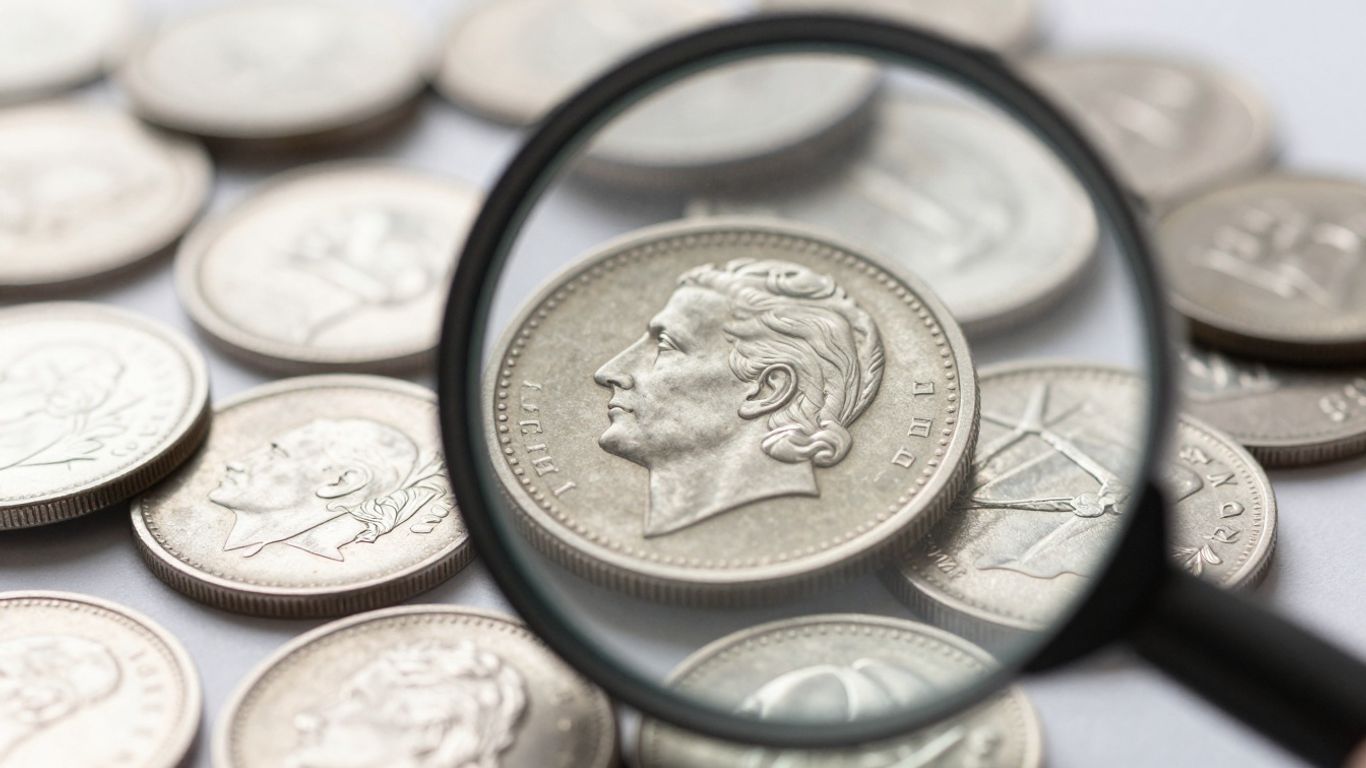
So, you’ve got some silver coins and you’re wondering what they’re actually worth. It’s not just about the silver content, though that’s a big part of it. Several other things can really change the price tag.
The Impact Of Collector Demand
Think about it like this: if everyone suddenly wants a specific type of coin, its price is going to go up, right? This is collector demand. Some coins are just more popular than others. Maybe it’s a cool design, a historical connection, or just a general trend. For example, coins that are part of a popular series or feature well-known figures often see higher demand. This desire from collectors can push prices well beyond what the silver alone would be worth.
Rarity And Its Effect On Value
This one’s pretty straightforward. If there aren’t many of a certain coin out there, it’s rarer. And rare things usually cost more. This could be because fewer were made in the first place, or maybe a lot of them got lost or melted down over the years. Sometimes, a small mistake during minting can create a rare variety that collectors go wild for. So, a coin that’s hard to find will almost always be worth more than a common one, assuming everything else is equal.
Assessing Coin Condition Accurately
This is a huge one. A coin that looks like it just came off the mint will be worth a lot more than one that’s been scratched up, worn down, or tarnished. Collectors and dealers look at a few key things:
- Wear: How much of the original detail is still visible?
- Surface Preservation: Are there any scratches, nicks, or other marks?
- Luster: Does the coin still have its original shine?
- Coloration: Is the toning natural and attractive, or does it look damaged?
Professional grading services use detailed scales to rate a coin’s condition. Even small differences in grade can mean big jumps in price. It’s worth learning the basics of coin grading yourself, or at least knowing what to look for, so you can spot a good coin from a worn-out one.
Here’s a quick look at how condition can affect value, using a hypothetical coin:
| Condition Grade | Description | Estimated Value |
|---|---|---|
| Mint State (MS) | Looks brand new, no wear, sharp details | $50 |
| About Uncirculated (AU) | Very light wear, most details still strong | $30 |
| Extremely Fine (XF) | Noticeable wear, but design is clear | $15 |
| Fine (F) | Significant wear, major details visible | $8 |
| Good (G) | Heavy wear, outline of design visible | $5 |
Remember, these are just example numbers. The actual value depends on all the factors we’re discussing.
Preparing Your Silver For Sale
Evaluating Your Coin Holdings
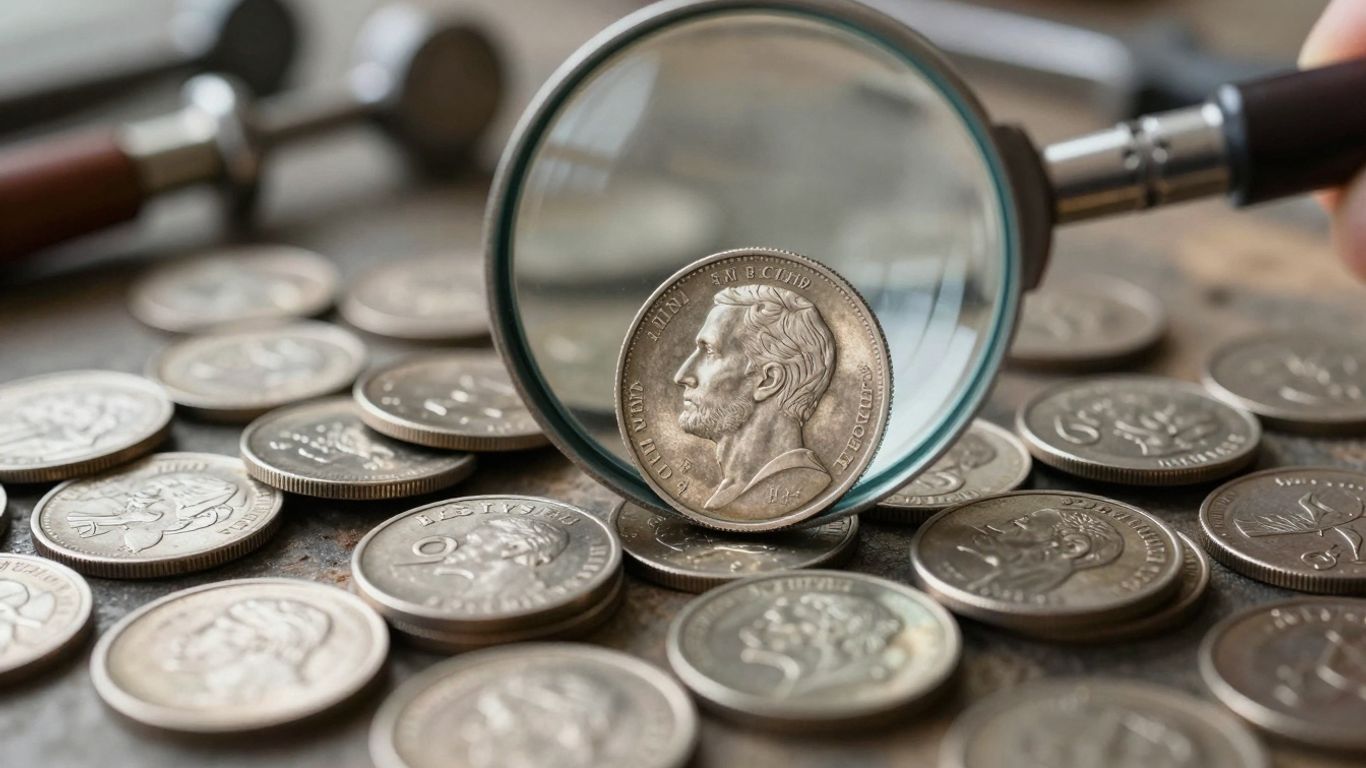
Before you even think about listing your silver coins, you need to know what you’ve actually got. This isn’t just about counting pieces; it’s about understanding their specific characteristics. Are you holding onto common "junk silver" coins, like old dimes and quarters, where the value is mostly tied to their silver weight? Or do you have something more special, like a rare mint issue or a coin with a significant historical background? Taking a good, hard look at each coin is the first step. You’ll want to note the mint mark, the date, and any visible wear. This initial assessment helps you sort your collection and gives you a baseline for further research.
- Junk Silver: Primarily valued for its silver content. Think pre-1965 US dimes, quarters, and half dollars.
- Investment Silver Coins: Often modern bullion coins like American Silver Eagles or Canadian Maple Leafs, minted with high purity silver.
- Numismatic Coins: These have value beyond their silver content due to rarity, condition, and historical significance. They might be older, have low mintages, or possess unique errors.
Knowing the difference between these categories is key. It dictates whether you’ll be selling based on the fluctuating silver spot price or if you’re dealing with a piece that commands a premium based on collector interest.
The Importance Of Professional Appraisals
While you can do a lot of homework yourself, there’s no substitute for a professional opinion, especially when dealing with potentially valuable items. A qualified appraiser can spot details you might miss and provide a more accurate valuation. They understand the nuances of the market, including current demand for specific coins and how condition truly impacts price. Getting a professional appraisal isn’t just about getting a number; it’s about gaining confidence in the value of your holdings and understanding what buyers are likely willing to pay. This can save you from underpricing your collection or holding out for an unrealistic price.
A professional appraisal can reveal hidden value and provide documentation that builds trust with potential buyers.
Preparing Coins For A Successful Sale
Once you know what you have and its approximate worth, it’s time to get your coins ready for the market. Presentation matters. For coins where melt value is the primary driver, a gentle cleaning might be considered, but be extremely cautious. Harsh cleaning can damage a coin’s surface and drastically reduce its value, especially for numismatic pieces. Often, it’s better to leave them as-is or just remove loose dirt. For more valuable coins, keeping them in their original holders or in protective sleeves is a good idea. Organizing your coins, perhaps in a spreadsheet listing each item, its date, mint mark, silver content (if known), and appraised value, makes the selling process much smoother. This organized approach shows buyers you’re serious and knowledgeable.
- Catalog Your Collection: Create a list or spreadsheet detailing each coin.
- Handle With Care: Use gloves when handling coins to avoid transferring oils from your skin.
- Protective Storage: Keep coins in individual flips or holders, especially if they are in good condition.
- Documentation: Gather any existing appraisals, certificates of authenticity, or purchase receipts.
Navigating The Selling Landscape
So, you’ve figured out what your silver coins are worth based on their metal content, and maybe even a bit more if they’re special collector items. Now comes the big question: where do you actually sell them? It’s not just about finding a buyer, but finding the right buyer who will give you a fair shake. This part can feel a bit overwhelming, but breaking it down makes it much simpler.
Choosing The Right Selling Venue
Think about where your coins will get the most attention and the best offers. There are a few main paths you can take, and each has its own pros and cons. It really depends on what you’re looking for – speed, maximum profit, or a bit of both.
- Online Marketplaces: Platforms like eBay are huge. You can reach a massive number of potential buyers from all over, which is great for exposure. However, you’ll have to deal with shipping, fees, and the risk of dealing with strangers online. It takes a bit more effort on your part.
- Local Coin Shops & Dealers: These folks often know their stuff. They might offer you a price on the spot, which is fast. Some, like reputable dealers in your area, might even offer free appraisals. The downside is they need to make a profit too, so their offer might be lower than what you could get elsewhere.
- Pawn Shops: Quick cash, usually. But don’t expect top dollar here. They’re in the business of quick turnaround, not necessarily maximizing your coin’s value.
- Auctions: This can be exciting and potentially get you a great price if there’s a bidding war. However, auctions also come with fees, and there’s no guarantee of the final price.
The key here is to do a little homework. Don’t just walk into the first place you see. Compare a couple of options to get a feel for what’s out there.
Leveraging Expert Appraisal Services
Sometimes, you just can’t tell the full story of your coin’s worth on your own. That’s where appraisals come in. Getting a professional opinion can really change how you approach selling.
- Accurate Valuation: An expert appraiser can spot details you might miss, like a rare mint mark or a specific condition issue that adds or subtracts value. This means you’re pricing your coin more realistically.
- Buyer Confidence: When you have a solid appraisal in hand, it gives potential buyers more confidence. They know the coin has been looked at by someone who knows what they’re doing, which can speed up the sale.
- Identifying Hidden Gems: Sometimes, a coin that looks like just silver might have a numismatic value you weren’t aware of. An appraisal can uncover these surprises, potentially leading to a much better selling price than just melt value.
Understanding Coin Condition's Role
We’ve touched on this before, but it’s worth repeating because it’s that important. The physical state of your coin is a massive factor in its sale price. It’s not just about the silver content anymore.
- Wear and Tear: Obvious scratches, nicks, or heavy circulation wear will bring the price down. A coin that looks like it’s been through a lot won’t fetch as much as one that looks almost new.
- Grading Systems: Professional grading services like PCGS and NGC have standardized ways of rating coin condition. Knowing where your coin might fall on their scale (even if you don’t get it officially graded) gives you a good benchmark.
- Common Flaws: Look out for things like cleaning marks (which can seriously devalue a coin), rim dings, or significant toning that looks unnatural. These are red flags for buyers.
Basically, the better your coin looks and the fewer problems it has, the more money you’re likely to get for it, regardless of where you sell it.
Mastering The Art Of Negotiation
So, you’ve figured out what your silver coins are worth based on their melt value and maybe even a bit of collector appeal. That’s great! But now comes the part where you actually have to sell them, and that means talking to people, which can be a bit… awkward. Don’t worry, though. Negotiation isn’t some dark art; it’s really just a conversation where you both try to get to a price that works. It’s about knowing your stuff and being ready to talk.
Building Rapport With Potential Buyers
First off, try to be friendly. Nobody wants to buy from someone who seems grumpy or untrustworthy. Present your coins clearly, maybe have some basic info ready about their silver content or any interesting history. If you’re selling online, good photos and an honest description go a long way. If you’re dealing with a dealer in person, a little small talk can help. Think about it: would you rather deal with someone who’s all business, or someone who seems like a real person?
Strengthening Your Position With Knowledge
This is where all that research you did on melt value and coin condition really pays off. You need to know what your coins are worth, not just what you hope they’re worth. Keep an eye on the live silver price – that’s your baseline for melt value. Also, be aware of what similar coins are selling for. If a buyer offers you a price that’s way below what you know is fair, you can politely point that out. You don’t need to be aggressive, just informed.
Here’s a quick look at what influences your starting point:
- Silver Spot Price: This is the biggest factor for melt value. It changes daily, sometimes hourly.
- Coin Purity: How much actual silver is in the coin? Most older silver coins are 90% silver (like U.S. dimes, quarters, and halves before 1965).
- Coin Weight: You need to know the exact weight of the silver in the coin.
- Dealer’s Premium: Reputable dealers will pay melt value, but they also need to make a profit, so they’ll offer slightly less than the spot price.
Thoughtfully Considering Counteroffers
Buyers will often make an offer that’s lower than what you’re asking. This is normal! Don’t get offended. Instead, think about their offer. Is it reasonable, even if it’s not what you wanted? If it’s too low, you can make a counteroffer. Again, be polite. You might say something like, "I appreciate the offer, but based on the current silver price and the condition of the coin, I was hoping for something closer to X." It’s a back-and-forth. Sometimes, you might have to meet in the middle. It’s a balancing act, trying to get the best price without scaring the buyer away.
Remember, the goal is a transaction that both you and the buyer feel good about. A fair deal often leads to repeat business or positive word-of-mouth, which is always a good thing.
Don’t be afraid to walk away if the offer just isn’t right. There are always other buyers out there, especially if you have desirable silver coins. Just stay calm, be prepared, and know your numbers. You’ve got this.
Understanding Market Dynamics
The silver market isn’t static; it’s always shifting. Think of it like the weather – sometimes it’s sunny and prices are high, other times it’s cloudy and things cool down. Keeping an eye on these changes is pretty important if you want to get the most for your silver coins. It’s not just about the silver itself, but what’s happening in the bigger picture.
Recognizing Current Market Trends
Prices for silver can swing quite a bit. One day a coin might be worth one amount, and the next, it could be worth more or less. This happens for a lot of reasons. For example, if more industries start using silver, demand goes up, and that can push prices higher. On the flip side, if a lot of new silver is found and mined, the supply increases, which might bring prices down. Staying updated on these price movements is key. You can check out resources that track silver prices to get a feel for where things are heading.
The Influence Of Global Economic Factors
What happens in the world economy really does affect silver. Think about inflation – when the cost of everyday things goes up, people sometimes turn to silver as a way to protect their money. Also, how strong or weak different countries’ money is can play a role. If the US dollar weakens, silver, which is often priced in dollars, might become more attractive to buyers using other currencies. It’s a complex web, but generally, economic uncertainty can make silver look more appealing as a safe haven.
Adapting To Evolving Investor Preferences
People who invest in silver aren’t all the same, and what they want can change. A few years ago, maybe most investors were just looking for pure profit. Now, some folks are more interested in where the silver comes from, wanting to make sure it’s sourced responsibly. Others might be looking at silver as part of a broader investment plan that includes things like green energy, since silver is used in solar panels. These changing tastes mean the demand for certain types of silver or silver coins can shift, impacting their value.
It’s easy to get caught up in the day-to-day price of silver, but remember that long-term trends and global events have a significant impact. Don’t just focus on the immediate numbers; consider the broader economic climate and how investor sentiment might be changing. This wider view helps in making smarter decisions about when to buy or sell.
Here’s a quick look at some factors:
- Industrial Demand: How much silver is being used in manufacturing (electronics, solar panels, etc.).
- Investment Demand: How many people are buying silver as an asset (coins, bars, ETFs).
- Supply Levels: How much new silver is being mined and how much is being recycled.
- Geopolitical Events: Major world events can cause uncertainty, often leading investors to precious metals.
Maximizing Your Returns On Silver
So, you’ve figured out the melt value, maybe even got a sense of collector interest. Now comes the part where you actually want to get the most bang for your buck when selling. It’s not just about having silver; it’s about selling it smart. This means paying attention to when you sell, how you talk to buyers, and what the live price is doing.
Strategic Market Timing For Sales
Timing can really make a difference. Selling when the price of silver is high can mean a bigger payday. It’s like catching a wave – you want to ride it when it’s at its peak. Keeping an eye on the silver spot price is your best bet here. You can find this information on many financial news sites or specialized metal trading platforms.
Here’s a quick look at what influences timing:
- Global Economic News: Big economic events, like changes in interest rates or inflation reports, can move the silver market. Sometimes, just knowing what’s happening in the world can give you a heads-up.
- Supply and Demand: If there’s a sudden shortage of silver or a big jump in demand (maybe for electronics or jewelry), prices can go up.
- Investor Sentiment: Sometimes, silver just becomes a popular place for people to put their money, especially if other investments seem risky. This can drive prices up temporarily.
Don’t get too caught up trying to time the absolute peak. It’s nearly impossible. Aim for a good price when the trend is clearly upward, and you’ll likely do well.
Effective Negotiation Tactics
Once you’re ready to sell, talking to buyers is key. You want to be confident and informed.
- Know Your Bottom Line: Before you even talk to someone, decide the lowest price you’re willing to accept. This stops you from agreeing to a deal you’ll regret later.
- Present Your Case Clearly: Have your coin’s details ready – its silver content, weight, and any grading information. If you have an appraisal, have it handy.
- Be Polite but Firm: You don’t need to be aggressive, but don’t be afraid to state your price and why you believe it’s fair. A little bit of friendly back-and-forth is normal.
- Consider the Whole Deal: Sometimes a buyer might offer a bit less but can pay faster or handle all the shipping. Think about what’s most important to you.
Understanding Live Silver Spot Prices
This is the number that changes by the minute. The ‘spot price’ is the current market price for silver that you can buy or sell right now. It’s the foundation for most silver transactions.
| Factor | Impact on Spot Price |
|---|---|
| Global Economic Health | Higher demand often means higher prices. |
| Inflation | Often leads to higher silver prices as a hedge. |
| Currency Strength (USD) | Stronger dollar can sometimes lower silver prices (priced in USD). |
| Geopolitical Events | Uncertainty can drive investors to silver, increasing prices. |
Always check a reliable source for the live spot price before you make any decisions. It’s the most up-to-date figure you can get and will help you set realistic expectations for your sale.
Exploring Different Silver Coin Types
The Appeal Of Investment Silver Coins
When you think about silver coins, you might picture those shiny, pure silver bullion coins. These are often called investment silver coins, and they’re popular because their value is pretty straightforward – it’s mostly tied to the silver content and the current market price of silver. Think of coins like the American Silver Eagle or the Canadian Maple Leaf. They’re made with a high percentage of pure silver, usually .999 fine, making their melt value a big part of what they’re worth. These coins are a direct way to invest in silver itself. They’re easy to understand for new investors and are widely recognized, which helps when it’s time to sell.
Numismatic Value Beyond Melt
But not all silver coins are just about their silver weight. Many older coins, often called numismatic coins, have a value that goes way beyond their melt value. This extra worth comes from things like how rare the coin is, its historical significance, and its condition. For example, a rare 1909-S VDB Lincoln cent, even if it were made of silver, would be worth a lot more than its metal content because of its rarity and collector demand. Similarly, certain silver dollars or half dollars from the early 20th century can be quite valuable to collectors, even if they’re a bit worn. It’s this combination of metal content and historical appeal that makes numismatics so interesting.
Affordable Options For Collectors
If you’re looking to get into silver coins without breaking the bank, there are plenty of options. You don’t always need to buy the most expensive bullion coins or rare numismatic pieces. Many common silver coins, like older dimes, quarters, and half dollars (often called
Wrapping It Up
So, there you have it. Figuring out the melt value of your silver coins might seem like a lot at first, but it’s really just about knowing the weight and the current price of silver. Once you get the hang of that, you’re way ahead of the game. Remember, knowing this value helps you get a fair price, whether you’re selling to a local shop or an online buyer. Don’t forget to check the coin’s condition and rarity too, as those things can add extra value beyond just the silver content. Keep learning, stay informed about the market, and you’ll be able to sell your silver coins with confidence. Happy collecting and selling!
Frequently Asked Questions
What exactly is 'melt value' for a silver coin?
Melt value is simply the price your silver coin would be worth if you melted it down. It’s based on the amount of pure silver inside the coin and the current market price of silver. Think of it as the coin’s base worth in metal.
How do I figure out the melt value of my silver coins?
You’ll need to know two things: how much your coin weighs and what percentage of it is pure silver. Then, you multiply the silver content by the coin’s weight and by the current price of silver per ounce. Many online resources can help you find the silver content and weight for common coins.
Is melt value the only thing that makes a silver coin valuable?
Not at all! While melt value is important, many silver coins are worth much more because they’re rare, in great condition, or have special historical meaning. This extra value is called ‘numismatic value,’ and it’s what collectors often pay for.
What makes a silver coin rare?
A coin can be rare if only a small number were made, if it has a mistake from the mint, or if it’s from a specific time period that’s hard to find. Sometimes, how many of a certain coin still exist today also makes it rare.
How does the condition of a coin affect its price?
A coin in perfect, shiny condition will almost always be worth more than one that’s worn out, scratched, or tarnished. Collectors pay a lot for coins that look like they just came from the mint, so keeping your coins in good shape is key.
Where is the best place to sell my silver coins?
You have a few good options! You can sell to local coin shops, at coin shows, or through online marketplaces like eBay. Reputable dealers who specialize in precious metals can also offer fair prices and expert advice.
Should I clean my silver coins before selling them?
Generally, no. Cleaning coins can actually damage them and lower their value, especially if they’re collectible. It’s usually best to leave them as they are, or only do very light dusting if absolutely necessary. Let the buyer decide if cleaning is needed.
What are 'junk silver' coins?
‘Junk silver’ is a term used for older silver coins that are valued mostly for their silver content (melt value) rather than their collectible appeal. Think of common dimes, quarters, and half dollars made before 1965 – they’re mostly bought and sold based on their silver weight.