Thinking about selling your old half cents? It can be a bit confusing trying to figure out where to even start, especially if you’re in the Tampa area. You want to make sure you’re dealing with folks who know what they’re talking about and will give you a fair shake. This guide is here to help you find those reliable half cents buyers in Tampa and get the best deal for your coins.
Key Takeaways
- When looking for half cents buyers in Tampa, check for dealers with good reputations. Honesty and knowing their stuff are important.
- Don’t clean your old coins before selling them. Cleaning can actually lower their worth.
- The value of a coin depends on how rare it is, its condition, and if it’s been officially graded.
- Selling coins as part of a collection might get you a different price than selling them one by one.
- Local coin shops and auction houses in the Tampa Bay area can help you get a fair price for your half cents.
Finding Reputable Half Cents Buyers in Tampa
Understanding the Value of Your Half Cents
Figuring out what your old half cents are actually worth can feel like a puzzle. It’s not just about the metal they’re made of, though that’s part of it. The real value often comes from how rare they are, how many were made, and their condition. Think of it like collecting anything else – the rarer and better preserved, the more people want it. A coin’s history and the story it tells can also add to its appeal. When you’re looking to sell, knowing these basics will help you talk to buyers and understand their offers.
Where to Sell Rare Coins in the Tampa Area
If you’ve got half cents or other old coins sitting around, Tampa and the surrounding areas have a few good spots to check out. You’ve got local coin shops that deal with collectors regularly. Then there are auction houses, which can be great if you have a collection that might fetch a higher price with more exposure. Some places even buy outright, which is quick and easy if you need cash fast. It’s good to know your options before you decide where to go.
Here are some places to consider:
- Local Coin Dealers: These shops often have a good understanding of the local market and can give you a quick appraisal.
- Auction Houses: For potentially higher returns on rare items, auctions can expose your coins to a wider range of buyers.
- Online Marketplaces: While not strictly local, some local dealers also operate online, expanding their reach.
What Buyers Look For in Rare Coins
When a buyer looks at your half cents, they’re checking a few key things. First off, they want to know if it’s a common date or something truly hard to find. The condition is a big deal too – is it worn down to nothing, or does it still have sharp details? They also consider if the coin has been messed with, like being cleaned, which can hurt its value. Finally, they’ll think about whether it’s graded by a professional service, which makes it easier for them to assess and resell.
Buyers are essentially assessing the coin’s desirability and its potential for resale. They’re looking for factors that make a coin attractive to other collectors, balancing rarity, condition, and authenticity.
Tampa Coin Dealers Specializing in Rare Coins
Local Coin Shops and Their Expertise
When you’re looking to sell your half cents, finding a local coin shop that really knows its stuff is key. These dealers aren’t just in it for a quick flip; they often have years of experience and a genuine passion for numismatics. They understand the nuances that make a coin like a half cent more than just a piece of metal. They can spot the subtle differences in mint marks, dates, and conditions that can dramatically affect a coin’s worth. It’s like taking your classic car to a mechanic who specializes in that specific make and model – you get a much better outcome.
The Importance of Honesty and Integrity in Coin Buying
This is a big one. You want to feel confident that the person you’re dealing with is on the up and up. A reputable dealer will be upfront about how they value your coins, whether it’s based on the precious metal content or its collector value. They should be willing to explain their appraisal process and answer all your questions without making you feel rushed or ignorant. Look for dealers who are transparent about their pricing and offer clear explanations for their offers. It builds trust, and that’s priceless when you’re parting with something potentially valuable.
Getting a Fair Appraisal for Your Collection
So, how do you actually get a good read on what your half cents are worth? Most reputable dealers offer free appraisals. This is your chance to get an expert opinion without any obligation to sell. They’ll examine your coins, taking into account factors like rarity, condition, and historical significance. Some dealers might even pay top dollar for single coins or entire collections. It’s always a good idea to get a second opinion if you can, especially for rarer items. You can find places like Tampa Bay Coin & Precious Metals that offer these services.
Here’s a quick look at what influences an appraisal:
- Rarity: How many were made? Fewer coins usually mean higher value.
- Condition: Is it worn down, or does it look almost new?
- Demand: Are collectors actively seeking this specific coin?
- Mint Mark: Where and when was it produced? This can be a significant factor.
When you’re evaluating your coins, remember that a dealer’s offer is just that – an offer. It’s based on what they believe they can resell the coin for, minus their costs and profit. Don’t be afraid to negotiate or walk away if the offer doesn’t feel right. Your goal is to find a buyer who appreciates the true worth of your collection.
Selling Your Half Cents: Key Considerations
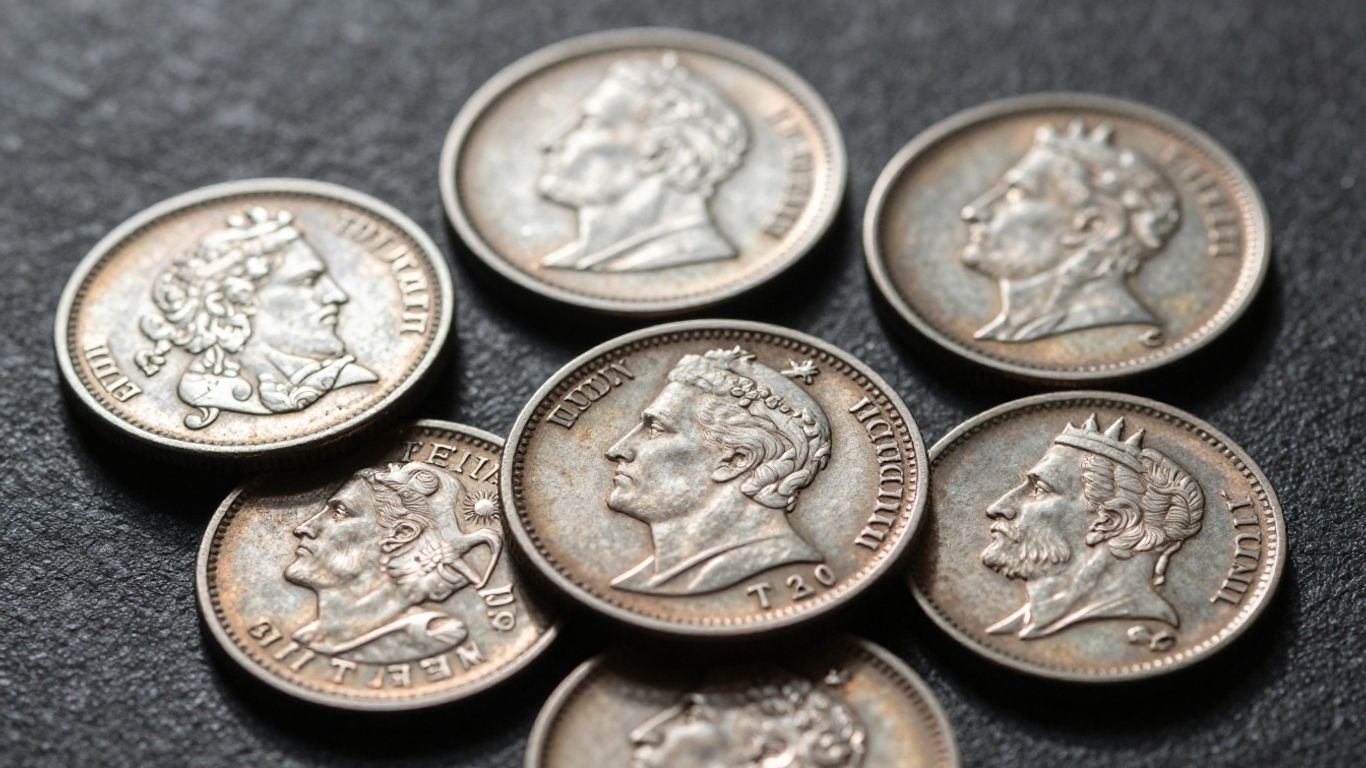
When it comes time to sell your half cents in Tampa, a few important details can really make a difference in what you end up walking away with. Let’s look at the main things you should know before you meet with any buyer or dealer.
Do Not Clean Your Rare Coins Before Selling
Never clean your coins before selling them. Even if a coin looks grimy or dull, cleaning it can easily ruin both its look and its value. Many collectors want coins with their original surfaces, and visible cleaning scratches can turn a rare piece into one that’s hard to sell.
- Cleaning can cause irreparable damage to old coins
- Collectors often pay less for coins that show signs of scrubbing or polishing
- If you’re unsure, always ask a professional for advice first
Let the professionals handle your coins as they are. That layer of dirt and age might mean more dollars in your pocket.
Numismatic vs. Intrinsic Value
People often wonder whether a coin’s worth comes from its metal or from its status as a collectible. Here’s a quick breakdown:
| Value Type | What It Means | Example |
|---|---|---|
| Numismatic | The coin is valued for age, rarity, collector demand | Early US Half Cent |
| Intrinsic | The coin is valued for its metal content (copper, gold, silver) | Generic bullion or tokens |
- Numismatic value is often much higher for rare, low-mintage half cents
- Even if a coin has low metal value, its historical significance can boost its price
- Dealers will offer whichever is higher: collector price or metal price
Factors Affecting Coin Value
Several things help determine what a buyer will pay for your half cents:
- Date and mint location – Rarer years and mints usually fetch more
- Condition – Coins with less wear, fewer marks, and clear details bring higher offers
- Demand – Some coins are just more popular with collectors than others, driving up prices
- Authenticity and grading – Professionally graded coins give buyers confidence, and slabs (sealed plastic cases) from trusted companies like PCGS and NGC can boost your payout
Sometimes even tiny scratches or a hard-to-see mint mark can change your coin’s worth by hundreds of dollars. Always handle coins gently and bring them in as you found them, rather than taking a risk with DIY cleaning or repairs.
Maximizing Your Return on Half Cents
So, you’ve got some half cents and you’re looking to get the most cash for them. It’s not just about finding a buyer; it’s about making sure you get what they’re truly worth. Let’s break down how to make sure you’re not leaving money on the table.
Understanding Graded and Slabbed Coins
When you hear terms like "graded" or "slabbed," it refers to coins that have been authenticated and assigned a condition grade by a professional service. These coins are typically sealed in a protective plastic holder, often called a "slab." Reputable grading services like PCGS (Professional Coin Grading Service) and NGC (Numismatic Guaranty Company) are well-known. A coin that has been professionally graded and slabbed often commands a higher price because its condition is certified, reducing uncertainty for the buyer. This certification means less guesswork for potential buyers and can significantly boost your coin’s market appeal.
The Role of Mint Location and Date
Where and when a coin was made plays a big part in its value. Different mints (like Philadelphia, Denver, or San Francisco) produced coins in varying quantities, and certain dates are much rarer than others. For example, a half cent from a less active mint or a year with low mintage numbers will generally be more sought after than one from a common date and mint.
Here’s a quick look at factors related to mint location and date:
- Rarity: Fewer coins minted in a specific year or at a specific mint usually means higher value.
- Historical Context: Certain dates might be tied to significant historical events, increasing collector interest.
- Condition: Even for rare dates, the coin’s condition is paramount. A rare coin in poor shape might be worth less than a common coin in excellent condition.
Selling Single Coins vs. Collections
How you decide to sell can impact your final payout. Sometimes, selling individual rare coins can fetch a good price, especially if they are particularly valuable. However, if you have a collection, even if some pieces aren’t top-tier, selling them as a lot can be more efficient and appealing to certain buyers. Dealers often prefer to buy collections because it saves them time and effort compared to sourcing individual coins. They might offer a slightly lower price for the whole collection, but the convenience and certainty of a single sale can be appealing.
When evaluating your half cents, remember that buyers are looking at a combination of factors. It’s not just about the metal content; the coin’s history, its rarity, and its physical condition all contribute to its overall worth. A coin that looks like just another piece of metal to you might hold significant numismatic value to a collector or dealer.
Navigating the Tampa Coin Market
Identifying Potential Half Cents Buyers
So, you’ve got some half cents and you’re wondering where to even start selling them in the Tampa area. It can feel a bit overwhelming at first, right? The good news is there are folks out there who are actively looking for these kinds of coins. You’ll want to look for coin dealers who specialize in U.S. currency, especially those with a good reputation for buying and selling older coins. Sometimes, pawn shops might be an option, but they often don’t have the specialized knowledge to give you the best price for a rare coin. It’s usually better to find a dedicated coin shop or a dealer who attends coin shows.
The Benefits of Professional Coin Evaluation
Before you even think about selling, getting a professional opinion on your half cents is a really smart move. These folks know coins inside and out. They can tell you if your coin is a common date or something truly rare, and what condition it’s in. This kind of evaluation helps you understand what you actually have before you start talking prices with potential buyers. It’s like getting a second opinion before a big decision.
Here’s a quick look at what they’ll consider:
- Date and Mint Mark: When and where was the coin made?
- Condition: Is it worn down, or does it look almost new?
- Rarity: How many of these were made, and how many still exist?
- Any Special Features: Sometimes a small error can make a coin more interesting.
Building Trust with Local Dealers
When you’re dealing with something potentially valuable like rare coins, trust is a big deal. You want to work with dealers who are upfront and honest about their process and pricing. A good dealer will explain how they arrived at their offer and won’t pressure you to sell. Look for dealers who have been in the business for a while and have positive reviews or recommendations from other collectors. It might take a little time to find the right person, but it’s worth it to feel confident about the sale.
It’s easy to get excited about the potential value of old coins, but it’s important to approach selling with a clear head. Do your homework, get informed, and then find a buyer you feel good about working with. That way, you’re more likely to get a fair deal and a positive selling experience.
What Makes Half Cents Valuable?
So, you’ve got some old half cents lying around and you’re wondering what makes them tick, value-wise. It’s not just about the metal they’re made of, though that’s part of it. Several things come into play when a coin goes from being just pocket change to something a collector really wants.
Rarity and Mintage Numbers
This is a big one. If only a small number of a particular half cent were ever made, that automatically makes it harder to find. Think about it: fewer coins mean more competition among collectors to snag one. The U.S. Mint keeps records of how many coins are produced each year for each denomination, and these numbers are a key factor in a coin’s rarity. Lower mintage figures generally mean higher potential value.
Here’s a look at some general mintage trends for early half cents:
| Year Range | Typical Mintage | Notes |
|---|---|---|
| 1793-1797 | Low (often under 15,000) | Early production, experimental designs |
| 1800-1809 | Moderate to High | More established production |
| 1825-1836 | High | Mass production for circulation |
Condition and Preservation
This is where things get a bit subjective, but it’s super important. A coin’s condition is often described using a grading scale. A coin that looks like it just came off the minting press, with all its original details sharp and clear, is going to be worth a lot more than one that’s been worn smooth from years of use or has scratches and nicks. Collectors call coins that are in top-notch condition "uncirculated" or "mint state." Even small imperfections can make a big difference in price.
Historical Significance
Sometimes, a coin is valuable simply because of the story it tells. Half cents were the lowest denomination coin in U.S. history, and they were produced for a relatively short period. Early half cents, especially those from the 1790s, represent a very early period of American coinage. Coins associated with significant historical events or figures, or those that represent a particular era in the country’s development, can carry extra weight with collectors.
The story behind a coin can be just as compelling as its physical attributes. Understanding the context in which a half cent was minted and circulated can add a layer of appeal that goes beyond its metal content or rarity alone. These small pieces of metal are tangible links to our past, and that connection is something many collectors seek.
So, when you’re looking at your half cents, think about how many were made, how well they’ve held up over time, and what historical period they come from. These are the main ingredients that determine if your coin is just an old penny or a valuable piece of history.
Choosing the Right Buyer for Your Half Cents
Reputation of Tampa Coin Buyers
When you’re ready to sell your half cents, picking the right person or place to buy them is a big deal. You want someone who knows their stuff and won’t try to pull a fast one. A buyer with a solid reputation in Tampa means they’ve been around, treated people fairly, and likely have a good understanding of what rare coins are actually worth. Think about it: would you rather sell something potentially valuable to a stranger or to a well-known local dealer with a history of honest dealings? Checking online reviews, asking other collectors, or even looking for memberships in numismatic organizations can give you a good idea of who to trust.
Transparency in the Selling Process
This is super important. A good buyer will be upfront about everything. They should explain how they’re valuing your coins, what factors they’re considering, and how they arrived at their offer. If they’re hesitant to share details or seem cagey, that’s a red flag. You should feel comfortable asking questions and getting clear answers. A transparent process means you know exactly what’s happening with your coins and why you’re being offered a certain price. It’s not just about the money; it’s about feeling confident you made a good decision.
Options for Selling: Outright Purchase vs. Consignment
Not all buyers operate the same way, and you have choices. Some dealers will offer to buy your half cents outright, meaning they pay you cash on the spot. This is quick and easy, but you might not get the absolute top dollar because they need to make a profit. Others might offer consignment. With consignment, the dealer sells your coins for you, usually at an auction or through their network, and takes a percentage of the final sale price. This can potentially get you more money, but it takes longer, and there’s no guarantee of a sale. It’s good to know these options exist so you can pick the one that best fits your needs and timeline.
Here’s a quick look at the two main ways to sell:
- Outright Purchase:
- Pros: Fast payment, simple process.
- Cons: May receive less than market value.
- Consignment:
- Pros: Potential for higher return.
- Cons: Takes longer, involves fees/commissions.
Ultimately, finding a buyer who respects your coins and your time is key. Don’t be afraid to shop around a bit. Getting a couple of different opinions on your half cents can help you feel more secure about the offer you eventually accept. It’s your collection, and you deserve to get a fair shake.
Expert Evaluation for Your Half Cents
Free Appraisals for Your Coins
Getting a professional opinion on your half cents is a smart first step before you even think about selling. Many local coin shops in the Tampa area offer free appraisals. This means you can find out what your coins might be worth without spending any money upfront. It’s a good way to get a general idea of their value and to see if you have something potentially rare on your hands. Don’t clean your coins before bringing them in; cleaning can actually lower their value by affecting the original surface and luster.
Third-Party Grading Services
For truly valuable or rare coins, a professional grading service can make a big difference. Companies like PCGS (Professional Coin Grading Service) and NGC (Numismatic Guaranty Company) are well-respected. They examine coins closely and assign a numerical grade based on condition, from 1 (poor) to 70 (perfect). Coins graded by these services are typically sealed in a protective plastic holder, often called a "slab." This grading process adds a layer of trust and authenticity for potential buyers, as the coin’s condition has been independently verified. While this service costs money, it can significantly increase a coin’s marketability and price, especially for rare half cents.
Assessing Metal Content and Collector Value
When a buyer looks at your half cents, they’re usually considering two main things: the metal content and the collector value (numismatic value). Some coins might be worth more for the silver or copper they contain, especially if metal prices are high. However, many older or rarer coins are worth much more to collectors than their melt value. This collector value depends on factors like rarity, historical significance, and how many were originally made. A good buyer will assess both aspects to give you the most accurate price. They’ll look at things like:
- Mint location: Where the coin was produced can affect its rarity.
- Date: Certain years are much scarcer than others.
- Condition: Even small details matter to collectors.
- Rarity: How many of these specific coins are known to exist?
It’s important to remember that a coin’s value isn’t just about its age or the metal it’s made from. The story behind the coin, its condition, and how many others like it are still around all play a big part in what a collector is willing to pay. A coin that looks okay to you might be considered exceptional by a seasoned collector, or vice versa. That’s why getting an expert opinion is so helpful.
Selling Your Coins in the Greater Tampa Bay Area
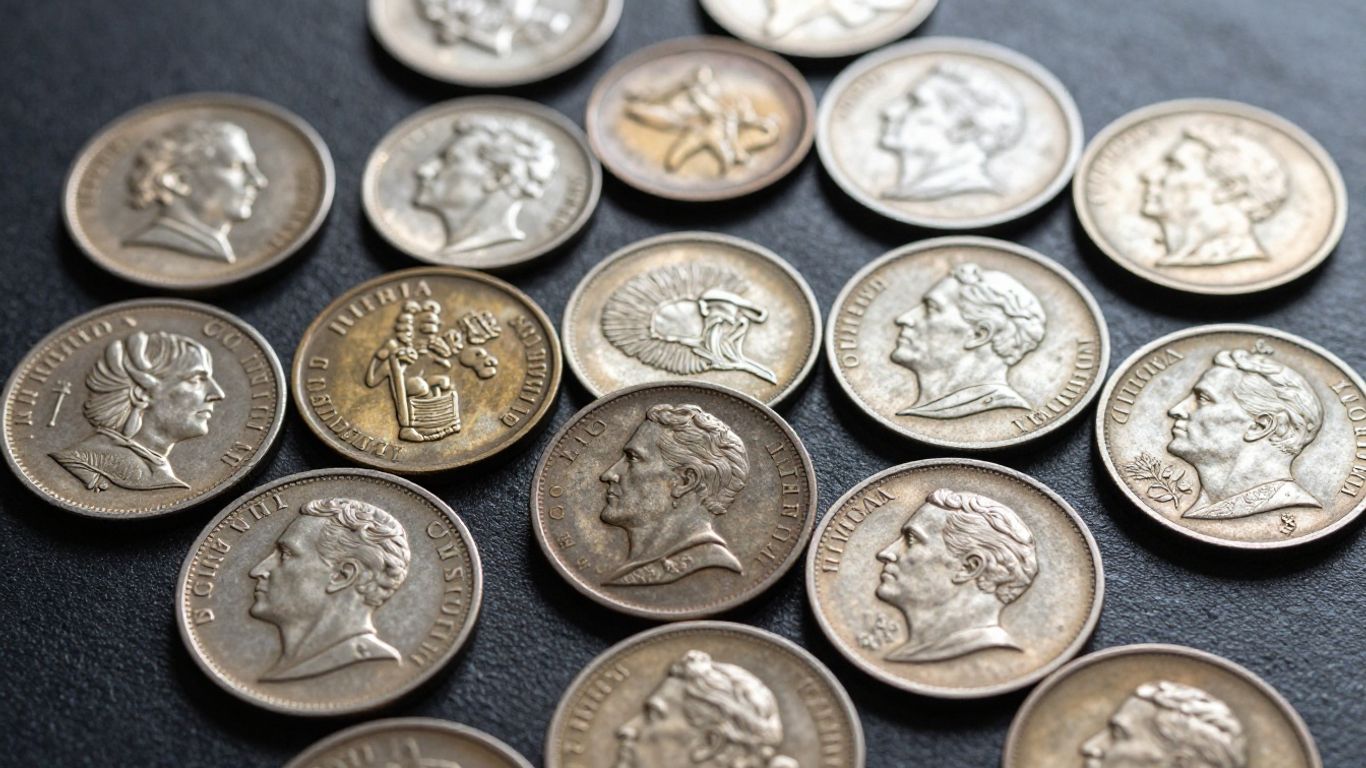
So, you’ve got some old coins, maybe even some half cents, and you’re wondering what to do with them. Selling them locally in the Tampa Bay area can be a good move. You get to deal with people face-to-face, which always feels a bit more secure, right? Plus, local dealers often know the Tampa market pretty well, which can be a plus.
Connecting with Coin Auctioneers
Sometimes, especially if you have a collection that might be worth a good bit, an auctioneer could be the way to go. These folks are set up to get your coins in front of a lot of potential buyers, often online too. They handle a lot of the heavy lifting, like advertising and running the sale. It’s a way to potentially get top dollar, though they do take a cut, of course.
- Exposure: Auctioneers can show your coins to buyers far beyond just Tampa.
- Convenience: They manage the sale process, from listing to final payment.
- Potential for Higher Prices: Competitive bidding can drive prices up.
Finding Dealers Who Buy All Types of Coins
Not every coin shop is the same. Some focus on specific eras or types of coins. But you’ll find plenty of dealers in the Tampa Bay area who are happy to look at pretty much anything. Whether you have a single rare half cent or a box full of assorted old pennies, they’re often willing to sort through it. It’s good to find a place that doesn’t make you feel like you’re wasting their time if you don’t have a treasure trove.
The Advantages of Local Expertise
There’s something to be said for dealing with someone local. They understand the regional market, and you can build a relationship. If you find a dealer you trust, they can be a go-to for future sales or even just advice. Plus, you can physically go to their shop, see where they operate, and get a feel for their business. It cuts down on the guesswork and the risk of shipping valuable items off to strangers.
When you’re looking to sell, remember that condition is king. Don’t be tempted to clean or polish those old coins yourself. You might think you’re making them look better, but you could actually be damaging their surface and reducing their value. It’s almost always best to leave them just as you found them.
Ready to Sell Your Half Cents?
So, you’ve got some old half cents lying around and you’re wondering what to do with them. It can feel a bit overwhelming trying to figure out who actually wants them and what they’re worth. But remember, Tampa and the surrounding areas have places that are really interested in coins like yours. Whether it’s a local coin shop that buys all sorts of currency or an auction house looking for rare finds, there are buyers out there. Don’t just let those coins sit in a drawer; take them to places like Quality Coin & Gold or Blackwell Auctions. They know their stuff and can give you a fair price. It’s worth the effort to find out what hidden treasure you might have.
Frequently Asked Questions
What makes a half cent coin valuable?
Several things make a half cent coin valuable. First, how rare it is – if not many were made, it’s worth more. Also, its condition matters a lot. A coin that looks almost new is worth way more than one that’s worn out. Finally, its history can add value; some coins are special because of when they were made or what happened back then.
Should I clean my old half cents before selling them?
Definitely not! Cleaning your old coins can actually make them worth less money. When you clean them, you can rub off the original shiny surface or change the way they look, which collectors don’t like. It’s best to leave them just as they are.
How do I know if my half cents are worth more for their metal or as a collectible?
That’s a great question! Sometimes, the metal the coin is made of (like gold or silver) is worth a lot. Other times, the coin is special because it’s rare or in great shape, making it a collector’s item. Good buyers will check both things and pay you the higher amount.
What should I look for when choosing someone to buy my rare coins in Tampa?
When picking a buyer, look for someone who is known for being honest and fair. Check if they have good reviews or if other collectors trust them. A good buyer will be clear about how they figure out the value and will give you a fair price. It’s also helpful if they know a lot about rare coins.
What's the difference between selling one coin and a whole collection?
Selling a single coin might get you a good price if it’s very rare. But, selling a whole collection can sometimes be easier and might get you a better overall deal, especially if you have many valuable coins together. Buyers might offer a package price for everything.
What does 'graded' or 'slabbed' mean for coins?
‘Graded’ means an expert has looked at the coin and given it a score for its condition. ‘Slabbed’ means the coin is put in a special plastic case after being graded. These coins are often easier to sell because their condition is already checked and confirmed by a trusted company.
Where can I get my half cents appraised in the Tampa area?
You can find coin dealers in Tampa who offer free appraisals. Some places also work with grading services that can give you a professional opinion on your coin’s value. It’s a good idea to get a few opinions if you can.
What kind of information do buyers need to know about my half cents?
Buyers want to know things like where and when your coin was made, how many of them were made in total, and what condition it’s in. If it’s a rare coin, these details help them figure out its true worth.