Thinking about selling a gold nugget in Tampa? It can feel like a treasure hunt trying to find the right place to get a fair price. You want to make sure you’re dealing with honest folks who know what your gold nugget is worth. This guide is here to help you find those reliable gold nugget buyers in Tampa, so you can sell with confidence and get the most for your precious find.
Key Takeaways
- Arnold Jewelers in Largo is a local option for selling gold, including nuggets, and is about a 20-30 minute drive from Tampa.
- They claim to pay 85% or more for gold bullion and use live market prices to determine offers.
- Arnold Jewelers buys various items like gold, silver, coins, diamonds (1 carat and larger), vintage jewelry, and Rolex watches.
- They offer both in-person sales and mail-in services for convenience, with shipping cost reimbursement up to $15 if they purchase your items.
- It’s a good idea to check multiple buyers to compare offers, as prices can vary, and Arnold Jewelers encourages this.
1. Arnold Jewelers
Arnold Jewelers is a family-owned business that’s been around for over 30 years, right here in the Tampa Bay area. They’re known for being pretty straightforward when it comes to buying gold and silver. Unlike some places that might lowball you, they actually pay a good chunk of the current market value, usually around 85%. They keep their prices updated with the live market, so you know what to expect. It’s a good idea to check out their live gold price chart before you head over.
They’re not just about gold, though. Arnold Jewelers buys a whole range of items. If you’ve got old or broken jewelry lying around, they’ll take it. They also buy gold nuggets, which is pretty cool if you happen to have any. They’re also interested in things like sterling silver flatware, diamonds that are a carat or bigger, and vintage pieces that might have a story to tell. Even specific brands like David Yurman or Tiffany & Co. are on their radar.
Beyond jewelry, they’re also looking for coins and paper currency. If you’ve got a coin collection gathering dust, it might be worth a visit. They even have specialists on staff, like a numismatist for coins and a gemologist for diamonds, so they know what they’re looking at. And if you’ve got a Rolex watch that needs servicing or you’re looking to sell, they handle those too. They’ve got specialists for those high-end watches as well.
When you go to sell your items, you’ll need to be at least 21 years old and show proof of ID. They want to make sure you’re the legal owner of whatever you’re selling. It’s a standard procedure to keep things honest and above board for everyone involved.
If you can’t make it to their store in Largo, which is only about 20-30 minutes from Tampa, they do offer mail-in services. You can text them photos of your items or email them to get an initial estimate. Just remember that the final offer depends on them seeing the item in person to check its weight, condition, and authenticity. They aim to make the process as easy as possible, whether you’re walking in or sending your valuables through the mail. You might even get a better deal than you expect, especially compared to other places that might not be as upfront about their pricing. For other options in the area, consider checking out Florida Diamond Center.
2. Live Gold Price Chart
Keeping an eye on the live gold price is super important when you’re thinking about selling. It’s not just about knowing the general value; it’s about knowing the exact price today because it can change pretty quickly. Think of it like checking the weather before you head out – you want the most current info.
The spot price is the current market value of gold for immediate delivery, and it’s influenced by a bunch of things. These include how much gold is being mined versus how much people want to buy, what’s happening in the global economy (like inflation or interest rates), and even big world events. Sometimes, if there’s a lot of uncertainty, gold prices can go up because people see it as a safer place to put their money. The U.S. dollar’s strength also plays a role; when the dollar is weaker, gold often becomes more appealing.
Here’s a quick look at how different gold karats are valued per gram, based on current market rates:
| Karat | Pay Out Per Gram |
|---|---|
| 10kt | $49.22 |
| 14kt | $68.25 |
| 16kt | $80.01 |
| 18kt | $88.49 |
| 22kt | $109.83 |
| 24k Bullion | $142.62 |
It’s also good to know about units like the troy ounce, which is what gold prices are usually quoted in. One troy ounce is about 31.1 grams. You might also hear about pennyweights, especially for smaller jewelry pieces. Understanding these units helps you make sense of the prices you see.
When you see prices for gold, remember there’s often a ‘premium’ on top of the raw metal value. This premium covers costs like mining, refining, and getting the gold to you. So, if a price seems too good to be true and is way below the spot price, it’s worth being cautious. Always make sure you’re dealing with legitimate sources.
Checking a live chart helps you see these fluctuations in real-time. It’s the best way to know what your gold is truly worth at the moment you decide to sell. You can also check the price of silver per ounce if you have other precious metals to consider.
3. Mail-In Services
If you’re not close to Tampa or just prefer the convenience of sending your items in, mail-in services are a great option. It’s a pretty straightforward process, really. You fill out a form online, pack up whatever you’re sending – be it gold, silver, coins, or even a Rolex watch – and mail it off. Some places will even cover a bit of your shipping costs if they end up buying your stuff, which is a nice little bonus.
Once they get your package, they’ll take a look at everything. This is where they figure out exactly what it’s worth. After they’ve assessed your items, they’ll give you an offer. If you like the offer, great! They’ll send you payment. You can usually choose how you want to get paid, too. Some places offer PayPal for a quick transfer, while others will send you a good old-fashioned check. It’s all about making it easy for you to get cash for your valuables without having to leave your house.
Here’s a general idea of how it works:
- Fill out an online form: This usually involves detailing what you’re sending.
- Package your items securely: Make sure everything is packed well to avoid damage during transit.
- Ship your items: Use a reliable shipping service.
- Receive an offer: The buyer will inspect your items and provide a price.
- Get paid: If you accept the offer, payment will be sent via your chosen method.
It’s important to remember that the initial estimate you might get over the phone or online is just that – an estimate. The final offer can change once the buyer has the item in hand and can properly check its weight, condition, and authenticity. So, while it’s good to get a ballpark figure, be prepared for the actual offer to be a bit different.
4. Selling Scrap Gold Jewelry
Got a pile of old, broken, or just unwanted gold jewelry lying around? Don’t let it gather dust! Selling scrap gold jewelry is a smart way to turn those forgotten pieces into cash. Whether it’s a tangled necklace, a single earring, or a ring that’s out of style, jewelers are interested in the gold content itself.
The value of your scrap gold is primarily determined by its weight and karat. The higher the karat, the purer the gold, and generally, the more it’s worth. When you bring in your items, they’ll be weighed, and the price offered will be based on the current market value of gold, adjusted for the purity of your specific pieces.
Here’s a general idea of how payouts might look, based on common karats. Keep in mind these are estimates and actual offers will vary based on the current spot price of gold and the buyer’s payout percentage:
| Karat | Payout Per Gram (Approx.) |
|---|---|
| 10kt | $49.22 |
| 14kt | $68.25 |
| 18kt | $88.49 |
| 22kt | $109.83 |
| 24k Bullion | $142.62 |
When you’re ready to sell, consider these steps:
- Gather your items: Collect all the gold jewelry you want to sell. Don’t worry if it’s broken or tarnished; that’s what scrap buyers are for.
- Weigh and assess: Reputable buyers will weigh your gold accurately and test its karat to determine its purity.
- Get multiple offers: It’s always a good idea to get quotes from a couple of different places. Prices can vary, and you want to make sure you’re getting a fair deal.
- Understand the offer: A clear offer will state the weight, karat, and the price per unit (gram or ounce) they are offering.
Selling scrap gold is straightforward. Buyers are looking for the metal content, so even damaged pieces have value. The key is to find a buyer who is transparent about their pricing and offers a competitive rate based on the current gold market.
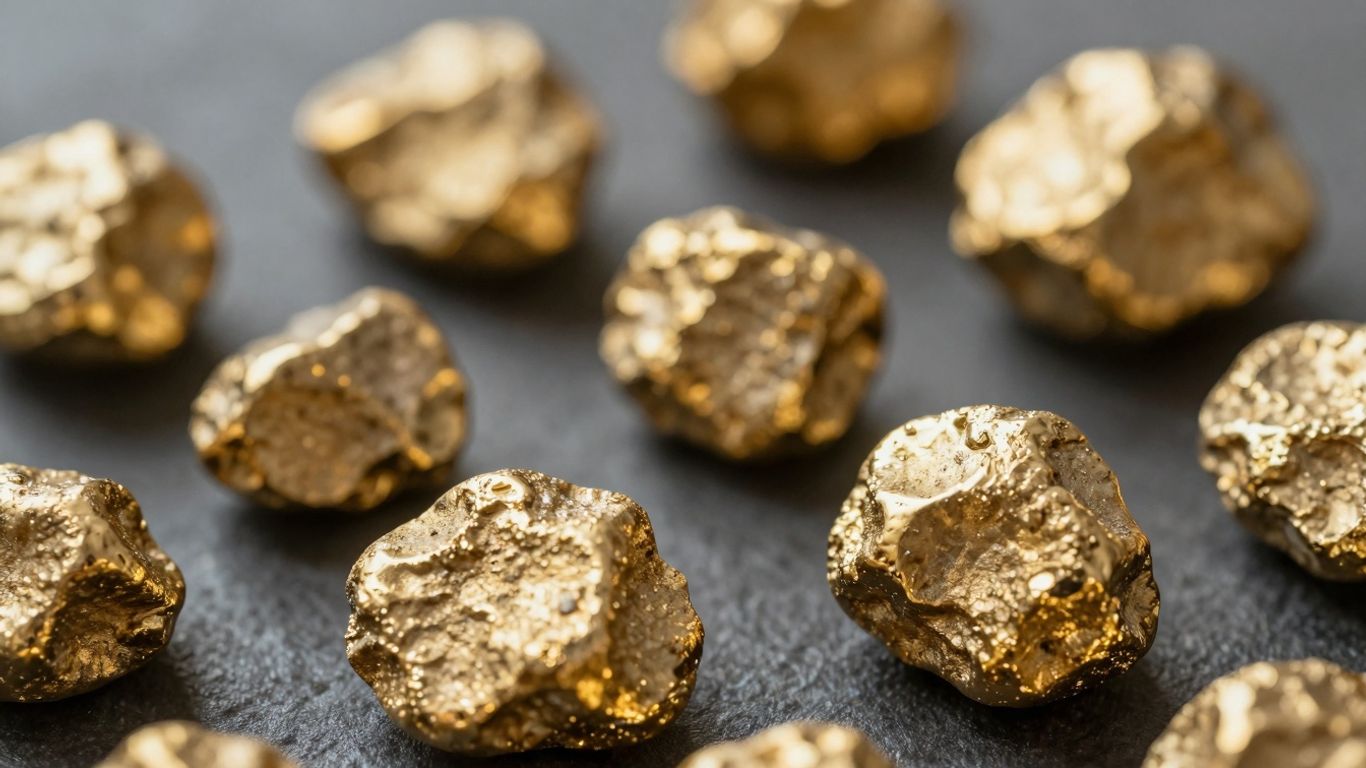
5. Gold Nuggets
Finding gold nuggets is pretty exciting, right? They’re not like regular jewelry or coins; they’re raw pieces of nature’s treasure. When you’re looking to sell a gold nugget in Tampa, you want to make sure you’re dealing with someone who knows their value. It’s not just about the gold’s weight, but also its size, shape, and where it came from, if that’s known.
The key is finding a buyer who appreciates the unique nature of nuggets.
Here’s what usually happens when you bring in a gold nugget:
- Assessment: A buyer will look at the nugget’s purity (karat) and its weight. They’ll use scales that are sensitive enough for these kinds of items.
- Market Value: They’ll compare its gold content to the current spot price of gold. This is the base value.
- Nugget Premium: Sometimes, a nugget has extra appeal. If it’s a particularly large, well-formed, or interesting-looking specimen, a buyer might offer a bit more than just the melt value. This is like a collector’s premium.
- Offer: You’ll get an offer based on these factors.
It’s a good idea to know the approximate weight of your nugget before you go. You can often find this information online or by using a kitchen scale if you have one, though a jeweler’s scale is more accurate. Remember, the price of gold changes daily, so checking a live gold price chart can give you a general idea of what to expect.
Selling a gold nugget is different from selling scrap gold. While scrap gold is valued purely for its metal content, a unique gold nugget might have additional appeal to collectors or buyers who appreciate its natural form. This can sometimes lead to a higher price than you might expect based on weight alone.
When you’re ready to sell, look for jewelers or precious metal dealers in Tampa who have a good reputation for buying raw gold. They’ll be able to give you a fair price for your natural treasure.
6. Sterling Silver Flatware
Got a drawer full of old silverware that’s just gathering dust? You might be sitting on more than just memories. Many people have sterling silver flatware sets that they no longer use, and these can be quite valuable. When selling sterling silver flatware, it’s important to know if it’s solid sterling or just silver-plated.
Here’s a quick rundown of what buyers look for:
- Solid Sterling Silver: This means the item is made of a high-purity silver alloy (typically 92.5% silver). It will usually be marked with "Sterling," "Ster," "925," or a similar hallmark.
- Silver-Plated: These items have a thin layer of silver over a base metal. They are generally not purchased by precious metal buyers because the silver content is minimal. Look for markings like "EPNS" (Electroplated Nickel Silver), "EPBM" (Electroplated Britannia Metal), "Silver on Copper," or simply "Plated."
Buyers in Tampa, like Arnold Jewelers, are interested in purchasing genuine sterling silver flatware. They’ll assess the weight and purity of the silver to give you a fair offer. It’s a good idea to check for those hallmarks before you head out the door.
Selling sterling silver flatware can be a straightforward process if you know what you’re looking for. The key is distinguishing between solid sterling and plated items, as only the former holds significant value as a precious metal.
If you’re unsure about your flatware’s authenticity, bringing it to a reputable buyer is the best way to find out. They have the tools and knowledge to identify genuine sterling silver and can offer a price based on the current market value.
7. Diamonds (1 Carat and Larger)
When it comes to selling diamonds, size really does matter, especially if you’re looking to get the best price. Most buyers, including places like Arnold Jewelers here in Tampa, are primarily interested in diamonds that are at least one carat in weight. Smaller stones, while still pretty, often don’t carry the same resale value because the market for them is a bit different.
The bigger the diamond, the more significant its value tends to be. This is because larger, high-quality diamonds are rarer. When you bring in a diamond that’s a carat or more, buyers can assess its cut, color, clarity, and carat weight (the famous 4 Cs) more effectively, which directly impacts its worth.
Here’s a quick look at what goes into valuing a diamond:
- Carat Weight: This is the actual weight of the diamond. One carat is equal to 0.2 grams. Larger diamonds are much rarer than smaller ones.
- Cut: This refers to how well the diamond has been shaped and faceted. A good cut makes the diamond sparkle more.
- Color: Diamond color is graded on a scale from D (colorless) to Z (light yellow or brown). Colorless diamonds are generally more valuable.
- Clarity: This measures the presence of internal inclusions or external blemishes. The fewer imperfections, the higher the clarity grade and the more valuable the diamond.
Selling a diamond that’s a carat or larger means you’re dealing with a significant gemstone. It’s worth taking the time to understand its specific characteristics before you sell. This way, you’ll have a better idea of what to expect when you get an offer, and you can feel more confident in the transaction.
8. Vintage Jewelry
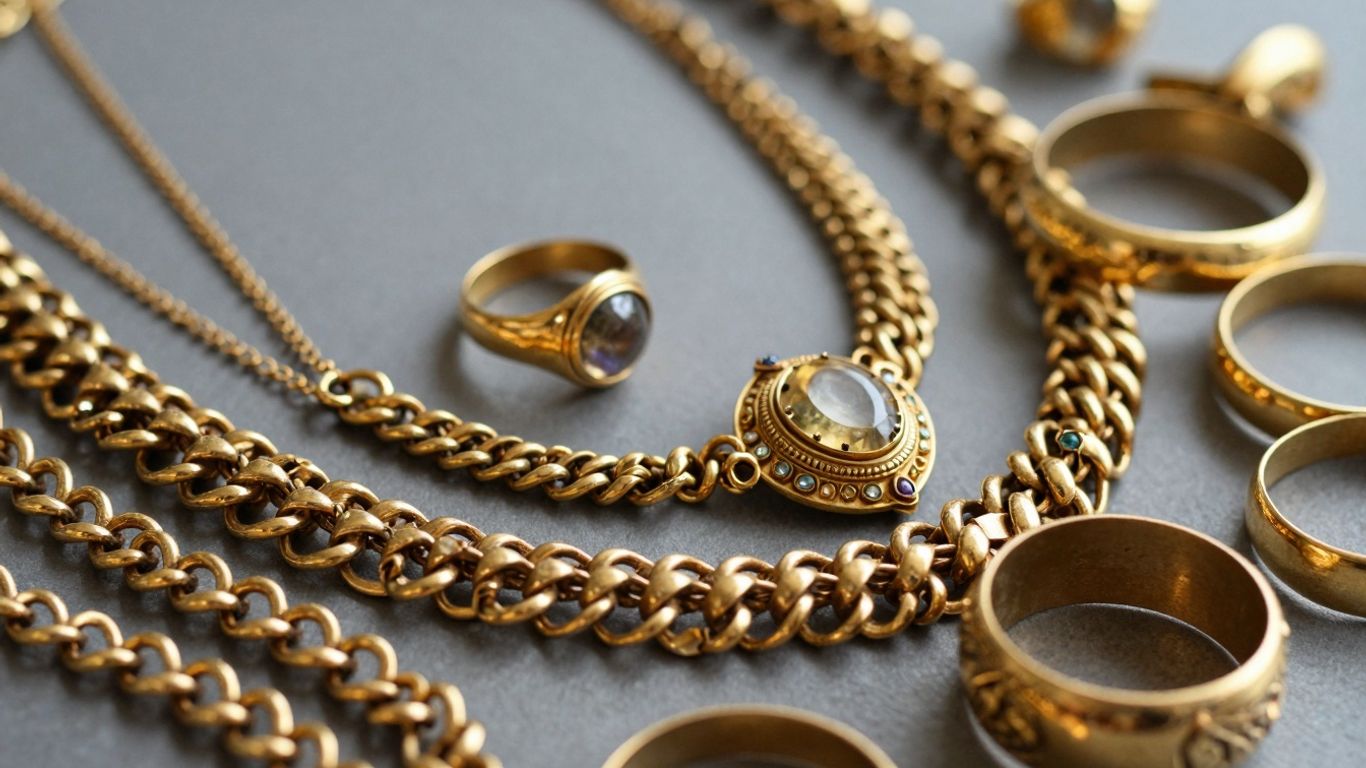
Selling vintage jewelry can be a bit different than just selling old gold. These pieces often have a story, and their value isn’t just about the metal content. Think about those unique Art Deco rings or a cool Victorian brooch you might have tucked away. These items can sometimes fetch more than their weight in gold because of their history and design.
When you’re looking to sell vintage pieces, it’s good to know what makes them special. Buyers are often looking for specific eras, makers, or unique artistic qualities. Some common periods that are popular include:
- Art Nouveau (late 1800s – early 1900s)
- Art Deco (1920s – 1930s)
- Mid-Century Modern (1940s – 1960s)
It’s also helpful to have any documentation you might have, like old appraisal papers or even just knowing where it came from. If you have a piece from a well-known designer or a significant historical period, that definitely adds to its appeal. For example, finding a unique ring at Arnold Jewelers might be a great option if you’re in the Tampa Bay area.
The condition of vintage jewelry matters a lot. While some wear and tear can be expected and even add to the charm, significant damage like missing stones, broken clasps, or deep scratches can lower the price. Sometimes, a professional cleaning or minor repair can make a big difference in what a buyer is willing to offer.
When you bring your vintage jewelry to a buyer, they’ll likely assess it based on several factors. Here’s a quick look at what they might consider:
| Factor | Description |
|---|---|
| Era/Style | Is it a sought-after period like Art Deco or Victorian? |
| Materials | What kind of gold, silver, or gemstones are used? Are they high quality? |
| Craftsmanship | Is it well-made? Are there intricate details or unique techniques? |
| Condition | Are there any damages? Are all stones present? Is the clasp working? |
| Rarity | How common is this particular piece or style? |
| Maker’s Mark | Is there a mark indicating the original designer or manufacturer? |
Remember, not all buyers specialize in vintage items. Some places might only be interested in the scrap metal value. It’s best to find a buyer who appreciates the historical and artistic aspects of your jewelry to get the fairest price.
9. Rolex Watches
When it comes to selling a luxury timepiece, especially a Rolex, you want to make sure you’re dealing with someone who knows its true worth. These watches aren’t just about telling time; they’re intricate pieces of engineering and status symbols. Arnold Jewelers is known for being a reliable place to sell your Rolex in the Tampa area. They have specialists who understand the nuances of different Rolex models, from vintage Daytonas to modern Submariners.
Selling a Rolex can feel a bit daunting. You’ve likely invested a good amount in it, and you want to get a fair price. It’s not like selling a regular piece of jewelry. The condition, the specific model, the year it was made, and whether you have the original box and papers all play a big role in its value. A watch that’s been well-maintained and comes with its full set can fetch a significantly higher price than one that’s seen better days or is missing its documentation.
Here’s what you might want to consider when selling your Rolex:
- Model and Year: Certain models and production years are more sought after by collectors.
- Condition: The overall state of the watch, including the case, bracelet, dial, and movement.
- Originality: Are all the parts original to the watch? Any aftermarket modifications can sometimes decrease value.
- Box and Papers: Having the original warranty card, manual, and presentation box adds considerable value.
- Service History: Recent professional servicing can be a plus, showing the watch has been cared for.
Arnold Jewelers buys Rolex watches, and they have people on staff who know these timepieces well. They’ll assess your watch based on these factors and give you an offer. If you’re not in the immediate Tampa Bay area, they also have mail-in services, so you can still get a quote without having to travel.
10. Coins and Paper Currency
Beyond just gold jewelry, Arnold Jewelers also has a keen interest in your coin and paper currency collections. Many people don’t realize the potential value tucked away in old albums or forgotten shoeboxes. We’re talking about everything from rare U.S. mint coins to foreign currency that might be worth more than its face value.
Our team includes a numismatist, an expert in coins and currency, ready to assess your collection. This means you’ll get a knowledgeable evaluation, not just a generic offer based on metal content alone. They understand the nuances of rarity, condition, and historical significance that can dramatically impact a coin or bill’s worth.
Here’s a quick look at what we’re particularly interested in:
- U.S. Coins: Including silver dollars, half dollars, quarters, dimes, and any pre-1965 coinage.
- Foreign Coins: Especially those made of precious metals or those with unique historical appeal.
- Paper Currency: Older U.S. bills, rare foreign banknotes, and error currency.
- Mint Sets and Proof Sets: Complete collections from the U.S. Mint can hold significant collector value.
We buy these items whether they’re part of a large collection or just a single, interesting piece. Don’t let your valuable currency gather dust; bring it in for a professional appraisal. You might be surprised at what it’s worth.
When evaluating coins and paper currency, condition is king. A coin that’s been cleaned or handled extensively might lose a significant portion of its collector value. Similarly, paper currency with tears, folds, or stains will be valued lower than pristine examples. Our experts can help you understand these grading factors.
Ready to Sell Your Gold?
So, you’ve got gold nuggets sitting around, and you’re wondering what to do with them. We’ve looked at some places in Tampa that are ready to buy. Whether you prefer to walk into a store and get an offer on the spot, like at Arnold Jewelers in Largo, or send your items in through the mail, there are options. Remember to check their live gold prices if they have them, and don’t be afraid to shop around a bit to make sure you’re getting a fair deal. Selling your gold doesn’t have to be complicated, and finding the right buyer is the first step to turning those nuggets into cash.
Frequently Asked Questions
Do I need an appointment to sell my gold or other items at Arnold Jewelers?
No, you don’t need an appointment. Just come by during our business hours, and one of our specialists will look at your items and give you an offer right away.
How do you determine the price you pay for gold?
We pay based on the live market price of gold. We offer 85% or more of the current value, and we’re happy to show you how to calculate it yourself so you can see we offer the best prices in Tampa.
Can I sell my gold if it's broken or old jewelry?
Absolutely! We buy all kinds of gold jewelry, even if it’s broken or old. Just bring it in, and we’ll give you a fair price for the gold content.
What if I don't live near Tampa? Can I still sell to you?
Yes, you can! We offer mail-in services. You can package your items and send them to us. We’ll even cover up to $15 of your shipping costs if we buy your items.
What items do you NOT buy?
We don’t buy items that are gold-filled, gold-plated, or made of non-precious metals. This also includes silver-plated flatware. If you’re unsure, feel free to call us or bring the item in.
How will I get paid if I use your mail-in service?
Once we’ve assessed your items and made an offer, you can choose to receive payment through PayPal for immediate cash or request a check be mailed to you.
What identification do I need to sell items?
You’ll need to be at least 21 years old and provide proof of identification. You must also be the legal owner of the items you’re selling.
Can I get a price estimate before coming in or mailing my items?
Yes! You can text or email us clear photos of your items for an estimate. We also have a live chat feature on our website where you can talk to a staff member for an estimate or ask questions.