Thinking about selling your Gold Britannia coins in Tampa? It’s a good idea to know where to go and what to look for. Finding the right buyer means getting a fair price and avoiding any hassle. This guide will help you find trustworthy gold Britannia buyers in Tampa, plus give you some tips on what makes a coin valuable and how to spot fakes. Let’s get started.
Key Takeaways
- When looking for gold Britannia buyers in Tampa, check out local coin shops and reputable dealers who specialize in precious metals and rare coins.
- Always be aware of counterfeit coins, especially when dealing with uncertified items. Experienced dealers and third-party grading services like NGC can help verify authenticity.
- Understand that coin certification by services like NGC adds trust and can increase the value of your coins, making them more attractive to buyers.
- Selling gold coins, including Gold Britannias, requires careful consideration. Know your coin’s condition and potential value before accepting an offer.
- Dealing with established, trustworthy dealers is the best way to ensure you get a fair price for your Gold Britannias and avoid scams or counterfeit issues.
1. Florida Fine Finds
When you’re looking to sell your Gold Britannia coins in Tampa, you might come across various places that claim to buy precious metals. One such spot is Florida Fine Finds. They focus on finding and selling all sorts of collectibles, including antiques and vintage items from around the state. While they might not be a dedicated coin dealer, they do deal with unique items, and sometimes that can include coins.
It’s always a good idea to check if they specifically buy Gold Britannias and what kind of prices they offer. They mention being a military and law enforcement family, so if that applies to you, it might be worth inquiring about any special considerations.
Here’s a quick look at what they generally do:
- Scour estate sales and thrift stores across Florida.
- Handpick rare and high-quality treasures.
- Focus on bringing unique finds to collectors.
They also offer a 60-day return policy, which shows they’re confident in what they sell. If you’re exploring all your options for selling coins, they could be one of the places to consider, especially if you’re curious about what else they might have in their collection.
2. Tampa Coin Shops
When you’re looking to sell your Gold Britannia coins or perhaps add to your collection, local coin shops in Tampa can be a good place to start. These shops often have a steady stream of customers and a variety of coins passing through their doors. It’s wise to visit a few different shops to get a feel for their pricing and how they operate.
Some shops specialize in precious metals, while others deal in a broader range of numismatic items. It really pays to do a little homework beforehand. You might find a shop that’s been around for ages and has a solid reputation, or maybe a newer place that’s making a name for itself with fair dealings.
Here are a few things to keep in mind when dealing with coin shops:
- Get multiple quotes: Don’t settle for the first offer you receive. Take your coins to several shops to compare prices.
- Ask questions: A good dealer will be happy to explain their valuation process and answer any concerns you have.
- Check their reputation: Look for online reviews or ask other collectors about their experiences.
Be aware that counterfeit coins have been an issue in the coin market for a long time. While many experienced dealers can spot fakes, it’s always good to be cautious, especially with older or less common coins. Reputable shops will have procedures in place to identify genuine items.
For established dealers with a long history in the area, you might consider places like Gold Silver Sales, which has been serving the Tampa Bay community for decades. They are known for their straightforward approach and offer free quotes.
3. Local Coin Dealers
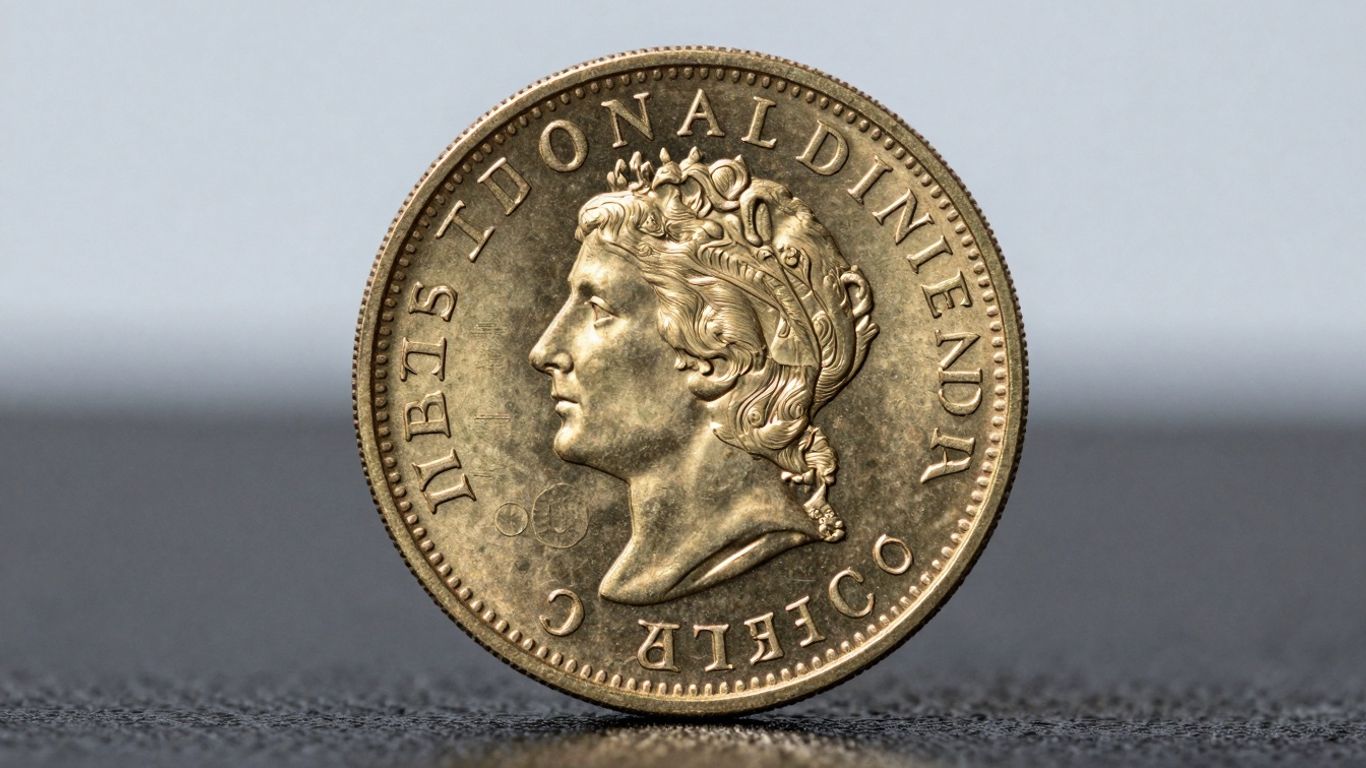
When you’re looking to sell your Gold Britannia coins or any other precious metals, finding a local coin dealer is often the first step. These businesses are usually the most accessible option for a quick appraisal and sale. They deal with coins and precious metals every day, so they have a good sense of the current market value.
It’s important to remember that not all coin dealers are created equal. Some are fantastic, while others might not be as knowledgeable or as honest as you’d hope. This is especially true when dealing with potentially valuable items like gold coins.
Here are a few things to consider when looking for a local dealer:
- Reputation: Do they have good reviews online? Have friends or family recommended them?
- Experience: How long have they been in business? Do they specialize in gold coins or bullion?
- Transparency: Are they upfront about their pricing and fees? Do they explain how they arrived at their offer?
- Inventory: Do they seem to have a steady stream of customers and a good selection of coins? This can be a sign of a healthy business.
Sometimes, you might find that a local dealer is a great place to start, but for specific items like rare coins, you might need to look a bit further. For general gold and silver transactions, though, a well-established local shop can be very convenient. If you’re in the Tampa area, you might want to check out places like Tampa Coin Buyers to get a feel for what they offer.
Dealing with local coin dealers can be a straightforward way to sell your gold. However, always do a little homework beforehand. A quick search for reviews or asking around can save you a lot of hassle and potentially get you a better deal. Don’t be afraid to visit a couple of different dealers to compare offers before you make a decision.
4. Reputable Dealers
When you’re looking to buy or sell gold coins, especially something specific like Gold Britannias, finding a dealer you can trust is super important. It’s not just about getting a fair price; it’s about making sure what you’re buying is the real deal and what you’re selling is accurately valued.
Dealing with established, well-regarded dealers significantly lowers your risk of encountering fakes or being misled.
Here’s what to look for:
- Longevity and Reputation: How long has the dealer been in business? Do they have positive reviews online or recommendations from other collectors? A solid history usually means they’re doing something right.
- Transparency: Are they upfront about their pricing, grading, and any fees? A good dealer will explain everything clearly.
- Knowledge: Do they seem to know their stuff, especially about the coins you’re interested in? They should be able to answer your questions confidently.
- Return Policy: Do they offer a grace period where you can return a coin if you find an issue or aren’t satisfied? This is a big sign of confidence in their products.
The coin market, like many others, can unfortunately attract dishonest individuals. Counterfeit coins, especially those made to look like valuable gold pieces, have been a problem for a long time. Sometimes these fakes are pretty obvious, but other times they can be quite convincing, especially if they’ve had dates or mint marks altered. It’s easy to get excited about a deal that seems too good to be true, but that’s often when you need to be the most careful.
Some dealers specialize in certain types of coins, while others have a broader inventory. For Gold Britannias, you’ll want someone who understands modern bullion as well as collectible coins. Don’t be afraid to shop around and compare offers or ask for references. Building a relationship with a reputable dealer can make your coin collecting journey much smoother and more secure.
5. Expert Coin Appraisals
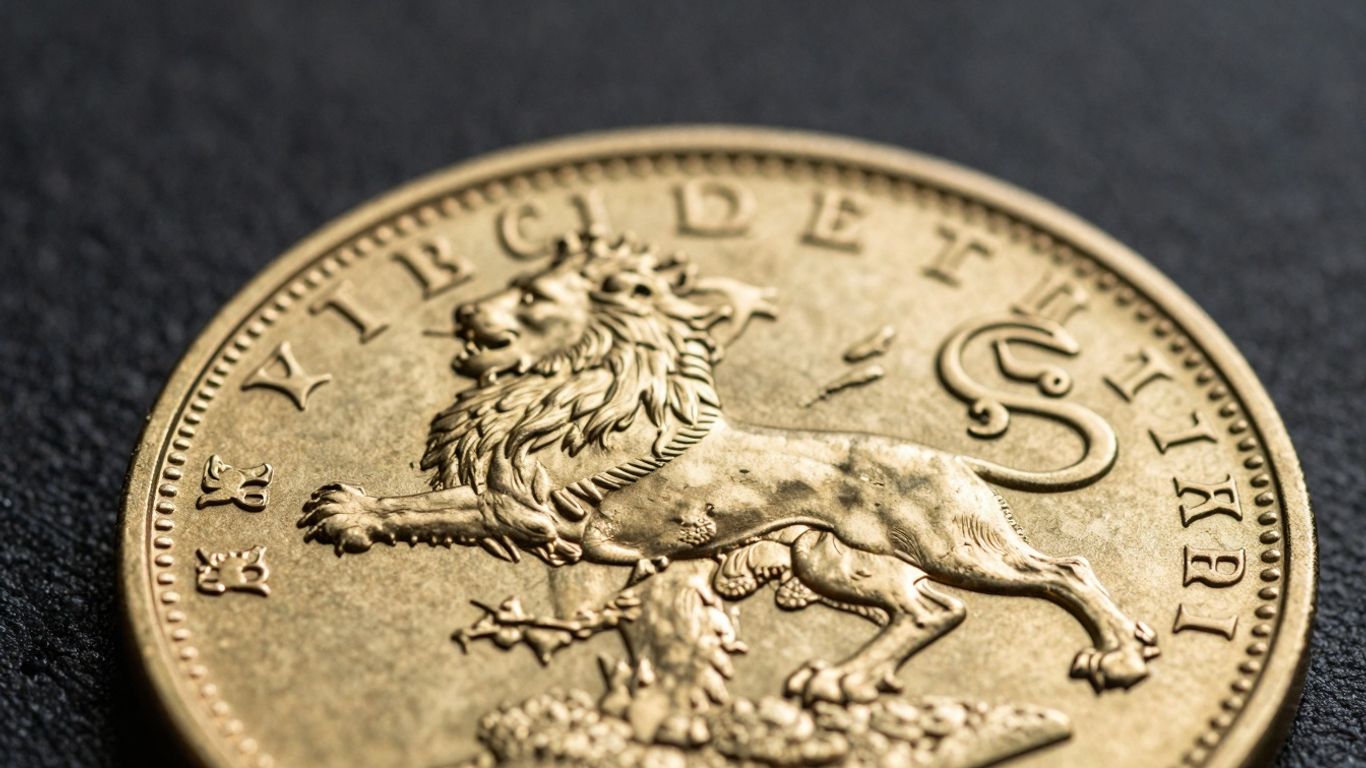
Getting a solid appraisal for your gold coins, especially something like a Gold Britannia, is super important. It’s not just about knowing what it’s worth today, but also about making sure it’s the real deal. A good appraisal can save you from a lot of headaches down the road.
When you’re looking for an appraisal, think about a few things:
- Who is doing the appraising? Are they a seasoned coin dealer with years of experience, or someone who just dabbles? Look for people who specialize in precious metals and numismatics.
- What’s their process? Do they just eyeball it, or do they use specific tools and knowledge to check authenticity and condition?
- What’s the cost? Some dealers offer free appraisals, especially if you’re thinking of selling to them. Others might charge a fee, which can be worth it if you just want an independent valuation.
A thorough appraisal will consider the coin’s metal content, weight, purity, condition, rarity, and any market demand. This isn’t something you can just guess at. For instance, even slight damage or wear can significantly impact a coin’s value, and knowing the exact purity of the gold is key to determining its melt value.
Counterfeit coins have been a problem for a long time. Even experienced dealers can sometimes be fooled if they aren’t careful. That’s why getting an appraisal from someone you trust, who knows what to look for, is a smart move. They can spot things like altered dates, incorrect weight, or signs of casting that a regular person would miss.
If you’re dealing with potentially valuable or rare coins, consider getting them professionally graded by a third-party service like NGC or PCGS. While this is different from a simple appraisal, it provides a definitive authentication and grade that buyers often rely on. An appraiser can help you decide if this extra step is necessary for your specific coins.
6. Buying Gold Coins
When you’re looking to buy gold coins, especially something like a Gold Britannia, it’s smart to know a few things first. The market can be tricky, and unfortunately, there are fakes out there. Always deal with sellers you trust, and if a deal seems too good to be true, it probably is.
Here are some points to keep in mind:
- Know Your Seller: Stick to established coin shops, reputable dealers, or well-known online platforms. Ask around, check reviews, and see if they have any certifications or affiliations.
- Examine the Coin: While it’s hard for a beginner to spot fakes, look for obvious signs like poor strike quality, incorrect weight, or unusual color. Genuine coins have a certain feel and look to them.
- Consider Certification: Coins graded by services like NGC (Numismatic Guaranty Company) or PCGS (Professional Coin Grading Service) offer a layer of security. These organizations have experts who authenticate and grade coins, making it much harder to pass off a counterfeit.
- Understand Pricing: Research the current market value for the specific gold coin you’re interested in. Prices fluctuate based on the gold spot price and the coin’s rarity or condition.
Counterfeit coins have been a problem for a long time, and they still show up. Some are pretty crude, but others are made with a lot of skill. It’s easy to get fooled if you’re not careful. Buying from someone you know and trust is your best bet to avoid these issues.
If you’re buying a significant amount or a rare coin, getting an appraisal from an independent expert can also be a good idea before you hand over your money. It’s better to spend a little extra on verification than to lose a lot on a fake.
7. Identifying Counterfeit Coins
It’s a bummer, but fake coins have been around for ages, even back in the 1800s. The internet has made it easier for these fakes, especially those coming from China, to pop up everywhere. While some are pretty obvious, others are really well-made and can fool even experienced collectors. Always be wary of deals that seem too good to be true.
Here are some common types of fakes you might run into:
- Altered Dates and Mintmarks: Sometimes, people will change the date or mintmark on a coin to make it look like a rarer, more valuable one. Think of old pennies with altered dates or quarters with fake mintmarks. It’s sneaky work.
- Chinese Counterfeits: These have become a big problem. They often try to copy popular silver dollars or gold coins. While many are crude, some are quite convincing and might even be put in fake coin holders that look like the real deal from grading services.
- Replicas: These are copies, sometimes made intentionally to look like old coins. Some might have "COPY" stamped on them, but not always. The quality can vary a lot, but often they’re not very convincing.
When you’re looking at coins, especially older or more valuable ones, pay attention to the details. The weight, the feel of the metal, the sharpness of the design, and even the sound it makes when dropped (gently, of course!) can tell you a lot. If a coin feels too light or too heavy, or the details look fuzzy or off, it’s a red flag.
The best defense against counterfeit coins is to buy from trusted sources. Reputable dealers and grading services like NGC or PCGS have the tools and knowledge to spot fakes. If you’re unsure about a coin, it’s always better to get it authenticated by a professional before you buy.
8. NGC Certified Coins
When you’re looking to buy or sell gold coins, especially something like a Gold Britannia, you’ll often hear about NGC certification. NGC stands for the Numismatic Guaranty Company, and they’re one of the big names in grading coins. Basically, they examine coins and then seal them in a protective holder, called a slab, along with a label that tells you its grade and authenticity. This process is a big deal for collectors and investors.
Having a coin certified by NGC means it’s been authenticated and graded by professionals. This takes a lot of the guesswork out of the equation. You don’t have to be an expert to know if a coin is genuine or what condition it’s in. NGC has seen it all, from common coins to super rare ones, and they know the signs of fakes or altered coins. They’ve got the equipment and the experience to spot things that might fool the average person.
Why does this matter for Gold Britannias?
- Authenticity: It confirms your coin is a real Gold Britannia and not a clever fake. Counterfeits are out there, and sometimes they look pretty convincing.
- Condition: The grade assigned by NGC tells you about the coin’s preservation. A higher grade usually means a higher value.
- Marketability: Certified coins are generally easier to sell and often fetch better prices because buyers have more confidence.
It’s not just about the big, rare coins either. Even if you’re just looking at standard bullion coins, certification adds a layer of security. You can check the NGC certification number on their website to verify the coin’s details. This is a great way to protect yourself, especially when buying from online sources or dealers you’re not completely familiar with. For instance, if you’re looking at options for buying precious metals, checking for NGC certification can be a smart move.
Dealing with certified coins significantly reduces the risk of acquiring counterfeits or coins with misrepresented conditions. It provides a standardized measure of a coin’s quality and authenticity that the market recognizes and trusts.
So, when you see an NGC-certified Gold Britannia, you’re looking at a coin that’s been vetted. It’s a good sign that you’re dealing with a legitimate piece. It’s a step that helps make the coin market a bit safer for everyone involved.
9. Coin Certification
When you’re looking to buy or sell gold coins, especially something like a Gold Britannia, you’ll quickly run into the topic of coin certification. It’s a pretty big deal in the coin collecting world, and for good reason. Basically, third-party grading services examine coins and then seal them in a protective holder, called a "slab," along with a grade and a description of the coin. This process helps make sure you know exactly what you’re buying.
Why is this so important? Well, the coin market can sometimes be tricky. There are a lot of fake coins out there, and sometimes dates or mint marks get altered to make a coin seem rarer than it is. It’s not always easy for the average person to spot these fakes. That’s where certification comes in. Services like NGC (Numismatic Guaranty Company) have experts who know all the signs of counterfeits and alterations. Getting your coins certified by a reputable service is one of the best ways to protect yourself from fraud.
Here’s a quick rundown of why certification matters:
- Authenticity: Certified coins are verified as genuine by professionals.
- Grading: You get an objective grade for the coin’s condition, which directly impacts its value.
- Security: Coins are sealed in tamper-evident holders.
- Marketability: Certified coins are generally easier to sell and often fetch higher prices.
If you’re buying, always look for coins that have been certified by a well-known service. If you’re selling, especially a valuable coin, getting it certified beforehand can really help you get a better price. You can find places in Tampa that specialize in certified coins, like Coin Exchange.
Dealing with certified coins takes a lot of the guesswork out of collecting and investing. It provides a level of confidence that uncertified coins just can’t match. While it might seem like an extra step or cost, the peace of mind and potential for a better return are usually well worth it.
When you’re looking at a certified coin, it’s also a good idea to verify its certification online. Most major grading services have databases on their websites where you can check the coin’s details using its certification number. This is a simple step that adds another layer of security to your purchase.
10. Selling Gold Britannia Coins
Selling your Gold Britannia coins in Tampa requires a bit of know-how to make sure you get a fair price. These coins, while popular, can sometimes attract less-than-honest dealings if you’re not careful. Always prioritize dealing with reputable buyers who specialize in precious metals or coins.
When you’re ready to sell, here are a few things to keep in mind:
- Condition Matters: While Gold Britannias are primarily valued for their gold content, their condition can still influence the price. Coins in mint condition or those with minimal wear will generally fetch a better price than heavily circulated ones.
- Market Fluctuations: The price of gold changes daily. Make sure you’re aware of the current spot price for gold before you approach a buyer. This gives you a baseline for what your coins are worth.
- Buyer’s Premium/Fees: Some buyers might deduct a percentage for handling or processing. Understand any fees upfront to avoid surprises.
Here’s a general idea of what influences the value when selling:
| Factor | Description |
|---|---|
| Gold Purity | Britannias are typically .999 fine gold, meaning their value is tied directly to the gold market. |
| Coin Weight | The exact weight of the gold in the coin is a primary determinant of its melt value. |
| Numismatic Value | While less significant for modern Britannias compared to older, rarer coins, some collectors might pay a premium for specific dates or uncirculated examples. |
| Buyer’s Margin | The profit the dealer intends to make on the resale of the coin. |
Be aware that counterfeit coins, though less common with Britannias than some older gold coins, do exist. Reputable dealers will have ways to detect these, but it’s always good to be cautious. If a deal seems too good to be true, it probably is.
When you’re looking for a buyer, consider:
- Local Coin Shops: Many established coin shops in the Tampa area will buy Gold Britannias. They have the experience to assess the coin’s authenticity and weight.
- Precious Metal Dealers: Businesses that focus on buying and selling gold and silver bullion are also good options. They often price based on the gold content.
- Online Marketplaces: While convenient, selling online can expose you to a wider range of buyers, including those who might not be as scrupulous. If you go this route, use platforms with strong buyer/seller protections and research your buyer carefully.
Wrapping It Up
So, you’re looking to sell your Gold Britannia in Tampa. It’s not as complicated as it might seem. We’ve talked about how important it is to find a buyer you can trust, especially with all the stories about fake coins out there. Remember that old saying, ‘if it seems too good to be true, it probably is’? That really applies here. Always check out who you’re dealing with. Reputable dealers, like the ones we touched on, are your best bet. They know their stuff and won’t try to pull a fast one. Getting your coins checked out, maybe even certified if they’re really special, is a smart move. It just gives you peace of mind. Selling your gold should be a straightforward process, and by doing a little homework, you can make sure you get a fair deal right here in Tampa.
Frequently Asked Questions
What are Gold Britannia coins?
Gold Britannia coins are special gold coins made in Britain. They feature a picture of Britannia, a symbol of Britain. They are made of pure gold and are popular with collectors and investors.
Where can I sell my Gold Britannia coins in Tampa?
You can sell your Gold Britannia coins at local coin shops, reputable coin dealers, or places that buy gold and silver. It’s a good idea to check out places like “Florida Fine Finds” or other well-known coin dealers in the Tampa area.
How do I know if my Gold Britannia coin is real?
To be sure your coin is real, look for official markings and check its weight and size. If you’re unsure, it’s best to get it checked by an expert or a certified coin dealer. They have the tools and knowledge to tell if it’s genuine.
What is a 'counterfeit' coin?
A counterfeit coin is a fake coin made to look like a real one. People make them to trick others into paying more for them. It’s important to be careful because fake coins, especially gold ones, have been around for a long time.
How can I avoid buying fake coins?
The best way to avoid fake coins is to buy from trusted sellers or dealers. Always ask if you can return the coin if there’s a problem. Buying coins that have been certified by grading services like NGC is also a good way to protect yourself.
What does 'NGC Certified' mean?
NGC stands for Numismatic Guaranty Company. When a coin is NGC certified, it means experts at NGC have checked it, confirmed it’s real, and given it a grade based on its condition. This certification helps prove the coin’s authenticity and value.
Should I get my coin appraised?
Yes, getting an appraisal is a smart move, especially if you have valuable or rare coins like Gold Britannias. An expert appraisal will tell you what your coin is worth and help you get a fair price when you sell it.
Are there specific dealers in Tampa that are known for buying coins?
While specific dealers can change, looking for established coin shops and reputable dealers in the Tampa Bay area is recommended. Businesses that specialize in precious metals or have a long history in coin dealing are usually good places to start.