So, you’ve been looking at coins, maybe thinking about collecting them, or just curious about those shiny ones versus the ones you see every day. It can get a little confusing, right? Especially when you hear terms like ‘proof’ and ‘uncirculated.’ They sound fancy, and they are, but understanding what makes them different isn’t as complicated as it might seem. Let’s break down the difference between proof and uncirculated coins, what they look like, and why collectors care so much about them. It’s mostly about how they’re made and how they look when they come out of the mint.
Key Takeaways
- Uncirculated coins have never been used as money and show no signs of wear, but they are made using standard minting processes.
- Proof coins are specially made for collectors, with a distinct, high-quality finish achieved through special minting techniques like multiple strikes.
- The main visual difference is that proof coins often have mirror-like fields and frosted designs, creating a strong contrast, while uncirculated coins have a more uniform, though still shiny, appearance.
- Proof coins are usually produced in smaller quantities and are more expensive due to their intricate production process and collector demand.
- Both proof and uncirculated coins are graded using scales like Mint State (MS), with higher numbers indicating better condition, but proof coins have their own set of quality standards.
Understanding The Core Difference Between Proof And Uncirculated Coins
So, you’re looking at coins and wondering what makes one special and another just… well, a coin? It all comes down to how they’re made and what they look like. The main thing to remember is that proof coins are made with extra care for collectors, while uncirculated coins are simply coins that never made it into your pocket.
Defining Uncirculated Coins
Think of uncirculated coins as the ones that got away. They were minted, maybe even bagged up, but they never actually got used as money out in the world. This means they haven’t been handled by lots of people or tossed around in cash registers. They might have been part of a mint set sold directly to collectors, or maybe they were just leftover stock. Because they haven’t seen any action, they generally look pretty sharp, without the nicks and scratches you’d expect on a coin that’s been in circulation.
Defining Proof Coins
Proof coins are a whole different ballgame. These aren’t just uncirculated; they’re made with a special process specifically to show off the coin’s design in the best possible light. The mint uses specially prepared dies and planchets (the blank metal discs), and they often strike the coin multiple times. This gives them a really high level of detail and a distinctive look, usually with shiny, mirror-like surfaces and frosted designs that really pop. They’re made for collectors, plain and simple.
Key Distinctions For Collectors
When you’re trying to tell them apart, a few things stand out:
- Finish: Proof coins typically have a much more polished, almost mirror-like background with raised design elements that look frosted or matte. Uncirculated coins, while still nice, usually have a more uniform, satin-like finish across the whole coin.
- Production: Proof coins are made in smaller batches with a lot more attention to detail, often involving multiple strikes. Uncirculated coins are made in much larger quantities using standard minting processes.
- Appearance: The contrast between the fields (the flat parts) and the devices (the design elements) is usually much more dramatic on a proof coin.
It’s easy to get confused because both proof and uncirculated coins are generally in excellent condition and haven’t been used as currency. However, the intent behind their creation is the key differentiator. Proof coins are manufactured as a premium product for collectors, while uncirculated coins are essentially regular issue coins that have been preserved.
The Minting Process: A Tale Of Two Finishes
When you look at a coin, it’s easy to just see the design and the date. But how it was made really matters, especially when you’re comparing proof coins to uncirculated ones. These aren’t just random differences; they come from how the coins are actually struck at the mint.
Striking Standards For Proof Coins
Proof coins are made with a lot of care, almost like a special project. The process is designed to make them look as perfect as possible. Think of it like a craftsman meticulously working on a single piece versus a factory churning out thousands.
- Special Dies: The dies used for proof coins are polished to a mirror finish before they’re even used. This is a big step that regular dies don’t get.
- Hand-Feeding: Blanks (the plain metal discs) are often fed into the coin press one by one. This isn’t efficient, but it helps prevent nicks and scratches.
- Multiple Strikes: To get that super sharp detail and high relief, the blank is struck multiple times. Sometimes it’s up to six times! This really presses the design into the metal.
- Careful Inspection: Each proof coin is checked closely to make sure it meets the high standards. Any coin with a flaw is usually set aside.
The meticulous, multi-step process for proof coins is what gives them their distinctive, high-quality appearance. It’s a deliberate effort to create a coin that stands out.
Striking Standards For Uncirculated Coins
Uncirculated coins, often called Brilliant Uncirculated (BU), are made for general circulation or for sale in mint sets. They’re made in much larger quantities and the process is more streamlined. They’re still considered in "mint condition" because they haven’t been handled or worn down by everyday use, but the production method is different from proof coins. You can find these coins in various mint sets that showcase the year’s coinage.
- Standard Dies: Dies for uncirculated coins are not polished to a mirror finish. They are prepared to strike the design effectively, but not for the same level of visual perfection as proof dies.
- Automated Feeding: Blanks are typically fed into the presses automatically, which is much faster.
- Single Strike: Most uncirculated coins are struck just once. This is enough to get the design on the coin, but it doesn’t create the same depth or sharpness as multiple strikes.
- Volume Production: The goal here is efficiency and producing a large number of coins. While quality control is still present, it’s geared towards mass production rather than individual perfection.
Impact Of Minting On Appearance
The way a coin is made directly affects how it looks. Proof coins have a unique look because of their special treatment. The fields (the flat, open areas) are often like mirrors, reflecting light. The raised parts of the design, like the portrait or the eagle, are usually frosted or have a matte finish. This contrast makes the design really pop. Uncirculated coins, on the other hand, tend to have a more uniform, satiny luster all over. They don’t have that sharp contrast between mirror fields and frosted designs. While they are shiny and look new, they lack the dramatic visual separation that proof coins display. This difference in finish is a key way collectors can tell them apart.
Visual Characteristics: What To Look For
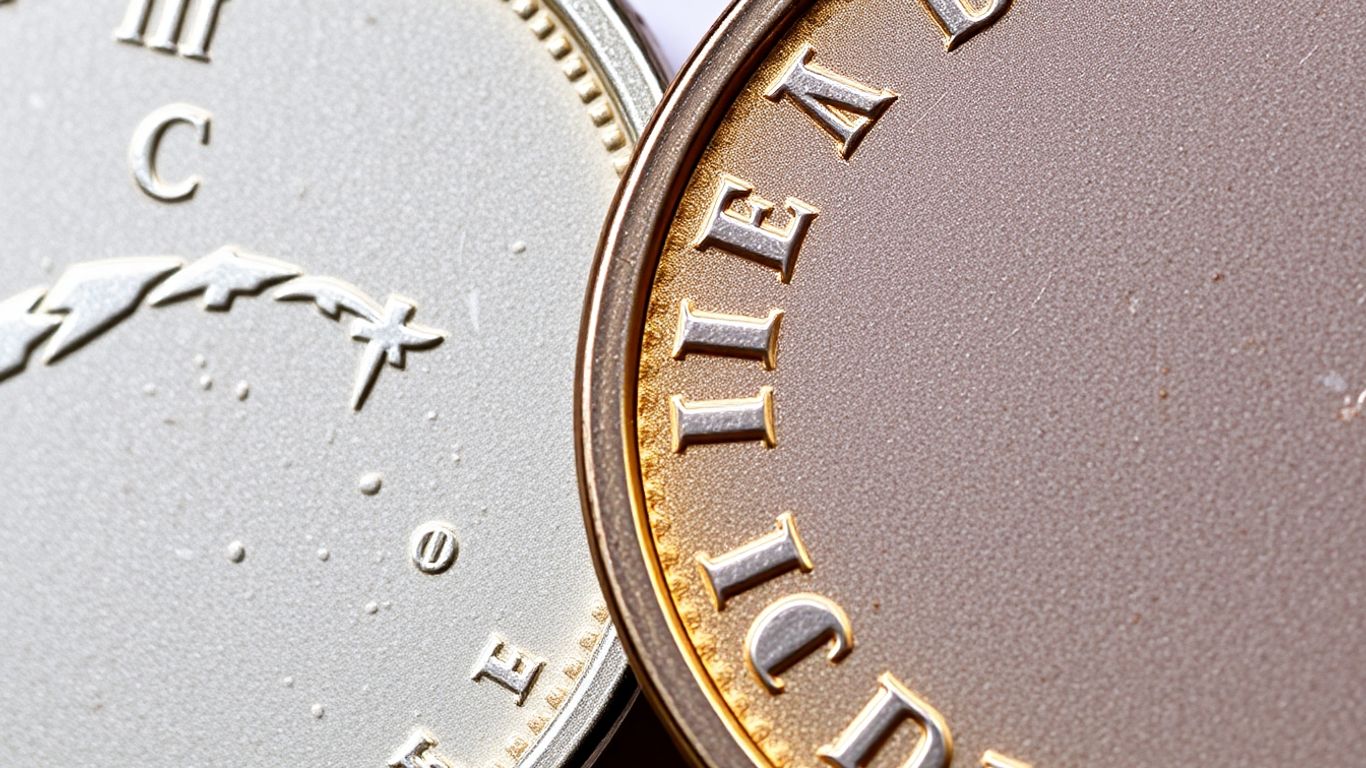
So, you’ve got a coin in your hand, and you’re trying to figure out if it’s a regular old coin or something special, like a proof. It can be tricky, but there are some visual clues that really help tell them apart. It’s all about how they look, the shine, and the details.
Mirror-Like Fields And Frosted Designs
One of the most striking differences you’ll see, especially with proof coins, is the contrast between the surfaces. Think of it like a fancy mirror. The flat, open areas of the coin, called the fields, are often super shiny, almost like a mirror. Then, the raised parts – the designs, the lettering, the date – they’re usually made to look frosty or matte. This contrast is intentional and really makes the design pop out. It’s a look you just don’t typically find on coins that were made for everyday spending.
Contrast And Detail In Proof Coins
Proof coins are made with extra care, and you can usually see that. The fields are polished to a high sheen before the coin is struck. Then, the dies themselves are often sandblasted or treated to create that frosted effect on the design elements. When the coin is struck, sometimes multiple times, with specially prepared dies and planchets (the blank metal discs), this contrast becomes really pronounced. You’ll notice incredibly sharp details, crisp edges, and a general sense of perfection. It’s like the coin is a miniature work of art.
Appearance Of Uncirculated Coins
Uncirculated coins, on the other hand, are made for circulation, even if they never actually get used. They come straight from the mint, and they haven’t been handled or worn down by people using them. They’ll have their original mint luster, which is a kind of shine that comes from the striking process. However, they usually don’t have that dramatic mirror-like field and frosted design contrast you see in proofs. The surfaces might be a bit more uniform in their shininess, and while they should be detailed, they might not have the same level of sharp, crisp definition as a proof coin. You might also see minor imperfections from the minting process itself, like bag marks (tiny scratches from coins bumping into each other) or die polishing lines, which are normal for this type of coin.
Production Methods And Rarity
Hand-Feeding And Multiple Strikes
Proof coins are made differently than your everyday pocket change. Think of it like a craftsman working on a single piece of art versus a factory churning out widgets. For proof coins, each planchet (that’s the blank metal disc before it becomes a coin) is often fed into the minting press by hand. This isn’t just for show; it allows for much more control over the striking process. Plus, they usually get struck more than once, sometimes two or three times, with specially polished dies. This extra attention is what gives proof coins their super sharp details and that distinctive, almost glassy look on the flat parts, called fields.
Single Strikes And Higher Volume
Uncirculated coins, on the other hand, are made for mass production. They’re fed into the presses automatically, and each coin typically gets just one strike. The dies used for these coins aren’t polished to the same mirror finish as proof dies. The goal here is efficiency and producing a large number of coins that look good enough for everyday use or for collectors who want a coin that’s never been spent. Because they’re made in such high volumes, finding a common date in uncirculated condition is usually pretty straightforward.
Limited Production And Demand
The way these coins are made directly impacts how many are available and, consequently, their rarity. Proof coins, with their slower, more meticulous production, are naturally made in smaller quantities. This limited mintage, combined with their aesthetic appeal, often makes them more desirable to collectors who appreciate the finer details and the special finish. Uncirculated coins, while also collected, are generally produced in much larger numbers. However, even within uncirculated coins, certain dates or mint marks can be quite rare, especially if they had a low mintage to begin with. For example, the mintage numbers for coins can tell a big story about their potential rarity. A coin with a mintage of only 100,000 is going to be much harder to find than one with a mintage of 8,900,000.
The difference in production methods isn’t just about how the coin looks; it’s a fundamental aspect of its identity and its place in the collecting world. Proof coins are special because of the care taken, while uncirculated coins are valued for their preservation from circulation and their sheer availability.
Here’s a quick look at how production affects rarity:
- Proof Coins:
- Hand-fed planchets
- Multiple strikes
- Specially polished dies
- Lower production volumes
- Higher collector demand for finish and detail
- Uncirculated Coins:
- Automated feeding
- Single strike
- Standard dies
- Higher production volumes
- Demand often tied to date, mint mark, and condition rarity
Coin Grading And Condition
So, you’ve got a coin, and you’re wondering what it’s actually worth, or maybe just how good of shape it’s in. That’s where coin grading comes in. It’s basically a way for collectors and dealers to talk about a coin’s condition, and yeah, that condition really affects its value. Think of it like rating a car – a brand new one is worth more than one that’s been driven a million miles, right? Coins are similar, but the scale is a bit more detailed.
The Mint State (MS) Grading Scale
When we talk about coins that haven’t been used in everyday spending, we often use the term "Mint State" or "MS." This scale goes from 60 to 70. A coin graded MS-60 is the lowest quality you’ll find that’s still considered uncirculated, meaning it hasn’t seen any wear from being passed around. On the other end, an MS-70 coin is pretty much perfect, straight from the mint with no flaws. Most collectors are looking for coins in the higher MS grades, like MS-65 and above, because they look so much better. It’s pretty rare for older coins to hit those super high grades, though.
Brilliant Uncirculated (BU) Status
"Brilliant Uncirculated," or BU, is another term you’ll hear a lot. It’s pretty much the same idea as Mint State – no wear from circulation. But, and this is a small but important "but," a BU coin isn’t always perfectly struck or completely flawless. It might have some minor bag marks from being stored with other coins, or maybe a tiny imperfection from the minting process. Still, it’s got that nice, bright luster that collectors love. It’s a good way to describe coins that look great but might not be quite perfect enough for the highest MS grades.
Understanding Wear And Flaws
When you’re looking at a coin, you’re basically checking for two main things: wear and flaws. Wear happens when a coin is used as money. You’ll see it most on the high points of the design, like a president’s cheek or the eagle’s wings. Flaws are different; they can be anything from scratches and nicks to spots or discoloration. Even coins that were never used as money can have flaws from how they were made or stored. The grading services, like PCGS and NGC, look at all these things very carefully. They’ve been around for a while, and their opinions on a coin’s condition are pretty much the standard now. Before these services, you just had to trust what the seller told you, which could be a gamble. Now, you can get a coin authenticated and graded, giving you a much better idea of its true condition and what it’s worth.
Here’s a quick look at how some grades stack up:
| Grade | Description |
|---|---|
| AU (About Uncirculated) | Shows slight wear, mainly on high points, but still looks very close to mint condition. |
| BU (Brilliant Uncirculated) | No circulation wear, but might not be perfectly struck or totally flawless. Has good luster. |
| MS-63 (Mint State 63) | No wear, good luster, but has many contact marks from storage with other coins. Fields are cleaner. |
| MS-67 (Mint State 67) | No wear, good luster, very few contact marks. Fields have sparse, non-distracting marks. Looks almost perfect. |
The grading scale helps everyone understand what condition a coin is in. It’s not just about whether it’s worn out or not; it’s about the tiny details that make one coin more desirable than another. This detailed look is what separates a common coin from a potentially valuable one, especially when you’re talking about older issues.
Value And Investment Potential
When you’re looking at coins, whether they’re proof or uncirculated, their value and how they might perform as an investment is a big part of the picture for many collectors. It’s not just about how pretty they look; it’s about what they’re worth now and what they might be worth down the road.
Factors Influencing Coin Value
Several things play a role in how much a coin is worth. It’s a mix of objective facts and what people are willing to pay. Think of it like this:
- Date: When the coin was made matters. Older coins aren’t automatically more valuable, but rarity often comes with age.
- Mintmark: Where the coin was produced can have a big impact. Some mint facilities produced fewer coins, or their coins are more sought after.
- Condition (Grade): This is huge. A coin in near-perfect condition will be worth far more than one that’s seen a lot of use. We’re talking about the difference between a coin that looks like it just left the mint and one that’s been jingling around in pockets.
- Rarity: How many of these coins were made, and how many still exist today? Fewer coins usually mean higher prices.
- Eye Appeal: This is a bit more subjective. It’s about the coin’s overall look – its luster, color, and how attractive it is to the eye. Sometimes a coin just has that extra something.
Appreciation Of Proof Coins
Proof coins often command higher prices from the get-go. This is because they’re made with special care, often involving multiple strikes and highly polished dies, resulting in that distinctive mirror-like finish with frosted designs. Their production is more labor-intensive and done in smaller quantities compared to regular uncirculated coins. Because of this, proof coins are frequently seen as collectible art pieces. Their value tends to track demand from collectors who appreciate their aesthetic qualities and the meticulous craftsmanship. While they can appreciate in value, their price is often less tied to the raw metal content and more to the numismatic market and the specific set or series they belong to. For those looking for unique additions to a collection, proof coins can be quite appealing. You can find a wide array of these special coins, including various proof sets.
Appreciation Of Uncirculated Coins
Uncirculated coins, especially those in high grades like MS-65 or above, can also see significant appreciation. While they might not have the same mirror-like fields as proof coins, their value is often driven by a combination of factors. For bullion coins, the price is closely linked to the spot price of the precious metal they contain (like gold or silver). However, for collectible uncirculated coins, rarity, condition, and historical significance play a major role. A coin that was minted in large numbers but has survived in a high grade is often more valuable than a rarer coin in a lower grade. The market for uncirculated coins can be quite robust, particularly for popular series or dates. Many investors see uncirculated coins as a more straightforward investment, especially those with significant precious metal content, as their value is often more predictable, though still subject to market fluctuations.
Deciding between proof and uncirculated coins for investment or collection purposes really depends on what you’re looking for. Proof coins appeal to those who value intricate design and finish, while uncirculated coins might attract those focused on historical significance, metal content, or a more accessible entry point into collecting.
Identifying Mint Marks
So, you’ve got a coin, and you’re wondering where it came from? That’s where mint marks come in. They’re like a tiny signature from the U.S. Mint, telling you exactly which facility hammered out your coin. This little symbol can seriously impact a coin’s rarity and, therefore, its value. It’s not just about the date; knowing the mint mark is a big part of understanding a coin’s story.
Mint Marks and Their Significance
Think of a mint mark as a coin’s birthplace. The U.S. Mint has had several facilities over the years, and each one has its own mark. Knowing these marks helps collectors figure out how many of a certain coin were made at a specific location, which is a huge factor in how scarce it is. For example, a coin from a mint that produced fewer pieces will generally be more sought after than one from a high-volume mint.
Here’s a quick rundown of what mint marks can tell you:
- Origin: Pinpoints the specific U.S. Mint facility where the coin was produced.
- Rarity: Different mints produce varying quantities, making some coins rarer than others.
- Collector Interest: Certain mint marks are more popular with collectors, driving demand.
- Historical Context: Can sometimes tie a coin to specific historical events or production runs.
Mint Facilities and Their Marks
Currently, the U.S. Mint operates four main facilities that produce coins. Each has a distinct mark, though sometimes the absence of a mark is also significant:
- Philadelphia (P): Historically, coins from Philadelphia often had no mint mark. This is still true for many coins, like Lincoln cents. A "P" is now used on some specific issues, but the lack of a mark is common for circulation strikes from this mint.
- Denver (D): Marked with a "D". This facility has been a major producer of circulating coinage for a long time.
- San Francisco (S): Marked with an "S". While it used to produce circulating coins, it now primarily focuses on producing proof and uncirculated coins for collectors. However, there are exceptions, like certain modern quarters sold directly from the mint.
- West Point (W): Marked with a "W". This mint is known for producing bullion coins and special collector issues, including proof and uncirculated finishes. Occasionally, like with some 2019 and 2020 quarters, coins from West Point have been intentionally released into circulation.
Proof Coin Mint Marks
When it comes to proof coins, the mint mark is just as important, if not more so, for collectors. Since proof coins are made with special care and are not intended for general circulation, their production numbers are often much lower. The San Francisco Mint ("S") is particularly well-known for producing proof sets for many years. If you find a proof coin, checking its mint mark can give you a clearer picture of its production volume and potential desirability. For instance, a 1990 Lincoln penny with an "S" mint mark, if found in uncirculated condition, might be a special item, possibly even a mistakenly spent proof coin, unlike the more common Philadelphia versions without a mark.
Understanding mint marks is a foundational step in coin collecting. It’s not just about identifying where a coin was made, but also about grasping the production history and potential scarcity that influences its desirability and value to collectors. It’s a detail that separates a common piece from a potentially significant find.
Collector Appeal And Purpose
Proof Coins As Collectible Art
Proof coins are often seen as miniature works of art. Their creation process, involving multiple strikes and specially prepared dies, results in a level of detail and visual contrast that’s hard to match. The fields are usually polished to a mirror-like shine, while the raised elements of the design are often frosted. This stark contrast makes the imagery pop, giving them a distinct, almost three-dimensional look. Because of this meticulous production, proof coins are typically made in much smaller quantities than regular circulation coins. This scarcity, combined with their aesthetic appeal, makes them highly sought after by collectors who appreciate fine craftsmanship and unique finishes. Many collectors focus specifically on proof sets, enjoying the cohesive beauty of a year’s coinage presented in this special format. It’s a different kind of collecting, one that emphasizes the visual and artistic qualities of the coin.
Uncirculated Coins For Investment
When people talk about investing in coins, they’re often thinking about uncirculated coins, also known as Brilliant Uncirculated (BU) coins. These coins are as close to their original mint state as possible, meaning they haven’t been handled or worn down by use. While they don’t have the dramatic mirror-and-frost contrast of proof coins, they still possess a bright, attractive luster. Their appeal to investors comes from their potential to increase in value over time, especially for coins that are rare, have significant historical importance, or are part of a popular series. The key here is condition – a truly uncirculated coin, free from scratches or bag marks, is what investors are after. It’s about acquiring a piece of history in its best possible state, with the hope that its market value will grow. You can find a wide range of these coins, from common dates to more elusive ones, making them accessible for various investment levels. For those interested in building a portfolio, looking into coins from reputable dealers is a good start, like those found at Tampa Coin Buyers.
Sets And Denominations
Coin collecting isn’t just about individual coins; it’s also about how they’re presented and grouped. Both proof and uncirculated coins are often issued in sets. Mint sets, for example, typically contain a selection of uncirculated coins from a particular year, often including all the denominations struck at a specific mint facility. Proof sets, similarly, offer a collection of proof coins for a given year. These sets can be appealing for several reasons:
- Completeness: They provide a way to acquire a full year’s coinage in a specific finish.
- Convenience: Buying a set is often easier than hunting down individual coins.
- Presentation: Sets are usually housed in protective packaging, making them attractive display pieces.
Denominations matter too. Collectors might specialize in a particular coin, like the Lincoln cent, or collect a range of denominations from pennies to dollar coins. The choice often depends on personal interest, budget, and investment goals. Some denominations are naturally rarer or more popular than others, influencing their appeal and potential value.
The distinction between proof and uncirculated coins really boils down to how they’re made and what that means for their appearance and market. Proof coins are special presentation pieces, crafted with extra care for collectors who value intricate detail and a striking visual finish. Uncirculated coins, while also in top condition, are more about preserving the coin as it left the mint, often appealing to investors looking for solid, accessible assets. Both have their place, and understanding these differences helps you figure out what kind of collector or investor you want to be.
Common Misconceptions
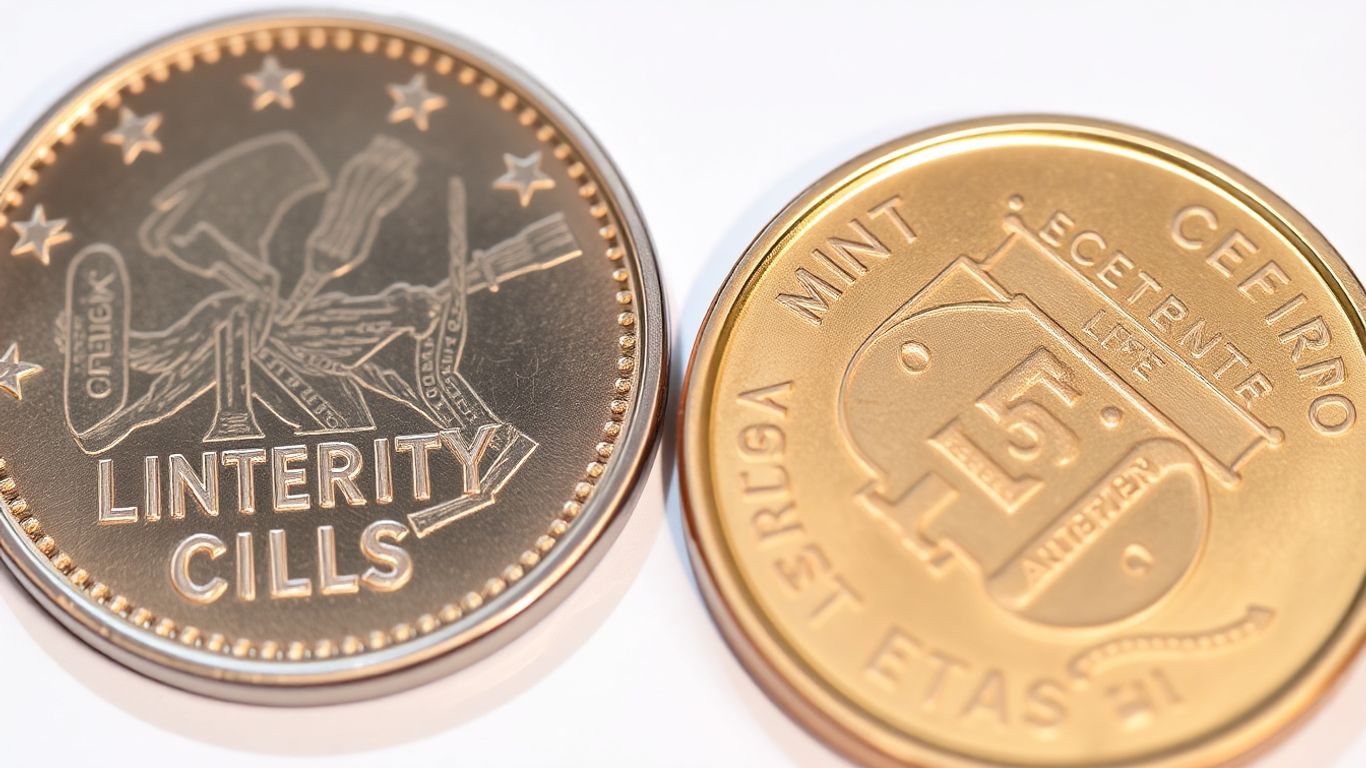
It’s easy to get a little mixed up when you’re first learning about coins, especially when you hear terms like ‘proof’ and ‘uncirculated’ thrown around. Let’s clear up a few common misunderstandings that pop up.
Are Proof Coins a Type of Uncirculated Coin?
This is a big one. While proof coins are never meant to be spent and therefore don’t enter circulation, they aren’t exactly the same as standard uncirculated coins. Think of it this way: all proof coins are uncirculated, but not all uncirculated coins are proof coins. Uncirculated coins are simply coins that haven’t been used as money. Proof coins, on the other hand, are made using special techniques to highlight their design, often with mirrored fields and frosted details. They’re struck multiple times with specially polished dies to achieve this distinct look. So, while they share the ‘no circulation’ trait, their production and intended finish are quite different.
Can Proof Coins Enter Circulation?
Technically, yes, a proof coin can end up in your pocket change, but it’s extremely rare and usually happens by accident. Someone might mistake a proof coin for just a regular, shiny coin and spend it. When this happens, the coin is no longer considered a proof coin in the numismatic sense because it has been circulated. It’s like finding a rare gem in the rough – unexpected and changes its status. If you happen to find one, it’s definitely worth getting appraised, as it might have a story to tell. You can find resources to help you determine the value of your coins here.
Distinguishing Error Coins
Sometimes, coins that aren’t quite right can be mistaken for proofs or special uncirculated coins. Error coins are produced when something goes wrong during the minting process. This could be anything from a double strike to a missing mint mark (though some coins, like those from the Philadelphia mint before a certain date, naturally lack a mint mark). These errors make them unique and often valuable, but they are distinct from proof coins, which are intentionally made with a specific, high-quality finish. It’s important to know the difference because the reasons for their value and their appeal to collectors are totally different.
Wrapping It Up
So, we’ve gone over what makes a proof coin different from an uncirculated one. It’s not just about looking shiny; it’s about how they’re made and what that means for collectors. Proof coins get that special treatment, struck multiple times with extra care, giving them that super sharp look with frosted designs and mirror backgrounds. Uncirculated coins, while still in great shape and never used for money, don’t get quite the same intensive process. Knowing these differences helps you figure out what you’re looking for, whether you’re just starting out or adding to a collection you’ve had for years. It really boils down to understanding the effort and detail that goes into each type, which is a big part of why people love collecting coins in the first place.
Frequently Asked Questions
What's the main difference between a proof coin and an uncirculated coin?
Think of it like this: Uncirculated coins are like brand new cars that have never been driven off the lot. They look great and haven’t been used. Proof coins are like collector’s edition cars, specially made with extra care and a super shiny finish, often with special contrasting designs. They’re made to be admired, not driven.
How can I tell if a coin is proof or uncirculated just by looking at it?
Proof coins usually have a really shiny, mirror-like background with designs that look frosted or matte. This contrast makes the details pop! Uncirculated coins look shiny too, but they don’t have that dramatic mirror-and-frost effect. They might have small marks from being handled at the mint, but no signs of wear from being used as money.
Are proof coins more valuable than uncirculated coins?
Often, yes! Proof coins are made with more care, struck multiple times, and produced in smaller numbers. This special treatment and rarity usually means they cost more and can become more valuable over time compared to regular uncirculated coins.
Can a proof coin ever be used as money and end up in my pocket change?
It’s rare, but it can happen! Sometimes a proof coin might accidentally get spent. If you find a coin that looks like a proof coin in your change, it’s definitely worth checking out because it could be quite special.
What does 'Mint State' mean when talking about uncirculated coins?
Mint State (often shown as MS) is a grading term for coins that have never been used as money. It means the coin is in the condition it was in when it left the mint. The higher the number after MS (like MS-65 or MS-70), the more perfect the coin is considered.
What's the deal with 'Brilliant Uncirculated' (BU) coins?
Brilliant Uncirculated coins are essentially top-quality uncirculated coins. They haven’t been used, and they have a nice shine or ‘luster.’ They are usually graded high on the Mint State scale, meaning they are very well-preserved examples of uncirculated coins.
Do mint marks on coins affect whether they are proof or uncirculated?
Mint marks (like ‘D’ for Denver or ‘S’ for San Francisco) tell you where a coin was made. While both proof and uncirculated coins can have mint marks, some mints, like San Francisco, are known for producing a lot of proof coins. It’s more about the mint’s production focus for that specific coin type.
Are proof coins considered a type of uncirculated coin?
Yes, you can think of proof coins as a special, high-end category within uncirculated coins. They are made using special methods and have a distinct appearance, but like uncirculated coins, they have not been used as currency.