Thinking about selling your old silver coins? If you’re in the Tampa area and have some of those classic silver dollars, half dollars, or quarters, you might be wondering where to find someone who actually wants them. It’s not always as simple as just walking into any shop. You want to make sure you’re dealing with people who know what they’re talking about and will give you a fair shake. This guide is here to help you figure out the best spots and practices for selling your constitutional silver coins buyers tampa.
Key Takeaways
- When looking for constitutional silver coins buyers in Tampa, check out local coin dealers who specialize in these types of coins.
- Understand the value of your coins by knowing their silver content and looking for any special dates or conditions.
- Get quotes from a few different buyers before deciding where to sell to make sure you’re getting a good price.
- Consider professional affiliations like PNG or ANA when choosing a dealer, as these often mean they are reputable.
- Don’t rush the selling process; research your coins and the market to get the best possible return.
Finding Reputable Constitutional Silver Coin Buyers in Tampa
So, you’ve got some old silver coins lying around, maybe inherited them or just collected them over the years. These aren’t just any coins; they’re what folks in the know call ‘constitutional silver.’ Think dimes, quarters, and half-dollars minted before 1965. They’re made of 90% silver, which means they have value beyond just being a cool piece of history. Figuring out where to sell them in Tampa without getting shortchanged is the main goal here.
Understanding the Value of Your Silver Coins
Before you even think about selling, it’s good to have a basic idea of what you’re holding. Constitutional silver coins have two layers of value:
- Melt Value: This is based on the silver content. If silver prices are up, your coins are worth more just for the metal. You can usually find the current silver price online and do a quick calculation based on the weight and purity of your coins.
- Numismatic Value: This is the collector’s value. Some coins are rarer than others due to their date, mint mark, or condition. A common 1964 quarter might only be worth its silver content, but a rare date in great shape could be worth significantly more to a collector.
Why Tampa is a Hub for Coin Collectors
Tampa and the surrounding areas have a pretty active community of coin enthusiasts. This means there are usually several dealers and shops that cater to collectors. Having a good number of buyers around is generally a good thing for sellers, as it can create a competitive market. Plus, Florida has a long history with coin collecting, drawing people from all over.
What to Look for in a Coin Buyer
When you’re ready to sell, you want to deal with someone honest and knowledgeable. Here are a few things to keep in mind:
- Reputation: Look for dealers who have been in business for a while and have good reviews. Check online or ask around.
- Transparency: A good buyer will explain how they arrive at their offer, whether it’s based on melt value or collector value.
- Professional Affiliations: Memberships in organizations like the American Numismatic Association (ANA) or the Professional Numismatists Guild (PNG) can be a good sign, though not always a requirement.
- Fairness: They should offer a price that reflects the current market for both silver and collectible coins.
Selling your constitutional silver coins doesn’t have to be a headache. The key is doing a little homework beforehand. Knowing what you have and understanding the different ways it can be valued will put you in a much stronger position when you talk to potential buyers in the Tampa area. It’s about finding that sweet spot between getting a fair price for your silver and finding a buyer who appreciates the numismatic side of things too.
Local Tampa Coin Dealers Specializing in Silver
When you’re ready to sell your constitutional silver coins, finding a trustworthy local dealer in Tampa is a smart move. These shops often have a good understanding of the local market and can offer a personal touch that online buyers might miss. They’re also convenient if you prefer to see your coins change hands in person.
National Gold Exchange, Inc. in Tampa
While the name might suggest a broader focus, National Gold Exchange, Inc. is a well-known spot for precious metals and coins. They deal with a variety of gold and silver items, and it’s worth checking if they have a specific interest in the types of constitutional silver you’re looking to sell. They often handle both bullion and collectible coins, so they can likely assess your collection accurately.
Gulf Coast Coin & Jewelry
This is another local establishment that often comes up when discussing coin and jewelry buyers in the Tampa Bay area. They typically have a wide range of items they purchase, including silver coins. It’s a good idea to call ahead or visit their store to see if they are actively buying the specific denominations and dates of your constitutional silver. They might offer a straightforward appraisal process.
Other Tampa Bay Area Coin Shops
Beyond the specific names mentioned, the Tampa Bay region has a number of smaller, independent coin shops. These can sometimes be hidden gems, offering competitive prices and a more intimate selling experience. When looking for these, consider:
- Reputation: Ask around in local collector circles or check online reviews for shops with a history of fair dealings.
- Specialization: Some shops might focus more on certain types of coins (e.g., U.S. silver dollars, early American coinage). See if their specialty aligns with your collection.
- Professional Affiliations: Look for dealers who are members of organizations like the American Numismatic Association (ANA) or the Professional Numismatists Guild (PNG). This often indicates a commitment to ethical practices.
It’s always a good practice to get quotes from a couple of different dealers before you commit to selling. This helps ensure you’re getting a fair price for your constitutional silver coins. Don’t be afraid to ask questions about their appraisal process and how they determine their offers.
Evaluating Your Collection for Sale
Before you head out to meet with potential buyers in Tampa, it’s a good idea to get a handle on what you actually have. This isn’t about becoming a numismatic expert overnight, but a little preparation goes a long way. Knowing the basics of your constitutional silver coins can help you have more productive conversations and avoid getting lowballed.
Identifying Common Constitutional Silver Coins
Constitutional silver refers to U.S. dimes, quarters, and half dollars minted before 1965. These coins are primarily made of 90% silver. The most common ones you’ll likely encounter are:
- Dimes: Roosevelt dimes (1946-1964), Mercury dimes (1916-1945), and Barber dimes (1892-1916).
- Quarters: Washington quarters (1932-1964), Standing Liberty quarters (1916-1930), and Barber quarters (1892-1916).
- Half Dollars: Kennedy half dollars (1964), Franklin half dollars (1948-1963), Walking Liberty half dollars (1916-1947), and Barber half dollars (1892-1915).
It’s also worth noting that some older silver dollars, like Morgan and Peace dollars, are also considered by many collectors, though they aren’t typically what people mean by "constitutional silver" in the context of dimes, quarters, and halves. The 50 State Quarters program, for instance, uses clad metal, not silver. Learn more about coin types.
Assessing Coin Condition and Rarity
Condition, or "grade," is a huge factor in a coin’s worth. A coin that looks worn will be worth less than one that’s nearly perfect. Buyers often look at:
- Wear: How much detail is still visible? Are the high points (like the hair on Liberty’s head or the eagle’s wings) worn smooth?
- Damage: Are there any nicks, scratches, bends, or corrosion?
- Luster: Does the coin still have its original shine, or does it look dull?
Rarity plays a role too. Some dates and mint marks are much harder to find than others. For example, a 1916-D Mercury dime is significantly rarer and more valuable than a common date Roosevelt dime. You can often find mint marks (like ‘D’ for Denver or ‘S’ for San Francisco) on the reverse side of quarters and dimes, or below the date on half dollars.
Don’t get too caught up in trying to perfectly grade your coins yourself. It takes years of experience. Your goal here is to get a general idea, not to become an expert grader. Focus on obvious wear and any significant damage.
Understanding Silver Content and Melt Value
For most constitutional silver coins, the primary value comes from their silver content. This is often referred to as "melt value." A quick way to estimate this is to know that dimes, quarters, and half dollars minted before 1965 are 90% silver. You can find online calculators that will tell you the current melt value based on the spot price of silver. This gives you a baseline for what your coins are worth purely as silver. However, remember that some coins, due to their rarity or condition, can be worth much more than their melt value. It’s important to consider both aspects when evaluating your collection.
The Selling Process with Tampa Buyers
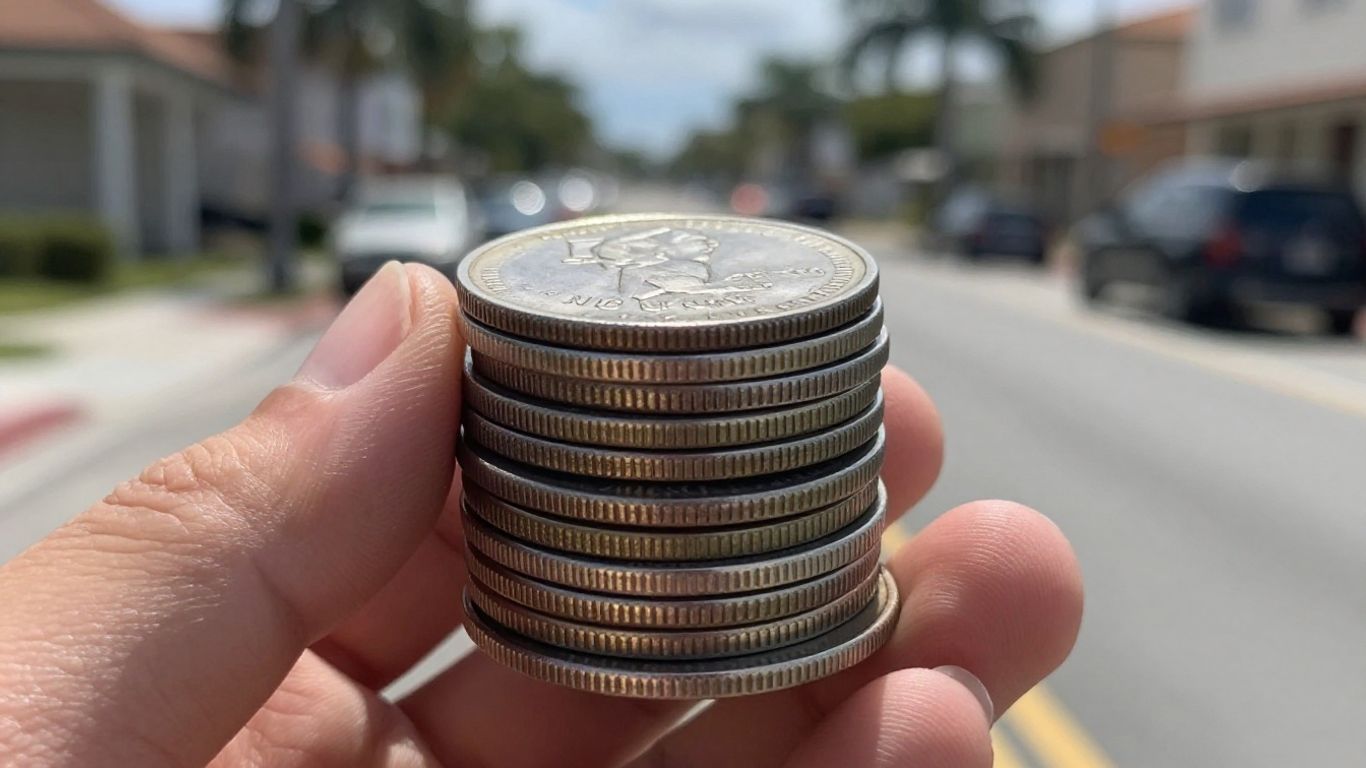
So, you’ve decided it’s time to part with some of your constitutional silver coins. That’s a big step! Before you rush off to the first shop you see, let’s talk about how to make this process as smooth and profitable as possible right here in Tampa. It’s not just about handing over your coins; it’s about getting a fair shake.
Getting Multiple Appraisals
Think of this like getting a second opinion before a big decision. You wouldn’t buy a car without checking a few places, right? Selling your coins should be no different. Taking your collection to several reputable dealers in the Tampa area is a smart move. Each dealer might see slightly different aspects of your coins, or simply have different buying needs at that moment. This helps you build a clearer picture of what your collection is truly worth.
Here’s a quick way to approach it:
- Visit at least three different dealers. This gives you a good range of opinions.
- Ask for a written appraisal or offer. This is important for comparison and keeps things professional.
- Don’t feel pressured to sell on the spot. Take your time to review the offers.
Negotiating Fair Prices
Once you have a few offers in hand, it’s time to talk numbers. Negotiation is a normal part of selling, especially with valuable items like silver coins. Remember, the dealers are in business to make a profit, but you should aim for a price that reflects the true value of your coins, considering both their silver content and any numismatic (collector) value they might have.
- Know your coins’ melt value. This is the baseline value based purely on the silver content. Online calculators can give you a rough idea.
- Understand collector value. Some coins, due to their date, mint mark, or condition, are worth more than just their silver. Researching common dates and key dates for the series you have can be helpful.
- Be polite but firm. State your case clearly, referencing your research or other offers if necessary.
Selling your coins is a transaction, and like any transaction, there’s room for discussion. Don’t be afraid to ask questions about how they arrived at their offer. A good buyer will be happy to explain their reasoning.
Secure Transaction Practices
This is perhaps the most important part. You want to walk away from the sale feeling confident that you were treated honestly and that the transaction was secure. Reputable dealers will have clear, established practices for buying coins.
Look for these signs of a secure transaction:
- Clear identification of the buyer. They should be a known business with a physical location.
- A detailed receipt. This should list the coins sold, the price paid for each, and the total amount.
- Payment options. Most dealers will pay in cash, check, or bank transfer. Be wary of unusual payment methods.
- Professional demeanor. They should be respectful of your property and your time.
Beyond Local Shops: Online and Mail-In Options
While Tampa has some great local dealers, don’t forget that the world of selling coins has expanded way beyond just walking into a shop. You’ve got options online and through the mail that can sometimes get you a better deal, or at least more options.
Reputable Online Coin Marketplaces
Online platforms can connect you with a much wider pool of buyers than you’d find locally. Think of it like a giant flea market, but for coins, and you can browse from your couch. Some sites are more like auction houses where you list your coins and people bid on them. Others are more like online stores where dealers buy directly from you.
- eBay: This is probably the biggest name out there. You can list your coins individually or as a lot. It’s important to take good pictures and write clear descriptions. Fees can add up, though.
- Dedicated Coin Forums/Marketplaces: There are websites specifically for coin collectors and dealers. These often have a more knowledgeable community, which can be good for getting fair prices, but might have fewer buyers than a general site.
- Online Coin Dealers: Many established brick-and-mortar dealers also have websites where they buy coins. You can often get an offer online before deciding to ship.
Always do your homework on any online platform before sending your coins. Look for reviews and see how long they’ve been in business.
Mail-In Services for Coin Evaluation
If you’re not comfortable selling directly online or don’t have the time, mail-in services are another route. You send your coins to a company, they evaluate them, and make you an offer. It’s convenient, but you lose a bit of control over the process.
- Major Coin Dealers: Some larger, well-known coin companies offer mail-in services. They often have a reputation to uphold, which can be reassuring.
- Auction Houses: Some coin auction houses will accept mail-in consignments. They’ll sell your coins for you and take a percentage.
When using mail-in services, make sure you understand their insurance and shipping policies. You want to know your coins are protected on their journey.
Comparing Offers from National Buyers
It’s a good idea to get offers from a few different places, whether they’re local Tampa shops, online marketplaces, or mail-in services. Prices can vary quite a bit.
Here’s a simple way to keep track:
| Buyer Type | Potential Offer 1 | Potential Offer 2 | Potential Offer 3 |
|---|---|---|---|
| Local Tampa Shop | $X | $Y | $Z |
| Online Marketplace | $A | $B | $C |
| Mail-In Service | $P | $Q | $R |
Don’t feel pressured to accept the first offer you get. Selling coins, especially valuable ones, takes a little patience. Getting multiple quotes is just smart business. It helps you understand the market value and ensures you’re not leaving money on the table.
The Importance of Professional Affiliations
When you’re looking to sell your constitutional silver coins, you want to make sure you’re dealing with someone trustworthy. That’s where professional affiliations come into play. Think of them like badges of honor for coin dealers. They show that a dealer is serious about their business and adheres to certain standards. It’s not just about having a storefront; it’s about being part of a larger community that values integrity and knowledge.
Understanding PNG and ANA Memberships
Two big names you’ll often see are the Professional Numismatists Guild (PNG) and the American Numismatic Association (ANA). Being a member of these organizations means a dealer has agreed to a code of ethics. The PNG, for instance, has pretty strict membership requirements, including a minimum number of years in business and a clean track record. The ANA is a huge organization for coin collectors and dealers alike, focused on education and promoting the hobby. Membership in these groups suggests a dealer is committed to fair practices. You can often find lists of their members on their respective websites, which is a good starting point for your search.
How Certifications Benefit Sellers
While not exactly certifications in the way you might think of a college degree, memberships in groups like the PNG and ANA act as a form of endorsement. They signal that a dealer is recognized by their peers and has committed to a certain level of professionalism. This can give you peace of mind. It means they’re likely to be more transparent about pricing and the condition of your coins. For example, a dealer who is a member of the American Numismatic Association is probably more invested in the long-term health of the coin collecting community, which usually translates to better treatment for sellers.
Red Flags for Unprofessional Dealers
So, what should make you pause? If a dealer isn’t upfront about their affiliations or seems hesitant to provide information about their business, that’s a warning sign. Also, be wary of anyone who pressures you to sell immediately or offers a price that seems too good to be true without a solid explanation. A lack of transparency is a big red flag. If they can’t explain how they arrived at their offer or if they’re dismissive of your questions, it might be best to look elsewhere. Remember, reputable dealers are happy to educate their clients and build trust.
Maximizing Your Return on Silver Coins
So, you’ve got some constitutional silver coins sitting around and you’re thinking about selling them. That’s great! But before you rush off to the first buyer you find, let’s talk about how to make sure you get the most bang for your buck. It’s not just about the silver content; sometimes, these coins are worth more than just their weight in metal.
Timing the Market for Optimal Sales
When you sell can make a big difference. Silver prices go up and down, kind of like the stock market, but usually a bit slower. If you’re not in a hurry, keeping an eye on the silver spot price can help. When prices are high, you’ll likely get more for your coins, especially if they’re being valued mostly for their silver content. It’s a bit of a gamble, sure, but waiting for a favorable market can pay off.
Considering Bulk Sales vs. Individual Coins
This is a big one. Are you selling a few common silver dimes and quarters, or do you have some rarer pieces mixed in? For common coins, selling them in a larger lot might be easier and get you a decent price, especially if a dealer is buying them for melt value. However, if you have coins with special dates or in really good condition, selling them individually might get you a much better return. A dealer might offer you a lower price for the whole batch if they have to sort through a lot of common stuff to find the gems.
Here’s a general idea of how value can break down:
| Coin Type | Primary Value Driver | Potential for Higher Value | Notes |
|---|---|---|---|
| Common Silver Dimes/Quarters | Melt Value | Low | Best sold in bulk for silver content. |
| Silver Dollars | Melt Value / Numismatic | Medium | Some dates/conditions can be quite valuable. |
| Rare Dates/Mint Marks | Numismatic Value | High | Condition and rarity are key factors. |
| Proof/Uncirculated Coins | Numismatic Value | High | Often command premiums over melt. |
The Role of Numismatic Value
This is where things get interesting. ‘Numismatic value’ is just a fancy way of saying the coin is worth more than its silver content because it’s collectible. This can be due to:
- Rarity: How many were made, and how many still exist?
- Condition: Is it worn out, or is it in amazing shape (like uncirculated)?
- Demand: Are collectors actively looking for this specific coin?
- Historical Significance: Does it have a unique story or connection to an event?
Coins that are rare, in excellent condition, or highly sought after by collectors can be worth significantly more than their silver weight. Don’t let a buyer focus only on the melt value if your coins have numismatic appeal.
When you’re talking to potential buyers, especially those who deal in bulk silver, make sure they’re not overlooking the collector’s value of your coins. Sometimes, a dealer might offer you a price based purely on silver weight, which is fine for common pieces, but it can shortchange you if you have something special. Always ask if they’ve considered the date, mint mark, and overall condition for potential numismatic value. It’s worth getting a second opinion if you suspect your coins might be more than just silver.
Navigating Tampa's Coin Collecting Community
Local Coin Clubs and Shows
Getting involved with local coin clubs and attending shows is a fantastic way to connect with other collectors and dealers in the Tampa Bay area. These groups often have regular meetings where members share knowledge, discuss market trends, and sometimes even trade coins. It’s a low-pressure environment to learn more about your collection and get a feel for what others are interested in. Plus, coin shows are a treasure trove of information and potential buyers. You can often find dealers who specialize in the exact type of coins you have, and it’s a great chance to see a wide variety of material firsthand.
- Tampa Bay Coin Club: Check their meeting schedule and location. They often have guest speakers and educational sessions.
- Florida United Numismatists (FUN) Convention: While a larger, statewide event, it’s a must-attend for serious collectors and sellers. It happens annually and draws dealers from all over.
- Local Shows: Keep an eye out for smaller, regional coin shows that pop up throughout the year. These can be more intimate and offer a chance for direct interaction.
Networking with Fellow Collectors
Building relationships within the numismatic community can be surprisingly beneficial. Talking to other collectors can give you insights into pricing, rarity, and even potential buyers who might be looking for specific items in your collection. Don’t be shy about striking up conversations at club meetings or shows. Most collectors are passionate about their hobby and happy to share their experiences. You might even find someone who can offer advice on the best way to sell your specific coins, or perhaps they’ll be interested in buying them directly.
Building a network isn’t just about finding buyers; it’s about gaining knowledge and perspective. The collective wisdom of experienced collectors can help you avoid common pitfalls and make more informed decisions about your collection.
Resources for Continuous Learning
Staying informed is key, especially when you’re looking to sell. Beyond local clubs and shows, there are other resources to help you learn more about constitutional silver coins and the market. Reading numismatic publications, following reputable online forums, and even visiting local libraries for coin-related books can all contribute to your knowledge base. The more you know, the better equipped you’ll be to evaluate your collection and negotiate effectively with potential buyers. It’s about understanding not just the silver content, but also the historical and collector value of your coins.
Common Mistakes to Avoid When Selling
Selling your constitutional silver coins can be a great way to get some cash, but it’s easy to mess things up if you’re not careful. People often rush into it without doing their homework, which can cost them a good chunk of money. Let’s talk about some of the common pitfalls so you don’t fall into them.
Selling Too Quickly Without Research
One of the biggest mistakes folks make is just grabbing the first offer that comes their way. You might be excited to get rid of the coins, but if you haven’t looked into what they’re actually worth, you could be leaving money on the table. It’s like selling your car without checking Kelley Blue Book – you might get an offer, but is it a good offer?
- Know your coins: Before you even talk to a buyer, try to get a general idea of what you have. Are they common dates or something rarer? What condition are they in? A quick search online or a look at a coin price guide can give you a starting point.
- Understand melt value: For constitutional silver, the silver content itself has a baseline value. Knowing the current spot price of silver and how much silver is in your coins is a good first step.
- Research buyers: Don’t just go to the first shop you find. Look for dealers with good reviews and a solid reputation in the Tampa area. You can check online forums or ask other collectors for recommendations.
It’s really important to remember that the coin market can fluctuate. What might be a great price today could be less so tomorrow, and vice versa. Patience and a little bit of knowledge go a long way.
Accepting the First Offer Received
This ties into the first point, but it’s worth emphasizing. You might get an offer that sounds decent, especially if you’re eager to sell. However, different buyers will have different profit margins and different needs. A dealer who specializes in silver bullion might offer less for a rare coin than a dealer who focuses on numismatic value. It pays to shop around. Think about it like selling a house; you wouldn’t accept the first offer without considering others, right? Getting multiple appraisals from different Tampa Bay Area coin shops can give you a much clearer picture of your collection’s true worth.
Overlooking the Value of Rare Dates
Constitutional silver coins, like dimes, quarters, and half dollars, are often valued based on their silver content. However, some specific dates and mint marks can be significantly more valuable to collectors than others, regardless of the silver price. These are often called
The Future of Constitutional Silver Coin Markets
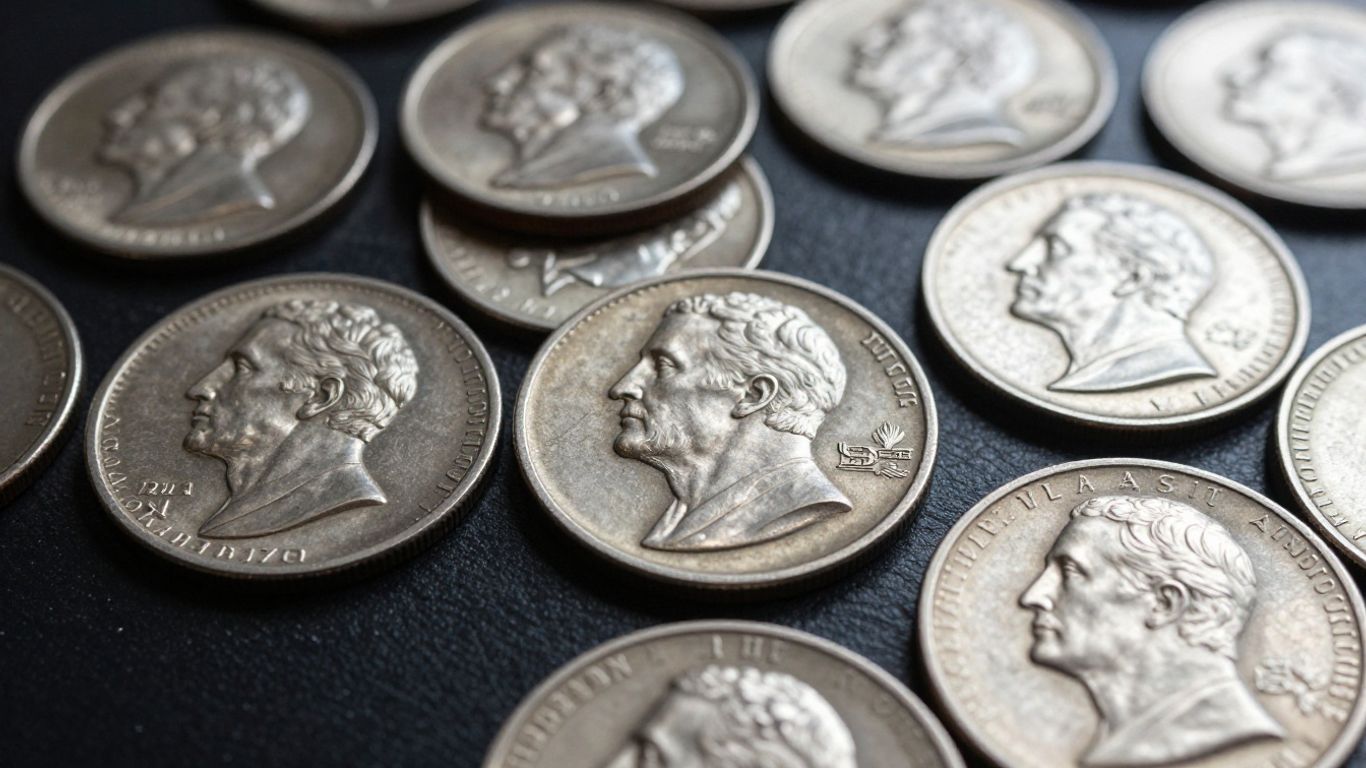
Thinking about what’s next for your constitutional silver coins? It’s a good question to ask, especially if you’re considering selling or just want to keep an eye on things. The market for silver, including these older coins, can be a bit of a rollercoaster, influenced by global economics, industrial demand, and even collector interest. Right now, the silver market is actually looking pretty tight. Reports suggest we’re heading for a deficit for the sixth year in a row, with a significant shortfall expected in 2025. This kind of supply-demand imbalance can definitely impact prices.
Current Trends in Silver Coin Demand
Demand for silver coins, particularly those with intrinsic silver value like your constitutional pieces, is pretty steady. While some collectors focus on rare dates and mint marks for their numismatic value, a large segment of the market is driven by the silver content itself. This means that even common dates can hold significant value, especially when silver prices are on the rise. Industrial uses for silver, like in electronics and solar panels, also play a big role. As technology advances and more green energy solutions are adopted, the demand for silver in manufacturing could increase, which would likely support coin prices.
Investment Potential of Silver Holdings
Many people see constitutional silver coins as a tangible asset, a way to hold onto something with real value. Unlike stocks or bonds, these coins are physical items you can hold. Their value is tied to both the silver market and their collectible status. For those looking to diversify their investments, silver coins offer a different kind of security. The combination of silver’s industrial and monetary history makes it a unique investment. It’s not just about the metal; it’s about the history and the tangible nature of the coins themselves. If you’re thinking about adding to your holdings, looking at reputable dealers for U.S. Gold and Silver Rare Coins can be a good start.
Preparing Your Collection for Future Sales
So, how do you get your collection ready for whatever the future holds? It’s not just about stuffing them in a drawer. Here are a few things to consider:
- Organization: Keep track of what you have. Knowing the dates, mint marks, and any special features of your coins will be a big help when it’s time to sell.
- Condition: While you shouldn’t clean your coins (it can hurt their value!), keeping them in protective holders can prevent damage.
- Research: Stay informed about silver prices and the coin market. Knowing current trends will help you get a fair price.
The market for silver coins is influenced by a mix of factors, from global silver supply and demand to the specific appeal of individual coins. Understanding these dynamics can help you make informed decisions about your collection, whether you’re a seasoned collector or just starting out. It’s a good idea to keep an eye on how industrial demand and economic trends might affect the price of silver over time.
When you’re ready to sell, remember that Tampa has several reputable dealers who can help you get a fair price for your constitutional silver. Doing your homework beforehand will always pay off.
Wrapping It Up
So, you’ve got your constitutional silver coins and you’re looking to sell them here in Tampa. We’ve talked about a few places that might be able to help you out. It’s always a good idea to do a little homework before you go in, maybe get a couple of opinions if you can. Finding the right buyer can make a big difference in what you get for your coins. Good luck out there!
Frequently Asked Questions
What exactly are constitutional silver coins?
Constitutional silver coins are U.S. coins made before 1965 that contain actual silver. Think of dimes, quarters, and half-dollars from that era. They’re called ‘constitutional’ because they were once part of the official money system of the United States.
Why would someone want to buy these old silver coins?
People buy these coins for a couple of main reasons. Some collect them because they’re interesting pieces of history. Others buy them for the silver content itself, as the value of the silver inside can be worth more than the coin’s face value.
How do I know if my coins are valuable?
The value depends on a few things. First, how much silver is in the coin. Second, its condition – is it worn out or in great shape? Lastly, some coins are rare because of their date or how many were made, making them more valuable to collectors.
Where can I find coin buyers in Tampa?
Tampa has several places that buy coins. You can look for local coin shops, jewelry stores that deal in precious metals, or even coin shows that sometimes come to town. National Gold Exchange and Gulf Coast Coin & Jewelry are two examples often mentioned.
What should I look for in a coin buyer?
A good buyer should be honest and knowledgeable. Look for businesses that are members of professional groups like the American Numismatic Association (ANA) or the Professional Numismatists Guild (PNG). They should also be willing to explain how they arrived at their price.
Should I get more than one price for my coins?
Absolutely! It’s always a smart idea to get offers from a few different buyers. This way, you can compare prices and make sure you’re getting a fair deal for your silver coins.
Can I sell my coins online if I don't live near Tampa?
Yes, you can. There are many reputable websites and mail-in services that buy coins. Just be sure to research them carefully and read reviews before sending your collection anywhere.
What's the difference between melt value and collector value?
Melt value is simply the worth of the silver in the coin if it were melted down. Collector value, or numismatic value, is what a coin is worth to someone who wants to add it to their collection. Sometimes, a coin’s collector value is much higher than its melt value.