
So, you’ve got some coins, huh? Maybe you just picked up a few cool ones, or perhaps you’ve inherited a whole stash. Whatever the case, keeping them safe and looking good is a big deal. It’s not just about making sure they don’t get lost; it’s about preserving a bit of history. This coin storage best practices guide is here to help you figure out the best way to store your collection, so it stays in great shape for a long, long time. We’ll cover what to use, what to avoid, and how to handle them like a pro. Let’s get your coins sorted!
Key Takeaways
- Use the right holders, albums, or capsules made from safe materials like Mylar or inert plastics. Always check if they are PVC-free.
- Keep your coins in a stable environment. Avoid big swings in temperature and humidity, and keep them out of direct sunlight.
- Handle coins carefully by their edges, preferably with cotton gloves, to avoid transferring oils and dirt that can cause damage.
- Never clean your coins yourself unless you really know what you’re doing. Often, cleaning can hurt their value more than help.
- Store valuable coins in a secure place like a home safe or a bank deposit box, but make sure that location also has controlled temperature and humidity.
Understanding Coin Storage Best Practices Guide Essentials
The Importance of Proper Coin Preservation
Think of your coin collection not just as a bunch of metal discs, but as tiny time capsules. Each one tells a story, a piece of history you can hold in your hand. To keep those stories clear and the coins looking their best, proper preservation is key. It’s not just about keeping them shiny; it’s about maintaining their condition, which directly impacts their value, both sentimental and financial. Without the right care, things like humidity, temperature swings, or even just touching them the wrong way can cause damage that’s hard, sometimes impossible, to fix. We want these pieces of history to last, right?
Key Elements of Coin Storage Best Practices
So, what goes into keeping your coins safe? It boils down to a few main things:
- The Right Environment: This means keeping things stable. Think consistent room temperature and low humidity. Big swings can cause all sorts of problems, like tarnish. Also, keep them out of direct sunlight – it can fade them over time.
- Protective Holders: You need something to put them in. We’re talking about individual holders, albums, or capsules made from materials that won’t harm the coin. More on this later, but the big no-no is anything with PVC.
- Careful Handling: How you touch and move your coins matters a lot. Using gloves and holding coins by their edges are simple steps that make a big difference.
- Avoiding Harmful Materials: Some common items can actually damage coins. Things like certain plastics (PVC again!), regular paper, and even rubber bands can release chemicals that cause discoloration or corrosion.
Keeping your coins in good shape isn’t rocket science, but it does require paying attention to the details. It’s about creating a safe haven for each coin, shielding it from things that can degrade it over time.
Preserving Value and Longevity
Ultimately, all these best practices boil down to two main goals: preserving the value and ensuring the longevity of your collection. A coin that’s been stored improperly might look okay for a while, but over years, damage can creep in. Tarnish, corrosion, or scratches can significantly reduce what a coin is worth. By taking the time to use the right holders, control the environment, and handle them with care, you’re not just protecting a hobby; you’re safeguarding an investment and a piece of history for the future. It’s about making sure that coin you found or bought today will still be in great shape for your kids, or even grandkids, to appreciate.
Selecting Optimal Coin Storage Solutions
Alright, so you’ve got some coins you want to keep nice. That’s great! But just tossing them in a drawer isn’t going to cut it if you want them to look good and keep their value. Picking the right spot for your coins is a big deal, and thankfully, there are some solid options out there.
Choosing the Right Coin Holders and Flips
Think of these as little individual homes for each coin. They’re usually made of plastic or cardboard and keep your coins from bumping into each other. It’s super important to make sure whatever you pick is "PVC-free." Seriously, PVC is bad news for coins; it can break down and mess them up over time. You’ll find different sizes, so grab ones that fit your coins snugly. Some flips have two pockets, one for the coin and one for a little card where you can write down details.
Utilizing Coin Albums and Binders Effectively
If you’ve got a bunch of coins, especially if they’re part of a set or a theme, albums are your best friend. They’re like scrapbooks for your coins. You can get albums with pre-cut slots for specific coin series, or ones with clear pages where you can slide your coins in. The key here is to look for albums with acid-free pages and those PVC-free sleeves we talked about. Overcrowding is also a no-go; give your coins a little breathing room.
Understanding Coin Capsules for Maximum Protection
For your really special or valuable coins, you might want to go with coin capsules. These are like little clear plastic bubbles that completely surround the coin, often with a snug fit. They offer a really good barrier against dust, moisture, and even minor bumps. They’re great because you can still see both sides of the coin clearly, but it’s got that extra layer of defense. They come in all sorts of sizes, so measure your coin first.
Considering Safe Deposit Boxes and Home Safes
Now, if you’ve got a collection that’s worth a pretty penny, or just something you want to keep extra secure, think about a safe deposit box at a bank or a good home safe. A safe deposit box offers security against theft and sometimes fire, but remember to check the conditions inside – humidity can be an issue. A home safe gives you quick access, but make sure it’s rated for both fire and water protection. It’s like a vault for your treasures right at home.
Creating the Ideal Coin Storage Environment
So, you’ve got your coins, maybe you just picked up a few new ones or you’re finally getting around to organizing that box in the closet. The next big step, and it’s a really important one, is making sure they’re stored in a place that’s actually good for them. Think of it like giving your coins a comfy, stable home where they won’t get stressed out. Because, believe it or not, the environment around your coins can make a huge difference in how long they last and how nice they look.
Controlling Temperature and Humidity Levels
This is probably the most talked-about part of coin storage, and for good reason. Fluctuations in temperature and humidity are like a rollercoaster for your coins, and they don’t enjoy the ride. When the air gets too damp, especially with certain metals, you can start seeing all sorts of unpleasant reactions, like tarnish or even corrosion. On the flip side, extreme heat or cold isn’t great either. The goal is stability. You want a place that stays pretty consistent, day in and day out. For most collectors, aiming for a steady room temperature, somewhere in the ballpark of 65–70°F, is a good target. As for humidity, keeping it on the drier side is generally better. A relative humidity around 40% is often cited as a sweet spot. If you live somewhere really humid or dry, you might need to think about using dehumidifiers or humidifiers, or even silica gel packs to help regulate things within your storage containers. It’s all about creating that calm, predictable atmosphere.
The biggest enemies of coin preservation are often invisible: fluctuating temperatures and uncontrolled humidity. These environmental shifts can cause metals to expand and contract, leading to stress and potential damage over time, while moisture can accelerate tarnishing and corrosion.
Minimizing Light Exposure
You know how leaving your favorite book out in the sun for too long can make the pages yellow and brittle? Coins can have a similar reaction, though it’s usually more about discoloration. Prolonged exposure to light, especially direct sunlight, can cause the surfaces of your coins to fade or change color in ways you probably won’t like. It’s not usually a rapid process, but over years, it can definitely affect the appearance of your collection. So, where should you keep your coins? A dark closet, a drawer, or inside a cabinet are all good options. If you’re displaying them, try to use display cases that offer some protection from light, or at least keep them out of direct sunbeams. It’s a simple step, but it helps keep those colors looking fresh.
Ensuring a Clean Storage Surface
Before you even think about putting a coin down, whether it’s for a quick look or to place it in its long-term holder, make sure the surface you’re using is clean. We’re talking about dust, grime, or any other little bits that might be hanging around. These things can scratch the coin’s surface, especially if it’s a softer metal. It’s also about preventing contamination. Think about using a soft, lint-free cloth or a dedicated coin mat when you’re handling or temporarily placing your coins. This provides a buffer and helps avoid any accidental damage. It’s a small detail, but it’s part of that overall care that keeps your collection looking its best. You can find some good coin mats online that are specifically designed for this purpose.
Materials to Avoid in Coin Storage
When you’re building up your coin collection, it’s easy to get excited about all the cool holders and albums out there. But hold on a second, not everything is good for your coins. Some common stuff can actually wreck them over time, and you definitely don’t want that. Let’s talk about what to steer clear of.
Identifying and Avoiding PVC Contamination
This is a big one. PVC, or polyvinyl chloride, is a type of plastic that’s used in a lot of everyday items, including some coin flips and holders. The problem is, PVC breaks down over time. When it does, it releases chemicals, specifically hydrochloric acid, that are really bad news for metal. This acid can cause a sticky, green, or sometimes rainbow-like residue on your coins. It’s often called ‘PVC damage,’ and it can be really hard, sometimes impossible, to get rid of without hurting the coin’s surface. Always check that your coin holders and flips are labeled ‘PVC-free’ or made from inert materials like Mylar or polyethylene. It’s worth the extra effort to find the right stuff.
Understanding the Risks of Paper and Cardboard
Okay, so paper and cardboard seem pretty harmless, right? Not always. Some older types of paper and cardboard, especially the cheaper ones, can contain sulfur. Sulfur is a coin’s enemy. It can react with the metal on your coins and cause them to tarnish, leaving dark spots or a general dullness. Think of it like a slow-acting poison for your collection. If you’re using paper envelopes or cardboard inserts, make sure they’re specifically made for archival purposes and are sulfur-free. Regular notebook paper or construction paper? Definitely not a good idea for long-term coin storage.
Recognizing the Dangers of Rubber Bands
Rubber bands are super convenient for keeping things together, but they’re a definite no-go for coins. Like some plastics, rubber can degrade over time. As it breaks down, it can release sulfur compounds, which, as we just talked about, cause tarnishing. Plus, the rubber itself can stick to the coin’s surface, leaving a messy residue that’s tough to clean off. If you’ve got coins bundled up with rubber bands, it’s time to carefully unwrap them and find a better storage solution. Seriously, just avoid them altogether when it comes to your collection.
Proper Coin Handling Techniques
Alright, let’s talk about actually touching your coins. It might seem straightforward, but believe me, there’s a right way and a whole lot of wrong ways to do it. Mishandling is one of the quickest ways to put a dent in your collection’s value, and not in a good way.
The Importance of Wearing Cotton Gloves
So, why the fuss about gloves? It’s all about those tiny oils and dirt particles on our skin. Even if you just washed your hands, there are still residues that can transfer onto a coin’s surface. Over time, these can cause discoloration, dullness, or even lead to more serious issues like corrosion, especially on softer metals. Wearing clean, lint-free cotton gloves is your first line of defense against this kind of damage. It creates a barrier, keeping your skin’s natural oils away from your precious metal.
Grasping Coins by Their Edges
When you do need to pick up a coin, make it a habit to hold it by its edge. Think of it like holding a dinner plate – you don’t grab the surface, right? The same applies here. By gripping the coin’s rim, you avoid touching the main faces (the obverse and reverse). This is super important for preventing fingerprints, which can be surprisingly hard to remove and can etch into the metal over time. It might feel a little awkward at first, but it quickly becomes second nature.
Avoiding Dropping and Sudden Movements
This one might sound obvious, but you’d be surprised how often accidents happen. Coins can be slippery, especially if you’re not using gloves or if the coin itself has a smooth finish. Always handle your coins gently and deliberately. Avoid any sudden jerks or movements, and make sure you’re working over a soft surface, like a felt pad or a clean cloth. Dropping a coin, even just a short distance, can cause nicks, dents, or even cracks, particularly with softer metals like gold. If you’re examining coins, it’s a good idea to do so at a table where they can’t easily roll off. For those really valuable pieces, consider using specialized coin tongs that have soft, padded tips, which offer an even more secure grip. You can find these at most coin supply stores.
Handling coins properly isn’t just about keeping them looking pretty; it’s about preserving their historical integrity and their monetary worth. Every fingerprint, every tiny scratch, can detract from what makes a coin special to collectors and historians alike. Treat each piece with the respect it deserves, and it will reward you with its enduring beauty and value.
The Risks and Best Practices of Coin Cleaning
When it comes to coin collecting, cleaning is a topic that can get pretty heated. Most seasoned collectors will tell you to leave well enough alone. Seriously, in most cases, cleaning a coin can actually hurt its value more than it helps. It’s tempting, I know. You see a coin that’s a bit dull or has some grime on it, and you just want to make it shine. But that shiny new look might cost you a lot down the road.
When to Seek Professional Cleaning Advice
Before you even think about grabbing a cloth, consider this: is the coin truly dirty, or does it just have a natural patina? Patina is that surface coloration that develops over time, and for many older coins, it’s a sign of age and authenticity. Removing it can strip away history and desirability. If you have a coin that’s genuinely covered in something harmful, like active corrosion or residue from a bad storage situation (think sticky green PVC gunk), it’s best to consult a professional. Services like PCGS or NGC offer restoration, which is different from simple cleaning. They can remove harmful contaminants without damaging the coin’s surface. It’s like a specialized surgery for your coins, not a spa day.
Why Abrasive Cleaners Damage Coins
So, what happens when you try to clean a coin yourself with the wrong stuff? Abrasives are the big enemy here. Think of things like harsh scrubbing pads, gritty polishes, or even just rubbing too hard with a cloth. These actions can create microscopic scratches all over the coin’s surface. These aren’t always visible to the naked eye, but they change how light reflects off the coin, making it look dull or ‘scratched’ under magnification. This is called ‘hairlining,’ and it significantly lowers a coin’s grade and, therefore, its value. Even common household cleaners, like vinegar or lemon juice, are too acidic and can cause irreversible damage.
Understanding Professional Restoration Services
Professional restoration is a bit different from what most people think of as cleaning. It’s usually reserved for coins that have suffered damage from environmental factors or poor handling. These services aim to remove harmful substances that are actively degrading the coin, like active corrosion, PVC damage, or even old fingerprint oils that can eat away at the metal over time. They use specialized techniques and solutions to carefully remove these contaminants without altering the coin’s original surface or patina. It’s a delicate process, and not all coins are good candidates. Sometimes, even professional restoration can alter a coin’s appearance, which is why it’s always a last resort and best handled by experts.
Here’s a quick rundown of what to avoid:
- Harsh Chemicals: Never use anything acidic or alkaline, like vinegar, lemon juice, or strong household cleaners.
- Abrasive Materials: Avoid scouring pads, steel wool, rough cloths, or even vigorous rubbing with soft cloths.
- Improper Tools: Don’t use toothbrushes, metal brushes, or anything that can scratch the surface.
The temptation to ‘improve’ a coin’s appearance is strong, especially with older, tarnished pieces. However, the patina and natural toning that develop over decades are often what give a coin its character and historical appeal. Removing these features can make a coin look artificial and less desirable to collectors who value authenticity and age.
Ensuring Security for Your Coin Collection
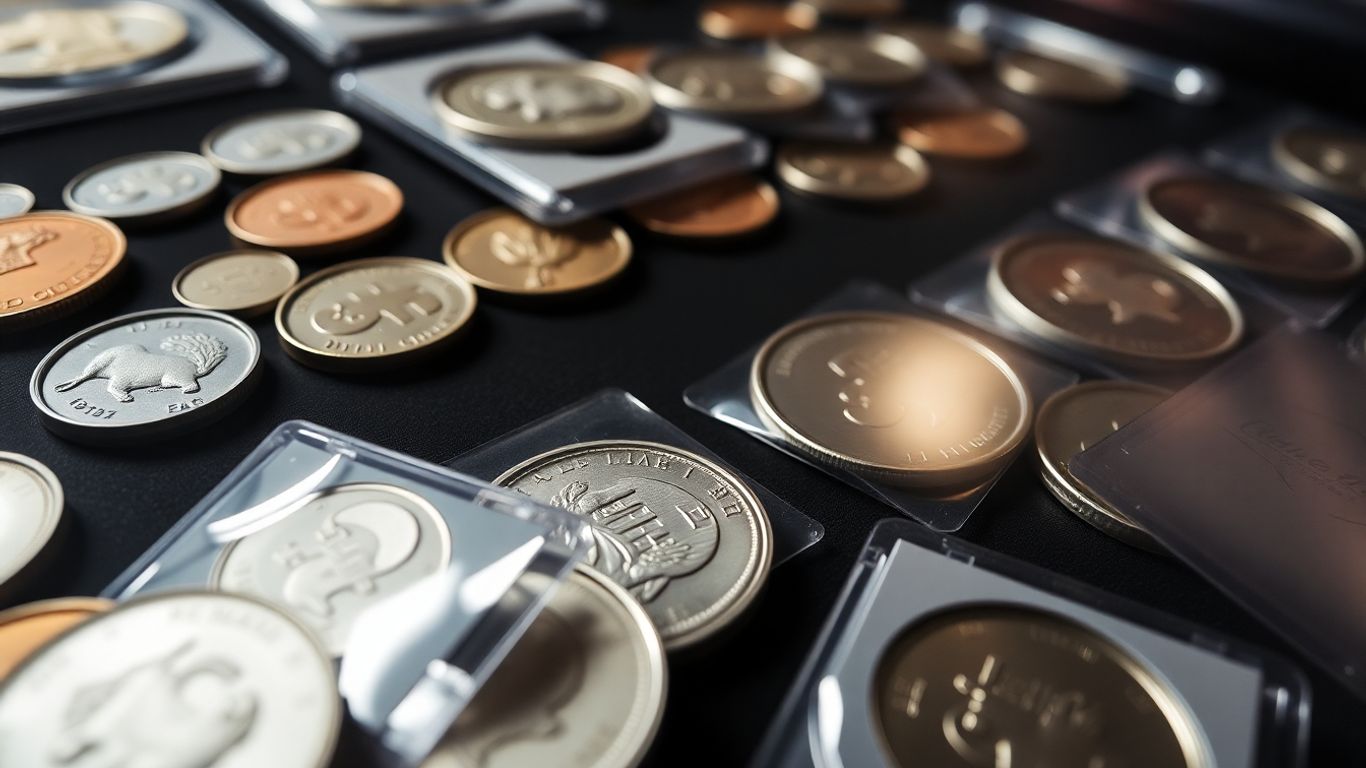
Alright, so you’ve got this awesome collection of coins, right? It’s not just about how pretty they look or how much they’re worth on paper. It’s about keeping them safe from sticky fingers and, you know, the general chaos of life. Think of it like protecting a treasure. You wouldn’t leave a chest of gold lying around, would you? Same idea here.
Evaluating Bank Safe Deposit Boxes
Banks offer safe deposit boxes, and they sound pretty secure, don’t they? They’re usually in a vault, which is definitely a step up from a shoebox under your bed. It’s a good spot for your really valuable pieces, the ones that make your heart skip a beat if you think about them too hard. But here’s the thing: banks can be a bit damp sometimes. Humidity is not a coin’s best friend, so you might want to keep an eye on that. Maybe pop in a silica gel pack if you’re worried. Also, remember that you can only get to your coins when the bank is open. So, if you suddenly get the urge to admire your rare penny at 10 PM on a Sunday, you’re out of luck.
Choosing Between Fireproof and Waterproof Home Safes
Then there’s the home safe option. This is super convenient because your collection is right there when you want it. But not all safes are created equal. You really need to think about what you’re protecting against. A fireproof safe is great if you’re worried about, well, fires. It’ll keep your coins from melting into a weird, shiny puddle. A waterproof safe is the ticket if you live in an area prone to flooding or if you’re just generally clumsy with liquids. Ideally, you want a safe that’s both fireproof and waterproof. It’s like a double layer of protection. Make sure you pick a size that fits your collection now, with a little room to grow, and put it somewhere not-so-obvious. Nobody needs to know where your valuables are stashed.
Here are a few things to keep in mind when picking a home safe:
- Size: Don’t get one that’s too small. You’ll regret it when you buy that next amazing coin.
- Security Rating: Look for safes with good ratings for fire and water resistance. The longer it can withstand heat or submersion, the better.
- Lock Type: Combination locks are pretty standard, but some have electronic keypads. Pick what feels most secure and easy for you to remember.
- Weight and Installation: A heavy safe is harder to steal. Some people even bolt them down. Think about how you’ll install it so it’s as secure as possible.
Keeping your coins safe isn’t just about locking them away. It’s about making smart choices based on what you’re collecting and what risks are out there. A little bit of planning goes a long way in protecting your numismatic treasures.
Organizing and Displaying Your Coin Collection
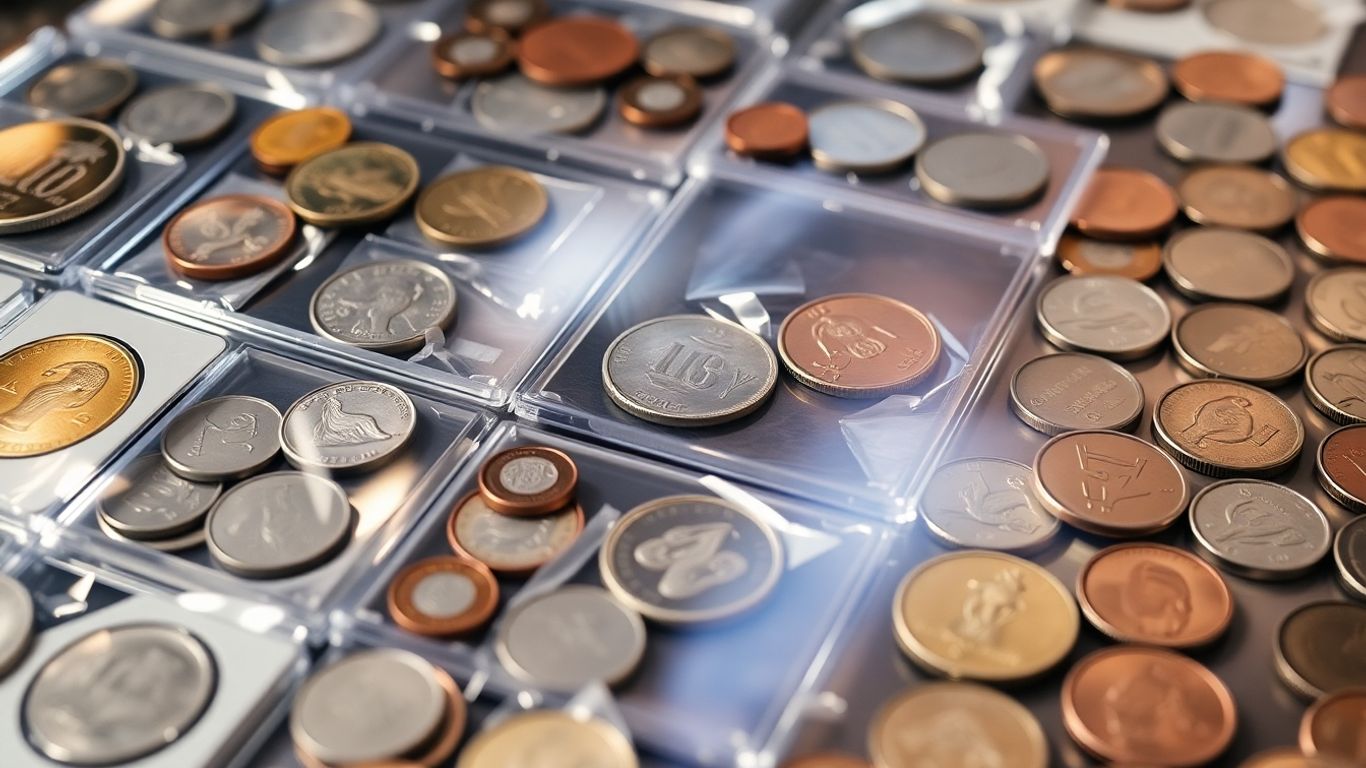
Developing a Consistent Organizational System
Okay, so you’ve got your coins, and you’ve got your holders. Now what? It’s time to make sense of it all. Think of it like tidying up your closet – you wouldn’t just shove everything in there, right? Same goes for your coins. A good system makes finding things a breeze and stops you from accidentally damaging a coin while digging for another. The most straightforward way to start is by denomination. Pennies with pennies, nickels with nickels, and so on. It’s simple, logical, and most people find it works well. Another popular route is organizing by country. If you’re into coins from, say, Canada or ancient Rome, grouping them by origin makes a lot of sense. You can really see how designs changed over time in different places. Some collectors even go by historical periods or specific themes, like coins from a particular king’s reign or coins that feature animals. Whatever you pick, stick with it. Consistency is key here. Use dividers or labels if your album has them. The goal is to create a system that makes sense to you and helps you easily see what you have.
Avoiding Overcrowding in Albums
This is a big one, and honestly, I’ve made this mistake myself. You get a new coin, and you just want to pop it in the next available slot. But resist the urge! Stuffing too many coins into one page or section is a recipe for disaster. For starters, it makes it hard to get them out without scratching them. Plus, if you’re using those older style albums with plastic slides, overcrowding can put pressure on the coins, potentially causing damage over time. It also just looks messy. You want your collection to look neat and presentable, not like a coin explosion. Leave a little breathing room between each coin. If a page is getting full, consider starting a new one or moving some coins to a different section. It’s better to have a few slightly emptier pages than to risk damaging your collection.
Selecting Albums Based on Size and Layout
Not all coin albums are created equal, and picking the right one from the start can save you headaches later. Think about the size of the coins you collect. Are you mostly dealing with standard US currency, or do you have larger foreign coins or even ancient ones? Make sure the slots in the album are actually going to fit your coins comfortably. Some albums have fixed-size slots, while others offer more flexibility. Also, consider the layout. Do you prefer pages where you can see both sides of the coin, or are you okay with just seeing the front? Some albums have a more traditional look with paper or cardboard pages and plastic slides, while others use clear plastic flips that attach to the page. Think about how you want to view your collection. If you plan on adding lots of notes or historical information, look for albums that have space for that. And don’t forget about the cover. Do you want something sturdy and protective, or something more decorative? It all plays a part in how you’ll enjoy your collection down the line.
Adapting Your Coin Storage Strategy Over Time
So, you’ve got your coins all set up in their shiny new holders, right? That’s awesome. But here’s the thing: collecting isn’t a static hobby. Your collection will grow, your interests might shift, and heck, new ways to store coins pop up all the time. It’s like anything else, really. You wouldn’t keep using the same worn-out tools forever if better ones came along, would you? The same goes for your coin collection. Staying on top of how you store them is pretty important if you want them looking good for years.
Regularly Reviewing Storage Methods
Think of this as a check-up for your collection’s home. What worked when you had ten coins might not be the best setup when you’ve got a hundred. Maybe you started with basic flips, but now you’ve got some really valuable pieces that could use the extra protection of individual capsules. Or perhaps you’ve noticed a bit of condensation in your safe deposit box and are thinking about alternatives, like secure storage solutions offered by firms specializing in precious metals. It’s about making sure your current setup is still doing the best job possible.
- Assess your collection’s current size and value. Are there new acquisitions that need different protection?
- Look into newer storage products. Sometimes, materials or designs improve, offering better protection or convenience.
- Consider environmental factors. Has anything changed in your home or storage location that might affect your coins?
It’s easy to get comfortable with what you know, but the world of numismatics is always moving. Keeping an eye on new developments in coin preservation can save you a lot of headaches down the road. What was considered top-notch storage a decade ago might be outdated now.
Refining Organizational Approaches
As your collection expands, so does the need for a solid organizational system. Maybe you started by grouping coins by date, but now you’re thinking about organizing by mint mark or even by type. A well-organized collection isn’t just pretty to look at; it makes it way easier to find what you’re looking for, track your inventory, and appreciate the scope of your collection. It’s about making your collection work for you.
Here’s a quick rundown of how you might refine things:
- Re-evaluate your categorization. Does grouping by country still make sense, or would thematic grouping be better?
- Update your inventory. Keep a digital or physical list of what you have, where it’s stored, and its approximate value.
- Consider display options. If you’re using albums, are they still the best fit, or would display cases be more appropriate for certain pieces?
Staying Informed on New Storage Solutions
This hobby is always evolving, and that includes how we keep our coins safe. You might hear about new types of inert plastics, improved sealing technologies for capsules, or even specialized archival storage units. Keeping up with these advancements means you can make informed decisions about protecting your collection. It’s not about constantly buying new stuff, but about knowing what’s out there so you can choose the best options for your specific needs. Checking out resources for coin collecting supplies can give you a good idea of what’s currently available.
Understanding Coin Materials and Their Vulnerabilities
You know, coins aren’t all made of the same stuff. It might seem obvious, but different metals react differently to the world around them. Understanding what your coin is made of is a big deal for keeping it looking good and holding its value. It’s like knowing if your car needs premium gas or if it runs fine on regular – you gotta know the specs.
Vulnerabilities of Gold Coins
Gold is pretty tough. It doesn’t really rust or tarnish like other metals. That’s why it’s been prized for ages. But, and this is a big ‘but’, gold coins can still get scratched or dented if you’re not careful. Think about it, even a soft metal can get dinged up if it hits something hard or if you drop it. So, while gold is resistant to chemical reactions, physical damage is still a concern. Keep them from rubbing against each other or rough surfaces.
Preservation Needs for Silver Coins
Silver is a bit more high-maintenance than gold. It’s famous for tarnishing, that’s when it gets that dark, sometimes colorful, coating. This happens when silver reacts with sulfur in the air. Some people actually like this "patina" because they think it shows the coin’s age and history. Others? Not so much. If you want to keep that shiny silver look, you’ve got to be extra careful about what the coin is exposed to. Think sulfur-free environments and good quality holders.
Handling Base Metal and Alloy Coins
Coins made from things like copper, nickel, or other mixes are a whole different ballgame. Copper, for instance, is really prone to oxidation. You’ll see it turn green, which is called verdigris. This green stuff isn’t just ugly; it can actually eat away at the coin. Nickel and other alloys can also get discolored or corroded. The exact way they’ll react depends a lot on what metals are in the mix and how they interact with air and moisture. So, for these, keeping them dry and away from harsh chemicals is super important.
It’s not just about the metal itself, but also how it’s been treated over time. A coin that’s been handled a lot or stored poorly might already have some issues that need special attention, regardless of its original composition.
Here’s a quick rundown:
- Gold: Mostly resistant to tarnish, but prone to scratches and dents.
- Silver: Can tarnish easily due to sulfur in the air; patina is a common issue.
- Copper/Bronze: Susceptible to oxidation, often forming a green layer (verdigris).
- Nickel/Alloys: Can corrode or discolor; specific care depends on the exact metal mix.
Wrapping It Up
So, we’ve gone over a bunch of stuff about keeping your coins safe. It might seem like a lot, but really, it just boils down to giving your coins a good home. Think about where you keep them – not too hot, not too cold, and definitely out of direct sun. And when you’re putting them away, use the right holders, the ones that won’t mess up your coins later on. Remember, these aren’t just metal discs; they’re little pieces of history. Taking a little extra care now means they’ll be around for a long, long time, looking good and keeping their value. Happy collecting!
Frequently Asked Questions
Why is it so important to store coins the right way?
Storing coins properly is like giving them a safe home. It stops them from getting damaged by things like moisture, dirt, or even just touching them too much. Good storage helps keep your coins looking good and keeps their value high for a long, long time.
What are the best things to use to keep my coins safe?
You should use special coin holders, albums, or clear plastic cases called capsules. These are made to protect coins without harming them. Always make sure whatever you use doesn’t have PVC, which is a type of plastic that can hurt coins over time.
What kind of places should I avoid storing my coins in?
You want to avoid places with big changes in temperature or humidity, like a damp basement or a hot attic. Also, keep them away from direct sunlight, which can fade them. Don’t store them in places where they might get bumped or knocked around easily.
Are there any materials I absolutely must not use for storing coins?
Yes, definitely avoid materials with PVC, as they can release harmful chemicals. Also, be careful with regular paper and cardboard because some can contain sulfur, which can cause coins to tarnish. And never use rubber bands near your coins; they break down and can damage them.
How should I actually hold a coin when I'm putting it away?
The best way to handle a coin is to wear clean cotton gloves. This stops the natural oils and dirt from your fingers from getting on the coin’s surface. If you can’t wear gloves, always hold the coin carefully by its edge, not by the flat parts.
Is it okay to clean my coins if they look dirty?
Usually, it’s best not to clean coins yourself. Cleaning can sometimes damage the coin’s surface and make it worth less. If a coin is really dirty or has something on it, it’s often better to ask a coin expert or a professional cleaning service for help.
Where's the safest place to keep my most valuable coins?
For very valuable coins, a bank’s safe deposit box is a good option because it’s secure. You could also get a fireproof and waterproof safe for your home. Just make sure the safe has a stable environment inside, without too much moisture.
How often should I check on my coin collection and storage?
It’s a good idea to look over your coin collection and how it’s stored at least once a year. As your collection grows or if new storage ideas come out, you might need to adjust your methods to keep everything in the best possible condition.